Processing Two Color Injection Molded Rubber Parts Factory
Processing Two Color Injection Molded Rubber Parts Factory
Guangdong Yingtai High Precision Technology Co., Ltd. | Dongguan, China In today’s demanding industrial manufacturing landscape, producing two-color injection molded rubber parts presents multiple challenges. Procurement directors and technical engineers often grapple with issues
Product Details
Expertise in Processing Two-Color Injection Molded Rubber Parts Factory
Guangdong Yingtai High Precision Technology Co., Ltd. | Dongguan, China
Industry Pain Points in Two-Color Injection Molded Rubber Parts
In today’s demanding industrial manufacturing landscape, producing two-color injection molded rubber parts presents multiple challenges.
Procurement directors and technical engineers often grapple with issues like inconsistent color bonding, dimensional tolerances, and extended lead times.
Poor interlayer adhesion can cause premature part failure, while imprecise molding cycles lead to costly rejections.
Add to that, the complexity of synchronizing dual-injection molding machines with exact temperature and pressure settings makes stable quality a hurdle for many suppliers.
Fast delivery demands clash with tooling turnaround — especially for OEMs needing quick product iterations in automotive or electronics sectors.
Beyond technical difficulties, overseas buyers face supply chain risks such as customs delays, unclear compliance with ISO 9001 and CE certifications, and inconsistent packaging methods that complicate container loading and increase damage probability.
These factors contribute to a higher total cost of ownership (TCO) for two-color LSR rubber components.
Color bleeding and incomplete material curing between injection phases
Limited precision in multi-shot mold alignment causing flash defects
Variability in Shore hardness across color zones affecting part performance
Tooling wear from dual-material machining requiring frequent maintenance
Uncertainty in sourcing quality liquid silicone rubber (LSR) compounds meeting FDA or RoHS compliance
Communication gaps and lack of transparency with low-tier factories
Addressing these pain points early in vendor selection reduces operational bottlenecks and supports more efficient supply chain workflows.
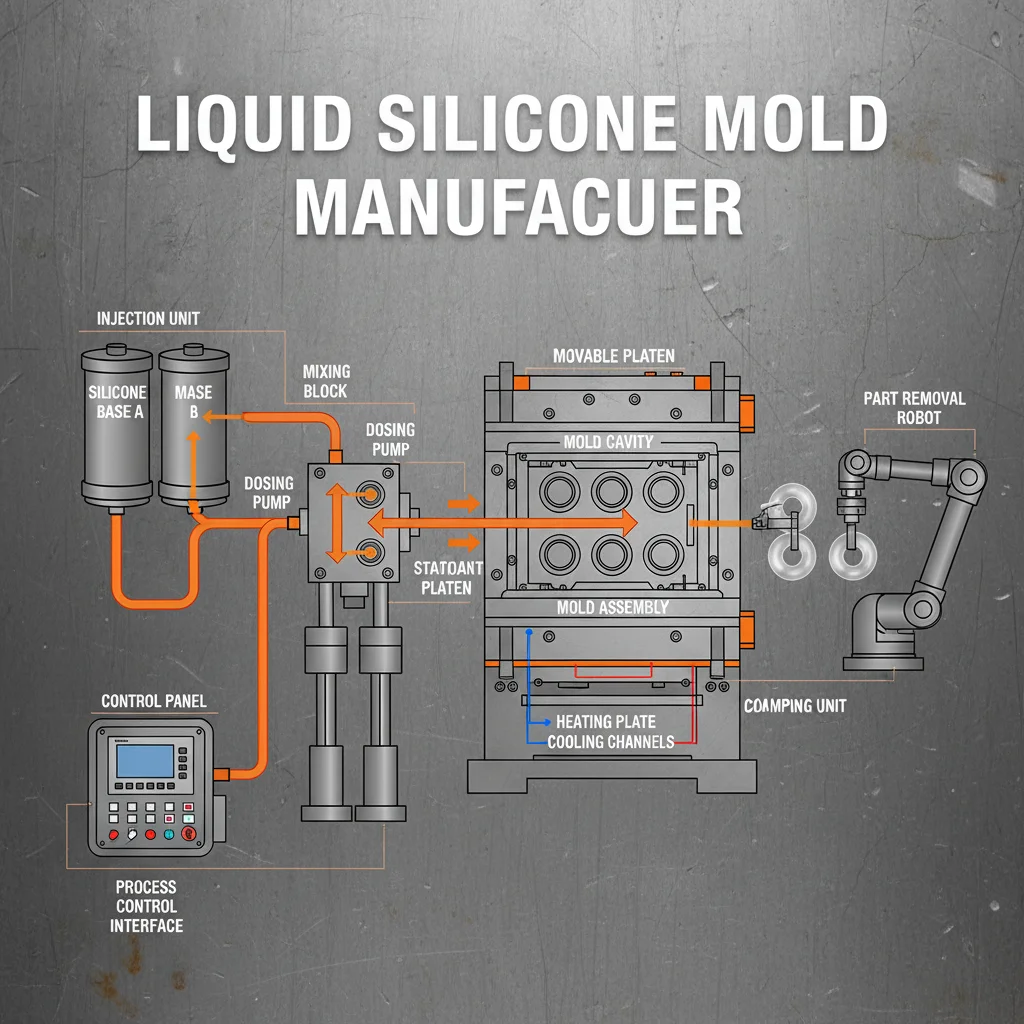
Technical Overview of Two-Color LSR Injection Molding
Two-color injection molding, also known as dual-shot or multi-component injection, involves processing two different colored liquid silicone rubbers in one seamless molding cycle.
This technique enables enhanced product aesthetics and functional integration — for example, combining soft-touch grips with rigid structural components without secondary assembly.
Key Process Highlights:
Two color injection uses specialized mold tools equipped with dual cavities and separate injection units. The first color is injected and partially cured, followed by the second color fill while bonding with the first layer.
Material Selection: High-purity medical or industrial-grade LSR with matched curing properties
Machine Setup: High-speed liquid silicone injection molding machines calibrated for temperature (typically 140°C-170°C) and injection pressure control
Mold Design: Precision machined hardened steel molds with advanced venting and temperature circuits to prevent flash and air entrapment
Quality Control: In-process monitoring using digital pressure sensors and thermal imaging for uniform polymer cross-linking
Liquid Silicone Rubber (LSR) chemical characteristics — including viscosity, cure kinetics, and thermal expansion coefficients — strongly influence achievable part tolerances and cycle times.
Improper characterization can lead to defects like warpage, bond delamination, or color irregularities.
Our engineering team leverages rheological data and CAE simulation tools to optimize mold filling and curing consistency, supported by references such as the MDPI study on material characterization in LSR molding to fine-tune process parameters.
Precision two-color LSR injection molding machine at Yingtai factory
Application Scenarios for Two-Color Injection Molded Rubber Parts
The versatility of two-color injection molded rubber parts positions them for broad application across multiple industries where performance, durability, and aesthetics intersect.
Consumer electronics: ergonomic cases for handheld devices, waterproof seals with color coding for assembly
Medical devices: biocompatible overmolded components for wearables and flexible seals meeting FDA standards
Industrial equipment: vibration dampers and protective boots combining hard and soft rubber phases
Household appliances: water-resistant rubber parts with multi-color designations for user operation interfaces
Each application demands precise control over material properties like Shore hardness, tensile strength, and thermal aging resistance. Our formulations are customized from platinum-cured LSR compounds that withstand harsh environments - including UV exposure and automotive-grade thermal cycling.
We also collaborate closely with product designers at the prototype stage, advising on features like gate placement, color layering sequence, and demolding flow to avoid common pitfalls shared in industry forums like Reddit discussions on LSR overmolding.
Procurement & Supplier Evaluation Tips for Two-Color LSR Parts
Being informed about supplier capabilities and procurement risks is vital to secure high-quality two-color injection molded rubber parts and avoid operational headaches.
Here are critical considerations when sourcing from global factories:
Criteria
What To Verify
Practical Advice
Mold Quality & Maintenance
Check mold material, precision machining, and upkeep records
Request photos or videos of mold condition; inspect tooling changeover times
Material Traceability
Confirm LSR material certifications - ISO 10993, RoHS, FDA
Obtain batch test reports; consider third-party lab validation
Process Capability
Assess cycle time consistency, defect rates & yield metrics
Ask to audit production lines or review SPC charts
Compliance & Certification
Verify ISO 9001, CE marking, specialized automotive or medical accreditations
Insist on visible authentic certificates rather than just PDF claims
Logistics & Packaging
Confirm export documentation, container loading practices, and packaging integrity
Evaluate FOB terms and shipping timelines; consider custom packaging solutions
A practical procurement tip: request pre-production samples and coordinate with the factory for trial orders under controlled quality inspections before scaling.
This minimizes financial exposure from hidden defects or specification mismatches.
Our Factory Strength & Processing Capability
Guangdong Yingtai High Precision Technology Co., Ltd. stands out as a specialized two-color injection molded rubber parts factory with over two decades of operational expertise.
Located in the heart of Dongguan, the company’s capacity includes:
55 sets of liquid silicone injection molding machines for complex multi-shot processes
80 automatic plastic injection molding machines with precise temperature and timing controls
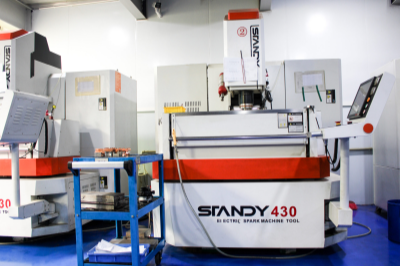
Advanced mold processing infrastructure including EDM and CNC machines for tool maintenance and rapid prototyping
Rigorous quality control labs equipped with spectrophotometers, durometers, and tensile strength testers
Modern molding workshop showcasing two-color LSR injection machines
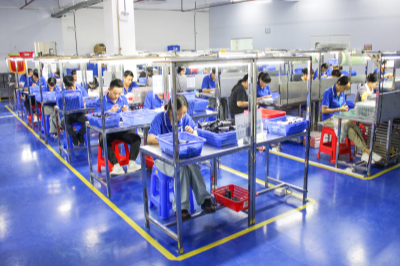
Our industrial park covering 35,000 sqm is designed as a streamlined production cell enabling close coordination between mold development, pre-production sampling, and final assembly.
This “one-stop” manufacturing philosophy helps compress lead times — typically 15-30 days for new orders — and sustain stable output batches for high-volume clients.
We proudly hold ISO 9001 and CE certifications, aligning with international standards for quality management and product safety, vital for automotive and medical markets.
Technical Specifications
Parameter
Detail
Material
Platinum-cured Liquid Silicone Rubber (LSR), FDA & RoHS Compliant
Shore Hardness Range
10A to 80A, selectable per customer requirement
Color Options
Dual-color or multi-color combinations, customized Pantone matching
Max Part Dimensions
Up to 250mm x 250mm x 150mm (LxWxH)
Cycle Time
Typical 30-90 seconds per part depending on complexity and size
Tolerances
±0.1mm to ±0.3mm, dependent on design and molding conditions
Certifications
ISO 9001, CE, RoHS, FDA (upon request), Automotive IATF 16949 (select products)
Compliance with these specifications ensures parts are fit for high-demand industrial, automotive, and medical environments, meeting stringent durability and safety requirements.
Maintenance & Logistics Considerations
Proper maintenance and efficient logistics significantly affect total cost and delivery reliability for two-color injection molded rubber parts.
Mold & Machine Maintenance
Regular inspection for cavity wear and vent clogging prevents flash and reduces scrap rates.
Scheduled replacement of injection nozzles and seals ensures stable injection pressure and consistent part quality.
Documented machine calibration improves dimensional repeatability across production runs.
Packaging & Shipping Logistics
Optimized packaging with anti-static and ripple-packed protective layers to avoid deformation during container transit.
Compliance with customs documentation and HS codes for rubber parts expedites border clearance.
Coordinated container loading plans to maximize volume utilization and prevent damage by restricting movement inside containers.
Our export team works closely with logistics partners to provide realistic lead time estimates — usually 25-40 days from order confirmation to delivery in the US market. This includes production, quality checks, packaging, and freight forwarding.
Careful packaging and container loading ensures product integrity during shipment
Frequently Asked Questions (FAQs)
Q1: What are the main advantages of two-color injection molding over traditional single-color parts?
Two-color injection molding allows you to integrate multiple materials or colors in one step, improving aesthetics, reducing assembly complexity, and enhancing functional performance — such as combining soft and hard rubber zones with precise bond strength.
Q2: How do you ensure color accuracy and prevent bleeding between layers?
Color stability depends on using compatible LSR compounds with matched cure profiles and optimized injection timing. Our process includes strict temperature control and pre-production trials with Pantone color verification to ensure sharp color boundaries.
Q3: Can you accommodate OEM or ODM custom designs for two-color rubber parts?
Absolutely. We offer full mold development from tooling design to sample approval, supporting custom geometries, material blends, and multi-color layouts. Our engineering team collaborates in prototype validation to streamline go-to-market workflows.
Q4: What typical lead times should buyers expect for new and repeat orders?
Mold tooling and sampling generally require 3-4 weeks depending on complexity. Production runs for established parts range from 2 to 4 weeks with usual transit times to the US of 10-15 days by sea, depending on port schedules and customs clearance.
Q5: How does your factory mitigate defects such as warpage or flash during two-color injection molding?
We employ precision mold temperature control, advanced venting design, and real-time process monitoring based on CAE simulation results. Additionally, our maintenance routines include consistent tool polishing and cavity balancing to minimize defects.
What Our Clients Say
Michael J., Procurement Manager at TechAuto USA
“Sourcing two-color LSR parts through Yingtai was a game changer. Their attention to mold precision reduced our defect rate noticeably. Communication throughout the order cycle was clear, and we never had unexpected delays.”
Get in Touch
If you have any camping barbeque equipment inquiry, please feel free to contact us.