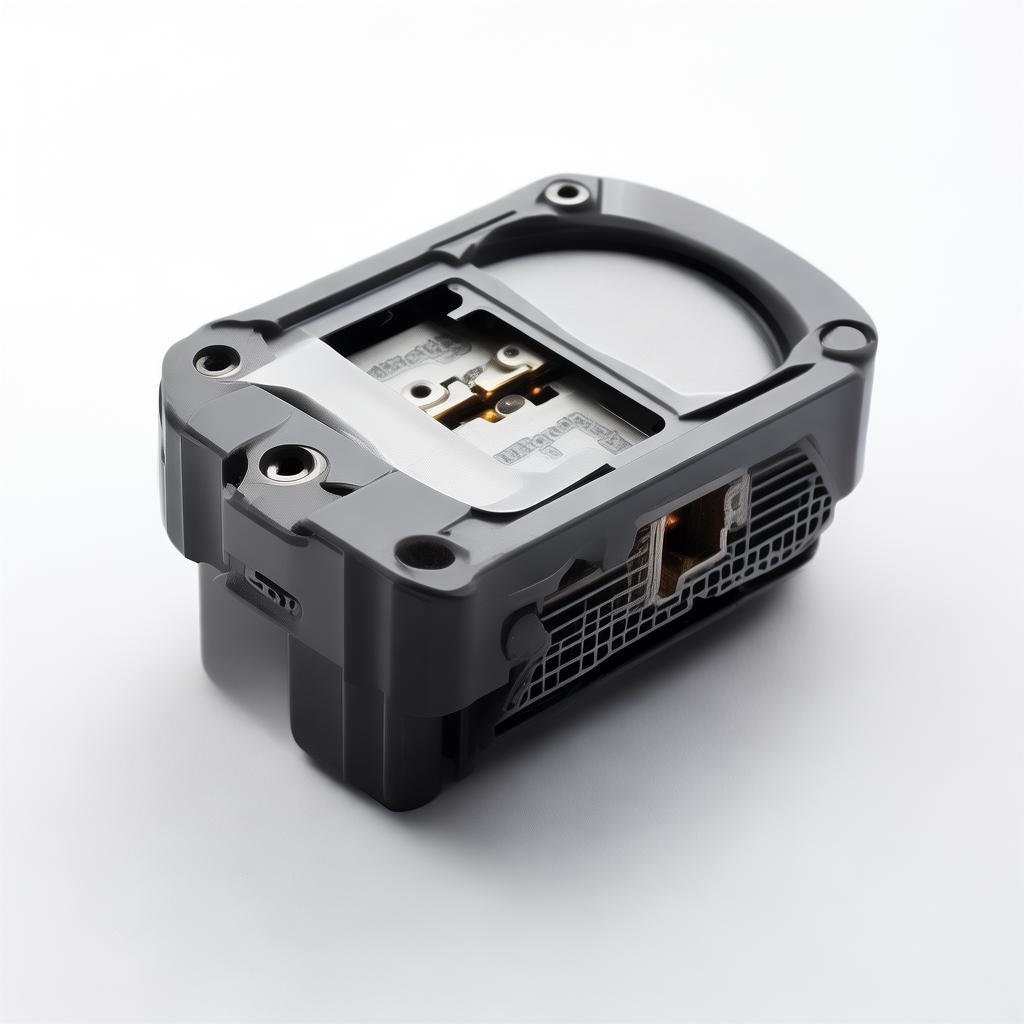
Guangdong Yingtai High Precision Technology Co., Ltd. — Your Trusted Partner in Advanced Plastic Molding The demand for two-color plastic parts , also known as bi-injection molded components, has steadily grown across sectors like
Product Details
Processing Two-Color Plastic Parts Enterprise: Delivering Precision & Durability
Guangdong Yingtai High Precision Technology Co., Ltd. — Your Trusted Partner in Advanced Plastic Molding
Understanding the Two-Color Plastic Parts Manufacturing Landscape
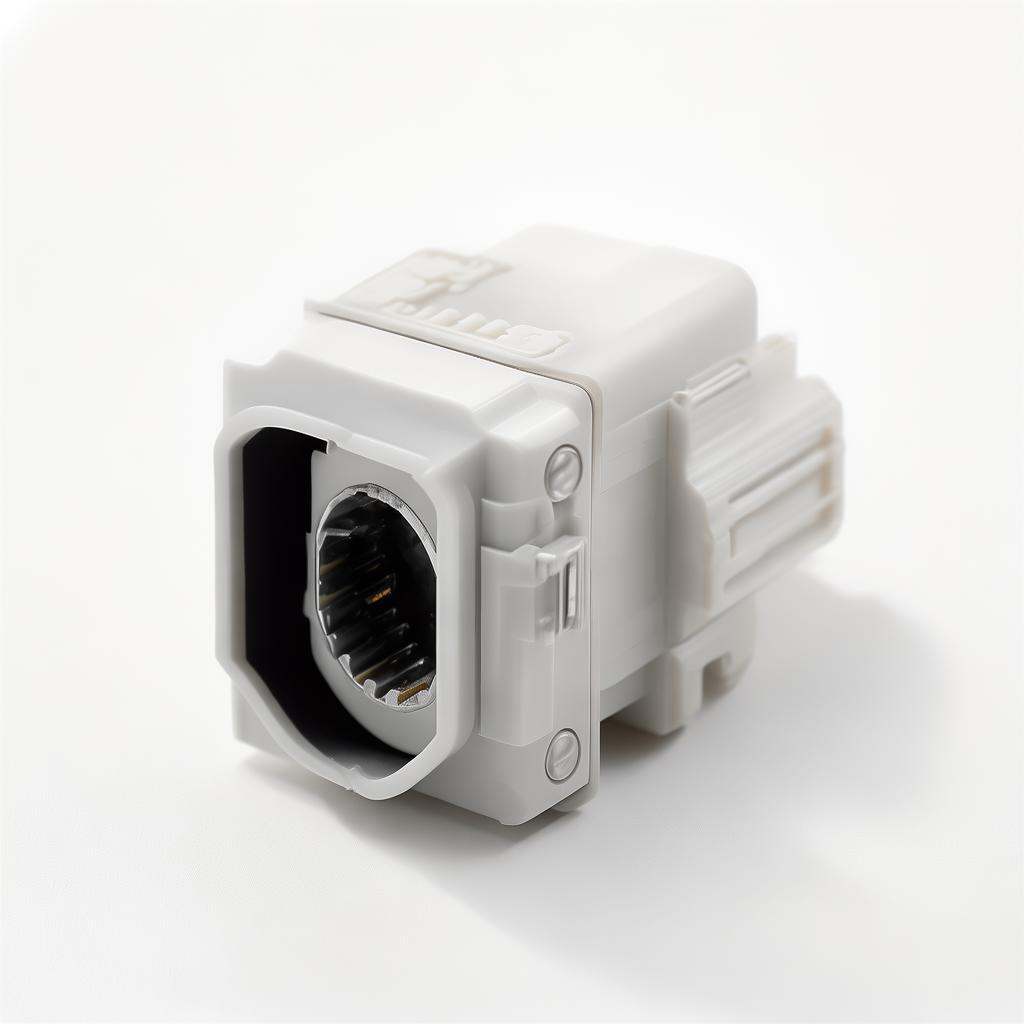
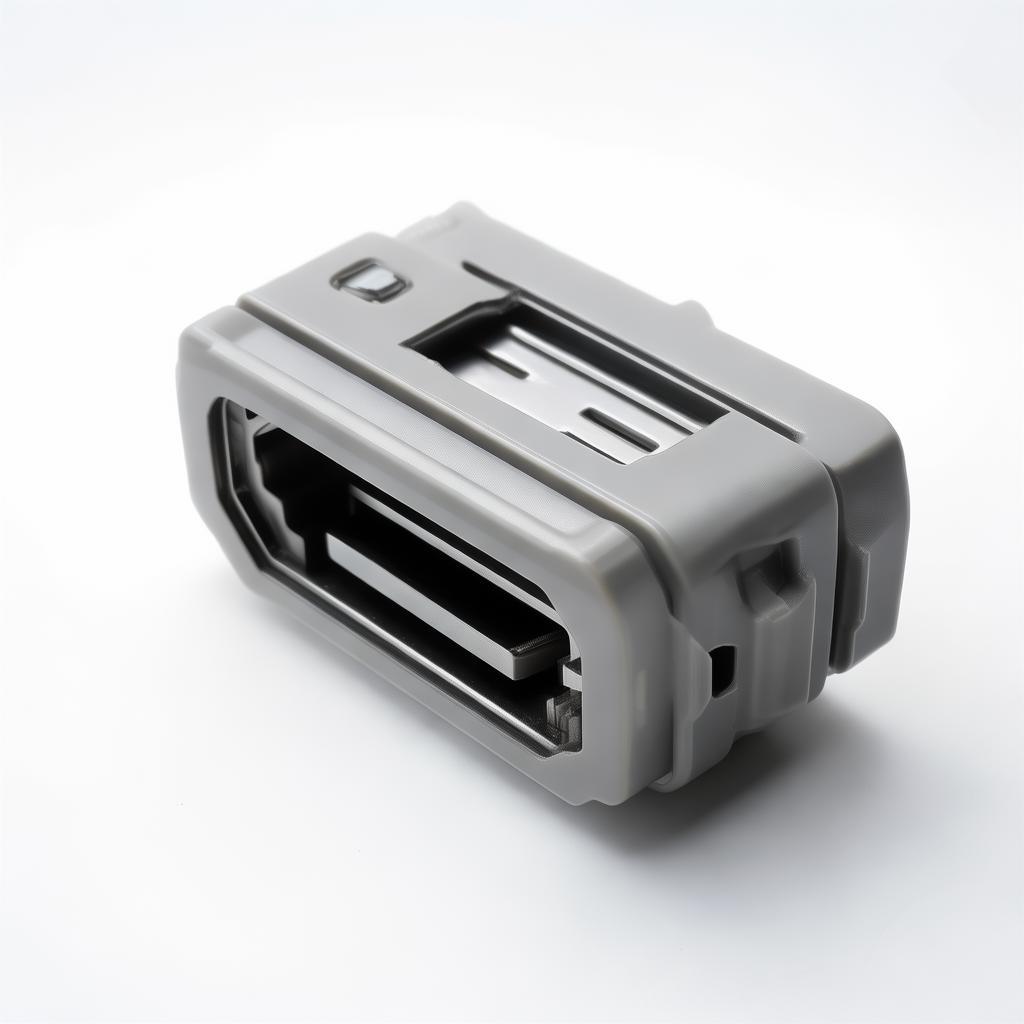
The demand for two-color plastic parts, also known as bi-injection molded components, has steadily grown across sectors like automotive, consumer electronics, and household appliances. At its core, this process integrates two different materials, often with distinct colors and properties, into a single molded piece — combining aesthetics and functional performance without additional assembly costs.
Manufacturers face the challenge of molding precision, material compatibility, and stringent quality controls amidst global supply chain complexity. Buyers from USA and other English-speaking regions increasingly require suppliers who provide reliable lead times, process versatility, and technical guidance tailored to diverse applications—from soft-touch grips to rigid structural elements.
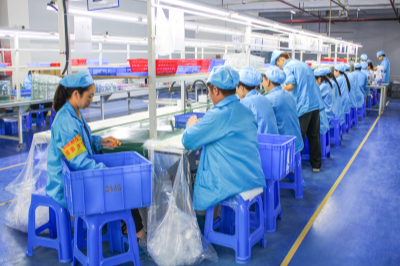
Guangdong Yingtai High Precision Technology, rooted in China’s manufacturing hub of Dongguan, has developed expertise spanning over 20 years in multi-shot injection molding, liquid silicone integration, and plastic component overmolding. Our modern facilities, staffed by over 500 specialists, are equipped with over 80 advanced injection machines and precision mold fabrication equipment — enabling high-volume, technically demanding orders.
Key market drivers noted in recent industry reports include:
Increasing demand for aesthetic, functional multi-material devices in consumer electronics and medical equipment (Grand View Research, 2023).
The push for production efficiency and waste reduction through improved mold tooling and process optimization techniques (Fraunhofer Research).
Adoption of hybrid manufacturing approaches such as injection molding combined with liquid silicone overmolding to expand product versatility and lifespan (MDPI Polymers, 2023).
From a procurement perspective, it's critical to work with an enterprise that understands not only the mechanical and chemical aspects of plastics and silicones but also the logistics, compliance, and international trade dynamics shaping supply reliability. Having managed container loading, lead times, and intricate quality standards for export to North America and Europe, Yingtai provides buyers with a transparent, experienced partnership.
Common Procurement Challenges in Two-Color Plastic Parts
Purchasing managers and procurement directors often face obstacles when sourcing two-color plastic parts from overseas suppliers, especially in terms of:
Material compatibility and adhesion issues: Without precise process control, poor bonding between two plastics or plastic and silicone can compromise durability;
Inconsistent color matching: Variations can emerge due to different resin batches, temperature control, or mold wear, causing assembly or branding problems;
Lead time unpredictability: Overrun production cycles, tooling delays, or port congestion often create shipment delays affecting production schedules;
Quality assurance lapses: Dimension inconsistencies, flash defects, or insufficient tolerance control cause costly rejections;
Communication gaps: Industrial specifications and compliance standards bulletproof agreements but often get lost in translation without dedicated export management;
These issues waste time and money and erode trust. Smart procurement must emphasize factory transparency, process traceability, and technical collaboration. Choosing a supplier with thorough mold development and testing capability is less a luxury, more a necessity. Yingtai's integrated in-house mold processing facility and extensive testing instruments (over 20 sets) allow us to identify and troubleshoot issues early, cutting back defect rates and unpredictable reworks.
Technical Deep Dive: How Two-Color Plastic Processing Works
Two-color plastic parts production primarily uses multi-shot injection molding, wherein a molded part undergoes successive injections of two different thermoplastics or thermoplastic plus liquid silicone. The process steps are:
First material injection: A primary plastic material is injected into a mold cavity, designing the core or structural element.
Rotating or transferring the molded part: The mold or part rotates/transfers to a second injection station.
Second material injection: A contrasting or complementary plastic or silicone material is injected onto/around the first part, creating the “two-color” effect.
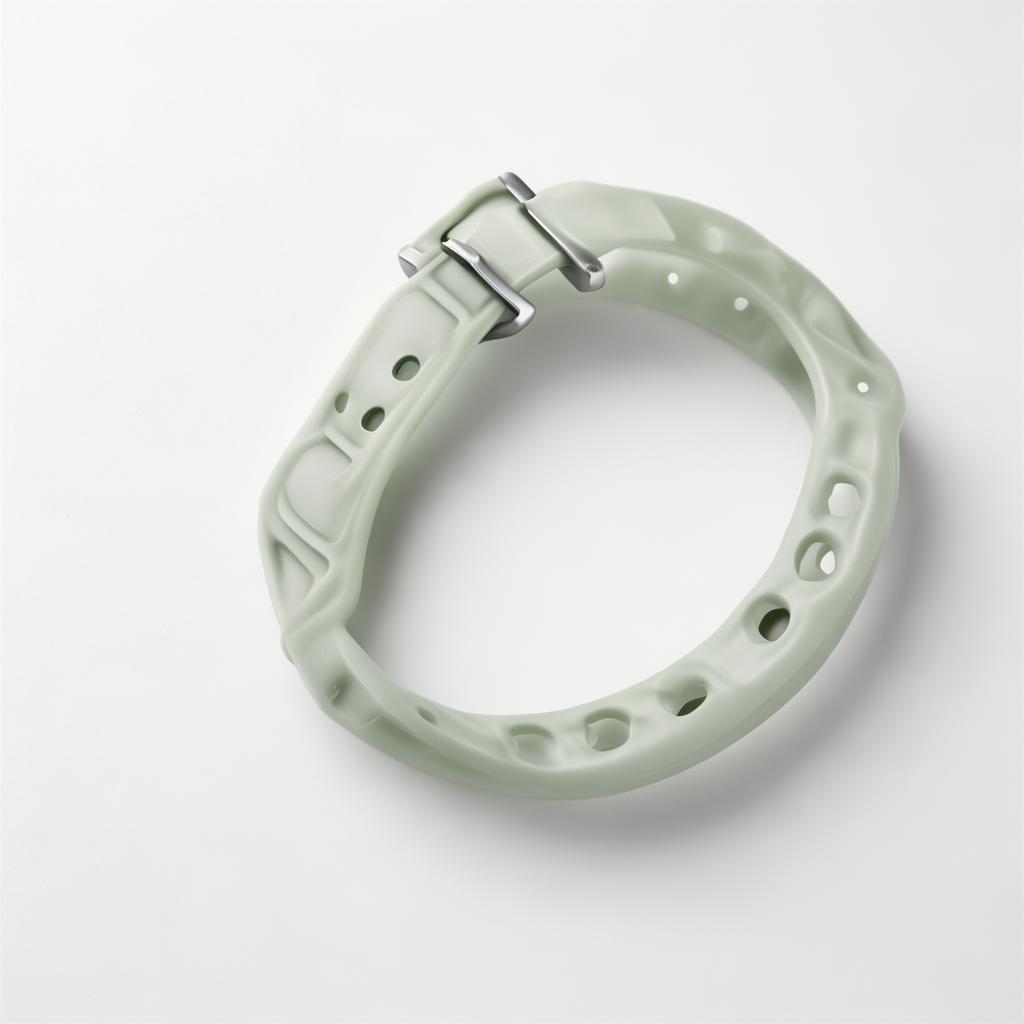
This method offers seamless integration of hard and soft materials, providing tactile grip surfaces, cosmetic patterns, or functional seals without secondary assembly. Depending on the design, overmolding variants combine rigid plastic substrates with liquid silicone rubber (LSR), forming durable waterproof seals or soft touch-feel zones.
LSR injection molding demands controlled processing temperatures, injection pressures, and rapid curing systems. 55 liquid silicone molding units at Yingtai enable production with tight liquid silicone tolerances and anti-slip backing features essential in automotive or wearable technology components.
Typical Technical Specifications for Multi-Shot Injection Molding
Parameter
Details
Significance
Mold Temperature
40°C - 80°C
Critical for material flow and surface finish
Injection Pressure
50 - 180 MPa
Ensures full cavity filling and adhesion between layers
Cycle Time
15 - 45 seconds (varies by material complexity)
Affects productivity and cost efficiency
Material Types
ABS, PC, TPU, LSR, TPE
Material selection influences durability and finish
Tolerance Range
±0.05 - 0.1 mm
Essential for multi-part assembly compatibility
Note: Multi-shot and 2-component molding processes necessitate expert mold design to prevent flash, voids, and warpage. Yingtai's in-house mold shop, with over 30 precision processing machines, accelerates prototype to production cycle while maintaining ISO and CE-certified standards.
Material and Process Considerations: Which Combinations Fit Your Product?
Selecting the right plastics and silicone for two-color parts is not just about color contrast — it influences mechanical strength, chemical resistance, and lifecycle behavior. Here’s a brief comparison of common pairings:
ABS + TPU: Popular for rugged wearables and automotive knobs due to TPU's flexibility and impact resistance.
PC + LSR: Suitable for medical-grade components requiring biocompatibility and high heat resistance.
PP + TPE: Used in consumer products offering a soft touch and enhanced grip surfaces.
Plastic-to-silicone overmolding is increasingly favored, yet it demands stringent surface treatments and process calibration to ensure bonding without delamination. That’s why technical consultation at the design stage helps avoid costly mistakes.
Advice for Buyers: Whenever possible, engage your supplier early with a detailed product specification and target application environment. This allows testing and validation of material compatibility and adherence to standards like ISO 9001 and RoHS compliance, essential for health, safety, and environmental regulations.
Why Choose Guangdong Yingtai for Two-Color Plastic Components?
Our factory is a vertically integrated powerhouse designed for complexity and scalability:
55 liquid silicone molding machines: Enabling unparalleled precision in overmolding and dual-material injection.
80 automatic plastic injection molding machines: Covering 50-500 tonnage range, guaranteeing flexibility in part size and cycle times.
30+ precision mold-making machines: Cutting, grinding, EDM, and polishing equipment all under one roof for accelerated product development.
Strong technical R&D team: Over 50 engineers focused on process optimization, material science, and CAE simulation.
Comprehensive quality control: Advanced lab testers and measurement instruments verifying mechanical, chemical, and dimensional specs.
State-of-the-art molding machines at Yingtai factory, Dongguan
We comply with ISO9001, CE certification, and have experience exporting complex parts conforming to ASTM and UL standards. This reassures partners on dimension accuracy, chemical resistance, and durability. Our expertise spans sectors from automotive sealing and new energy vehicle components to consumer electronics and household products.
Importantly, we've handled the logistical complexities of container loading optimization, documentation for customs clearance, and cross-border compliance, minimizing delays and ensuring faster delivery.
OEM and ODM services are a core strength. From prototype mold making to production scaling, we offer tailored solutions—meeting your exact color, texture, and mechanical specifications.
Installation & Logistics: Practical Considerations for Two-Color Parts Buyers
Let's face it — procurement is only half the battle. Installation, integration, and logistics can seriously impact project timelines and budgets.
Two-color parts, especially those incorporating silicone overmolding, require careful handling to prevent deformation or surface damage during transit. Flat stacking and use of anti-static packaging reduce risks of scratches and contamination.
When planning shipments from Dongguan to USA ports, typical lead times are approximately 30-45 days including production, packaging, and ocean transit. Early communication on container loading volumes and pallet arrangements can help reduce freight costs and avoid partial shipments.
On-site installation tips:
Verify part tolerances against mating assemblies prior to large volume acceptance.
Consider ambient temperature and UV exposure for plastic and silicone durability.
Follow recommended cleaning protocols; avoid solvents that may degrade silicone seals.
Plan for periodic inspection of mechanical integrity in dynamic applications, especially in automotive or wearable device contexts.
At Yingtai, we advise customers on storage conditions and supply chain best practices to extend component lifespan and reduce warranty claims.
Frequently Asked Questions
Q1: What is the typical MOQ (Minimum Order Quantity) for two-color plastic parts?
MOQ varies by complexity and tooling but generally starts at around 5,000 pieces due to mold costs and setup. Custom small-batch injection molding is also available upon inquiry.
Q2: How do you ensure color consistency between production batches?
We use standardized pigment compounds and maintain tight temperature controls across molding cycles. Pre-production color samples are provided for buyer approval to minimize deviations.
Q3: Can you produce parts combining rigid plastic with liquid silicone rubber?
Absolutely. Our multi-component injection machines specialize in LSR overmolding on PC, ABS, and similar substrates with strong adhesion and no delamination concerns.
Q4: What certifications do your products and factory hold?
Our factory follows ISO 9001 quality management systems; products meet RoHS and CE requirements where applicable, and material certifications can be provided on demand.
Q5: How do you handle tooling modifications if design changes are needed?
Our in-house mold shop allows prompt adjustments. Minor mold modifications can often be done within days, avoiding production delays and costly new tooling.
Voices from Our Customers
Michael R., Procurement Director, Boston, MA: “Working with Yingtai dramatically improved our supply chain stability for two-color automotive knobs. Their mould engineering expertise was evident, reducing rejects by about 20% compared to our previous vendor. Communication was clear, and exports arrived promptly.”
Get in Touch
If you have any camping barbeque equipment inquiry, please feel free to contact us.