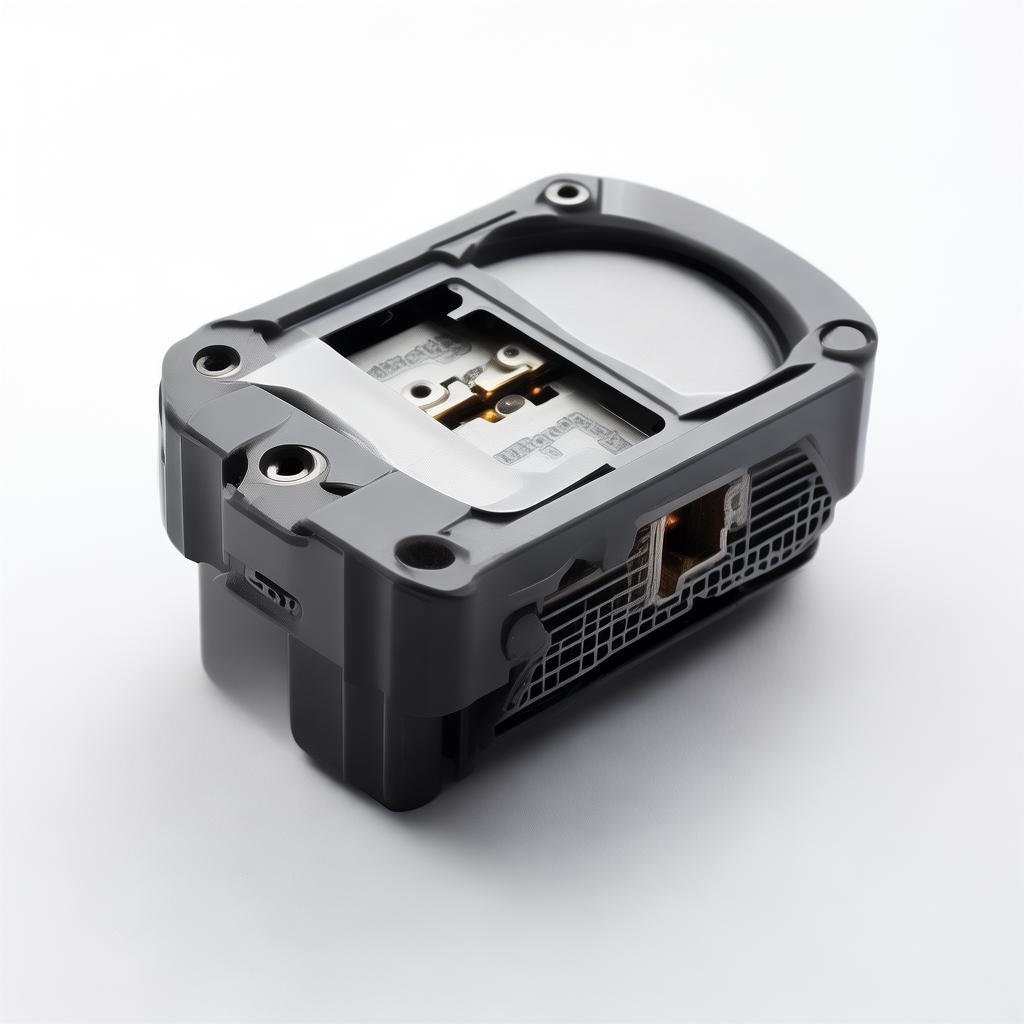
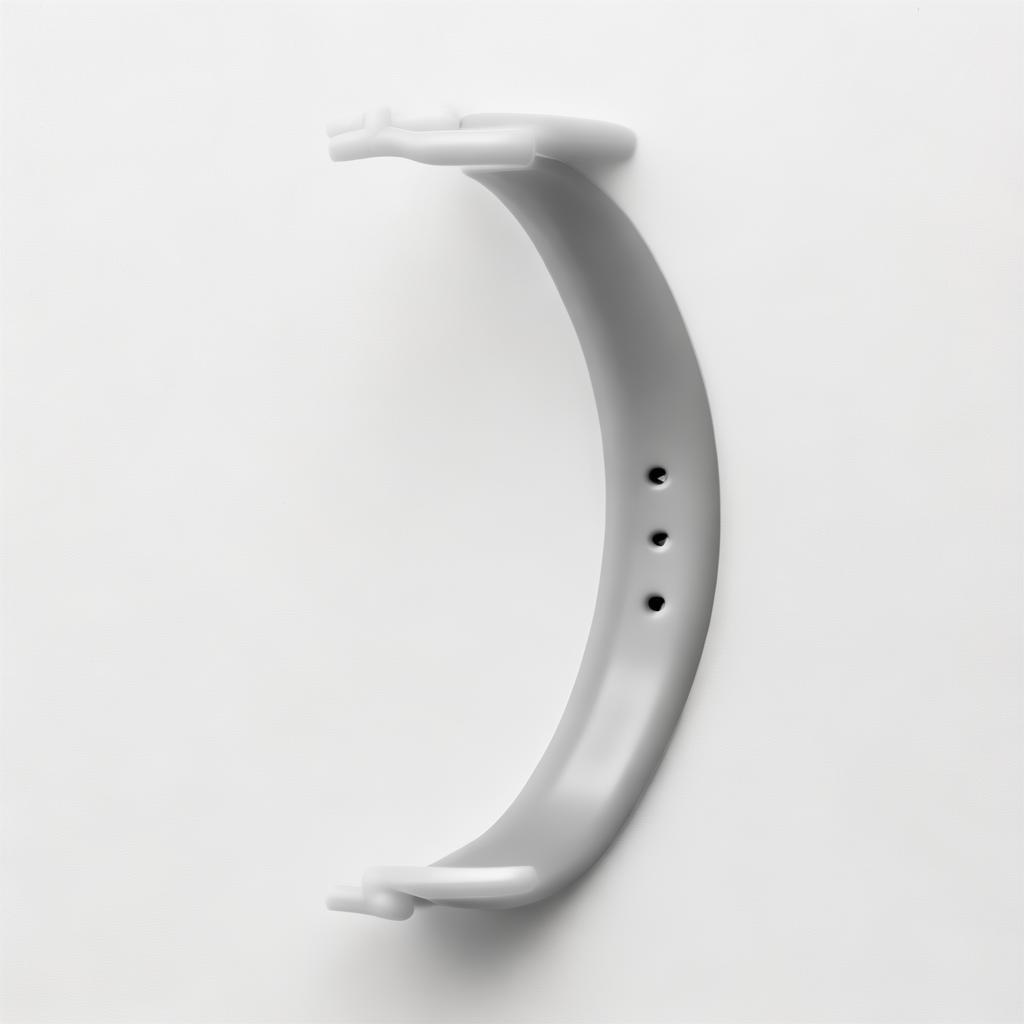
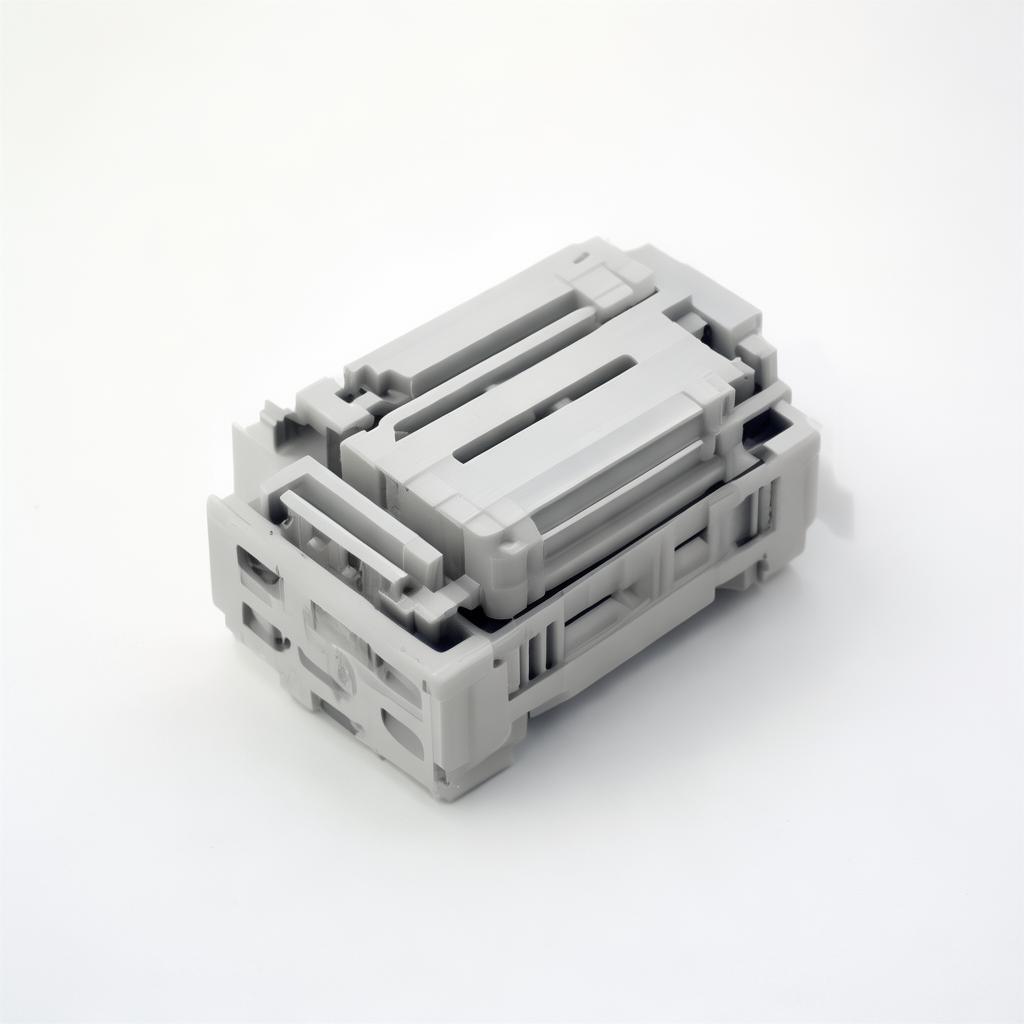
Precision Processing for Two-Color Plastic Parts Mold
Expert injection molding solutions combining dual-color plastics with intricate mold engineering for durable, visually-enhanced industrial components.
Industry Pain Points in Two-Color Plastic Molding
Purchasing managers and technical engineers frequently grapple with the complexities tied to multi-material injection molding—especially the processing of two-color plastic parts. Challenges are often rooted in:
- Precise Mold Alignment: Misalignment between the tooling halves can cause color bleeding, flash, or weak bonding.
- Material Compatibility: Not all thermoplastics bond well during overmolding; wrong combinations lead to delamination or inconsistent aesthetics.
- Cycle Time Optimization: Dual-shot molding inherently lengthens production cycles. Without process controls, this increases costs and delays.
- Equipment Calibration: Dual-injection molding machines require rigorous maintenance and settings adjustment to ensure repeatability.
- Quality Control: Achieving consistent color distribution, avoiding sink marks, burn marks, and ensuring dimensional tolerances is demanding.
Many procurement teams underappreciate how mold design intricacies directly impact downstream assembly and fitment. Overlooking these risks can result in high scrap rates or warranty claims. It’s critical that suppliers possess not only advanced molding machines but also a wealth of experience engineering precision, multi-component tooling for two-color applications.
For example, in sectors like consumer electronics or automotive interiors, visual harmony combined with functional reliability cannot be compromised. A minor misalignment in the mold or improper selection of ABS and TPE materials leads to surface defects or premature wear — impacting brand reputation and lifecycle costs.
Operational note: Anticipate at least 10-15% longer mold qualification cycles compared to single-shot runs — an investment that pays off with significantly reduced post-production fixes.
Technical Insights into Two-Color Mold Processing
Two-color plastic injection molding, often referred to as multi-shot or double-shot molding, demands a high level of technical expertise spanning:
- Mold Design: Custom-engineered tooling ensures the sequential injection of dissimilar plastics within a single cycle, minimizing flash and ensuring robust interfacial bonding.
- Injection Parameters: Precise temperature, injection speed, and pressure settings tailored to each resin’s rheological behavior are essential to prevent defects.
- Material Science: Understanding polymer blend morphologies and surface energies helps select combinations like PC/ABS with TPU or PP with TPE to achieve optimal adhesion and durability.
- Process Simulation: Advanced CAE tools simulate fill patterns, fiber orientation, and thermal distribution, reducing trial-and-error in mold development.
Here's a technical specification table highlighting typical parameters for common two-color molding plastics used in precision parts (values are approximate and vary per application):
| Material Pair | Melt Temp. (°C) | Injection Pressure (MPa) | Cycle Time (sec) | Bond Strength (MPa) |
|---|---|---|---|---|
| ABS & TPE (Thermoplastic Elastomer) | 230-250 / 210-230 | 80-120 | 25-40 | 6-9 |
| PC & TPU (Thermoplastic Polyurethane) | 270-280 / 210-230 | 90-130 | 30-45 | 7-11 |
| PP & SEBS (Styrene-Ethylene-Butylene-Styrene) | 220-240 / 190-200 | 70-110 | 20-35 | 5-7 |
Optimizing these parameters requires hands-on testing backed by precise data collection. Consistent mold temperature control is critical, especially where heat-sensitive or delicate materials are involved — a lesson underscored by recent industrial feedback and in-field results.
Material and Product Advantages
Choosing the right combination of plastics for two-color molding unlocks both aesthetic and functional benefits:
- Enhanced Visual Appeal: Contrasting colors or transparent layers can create premium product appearances without post-processing.
- Integrated Functionality: Soft-touch rubberized components can be molded onto rigid plastic substrate in one operation improving ergonomics and durability.
- Material Economy: Tailored use of high-performance resins only where necessary helps reduce raw material costs.
- Improved Assembly: Eliminating secondary assembly by combining parts in-mold reduces labor, alignment errors, and scrap.
For instance, overmolding TPE on rigid ABS shells enhances grip and tactile feedback — common in automotive control knobs or power tool handles. Beyond aesthetic gains, this multi-material interfacing adds chemical and UV resistance, critical for outdoor and industrial environments.
Procurement insight: Suppliers must advise on the compatibility of resin pairs and the impact of their thermal expansion coefficients to avoid warping or internal stresses during production.
The use of ISO certified raw materials (often ISO 9001 or ISO 14001 compliant) ensures consistent batch-to-batch quality. Additionally, leveraging materials with UL94 V-0 flame retardant ratings or FDA-compliant food-grade certifications enhances product versatility.
Application Environments
Two-color plastic molding finds its niche in diverse industries where visual distinction and functional embedding matter. Key applications include:
- Consumer Electronics: Smartphone covers, wearable device housings with multi-texture grip zones.
- Automotive Components: Dashboard controls, interior trims combining aesthetics with tactile softness.
- Medical Devices: Syringe parts, diagnostic housings with color coding for parts recognition.
- Home Appliances: Kitchen gadgets, remote controllers featuring ergonomic grips and decorative overlays.
- Industrial Tools: Handles and switches requiring high-impact resistance plus comfort surfaces.
With increasing demand for compact, visually intricate components, the market for advanced two-color molding continues to expand. Especially in the USA, compliance with rigorous standards like RoHS, REACH, and FDA regulations shapes supplier capabilities.
Installation Insight: Finished molded parts designed with precise dimensional tolerances reduce need for secondary machining or fitting adjustment — critical for automated assembly lines.
Buyer’s Guide & Supplier Evaluation
Choosing the right processing partner for two-color plastic parts molds involves more than pricing. Here are pragmatic criteria procurement directors emphasize:
- Technical Expertise: Proven track record in multi-material mold design and troubleshooting complex injection parameters.
- Equipment Inventory: Availability of high-precision multi-shot injection machines capable of consistent yield.
- Quality Certifications: ISO 9001, CE marks, and compliance with environmental and safety codes.
- Sample Turnaround: Ability to deliver free or paid prototypes within specified lead times for evaluation.
- After-Sales Support: Clause for tooling adjustments, repair services, and technical consultation to prevent downtime.
- Supply Chain Transparency: Clarity on raw material sourcing, batch traceability, and sustainable practices.
Warning: Beware of suppliers offering cheap tooling costs but lacking advanced mold cooling systems or cavity balance control — poor components quality and longer cycle times will inflate total costs.
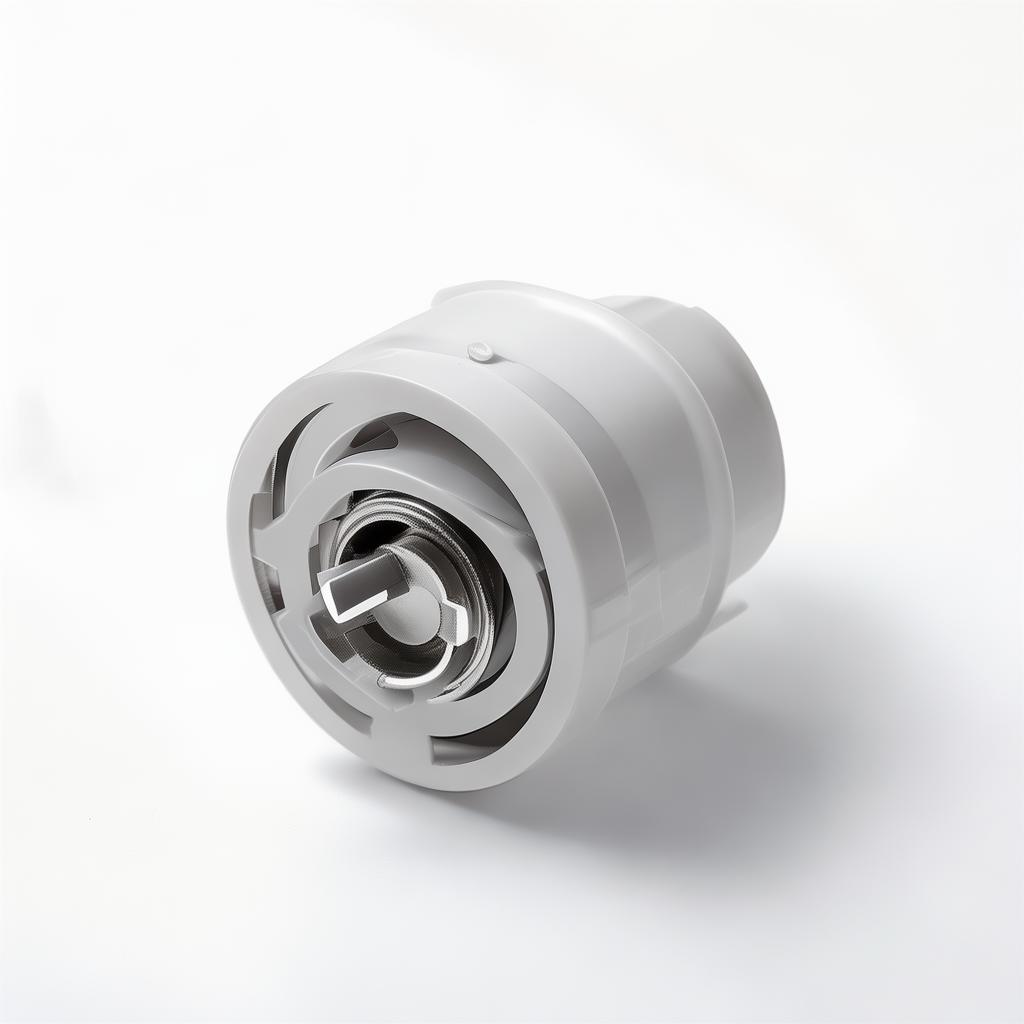
When negotiating, clarify terms on mold ownership, storage fees, and contingency plans for tooling wear or machine breakdowns. A reliable supplier typically offers OEM/ODM services with tailored project management support to streamline new product introductions.
Request detailed technical datasheets and past case studies for comparative analysis. Engage directly with their engineers to validate capability — don’t simply rely on sales promises.
Factory Capabilities & Certifications
Guangdong Yingtai High Precision Technology Co., Ltd. stands as an industry benchmark located in Dongguan, China, rooted in over 20 years of mold manufacturing excellence.
Their comprehensive manufacturing ecosystem includes:
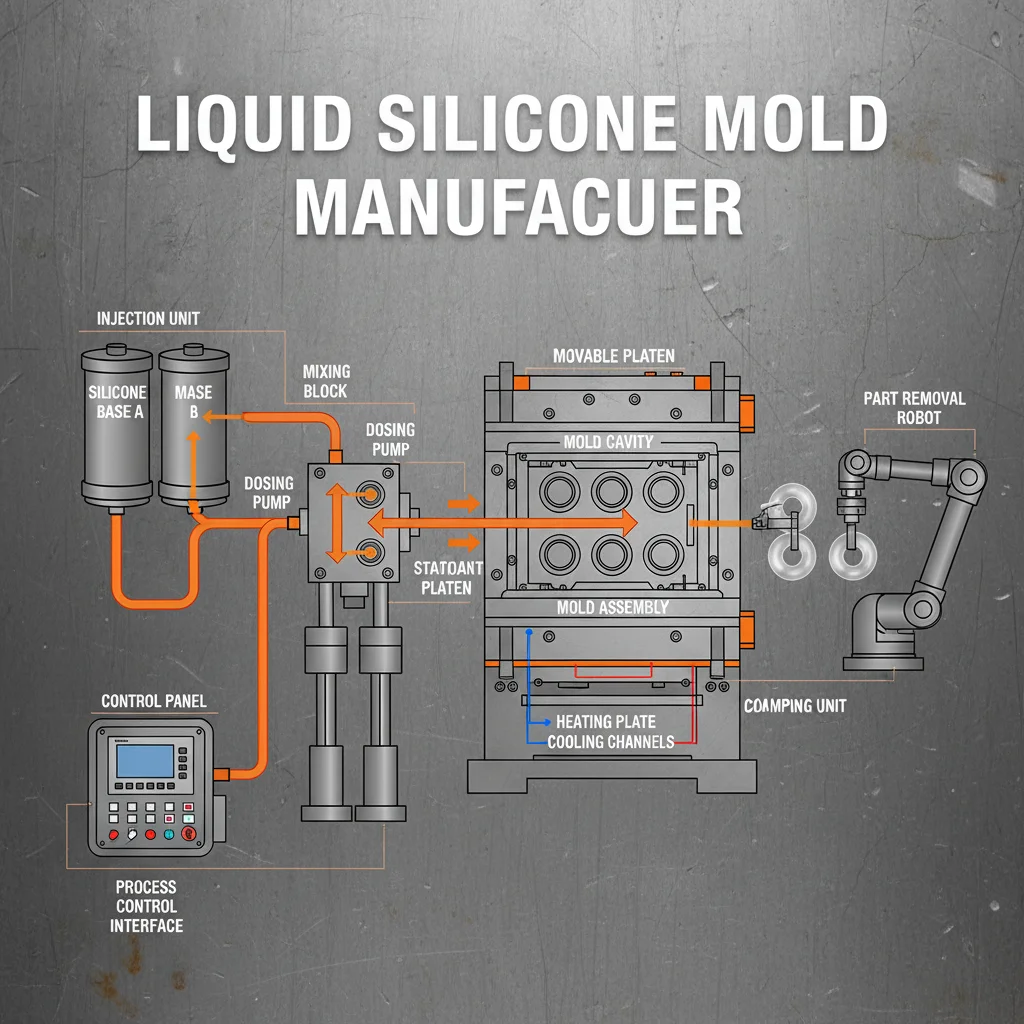
- 55 liquid silicone molding machines for soft component production.
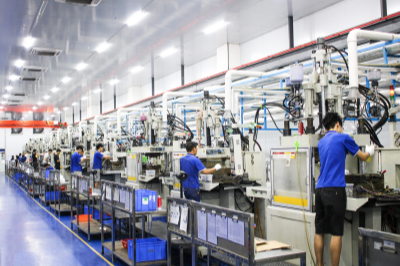
- 80+ automatic plastic injection molding machines dedicated to precision parts.
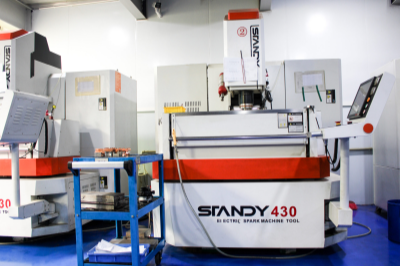
- Over 30 advanced precision mold processing setups for tooling intricacies.
- More than 20 high-tech testing instruments ensuring strict quality control.
Yingtai’s whole industry chain—from mold development through to finished product manufacturing—enables rapid iteration and consistent quality. The factory employs a skilled team of 500 specialists, blending industrial engineering with modern digital manufacturing workflows.
Their ISO 9001 and CE certifications further affirm compliance with international quality and safety standards. Strong export experience and container loading optimization help safeguard product integrity during transpacific shipping to the USA and other markets.
Export managers emphasize the critical importance of working with suppliers who understand varying logistics timelines, customs inspections, and duty classifications—factors that directly influence project timing and cost predictability.
Frequently Asked Questions
- 1. What is the typical lead time for a two-color plastic parts mold?
- Generally, mold design and approval take 6-8 weeks. Tooling manufacture runs 8-12 weeks on average depending on complexity. For mass production runs, cycle times may be longer than single-shot molding by 20–30%. Early supplier engagement helps optimize schedules.
- 2. Which plastics are best suited for two-color mold injection?
- Thermoplastics with compatible melt temperatures and good chemical affinity like ABS, PC, PP blended with TPEs or TPUs. Suppliers with material expertise assist in confirming optimal pairings to maximize bond strength and part durability.
- 3. Can two-color molding reduce assembly complexity?
- Absolutely. Merging multiple functions and materials in a single molded part eliminates secondary assembly steps, improves dimensional accuracy, and reduces labor costs.
- 4. How do I verify supplier quality for complex two-color molds?
- Scrutinize their past project portfolio, tour their tooling and molding facilities if possible, request certifications such as ISO 9001/14001, and ask for sample parts for functional and aesthetic testing prior to contract.
- 5. What maintenance is required for two-color molds?
- Regular cleaning of runner and cavity surfaces, alignment verification, lubrication of moving parts, and monitoring venting slots reduce flash and maintain dimensional stability. Plan periodic inspection intervals with your supplier to avoid downtime.
Customer Testimonials

Jessica M., Procurement Director, Chicago, IL: “We partnered with Yingtai for a complex two-color control panel housing. Their mold design team caught potential misalignment issues early and optimized production cycles effectively. Samples matched specs perfectly, and the final parts came on schedule with minimal rejects. Their responsiveness saved us significant development time.”

Carlos R., Industrial Engineer, Austin, TX: “The multi-shot molding process Yingtai developed for our automotive grips combined aesthetics with durability. Their insights into material pairings between PC and TPU reduced adhesion failures we’d seen previously. Maintenance guidelines they provided extend mold life significantly, making facility operations smoother.”

Linda K., Product Manager, New York, NY: “Their expertise in two-color molding reduced our reliance on post-process painting and assembly. The OEM/ODM factory offered multiple prototype iterations with feedback rounds that improved part fit and finish. Shipping logistics support helped us ramp production in time for a major client rollout.”
Ready to Optimize Your Two-Color Plastic Parts Production?
Trust a supplier with deep manufacturing insight, precision tooling, and decades of export experience. Request a consultation or a factory pricing quote today — and reduce your production risks with proven expertise.
Request Factory PricingContact Guangdong Yingtai High Precision Technology Co., Ltd.
Located in Dongguan City, Guangdong Province, Yingtai leverages more than 20 years of experience crafting two-color plastic molds. Their commitment to cutting-edge technology and customer collaboration drives precision manufacturing and excellent customer service.
Telephone: (Miss Zhang) +86 17722437688Fax: +86 0769-83666863
Email: zmm@yingtai168.com / lh@yingtai168.com
Whatsapp: +86 17722437688
Address: No. 359 Chang'an Bubugao Road, Chang'an Town, Dongguan City, Guangdong Province
Visit Our Website & Contact Form
Processing two-color plastic parts mold factory Processing two-color plastic parts mold enterprise Production of two-color plastic parts mold factory
Recent Online Consultations