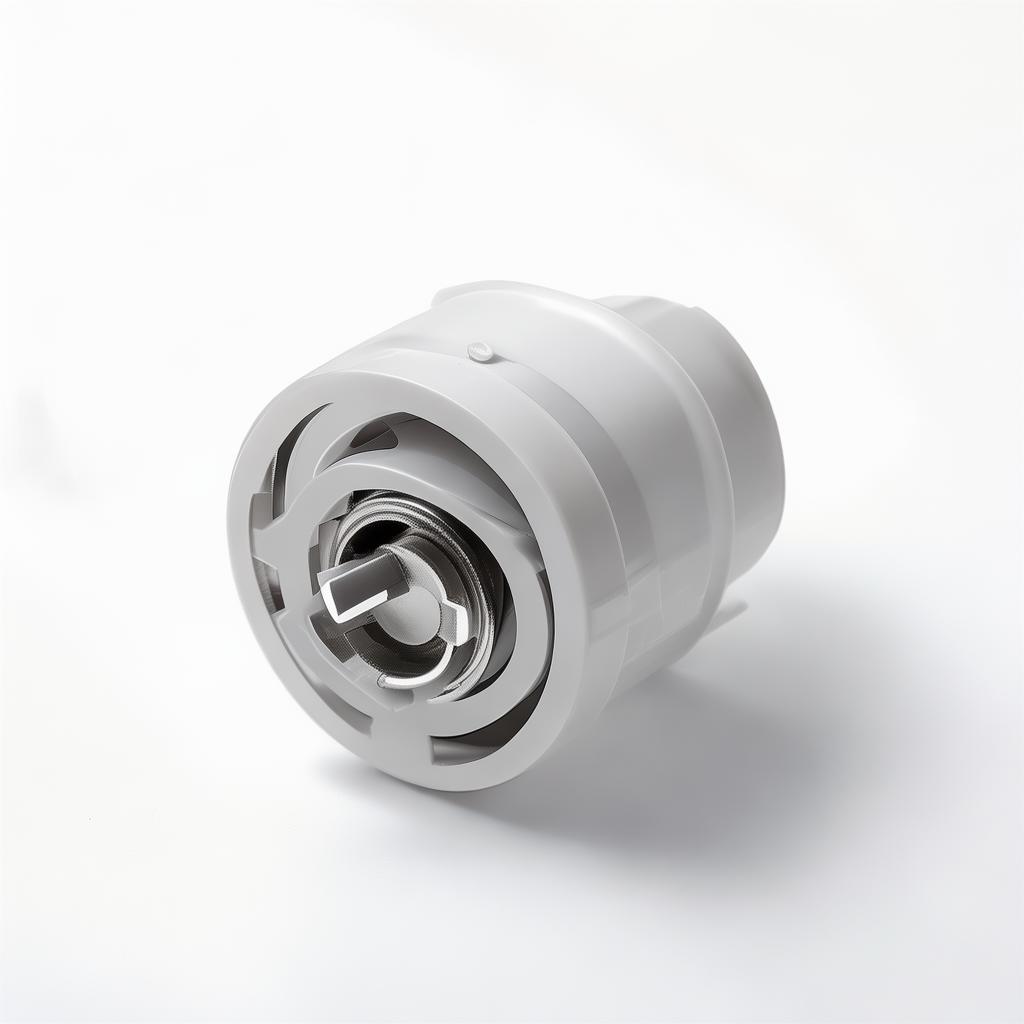
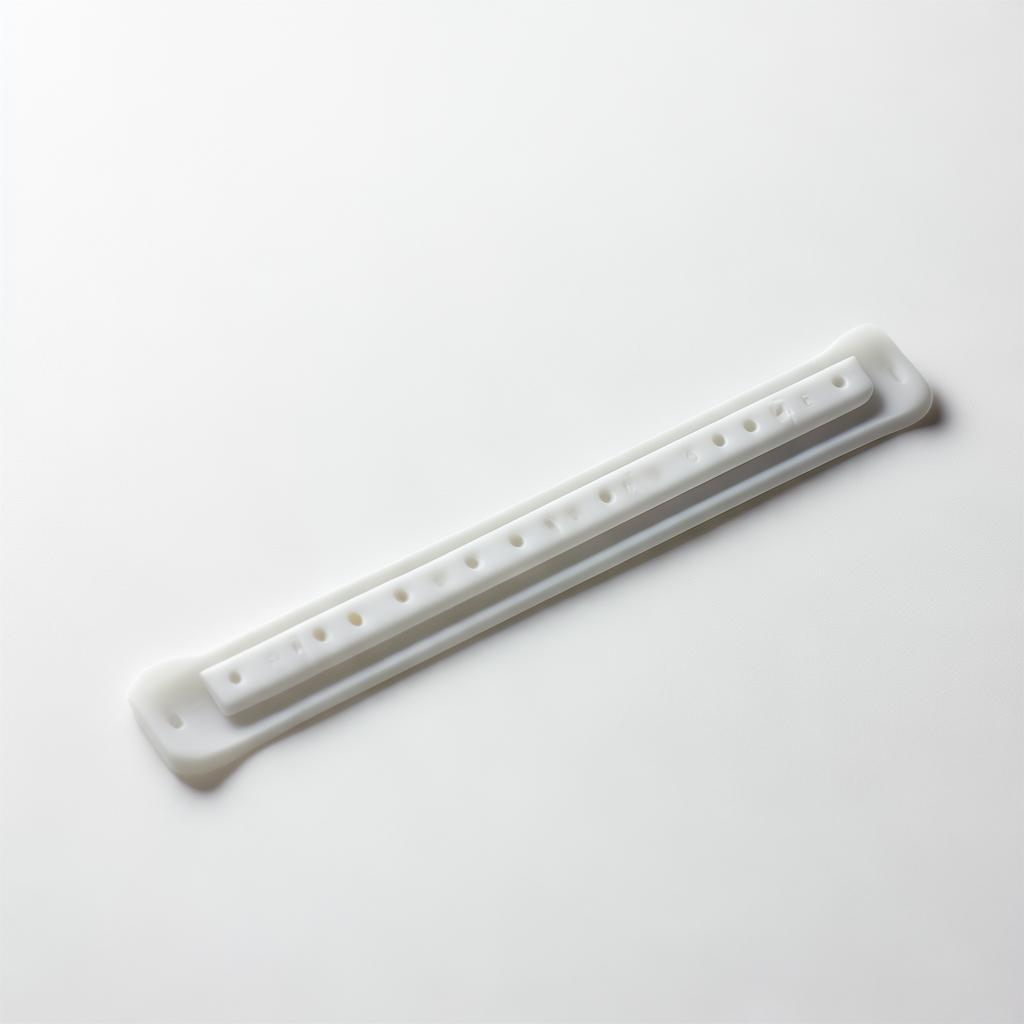
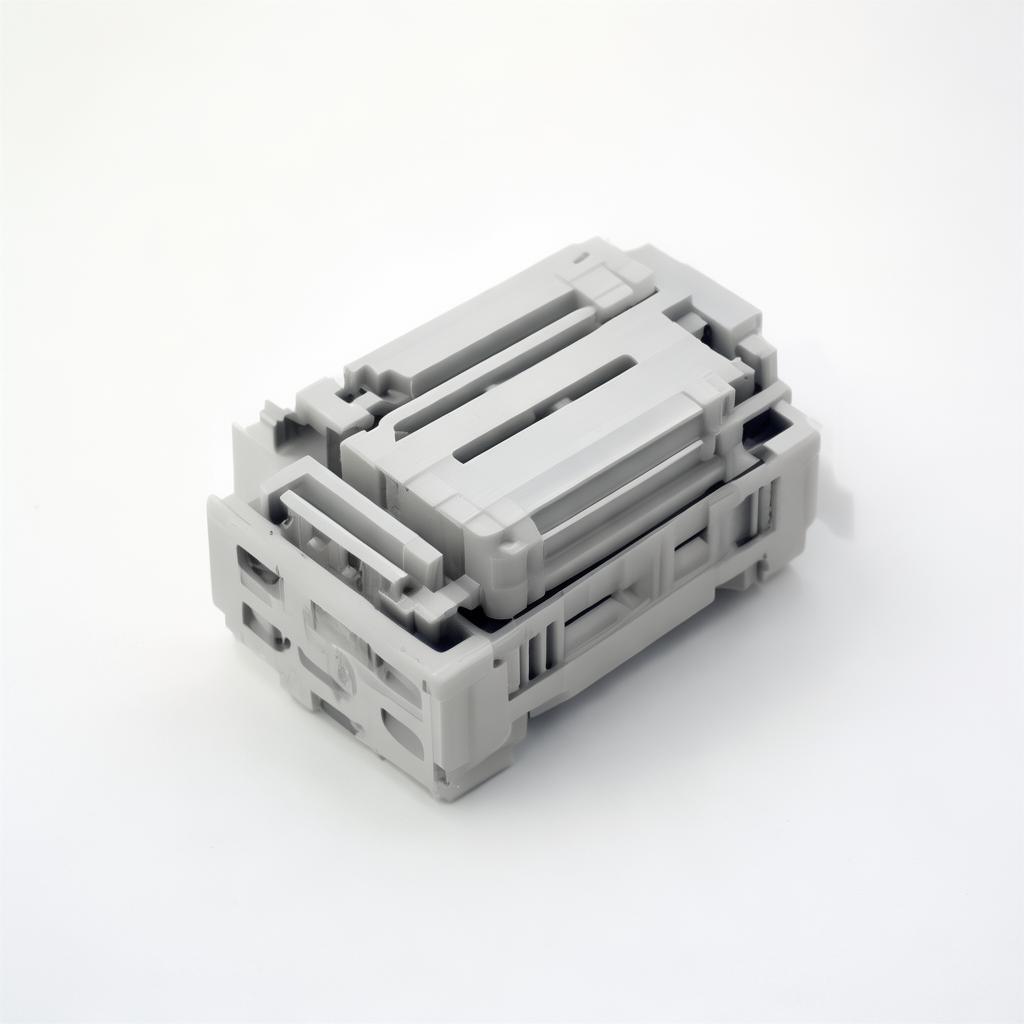
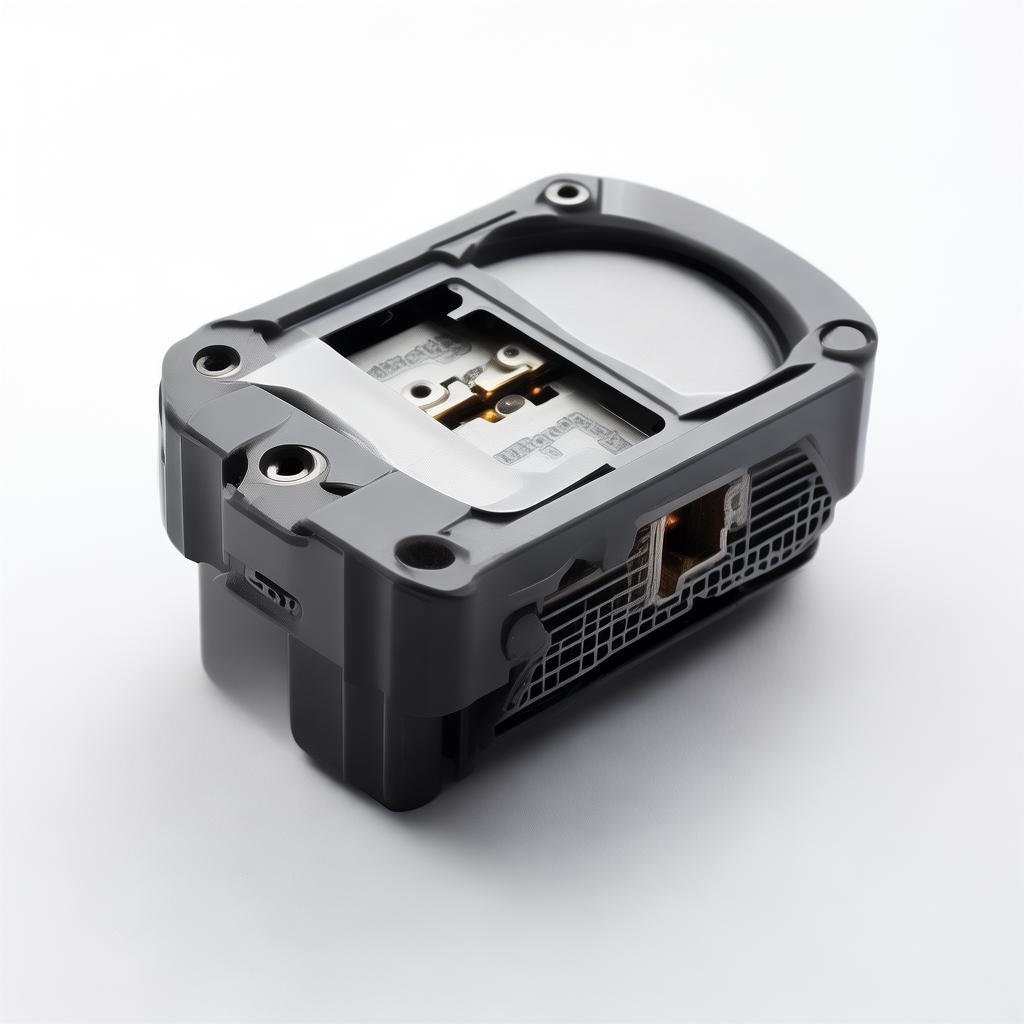
Processing Two Color Plastic Parts Mold Enterprise
Processing Two Color Plastic Parts Mold Enterprise
Enhancing multi-material injection molding precision for OEM/ODM manufacturing & international procurement success. Sourcing two-color plastic parts molds remains a nuanced endeavor fraught with technical and commercial risks. Too often, purchasing managers encounter issues such
Product Details
Advanced Solutions from a Processing Two-Color Plastic Parts Mold Enterprise
Enhancing multi-material injection molding precision for OEM/ODM manufacturing & international procurement success.
Navigating Industry Challenges in Two-Color Plastic Injection Molding
Sourcing two-color plastic parts molds remains a nuanced endeavor fraught with technical and commercial risks.
Too often, purchasing managers encounter issues such as color separation imperfections, inconsistent adhesion between materials, and unexpected material warpage during production runs. These challenges stem from misaligned mold designs, unsuitable resin combinations, or improper injection sequencing.
For procurement directors, the central concern revolves around balancing production quality with delivery reliability. Complex multi-material molds increase cycle times and require integrated equipment and skilled operators.
It's common to underestimate post-molding processing requirements like flash trimming or secondary finishing, introducing hidden costs downstream.
For the technical engineer, factors such as residence times, injection pressure optimization, and thermal management need meticulous control to maintain tight dimensional tolerances. In particular, processing dissimilar polymers or combining liquid silicone rubber (LSR) with rigid plastics introduces challenges including differential shrinkage rates and maintaining bond strength.
Suboptimal logistics coordination can also derail timely deliveries. Improper container loading or inadequate packaging protection risks damage to fragile multi-material molds. Understanding these operational intricacies upfront improves overall production flow and downstream assembly efficacy.
Note for Buyers: When evaluating suppliers, ensure they demonstrate documented experience in multi-shot injection molding with fully integrated mold design & process expertise — not just generic molding services.
Technical Deep Dive: How Two-Color Plastic Injection Molding Works
Two-color plastic molding, also known as multi-shot injection molding, combines two distinct polymers or material colors within a single production cycle using specialized molds and injection machines. This process offers functional and aesthetic advantages, producing components with integrated seals, tactile surfaces, or contrasting color accents without secondary assembly.
Key process features include:
Dual injection units or rotary mold systems enabling sequential or simultaneous injection of two materials.
Precisely engineered mold cavities with intricate runner layouts to direct molten plastics into the correct zones without cross-contamination.
Material compatibility management, often combining rigid ABS, polycarbonate (PC), or polypropylene (PP) with flexible thermoplastic elastomers (TPE) or liquid silicone rubber (LSR).
Tight thermal control to minimize differential shrinkage and warpage — critical for dimensional stability under ISO 2768 tolerances.
Advanced ejection and cooling system design ensuring cycle times remain efficient despite the complexity of molding two materials.
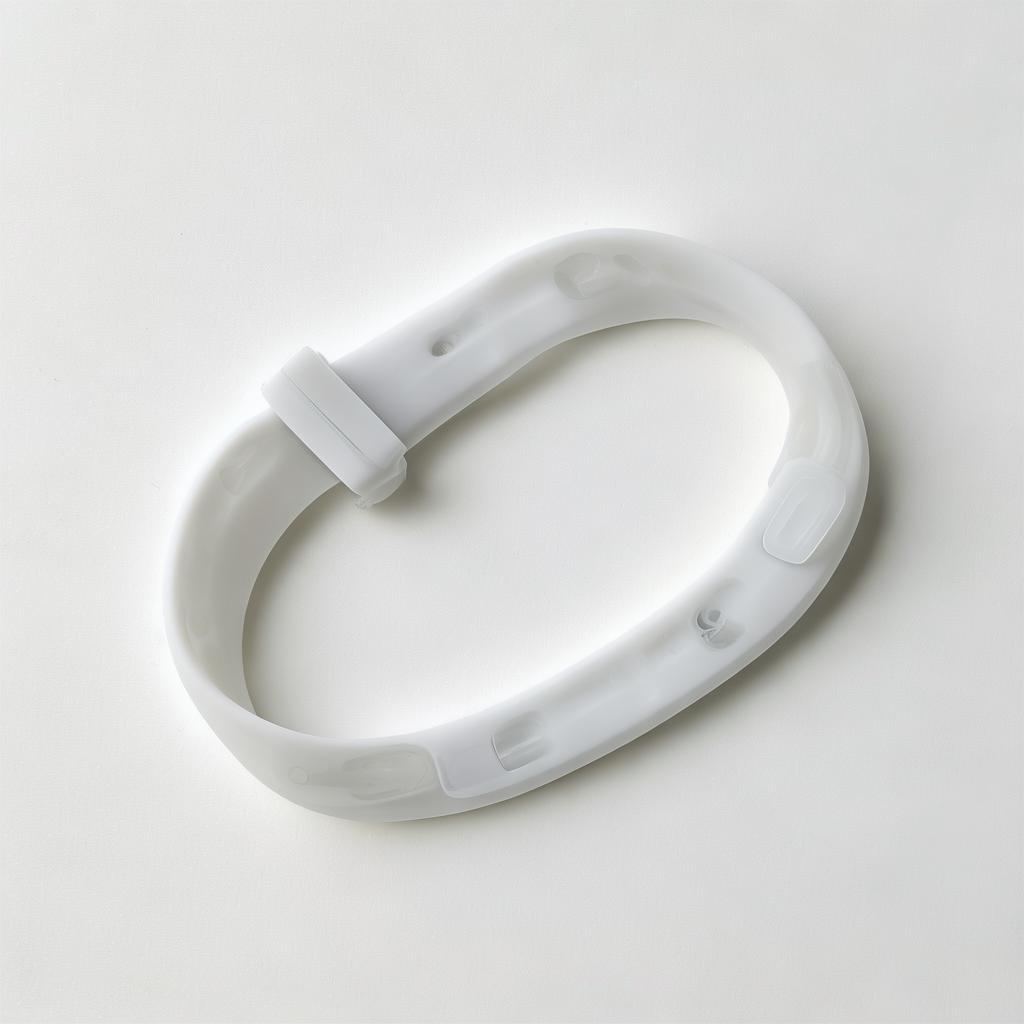
One illustrative example is using LSR overmolding onto PC substrates for durable, soft-touch automotive buttons. The elastomer fills designated cavities after the rigid plastic part partially cools, bonding securely without adhesives.
Recent advancements in CAE simulation tools have enhanced predictive capabilities for flow patterns and curing kinetics, a crucial step highlighted in an MDPI study emphasizing high-fidelity material characterization for mold filling and curing accuracy.
Manufacturers implementing vacuum-assisted molding techniques effectively reduce internal defects such as air entrapment, boosting the integrity of soft elements used in medical and robotics applications. This has been demonstrated by research published in Springer - Soft Robotics.
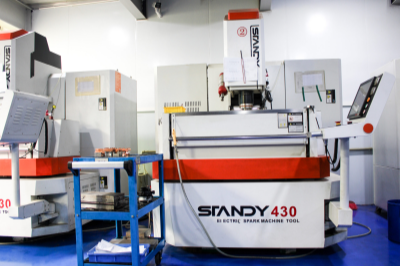
Precision two-shot injection molding machine with robotic automation for multi-material components
Product Advantages: Why Two-Color Molded Parts Drive Modern Manufacturing
Integrating two-color molding aligns perfectly with the needs of sectors demanding aesthetics, ergonomics, and functionality in a single piece:
Complex Design Freedom: Multi-material molding achieves seamless color changes, tactile grips, and transparent windows within one shot.
Reduced Assembly Costs: By consolidating components, it minimizes manual or robotic assembly errors and inventory management complexity.
Improved Durability: Overmolded seals and inserts provide superior surface bonding and resistance to delamination compared to glued or mechanically fastened equivalents.
Efficient Production: Although initial tooling costs are higher, cycle times are optimized through integrated molding lines, reducing overall lead time—from mold design to finished part shipment.
Material Versatility: Supports combinations such as ABS-TPE, PC-LSR, and PP-TPE, broadening application scopes from consumer electronics to automotive interiors.
An important procurement insight: Extensive pre-production mold trials with client samples ensure accurate color registration and consistent material flow, preventing costly modifications post tool delivery.
Material Combo
Typical Applications
Key Performance Feature
ABS + TPE
Consumer electronics housing, power tools grips
Enhanced grip with durable rigid frame
PC + LSR
Automotive switches, medical seals
Soft-touch, heat and chemical resistant seals
PP + TPE
Household appliances buttons, toys
Flexible joint integration and shock absorption
Guangdong Yingtai High Precision Technology Co., Ltd.: Factory Strength & Industry Compliance
With roots in Dongguan's renowned manufacturing hub, Yingtai operates over 35,000 square meters of advanced production space equipped with:
55 liquid silicone molding machines dedicated to precision LSR overmolding
20 solid silicone hydraulic presses & more than 30 precision mold making tools
Comprehensive in-house mold development and finishing systems ensuring mold lead times under 30-40 days
Employing 500+ skilled professionals, Yingtai specializes in sectors including new energy vehicles, consumer electronics, and home industrial appliances. Their holistic workflow—from concept design and CAD simulation to mold processing and final QC—aligns with stringent ISO 9001 and CE quality standards.
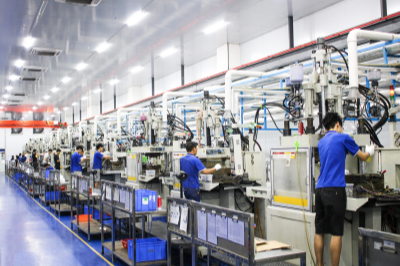
Yingtai’s automated multi-shot injection molding lines operating round-the-clock to meet international demand
Their export team has extensive experience communicating and adapting production plans for American, European, and Asian markets. Notably, they have provided OEM/ODM mold and parts solutions to well-known brands, maintaining high compliance with UL, RoHS, and FDA materials regulations.
Practical Procurement Guidance for Two-Color Plastic Part Molds
Global sourcing of high-precision two-color molds requires vigilance. Here are actionable buyer considerations based on practical industry experience:
Material Verification: Confirm that suppliers use high-grade resins compliant with FDA/UL where required. Request material datasheets and certifications.
Mold Design Samples: Obtain sample molds or prototype parts to test color definition, bonding strength, and flash levels before committing to production.
Lead Time Clarity: Multi-shot molds demand longer tooling times. Document milestones for CAD approval, steel cutting, trial runs, and sample delivery.
Transparent QC Procedures: Verify defect rate tolerances, dimensional inspection reports, and process control metrics.
Packaging & Logistics: Require robust protective packaging, especially for overseas shipping. Check if containers will be packed to maximize payload while avoiding part deformation.
OEM/ODM Flexibility: For customers seeking brand customization, confirm that the supplier supports mold design adjustments and custom material compounding.
Tip: Negotiate smaller batch pilot runs to validate the dual-material injection parameters without locking into high-volume contracts prematurely.
Frequently Asked Questions
What is the typical lead time for producing a two-color injection mold?
Lead times generally range between 30 to 50 days depending on mold complexity, steel selection, and tooling workload. More intricate molds for exotic materials like LSR tend toward the higher end.
Can all plastic materials be combined in two-color molding?
Not all polymers are compatible due to differing melt temperatures and adhesion properties. Common pairs include ABS with TPE or PC with LSR. Always consult with material specialists on bond strength and shrinkage behavior.
How does temperature control impact two-color molding quality?
Accurate temperature management minimizes warpage and ensures proper bonding at the material interface. Overheated components risk flash defects; underheating can cause weak adhesion or short shots.
What inspection standards are typical for finished two-color parts?
ISO 2768-compliant dimensional checks, visual inspection for color bleed or flash, adhesion strength testing per ASTM D3165, and sometimes functional tests specific to end-use.
Customer Experiences from Procurement & Engineering Partners
Mark Johnson – Procurement Manager, Midwest Electronics
"We transitioned to Yingtai for our two-color overmolded parts after years of back-and-forth with previous suppliers. Their mold precision and on-time delivery have noticeably improved our production stability, especially for our ruggedized handheld devices."
Get in Touch
If you have any camping barbeque equipment inquiry, please feel free to contact us.