Expert OEM & ODM Injection Molding Services – Liquid Silicone Rubber, Plastic Injection, Overmolding & Custom Mold Development Navigating the complex landscape of production injection mold factories demands more than just supplier scouting—it's about
Product Details
Production Injection Mold Factory Solutions | Guangdong Yingtai High Precision Technology
Navigating the complex landscape of production injection mold factories demands more than just supplier scouting—it's about partnering with a manufacturer who deeply understands the manufacturing nuances, material science, and international trade realities. As procurement directors and technical engineers in the US and broader English-speaking markets evaluate injection molding options, the emphasis invariably falls on precision, repeatability, and compliance with global standards like ISO 9001, CE certification, and industry-specific requirements such as medical-grade biocompatibility or automotive-grade silicone seals.
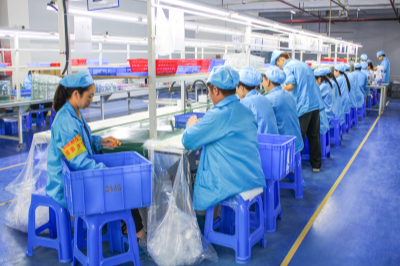
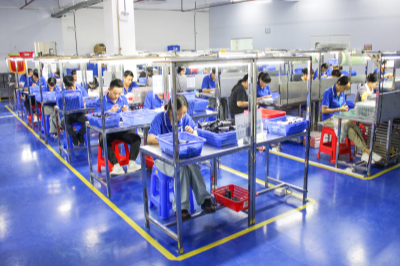
Guangdong Yingtai High Precision Technology Co., Ltd., rooted in Dongguan’s manufacturing hub, exemplifies this integration of operational refinement and technical expertise. Spanning over 35,000 square meters within a specialized industrial park, Yingtai combines state-of-the-art infrastructure with 20+ years of accumulated experience in liquid silicone injection molding, plastic product manufacturing, and customized mold development. Their factory operates a vertically integrated production system—from mold design and tool making to high-precision molding and assembly—positioning them as a one-stop solution for OEM/ODM manufacturing requirements.
In terms of equipment, Yingtai’s capabilities include 55 liquid silicone injection molding machines and 80 advanced automatic plastic injection molding units, complemented by over 30 precision mold processing devices. This wide operational breadth supports quick adaptation across diverse application fields such as consumer electronics, new energy vehicles, and smart wearable gadgets—industries where molding accuracy, material consistency, and product life-cycle reliability are non-negotiable.
Industry data underscores the exponential growth of Liquid Silicone Rubber (LSR) within injection molding applications, with forecasts from credible sources like Grand View Research projecting market valuations to approach $5 billion by 2030. This surge directly correlates to the demand for high-precision, heat-resistant, and biocompatible molded parts in medical devices, automotive sensors, and demanding consumer goods.
This page dives into the core challenges faced in large-scale production injection molding, technical insights that influence product quality, and the unique competitive advantages of manufacturing with Yingtai. Whether you seek guidance on mold cycle time optimization, material selection between silicone variants, or specifics about international shipping and lead times, the following sections provide a thorough briefing to support informed procurement decisions.
Common Procurement & Production Challenges in Injection Molding
Lead Time Volatility: Injection mold factories often face fluctuating lead times due to tooling complexity, mold trial phases, and machine scheduling conflicts. Procurers must build flexibility into project timelines to mitigate delays.
Material Compatibility: Selecting the right grade of LSR or thermoplastic involves understanding chemical resistance, curing profiles, and shrinkage behavior. Mismatch in materials can cause post-production defects or product failures.
Mold Precision & Maintenance: Wear and tear on molds impact dimensional accuracy. Factories without rigorous maintenance cycles can produce parts with varying tolerances.
Defect & Waste Management: Flash, air entrapment, and sink marks are common defects. Efficient venting design and advanced mold sealing techniques, as discussed in Fraunhofer's research, help minimize such issues.
Supply Chain & Shipping: Coordinating container loading, customs clearances, and mitigating damage during international transit require factory expertise in logistics as much as technical prowess.
Communication Barriers: Across borders, technical communication gaps about specifications or process expectations can cause costly misunderstandings. Supplier transparency and pre-production sampling are crucial risk reducers.
Technical Insights: Molding Processes and Material Considerations
The core of production injection molding lies in mastering process parameters—injecting molten material under precise pressure and temperature control to replicate complex geometries consistently. When dealing with Liquid Silicone Rubber, the process nuances become even more critical. High-precision rheological data and thermal properties feed into CAE simulations, facilitating mold flow analysis and curing predictions essential to minimize cycle time and defects. The importance of this was highlighted in the MDPI study on material characterization, emphasizing that inaccurate datasets undermine mold filling accuracy and product dimensional stability.
Key Injection Molding Parameters for LSR and Plastic Components
Our factory frequently collaborates with clients on custom mold design utilizing rapid tooling technologies, enabling shortened development timelines for prototypes and small batch runs. Overmolding techniques are another strength, combining LSR with ABS or other thermoplastics, ideal for medical applications requiring soft touch surfaces paired with rigid substrates. For detailed insight on multi-component molding, see our references to the MDPI polymers paper, which examines interface adhesion enhancements.
Material selection is vital. While standard LSR formulations offer excellent heat resistance and biocompatibility, specialized variants with additives for UV resistance or enhanced tear strength may be required depending on application. Plastic counterparts include polypropylene (PP), polyethylene (PE), and ABS, each carrying specific shrinkage and thermal properties impacting mold design. Our engineering team advises on material trade-offs balancing cost, mechanical performance, and compliance with relevant standards such as FDA Food Contact or RoHS.
Why Yingtai Factory: Capabilities and Certifications
Comprehensive Equipment Base: 55 LSR molding machines (specialized for liquid silicone), 80 automatic plastic injection units, and more than 30 precision mold processing devices.
Advanced Testing Facilities: Over 20 testing instruments allowing dimensional, mechanical, and material properties verification aligned with ISO 9001 and CE standards.
Full Industry Chain Coverage: From mold development and prototype tooling to mass production with integrated quality control and logistics support.
Experienced Workforce: A professional team of 500+ skilled technicians, mold engineers, and quality inspectors enabling OEM/ODM flexibility.
Global Export Experience: Serving clients across the US, Europe, and Asia with professional customs clearance, packaging strategies, and shipping optimization expertise.
Key Certifications: ISO 9001, CE, FDA compliance for food-grade materials, RoHS and REACH for electronic components.
Our factory layout and workflow are optimized for lean manufacturing principles, minimizing cycle times and material wastage. For example, integration of electrical discharge machining in mold processing reduces flash defects and extends mold life, a critical cost factor often underestimated by buyers. We encourage clients to visit our facility for audits or virtual factory tours to experience our technical capabilities firsthand.
Typical Application Scenarios & Industry Use Cases
Injection molded components manufactured through Yingtai’s advanced processes appear in a wide range of commercial applications where precision and operational reliability are mandatory:
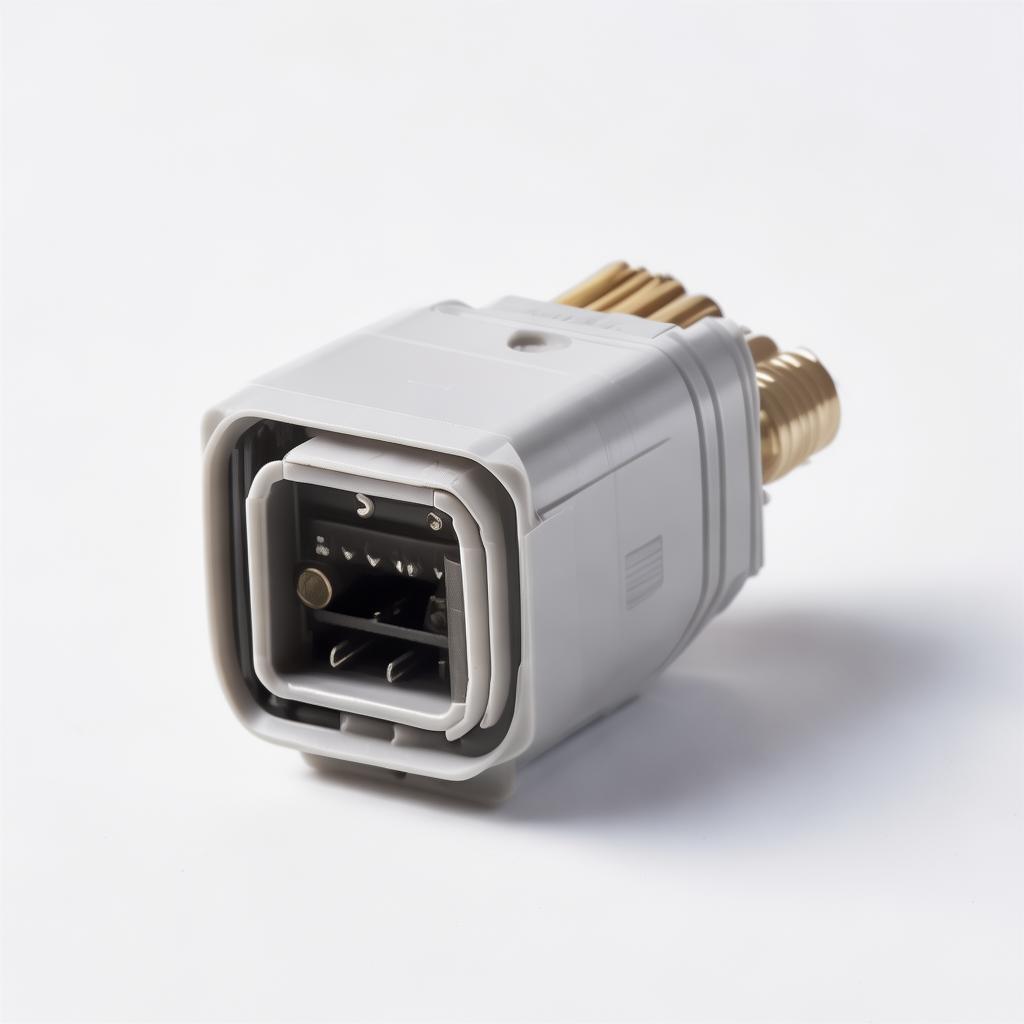
New Energy Vehicles: Silicone overmolded seals, gaskets, and flexible connector covers designed for high temperature and chemical resistance in EV battery packs and charging interfaces.
Consumer Electronics: Lightweight, flexible LSR keypads, protective covers, and waterproof seals for smartphones, wearables, and IoT devices.
Medical Devices: Sterilizable, biocompatible injection molded LSR components used in surgical tools, catheters, and wearable health monitors.
Household Appliances: Durable plastic molded parts such as knobs, housing components, and soft-touch buttons with anti-slip backing.
Industrial Electronics: High-precision housing and sealing components for ruggedized electronic assemblies.
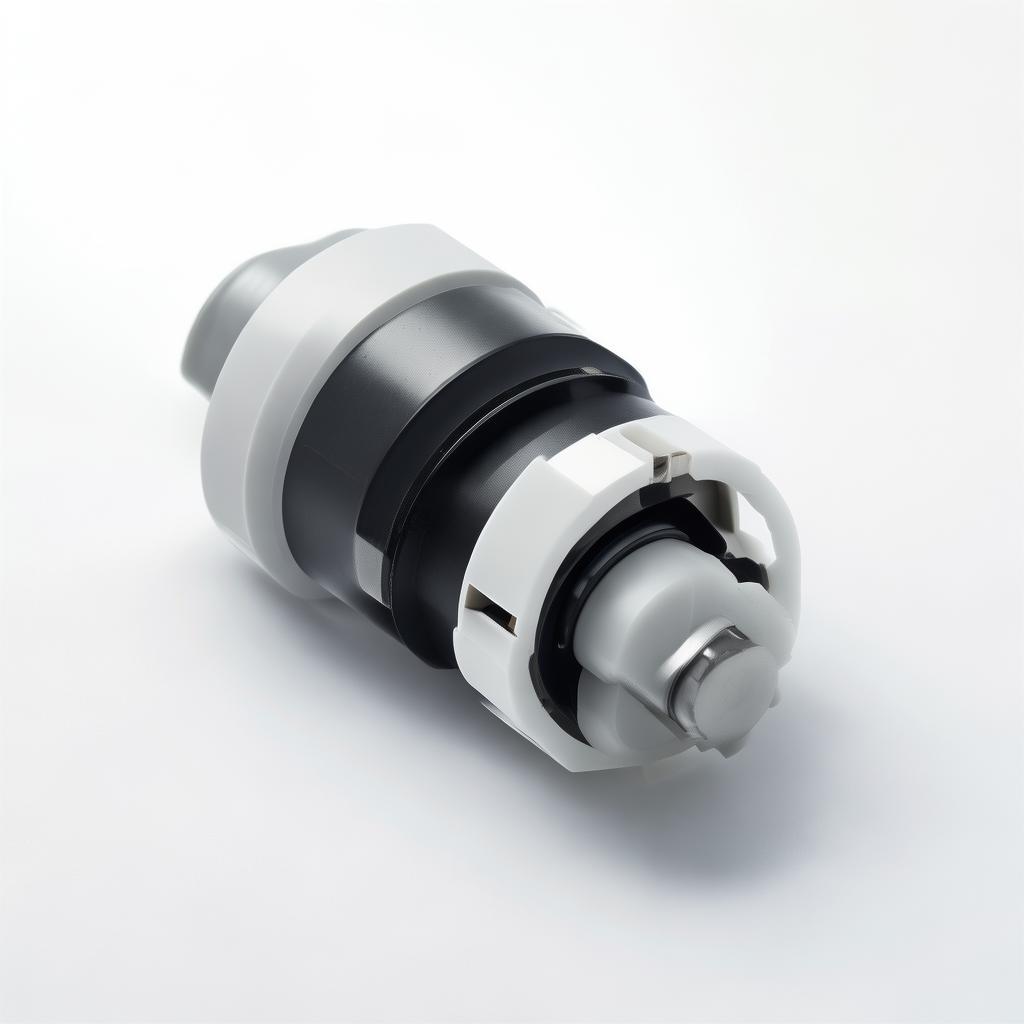
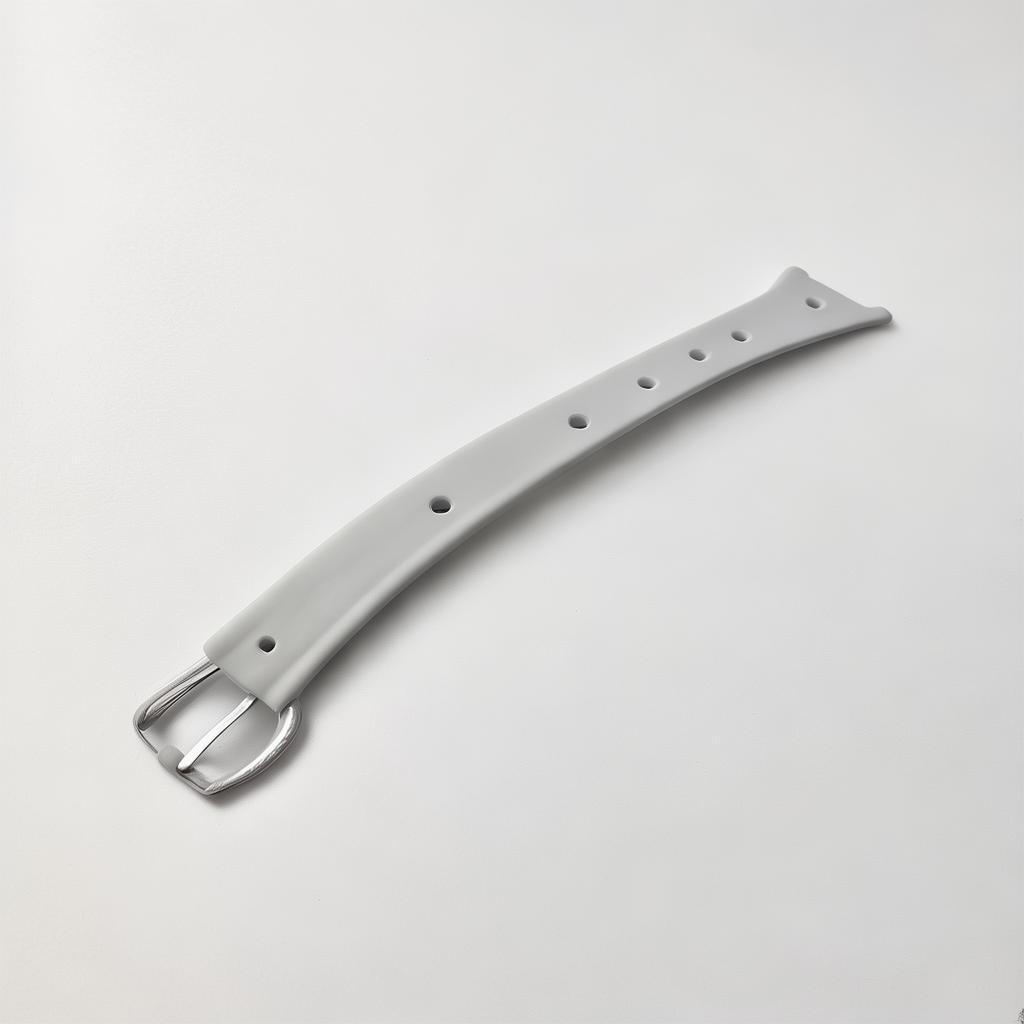
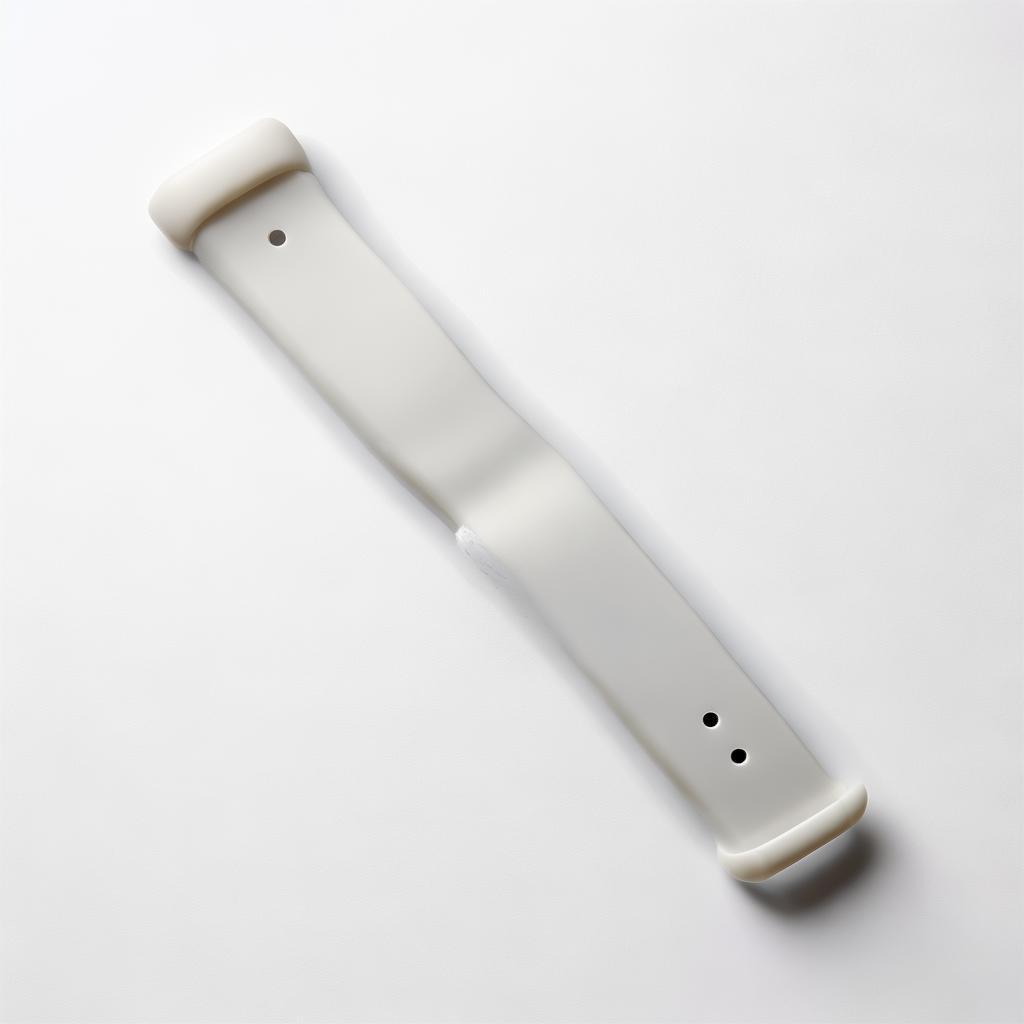
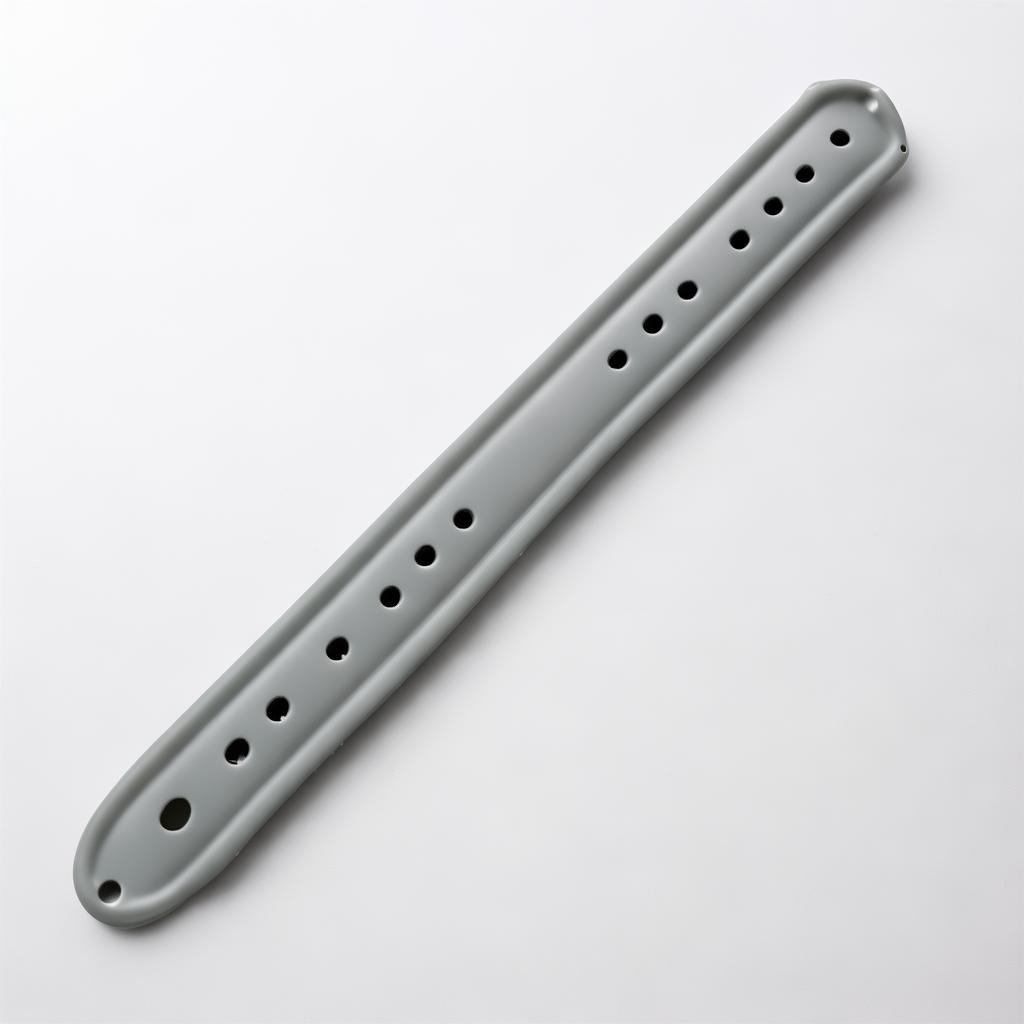
Injection Molded Silicone Seals for Electric Vehicle Components
Practical Buyer Guidance & Supplier Evaluation
Selecting a production injection mold factory can be daunting without clear criteria. Here’s what to prioritize to reduce procurement risks and enhance production ROI:
Technical Capability Verification: Confirm the factory’s molding machine portfolio matches your material type and product complexity. Ask for sample parts and process validation data.
Mold Engineering Flexibility: Check if the supplier uses rapid tooling, mold inserts, or modular mold systems to accommodate design changes without full mold replacement.
Quality Control Rigor: Look for documented inspection reports, process control flowcharts, and defect rate KPIs. Certifications like ISO 9001 indicate systematic management.
Material Sourcing Transparency: Verify traceability for critical raw materials to avoid counterfeit or substandard supplies which affect final part performance.
Communication & Support: Effective coordination on production schedules, tooling modifications, and shipment logistics prevents costly delays. Bilingual project managers familiar with your market are advantageous.
Logistics & Packaging Expertise: Ask about container loading optimization, protective packaging for overseas shipments, and customs clearance experience—especially critical in today’s complex trade environment.
Also consider scheduling a factory audit or virtual Q&A session with our export director to discuss your project’s technical and commercial requirements. Early engagement saves time and cost downstream.
Frequently Asked Questions
Q1: What is the typical lead time for producing injection molded parts at Yingtai?
Lead times vary depending on mold complexity and order volume but typically range from 25 to 45 days from mold approval to mass production shipping. Prototypes and small batches can be expedited.
Q2: How does Yingtai ensure product quality and consistency?
We implement process controls compliant with ISO standards, conduct in-line dimensional inspections, and perform final mechanical and material property tests. Our advanced testing instruments measure critical parameters before shipment.
Q3: Can Yingtai handle multi-material overmolding?
Absolutely. Our expertise covers multi-shot injection molding combining LSR with plastics such as ABS for complex overmolded assemblies, highly sought after in medical and electronics applications.
Q4: What certifications support compliance with international markets?
Our facility is ISO 9001 certified, and many of our materials and processes comply with CE, FDA, RoHS, and REACH standards. Specific certifications can be provided upon request for dedicated projects.
Q5: How does Yingtai manage logistics for overseas clients?
We provide comprehensive shipping plans including container optimization, handling documentation for customs, and option for door-to-door delivery. Our export team stays engaged throughout to track shipments.
Customer Reviews & Feedback
“We transitioned our LSR sealing component production to Yingtai over two years ago. Their mold development speed and product consistency have noticeably improved our supply certainty. The engineering team’s suggestions on mold venting reduced flash defects significantly.”
– Steve Hernandez, Procurement Manager, NexGen Automotive (Texas, USA)
Get in Touch
If you have any camping barbeque equipment inquiry, please feel free to contact us.