Precision Production Injection Molding Factory: Your Trusted Industrial Partner
Guangdong Yingtai High Precision Technology Co., Ltd. — Industry-Leading Liquid Silicone & Plastic Injection Experts
Understanding Production Injection Molding: The Industrial Backbone
Injection molding remains the cornerstone of precision manufacturing across multiple sectors. Whether you’re dealing with liquid silicone rubber (LSR) or advanced thermoplastics, the process demands a delicate balance between material science, mold design, and machine calibration. Our factory, backed by over 20 years of specialization, focuses on expertly navigating this complexity to deliver consistent, high-precision molded products suited for demanding industrial applications.
Located in Dongguan’s Chang’an Town, Guangdong Yingtai High Precision Technology Co., Ltd. operates within a sprawling 35,000 sqm industrial park. We integrate a vertically consolidated production chain—from mold development and precision tooling to injection molding and post-processing—all under one roof. This synchronization reduces lead times and enhances product quality control, critical for procurement managers facing tight project schedules.
The evolving supply chain complexities and soaring demand for biocompatible, heat-resistant, and flexible silicone parts means manufacturers must rely on factories with not just capacity, but technical breadth. For example, our equipment lineup includes:
- 55 sets of specialized liquid silicone rubber molding machines
- 80 automatic plastic injection molding machines capable of multi-shot and precision molding
- 20 solid silicone hydraulic presses for heavy-duty molding needs
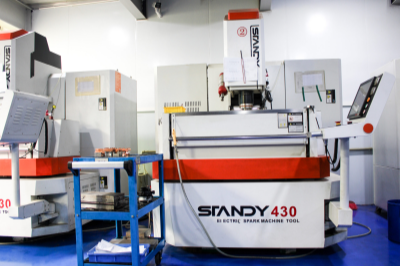
- 30+ high-precision mold processing machines to ensure tight tolerance compliance
- Over 20 state-of-the-art testing instruments for quality validation
These resources empower us to cater effectively to sectors like new energy vehicles, consumer electronics, wearable devices, telecom equipment, and industrial appliances. Our products’ excellence complies with ISO standards and relevant certifications important for international B2B trade.
Industry research supports the strategic focus on silicone injection molding. The Global Liquid Silicone Rubber Market Outlook (Grand View Research) forecasts the LSR market to nearly double by 2030, driven especially by medical and automotive sectors demanding exquisite, durable components. We align our manufacturing to satisfy these escalating quality and volume requirements.
Injection molding is not without its operational nuances either. Typical headaches for purchasing professionals include:
- Long lead times caused by mold revision cycles
- Material inconsistencies impacting product lifespan
- Logistics complexity for bulky, delicate molded parts
- Cost fluctuations due to waste and defect rates
- Supplier reliability concerns in cross-border transactions
Understanding these factors upfront guides smarter project decisions. At Yingtai, we build trust by emphasizing consistent production workflows, rigorous quality assurance, and proactive client communication.
Industry Pain Points: What Production Injection Molding Buyers Face
Even experienced procurement agents face operational snags in sourcing molded parts that meet stringent specs without delaying production timelines. Here are some recurring issues:
- Material selection mismatch: Choosing a prototype silicone material that doesn’t scale well to production LSR (see related discussion on Reddit thread on prototype vs production silicone).
- Quality control pitfalls: Insufficient mold sealing causes flash defects and material waste, impacting unit cost and reliability. (Ref: Fraunhofer study on waste reduction)
- Production ramp-up delays: Prolonged mold development and adjustment cycles increase tooling costs and slow product launch.
- Shipping damage risk: Silicone parts require careful packaging to avoid deformation or surface blemishes in container loading and overseas transport.
- Communication gaps: Language barriers and differing quality expectations complicate overseas cooperation, delaying issue resolution.
Additionally, technical challenges in LSR injection molding require attention. For instance, improper rheological data can lead to mold fill inconsistencies, risking dimensional accuracy (Material Characterisation Techniques Study - MDPI).
Shortcuts—like using RTV silicone for production molds—might seem cost-saving but often backfire when volume runs or regulatory certifications come into play. As procurement leads, a nuanced understanding combined with trusted manufacturer partnerships spells the difference between smooth operations and costly bottlenecks.
Yingtai Factory Advantages: What Sets Us Apart
Our operational model addresses each pain point with tailored solutions:
- Integrated Manufacturing System: Seamless mold design, prototyping, and production ensure rapid iterations and reduction in tooling cycles.
- Equipment Scale & Modernization: Combining 55 LSR molding machines with 80 injection presses allows flexible batch sizes without compromising lead times.
- Advanced Material Knowledge: Expertise in LSR, thermoplastics, and multi-material overmolding enables optimized product longevity and compliance with biocompatibility and UV resistance standards.
- Quality Certifications & Testing: Strict adherence to ISO9001, CE, RoHS, and other industry standards validated by comprehensive in-house testing and periodic external audits.
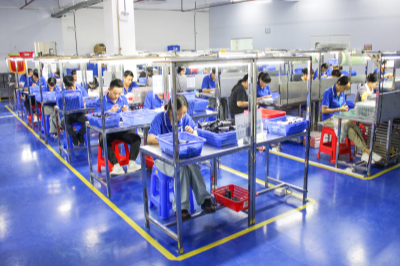
- Large, Skilled Workforce: Over 500 professionals including engineers, quality inspectors, and export coordinators ready to support customized project needs.
- Export & Logistics Expertise: Decades of managing global shipments, optimizing container loads, and liaising with freight agents to ensure on-time, damage-free deliveries.
OEM and ODM collaboration is embedded in our approach. Whether you require custom tooling development or full turnkey manufacturing solutions, our team works as an extension of your procurement and engineering units, translating specifications into manufacturable, high-precision products.
Operational insight: Many clients have appreciated our early feasibility consultations, allowing proactive design adjustments that streamline mass production and minimize waste.
Technical Specifications & Material Insights
Understanding material properties and equipment capabilities deeply impact product performance and procurement success. Below is a snapshot of our technical capabilities and material options.
| Parameter | Specification | Notes |
|---|---|---|
| Molding Machines | 55 LSR Injection + 80 Thermoplastic Injection Presses | Capable of 2K multi-shot and micro-injection molding |
| Material Types | Liquid Silicone Rubber, Solid Silicone, ABS, Polycarbonate, Nylon | Medical & food-grade options available |
| Mold Precision | Tolerance: ±0.02 mm (typical) | Advanced CNC and EDM tooling |
| Cycle Time Range | 20 to 120 seconds (depending on material & part) | Optimized per client needs via simulation tools |
| Certifications | ISO9001, CE, RoHS, FDA (select products) | Regular audits ensure compliance & reliability |
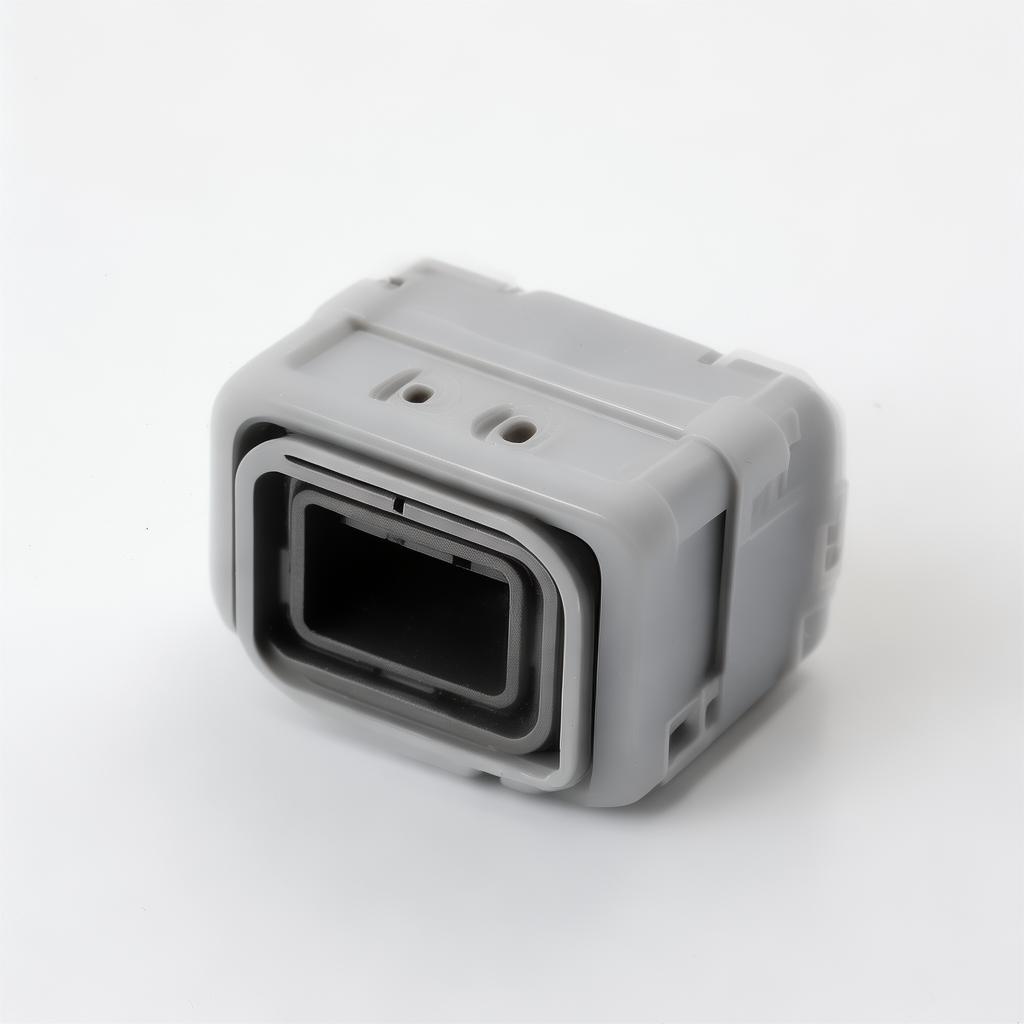
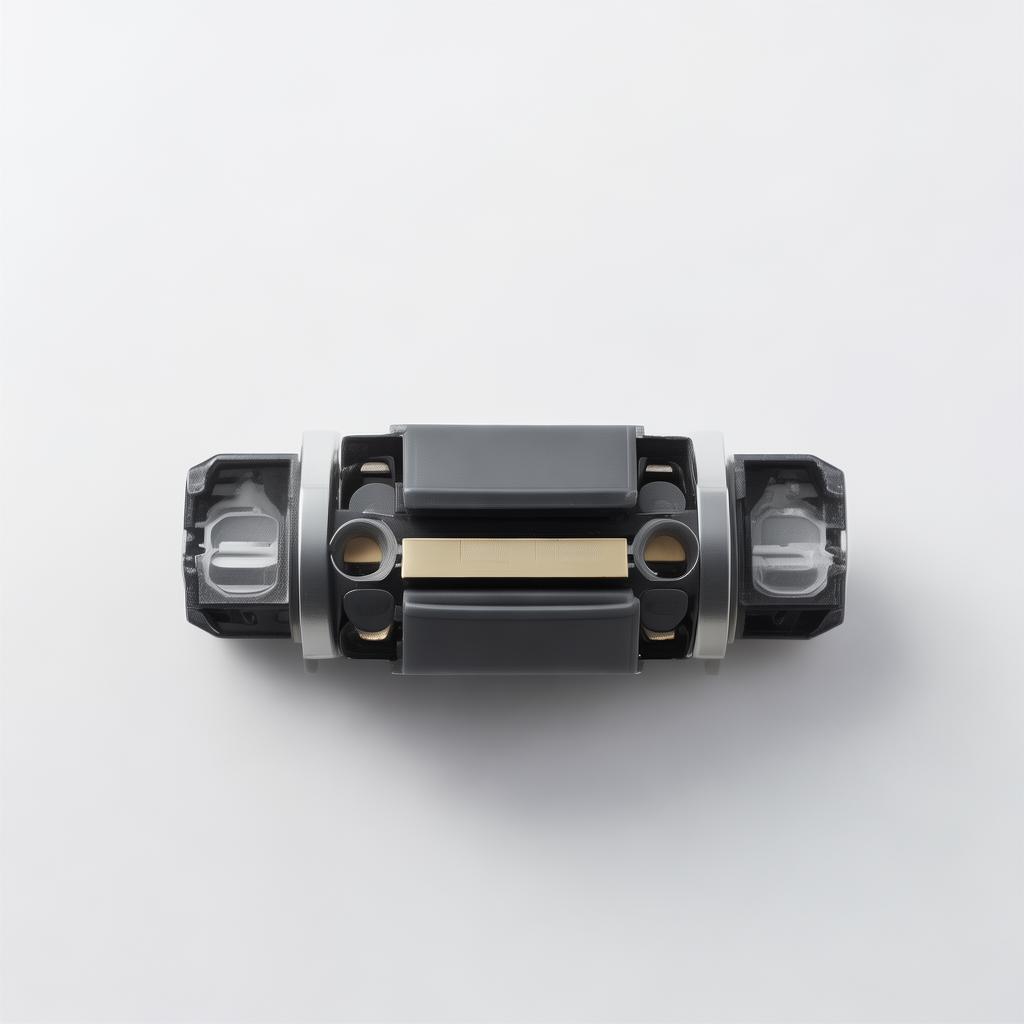
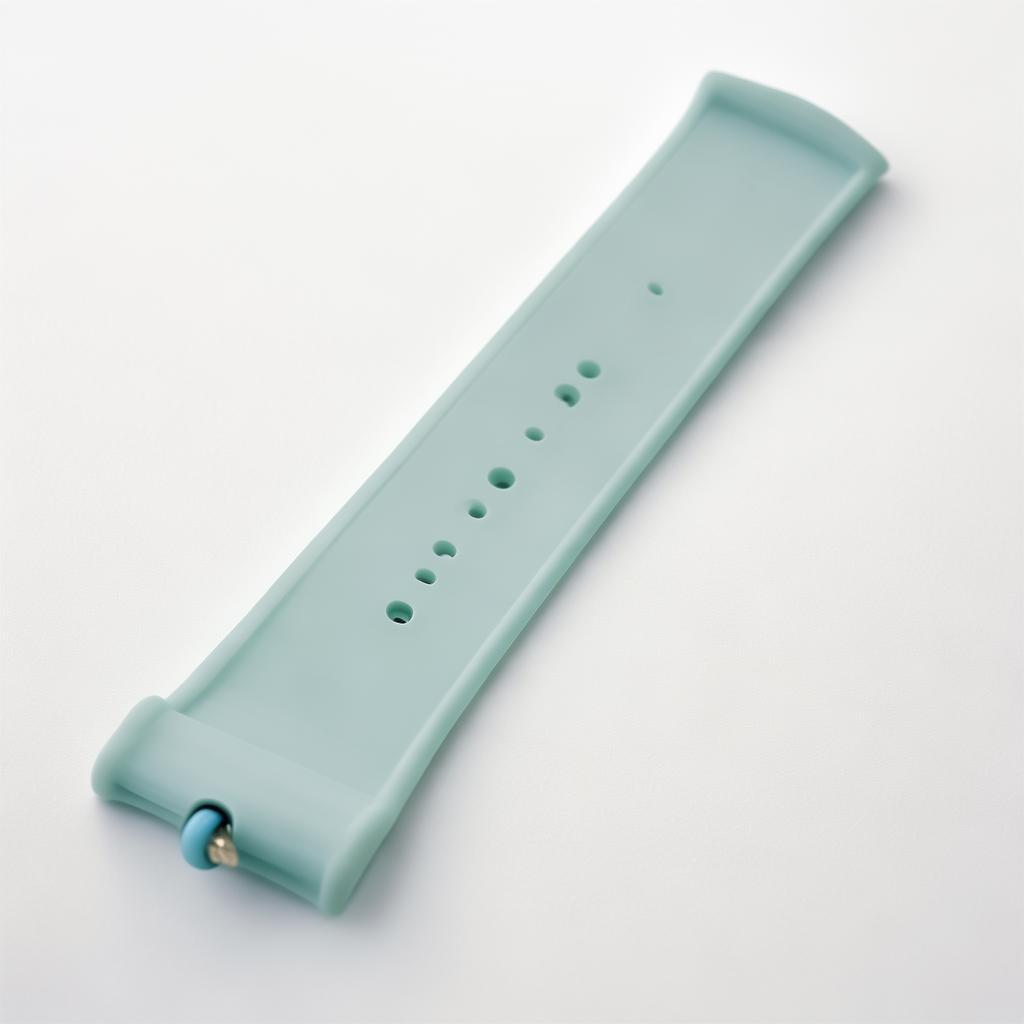
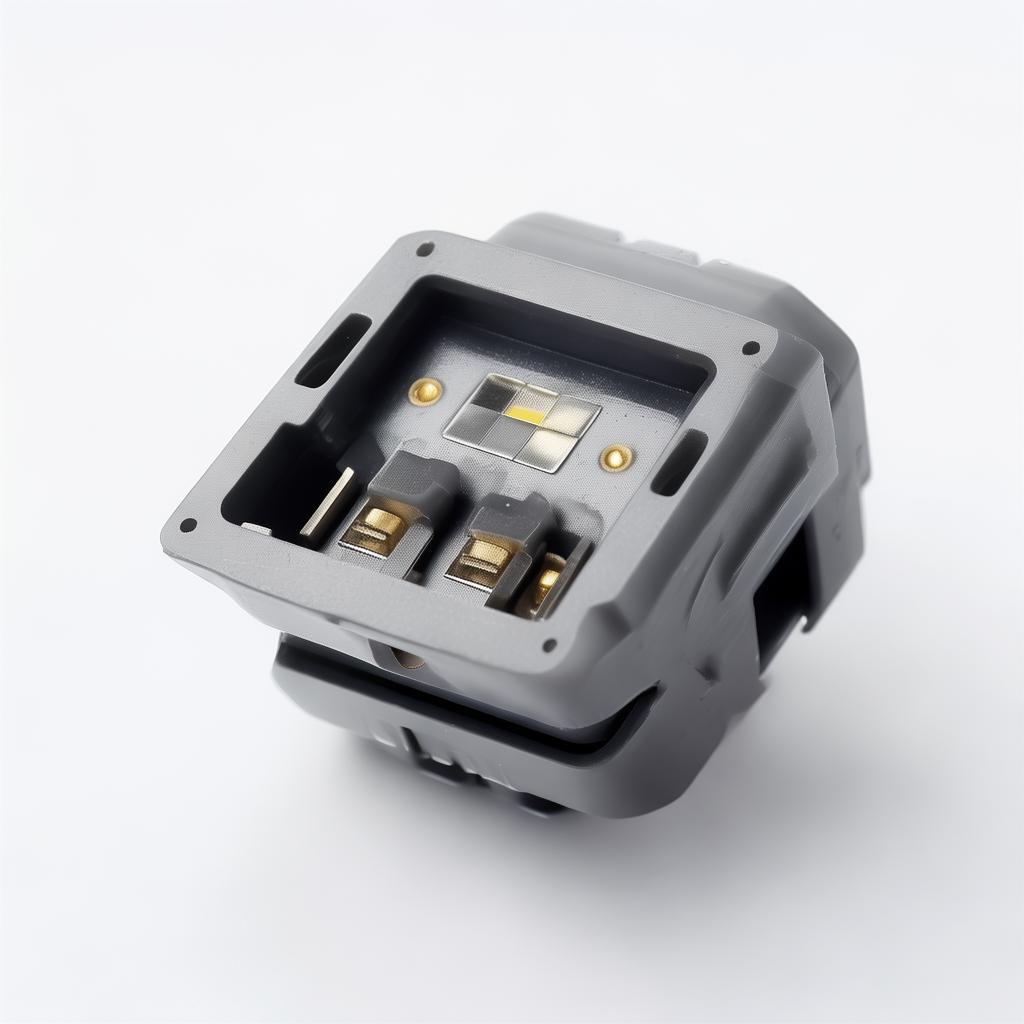
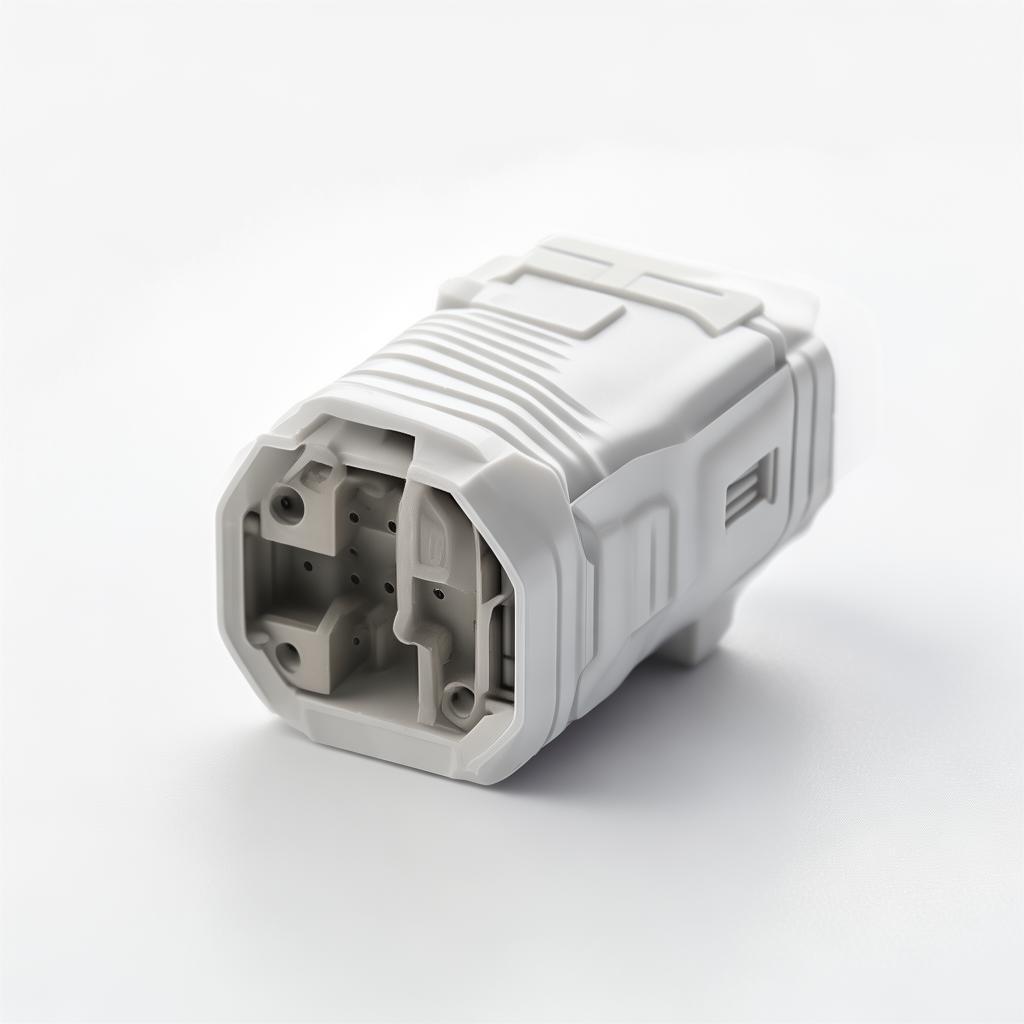
Production injection mold factory injection molding factory Processing injection mold factory
Specific materials like liquid silicone rubber demand precision in thermal cure cycles. Incorrect temperature profiles risk warpage or internal stress cracking — nuances we mitigate by applying CAE molding simulation alongside rheological material testing (Read more on MDPI about material characterization).
Insight: The factory’s integration of solid silicone hydraulic presses provides manufacturing flexibility for parts needing high structural rigidity or complex multi-material combinations.
Diverse Applications Across Growing Industries
Our injection molded components serve complex, high-demand industrial applications, including:
- New energy vehicles (NEV): High-temperature resistant gaskets, sealing rings, and insulating components for battery packs and charging connectors
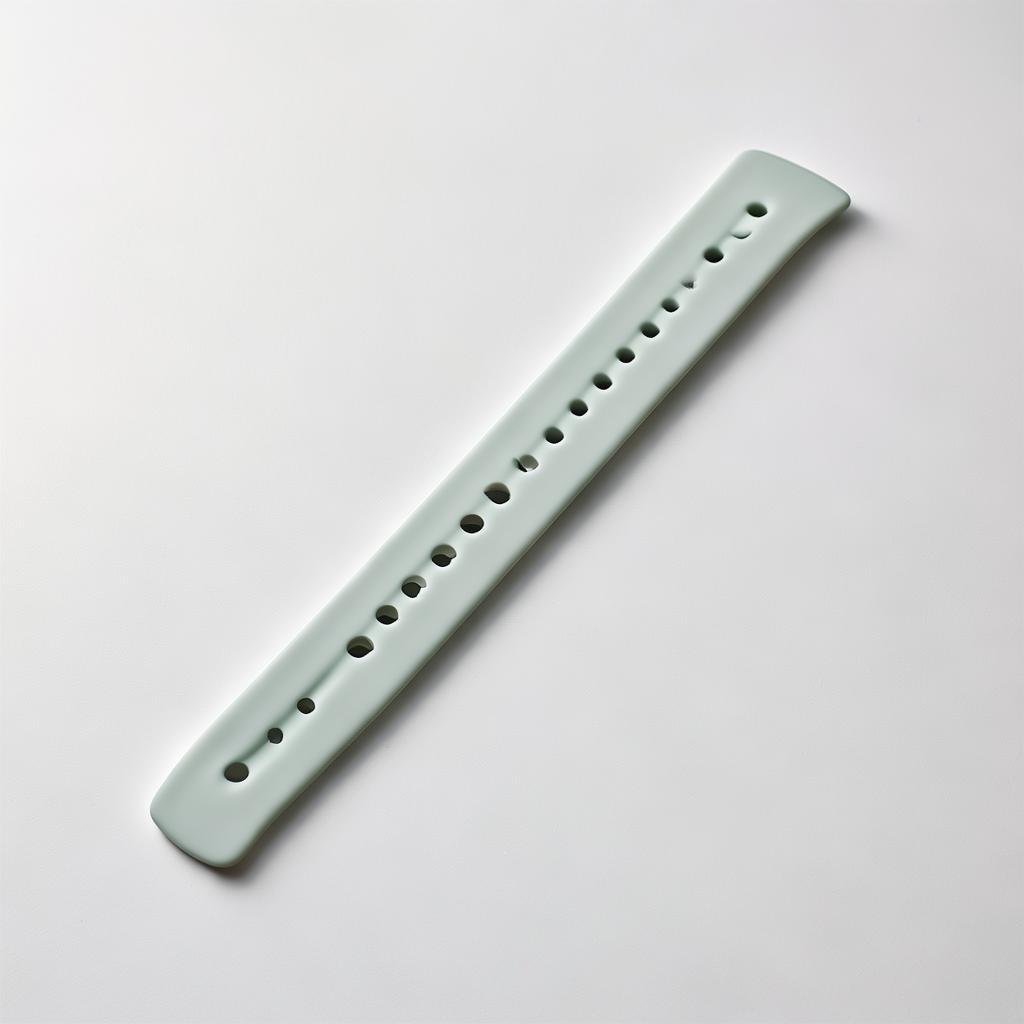
- Consumer electronics: Soft-touch housings, waterproof seals, and overmolded button assemblies supporting smartphone and wearable device manufacturers
- Medical devices: Biocompatible LSR parts used in surgical instruments and diagnostic equipment, conforming to FDA and medical grade norms
- Industrial appliances: Vibration dampening silicone mounts and durable thermal-resistant parts for HVAC and machinery
- Telecommunication: Precision molded seals and insulating components supporting high-frequency equipment and ruggedized connectors
For example, companies manufacturing smart wearable devices report that our LSR parts provide superior elasticity and longevity compared to conventional rubber-based seals. This translates to lower field failures and longer replacement cycles.
Note to procurement teams: Specify operating temperature ranges and regulatory compliance early in the inquiry stage to enable optimized mold design and material selection.
Strategic Procurement Guide: How to Choose a Production Injection Molding Supplier
Partnering with the right injection molding factory affects cost, quality, and time-to-market. Here are practical tips based on our 20+ years of export and manufacturing experience:
- Evaluate technical expertise: Prefer factories with expertise in your target materials—especially specialized ones like liquid silicone rubber—and proven tooling capabilities.
- Check certifications: Demand relevant ISO, CE, RoHS documents, especially for medical or food-contact products. These confirm compliance and process maturity.
- Request detailed production workflows: Transparent process maps help anticipate potential delivery delays or quality risks.
- Assess machinery portfolio: Facilities with a diverse and modern machine park can handle batch size variability and complex molds effectively.
- Request samples early: Prototype or pilot runs with sample parts validate tooling accuracy and material properties on real parts.
- Consider logistics and shipping advice: A supplier that assists with export regulations, container optimization, and transport packaging mitigates delivery surprises.
We encourage buyers to talk directly with our engineers to review your project requirements, mold concepts, and material needs.
Insider tip: Early communication about your part’s thermal, mechanical, and aesthetic expectations helps avoid costly mold reworks later. Our design teams offer collaborative engineering to align expectations upfront.
Logistics, Shipping & Installation: What Buyers Must Know
Shipping precision molded parts, especially fragile silicone components, requires careful handling. We advise procurement teams to consider:
- Packing materials: Use soft anti-slip backing and cushioned dividers to protect intricate moldings from surface damage
- Container loading orientation: Arrange cartons to avoid compression deformation, crucial for large volume orders
- Customs documentation: Accurate declarations and proper certifications simplify clearance and reduce hold-ups
- Installation support: We provide detailed installation guidelines reflecting the specific properties of silicone and plastic molded parts to facilitate onsite assembly and minimize setup time
Our long export history enables us to anticipate and solve common challenges in cross-border shipping. We also tailor delivery schedules to align with your procurement calendars, preventing inventory bottlenecks or overstocks.
Frequently Asked Questions About Production Injection Molding
- Q1: How do you ensure consistent product quality for high-volume LSR production?
- We utilize automated process controls combined with real-time injection molding parameters monitoring. Advanced simulation tools assist in mold design optimization while in-house quality testing verifies physical and thermal properties batch-to-batch.
- Q2: Can you handle custom molds with multi-material injection?
- Absolutely. Our factory is equipped with multi-component (2K and 3K) injection presses that facilitate overmolding of silicone with rigid plastics such as ABS, enabling soft-touch designs with durable frameworks.
- Q3: What lead times should procurement expect for new projects?
- Typical mold development cycles range 6-8 weeks, with sampling and approval taking another 2-3 weeks. Mass production lead time depends on order size but usually ranges from 2-6 weeks post-sample approval.
- Q4: Do you provide OEM and ODM services?
- Yes, customers benefit from tailored design support, materials consultation, and scale manufacturing solutions designed to accelerate their product launch and maintain competitive margins.
- Q5: How do you mitigate shipping damage risks?
- Packaging employs shock-absorbing inserts, moisture-resistant barriers, and secure pallets. We also coordinate with trusted freight forwarders experienced in handling silicone parts for global delivery.
What Our Customers Are Saying

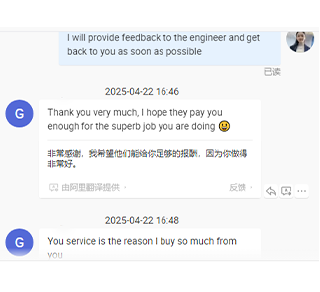
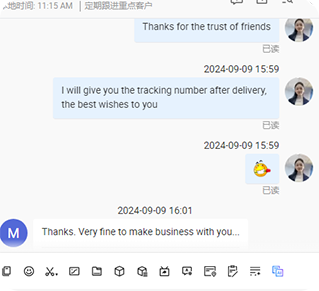
"Reliable delivery and consistent quality every batch. The engineering support helped us optimize our part design, reducing mold cycle time significantly."

"Yingtai's precision tooling and material knowledge gave us a manufacturing edge in producing wearable device seals compliant with FDA standards."

"Excellent packaging and timely customs clearance enabled smooth scheduling of assembly lines without delays during peak season."
Ready to Discuss Your Injection Molding Needs?
We invite procurement managers and technical buyers to reach out for tailored consultation, sample requests, and factory tours. Our export director Miss Zhang and engineering teams are ready to assist with turnkey manufacturing solutions or technical queries.
Contact Information:Phone/Whatsapp: +86 17722437688
Fax: +86 0769-83666863
Email: zmm@yingtai168.com / lh@yingtai168.com
Address: No. 359 Chang'an Bubugao Road, Chang'an Town, Dongguan City, Guangdong Province, China
Official Website Contact Page
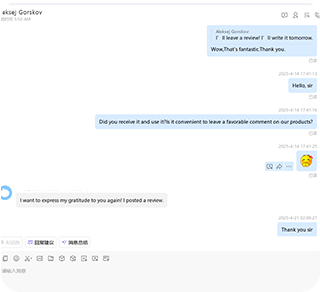
Chat with Us: Real Conversations with Our Customers