
“Partnering with Yingtai for our silicone packaging seals was a game-changer. The materials withstand the rigors of cold-chain logistics without cracking. Communication was straightforward, with prompt prototype iterations helping us avoid costly design errors.”

Production Of Liquid Silicone Packaging Plastic Parts Factory
Navigating the complexities of liquid silicone packaging components requires a manufacturer with both deep technical know-how and extensive industry experience. Guangdong Yingtai High Precision Technology Co., Ltd., a benchmark in Dongguan’s advanced manufacturing landscape,
Product Details
Production of Liquid Silicone Packaging Plastic Parts Factory — Your Precision Partner
Navigating the complexities of liquid silicone packaging components requires a manufacturer with both deep technical know-how and extensive industry experience. Guangdong Yingtai High Precision Technology Co., Ltd., a benchmark in Dongguan’s advanced manufacturing landscape, stands ready to deliver exquisite liquid silicone products designed for the modern packaging demands.
Industry Challenges in Silicone Packaging
Leading purchasing professionals frequently confront persistent hurdles when sourcing liquid silicone packaging components. Material inconsistency, extended lead times, and molding defects often introduce risk in highly regulated sectors such as food packaging, pharmaceuticals, and consumer electronics. Selecting the wrong supplier can lead to shipment delays and costly reworks.
The packaging industry demands high precision, excellent thermal stability, and chemical resistance — especially for applications where silicone parts must maintain integrity under pressure, temperature variations, and exposure to oils or cleaning agents. Quality is not just about the raw material but the entire production workflow; improper mold venting or curing can cause micro defects, compromising seal integrity.
Additionally, the surge in global demand has brought OEM/ODM factories into sharper focus for cost efficiency. However, many international buyers overlook the nuanced differences in production methodology and factory capabilities. Risk of selecting inexperienced manufacturers leads to unexpected downtime and regulatory compliance gaps.
- Quality deviations caused by suboptimal LSR mold design and curing cycles
- Commodity-grade silicone with poor dimensional stability affecting packaging seals
- Delays due to lack of integrated manufacturing chains impacting lead times
- Insufficient documentation and certifications complicating supplier trust
- Logistics challenges in packaging fragile silicone components safely for export
Technical Overview of Liquid Silicone Manufacturing
At Guangdong Yingtai High Precision Technology Co., Ltd., we leverage over two decades of experience in liquid silicone injection molding. Our 55 state-of-the-art liquid silicone molding machines and over 30 precision testing instruments enable the production of parts that meet strict ISO 9001, CE, and FDA standards relevant to packaging applications.
Our process starts with material selection — we use medical-grade and food-contact-certified liquid silicone rubber (LSR) known for its biocompatibility, UV resistance, and temperature tolerance from -60 to +230 °C. These properties ensure that packaging components will not degrade or contaminate contents under typical transport and storage conditions.
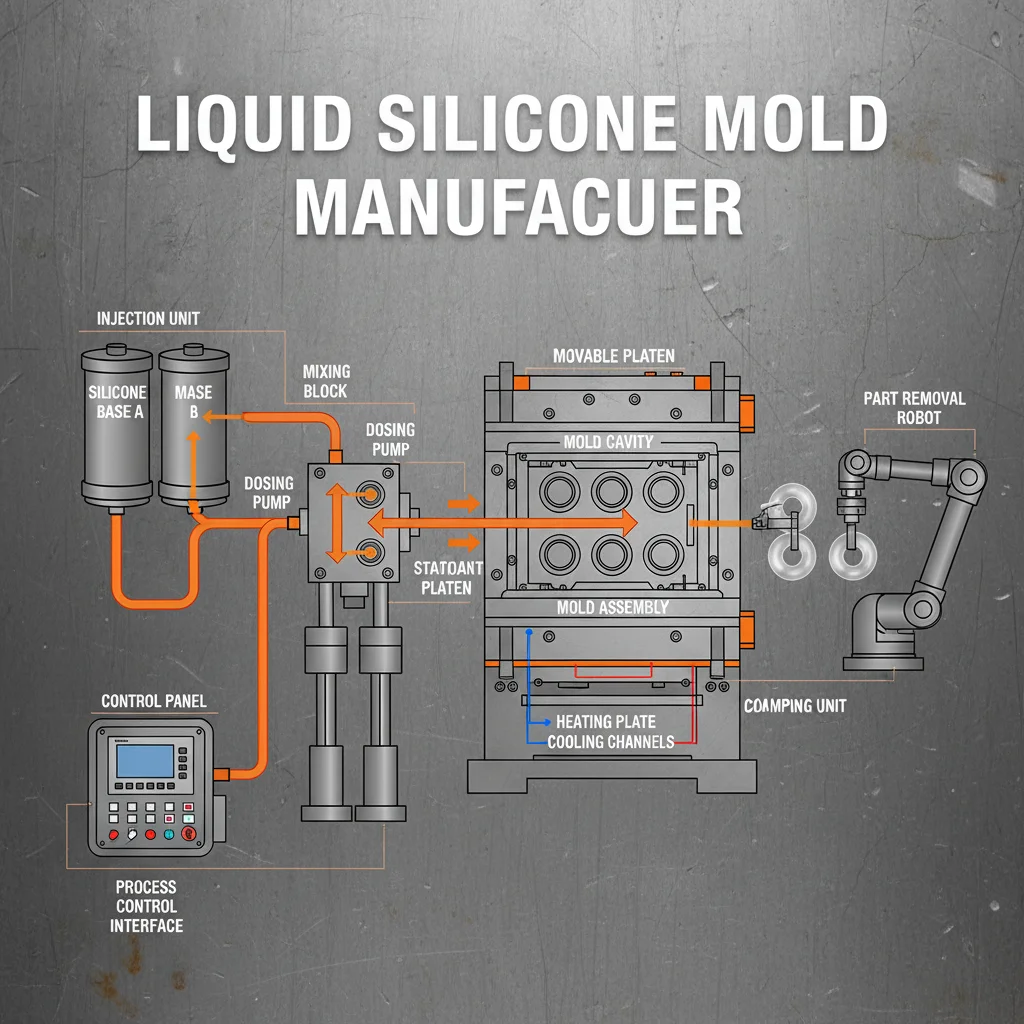
The core of our manufacturing relies upon liquid injection molding (LIM) techniques following rigorous CAE simulation and mold flow analysis in collaboration with our engineers. This approach reduces common production pitfalls such as:
- Air entrapment and microbubble formation that compromise seal tightness
- Material flashing caused by improper cavity sealing
- Inhomogeneous curing leading to brittleness or warpage
- Inconsistent wall thickness affecting mechanical performance and aesthetics
Our factory intelligence system integrates multi-component molding, allowing plastic overmolding and silicone sealing components to be manufactured in a streamlined, one-stop procedure. This reduces part handling and assembly errors often encountered in fragmented supply chains.
Technical Specification Snapshot
| Parameter | Specification | Industry Standard |
|---|---|---|
| Material Type | Liquid Silicone Rubber (LSR) | FDA 21 CFR 177.2600 |
| Working Temperature | -60°C to +230°C | ISO 10993 Biocompatibility |
| Color Options | Custom, including Transparent & Pigmented | RoHS Compliant |
| Tensile Strength | 7.5 MPa - 10 MPa | ASTM D412 |
| Durometer Hardness | 20-80 Shore A | ISO 868 |
| Average Lead Time | 25-35 Days (Depending on Complexity) | Industry Standard |
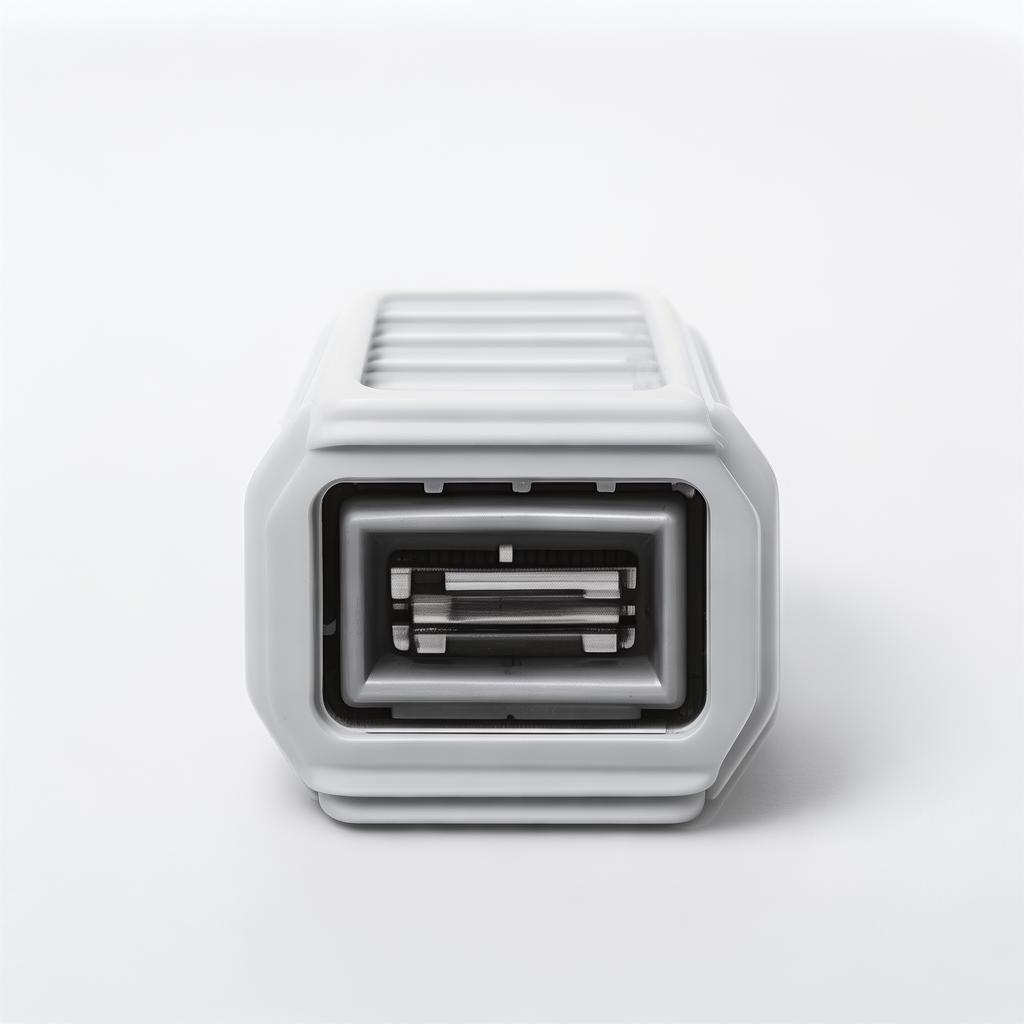
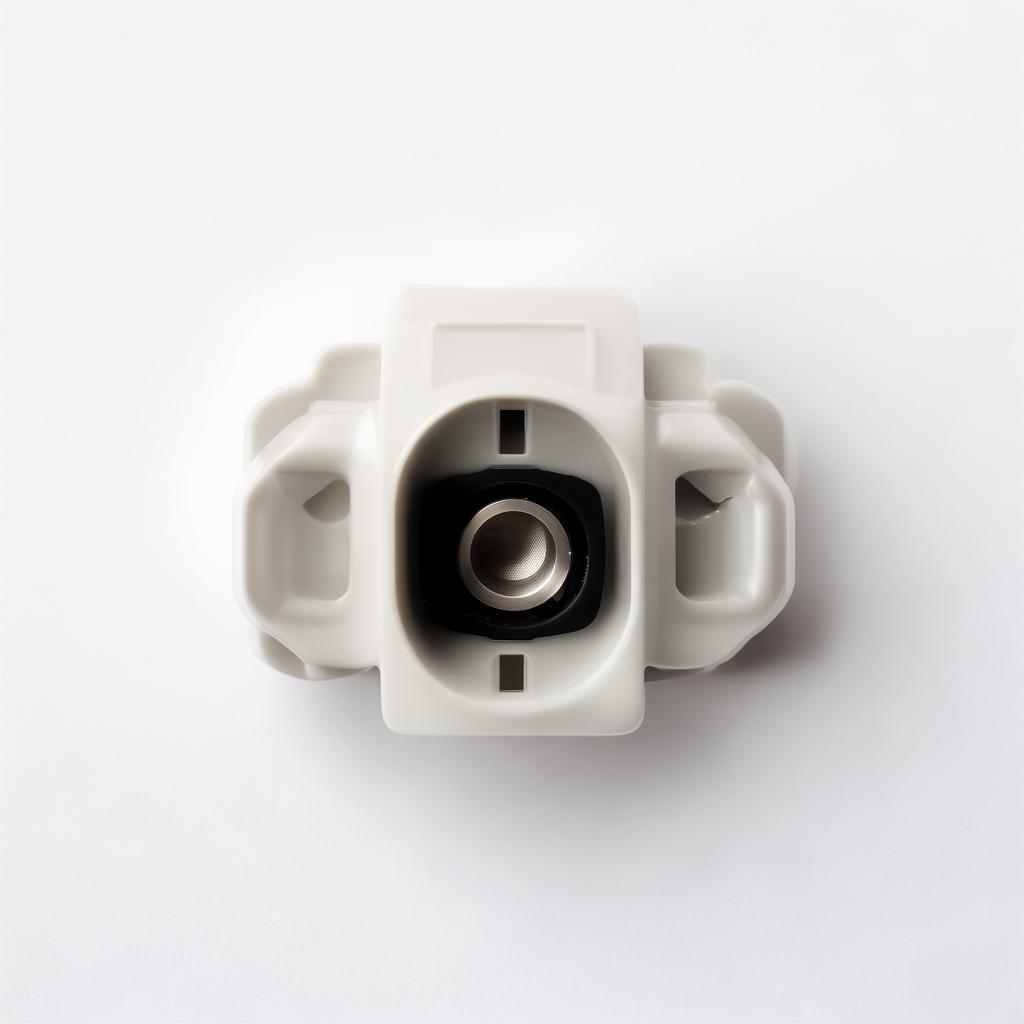
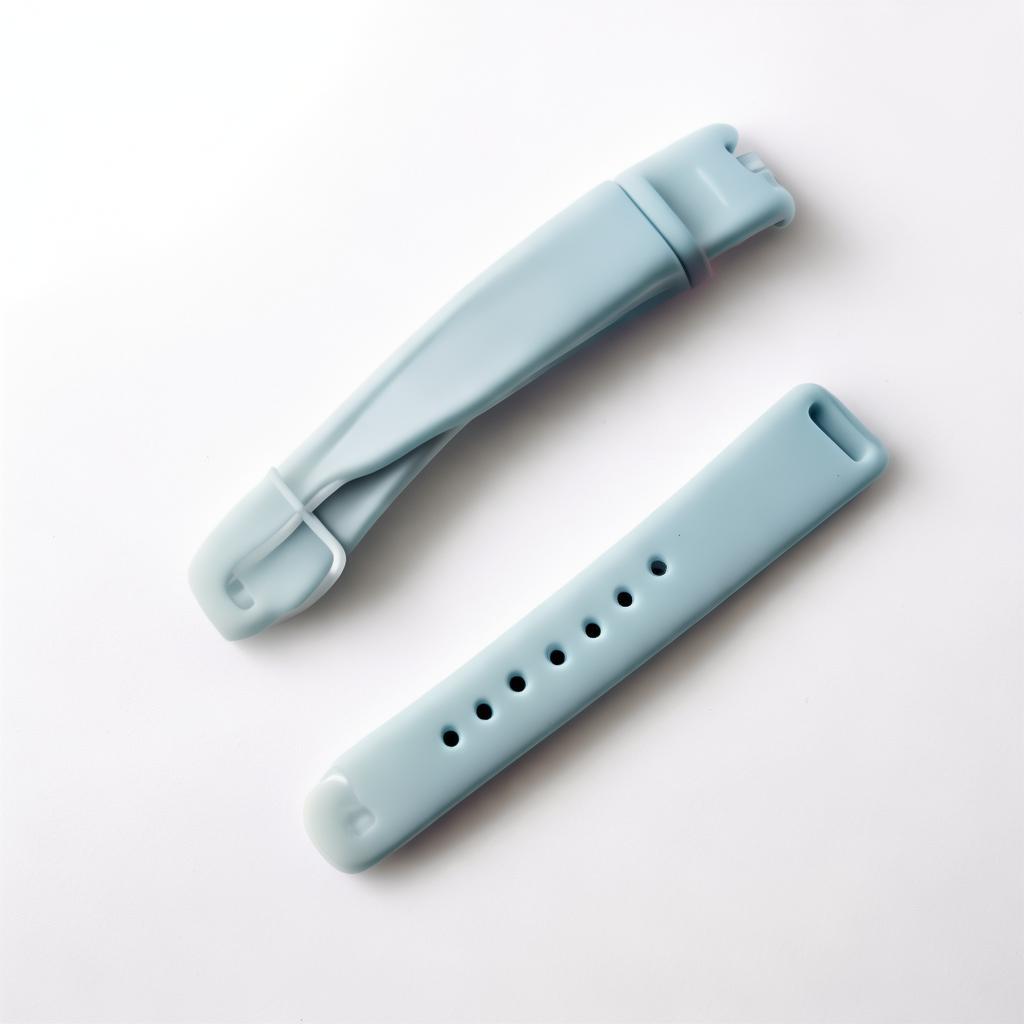
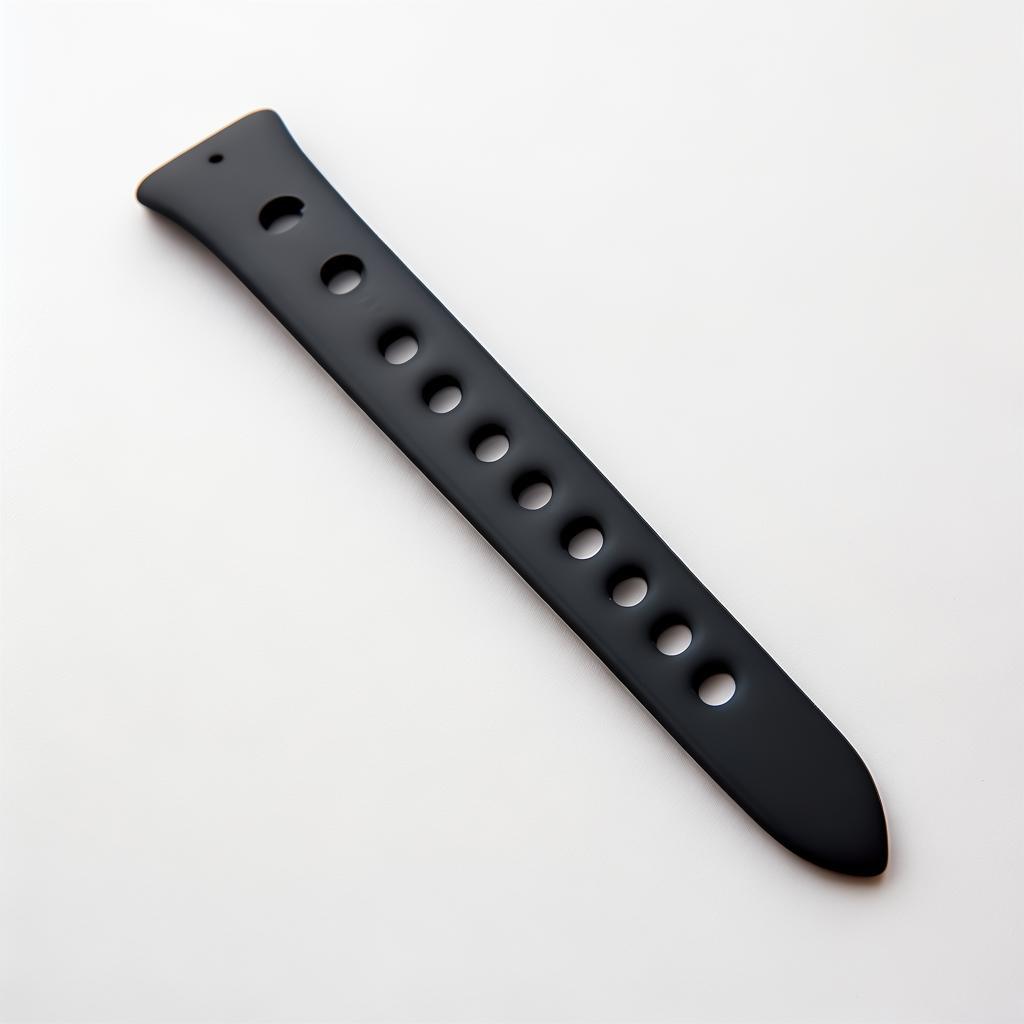
Liquid silicone packaging plastic parts processing factory Manufacturer of liquid silicone packaging plastic parts for processing Liquid silicone packaging plastic parts manufacturer
Advantages of Our Silicone Packaging Parts
Every production stage is driven by precision engineering and deep material knowledge. Our liquid silicone packaging parts stand out because of:
- Superior Seal Integrity: Optimized mold venting and curing cycles secure a tight seal essential for packaging stability, preventing leakage or contamination.
- Exceptional Flexibility & Durability: The cured silicone demonstrates not only exceptional elasticity but sustains repeated compression without degradation, key for packaging applications requiring repeated opening or pressure resistance.
- Wide Operating Temperature Range: From deep freeze logistics to tropical storage, our parts resist thermal extremes without embrittlement or loss of elasticity.
- Custom Mold Capability: Our in-house tooling expertise ensures precise dimensional control, embedding logos, and complex geometries tailored to client requirements.
- Regulatory Compliance: All products conform to FDA, RoHS, and CE certifications, guaranteeing safety for food-grade packaging and medical-grade seals.
- Integrated Production Chain: Owning the full chain—from mold design to final assembly—avoids inconsistencies often encountered in multi-vendor sourcing.
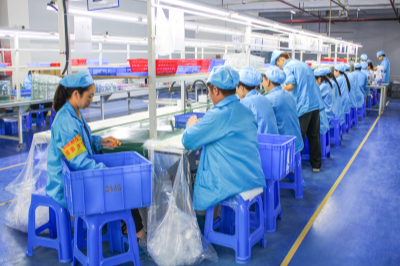
Key industry observation: Suppliers using high-throughput >80 machine lines with full-process traceability report up to 30% lower defect rates, a trend we actively implement to guarantee batch consistency.
Procurement & Supplier Evaluation Guide
Sourcing liquid silicone packaging components is not a straightforward process. Here’s some guidance distilled from industry-level procurement experience and supplier audits to make your next buying decision smoother:
- Verify Certification & Compliance: Review factory certifications and product testing reports. Confirm alignment with FDA food-contact compliance, RoHS, and ISO 9001 standards.
- Assess Production Capacity: Ensure the supplier’s machine count and mold inventory can handle your volume fluctuations. Factories with integrated mold processing reduce time loss.
- Quality Control Rigor: Ask for process flow documentation including mold flow simulation, rheological data, and curing profile control. Prefer factories equipped with in-line auto inspection.
- Material Source Transparency: Confirm 'grade of silicone' used and supplier's ability to customize hardness and color per your exact specifications.
- Logistics Readiness: Validate export experience, packaging solutions, and lead times. Factor in customs clearance and container loading optimization knowledge for fragile silicone parts.
- OEM/ODM Support: Look for partnerships offering prototyping, design consultation, and volume scaling to mitigate the typical project ramp-up risks.
Remember: Overlooking early tooling validation or material formula compatibility can cause timeline slips and cost overruns later. A collaborative supplier sharing upfront production insights will save you troubles downstream.
Procurement Tip: Request factory floor videos or live remote inspection to verify working conditions — a simple but effective way to spot potential bottlenecks or quality risks without initial travel.
Buyer Frequently Asked Questions
- Q1: What is the typical lead time for liquid silicone packaging parts?
- Standard delivery ranges between 25-35 days post mold approval, depending on complexity and order volume. Expedited services are available upon inquiry but require advance notice.
- Q2: How do you ensure product quality during molding?
- Each batch undergoes multi-point quality inspections including visual, dimensional, and mechanical testing. We use sensor-monitored injection parameters and inline defect scanners to maintain ISO-certified standards.
- Q3: Can you handle multi-material overmolding with plastic components?
- Yes. Our integrated multi-shot molding machines produce composite components combining LSR and injection-molded polyethylene or ABS, offering excellent bonding strength and customizable finishes.
- Q4: What packaging and shipping methods do you use to minimize damage?
- Fragile silicone parts are packaged with customized anti-static bubble-wrap materials and secured in reinforced cartons designed for container stacking. We collaborate with experienced freight forwarders specializing in sensitive industrial exports.
- Q5: Do you offer prototyping and small batch runs?
- Absolutely. Our rapid tooling and CAE simulation capabilities support fast prototyping with minimal cycles (typically 15 days or less), enabling early-stage product validation before mass production.
Customer Insights
Get in Touch
If you have any camping barbeque equipment inquiry, please feel free to contact us.