Production Of Two Color Plastic Parts Mold Factory
Production Of Two Color Plastic Parts Mold Factory
Guangdong Yingtai High Precision Technology Co., Ltd. | OEM & ODM Specialist | Expert Injection Molding Solutions Producing two-color plastic parts molds is a specialized niche in the industrial manufacturing sector that demands precision,
Product Details
Production of Two-Color Plastic Parts Mold Factory — Precision & Reliability Delivered
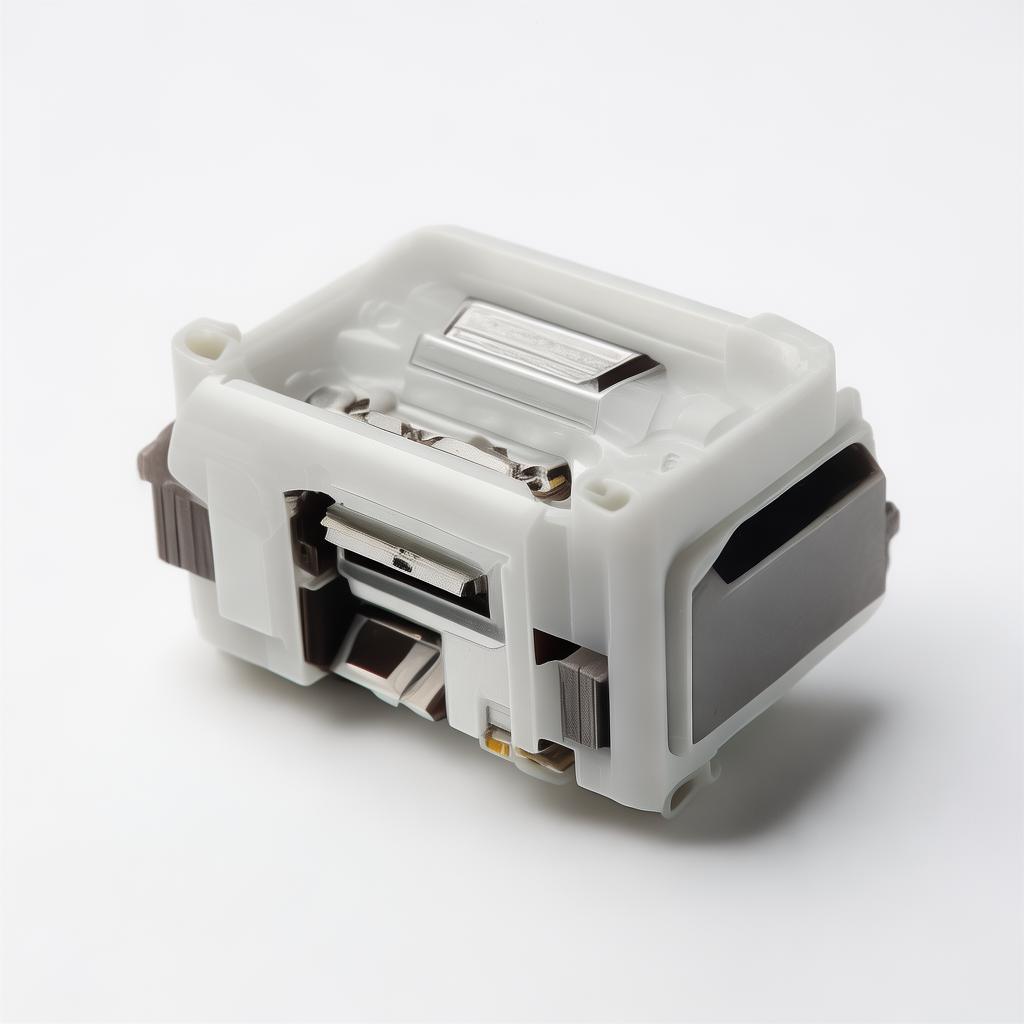
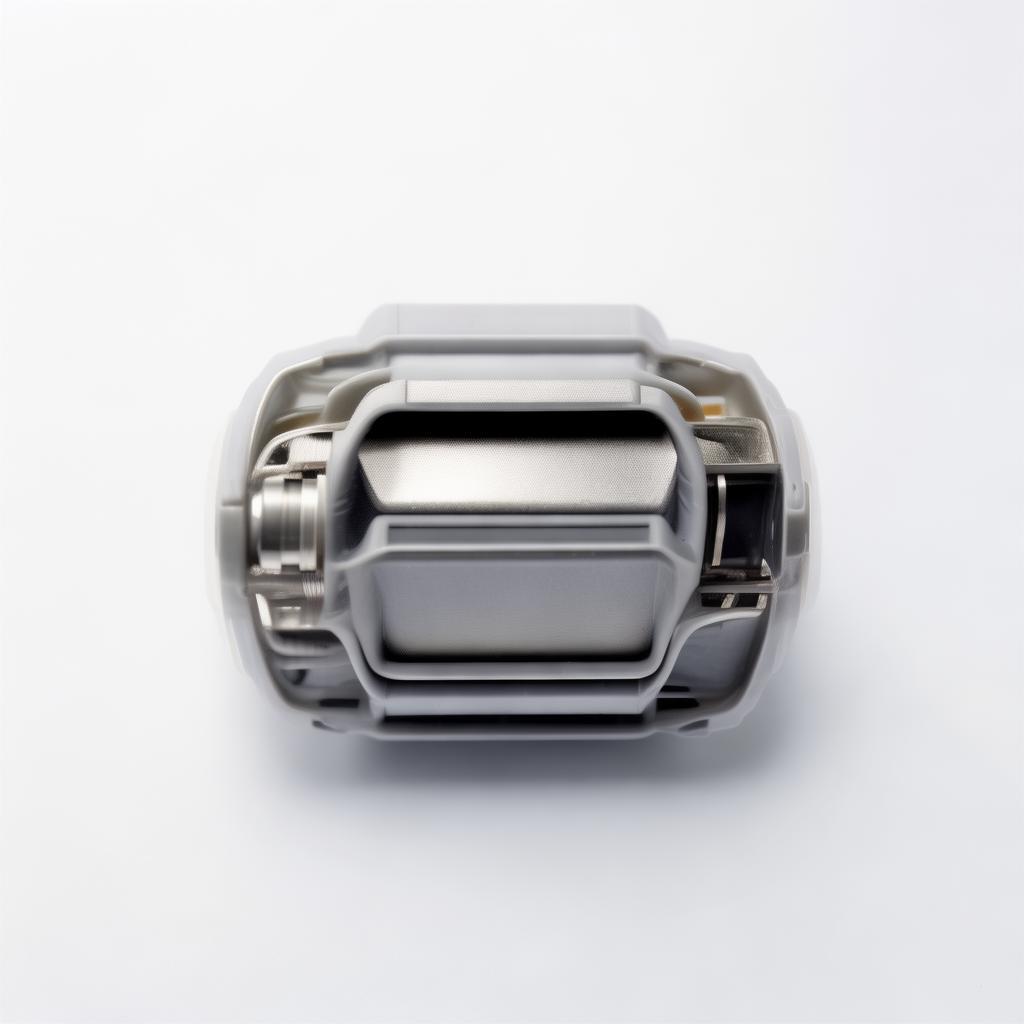
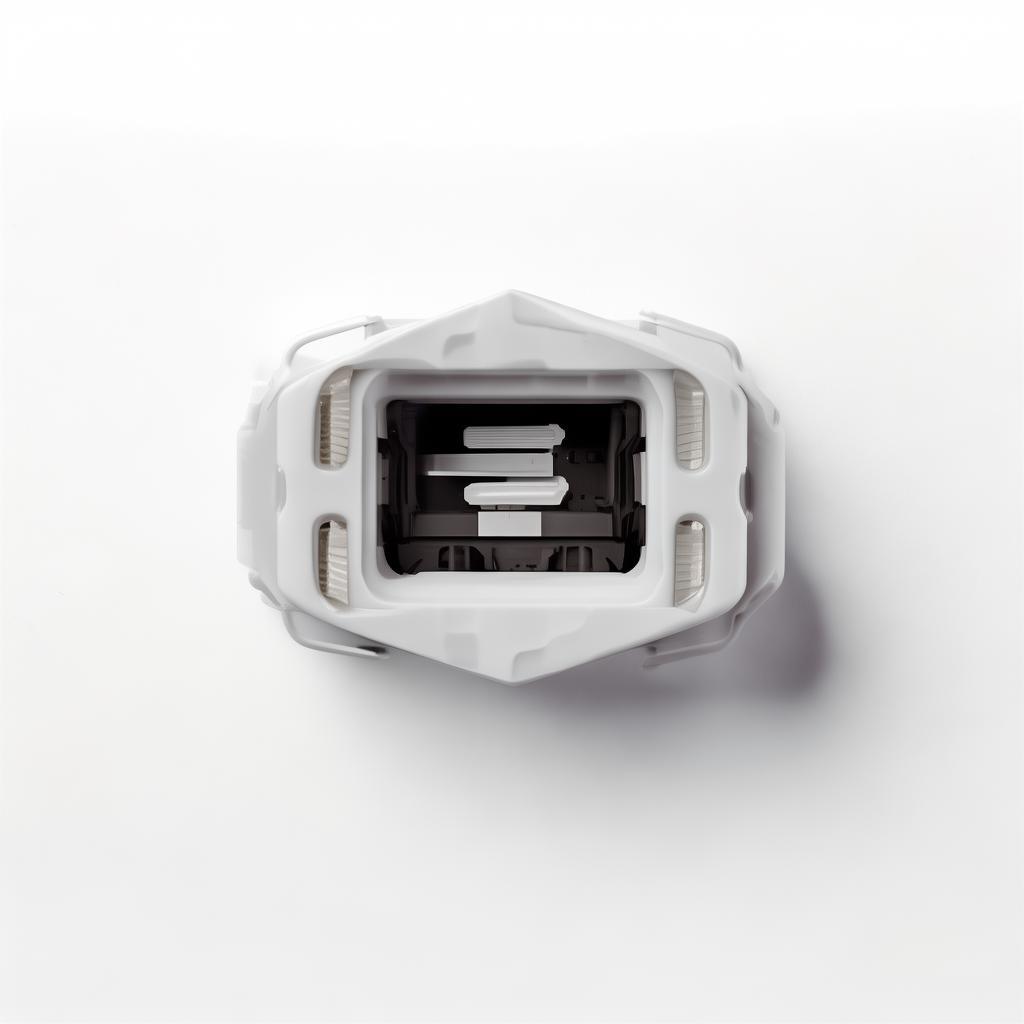
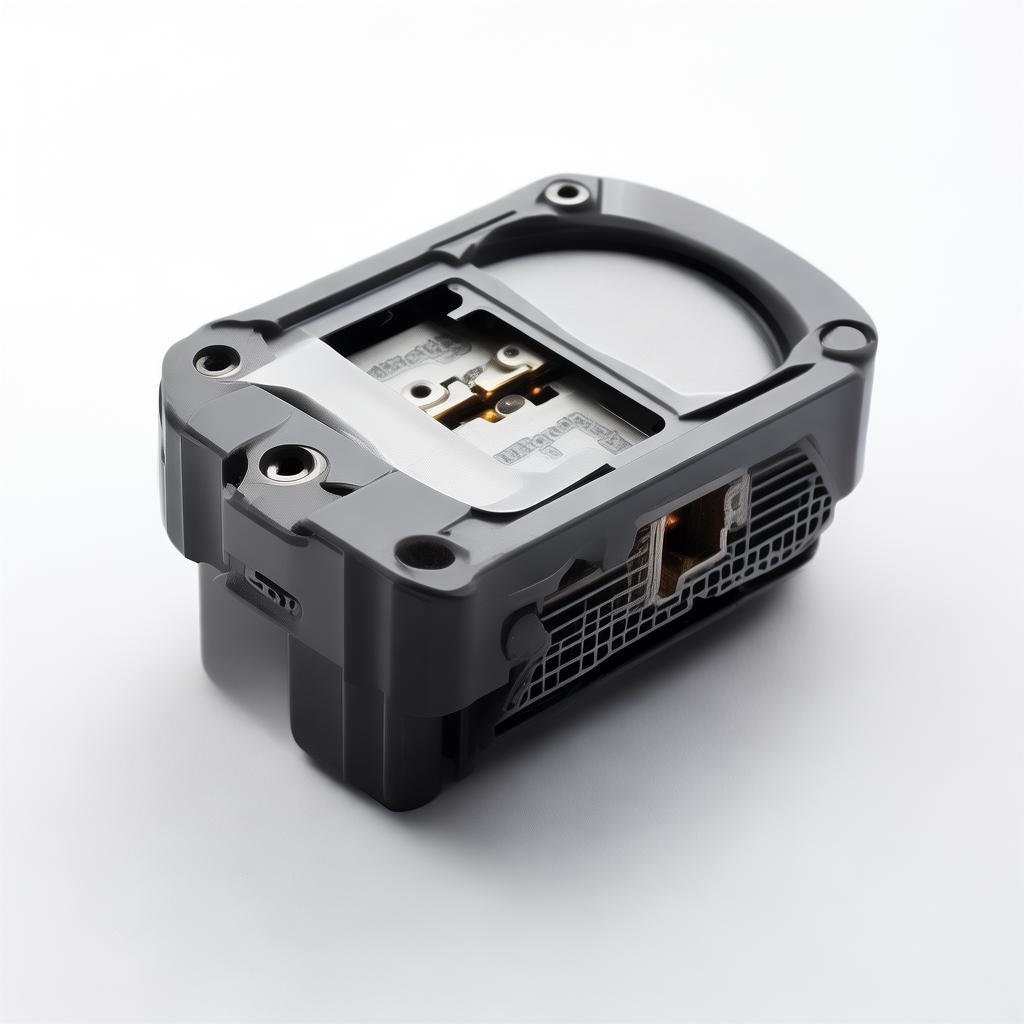
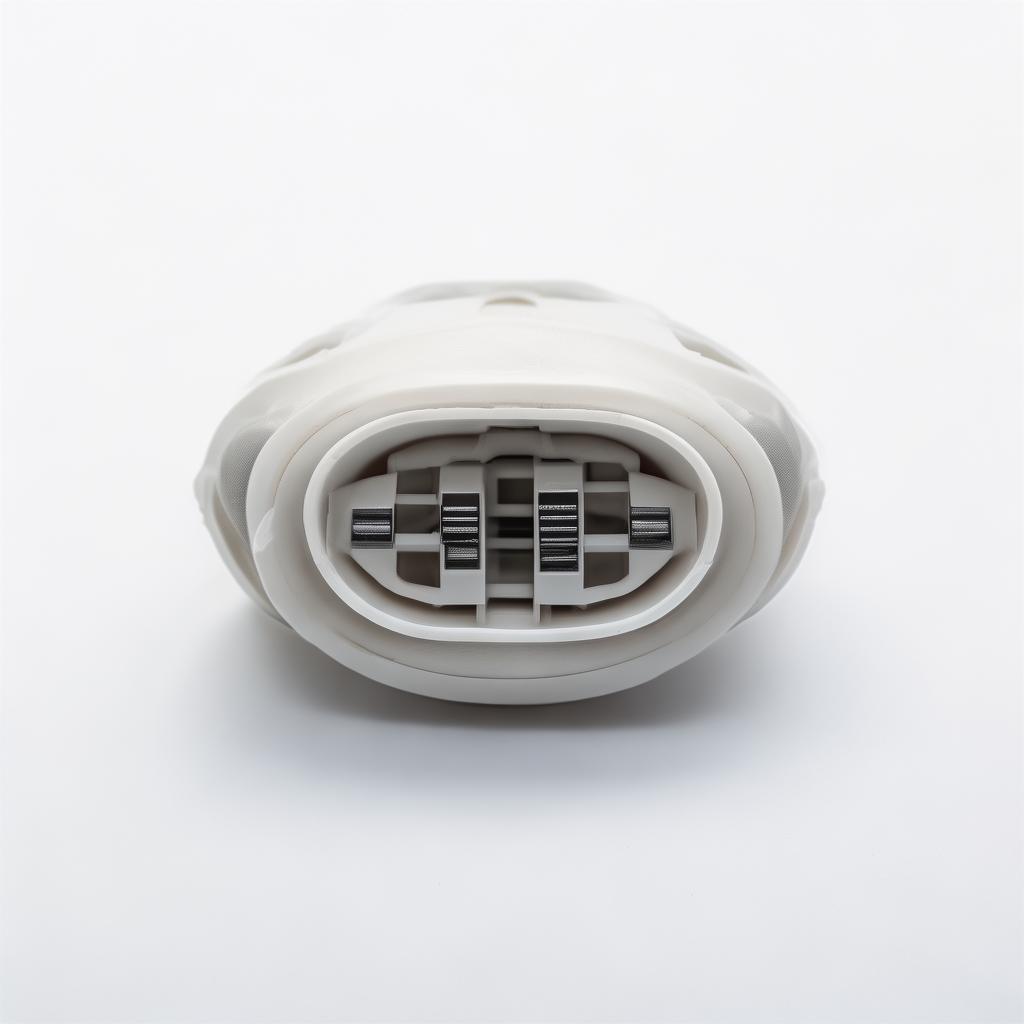
Producing two-color plastic parts molds is a specialized niche in the industrial manufacturing sector that demands precision, material expertise, and advanced molding techniques. Unlike traditional single-shot injection molding, two-color (or two-shot) molding integrates two distinct plastics or polymers into a single, co-molded component. This process enhances product functionality, reduces assembly steps, and often improves cosmetic appeal.
At Guangdong Yingtai High Precision Technology Co., Ltd., our two-color mold production centers on combining innovative mold engineering, advanced injection machines, and a seasoned workforce to deliver high-performance, durable molds serving sectors where multi-material parts make a tangible difference. Operating from Dongguan's industrial heartland, with over 20 years of focused expertise, we understand the nuances of overmolding processes, polymer compatibility, cycle times, and mold longevity.
Considering market trends, the demand for two-color injection molding is growing robustly within electronics, automotive interiors, consumer appliances, and medical devices. According to GrandViewResearch, materials like liquid silicone and thermoplastic elastomers paired with rigid plastics are seeing heightened integration to meet complex product design and tactile finish demands. This aligns well with Yingtai’s production capabilities, blending OEM flexibility with stringent quality controls.
For procurement directors and factory engineers, understanding the trade-offs — such as tooling cost, lead time, process complexity, and material behavior — is crucial. Two-color mold tooling requires precision machining, multi-station presses, and mastering thermomechanical interactions during injection phases. Producing molds that withstand high-volume cycles without degradation or dimensional drift is non-negotiable for cost-efficiency and downstream assembly stability.
Customer scenarios often require custom solutions balancing rigid-to-soft material interfaces, UV resistance, chemical durability, and tight cosmetic tolerances. Our approach integrates rigourous pilot testing and consultation, ensuring not only product specifications but also logistics aspects like container loading, packaging protection, and compliance with ISO 9001 & CE standards. We invite you to explore further below how we tackle these challenges from both operational and technical perspectives.
Common Industry Challenges in Two-Color Mold Production
Material Compatibility: Ensuring proper adhesion and bonding between two distinct polymers (e.g., ABS and TPE) requires deep knowledge of thermal expansion and chemical affinity.
Complex Mold Design: Multi-component molds often involve intricate slide mechanisms and sequential injection gates — increasing tooling costs and setup complexity.
Cycle Time Optimization: Balancing production speed without sacrificing quality or causing flash defects demands process expertise and precision tooling.
Dimensional Stability: Differential shrinkage between materials can cause warpage, requiring advanced simulation and real-world validation.
Maintenance & Tool Wear: Two-color molds require more frequent maintenance; neglecting this can reduce mold life and increase downtime.
Logistics Risks: Oversized or heavy molds create challenges in shipping, customs clearance, and on-site installation for international buyers.
Operational note: One procurement pitfall is underestimating mold maintenance needs — many manufacturers face unexpected delays due to cutter wear and unplanned servicing during high-volume production.
Technical Insights & Production Methods
Our two-color plastic parts mold production predominantly utilizes precision CNC machining combined with advanced multi-shot injection molding technologies. The factory owns 80 automatic injection molding machines with dual-shot capabilities and 30 sets of precision mold processing equipment, enabling consistent high-quality output.
Material-wise, popular choices include engineering plastics like ABS, PC, PP, and flexible co-materials such as TPE or liquid silicone rubber (LSR). We incorporate rheological data and thermal properties during mold design phases, referencing studies like MDPI's research on material characterization to fine-tune injection speed and curing cycles.
Simulation tools and CAE analysis play a fundamental role in predicting warpage, flow paths, and thermal gradients. We implement improved venting solutions per findings from Fraunhofer Research to reduce flash and material waste.
Applications & End-Use Scenarios
Two-color molded parts are highly sought after where a combination of functionality and design aesthetics is paramount. Here are some practical environments where our molds serve critical needs:
Consumer Electronics: Devices requiring soft-touch grips combined with rigid housings, e.g., smartphone covers and audio connectors.
Automotive Interiors: Dashboard panels with integrated soft-touch buttons, trim parts with multi-material seals.
Medical Devices: Instruments that demand biocompatible LSR overmolding alongside rigid structural parts.
Household Appliances: Controls and assembly components that improve ergonomics and durability through overmolding.
Industrial Equipment: Seals, gaskets, and connectors requiring chemical resistance and complex shape combination.
Each application comes with unique challenges — from UV stability requirements (important in automotive and outdoor appliances) to FDA-compliant materials in medical sectors. Our factory controls material sourcing carefully, including use of Grade A LSR and thermoplastics certified for food contact or medical use when needed.
Buyer’s Procurement Guide for Two-Color Molded Parts
Selecting a two-color plastic parts mold factory involves more than just price comparison. Here are critical considerations to avoid common procurement pitfalls:
Understand Your Product Requirements: Confirm material combinations, expected production volume, and part complexity changes before sourcing tooling.
Evaluate Mold Design Expertise: Confirm supplier has multi-shot injection molding experience and tooling engineering capacity to handle sliding cores and gating design.
Request Technical Samples: Testing early prototypes for dimensional tolerance, surface finish, and mechanical bonding improves downstream confidence.
Verify Lead Times & Capacity: Consider mold development timelines (typically 60–120 days) and production capacity to meet your launch schedule.
Assess Certification & Compliance: Request ISO 9001, CE certifications, and any specific material compliance documentation needed for your sector.
Review Logistics & Packaging: Heavy molds require professional crating and shipment planning; clarify export experience and customs handling.
Understand Maintenance & Support: Confirm availability of after-sale tooling maintenance and contingency plans for repairs or modifications.
Our team is ready to walk you through production feasibility, including OEM customization and ODM options. Contact us early for a free feasibility review and pricing consultation.
Factory Strength & Certifications
Guangdong Yingtai High Precision Technology Co., Ltd. leverages a robust infrastructure:
35,000 m² modern industrial park located in Dongguan’s manufacturing hub.
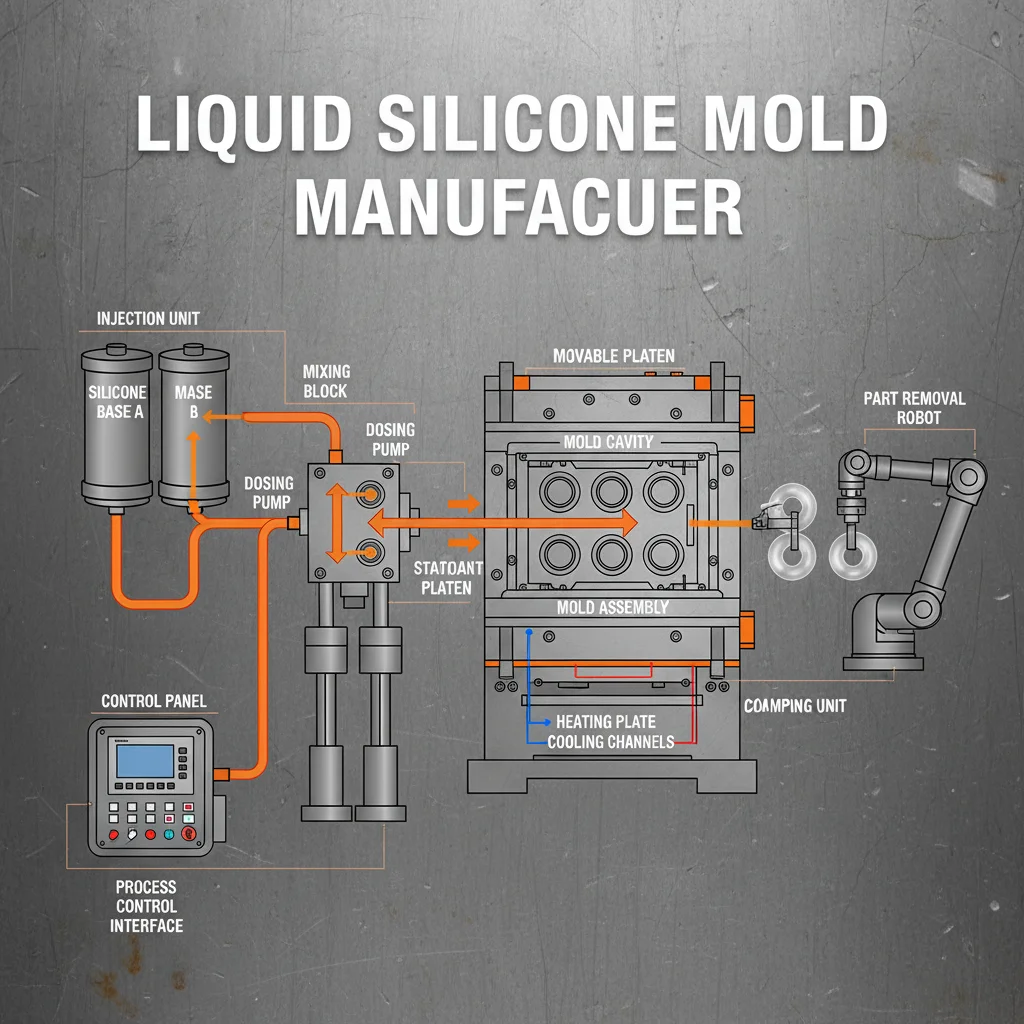
55 liquid silicone molding machines specialized in overmolding applications.
80 automatic injection molding machines supporting multi-shot and two-color processes.
More than 500 trained professionals including engineers, production staff, and quality control.
Strict quality management compliant with ISO 9001, CE certification, and environmental & safety standards.
Comprehensive in-house R&D enabling customization from concept to finished product.
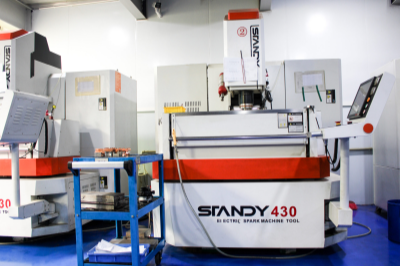
Advanced precision machining center at Yingtai factory
Over the years, our export team has refined the logistics workflow including customs clearance, packaging optimization for ocean freight container loading, and compliance with international regulations. This ensures mold components and finished parts arrive intact and on schedule.
Frequently Asked Questions (FAQs)
Q1: What is the typical lead time for two-color mold production?
For standard complexity molds, lead times range from 8 to 16 weeks. Complex molds requiring multi-part slides or intricate gating may take longer.
Q2: Which materials are best suited for two-color overmolding?
Common pairs include ABS with TPE for soft grip surfaces, PC with LSR for medical-grade components, and PP with TPU for flexible sealing parts. Your choice depends on adhesion, flexibility, and end-use conditions.
Q3: How does the two-color injection process reduce assembly costs?
By molding two materials in one cycle, it eliminates secondary assembly or adhesive bonding steps, improving mechanical integrity and reducing labor costs.
Q4: How do I evaluate mold quality before placing large orders?
Request sample shots or pre-production parts for dimensional inspection. Verify surface finish and compatibility via pilot runs. Factory visits and third-party audits are recommended for critical applications.
Q5: Do you support custom OEM and ODM requests?
Yes. Our engineering team collaborates on design optimization, mold flow analysis, material selection, and packaging tailored to your needs.
Customer Experiences
Mike J., Procurement Manager, USA
“Working with Yingtai’s two-color molds allowed our product to integrate soft buttons seamlessly with the housing shell. The build quality held tight tolerances and cut our assembly time by nearly 20%. Very transparent communication and flexible ODM options.”
Get in Touch
If you have any camping barbeque equipment inquiry, please feel free to contact us.



 Mike J., Procurement Manager, USA