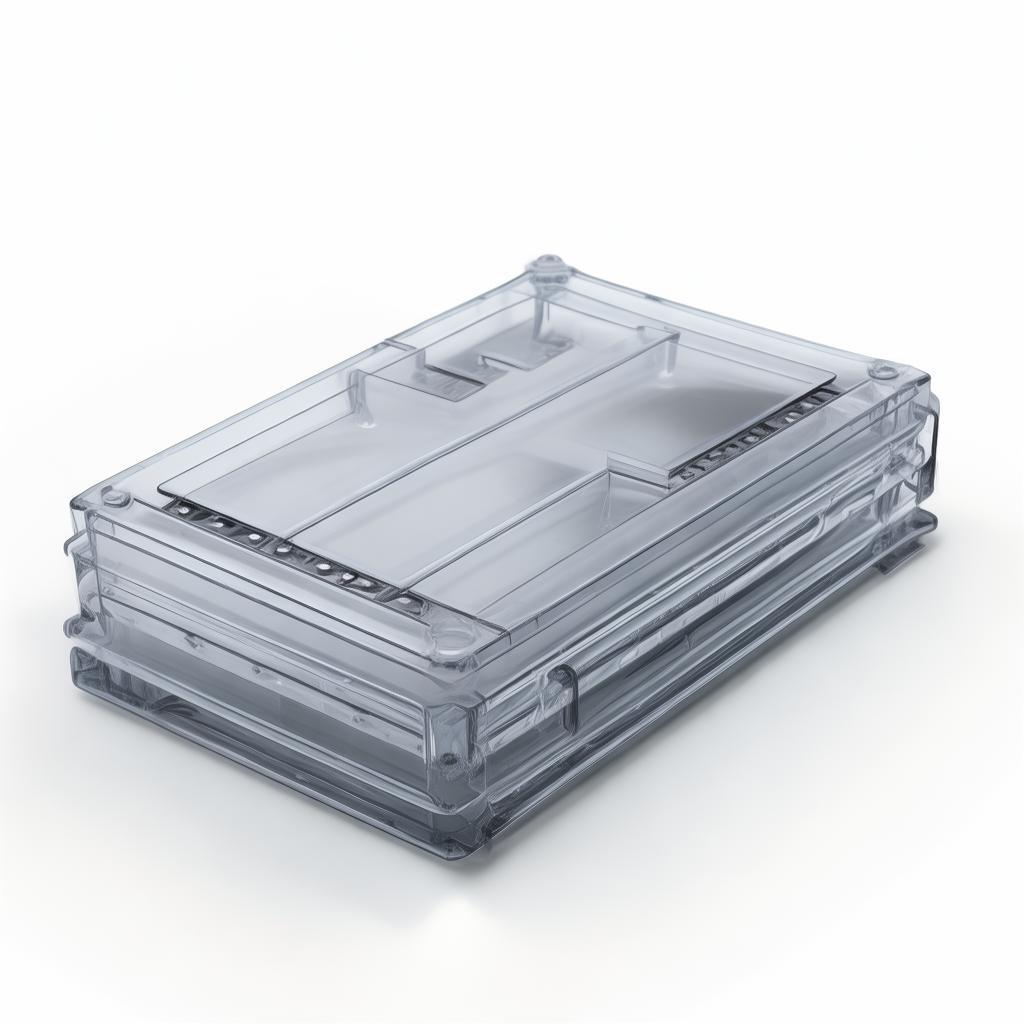
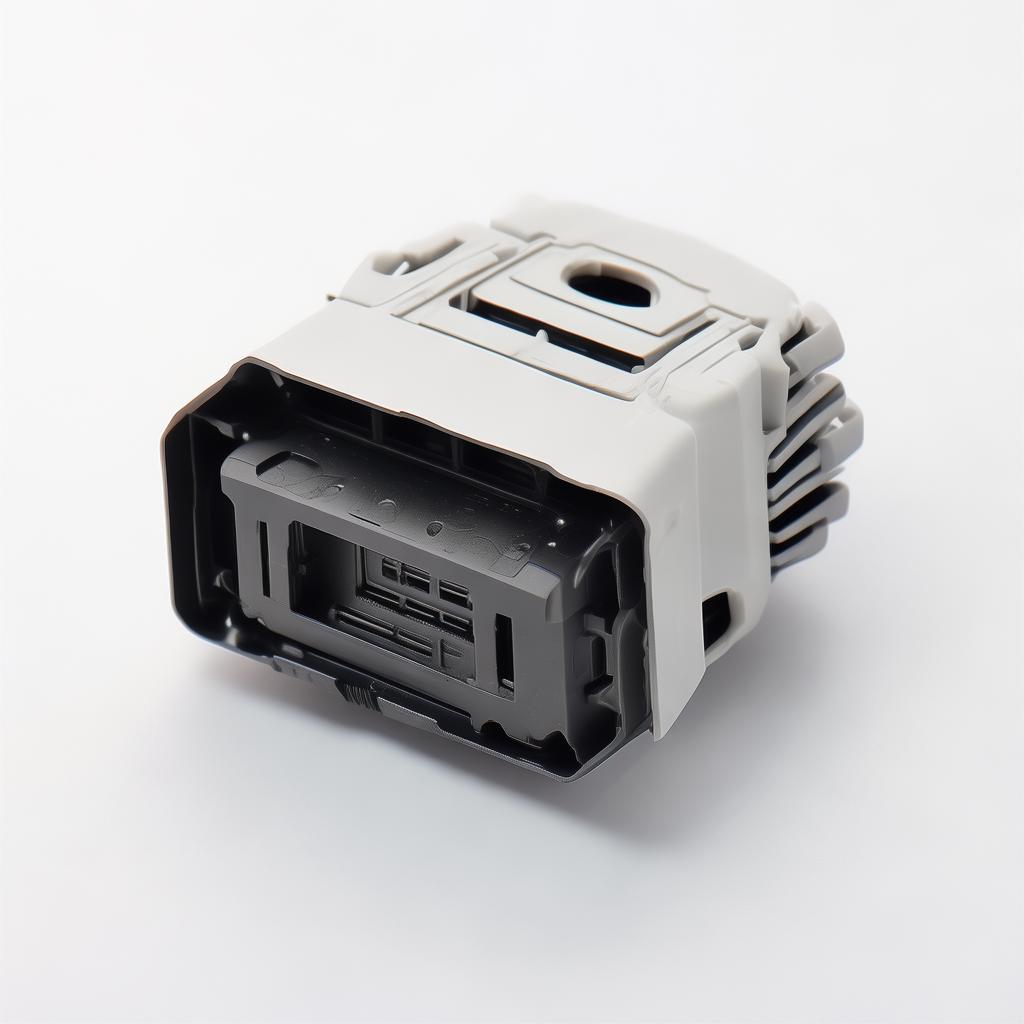
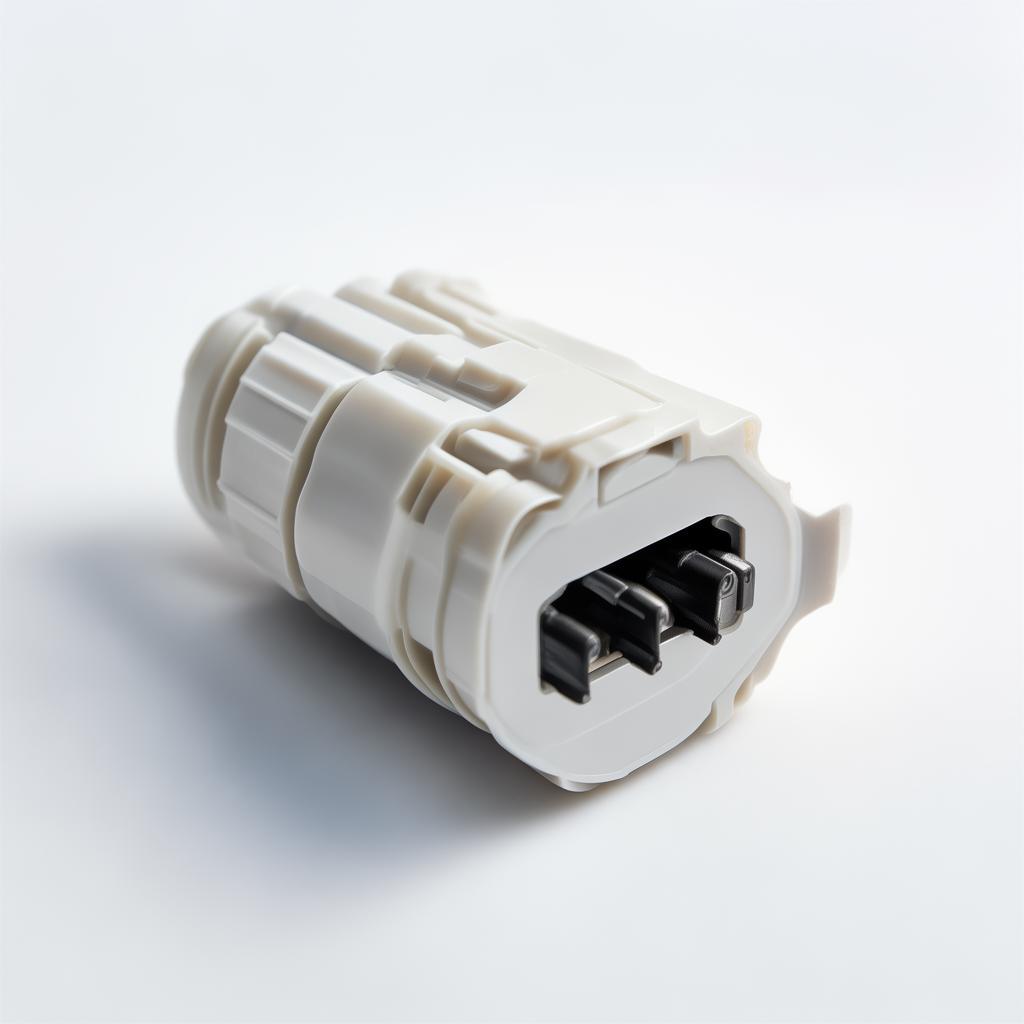
A Deep Dive into Liquid Silicone Rubber Package Hardware for Pure Electric Vehicles
Integrating liquid silicone rubber (LSR) package hardware into pure electric vehicles (EVs) is no small feat. As procurement and technical teams worldwide turn their gaze towards advanced materials that boost reliability, durability, and performance, understanding the intricacies of LSR in this niche becomes critical.
The surge in EV adoption—fueled by environmental regulations, consumer awareness, and technological breakthroughs—has ignited demand for components that can endure harsh operating conditions while maintaining precision fit and function. LSR's unique features—thermal resistance, excellent electrical insulation, chemical stability, and flexibility—make it an ideal candidate for housing sensitive electronic packages within EV battery modules, power electronics, and control systems.
Guangdong Yingtai High Precision Technology Co., Ltd., with over two decades in liquid silicone and precision molding, has been a frontline manufacturer supporting this evolving marketplace. Located in Dongguan, the factory's 35,000 m² industrial park hosts 55 state-of-the-art liquid silicone molding machines alongside precision tooling capabilities that allow for scalable OEM production tailored to global specifications.
Growth forecasts back this industrial pivot. For example, industry reports from Grand View Research estimate the liquid silicone rubber market to nearly double by 2030, nudged by surging EV component demands. The material's biocompatibility and processing flexibility empower manufacturers to design highly intricate sealing, insulation, and package protection solutions that withstand automotive-grade stresses.
Yet, working with LSR in EV applications carries specific challenges—from stringent ISO and automotive standard compliance (such as ISO 26262 functional safety and IATF 16949 quality standards), to molding precision and surface finish consistency. Yingtai's investment in advanced tooling, including over 30 high-precision mold processing units and 20 hydraulic press machines, is a direct response to these evolving needs. The operational expertise embedded in their manufacturing workflows mitigates common pitfalls such as material flash, incomplete vulcanization, and dimensional variance.
Note for technical buyers: Evaluating the silicone material grade—platinum-cured versus peroxide-cured, shore hardness requirements, thermal ageing data, and UV resistance specifications—is critical to sourcing a package hardware solution that aligns with your vehicle’s long-term reliability and safety targets.
The following sections unpack the prevailing industry pain points specific to liquid silicone rubber package hardware within EVs, explore the technical frameworks that govern design and manufacturing, and share procurement insights grounded in decade-spanning export experience. Bringing a nuanced, human perspective—from engineers, procurement consultants, and production leads—this page is crafted to aid decision-makers in navigating the complexities of sourcing next-generation EV silicone components with confidence.
Technical Overview & Material Insights
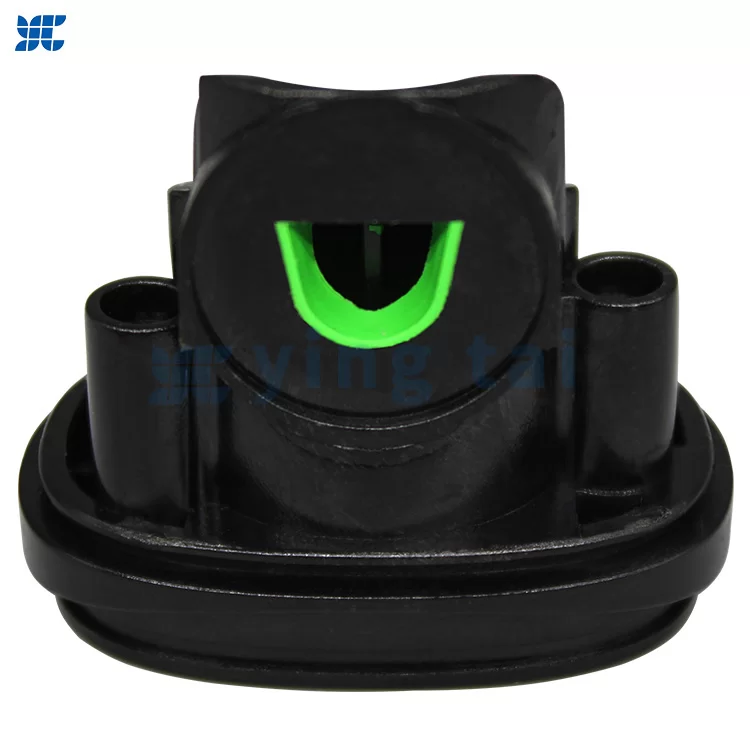
Liquid silicone rubber used in EV package hardware combines chemical inertness with mechanical resilience. The predominant curing type is platinum-catalyzed addition cure, chosen for its superior thermal stability and minimal shrinkage compared to peroxide cure systems. Yingtai’s controlled molding environment ensures tight viscosity tolerances and precise injection parameters, reducing molding defects.
Key technical parameters of LSR package hardware include:
| Specification |
Typical Range |
Notes |
| Shore Hardness (A) |
30 - 70 |
Tailored by curing formulation; softer grades for sealing, harder for structural parts |
| Tensile Strength (MPa) |
6 - 12 |
Supports mechanical stress resistance in package enclosures |
| Elongation at Break (%) |
150 - 500 |
Allows flexibility and vibration damping |
| Thermal Stability (°C) |
-50 to +230 |
Crucial for battery pack and inverter environments |
| Dielectric Strength (kV/mm) |
18 - 25 |
Ensures electrical insulation for electronic circuits |
| Flammability Rating |
UL 94 V-0 |
Meets stringent automotive safety standards |
OEM liquid silicone rubber Product high quality liquid silicone rubber supplier Liquid silicone rubber accessories
Yingtai’s engineering team applies digital rheological characterization and advanced injection molding simulations, leveraging research such as the MDPI study on material characterization, to optimize mold filling and curing consistency. This approach reduces cycle times and product rejects—key concerns echoed across industrial forums discussing LSR’s precise processing nuances.
For mixed-material overmolded assemblies—common in EVs where rigid plastics interface with flexible silicone—Yingtai harnesses multi-shot injection molding capabilities. This ensures robust bonding without compromising component performance, validated by peer studies on LSR-thermoplastic adhesion (see MDPI Polymers 2023).