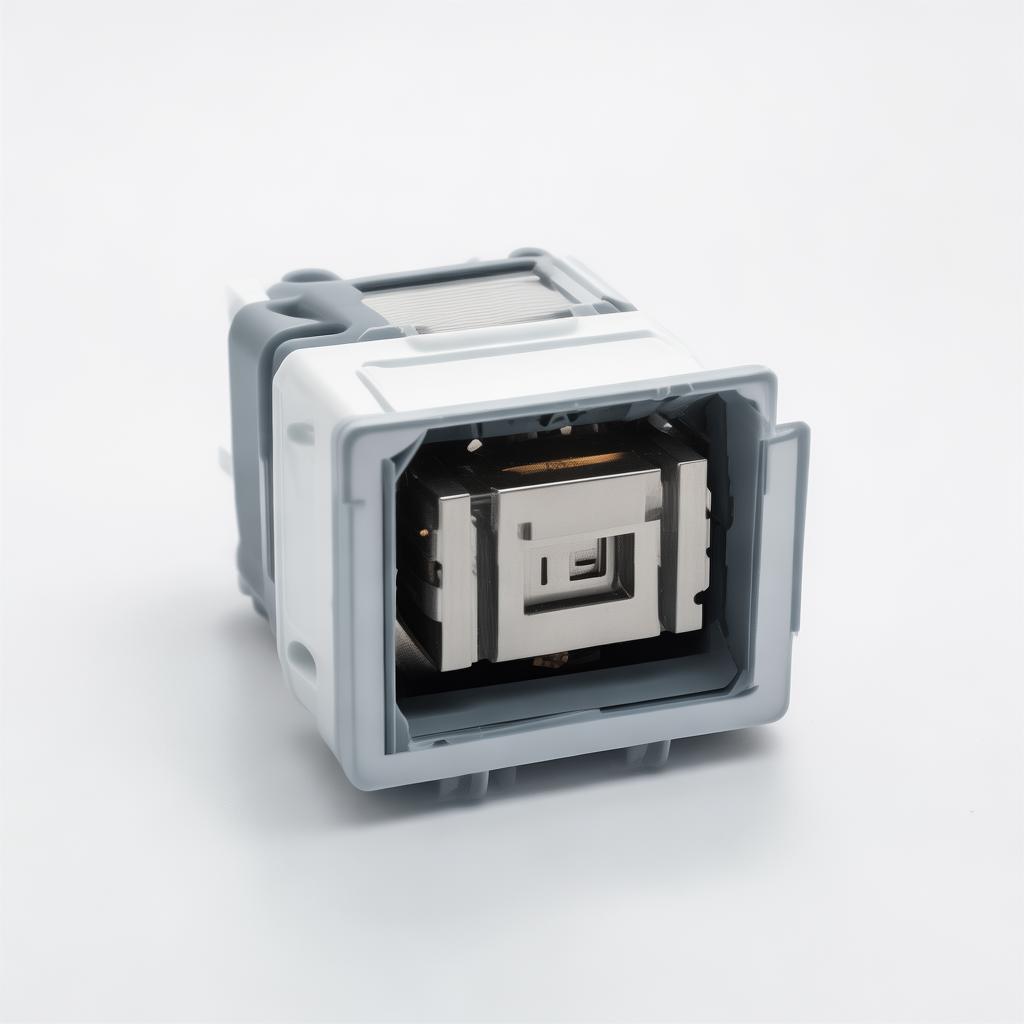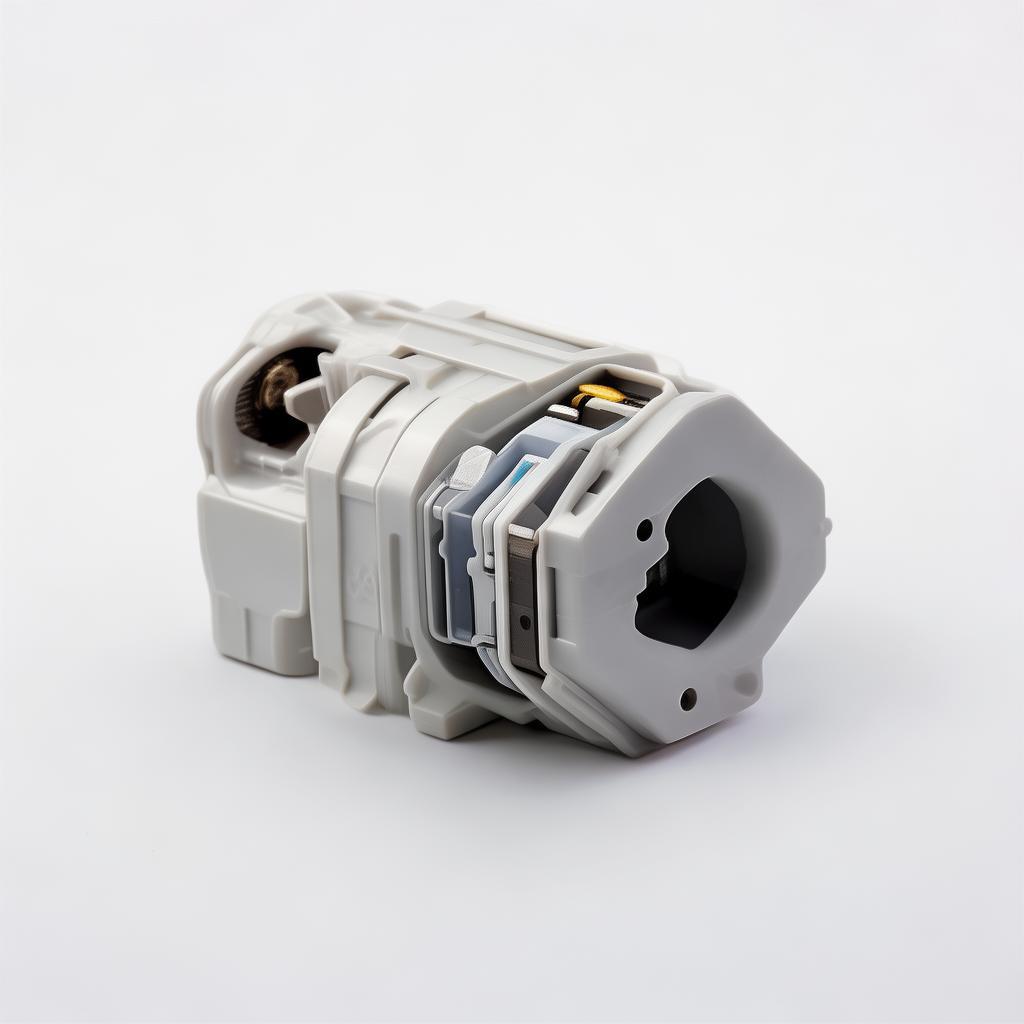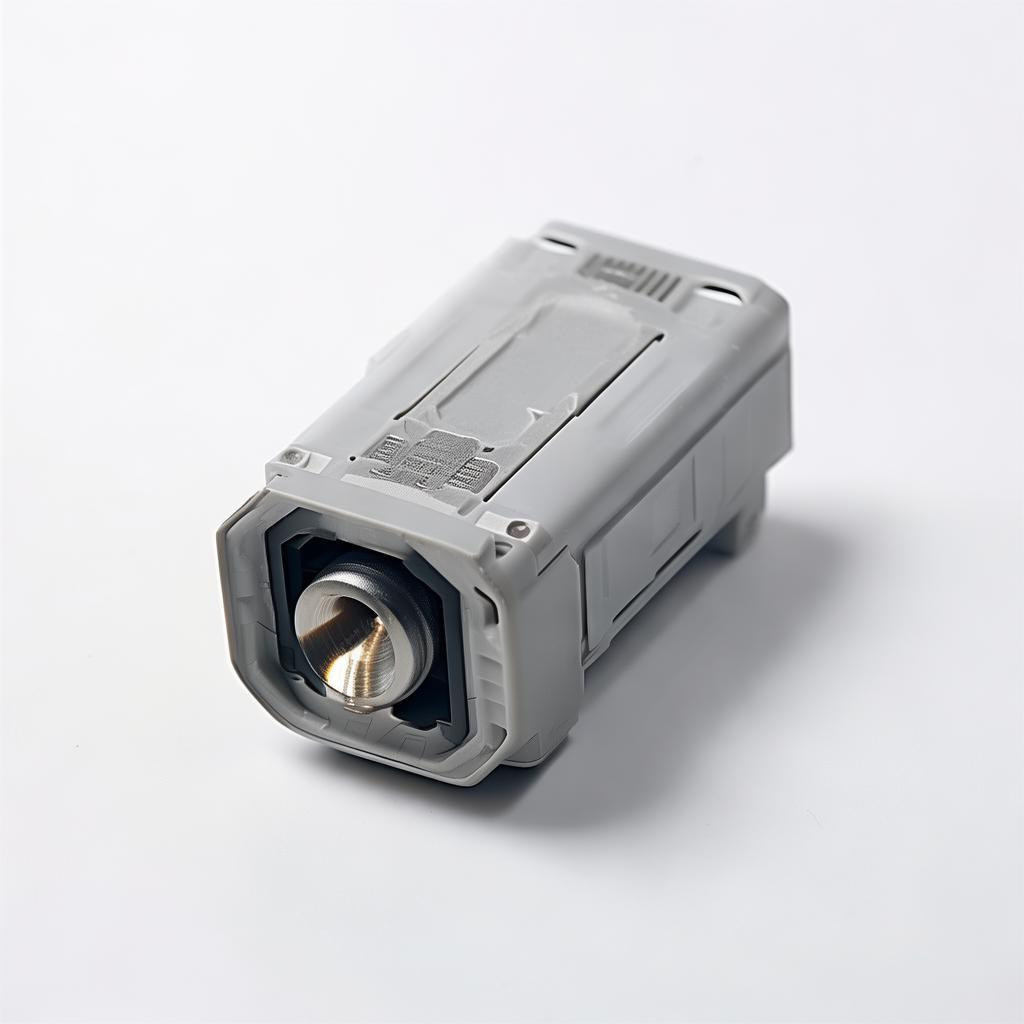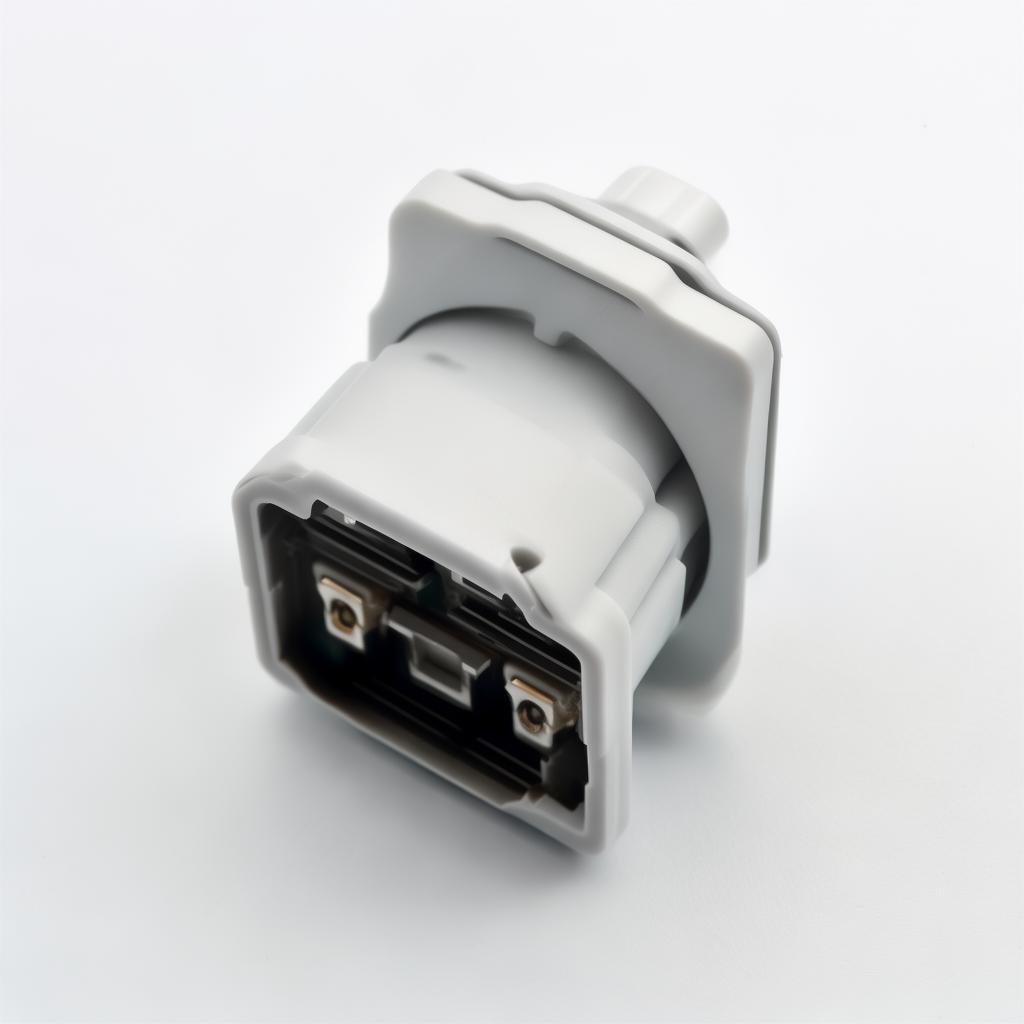
Pure Electric Vehicle Plastic Products
At Guangdong Yingtai High Precision Technology Co., Ltd., we specialize in high-quality plastic components engineered specifically for the evolving electric vehicle (EV) industry. Rooted in Dongguan's manufacturing hub, our 35,000 m² industrial park blends

Product Details

Pure Electric Vehicle Plastic Products | Precision Manufacturing & Custom Solutions

At Guangdong Yingtai High Precision Technology Co., Ltd., we specialize in high-quality plastic components engineered specifically for the evolving electric vehicle (EV) industry. Rooted in Dongguan's manufacturing hub, our 35,000 m² industrial park blends advanced injection molding and overmolding expertise with decades of OEM/ODM experience to meet stringent EV standards globally.

Industry Pain Points in EV Plastic Components

Purchasing managers and engineers in the electric vehicle sector are navigating increasing demands for lightweight, durable, and precise plastic components — a category that’s more critical than ever for performance and safety.

  • Material Selection Complexity: Balancing thermal resistance with weight reduction and mechanical strength without compromising electrical insulation properties is a daily operational challenge.
  • Quality Consistency: Variability during injection molding, especially with intricate geometries tailored for battery packs or EV interiors, affects assembly timing and fit.
  • Supply Chain Risks: Long lead times, tooling delays, and shipment disruptions obstruct just-in-time procurement models favored in global EV production.
  • Regulatory Compliance: Meeting ISO 26262 (functional safety) and fire retardancy standards requires suppliers with proven certification and traceability.
  • OEM Customization Demands: Custom overmolding and multi-component assembly require flexible manufacturing processes and tight collaboration to avoid costly redesigns.

Procurement directors increasingly look for suppliers with transparent production workflows and robust R&D capabilities to mitigate these challenges. Delivering pure electric vehicle plastic products demands not only technical skill but also operational resilience.

Technical Deep Dive: Manufacturing Pure EV Plastic Components

Our production leverages advanced injection molding machines — over 80 automatic lines paired with 55 liquid silicone molding presses — enabling precision down to microns in component tolerances. This level of control is especially vital given the harsh thermal and mechanical environments EV parts often endure.

Key technical considerations include:

  • Thermo-mechanical Stability: Utilization of engineering-grade thermoplastics such as polycarbonate (PC), polypropylene (PP) reinforced with glass fibers, and advanced liquid silicone rubber (LSR) blends ensure components withstand continuous cycling and exposure to battery heat.
  • Overmolding Techniques: For sealing applications, waterproof covers, and bump-proof housings, multi-shot injection molding creates hybrid parts combining rigid plastics and flexible silicone, enhancing product resilience.
  • Tooling Accuracy & Mold Flow: Our in-house mold shop develops tooling integrating CAE simulations verified by empirical trials—reducing flash defects and dimensional deviations.
  • Surface Finishing: Custom textures and coatings improve UV resistance and reduce dust accumulation, critical for EV exterior trims and interior panels.
Operational Insight: It's vital to minimize cycle time variability during mass production cycles to avoid bottlenecks in just-in-time delivery lines. Our process control systems monitor temperatures and injection pressures in real-time, ensuring consistent output—a factor often overlooked in overseas manufacturing setups.

Material & Process Comparison Table

Material Key Properties Typical EV Application Production Method Compliance & Certifications
Liquid Silicone Rubber (LSR) High flexibility, thermal stability, UV & chemical resistance Seals, gaskets, protective covers Liquid injection molding, overmolding ISO 9001, RoHS, CE certified
Polycarbonate (PC) Impact resistance, heat resistance, electrical insulation Instrument panels, battery housings High-precision injection molding UL94-V0 flame retardant standard
Glass Fiber Reinforced Polypropylene (GFPP) Reinforced mechanical strength, lightweight Structural brackets, chassis components Injection molding with precise temperature controls ISO/TS 16949 automotive quality management
ABS (Acrylonitrile Butadiene Styrene) Good impact and surface finish, easy processing Interior trims, dashboard components Injection molding, multi-shots for inserts PPAP submissions available for OEMs

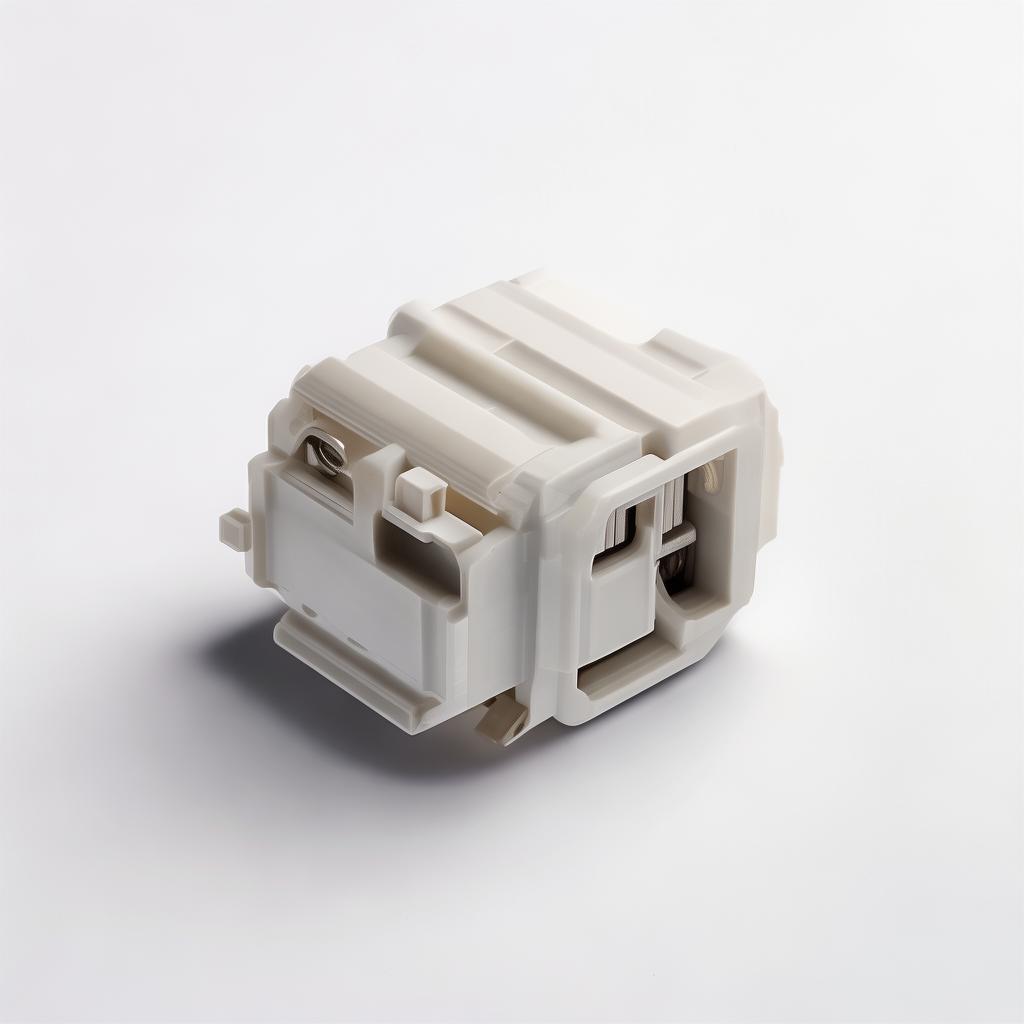
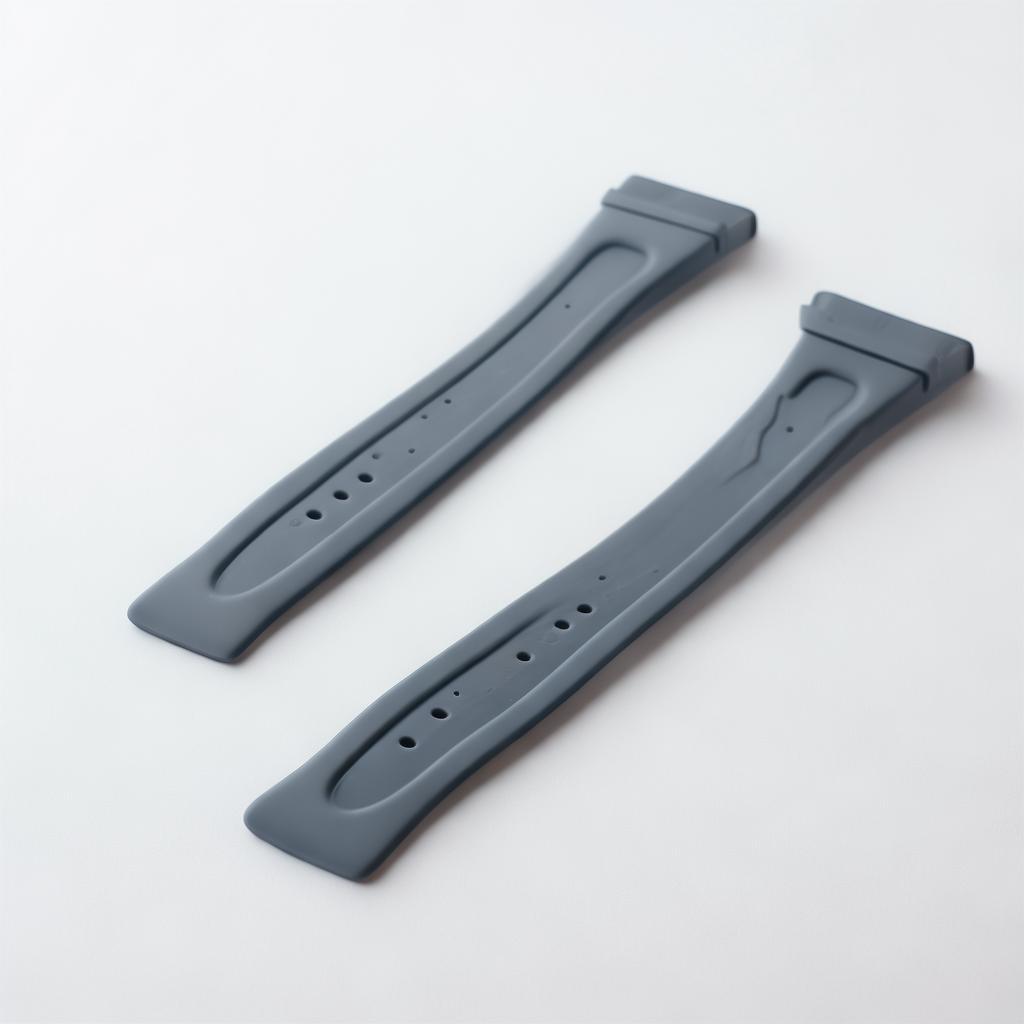
Plastic parts for electric vehicles Plastic parts for hybrid electric vehicles Plastic products for new energy vehicles

Plastic Parts For Electric Vehicles

Source: Leveraging insights from Grandview Research's Liquid Silicone Rubber Market Report, 2030 and internal manufacturing analysis.

Application Scenarios & Installation Considerations

Understanding how pure EV plastic components perform during production and field installation is crucial to procurement success. Typical use cases include:

  • Battery Enclosure Seals: Overmolded LSR seals ensure IP67-rated waterproofing while accommodating thermal expansion—a challenge in pack assembly.
  • Interior Panel Components: Injection molded ABS or PC parts provide visual appeal with abrasion resistance; proper tooling ensures snap-fit features reduce assembly labor.
  • Under-the-Hood Components: GFPP structural parts designed to resist engine bay heat and chemical exposure, requiring rigorous mold flow analysis to avoid sink marks and warpage.
  • Charging Port Covers & Connectors: Multi-component molding integrates rigid plastic with flexible rubberized grips for ergonomics and durability.
Installation Tip: Customers often underestimate the importance of dimensional tolerances in plug-and-play modules. We recommend specifying critical tolerances at quotation to align tooling design and avoid costly modifications after prototyping.

Procurement & Supplier Evaluation Tips for EV Plastics

Choosing the right supplier goes beyond price. Pure electric vehicle plastic products require trusted partnerships and technical depth. Here’s what to prioritize in vendor assessment:

  • Factory Capability Verification: Confirm presence of advanced injection and liquid silicone molding equipment, tooling expertise, and in-house R&D.
  • Quality & Compliance Credentials: Look for ISO 9001, IATF 16949 (automotive), RoHS, and CE certifications proving quality management and environmental compliance.
  • OEM/ODM Flexibility: Evaluate supplier's ability to accommodate technical changes, rapid prototyping, and multi-component molding essential for evolving EV designs.
  • Lead Time Transparency & Logistics: Understanding tooling development cycles, material sourcing risks, and international shipping practices is necessary to minimize supply interruptions.
  • Technical Collaboration: Suppliers offering engineering consultation and mold flow optimization services can elevate production quality and shorten time-to-market.

Our factory’s integrated chain—from mold development to finished parts—delivers consistency and speed, with a fifteen-year track record supplying global EV manufacturers.

Frequently Asked Questions

Q: What are typical lead times for custom EV plastic parts?
A: For standard injection molded parts, initial tooling can take 4-8 weeks, with production runs scheduled thereafter. Liquid silicone molding may require 5-9 weeks depending on part complexity. We provide transparent project timelines upon RFQ submission.
Q: Can you handle multi-component and overmolding processes?
A: Yes, our factory is equipped with specialized injection lines and multi-shot molding presses to produce multi-material parts with precise interface bonding and dimensional integrity.
Q: How do you ensure compliance with international automotive standards?
A: Our quality management system aligns with IATF 16949, and typical certifications include RoHS and CE. We support documentation needs like PPAP submissions and provide testing reports for flame retardancy and mechanical durability as required.
Q: Do you offer free samples for evaluation?
A: Sample availability depends on project scale and tooling status. Contact our sales team to discuss your specific needs; in many cases, prototype samples can be provided before full production.
Q: What shipping options and container load efficiencies do you offer?
A: We optimize packaging densities using shrink-wrapping and modular pallets to maximize container utilization and protect parts during transit. We work with logistics partners experienced in FCL, LCL, and expedited air shipments tailored for urgent procurement cycles.

Client Reviews & Procurement Scenarios

Client avatar Michael Anders - Procurement Director, EV Components Inc.
Toronto, Canada

"Partnering with Yingtai was a game-changer for our battery pack seals. Their overmolding precision reduced our assembly rejects noticeably. Their technical support in molding parameters helped us meet tough automotive standards faster."
Get in Touch