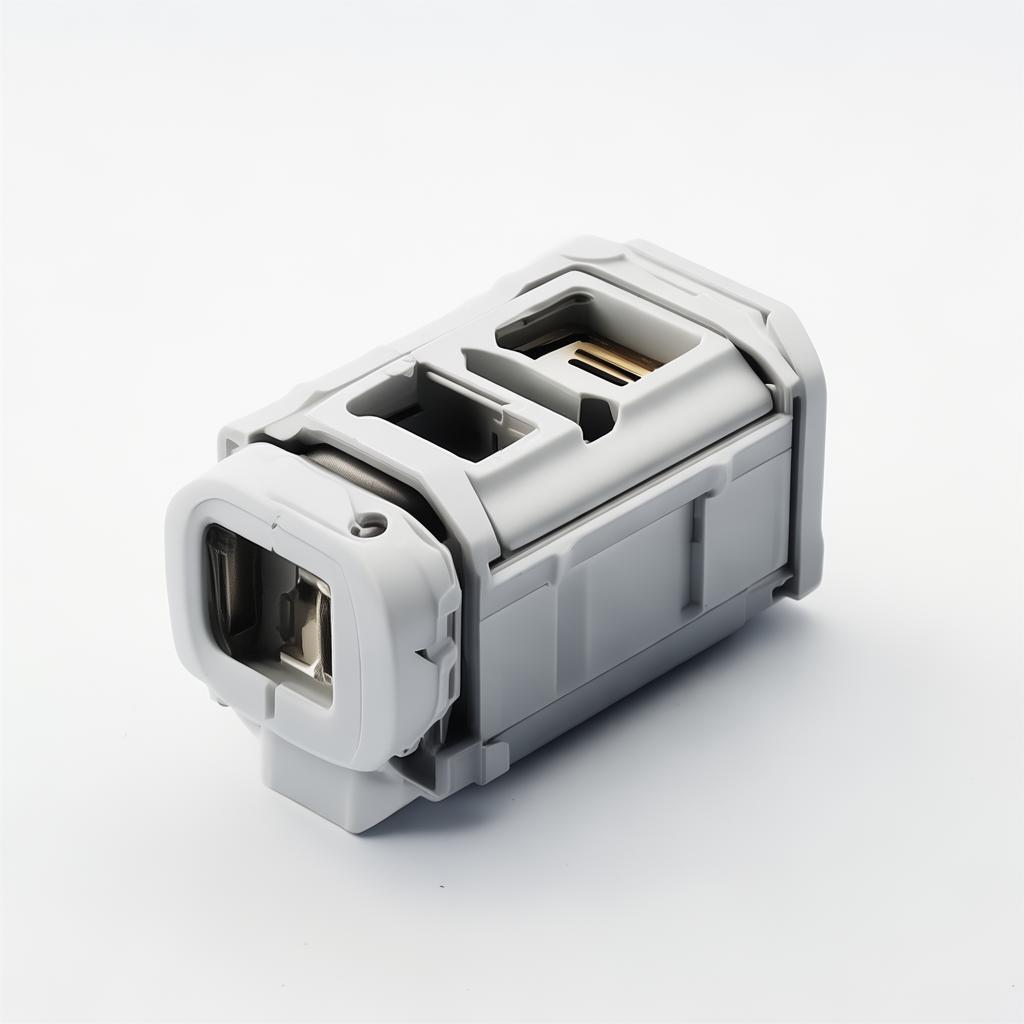
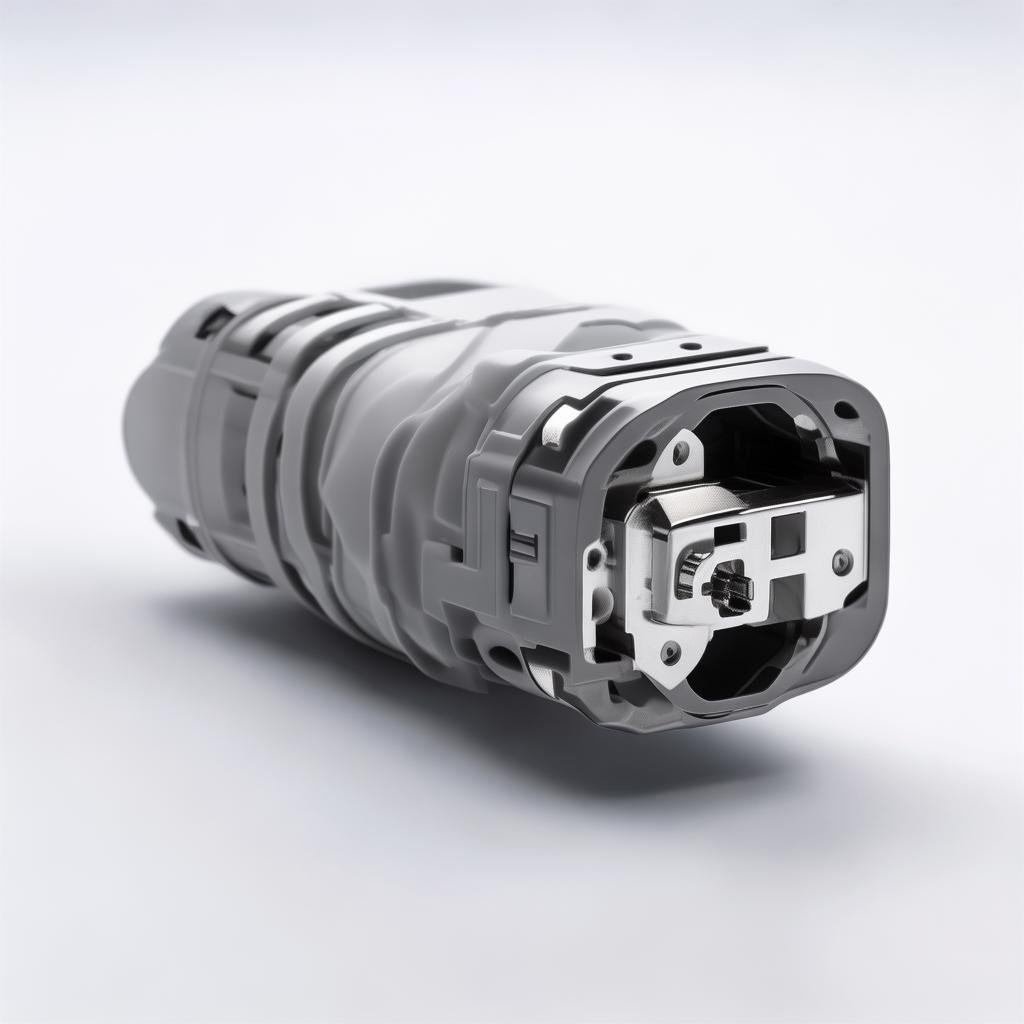
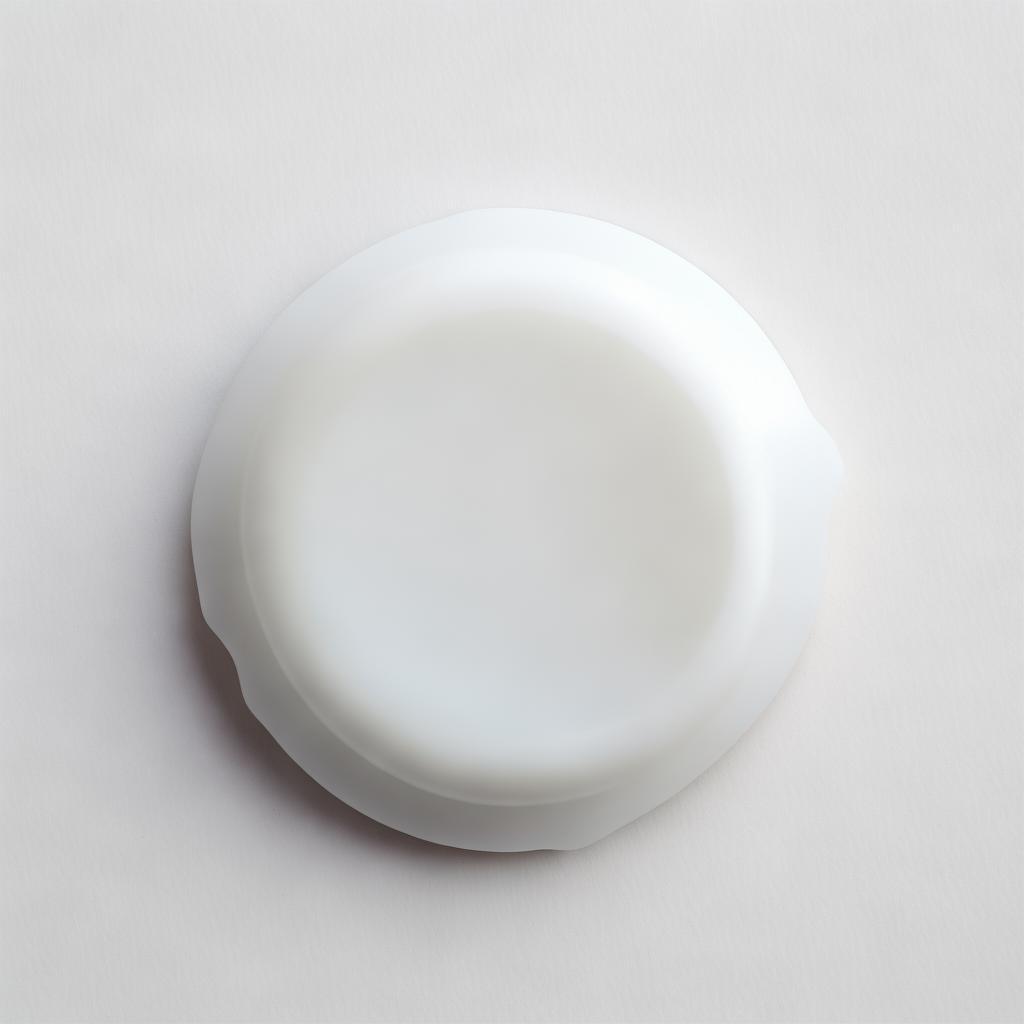
Precision-engineered silicone buffers for industrial vibration damping and mechanical protection In industrial manufacturing and mechanical engineering, a shock-absorbing silicone buffer component plays a critical role in mitigating impact forces, vibration, and mechanical stresses. Designed
Product Details
Shock-Absorbing Silicone Buffer Component
Precision-engineered silicone buffers for industrial vibration damping and mechanical protection
Introduction & Industry Context
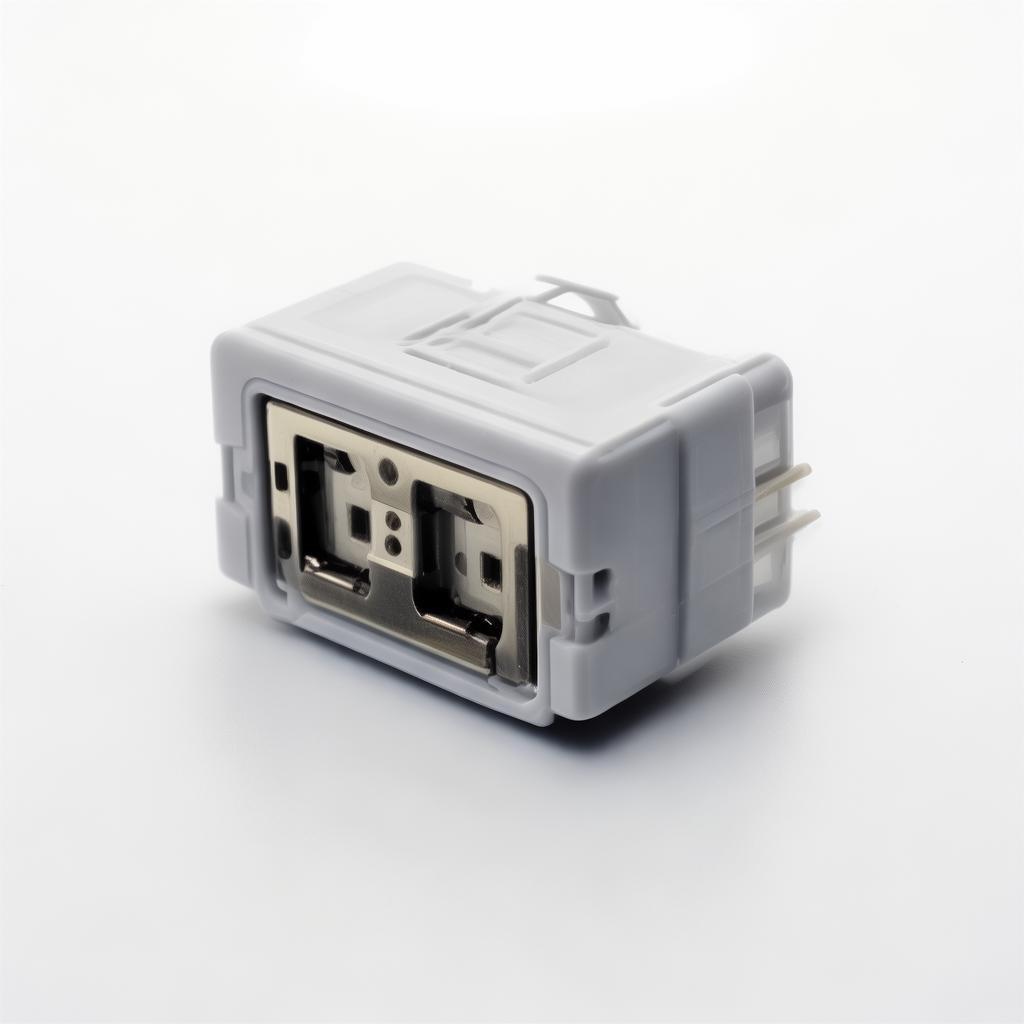
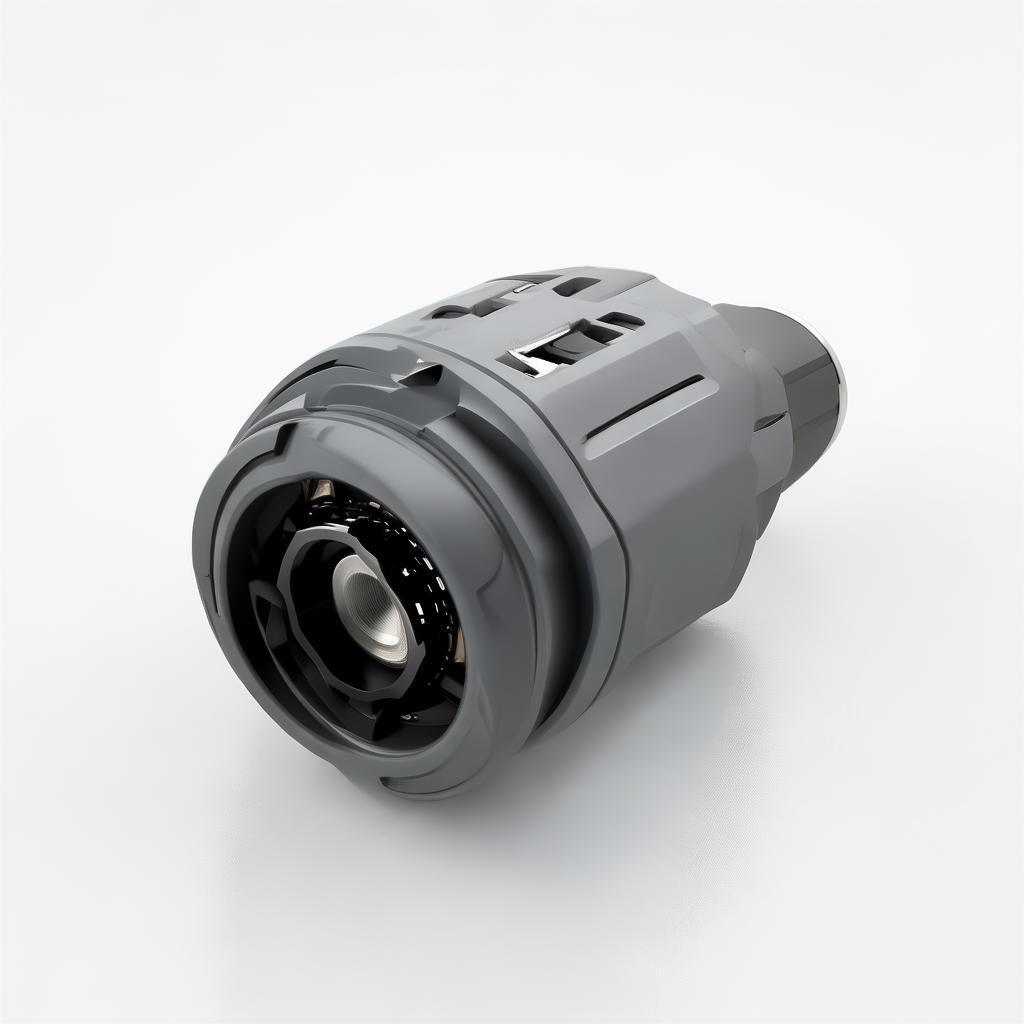
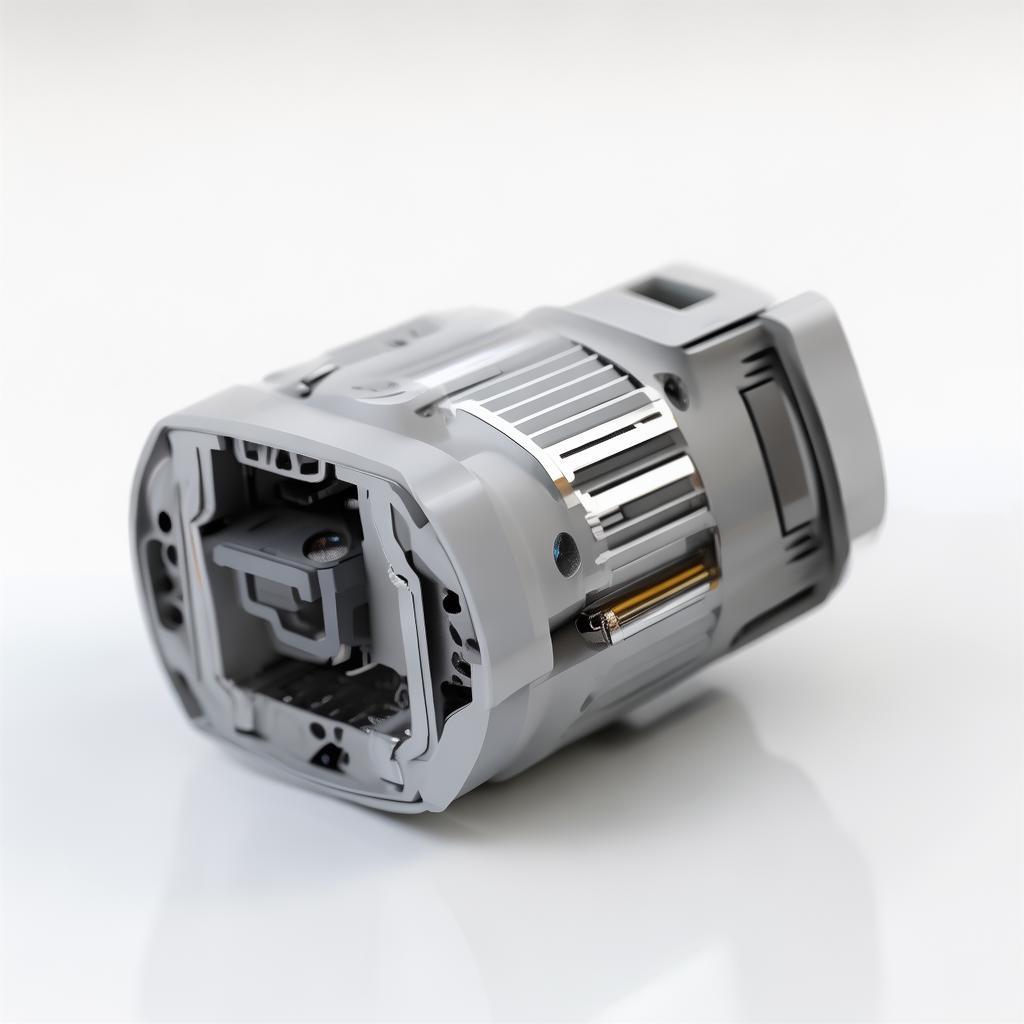
In industrial manufacturing and mechanical engineering, a shock-absorbing silicone buffer component plays a critical role in mitigating impact forces, vibration, and mechanical stresses. Designed specifically using liquid silicone rubber (LSR), these components exhibit remarkable elasticity, durability, and thermal stability — qualities essential in minimizing equipment wear and prolonging service life.
The industrial demand for high-performance shock absorbers has surged alongside growing automation and the need for precision machinery operation. Notably, silicone buffers are favored for their superior resistance to temperature extremes (-60 °C to 230 °C), chemical inertness, and outstanding UV and ozone resistance compared to conventional rubber alternatives. Such attributes make them indispensable in vehicles, consumer electronics, industrial appliances, and even medical devices.
Late-stage OEM production increasingly relies on precision LSR injection molding to manufacture these buffer components with tight tolerances and consistent quality. Guangdong Yingtai High Precision Technology Co., Ltd. leverages decades of expertise and a robust industrial park in Dongguan to deliver shock-absorbing buffers crafted through advanced processes that reduce dimensional variance and enhance mechanical performance.
As global markets evolve, the Liquid Silicone Rubber Market is projected to nearly double by 2030, driven by automotive electronic integration and medical-grade applications (source: Grand View Research). Precision molding techniques, paired with ISO-certified production, allow Yingtai to meet stringent client requirements in the USA and Europe, balancing operational reliability with logistics efficiency.
The inherent flexibility of silicone buffer components also enables OEM and ODM customization, supporting various hardness levels, durometers, and shapes to fit specific shock absorption profiles. Materials are selected and processed with careful attention to rheological characteristics to avoid defects such as flash, bubbles, or warping commonly faced in LSR molding, ensuring extended part life over conventional PVC and polyurethane buffers.
From a procurement perspective, understanding material grades, curing cycles, and factory capabilities is vital to avoid quality pitfalls and costly redesigns — especially when integrating buffers into complex assemblies like automotive suspensions or household appliance hinges. This page covers everything from manufacturing insights to procurement recommendations, helping purchasing managers and technical engineers make informed decisions.
Common Industry Challenges with Shock-Absorbing Components
Material Degradation Under Stress: Many shock buffers fail prematurely due to poor material selection, leading to cracks or fatigue when exposed to dynamic loading and temperature changes.
Dimensional Inconsistency: Variations in molding produce ill-fitting buffers, causing assembly delays or increased wear, particularly in tight-tolerance applications like automotive electronics and precision appliances.
Insufficient Chemical and UV Resistance: Outdoor or harsh environment use demands buffers that resist oils, solvents, ozone, and ultraviolet light. Inadequate protection accelerates material breakdown.
Extended Lead Times and Production Bottlenecks: Some OEMs struggle with manufacturers lacking rapid prototyping or flexible tooling capabilities, increasing time-to-market and raising inventory costs.
Logistics Complexities: Oversized or poorly packaged buffers risk damage during transit. Coordinating container loading with factory dispatch plans is essential for minimizing freight costs and ensuring timely delivery.
Limited Customization Options: Off-the-shelf solutions are often suboptimal for diverse shock absorption requirements, hindering design innovation and potentially increasing unit costs due to retroactive supplier changes.
Yingtai's approach addresses these challenges by combining advanced mold engineering and material science expertise with scalable high-precision production lines. Their integrated industry chain—from mold development through finished product manufacturing—enables comprehensive quality control and shorter turnaround times.
Technical Features & Material Insights
Shock-absorbing silicone buffers harness the properties of liquid silicone rubber (LSR), an elastomeric material known for virtue in damping impact energy and resisting environmental aggressors. Important technical highlights include:
Hardness Range: Tunable Shore A hardness values from 20 to 70 to balance softness and load support.
Thermal Stability: Operating temperature range from -60°C to 230°C without losing elasticity.
Compression Set Resistance: Low permanent deformation under prolonged mechanical stress.
Chemical Resistance: Excellent performance against oils, lubricants, and a wide variety of solvents.
UV & Ozone Durability: Material integrity intact even under prolonged outdoor exposure.
Precision Molded Geometry: Achieved via 55+ liquid silicone molding machines with clamping forces tuned for flash-free parts, as well as advanced cavity balancing.
Production Workflow & Quality Controls
Each batch undergoes rigorous testing across mechanical, physical, and dimensional parameters. The factory implements:
Thermal curing control to optimize crosslink density and elasticity.
Dimensional inspection with precision calipers and coordinate measuring machines (CMM).
Material hardness testing according to ASTM D2240 standards.
Dynamic fatigue testing for shock absorption efficiency over repeated cycles.
Environmental simulations including UV aging and chemical immersion tests.
Shock-absorbing silicone buffers find their place across a varied range of industries where vibration damping, noise reduction, and impact protection are essential:
Automotive Industry: Engine mounts, suspension cushions, electronic module protection, and electric vehicle battery pack shock buffers.
Consumer Electronics: Cushions for smart devices, wearables, and connectors assuring mechanical stress protection during handling.
Medical Devices: Biocompatible buffers in diagnostic equipment and wearable biomedical sensors requiring soft touchpoints.
Industrial Machinery: Anti-vibration components in robotic arms, conveyor systems, and assembly lines enhancing equipment longevity.
Household Appliances: Noise dampers in HVAC systems, washing machines, and kitchen appliances to improve user comfort.
Renewable Energy: Buffers in new energy vehicles and power electronics housing to withstand thermal cycling and shocks.
For engineers, selecting the right silicone buffer involves considering operational parameters like shock frequency, load amplitude, and environmental exposure. Yingtai assists clients with material consultation and prototype samples to tailor designs that fit precise performance criteria.
Procuring shock-absorbing silicone buffer components raises particular concerns—ranging from lead times to custom tooling costs and batch consistency. Here are pragmatic considerations:
Lead Time: Typical production cycles vary between 3-7 weeks including mold fabrication, sample approval, and mass production. Early engagement on design reduces delays.
OEM/ODM Capabilities: Yingtai specializes in customized size, durometer, and geometry adaptations. Collaborative mold design reduces retrofit cycles and enhances fit with client assemblies.
Minimum Order Quantities (MOQ): Generally 500-1000 pcs per SKU to optimize manufacturing and logistics costs while maintaining quality controls.
Sampling: Initial prototyping services enable performance testing before committing to full runs.
Packaging & Shipping: Buffers are packaged in anti-static, moisture-resistant materials. Yingtai coordinates container loading plans to lower freight costs and avoid damage.
Compliance & Documentation: Complete material declarations, test reports, and certifications are available to assist in regulatory audits and quality assurance.
Working with a supplier experienced in both mass production and engineering support improves final product reliability and minimizes project risks. Procurement directors should avoid vendors lacking transparent process documentation or traceable material sources, which can cause downstream product failures.
Guangdong Yingtai High Precision Technology Co., Ltd. adheres rigorously to industry quality and environmental standards. Key certifications supporting shock-absorbing silicone buffers include:
ISO 9001: Quality management system ensuring consistent process control and continual improvement.
ISO 14001: Environmental management system supporting sustainable operations.
RoHS Compliance: Restriction of hazardous substances in line with electronics industry norms.
FDA Qualification for Medical Grade Silicone: Compliance in products destined for healthcare applications.
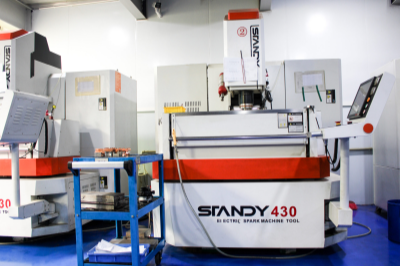
Equipped with 55 liquid injection silicone molding machines and over 30 advanced precision mold making devices, Yingtai maintains a full industry chain from mold design to finished products. Skilled operators and advanced testing equipment ensure dimensional accuracy and mechanical performance every run.
Frequently Asked Questions
Q: What distinguishes shock-absorbing silicone buffers from traditional rubber buffers?
Silicone buffers offer superior temperature tolerance, chemical resistance, and UV stability, reducing degradation in harsher conditions while maintaining elasticity over longer periods.
Q: Can the silicone buffer components be customized to fit unique operational requirements?
Absolutely. Yingtai offers OEM/ODM services with flexible hardness levels, sizes, and geometries tailored to specific shock absorption profiles and installation spaces.
Q: How do I ensure installation efficiency on-site?
Properly sized buffers matching assembly tolerances reduce installation time. Yingtai advises clients during design phase to minimize post-production modifications and supports packaging suitable for streamlined logistics.
Q: What are typical delivery timelines for shock-absorbing silicone buffers?
Standard lead times are between 4-7 weeks depending on mold complexity and production volume, with expedited options available for urgent projects.
Q: What testing guarantees performance of the buffers?
Buffers undergo mechanical fatigue testing, compression set evaluation, UV aging, and chemical resistance tests to simulate actual service conditions, with results available upon request.
Customer Reviews
"Working with Yingtai was a game changer. Their precision silicone buffers fit perfectly into our EV battery mounts, cutting vibration noise noticeably. Lead time was transparent, and communication was solid from inquiry through delivery." – John M., EV Systems Procurement Manager, Michigan, USA
Get in Touch
If you have any camping barbeque equipment inquiry, please feel free to contact us.