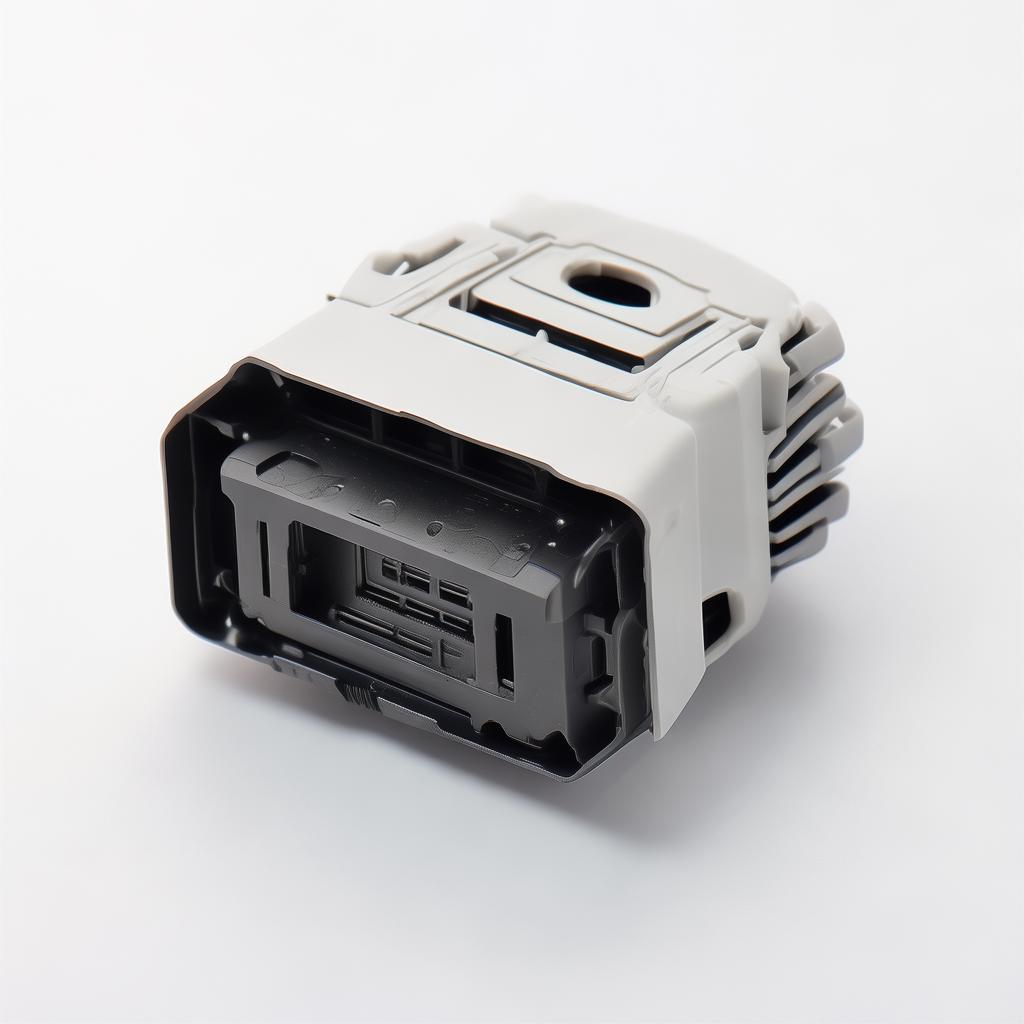
Shock Absorption And Cushioning Lsr Silicone Rubber Parts
Shock Absorption And Cushioning Lsr Silicone Rubber Parts
Precision-engineered liquid silicone rubber solutions tailored for industrial shock absorption and cushioning applications When it comes to shock absorption and cushioning , Liquid Silicone Rubber (LSR) parts have steadily become the go-to material across
Product Details
Shock Absorption and Cushioning LSR Silicone Rubber Parts
Precision-engineered liquid silicone rubber solutions tailored for industrial shock absorption and cushioning applications
Introduction: Understanding LSR in Shock Absorption
When it comes to shock absorption and cushioning, Liquid Silicone Rubber (LSR) parts have steadily become the go-to material across multiple industries. Their unique combination of flexibility, durability, and thermal stability allows them to outperform traditional elastomers in demanding environments.
LSR is a platinum-cured silicone elastomer available in liquid form, ideal for injection molding processes requiring tight tolerances and complex geometries. Unlike compression molding or solid silicone, LSR permits high-volume production runs with repeatable precision — a key advantage when producing shock absorbing parts that must maintain consistent performance over millions of cycles.
Rooted in our operational experience here at Guangdong Yingtai High Precision Technology Co., Ltd., we see numerous applications where LSR parts bring measurable benefits to shock attenuation and cushioning systems. Examples include vibration dampers in industrial machinery, protective pads in automotive components, and ergonomic inserts in consumer electronics.
It’s not simply silicone rubber — it’s the engineering of material properties allied with advanced liquid injection molding methods and tooling expertise that assures stable mechanical behavior through wide temperature ranges, chemical exposure, and repeated shock loading.
Industrial buyers and procurement managers often face challenges sourcing these critical parts due to variable material grades, differences in molding technology, and sometimes opaque supply chains. Here, we offer insight grounded in market data and manufacturing realities, along with practical advice on evaluating suppliers, material certifications, and production lead times.
Note: The global market for liquid silicone rubber is expected to grow steadily, with projections estimating a rise from around USD 2.8 billion in 2023 to nearly USD 5 billion by 2030 due to increasing demand in automotive, medical, and consumer electronics sectors — industries relying heavily on robust shock absorption solutions (Grandview Research, 2023).
Industry Challenges in Cushioning Solutions
Practitioners selecting shock absorption components regularly encounter issues such as:
Material Inconsistency: Variability in silicone grades can lead to unexpected mechanical failures or premature aging.
Tooling Defects: Poorly designed molds cause flash, air entrapment, or dimensional deviations — undermining shock-absorbing performance.
Supply Chain Risks: Extended lead times, improper packaging, or subpar logistics can delay production and increase costs.
Over-Engineering: Using excessive hardness or inappropriate silicone grades compromises the cushioning effect and user comfort.
Compliance & Certification Uncertainty: Lack of clear CE, FDA, or ISO certifications raises doubts in regulated industries.
For example, in automotive vibration dampening, a mismatch in silicone hardness rating often causes unexpected resonance or faster wear. In consumer electronics, inconsistencies in silicone purity can lead to chemical degradation affecting device lifespan.
Additionally, as global manufacturing hubs shift, buyers must evaluate OEM/ODM partners carefully to confirm:
Capability in precision mold tooling and process controls
Experience with multi-shot LSR injection molding when combining silicone with plastics
Local quality inspection and third-party test lab partnerships
Packaging suited for container loading and extended overseas transit
Technical Features and Manufacturing Insights
The cornerstone of quality in shock absorption LSR parts lies in material formulation and injection molding precision. Guangdong Yingtai operates with over 55 liquid silicone molding machines and more than 30 precision tooling systems, emphasizing stable process parameters to reduce defects like flash or air bubbles.
Our LSR grades generally meet or exceed ISO 10993 biocompatibility for medical-grade silicone, with shore A hardness typically ranging from 20 to 70 depending on cushioning requirements.
Liquid injection molding technology supports tight tolerances, consistent thickness, and rapid cycle times — often under 45 seconds per shot. Advanced mold venting techniques and industrial CAE simulations optimize cavity filling and curing profiles, reducing waste and ensuring predictable damping performance.
Key Technical Specifications of Typical Shock Absorption LSR Parts
Our manufacturing process incorporates multi-component molding capabilities, allowing combination of LSR with hard plastics such as ABS to create integrated cushioning assemblies — an approach increasingly adopted in advanced automotive interiors and wearable medical devices (MDPI, 2023).
Typical Application Scenarios
Shock absorption LSR parts serve critical roles in a variety of industrial and commercial contexts:
Automotive: Vibration isolators, engine mounts, brake pedal pads, and sealing gaskets designed to withstand temperature fluctuations and chemical exposure.
Consumer Electronics: Protective button covers, shock pads for smartphones and laptops, and cushioning for wearable devices with high tactile sensitivity.
Medical Devices: Flexible seals, ergonomic grips, and bio-compatible cushioning in diagnostic instruments and surgical tools.
Industrial Machinery: Dampers on motors and pumps, anti-vibration feet, and cushioning for precision equipment.
Sports Equipment: Impact absorbing inserts in footwear and protective gear to enhance comfort and reduce injury risk.
Materials used in these parts must meet stringent regulatory and operational criteria. For medical wearables, for example, LSR parts must feature biocompatibility and meet FDA or ISO 10993 standards, while automotive parts demand compliance to TS16949 quality management and resistance to oils and extreme temperatures.
Installation considerations vary by application. For complex assemblies, overmolding techniques allow direct integration of LSR cushioning on hard substrates, eliminating secondary bonding operations and reducing failure points during service.
Material & Technical Specifications
Below is a summarized overview comparing shock absorption characteristics of commonly used materials alongside LSR.
Material
Shock Absorption
Temperature Range
Chemical Resistance
Typical Applications
LSR (Liquid Silicone Rubber)
Excellent, high energy return
-60°C to +230°C
Outstanding (resistant to oils, solvents, oxidants)
Automotive mounts, medical pads, electronics cushions
EPDM Rubber
Good
-40°C to +120°C
Good
Seals, weatherproof cushions
Polyurethane
Excellent shock absorption
-30°C to +80°C
Moderate
Foams/pads, footwear cushioning
Natural Rubber
Good
-50°C to +70°C
Poor to moderate
Tires, low-temp seals
*LSR offers superior thermal and chemical resistance combined with outstanding elasticity and durability, supporting a wider range of shock absorption uses than most traditional elastomers.*
Procurement Considerations & Supplier Evaluation
Investing in LSR shock absorption parts is more than just a material choice — it requires robust supplier due diligence. Here’s what buyers should prioritize:
Manufacturing Capacity: Does the supplier have sufficient machines (e.g., liquid injection molding presses) and tooling resources to meet order volumes and specifications?
Material Traceability: Can the supplier provide mill certificates, MSDS, and ISO/FDA/CE certifications for LSR compounds?
Quality Control Protocols: Are there inline inspection systems, hardness testing, and curing cycle validation documented?
Lead Times and Logistics: What are typical production lead times? How do they handle packaging to minimize damage during cross-border shipment?
Engineering Support: Does the supplier assist with mold design, process optimization, and product testing?
OEM/ODM Flexibility: Can the manufacturer adapt to design changes and provide private label or custom solutions?
For instance, our factory, located in Dongguan’s Changan Town, offers a vertically integrated supply chain — from precision mold making to finished parts — supported by over 500 professional staff. This integration reduces lead times and improves communication, critical factors for reliable delivery.
Operational insight: Buyers should also watch for costly mistakes during procurement such as selecting suppliers without LSR-specific expertise or ignoring certification gaps, which later cause compliance failures or redesigns.
Buyer Tip: Always request samples and production process descriptions early. Engage your manufacturing partners in detailed technical discussions about curing cycles, hardness testing, and injection pressures to preempt costly surprises.
Frequently Asked Questions
Q: How does LSR compare to solid silicone for cushioning?
LSR provides greater design flexibility and faster cycle times due to injection molding capabilities. It also yields consistent physical properties over large production runs, making it better suited for precision cushioning parts.
Q: What certifications should I require from my LSR supplier?
Look for ISO 9001 for quality management, ISO 14001 for environmental processes, and depending on application, FDA, CE, or RoHS certifications. Biocompatibility testing (ISO 10993) is essential for medical parts.
Q: What delivery times can I expect for custom molded LSR parts?
Typical lead times range from 4 to 8 weeks depending on mold complexity and order volume. Our factory averages 6 weeks from tooling to finished parts for standard cushioning components.
Q: Are there limits on part size or complexity with LSR injection molding?
While LSR excels at intricate designs, extremely large parts may require special tooling or multi-shot molding. Partnering with an experienced supplier ensures design for manufacturability is optimized early on.
Q: Can LSR parts be overmolded with hard plastics for hybrid cushioning assemblies?
Yes, multi-component molding with LSR and thermoplastics such as ABS is well established. It delivers integrated parts with seamless interfaces and superior durability.
Customer Reviews
Michael R., Purchasing Manager - Industrial Machinery, Ohio
"We switched to Guangdong Yingtai for our vibration dampers last year. Quality consistency and the faster lead times have significantly improved our production schedules. Their engineering support helped us optimize the hardness grade, resulting in longer-lasting cushioning under heavy loads."
Get in Touch
If you have any camping barbeque equipment inquiry, please feel free to contact us.