Guangdong Yingtai High Precision Technology Co., Ltd. — Export Director: Miss Zhang In today's global manufacturing environment, sourcing and applying silicone fasteners is no simple matter. Procurement managers often grapple with selecting components that
Product Details
Silicone Fastener: Precision Components for Demanding Industrial Applications
Guangdong Yingtai High Precision Technology Co., Ltd. — Export Director: Miss Zhang
Industry Challenges for Silicone Fasteners
In today's global manufacturing environment, sourcing and applying silicone fasteners is no simple matter. Procurement managers often grapple with selecting components that withstand demanding mechanical stresses, extreme thermal cycles, and chemically aggressive environments. Unlike traditional metal or plastic fasteners, silicone variants introduce nuances related to material elasticity, aging resistance, and manufacturing reproducibility. These challenges become even more pronounced in industries such as new energy vehicles, consumer electronics, and medical devices where precision and reliability cannot be compromised.
A recurring pitfall encountered by operations teams is inadequate evaluation of silicone grade and molding process compatibility. For example, selecting a fastener molded from general-purpose silicone without confirming UV resistance or flame retardance leads to premature failure in outdoor or industrial settings. Similarly, fasteners that lack proper anti-slip design or dimensional stability cause assembly difficulties, leading to higher labor costs and rework.
The risk intensifies given the complex logistics of importing silicone fasteners from Asia. Delays in production or insufficient packaging can affect lead times and product safety. Given this, buyers demand more than just price competitiveness; they expect verified production workflows, comprehensive certifications, and traceability — combining technical reliability with supply chain transparency.
To summarize, understanding and mitigating operational and procurement risks related to silicone fasteners directly impact overall project timelines, warranty obligations, and end-product quality.
Technical Overview
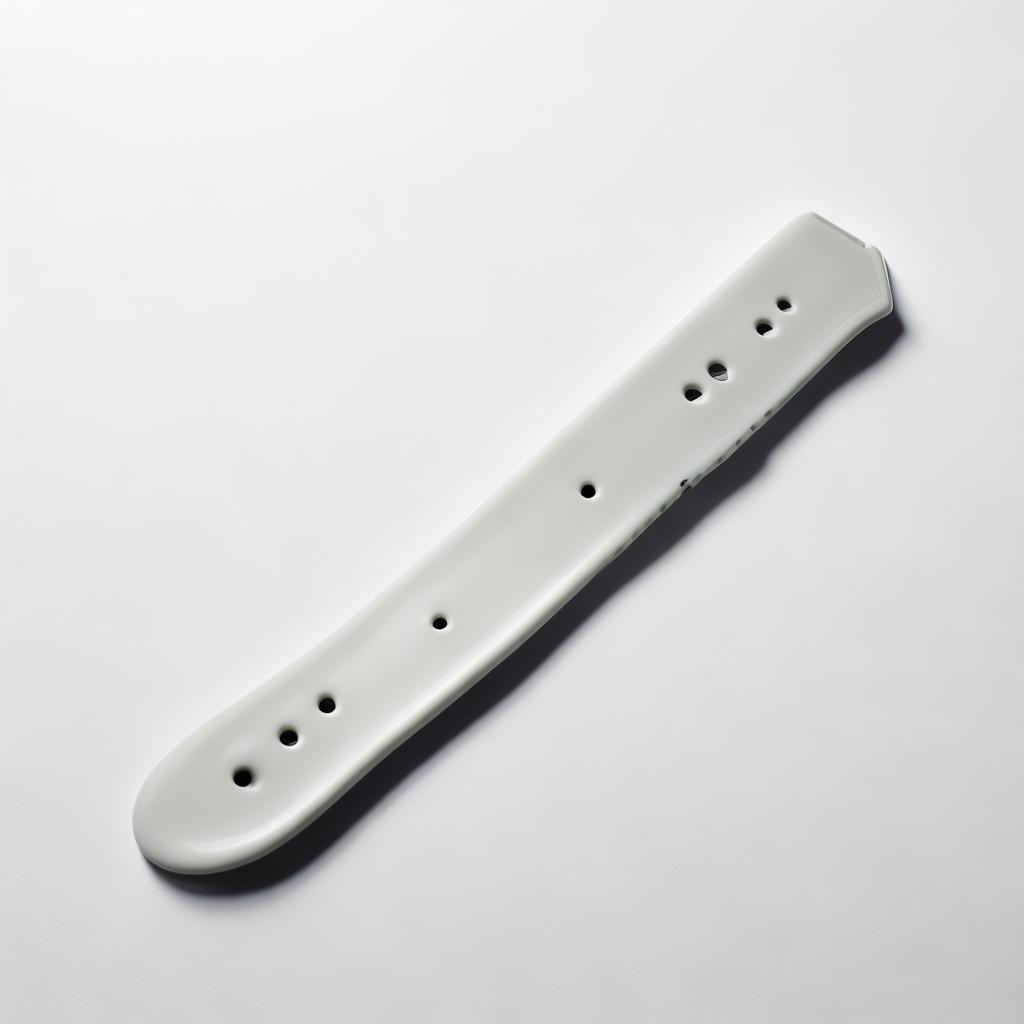
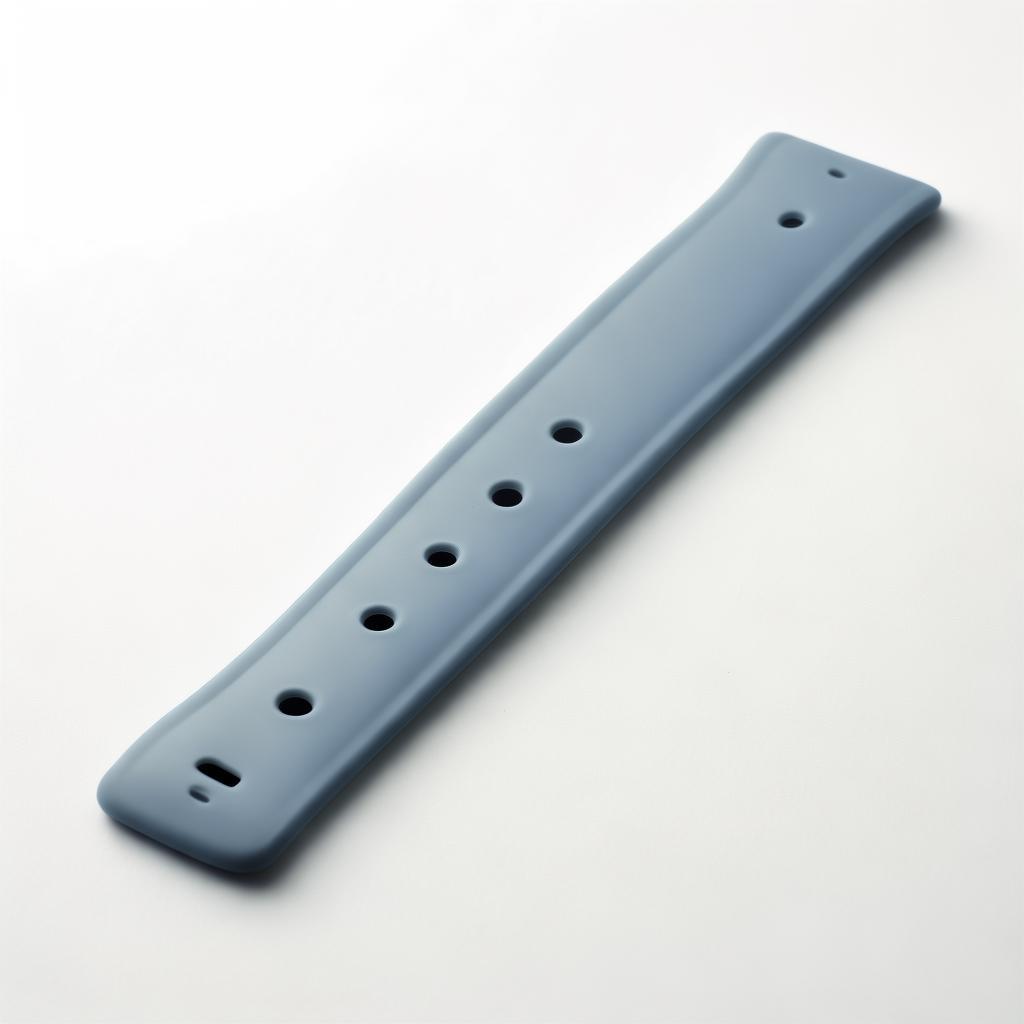
Silicone fasteners are specialized engineered components made primarily from Liquid Silicone Rubber (LSR) or solid silicone compounds. Their composition provides unique elasticity, durability, and resistance to temperature extremes ranging approximately from -60°C up to +230°C.
Unlike conventional plastic or metal fasteners, silicone versions offer advanced vibration damping and chemical inertness, making them indispensable for sealing, fastening, or cushioning applications in volatile environments. The material’s inherent flexibility enables secure fastening while accommodating dynamic loads or thermal expansion.
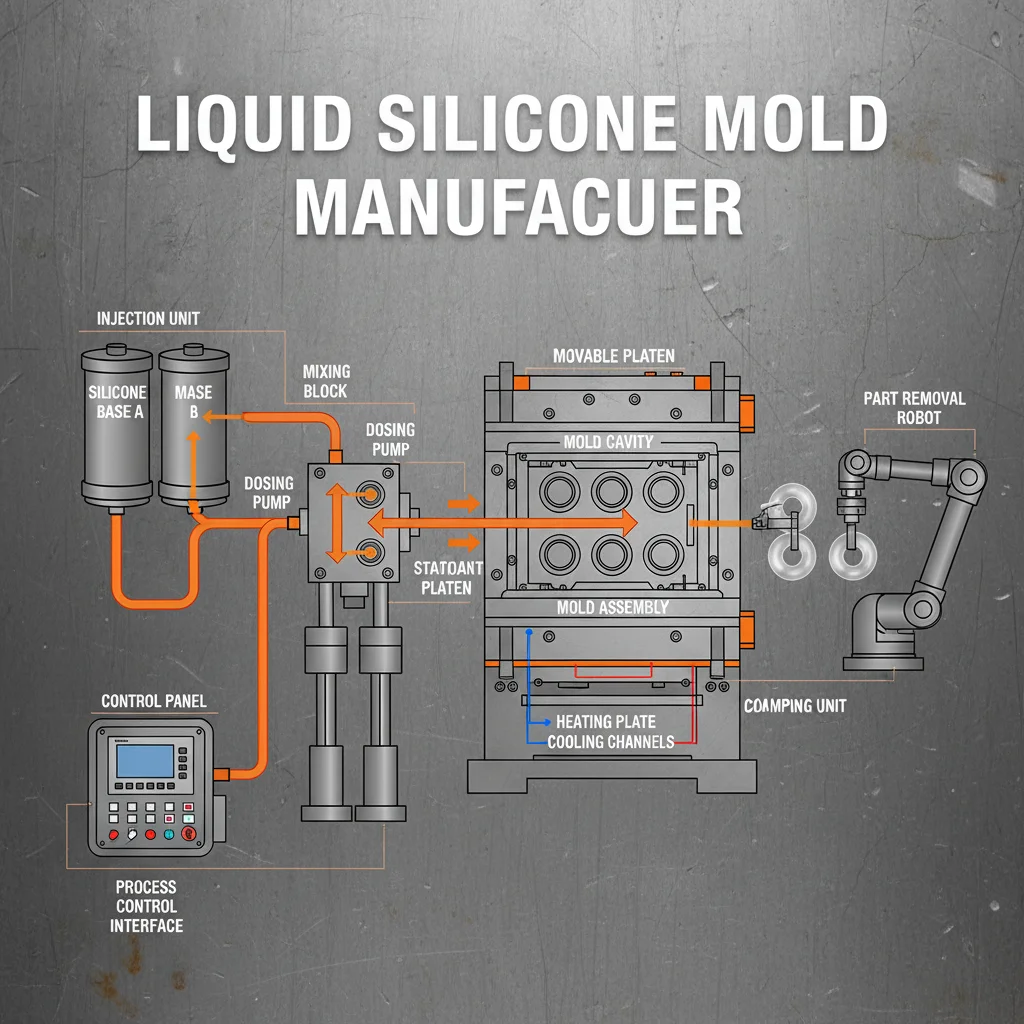
Today, advanced LSR injection molding techniques dominate production, delivering tight dimensional tolerances, smooth surface finishes, and consistent mechanical properties batch after batch. These processes are often complemented by multi-shot molding when combining rigid supports (e.g., ABS) with a silicone layer overmold, providing hybrid fasteners with enhanced mechanical strength and soft-touch sealing features.
From a standards perspective, silicone fasteners often meet ISO 10993 biocompatibility (for medical applications), RoHS compliance, and exhibit UV and flame retardant certifications (UL 94 V-0 rating) where required.
Below is a technical comparison of typical silicone fasteners against common alternatives:
At Guangdong Yingtai High Precision Technology, we specialize in OEM/ODM liquid silicone rubber injection molding for fasteners tailored to demanding industrial standards. Our factory is equipped with 55 dedicated LSR molding machines, 80 precision plastic injection machines, and tooling capabilities that include rapid tooling and multi-shot overmolding.
Our typical silicone fasteners are engineered from high-purity platinum-cured liquid silicone rubber, ensuring biocompatibility with long-term thermal and mechanical stability. Material properties such as hardness (measured on the Shore A scale) are carefully calibrated to each application, ranging from 40A (soft and elastic) to 80A (firmer, load-bearing). UV-stable additives and flame retardants can be incorporated on demand.
Injection molding process controls are key drivers of product quality. Variables like injection temperature, cavity pressure, and cure time are tightly monitored following protocols aligned with ISO 9001 and IATF 16949 standards. Advanced simulation tools and rheological characterization, as discussed in recent industry papers [MDPI 2025], guide process optimization to reduce flash, improve dimensional accuracy, and maximize yield.
After molding, fasteners undergo comprehensive testing for tensile strength, elongation, compression set, and chemical resistance to ensure compliance with client-specific requirements. Each batch is traceable through QR-coded packaging to maintain supply chain transparency and quality assurance.
Material selection: Platinum-cured LSR, solid silicone, multi-component blends
Molding processes: 2-shot injection molding, overmolding with ABS or polycarbonate
Quality controls: Dimensional inspection, tensile & compression testing, chemical stability
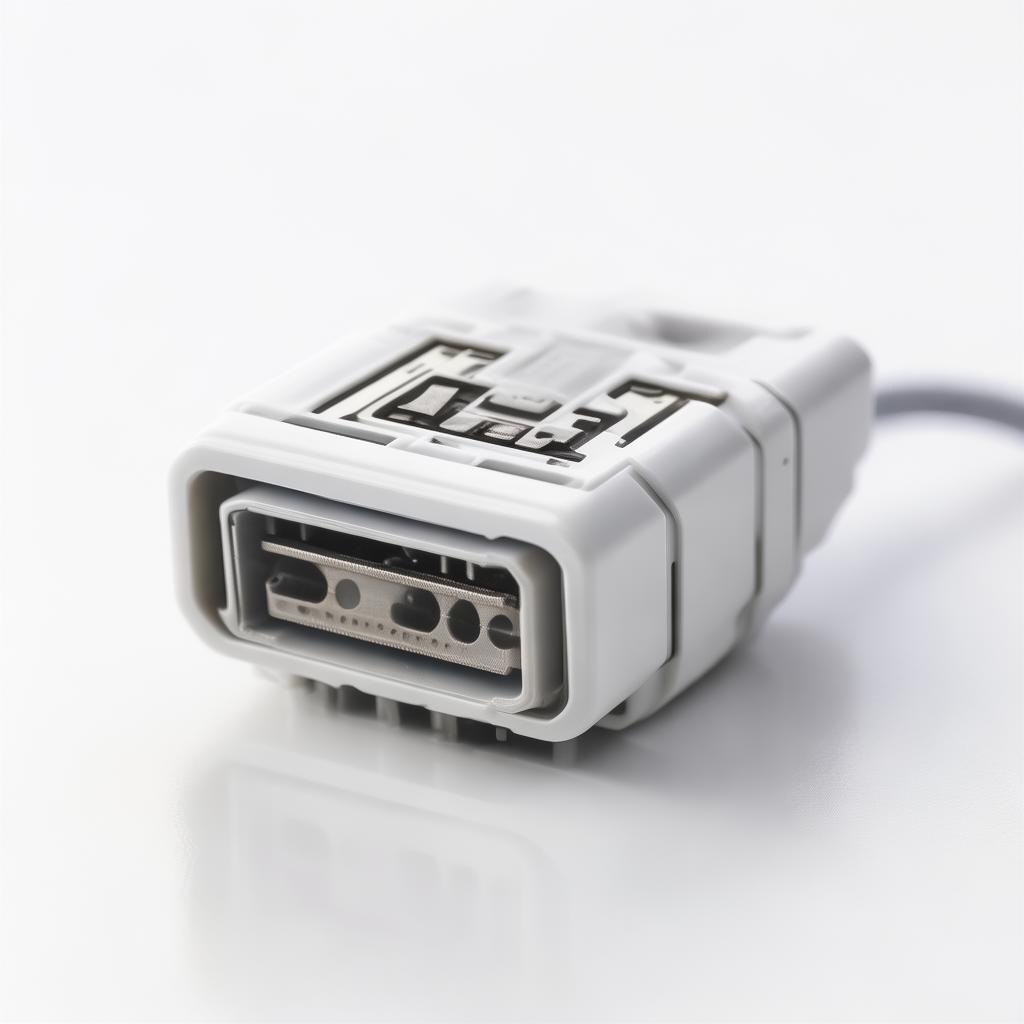
Customization: Color matching, printing, surface texturing, integrated metal inserts
Application Scenarios
Silicone fasteners find critical use across sectors demanding durable yet flexible fastening solutions. Due to their chemical inertness, broad temperature resistance, and sealing capabilities, they serve well in:
New energy vehicles: Battery enclosures, wiring harness clamps, thermal insulation joints
Communication equipment: Flexible cable holders, anti-slip mounts, outdoor-rated connectors
Home appliances: Flexible sealing fasteners for water-resistant assembly, anti-slip backing, thermal isolators
Practical field observations confirm that many clients achieve noticeable improvements in assembly time due to the lightweight nature and elastic deformability of silicone fasteners when compared to metal counterparts. However, design teams should pay close attention to the torque tolerance and fatigue life under cyclic loading, especially in high-vibration applications.
Procurement & Supplier Evaluation Essentials
For B2B buyers, choosing the right supplier for silicone fasteners goes beyond price comparisons. In-depth due diligence is crucial:
Factory Capabilities: Confirm production scale, mold capacity, and automation level. Guangdong Yingtai handles 55 LSR machines plus precision molding lines, supporting volume flexibility.
Material Certifications: Ensure the supplier uses grade-certified silicone meeting standards such as ISO 10993, RoHS, and others pertinent to your sector.
OEM/ODM Experience: Proven expertise in customization and collaborative product development limits rework risks.
Lead Time Transparency: Ask for accurate scheduling based on tooling and production workload. Buffer for molding cycle and assembly.
Sample & Testing Protocol: Verify the availability of free samples and in-house testing capabilities to reduce quality-related surprises post-contract.
Packaging & Logistics: Assess packaging standards for overseas shipping, including anti-static bags, individual boxing, and container loading practices to minimize damage.
After-Sales & Support: Suppliers should ideally have local representation or after-sales engineering to aid technical troubleshooting.
Establishing a relationship with a factory like Guangdong Yingtai provides the benefit of integrated mold design, in-house testing, and clear communication channels — empowering buyers to reduce product launch delays and quality rejections.
Certifications & Quality Assurance
Guangdong Yingtai High Precision Technology’s commitment to quality is demonstrated through a comprehensive certification portfolio, including:
ISO 9001: Standard for quality management systems, ensuring consistent delivery of high-standard products.
IATF 16949: Automotive quality management compliance suitable for new energy vehicle fastener applications.
RoHS Compliance: Meeting EU standards for restricting hazardous substances.
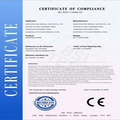
CE Certification: For fasteners intended for electronic and medical device enclosures.
Material certifications certifying compliance with FDA food-contact grade silicone where applicable.
Maintenance & Logistics Considerations
Silicone fasteners, by nature of their flexible polymers, typically require minimal maintenance. However, operational teams should:
Avoid prolonged exposure to aggressive solvents that may cause slight swelling or surface degradation.
Inspect periodically for mechanical fatigue or compression set—especially in vibrating environments.
Store unused components in cool, dry conditions away from direct sunlight to prevent premature aging or discoloration.
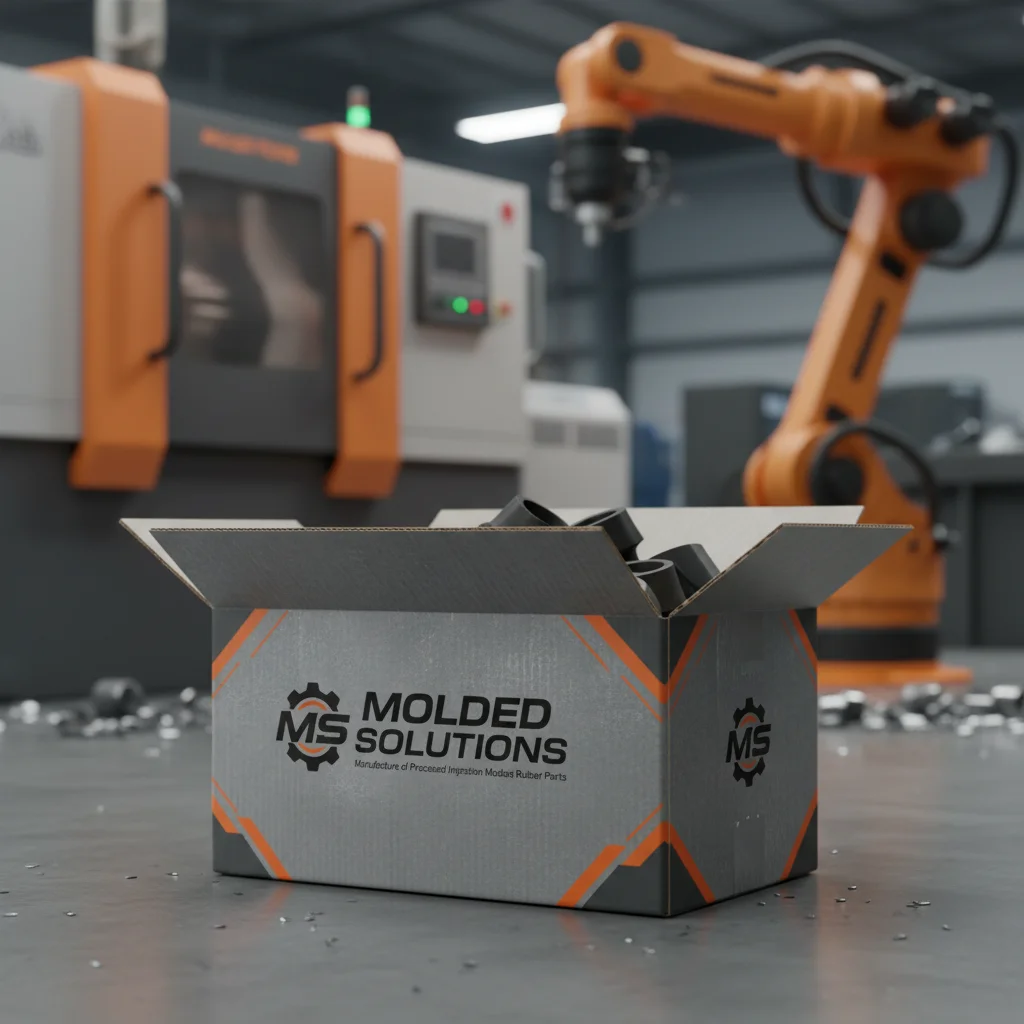
From a logistics perspective, silicone’s light weight and moderate volume allow efficient container loading. Our packaging solutions include specialized anti-static bags, compartmentalized boxes, and protective separators to safeguard the fasteners during transit.
It is also important to communicate clearly about customs documentation and compliance with regional import regulations to avoid holdups, especially for medical or aerospace-grade components.
Buyer FAQs
What is the typical lead time for silicone fastener orders?
Standard batch orders usually require 3-5 weeks including tooling preparation. Custom designs or OEM patterns may take 6-8 weeks depending on complexity.
Can you produce custom fasteners with integrated metal inserts?
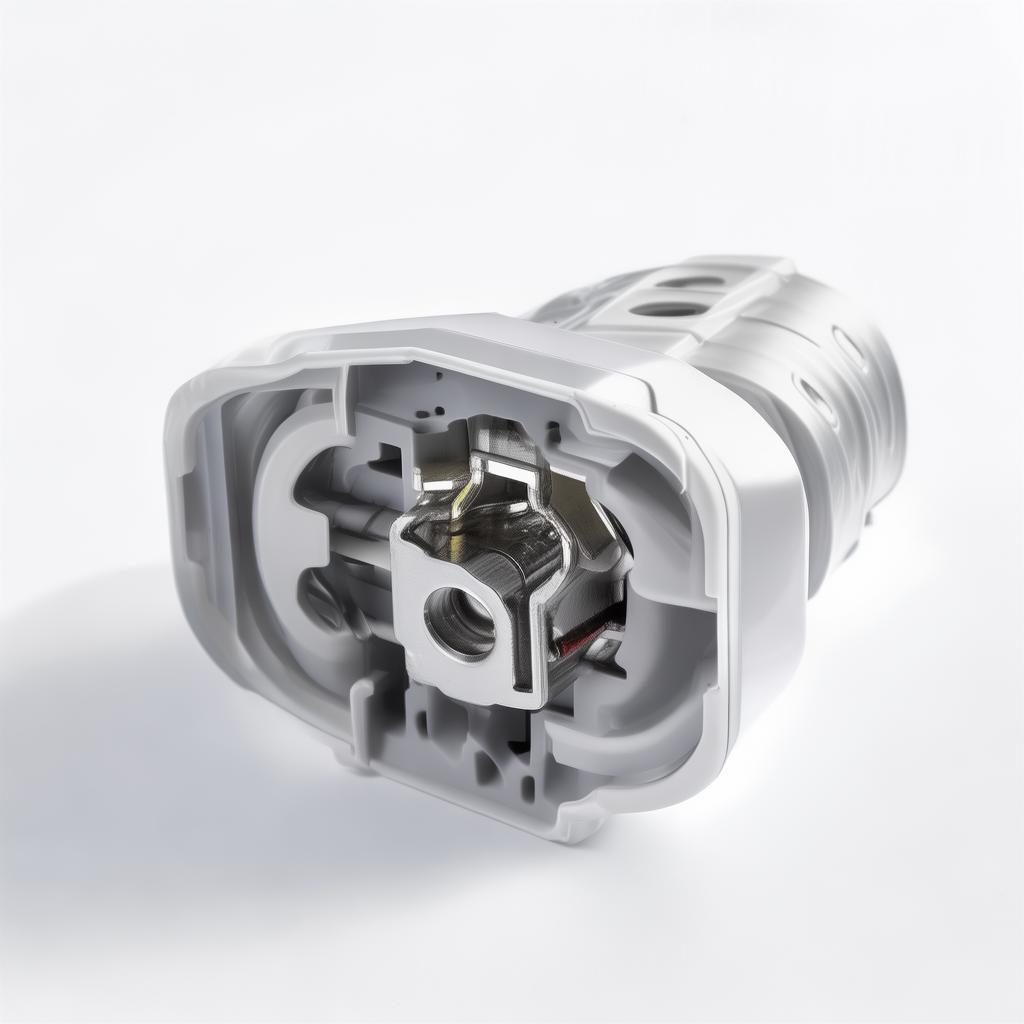
Yes, we routinely overmold metal components or include inserts during molding to meet functional requirements.
Are your silicone fasteners UV resistant for outdoor applications?
We offer formulations with UV and ozone resistant additives, suitable for extended exposure outdoors.
What is the typical temperature tolerance range?
Our fasteners consistently perform between -60°C up to +230°C without brittle failure or significant deformation.
Are samples available prior to production?
Free samples can be arranged for standard fasteners; custom designs may require sample tooling fees applies.
Do you support multi-material injection molding?
Yes, combining silicone with ABS or other plastics in multi-shot molding is standard at our facility.
Customer Feedback
"Switching to Yingtai's custom silicone fasteners saved us several hours in our assembly line. The elastic fasteners provide excellent grip without requiring over-tightening. Communication was clear and delivery met our tight schedule." - Jeremy M., Procurement Manager, Texas Electronics Inc.
Get in Touch
If you have any camping barbeque equipment inquiry, please feel free to contact us.