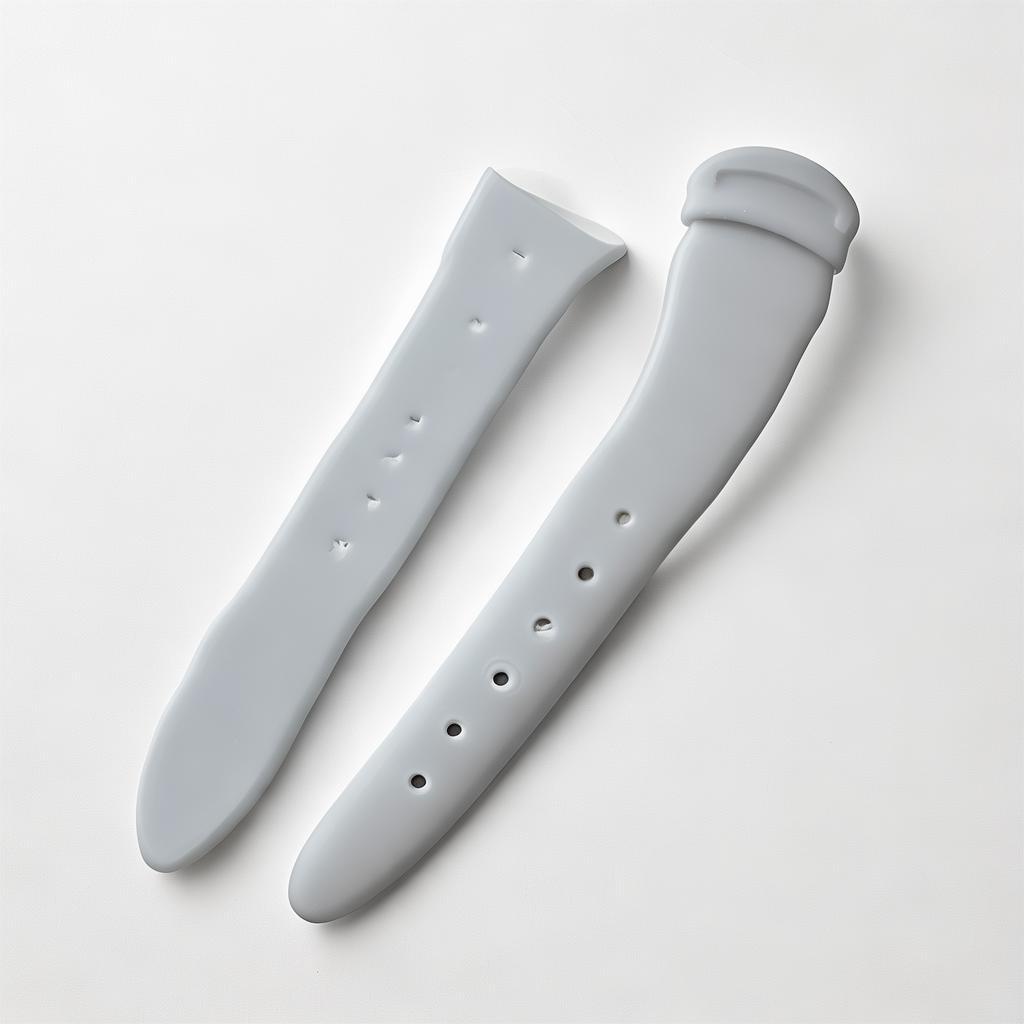
Silicone Parts Processing Manufacturer For Energy And Power Vehicles
Silicone Parts Processing Manufacturer For Energy And Power Vehicles
Guangdong Yingtai High Precision Technology Co., Ltd. delivers trusted liquid silicone rubber (LSR) and overmolded solutions optimized for energy and power vehicle industries . Backed by two decades in advanced silicone molding and injection
Product Details
Precision Silicone Parts Processing Manufacturer for Energy and Power Vehicles
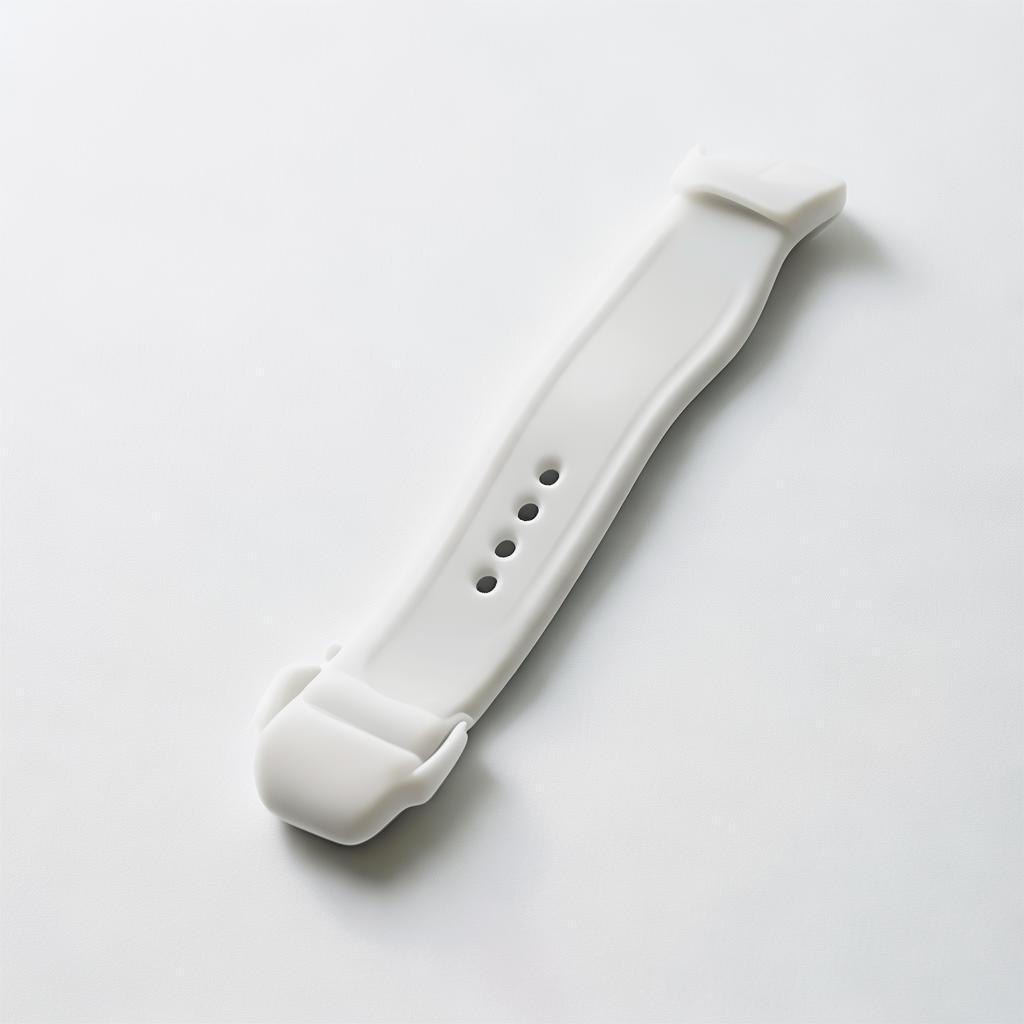
Guangdong Yingtai High Precision Technology Co., Ltd. delivers trusted liquid silicone rubber (LSR) and overmolded solutions optimized for energy and power vehicle industries. Backed by two decades in advanced silicone molding and injection technology, our Dongguan-based factory serves the evolving needs of electric vehicles (EVs), hydrogen-powered units, and hybrid drivetrains with durable, heat- and chemical-resistant silicone components.
Introduction & Industry Overview
The energy and power vehicle sector is undergoing a transformative phase driven by stricter emission regulations, rapid electrification, and a global pivot toward sustainable transport. Silicone parts, particularly those manufactured with liquid silicone rubber (LSR) injection molding, play crucial roles in sealing, insulation, vibration dampening, and component protection under extreme conditions. Our expertise at Guangdong Yingtai High Precision Technology Co., Ltd. — supported by a 35,000 sqm advanced industrial park in Dongguan — focuses on integrating high-performance silicone materials into powertrains, battery packs, and electronic assemblies for electric and hybrid vehicles.
The global LSR market for automotive and industrial applications is expected to grow consistently over the next decade. For instance, the Grand View Research 2030 report projects the LSR market to rise from USD 2.81B in 2023 to nearly USD 5B by 2030. This uptick is fueled by demand for silicone parts that withstand thermal cycling, exposure to oils, fuels, UV radiation, and harsh operational environments typical of energy vehicles.
Navigating international supply chains while meeting ISO 9001, ISO/TS 16949 automotive standards, and RoHS and REACH compliance requires a manufacturing partner that blends technical mastery with agile production capabilities. Our factory’s investment in advanced liquid injection molding machines, including 55 sets dedicated to LSR and 80 plus for plastic injection, positions us to deliver consistent quality at scale — whether your order is for customized prototypes or high-volume production batches.
Recognizing procurement realities, we work closely with engineers and operations managers to align silicone part design, material selection, and mold tool precision with project timelines and cost parameters. We understand how critical it is to avoid tooling over-runs or material wastage — frequent procurement pitfalls in silicone manufacturing.
Key Industry Challenges in Silicone Parts for Energy Vehicles
Thermal Management: Components must endure wide temperature ranges, from battery pack heat to cold climates, without degradation or loss of flexibility.
Material Compatibility: Silicone parts need chemical resistance against battery electrolytes, lubricants, and external contaminants while maintaining sealing integrity.
Tight Tolerances: Power vehicle assemblies often require precision-molded silicone parts with micron-level accuracy—any molding defects or dimensional instability can affect system performance.
Lead Time Constraints: Long production cycles or tooling delays disrupt project schedules; suppliers must offer rapid prototyping alongside scalable injection molding.
Regulatory Compliance: Parts must meet automotive and environmental standards including REACH, RoHS, UL94 V-0 Flame Retardancy, and sometimes medical-grade certifications for sensor seals.
Installation & Maintenance: Ease of assembly and extended lifecycle under vibration and exposure are essential to reduce operational downtime and warranty claims.
Technical Insights & Production Capabilities
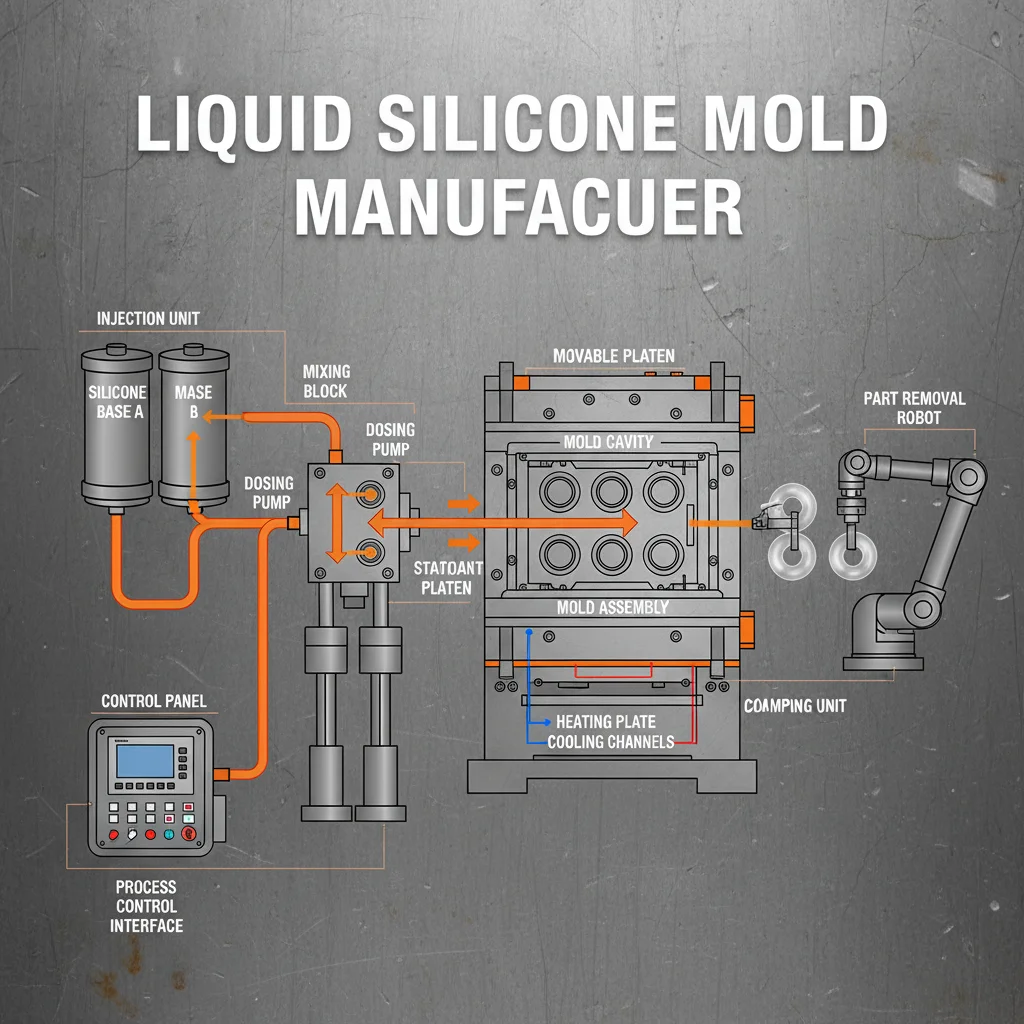
Our manufacturing incorporates precision LSR injection molding, supported by a well-equipped suite of machines — including 20 hydraulic presses for solid silicone and over 30 advanced CNC molds manufacturing devices. This integration allows us to control every phase, from mold development to final inspection, reducing potential defects or wastage.
Key material characteristics we focus on include:
High thermal stability: Continuous performance from -60°C to +230°C, suitable for battery modules and inverters.
Excellent electrical insulation: Ensures safety in power electronics.
UV and ozone resistance: Critical for external sealing components exposed to sunlight and atmosphere.
Low compression set: Prevents permanent deformation under prolonged stress in gaskets and vibration isolation pads.
Technical Specification Summary for Typical Silicone Parts
Our engineering department leverages CAE injection molding simulations tuned with industry-grade LSR rheological data (cf. MDPI polymer study) to optimize mold designs, minimizing defects like flash and sink marks. This care enhances production yield and shortens development lead times — a frequent bottleneck for OEMs.
OEM and ODM Manufacturing: With the modular tooling and intellectual manufacturing systems in place, we support customized design adaptation, small-batch prototyping, and scale-up production. Learn more about how you can explore OEM options with Yingtai.
Application Scenarios in Energy & Power Vehicles
From battery insulation to powertrain sealing, our silicone components integrate into:
Battery Pack Seals and Gaskets: Resistant to electrolyte corrosion and temperature fluctuations, ensuring longevity and safety.
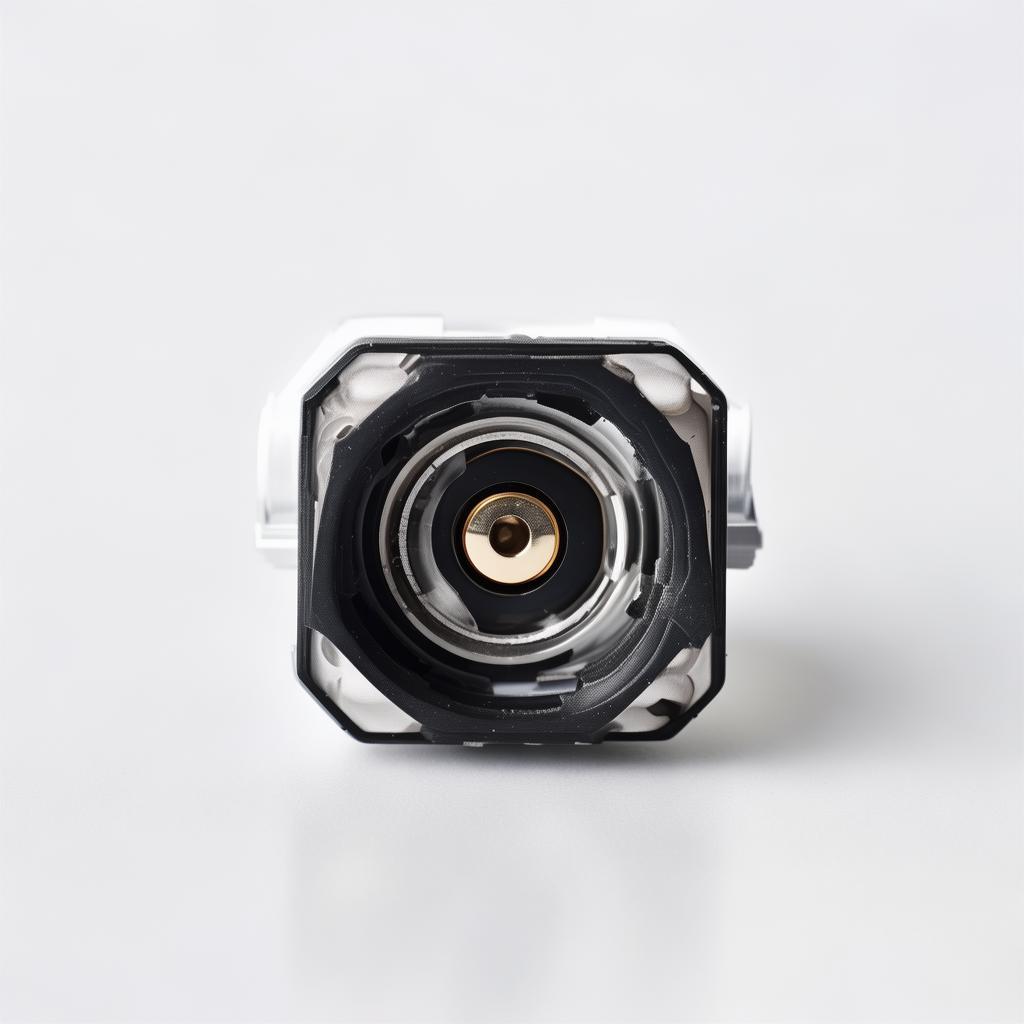
High-Voltage Connector Seals: Electrical insulation combined with mechanical protection for connectors in inverter systems.
Thermal Insulation Components: Silicone foam and solid silicone parts that maintain dimensional stability under repetitive thermal cycling.
Vibration Dampeners & Bushings: Help reduce mechanical noise and wear in electric motor assemblies.
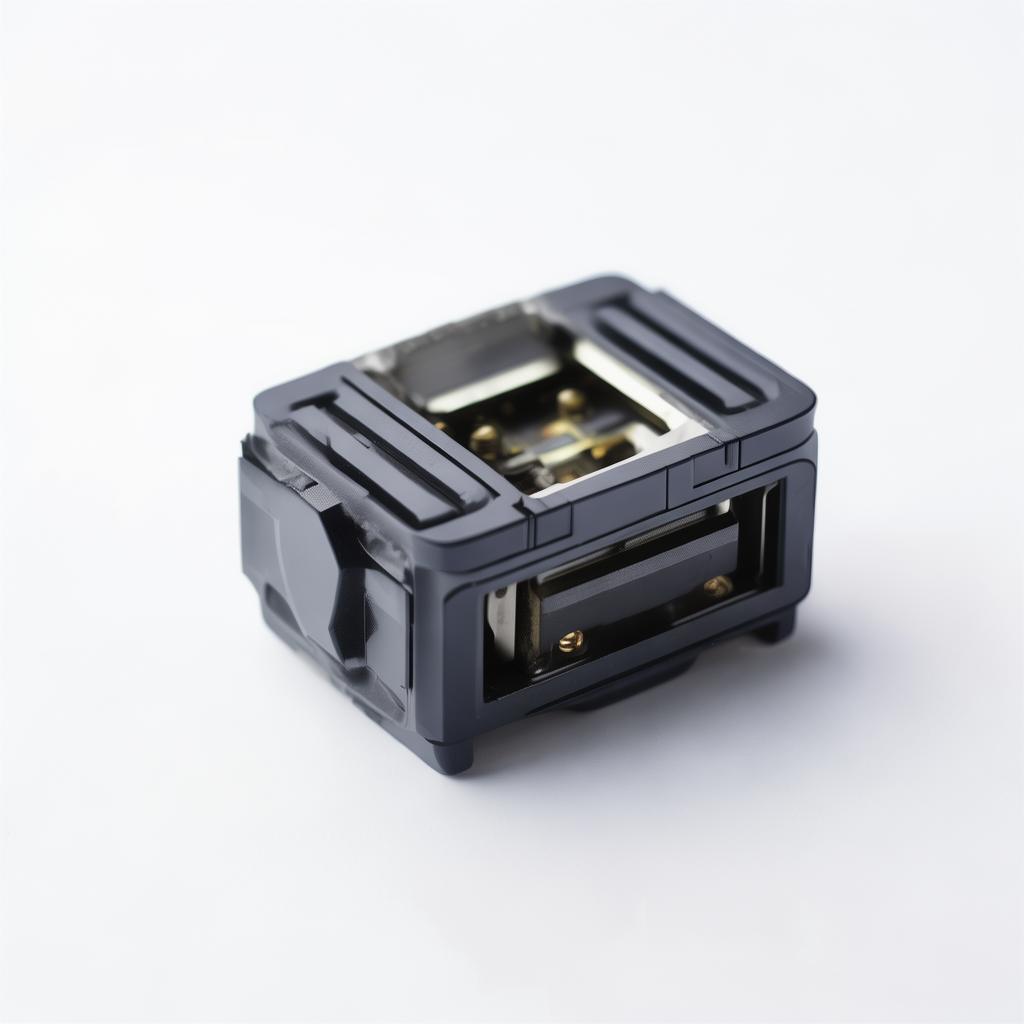
Overmolded Protective Covers: For sensors and control modules exposed to hostile environments.
Hydrogen Fuel Vehicle Components: Specialized sealing solutions resistant to gaseous hydrogen permeation and chemical attack.
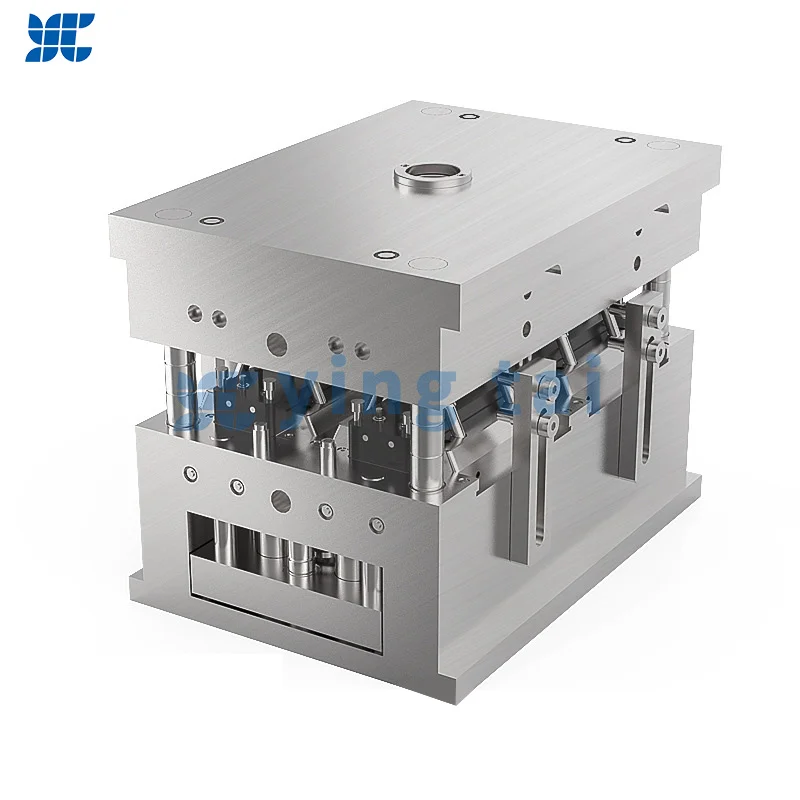
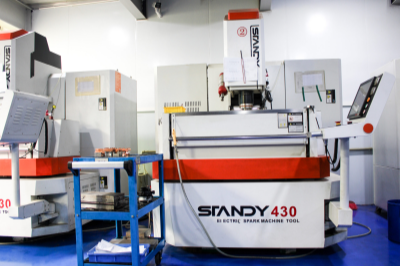
Advanced LSR Injection Molding Equipment at Guangdong Yingtai High Precision Technology Factory
Selecting the right silicone formulation in sync with application needs is crucial. For example, certain gaskets require low compression set to prevent leaks, while cable seals benefit from higher Shore A hardness for abrasion resistance. Our technical team advises buyers on such nuances, ensuring performance aligns with vehicle certification criteria and longevity expectations.
Procurement Guidance & Risk Mitigation
Managing procurement of silicone parts for energy vehicles involves balancing quality, delivery, and cost. Here are practical considerations we advise:
Verify Mold Design Expertise: Tooling is the highest upfront investment. Confirm the supplier’s mold development capabilities to avoid expensive redesigns.
Material Certification: Request compliance data for materials, such as FDA, RoHS, REACH, and flame-retardant testing if required by your product specs.
Lead Time Transparency: Seek clear timelines for prototyping and production ramp to prevent project delays, especially for critical launch windows.
Sample Evaluation: Ask for free or low-cost samples to validate dimensions, hardness, and surface finish before committing to large orders.
Logistics & Packaging: Consider container loading optimization and packaging standards that protect fragile silicone parts during transit.
Communication Protocol: Ensure your supplier offers direct technical communication channels—procuring complex silicone components benefits from engineering discussions rather than sales-only contact.
“Many buyers underestimate the importance of precise rheological data and mold flow simulations — skipping this often leads to substandard parts or costly remolding.” — Senior Production Engineer, Yingtai
At Guangdong Yingtai, we embed CAE simulation insights, strict incoming material inspections, and ISO-certified production workflows into every project. This practice significantly reduces risk exposure and supports consistent supply—whether you require one-off prototypes or continuous shipments.
1. What is the typical lead time for silicone part prototypes?
Depending on mold complexity, prototyping can take 10-20 business days. We emphasize rapid tooling and utilize CAE to streamline this phase.
2. Can you accommodate custom formulations for specific thermal or chemical resistance?
Yes, our material lab collaborates with suppliers to tailor LSR grades to your precise specifications including flame retardance, electrical insulation, and hardness.
3. Do you provide overmolding services combining silicone with plastic or metals?
Absolutely. Our integrated production line handles multi-component injection molding, including LSR overmolding on ABS and aluminum substrates vital for sensor housings and connectors.
4. What certifications support your quality and environmental management?
We maintain ISO 9001 and IATF 16949 certifications for quality systems and comply with environmental standards including RoHS and REACH.
5. How do you handle logistics and export for international customers?
We optimize container loading and coordinate closely with freight forwarders for sea and air shipments. Customers receive customized packaging to protect silicone parts from compression or contamination during transit.
Customer Reviews & Procurement Scenarios
Robert H., Senior Procurement Manager, EV Battery Systems (USA)
“Yingtai’s LSR parts helped us reduce battery module seal failures in cold climates. The precise molding and smooth surface finish exceeded previous suppliers. Their responsiveness on custom hardness requests shortened our development cycle by nearly two weeks.”
Get in Touch
If you have any camping barbeque equipment inquiry, please feel free to contact us.



 Robert H., Senior Procurement Manager, EV Battery Systems (USA)