Silicone Products for Hybrid Electric Vehicles
Precision-engineered silicone solutions powering durability and performance in next-gen hybrid electric vehicles (HEVs).
Market Trends & Industry Landscape
The automotive industry is shifting gears towards electrification, and hybrid electric vehicles (HEVs) stand at the forefront of this transition. As manufacturers strive for higher efficiency and more reliable performance, the demand for specialized materials like silicone rises in tandem. Notably, the global Liquid Silicone Rubber (LSR) market demonstrates robust growth projections, with multiple industry analyses forecasting CAGR figures above 7% over the next decade (Grand View Research).
Silicone’s remarkable properties—exceptional thermal stability, electrical insulation, and chemical resistance—make it an indispensable component in HEVs, particularly for battery seals, gaskets, engine compartment parts, and thermal management systems. As governments worldwide impose stricter emission norms, and consumers demand longer vehicle lifespans with minimal maintenance, OEMs and Tier 1 suppliers are increasingly investing in silicone molding expertise to meet stringent quality and longevity standards.
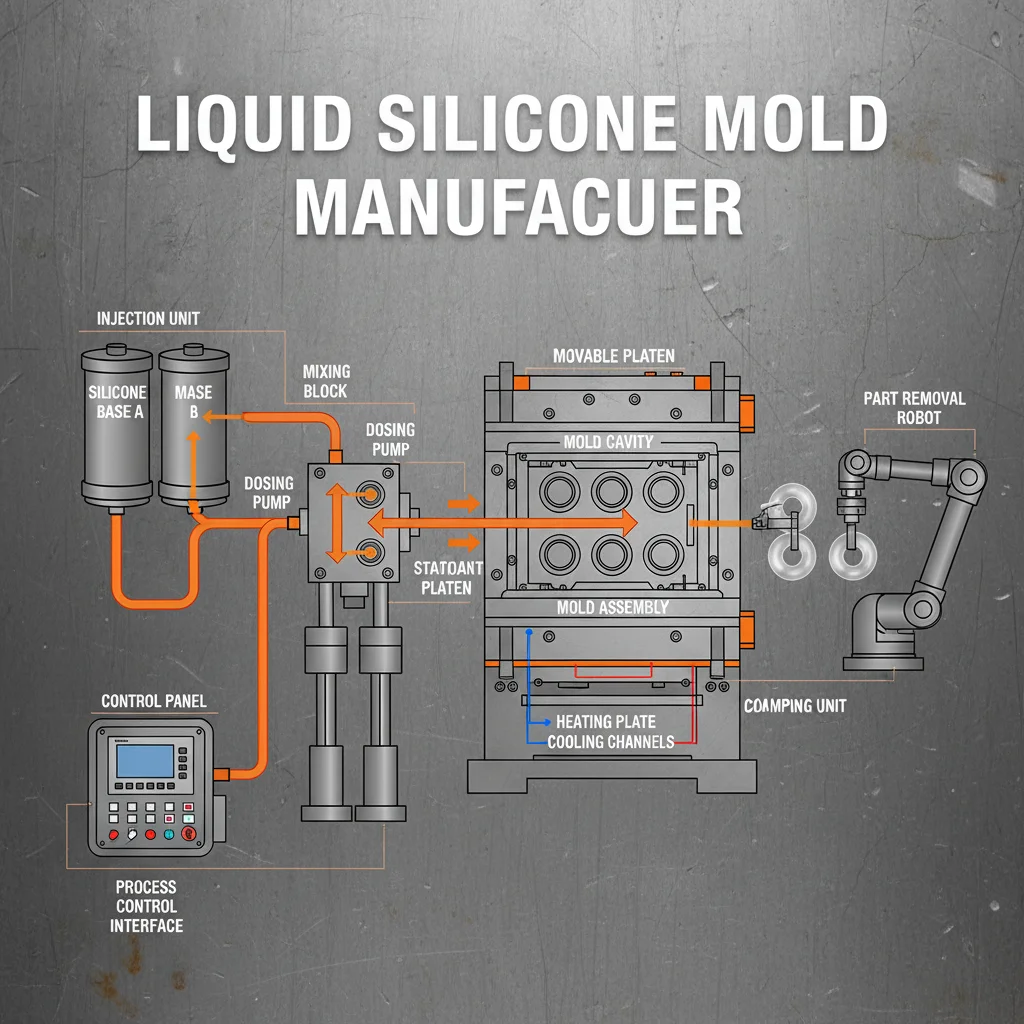
In parallel, advanced injection molding technologies are evolving to handle the intricate geometries and tight tolerances that HEV components require. Liquid silicone rubber injection molding, in particular, offers biocompatible, flexible, and durable parts with rapid cycle times and minimal waste—factors critical for cost-effective high-volume production within the automotive sector (Research Nester).
“For hybrid electric vehicle manufacturers looking to optimize sealing and thermal solutions, precision silicone parts are no longer optional; they are foundational.” — Industry Consultant
Operational Pain Points in HEV Silicone Components
Operating in high temperature and variable electrical environments, HEV components face several stressors that traditional materials struggle to endure. Some recurring pain points encountered in procurement and assembly include:
- Thermal aging and material degradation: Seals and gaskets exposed to alternating heat cycles often experience hardness changes and cracking, jeopardizing battery safety.
- Dimensional instability: Inconsistent molding can result in slight warpage, affecting component fit and necessitating costly rework or rejection.
- Electrical insulation failures: Components near high-voltage assemblies must resist partial discharges and maintain dielectric strength over vehicle lifetimes.
- Procurement delays: Lead time variability, especially for custom OEM silicone parts, can disrupt production schedules and supply chain synchronization.
- Installation difficulties: Overmolded parts sometimes require precise tooling alignment during assembly; poor supplier coordination raises installation defects.
These challenges are compounded when sourcing from multiple suppliers with varying technical expertise or lacking certification compliance, highlighting the need for reliable partners well-versed in silicone injection molding processes and HEV industry standards.
Material Advantages of Silicone in HEV Applications
Selecting the right material for HEV components is vital. Liquid silicone rubber (LSR), particularly, ranks highly due to its unique blend of properties tailored for automotive demands:
- High thermal resistance: Operating range typically from -60°C up to +230°C, maintaining flexibility and sealing integrity.
- Excellent electrical insulation: Dielectric strength exceeding 20 kV/mm ensures safety around electric powertrains.
- Chemical and UV resistance: LSR withstands automotive fluids, ozone, and ultraviolet rays without discoloration or degradation.
- Low compression set and superior elasticity: Guarantees long-term sealing performance, minimizing maintenance intervals.
- Biocompatibility and odorless nature: Vital for interior components interacting with passengers.
- Compatibility with multi-shot and overmolding: Allows complex part integration with plastics like ABS, polyamide, or engineering thermoplastics.
From battery housings to coolant system seals, silicone components provide multifaceted support essential for HEV reliability and sustainability.
Industry note: Advanced molding techniques such as vacuum-assisted LSR injection molding reduce air entrapment and ensure consistent wall thickness, critical for parts exposed to vibration and thermal cycling (Springer Study).
Technical Specifications & Production Capabilities
Guangdong Yingtai High Precision Technology Co., Ltd. offers comprehensive manufacturing services optimized for HEV silicone part production. Our state-of-the-art facility spans 35,000 m² and houses:
- 55 liquid silicone molding machines suitable for high-volume LSR injection molding
- 80 automatic plastic injection molding machines, enabling multi-material overmolding (LSR + ABS/PA)
- 20 solid silicone hydraulic presses for durable silicone extrusion and compression molding
- 30+ precision mold processing units for tool development and multi-cavity mold fabrication
- 20+ advanced testing instruments ensuring material consistency, hardness, tensile, and dielectric properties compliance
| Specification | Typical Value | Standard/Method |
|---|---|---|
| Shore A Hardness | 40–70 | ASTM D2240 |
| Tensile Strength | 8–12 MPa | ASTM D412 |
| Elongation at Break | 350–600% | ASTM D412 |
| Dielectric Strength | 20–25 kV/mm | ASTM D149 |
| Operating Temperature | -60°C to +230°C | ISO 868 |
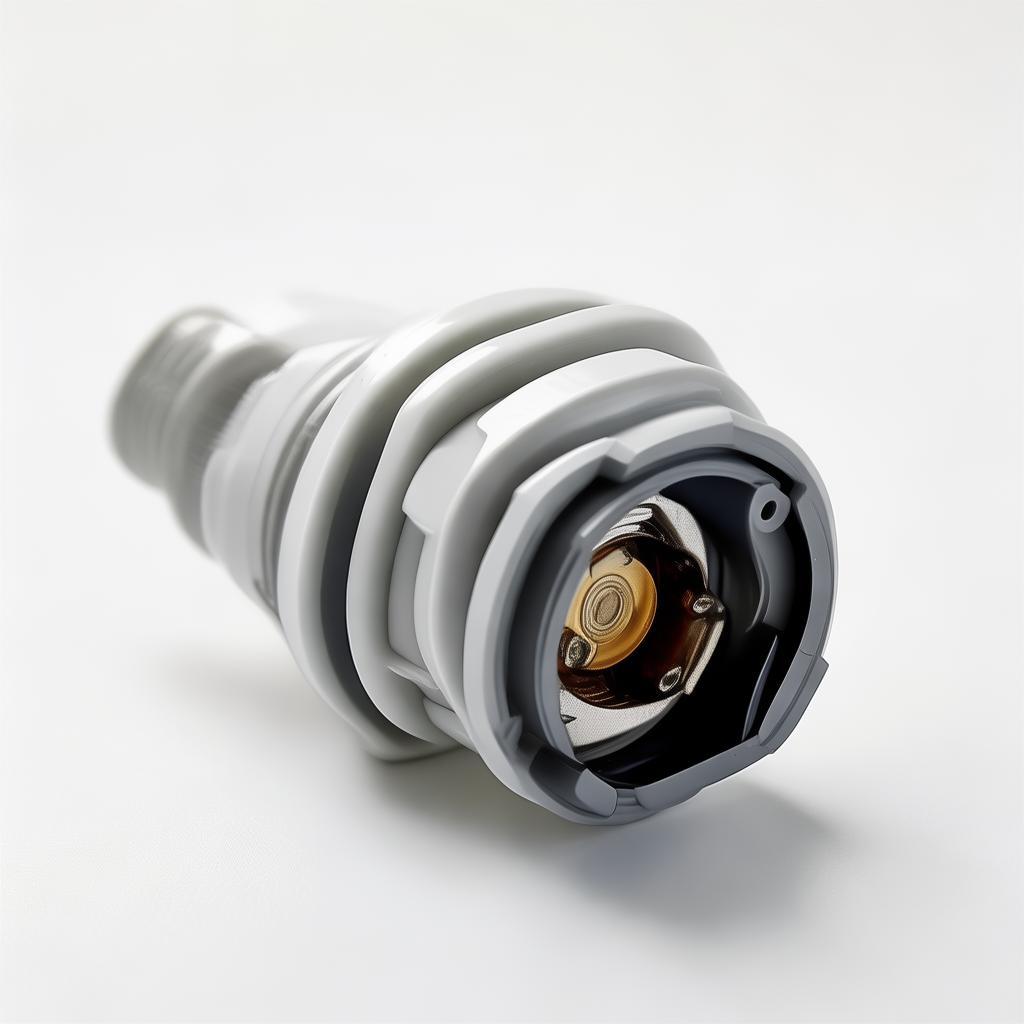
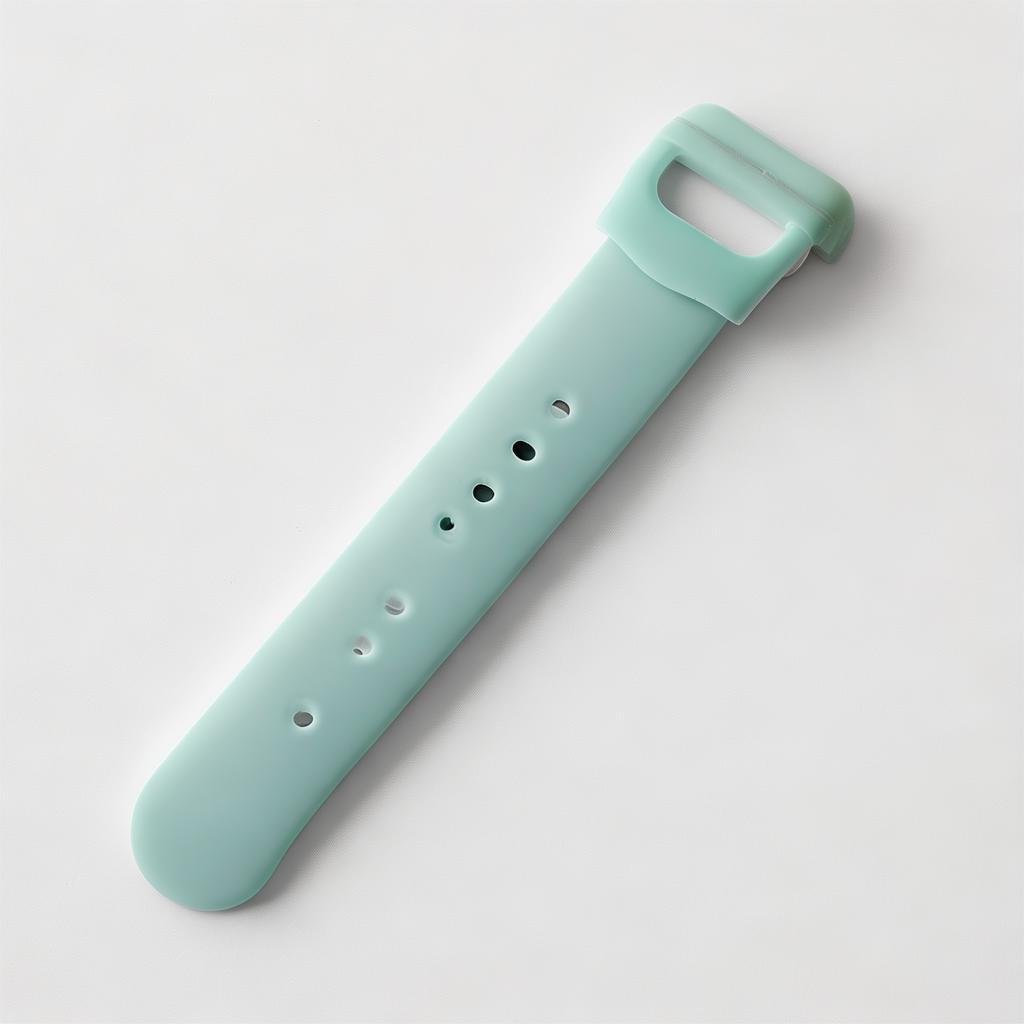
Liquid silicone parts for hybrid electric vehicles Silicone products for new energy vehicles silicone in electric vehicle market
Our in-house mold development capability guarantees rapid prototyping and full sample approval within 15–20 working days—a crucial advantage for fast-paced HEV product iterations. Design feedback integrates material rheology data and advanced CAE simulation techniques, helping avoid molding defects and enhancing dimensional accuracy (MDPI Polymer Study).
OEM/ODM services available: Customized formulations, multi-material overmolding, surface finish treatments, and functional testing tailored to automotive specifications.
Buyer’s Guide & Supplier Evaluation
Navigating supplier selection for HEV silicone parts often feels like balancing technical specs, delivery risk, and cost efficiency. Here are practical pointers refined from years of industry experience:
- Certification audit: Confirm ISO 9001, IATF 16949 (automotive quality management), CE certification, and RoHS compliance.
- Material traceability: Ask for raw material batch documentation, test reports for hardness, thermal cycling, and dielectric breakdown.
- Lead time reliability: Ensure the supplier’s ability to maintain short cycle production runs (often under 4 weeks) and fit your supply chain logistics.
- Prototyping and iterative design: Partner with vendors offering rapid tooling adjustments and CAE-supported molding optimization.
- After-sales support: Access to engineering consultation, installation guides, and warranty on product manufacturability.
An effective procurement readiness checklist also includes reviewing the supplier’s testing lab capabilities for tensile, compression set, and environmental exposure (salt spray, UV). Transparent reporting can greatly reduce costly field failures, especially in battery sealing applications.
Additionally, prioritizing suppliers with consolidated logistics—like packaging optimization designed for sea container loading and air freight—is critical to minimize damage and delays. It’s no secret that overlooked packaging issues can push lead times beyond expected delivery windows.
Frequently Asked Questions
- Q1: Can you customize silicone hardness and color for HEV parts?
- Absolutely. Our facility adjusts Shore A hardness within a 40–70 range and offers diverse color formulations—even UV-stable pigments—for interior and exterior automotive parts.
- Q2: What typical lead times do you offer for new HEV silicone components?
- Standard prototype tooling and first article samples are available within approximately 15–20 business days. Mass production runs usually require 3–5 weeks, depending on order volume and complexity.
- Q3: How do you ensure electrical insulation performance for silicone seals near high-voltage batteries?
- We strictly adhere to ASTM D149 dielectric strength testing and utilize specialized LSR grades formulated for high voltage resistance. Additional design validation via thermal and electrical aging tests ensures conformity.
- Q4: Is overmolding with plastics like ABS or PA feasible for your silicone products?
- Yes, multi-component injection molding combining LSR with engineering plastics is a core competency. Our equipment and process controls deliver excellent adhesion and durable interfaces for complex HEV assembly parts.
- Q5: What kind of quality assurance systems are in place for silicone part production?
- Our ISO 9001 and IATF 16949 certified production lines implement comprehensive in-process and final part inspections, including hardness verification, dimensional checks, and functional testing with documented traceability.
Get In Touch – Discuss Your HEV Silicone Requirements
For tailored silicone solutions aligned with your hybrid electric vehicle projects, reach out to our export & technical team anytime. With over 20 years of industry expertise and a fully integrated manufacturing chain, Guangdong Yingtai High Precision Technology Co., Ltd. is your trusted partner in precision silicone molding.
- Contact Person: Miss Zhang
- Phone / WhatsApp: +86 17722437688
- Fax: +86 0769-83666863
- Email: zmm@yingtai168.com / lh@yingtai168.com
- Address: No. 359 Chang'an Bubugao Road, Chang'an Town, Dongguan City, Guangdong Province, China
- Website: https://www.ytplasticmold.com/contactus/