Guangdong Yingtai High Precision Technology Co., Ltd. stands at the forefront of silicone rubber parts manufacturing — serving the USA and global markets with over 20 years of OEM/ODM expertise. From the heart of
Product Details
Silicone Rubber Parts: Precision Solutions for Industrial and Commercial Applications
Guangdong Yingtai High Precision Technology Co., Ltd. stands at the forefront of silicone rubber parts manufacturing — serving the USA and global markets with over 20 years of OEM/ODM expertise. From the heart of Dongguan’s industrial hub, we specialize in liquid silicone rubber (LSR) injection molding and custom solutions designed for demanding industries such as automotive, medical, electronics, and consumer appliances. Dive into the comprehensive outlook on silicone rubber parts, their manufacturing insights, procurement guidance, and key technical considerations, helping purchasing and operations teams make informed sourcing decisions.
Market Trends & Industry Outlook
The global Liquid Silicone Rubber (LSR) market has witnessed robust growth driven by escalating demand for high-precision, durable silicone components across medical, automotive, and electronics sectors. Recent analyses show the market was valued between USD 2.8 billion to 3.8 billion in 2024 with projections estimating a CAGR of 6.2% to 9.3% through 2035 (Grand View Research, GMI Insights).
Asia-Pacific maintains a commanding lead in production capacities while North America and Europe focus on innovation in medical and automotive applications. The rise of IoT devices and wearable electronics further fuels demand for silicone parts with complex geometries and high biocompatibility. Injection molding technologies are rapidly advancing, with increased integration of CAE material simulations and AI-assisted process controls, optimizing cycle times and reducing defects (MDPI, Sciety research).
Still, manufacturers and procurement teams face challenges sourcing suppliers capable of balancing volume flexibility with consistent product quality and certifications. Secure supply chains and technical collaboration have become strategic differentiators.
Common Procurement Pain Points
Quality variability: Differences in silicone grade, curing processes, and molding techniques can lead to inconsistent mechanical properties or surface finishes — critical for sealed or medical-grade parts.
Tooling costs & lead times: Precision molds for LSR demand high upfront investment and design finesse, often delaying production cycles if not planned properly.
Logistics and part handling: Silicone parts' delicate finish requires careful packaging and transit, especially for long-distance overseas shipping.
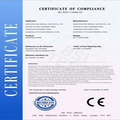
Factory audit and compliance: Verifying certifications such as ISO 9001, ISO 13485 (for medical-grade parts), CE, RoHS, and testing capabilities can be complex.
Communication barriers: Technical product specifications may not translate clearly across regions, delaying validations unless suppliers demonstrate clear expertise and engineering collaboration.
Having an experienced supply partner familiar with B2B export practices and a flexible OEM/ODM setup mitigates many of these headaches — notably by enabling early-stage tooling consults and prototype iterations using advanced rheological data inputs (MDPI Paper on material characterization).
Technical Overview & Material Insights
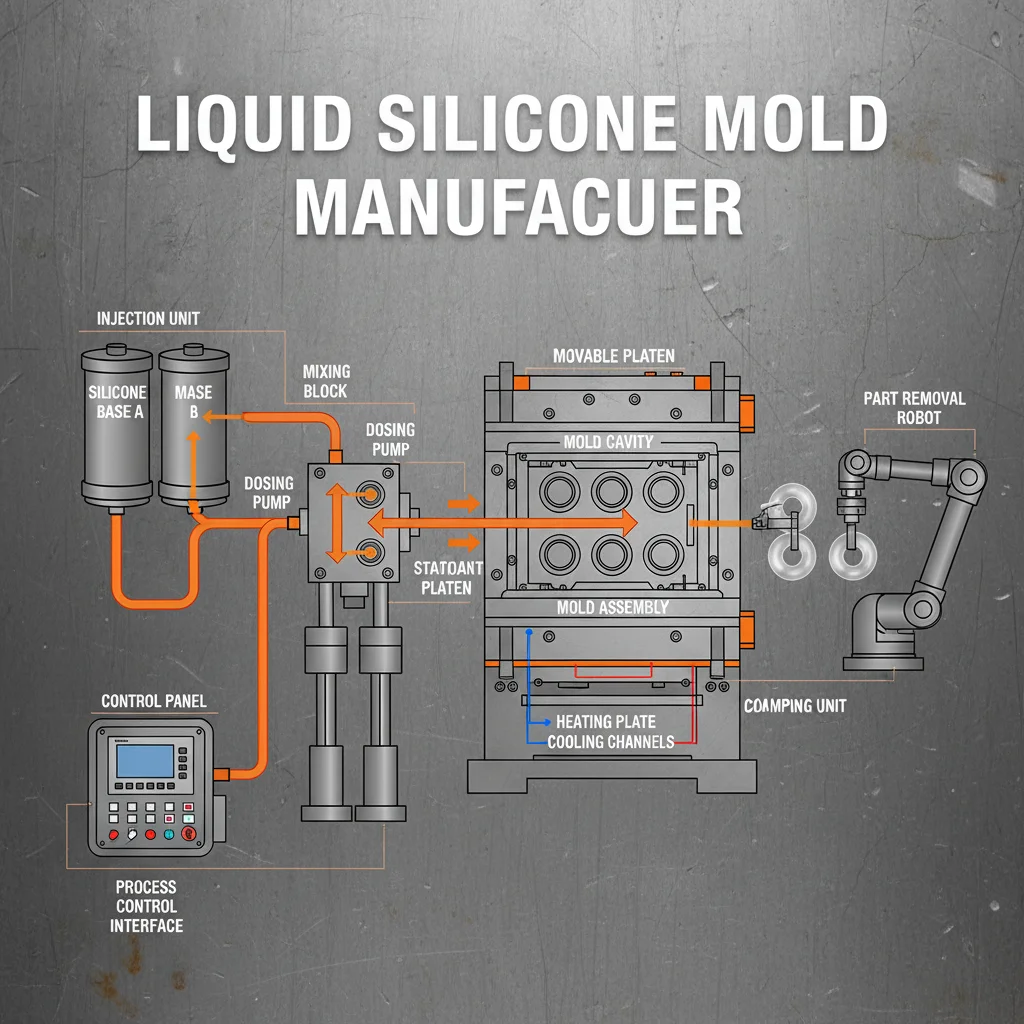
Silicone rubber parts are primarily manufactured via two methods: liquid silicone rubber (LSR) injection molding and solid silicone rubber (HTV) compression molding. For high-volume, high-precision parts, LSR injection molding is preferred due to its automation, excellent dimensional repeatability, and tighter tolerances.
Material characteristics include outstanding heat resistance (operating ranges typically -60°C to 230°C), UV and ozone resistance, chemical inertness, and biocompatibility. These properties make silicone parts ideal for seals, gaskets, membranes, and soft-touch components in medical and industrial electronics.
Table 1. Typical Physical Properties of Liquid Silicone Rubber (LSR)
Property
Value Range
Implication
Tensile Strength
6–12 MPa
Durability for seals and flexible parts
Elongation at Break
300–700%
Flexibility and resilience under stress
Hardness (Shore A)
20–80
Range from soft medical grade to firm industrial grade
An operational tip: easy-to-overlook factors such as mold temperature uniformity and curing kinetics greatly influence cycle times and product consistency. According to a recent MDPI study, investing in accurate rheological material data has a direct impact on simulation precision, reducing scrap and accelerating time-to-market. It’s not just silicone grade — tooling design precision plays a critical role.
Key Application Scenarios
Silicone rubber parts demonstrate excellent versatility across industries that demand durability, chemical resistance, electrical insulation, and compliance with regulatory standards. Here are notable fields where our LSR parts are integral:
Automotive & New Energy Vehicles: Seals, gaskets, air ducts, and sensor covers requiring heat resistance and low outgassing.
Medical Devices: Components for diagnostic equipment, tubing supports, surgical instrument seals, and wearable health monitors adhering to ISO 13485 and FDA guidance.
Consumer Electronics & Smart Wearables: Keypads, buttons, soft-touch interfaces, waterproof seals for smartphones, headphones, and fitness trackers.
Industrial Equipment: Protective boots, vibration dampers, and anti-slip backing parts used in harsh environments requiring chemical inertness.
Household Appliances: Gaskets and sealing rings in coffee makers, blenders, and water filters where food-grade silicone is mandatory.
Each sector presents unique demands for silicone specification, which we address through tailored formulations and mold engineering. For example, micro-injection molding techniques support production of miniature, complex geometries for biomedical components — reflecting trends pointed out in Nature Scientific Reports.
Factory Capabilities & Certifications
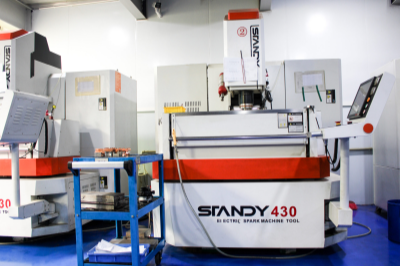
Our 35,000 m² industrial park in Dongguan houses a state-of-the-art manufacturing ecosystem. Equipped with:
55 liquid silicone injection molding machines for precision LSR parts.
80 automatic plastic injection machines supporting overmolded assemblies with ABS and other thermoplastics.
20 hydraulic presses for solid silicone and specialized molding.
Our integrated intellectual manufacturing system supports rapid prototyping through to volume orders, emphasizing efficiency and consistency. The team of over 500 skilled technicians, engineers, and quality inspectors assures product performance in line with stringent customer specifications and regulatory frameworks.
Installation & Logistics Considerations
During supply and installation phases, several practical considerations impact overall project costs and success:
Packaging protection: Silicone parts, especially with intricate surface finishes or thin walls, require blister or custom foam packing to prevent deformation or contamination.
Container loading optimization: Our factory collaborates with logistics partners to optimize pallet and container configurations, reducing freight costs and minimizing handling damage for high-volume orders.
On-site installation notes: Silicone components should not be exposed to lubricants, sharp edges, or chemical cleansers during assembly. Compatibility with assembly materials such as plastics or metals should be evaluated.
Storage: Keep silicone parts in cool, UV-protected environments. Prolonged exposure to sunlight or high temperatures may degrade certain properties.
We provide detailed packaging guidelines, vendor-managed inventory (VMI) options, and support shipping plans tailored to USA import compliance and delivery schedules. Don’t hesitate to request our shipping plan to facilitate your procurement cycles.
Buyer’s Guide & Risk Management
For procurement managers and engineers selecting a silicone rubber parts supplier, here are practical tips to minimize risk and optimize value:
Prototype & sample evaluation: Always request free or low-cost samples to validate material feel, hardness, and fit early. Ask your supplier for technical data sheets and relevant certifications.
OEM versus ODM options: If you have a proprietary design, ensure the manufacturer offers flexible tooling services adhering to ISO mold design standards. Otherwise, explore ODM catalog parts for faster turnaround.
Material traceability: Verify batch testing reports, including hardness testing and tensile strength validation, to ensure compliance with your quality system.
Lead times & contract clarity: Confirm mold development timelines – tooling can take 4–8 weeks depending on complexity. Build in buffer time for initial trial runs and certification audits.
After-sales support: Choose manufacturers that provide technical consultation on installation, maintenance, and potential reorders to avoid supply chain interruptions.
Q1: What is the typical lead time for production of silicone rubber parts?
Tooling manufacture usually requires 4 to 8 weeks depending on part complexity. After tooling is approved, production can start within 2 to 4 weeks for volume orders. Rush orders may be possible with advanced planning.
Q2: How do you ensure biocompatibility for medical-grade silicone parts?
We use FDA-compliant LSR materials and maintain cleanroom production lines per ISO 13485 standards. Each batch undergoes certification testing for cytotoxicity and chemical purity.
Q3: Can you produce silicone parts with overmolded plastic components?
Yes. Our integrated injection molding machines support multi-shot processes combining LSR with thermoplastics like ABS. This offers durable bonding and soft-touch finishes tailored to your designs.
Q4: What shipping methods are offered for orders to the USA?
We partner with ocean freight, air cargo, and express couriers for flexible delivery. Full container loads (FCL) and less-than-container loads (LCL) can be arranged to optimize cost and transit time.
Q5: Are custom colors or hardness levels available?
Absolutely. We offer custom silicone formulations in a spectrum of colors, hardness ranges from Shore A 20 to Shore A 80, and special additives for UV resistance, flame retardance, or conductivity upon request.
Customer Reviews
Sarah Johnson
“Working with Yingtai for our medical seal components has been smooth. The parts are dimensionally consistent, and their team helped us optimize tooling to cut cycle times. Shipping was well-organized, and the QA reports provide full traceability — essentials for our FDA-approved product line.”
Get in Touch
If you have any camping barbeque equipment inquiry, please feel free to contact us.





 Sarah Johnson