Silicone Rubber Parts Resistant To High And Low Temperatures
Silicone Rubber Parts Resistant To High And Low Temperatures
Precision-engineered silicone rubber components designed to withstand extreme thermal conditions — trusted by manufacturers across aerospace, automotive, electronics, and medical industries. Silicone rubber’s intrinsic molecular structure offers a unique combination of elasticity, durability, and
Product Details
Silicone Rubber Parts Resistant to High and Low Temperatures
Precision-engineered silicone rubber components designed to withstand extreme thermal conditions — trusted by manufacturers across aerospace, automotive, electronics, and medical industries.
Understanding Silicone Rubber Parts for Extreme Temperatures
Silicone rubber’s intrinsic molecular structure offers a unique combination of elasticity, durability, and especially thermal stability that few other elastomers match. For industries where components must endure both roasting heat and biting cold, certain silicone rubber parts stand out as indispensable.
At Guangdong Yingtai High Precision Technology Co., Ltd., we specialize in producing silicon rubber parts engineered for resilience under temperature extremes, retaining functional integrity from as low as -60°C to peaks exceeding +250°C. This operability span is critical for sectors where seals, gaskets, diaphragms, and custom molded parts face harsh environmental fluctuations without compromising performance.
Why the growing demand? The Liquid Silicone Rubber (LSR) market is expanding rapidly—reports forecast a market valuation of nearly $7 billion by 2035 driven by the medical, automotive, and electronics industries' shift towards high-precision, high-performance materials (Source: Grand View Research, 2023). Silicone parts are now central to new energy vehicles, consumer electronics, and industrial appliances that operate continuously across vastly different climates.
Thermal challenges usually arise when materials undergo contraction or expansion causing deformation, hardening, or brittleness. Silicone rubber resists these effects thanks to its molecular crosslinking, which maintains elasticity over broad temperature ranges. But not all silicone rubber is created equal—variations in polymer grade, fillers, curing process, and molding method impact the ultimate thermal properties. That means selecting your supplier and specifying the right material parameters make all the difference between a reliable component and unexpected failure.
We’ve observed numerous procurement pitfalls within international supply chains: undervaluing thermal resistance specs, neglecting comprehensive testing (like ISO 10993 biocompatibility and UL 94 flammability ratings), and overlooking the installation conditions that accelerate wear. For example, sealing gaskets in electric vehicles face repetitive thermal cycling combined with chemical exposure; a subpar silicone compound results in premature cracking and costly downtime.
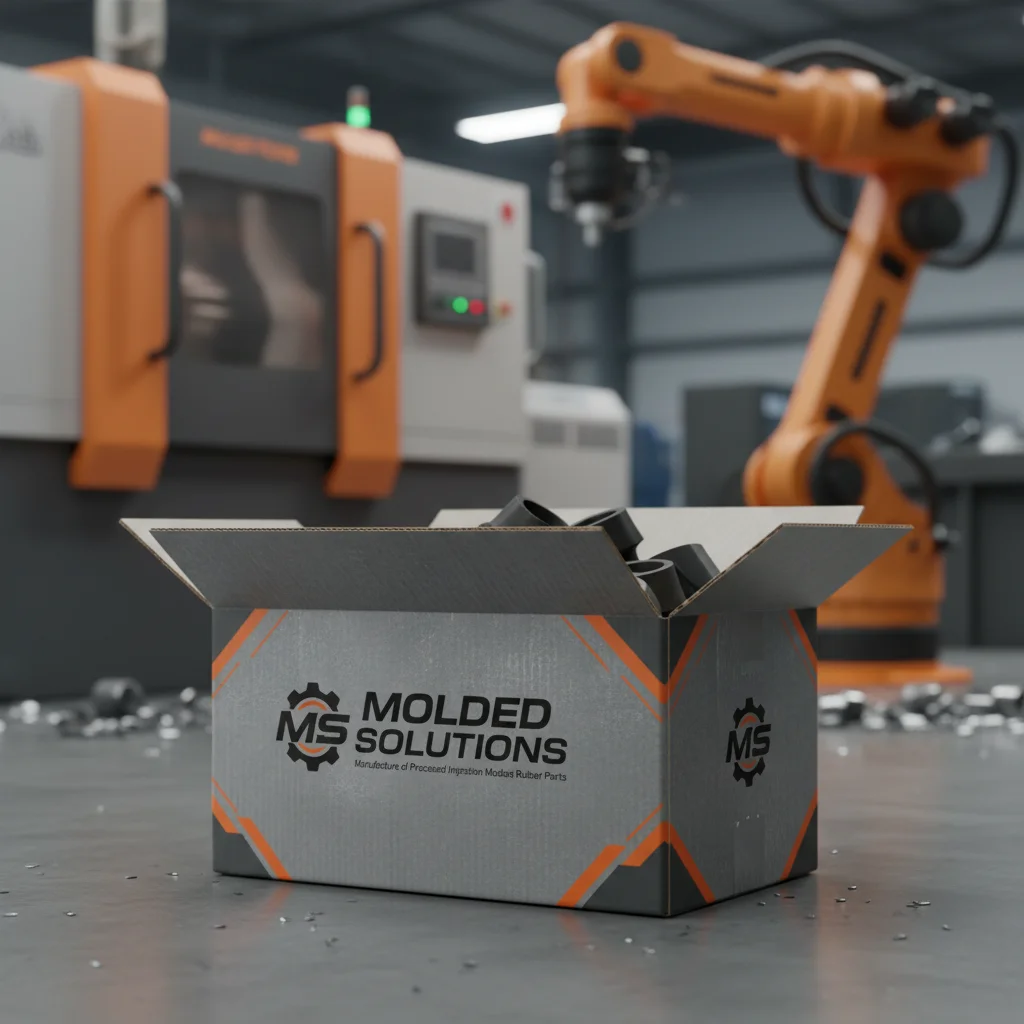
Our factory combines over two decades of OEM/ODM customization expertise with advanced manufacturing infrastructure—55 liquid silicone injection machines and more than 30 precision molding and quality control devices—to guarantee consistent thermal and mechanical performance. Working closely with clients, Yingtai optimizes component design and selects the ideal silicone grades tailored for each unique operating environment.
In this article, you’ll gain critical insights into the operational challenges posed by temperature extremes, understand the technical nuances defining performance, explore real-world application scenarios, and acquire practical procurement tips to secure durable silicone rubber parts that fulfill your project demands.
Common Industry Pain Points & Thermal Resistance Considerations
Thermal Degradation & Elasticity Loss: Typical silicone formulations face molecular breakdown under prolonged exposure above 250°C or suffer embrittlement below -60°C. This impacts seals’ tightness, leading to leakage or mechanical failure.
Misalignment of Material Grades: Procuring a one-size-fits-all silicone part often backfires—specialized compounds such as high-consistency silicone rubber (HCR) or fluorosilicone might be necessary to withstand aggressive heat or low-temperature brittleness.
Overlooked Cross-Contamination & Chemical Exposure: Silicone parts in industrial settings may face oil, fuel additives, or cleaning solvents accelerating thermal failure if not chemically resistant.
Installation & Compression Set Issues: The correct gasket or seal must maintain flexibility without permanent deformation after compression cycles over fluctuating temperatures. Misjudging compression set leads to degraded sealing efficiency.
Supply Chain Delays & Quality Control Gaps: Late deliveries combined with inadequate factory quality insights create risks, particularly in just-in-time (JIT) manufacturing ecosystems.
The Technical Backbone of Thermal Resistance in Silicone Rubber
Silicone rubber’s distinctive siloxane (-Si-O-Si-) backbone provides remarkable flexibility and thermal stability. The key parameters influencing performance include:
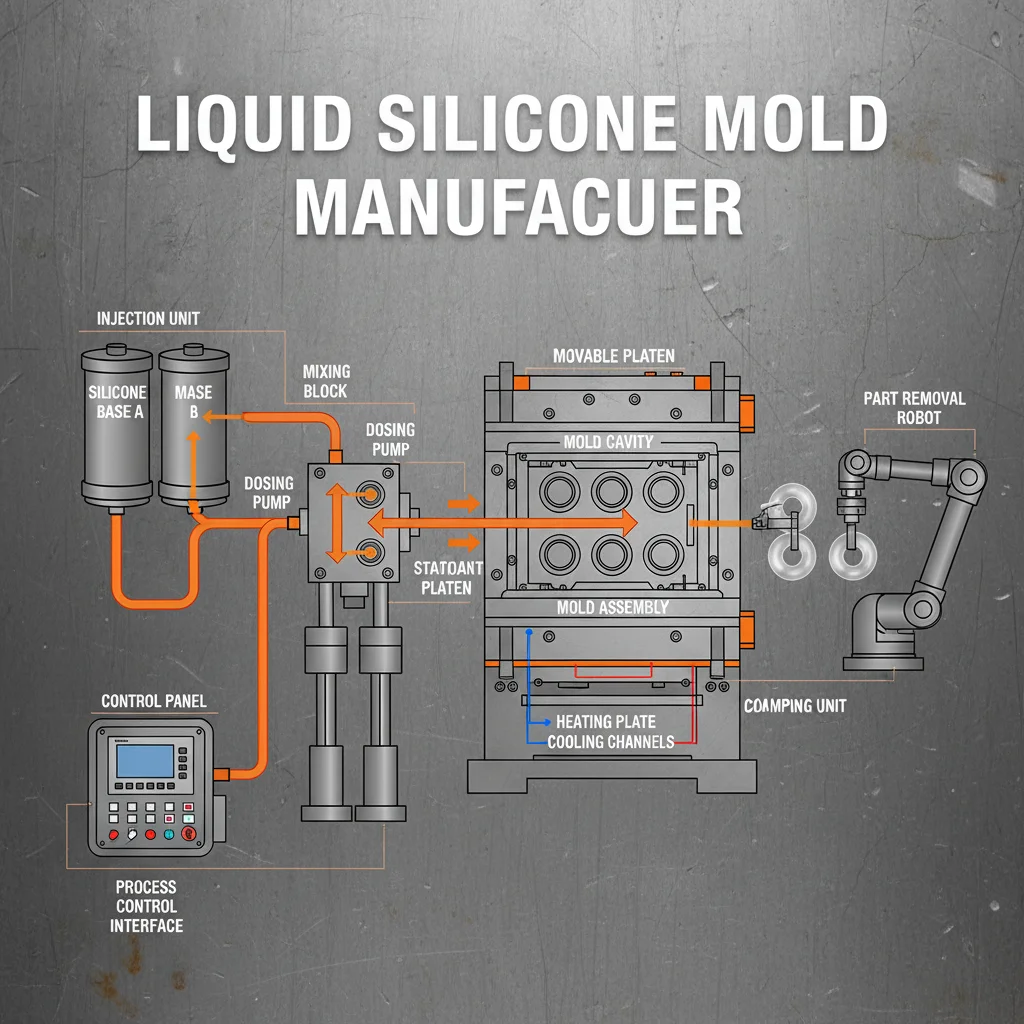
The molding technology also impacts performance. Our factory relies primarily on Liquid Silicone Rubber (LSR) injection molding, which offers superior precision, consistency, and reduced cycle times compared to traditional compression methods.
According to recent industry reports ([Grand View Research](https://www.grandviewresearch.com/industry-analysis/liquid-silicone-rubber-lsr-market)), LSR’s expanding adoption is attributed to its ability to produce intricate shapes with strict dimensional tolerance, critical for thermal-resistant parts.
Applications & Operational Scenarios
Silicone rubber’s versatility makes it a go-to for components exposed to dynamic temperature swings:
Automotive & New Energy Vehicles: Heat shields, valve seals, wire harness grommets, and gasket seals withstand engine heat and cold starts.
Consumer Electronics: Protective seals for laptop hinges, wearable device buttons, smartphone cases requiring UV resistance and temperature tolerance.
Medical Devices: Biocompatible seals and flexible tubing operating under sterilization cycles involving steam and temperature variations.
Household Appliances: Oven door seals, coffee machine parts endure sustained high heat and occasional freezing during transport or cleaning.
Industrial Machinery: Vibration dampeners, flexible connectors resist thermal cycling in heavy-duty environments up to 250°C.
Food Processing: FDA-certified, heat-resistant silicone liners and seals that maintain food safety compliance even at extreme temperatures.
Installation advice: Proper surface preparation and controlled compression rates prevent premature compression set failures under thermal stress. For critical sealing applications, custom tooling ensures exact fit tolerances.
Procurement Guidance & Risk Mitigation
Choosing the right silicone rubber part hinges on understanding thermal performance requirements and operational environments. Here are key procurement principles based on 20+ years of exporting experience:
Specify Temperature Ranges Explicitly: Provide detailed info on minimum/maximum temperatures including transient spikes.
Demand Material Certification & Test Reports: Confirm compliance with ISO 10993 for biocompatibility or relevant ASTM standards.
Assess Compression Set & Mechanical Aging Data: Request compound-specific data at operating temperature cycles.
Use Experienced Suppliers with Proven OEM/ODM Capabilities: Factories, like Yingtai, that leverage integrated industry chains from mold design to testing improve quality control and lead time.
Discuss Logistics Planning Early: Shipping temperature controls during transit prevent distortion especially for large volume orders.
Order Samples to Test Fit and Function: Before mass production, validate parts in simulated thermal cycles.
Risk note: Failure to specify material grade can result in silent failures such as gradual seal loss or mechanical fatigue that is costly and hazardous, particularly in automotive or medical sectors.
Factory Capabilities & Quality Certifications
Our manufacturing campus spans 35,000 square meters in Dongguan, China, equipped with state-of-the-art LSR injection molding lines and precision tooling systems. Key assets include:
55 High-speed LSR mold injection machines
More than 30 precision CNC mold processing centers
Comprehensive testing lab with ASTM and ISO-compliant equipment
Experienced R&D team dedicated to customized silicone formulation
Continuous process improvement focused on reducing flash and material waste
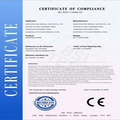
We hold the following key certifications to assure compliance and quality:
ISO 9001 Quality ManagementCE CertificationFDA Approved SiliconeRoHS Environmental Standard
These credentials validate our commitment to internationally recognized standards, essential for global OEMs seeking reliable thermal silicone parts with traceable quality.
Frequently Asked Questions
Q: What temperature ranges can your silicone parts endure?
Standard grades maintain elasticity between -60°C and +250°C. For applications above 250°C, specialized high-temperature silicones or fluoro-silicones may be required.
Q: How do you minimize compression set in sealing applications?
We select formulations with optimized crosslink density and use state-of-the-art curing processes. We also conduct long-term compression aging tests simulating customer environments to ensure minimal permanent deformation.
Q: Can you customize silicone hardness and color?
Absolutely. Shore hardness from 20A to 80A is available, and color customization complies with industry-specific certifications and UV resistance requirements.
Q: What is typical lead time for production?
For standard designs, production lead times average 3-4 weeks. Custom molds may add 4-6 weeks depending on complexity. We also facilitate rapid prototyping with LSR injection molding technologies.
Q: Do you support OEM and ODM services?
Yes. Our integrated mold design and manufacturing capabilities allow full OEM/ODM customization, including iterative prototyping and tooling optimization for demanding thermal applications.
Customer Testimonials
James Watson, Procurement Manager, Illinois
“Yingtai provided us with silicone seals that withstood cold winters and engine heat cycles in our electric vehicles. Their technical team guided us through material grades and testing, avoiding costly failures we’d seen before.”
Get in Touch
If you have any camping barbeque equipment inquiry, please feel free to contact us.





 James Watson, Procurement Manager, Illinois