Silicone Rubber Sealing Products For New Energy Electric Vehicles
Silicone Rubber Sealing Products For New Energy Electric Vehicles
Advanced sealing solutions tailored for electric vehicle manufacturers seeking durability, precision, and performance in the evolving green mobility market. The rapid transition to new energy electric vehicles (NEEVs) demands sealing solutions that go beyond
Product Details
Silicone Rubber Sealing Products for New Energy Electric Vehicles
Advanced sealing solutions tailored for electric vehicle manufacturers seeking durability, precision, and performance in the evolving green mobility market.
Industry Pain Points in EV Sealing
The rapid transition to new energy electric vehicles (NEEVs) demands sealing solutions that go beyond traditional automotive requirements. Procurement directors and production managers consistently face challenges with seals that fail prematurely due to extreme temperature fluctuations, chemical exposure, and complex assembly geometries. With battery packs, inverters, and high-voltage wiring systems becoming more sophisticated, sealing components play a critical role in vehicle safety and longevity.
Traditional rubber seals often suffer from accelerated wear under the high operating temps and exposure to battery electrolytes or cooling fluids. This results in increased warranty costs and downtime. Also, inconsistent seal compression can lead to air or moisture ingress — risking corrosion or battery damage. For operations managers especially, this means frequent audits, more downtime, and heightened failure rates.
From an importer's perspective, long lead times and unpredictable quality from overseas suppliers further complicate inventory management. The procurement process must balance cost, performance, and delivery reliability — a tough combination without deep supply chain visibility. Additionally, complex OEM/ODM customization requests for specific durometer grades or geometry further extend production cycles.
In essence, the dominant industry pain points revolve around material endurance under harsh environments, precision manufacturing tolerances, and supplier consistency. Buyers now seek solutions that align with the stringent ISO 16232 cleanliness requirements, UL 94 flammability standards, and industry certifications such as ISO/TS 16949 relevant to automotive components.
Technical Deep Dive into Silicone Rubber Seals
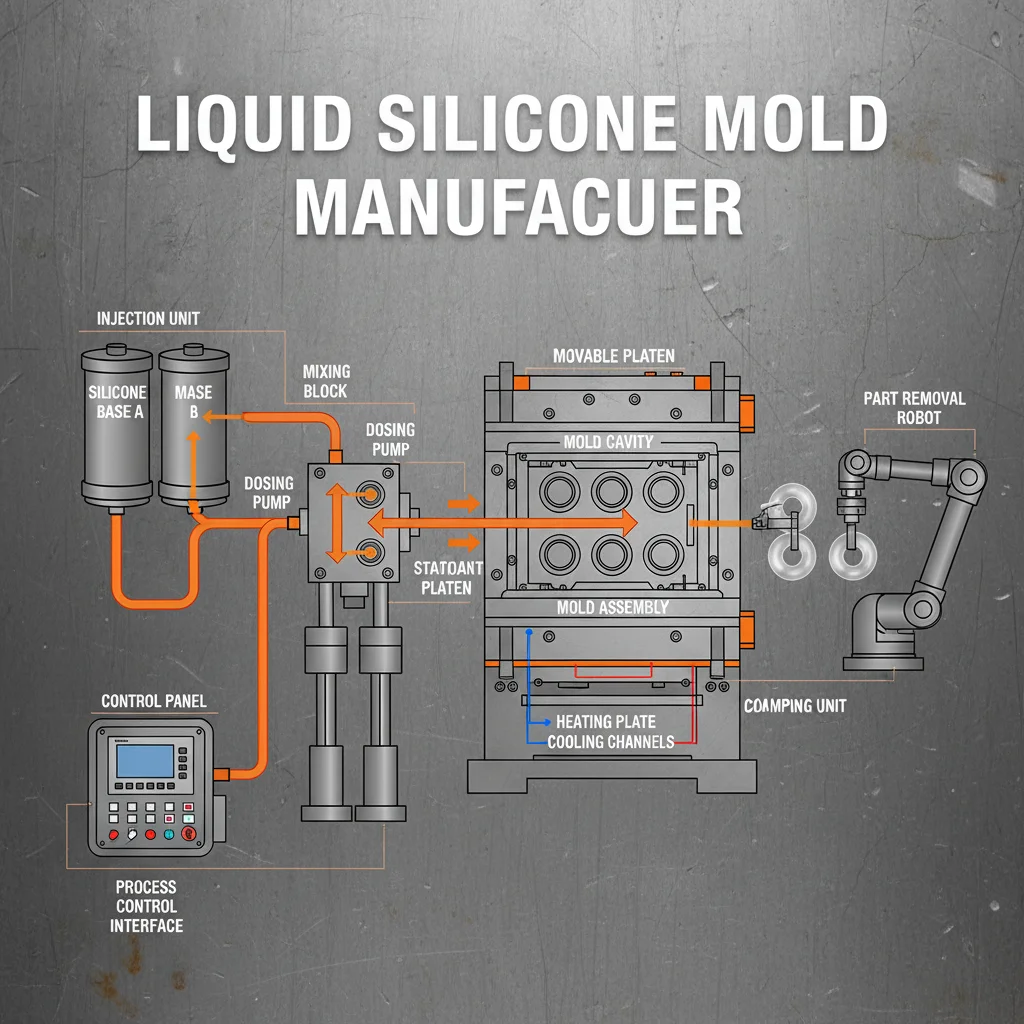
Silicone rubber used in NEEV sealing is generally Liquid Silicone Rubber (LSR), a two-component system optimized for injection molding. LSR offers exceptional thermal stability ranging from -60°C up to +230°C continuous service, far surpassing natural and synthetic elastomers commonly used in automotive seals. Its inherent UV resistance and ozone stability make it well suited for under-hood applications and exterior sealing.
LSR seals benefit from crosslinked polydimethylsiloxane (PDMS) chemistry, delivering excellent flexibility and compression set resistance even after thousands of load cycles. This is crucial where sealing surfaces encounter vibration and flexing in EV battery housings or door gaskets.
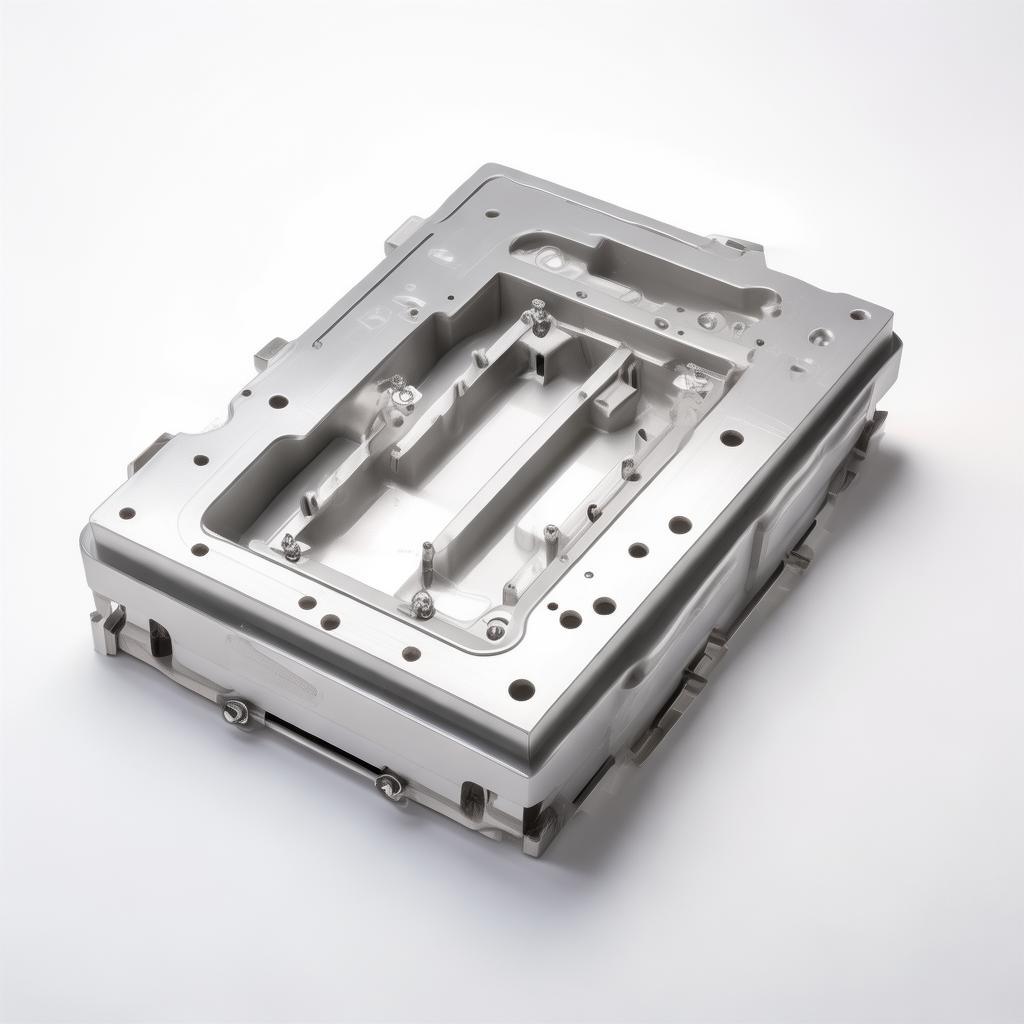
Mold design for LSR is another critical aspect. Injection molding machines equipped with liquid silicone tooling guarantee tight dimensional tolerances, minimal flash, and complex geometries with integrated undercuts or snap-fits. Recent advancements in mold cooling channels and venting — as reported by Fraunhofer research (Reducing Waste in Liquid Silicone Rubber Process Chains) — lead to higher cavity sealing efficiency and less material waste.
Moreover, multi-shot injection molding processes enable overmolding LSR seals onto rigid substrates like ABS for composite parts, delivering integrated seals with excellent bonding. Relevant studies from MDPI highlight interface reliability impacts through temperature and surface treatments.
Key Product Advantages
Extreme temperature endurance: Maintains elasticity and sealing integrity from -60°C to 230°C.
Chemical resistance: Withstands exposure to battery electrolytes, coolant fluids, oils, and atmospheric agents.
Precision molding: Tight dimensional control (±0.05 mm) enables perfect fit in battery casings and motor housings.
High durability: Excellent compression set and fatigue resistance ensure long lifecycle alignment with EV components' service.
Customization capability: OEM/ODM designs ranging from complex cross-sections, integrated metal inserts, to dual-hardness profiles.
Compliance certified: ISO 16232, RoHS, UL 94 V-0 flame retardancy, and automotive-grade raw materials ensure regulatory adherence.
Advanced molding technologies: Including vacuum-assisted injection to prevent micro-voids and improve seal integrity.
Many operations managers remark that switching to LSR seals from traditional EPDM or NBR reduces warranty-related failures significantly over 12-18 months post-installation.
Technical Specifications Overview
Parameter
Typical Value
Notes
Material Type
Liquid Silicone Rubber (LSR)
Grade suitable for automotive seals
Shore Hardness (A)
35 – 75
Customizable per application requirement
Thermal Range
-60°C to 230°C
Continuous operating temperature
Compression Set (%)
< 20% after 70 hrs @ 150°C
Superior resilience
Tensile Strength (MPa)
6 – 10
Excellent for flexible sealing profiles
Tear Strength (kN/m)
15 – 30
Supports dynamic sealing zones
Certifications
ISO 16232, RoHS, UL 94 V-0
Compliant with automotive industry standards
Typical Lead Time
4 – 6 weeks
For standard profiles, OEM/ODM may require additional time
Installation of silicone rubber seals in electric vehicles demands precise handling due to their flexible and soft nature. Operations managers should note that improper installation can lead to seal deformation, compromising the sealing interface and increasing the risk of contamination or ingress.
It’s often advisable to equip assembly lines with automated seal placement tools or fixtures tailored for the specific seal profile. This minimizes manual errors and speeds up cycle times, especially during high-volume production runs.
Maintenance-wise, proper cleaning protocols should avoid aggressive solvents or abrasive handling that could degrade the silicone material over time. The durability of LSR seals means interval checks are typically required only during major vehicle overhauls, reducing lifecycle maintenance costs.
From procurement's perspective, understanding installation conditions can guide material selection. For example, seals subjected to repetitive flexing in door or hatch applications may benefit from slightly softer shore hardness grades, while those sealing battery packs require higher durometers for compression resistance.
Procurement & Supplier Evaluation
Selecting a reliable supplier for EV silicone rubber seals goes beyond price comparisons. Given the technical complexity and safety-critical nature of these components, buyers and supply chain managers should thoroughly assess manufacturing capabilities, quality control systems, and delivery performance.
Certifications Verification: Ensure ISO 9001, IATF 16949, and industry-relevant testing certificates are current.
Production Capacity: Verify mold tooling expertise, injection molding machine count, and precision tooling availability.
Sample Testing: Request free or paid samples to perform in-house aging, compression set, and chemical resistance tests.
Lead Time Transparency: Confirm realistic delivery schedules factoring in QC and buffer stock for high-volume orders.
OEM/ODM Support: Collaborate with suppliers capable of custom design, prototyping, and rapid mold modifications.
Supply Chain Risk Mitigation: Prefer suppliers with export experience, freight collaboration (including container loading optimization), and stable logistics partnerships.
Technical Support: Choose suppliers offering engineering consultation during design and troubleshooting phases.
Practical advice: Avoid short-term deals that lack long-term partnership potential. Suppliers embedded in modern industrial parks with advanced testing labs and over 20 years of dedicated experience are generally more dependable.
Real-World Customer Feedback
Michael T., Operations Manager, California EV Manufacturing
“Switching to Yingtai’s silicone sealing solutions improved our battery enclosure lifespan notably. Their seals hold up well in extreme temperature testing and have decreased our defect rates on assembly lines by roughly 30%. The technical team was responsive during customization, ensuring the seal profile matched our unique battery pack design.”
Get in Touch
If you have any camping barbeque equipment inquiry, please feel free to contact us.



 Michael T., Operations Manager, California EV Manufacturing