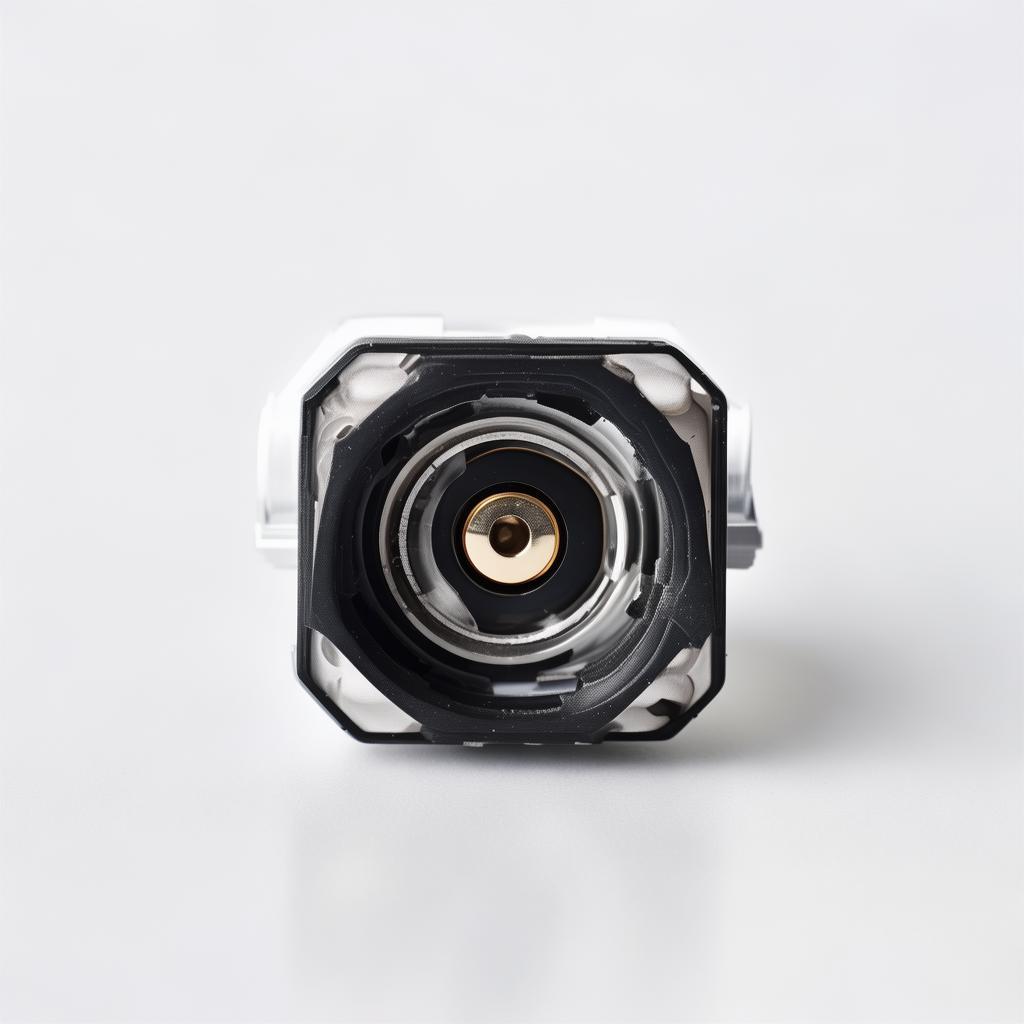
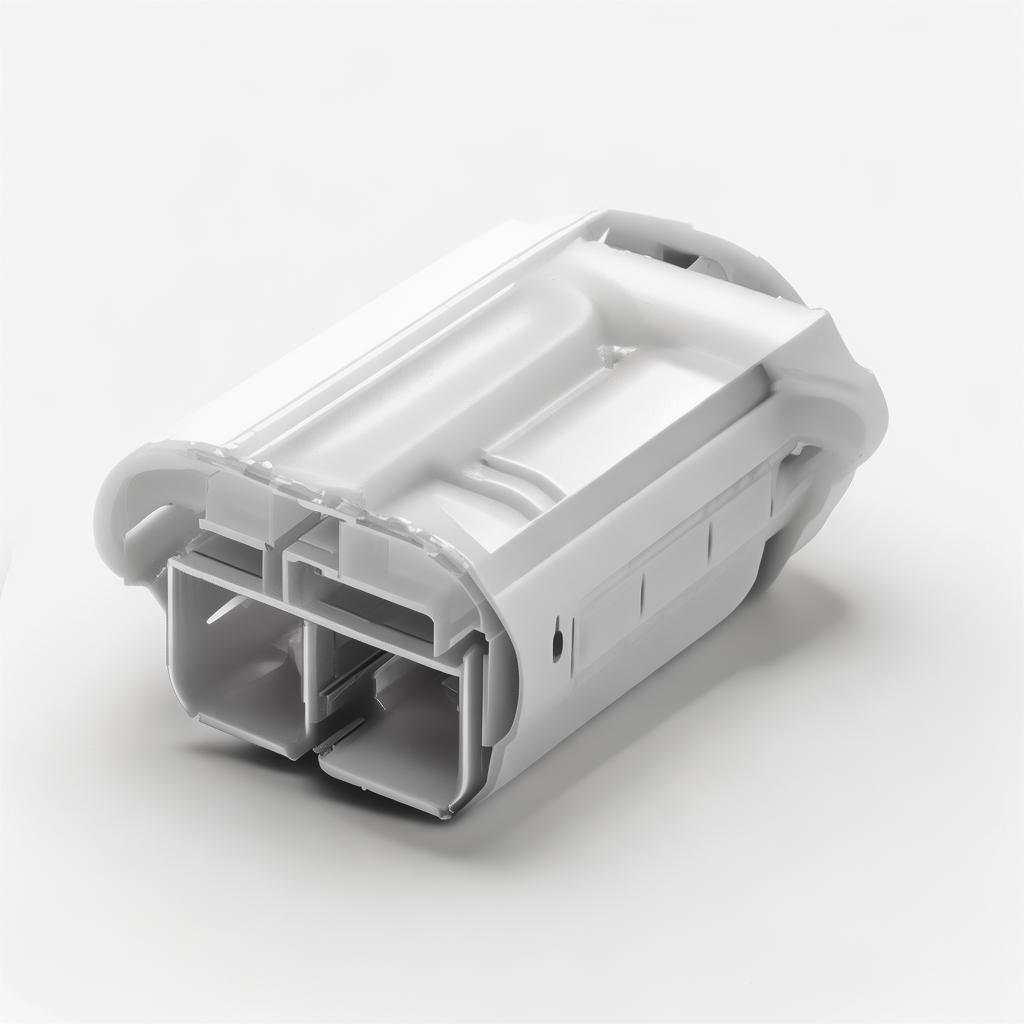
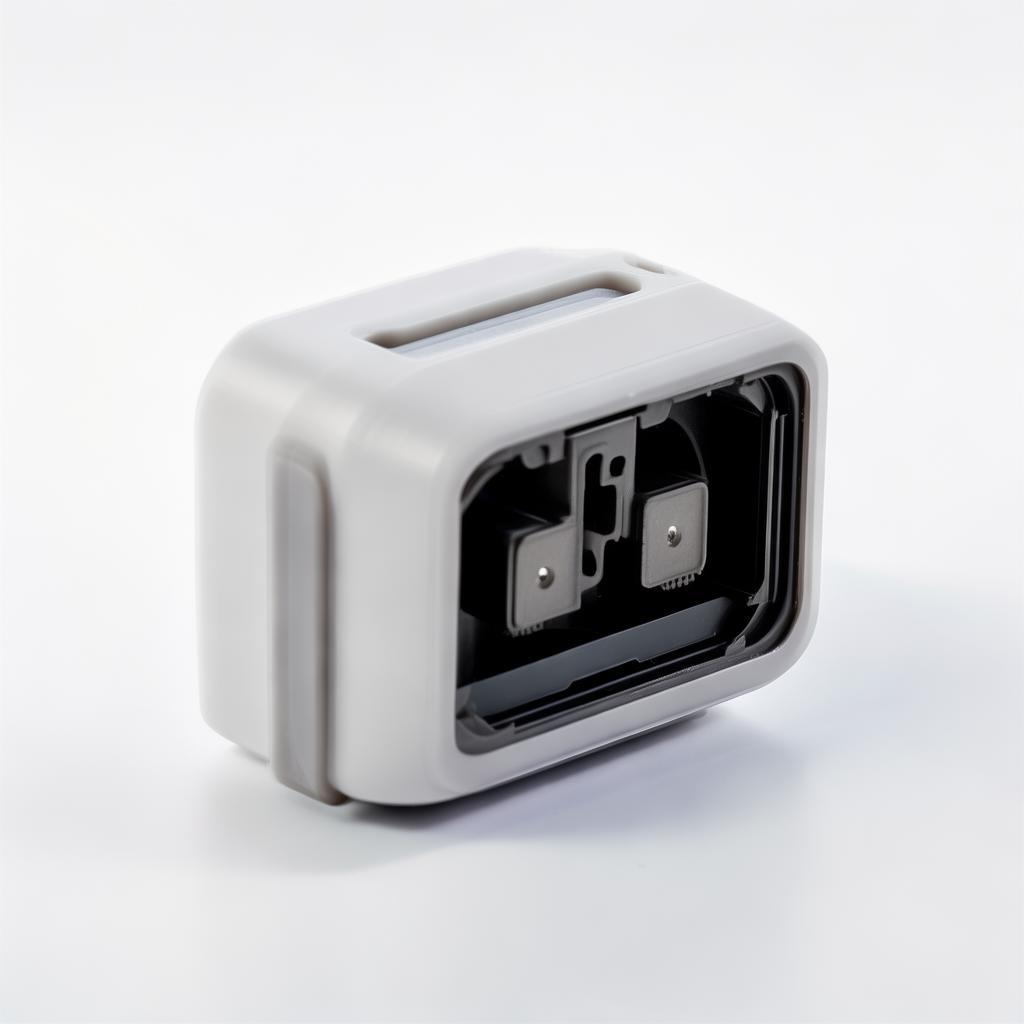
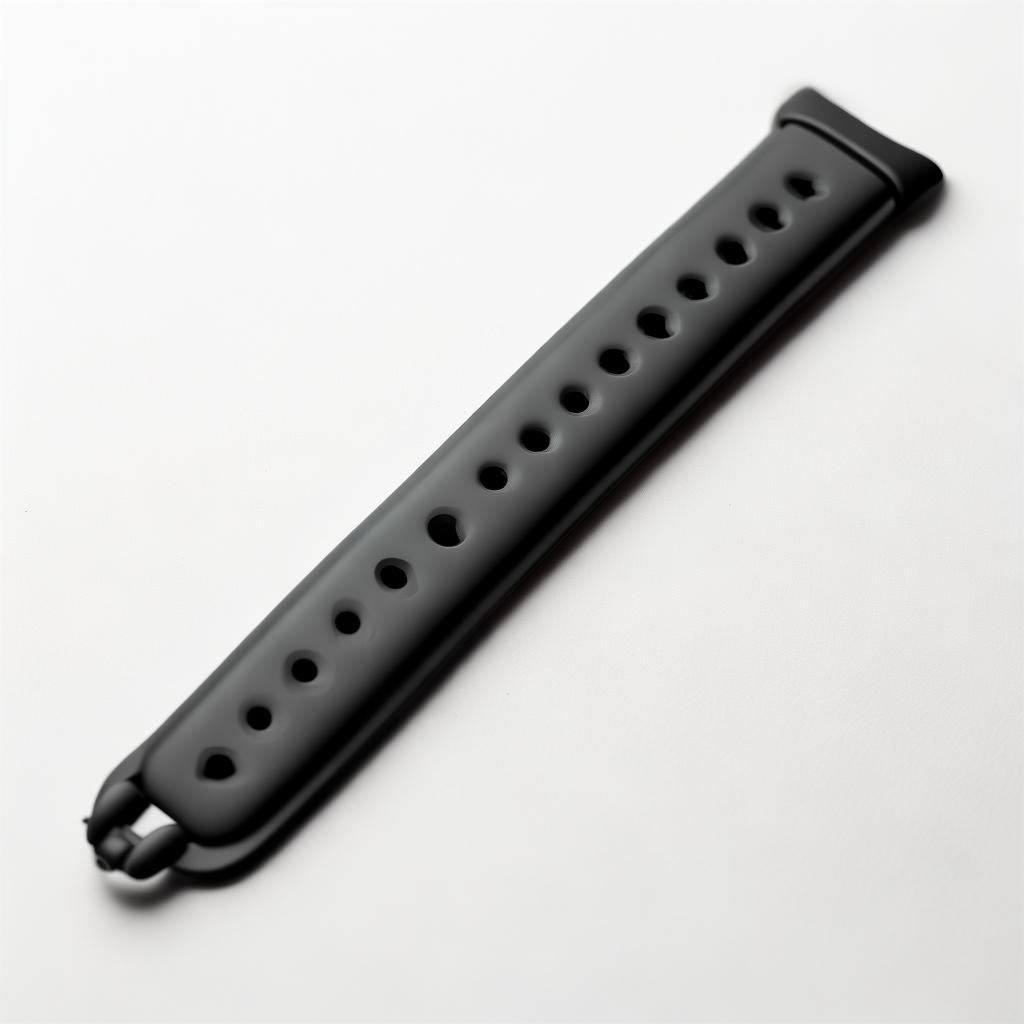
Silicone Waterproof Products: Durable Solutions for Global Industrial Applications
Precision-engineered silicone waterproof components perform crucial roles across automotive, electronics, and heavy industry — offering reliable sealing, UV resistance, and chemical stability in the toughest conditions.
Understanding Industry Challenges with Waterproof Silicone Components
Across sectors like automotive assembly, outdoor electronics, and home appliances, waterproofing remains a persistent hurdle. With harsh environmental exposures — from UV radiation and corrosive chemicals to rapid temperature cycles — choosing the right sealing material takes on critical importance.
Many procurement specialists face issues like premature seal degradation, cracking under pressure, or poor adhesion to complex substrates. For example, common materials such as EPDM or neoprene often fail to sustain long-term flexibility or resistance to oils and solvents found in automotive environments.
Silicone waterproof products have emerged as a leading solution—balancing elasticity with chemical stability and thermal endurance. Yet, not all silicones deliver equal performance. Variability in curing methods, silicone grade, and molding precision can significantly affect product reliability.
This makes supplier expertise and manufacturing process critical. Many incoming inquiries overlook technical nuances and settle for insufficient grades or improper molding, leading to returns and costly production downtimes.
Operational insight: Procurement managers should factor in lifecycle performance and maintenance frequency when selecting silicone waterproof parts, especially for large-scale production or mission-critical applications.
Technical Insights into Silicone Waterproofing
Silicone waterproof products are primarily produced using liquid silicone rubber (LSR) injection molding — a process that enables high precision and repeatability ideal for complex seals and gaskets. According to the Grandview Research 2030 report, LSR demand stems largely from its outstanding biocompatibility, heat resistance (typically from −50°C to +230°C), and chemical inertness.
Silicone’s molecular structure provides exceptional resistance to weathering, ozone attack, and UV degradation, making it widely preferred for outdoor waterproofing applications. An important consideration is the silicone grade:
- Medical-grade LSR: Known for purity and biocompatibility, but usually over-specified for industrial sealing unless required.
- Industrial-grade LSR: Optimized for heat and chemical resistance, commonly used in automotive and appliance seals.
- Food-grade LSR: Suitable for kitchenware and consumer product seals, compliant with FDA and LFGB.
Injection mold design is key to quality waterproof silicone parts. Specialized venting and gating techniques reduce flash defects and ensure airtight seals critical for waterproofing tasks.
Importantly, the curing and vulcanization parameters directly affect material elasticity and tensile strength, impacting seal lifespan under repeated stress cycles. Innovative process improvements include vacuum-assisted molding to reduce internal bubbles, as documented by Springer research on soft robotics manufacturing.
Silicone Waterproof Products: Key Advantages and Material Comparison
Silicone waterproof seals and gaskets stand out for several compelling reasons that drive high-value ROI in demanding supply chains:
- Unmatched Flexibility: Even at low temperatures, silicone maintains elasticity.
- Exceptional Thermal Stability: Resistant through temperature swings from deep cold to intense heat.
- Chemical Resistance: Tolerates oils, detergents, UV, and ozone exposure without degradation.
- Long Service Life: Lower maintenance frequency versus rubber or plastic alternatives.
- OEM/ODM Customization: Enables tailored solutions for specific industry standards including RoHS, CE, and FDA where applicable.
| Material | Temperature Range (°C) | UV Resistance | Chemical Resistance | Typical Applications |
|---|---|---|---|---|
| Silicone (LSR) | -50 to +230 | Excellent | Excellent for oils & detergents | Automotive seals, electronics, medical |
| EPDM Rubber | -40 to +150 | Good | Fair against oils | General industrial gaskets |
| Neoprene | -30 to +120 | Fair | Moderate | Marine seals, general purpose |
Silicone waterproof accessories Silicone waterproof parts Waterproof liquid silicone manufacturer
For buyers prioritizing longevity combined with stable waterproof performance in extreme conditions, LSR silicones outperform typical elastomers — a fact confirmed repeatedly in industry testing.
Practical Applications & Installation Considerations
Silicone waterproof products are widely deployed across industries requiring airtight seals paired with mechanical durability:
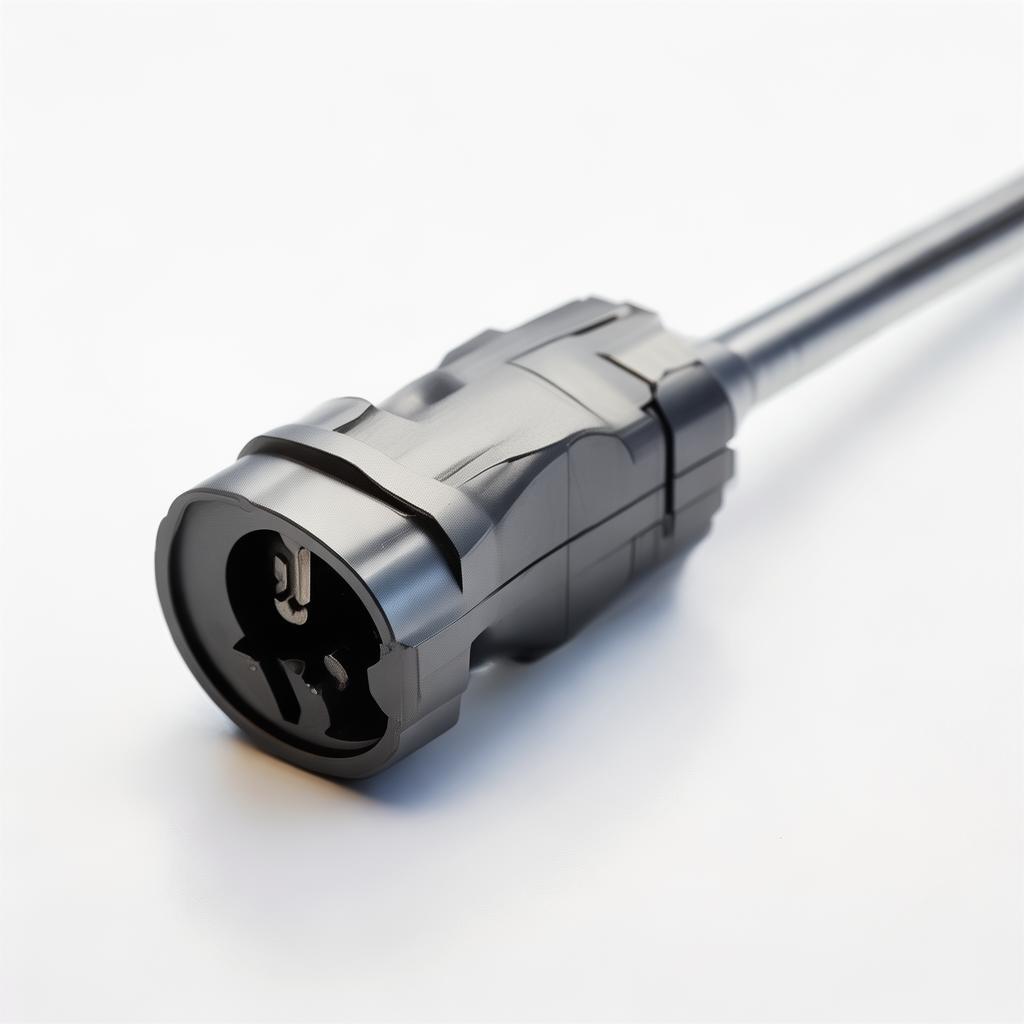
- New energy vehicles: Waterproof gaskets for battery packs and electric motor assemblies.
- Consumer electronics: Seals for smartwatches, communication devices, and underwater cases.
- Industrial household devices: Washing machines, outdoor lighting fixtures, and HVAC components.
- Medical and healthcare equipment: Sealing in diagnostic devices, respirators, and wearable sensors.
Installation notes: Precise mating surface preparation remains a key success factor. Surfaces must be clean — free from oil, dust, and oxidation — to ensure proper silicone adhesion or mechanical fit. Silicone parts usually integrate via snap-fit, adhesive bonding, or overmolding directly onto electronic housings or metal frames.
Misaligned installation or aggressive chemical exposure can compromise seals prematurely. Selecting UV-resistant grades for outdoor use, and verifying chemical compatibility with intended solvents, often saves mid-cycle replacements.
For repeat maintenance cycles, it’s wise to keep replacement seals in stock and follow manufacturer guidelines for torque and compression to avoid seal deformation.
Procurement Best Practices & Risk Mitigation
From an international procurement standpoint, partnering with an experienced silicone waterproof product supplier can make or break supply chain stability. Some tips:
- Certifications Check: Verify ISO 9001 quality management, CE, RoHS compliance, and any industry-specific accreditations.
- OEM/ODM Capability: Choose suppliers offering mold development and design assistance, reducing costly iterations.
- Sampling & Testing: Insist on prototype samples with full material data sheets and perform real-world exposure tests if feasible.
- Lead Time Clarity: Clarify production cycle, tool modification turnaround, and capacity for urgent orders.
- Logistics Coordination: Confirm shipping options including container loading plans, packaging integrity, and customs clearance support.
- Supplier Transparency: Prefer manufacturers with transparent factory tours, audit reports, and engineering support, as these correlate strongly with on-time, defect-free deliveries.
Procurement insight: Improper silicone grade selection or inadequate mold design can add several weeks in production raids, increase defect rates, and balloon rework costs. Establishing upfront technical alignment with suppliers pays dividends.
Guangdong Yingtai High Precision Technology Co., Ltd. — Factory Strength & Certifications
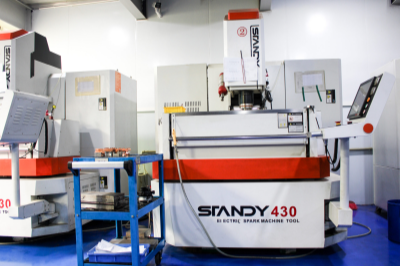
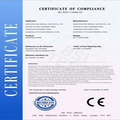
With over 20 years specializing in liquid silicone and overmolded waterproof seals, Guangdong Yingtai operates a cutting-edge industrial park spanning 35,000 square meters, located in Dongguan. Equipped with 55 LSR molding machines, 80 automatic injection molding machines, and advanced testing equipment, Yingtai ensures consistent quality and scale.
The factory’s proprietary intellectual manufacturing system controls the entire chain from mold design to finished product assembly. Staffing a skilled team of 500+, Yingtai supports OEM & ODM projects delivering customized waterproof silicone products tailored for automotive, consumer electronics, and industrial applications.
All processes align with ISO 9001 and industry-specific protocols. The facility undergoes regular audits and adheres to RoHS, CE, and FDA compliance where necessary, supporting export to the USA, Europe, and global B2B markets.
Frequently Asked Questions (FAQ)
- Q1: What typical lead time should I expect for silicone waterproof product orders?
- Standard production cycles range between 25-40 days depending on order size and mold availability. Prototype samples typically deliver within 15-20 days. We recommend confirming lead times with your supplier before placing large orders, especially when tooling changes are involved.
- Q2: How does silicone waterproofing compare with traditional rubber solutions?
- Silicone offers superior temperature tolerance, UV stability, and chemical resistance. It often extends seal life and reduces maintenance intervals, though upfront cost per unit tends to be higher than EPDM or neoprene. Selection depends on specific application conditions.
- Q3: What installation considerations are crucial for maintaining waterproof integrity?
- Proper mounting surface preparation is essential. Surfaces must be clean and smooth; avoid contaminants that impair adhesion or sealing. Also, avoid over-compressing silicone seals which can cause permanent deformation.
- Q4: Can these products be customized to meet specific dimensional or certification requirements?
- Yes, OEM and ODM services are standard, including mold development, tooling modifications, and packaging customizations. Industry certifications can be integrated where applicable.
- Q5: Are silicone waterproof parts recyclable or environmentally friendly?
- Silicone is durable and inert, reducing waste through longevity. Recycling is challenging due to vulcanization, but emerging programs for silicone product reuse are growing. For eco-conscious procurement, evaluate lifecycle impacts alongside sustainability initiatives.
Customer Reviews

Procurement Manager, Auto Renew Corp - Detroit, USA
"Switching to Guangdong Yingtai’s silicone waterproof seals reduced our battery pack failures noticeably. The consistent LSR quality and timely delivery met our stringent automotive specs. Installation teams appreciate how flexible yet durable the seals are around complex shapes."

Lead Engineer, BlueWave Electronics - San Francisco, USA
"We required high-precision waterproofing for advanced wearable sensors with strict biocompatibility needs. Yingtai’s medical-grade LSR products delivered excellent tactile feel and environmental resistance. Their responsiveness made ODM modifications easy."

Operations Director, HomeEase Appliance - Chicago, USA
"We appreciated Yingtai’s assistance in designing custom silicone seals for our outdoor appliances. The durability under UV and detergent exposure was impressive — leading to fewer warranty claims and easier maintenance for our field technicians."
Connect With Our Expert Team
For tailored quotes, OEM/ODM options, or technical consultations on silicone waterproof products, contact Miss Zhang — our Senior Export Director — who brings over fifteen years of procurement experience in international trading of precision silicone components.
- Phone: +86 17722437688
- Fax: +86 0769-83666863
- Email: zmm@yingtai168.com / lh@yingtai168.com
- WhatsApp: +86 17722437688
- Address: No. 359 Chang'an Bubugao Road, Chang'an Town, Dongguan City, Guangdong Province, China
- Visit our contact page for more info