Reliable, Flexible Solutions for Sustainable Automotive Sealing & Protection The surge in new energy vehicles (NEVs) — including electric and hybrid cars — is reshaping the automotive sector worldwide. With growing environmental regulations and
Product Details
Silicone Waterproofing for New Energy Vehicles
Reliable, Flexible Solutions for Sustainable Automotive Sealing & Protection
Industry Overview & Market Trends
The surge in new energy vehicles (NEVs) — including electric and hybrid cars — is reshaping the automotive sector worldwide. With growing environmental regulations and consumer shift towards eco-friendly mobility, manufacturers are under pressure to enhance the durability and performance of vehicle components.
Silicone waterproofing has emerged as one of the most critical technologies supporting this transition. According to the Liquid Silicone Rubber Market Size Report, 2030, the use of liquid silicone rubber (LSR) in automotive applications such as sealing, gasketing, and protective components is expected to grow steadily, driven by high thermal resistance and exceptional flexibility.
Industry players are increasingly adopting precision injection molding for LSR waterproof seals, ensuring consistent quality and scalability. This aligns well with the evolving NEV design requirements, where components face exposure to various environmental extremes — from high voltage electronics needing protection against moisture, dust, and temperature fluctuations, to battery compartments requiring airtight seals to enhance safety.
Asian manufacturers currently account for a significant share in the silicone waterproofing materials market, but North America and Europe are rapidly expanding, especially with stringent automotive standards such as IP67 & IP69K ingress protection ratings becoming baseline criteria. Guangdong Yingtai High Precision Technology Co., Ltd., located in Dongguan, China, stands out as a reliable partner offering OEM/ODM expertise in this domain, with over 20 years of industrial experience and a fully integrated manufacturing ecosystem. Their extensive portfolio supports cutting-edge NEV sealing applications at competitive lead times.
Key Challenges in NEV Waterproofing
Thermal Expansion & Contraction: NEVs experience fluctuating temperatures, which can compromise traditional sealants due to cracking or losing elasticity.
High Voltage Safety: Waterproofing around battery packs and electric motors must meet rigorous safety standards to prevent short circuits or corrosion.
Aging & UV Exposure: Prolonged exposure to sun, moisture, and chemicals erodes conventional waterproofing materials faster, reducing lifecycle.
Complex Geometries: Modern vehicle designs call for intricate sealing solutions that conventional rubber molds cannot address efficiently.
Supply Chain Risks: Fluctuations in delivery times and material quality inconsistency impact production schedules.
Addressing these pain points requires materials and manufacturing processes that combine mechanical resilience, chemical inertness, and precision molding capabilities.
Technical Deep Dive: Silicone Waterproofing Materials
Liquid Silicone Rubber (LSR) is the frontline material choice for waterproofing in new energy vehicles. Its unique polymer structure offers:
Wide temperature tolerance (typically −60°C to +230°C), maintaining elasticity in freezing or overheating conditions
Outstanding chemical resistance against fuels, oils, and battery electrolyte leakage
UV and ozone resistance that prevents cracking and hardening during prolonged exposure
Excellent electrical insulation, especially critical for encasing high-voltage systems
Low compression set ensuring long-term sealing performance under continuous pressure
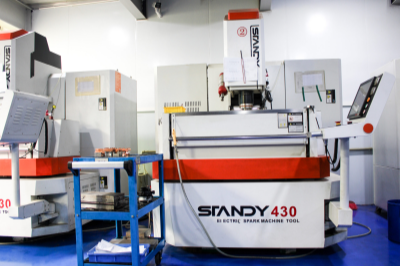
Yingtai's factory uses advanced liquid injection molding machinery with a fleet of 55 sets of liquid silicone molding machines and precision mold processing equipment. This enables them to produce intricate, reliable seals with tight dimensional tolerances matching IP67/IP69K standards.
Property
Typical Value
Description
Hardness (Shore A)
30–80
Adjustable to application for flexibility or rigidity
Tensile Strength
7–12 MPa
Ensures durability under mechanical stress
Elongation at Break
250–600%
High elasticity for sealing irregular surfaces
Thermal Conductivity
~0.2 W/mK
Supports heat dissipation in electronic enclosures
Sources: Grandview Research, Research Nester, Market.us (see references in footer)
Application Scenarios in New Energy Vehicles
Silicone waterproofing solutions are integral to various NEV subsystems, including:
Battery Pack Sealing: Protects lithium-ion cells from moisture-induced short circuits and corrosion, crucial for maintaining battery lifespan.
Electric Motor Enclosures: Ensures ingress protection from dust and water, mitigating risks of electrical faults and improving reliability.
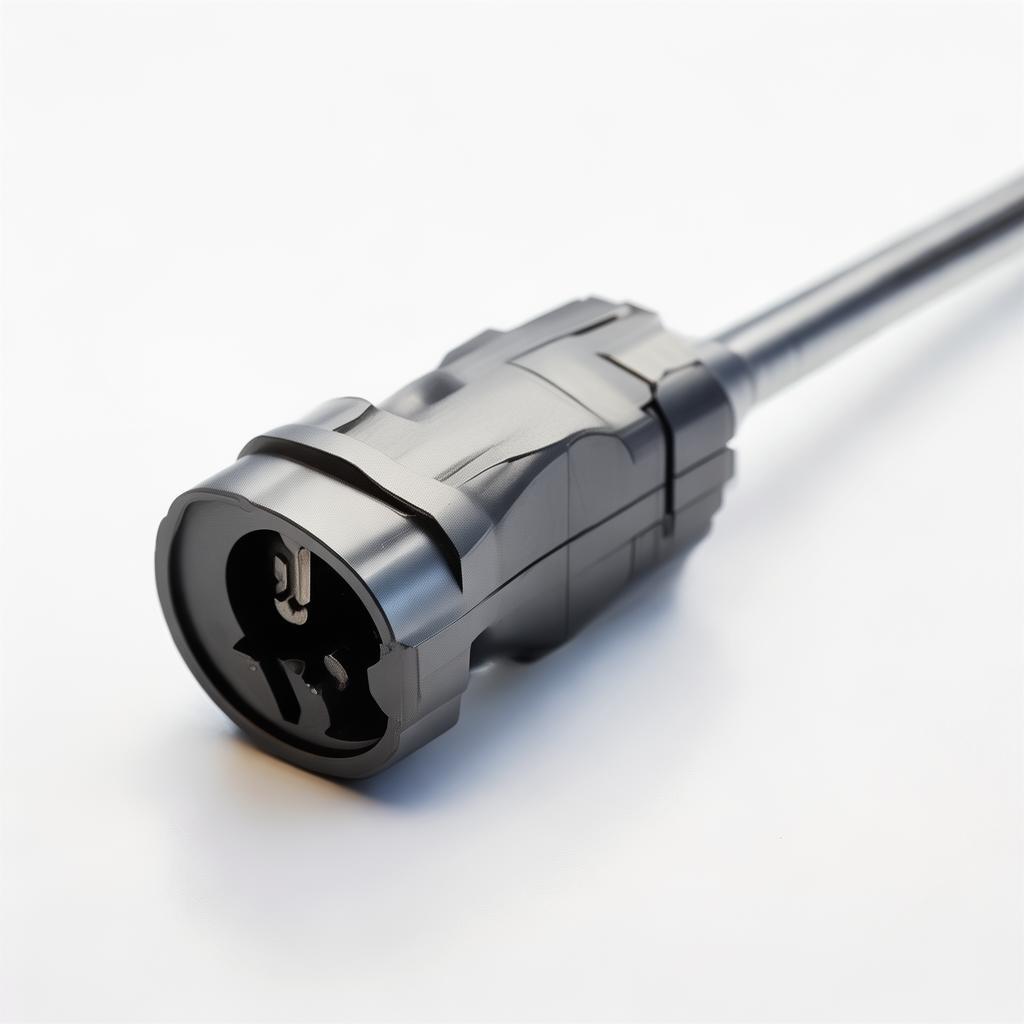
Connector & Cable Waterproofing: Flexible overmolding around electrical connectors prevents contact degradation in harsh environments.
Charging Port Protection: Durable seals keep saltwater, rain, and debris out, ensuring charging efficiency under outdoor conditions.
Sensor & Camera Seals: Maintain integrity of autonomous driving hardware, supporting precision electronic function under extreme weather.
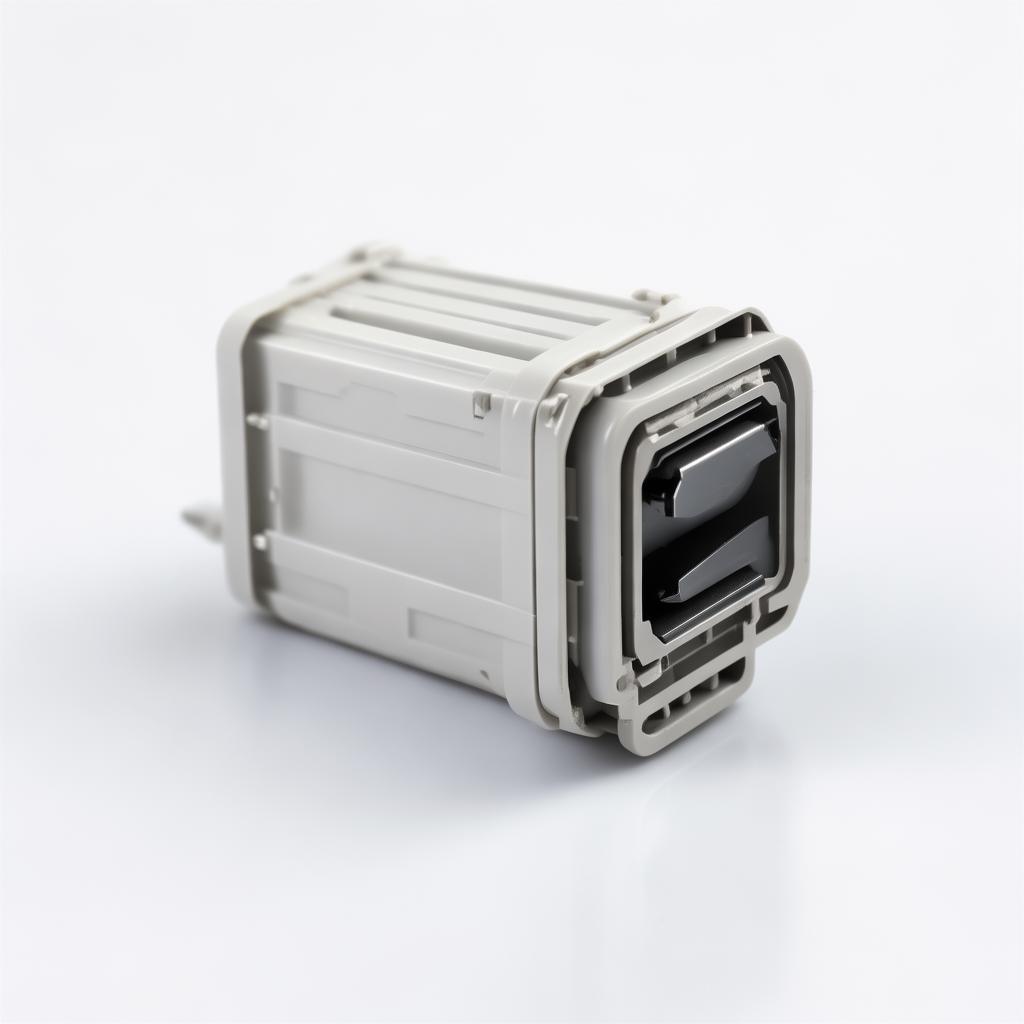
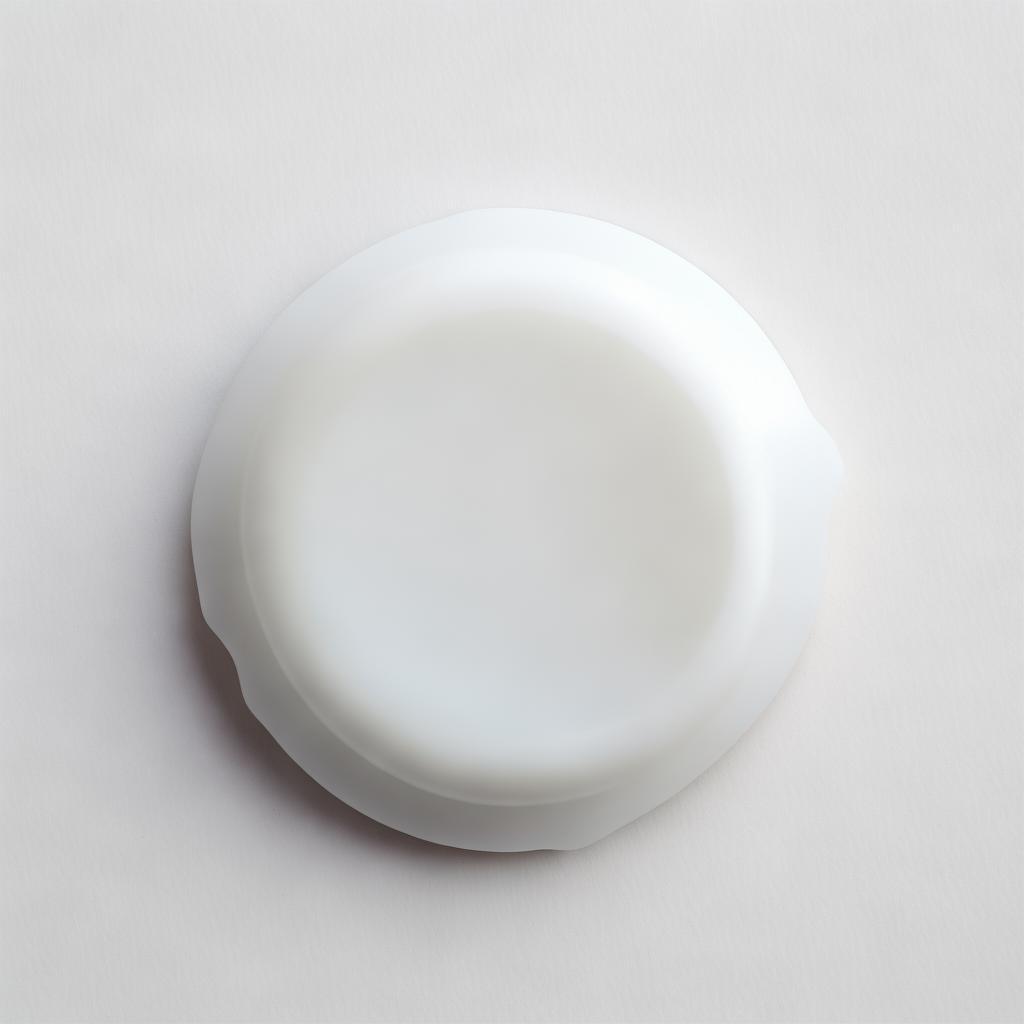
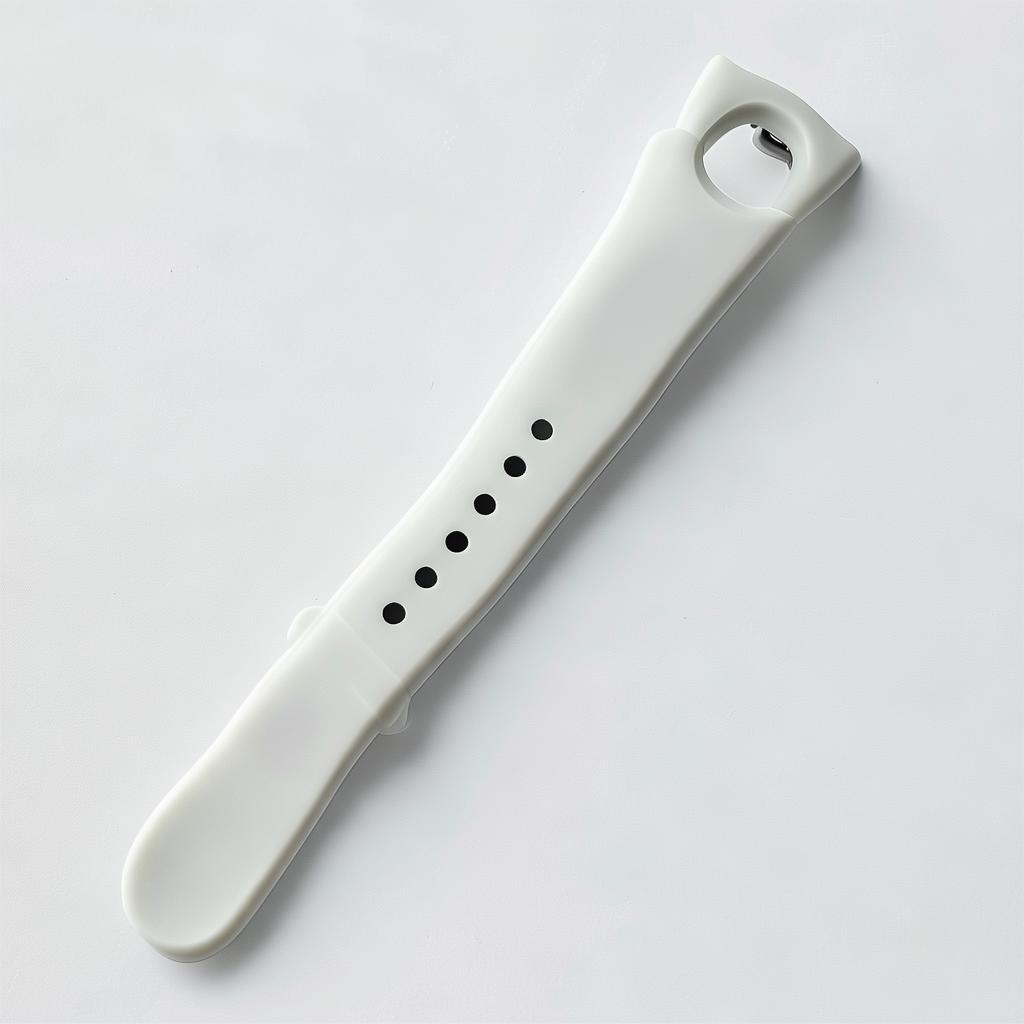
Overmolded silicone seals manufactured for NEV waterproofing applications.
Procurement Guidance & Supplier Evaluation
Selecting the right supplier for silicone waterproofing parts is as critical as choosing the material itself. Here are key procurement factors to consider:
Certification & Compliance: Verify ISO 9001, ISO/TS 16949 for automotive quality management and relevant IP protection standards.
Mold Capabilities: Ensure the factory owns multi-shot injection molding and overmolding machines for complex geometries.
Material Traceability: Confirm batch-level documentation for silicone compounds, with certificates like RoHS and FDA where applicable.
Lead Time & MOQ: Negotiate terms that align with your production cycles; smaller minimum orders help prototyping and short runs.
After-Sales Support: Ask about product testing, warranty, and availability of engineering consultation for custom designs.
Logistics Experience: Check that the supplier handles export compliance, container loading optimization, and special packaging for delicate parts.
Guangdong Yingtai combines large-scale production (over 500 skilled employees) with tailored service. Their integrated chain from mold development to finished products ensures smooth communication and consistent quality control.
Waterproofing components made from silicone rubber require careful installation to maximize longevity:
Clean Surface Preparation: Ensure mating surfaces are free from oil, dust, and debris before seal placement to prevent leaks.
Proper Compression: Avoid over-compressing seals, which may cause premature wear, nor under-compressing that allows water ingress.
Thermal Expansion Allowance: Design assemblies to accommodate silicone’s expansion without stress concentration.
Routine Inspection: Maintenance schedules must include seal condition checks, especially after exposure to harsh road salts or chemicals.
Shipping large orders of silicone seals often involves containerized freight where space optimization is key. Yingtai’s factory applies smart packing techniques to reduce damage and improve container loading efficiency, cutting freight costs and delays.
Frequently Asked Questions
Q1: How does silicone waterproofing compare to traditional rubber seals for NEVs?
Silicone offers superior thermal stability and UV resistance, which are critical in electric vehicles. It maintains flexibility over wider temperature ranges and offers longer durability against battery acid and other chemicals, outperforming most conventional elastomers.
Q2: What are typical lead times for OEM silicone seal orders?
For mass production, factories like Yingtai can provide lead times from 4 to 8 weeks depending on mold readiness and order volume. Early engagement on mold design can shorten product development cycles significantly.
Q3: Can silicone waterproof seals be customized for specific NEV models?
Absolutely. Custom injection molding supports complex shapes, multiple durometers, and integration with electronic components. Collaborative design with technical engineers ensures seals meet both form and function requirements.
Q4: Are the silicone materials environmentally safe and recyclable?
LSR is a chemically inert, non-toxic material widely recognized for biocompatibility. While not biodegradable, initiatives in reprocessing scrap and waste materials during production are gaining traction for environmental compliance.
Q5: What certifications should I look for in a NEV silicone waterproofing supplier?
ISO 9001 and IATF 16949 for automotive standards are critical. RoHS compliance ensures material safety. Additional IP ingress protection certifications (IP67/IP69K) often apply for waterproof performance proofs.
Customer Reviews & Testimonials
Michael Turner – Purchasing Manager, Detroit EV Parts
“We switched to Yingtai's silicone waterproofing solutions last year for one of our electric SUV projects. Their seals tolerated harsh winter exposure without cracking. Lead times were stable despite supply chain fluctuations. Highly recommend their technical support — turned around custom designs quickly.”
Get in Touch
If you have any camping barbeque equipment inquiry, please feel free to contact us.



 Michael Turner – Purchasing Manager, Detroit EV Parts