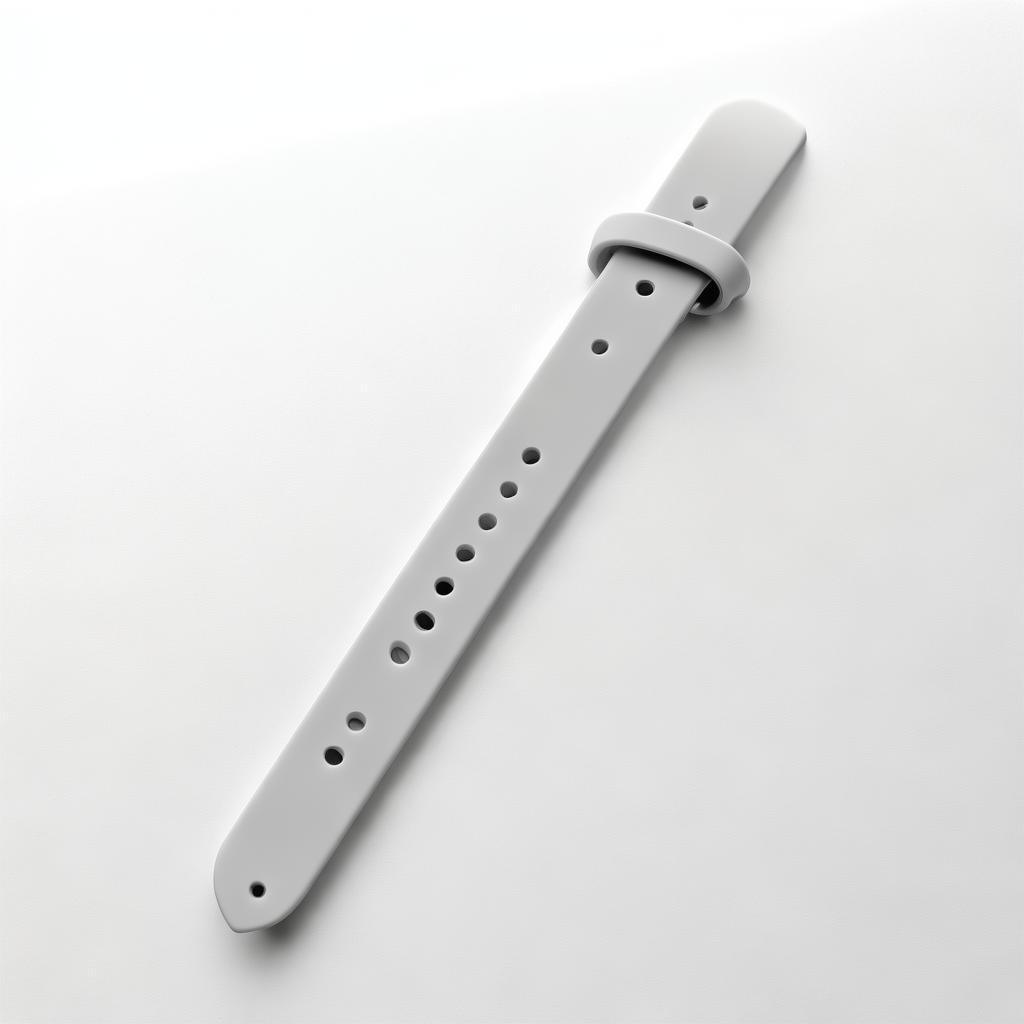
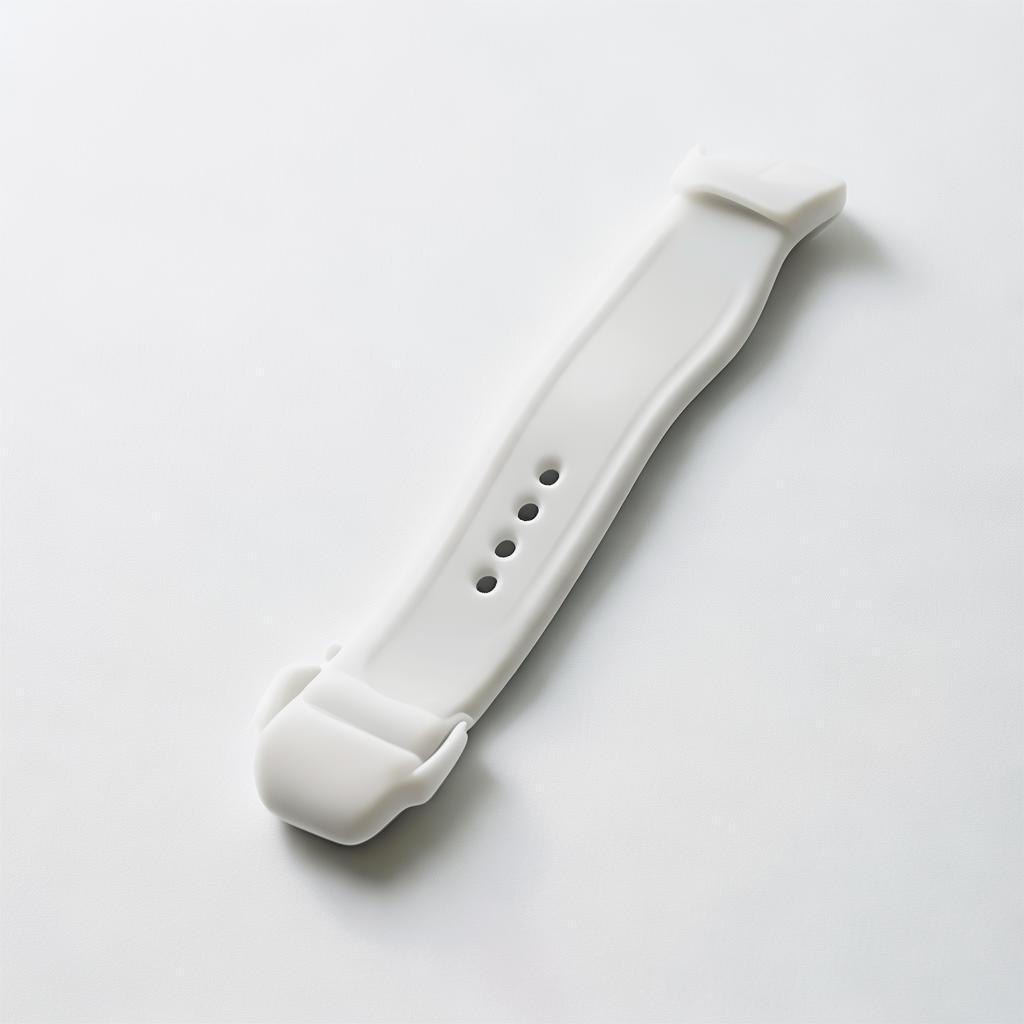
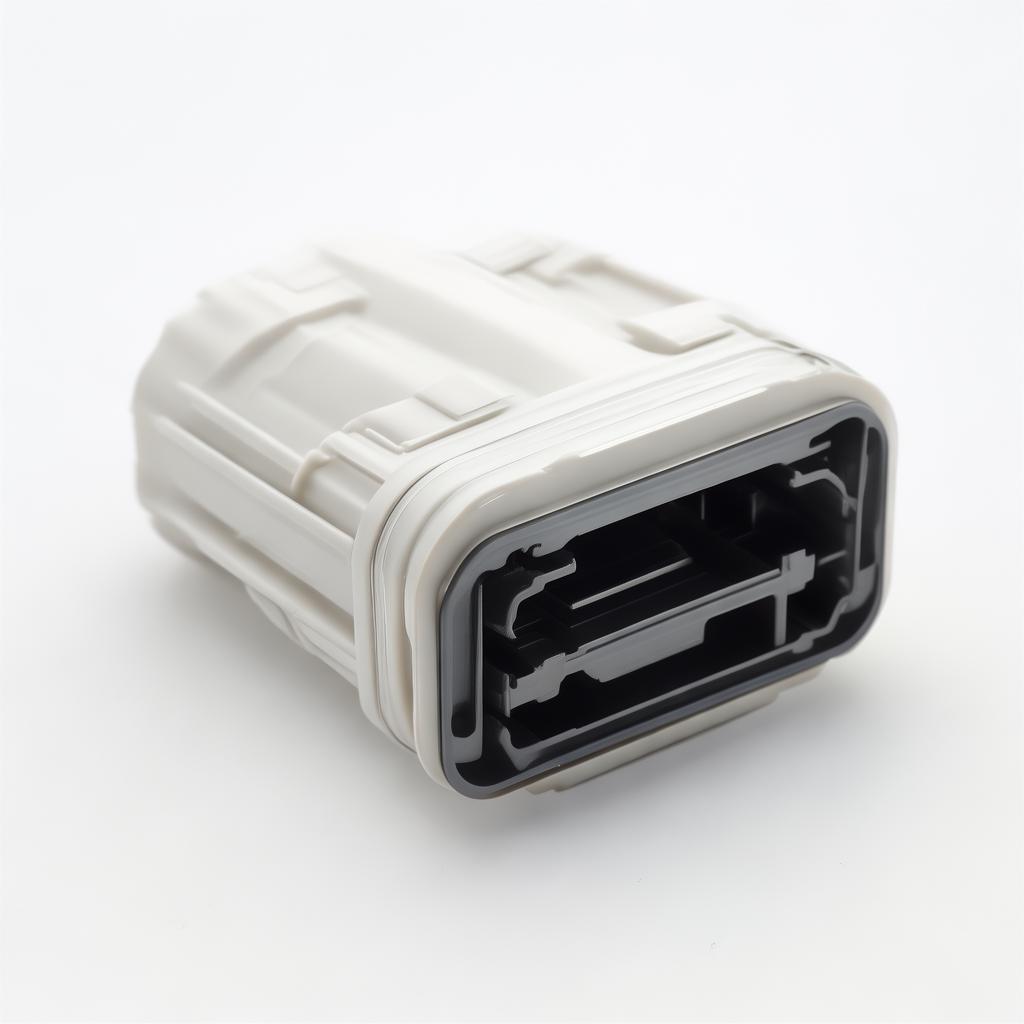
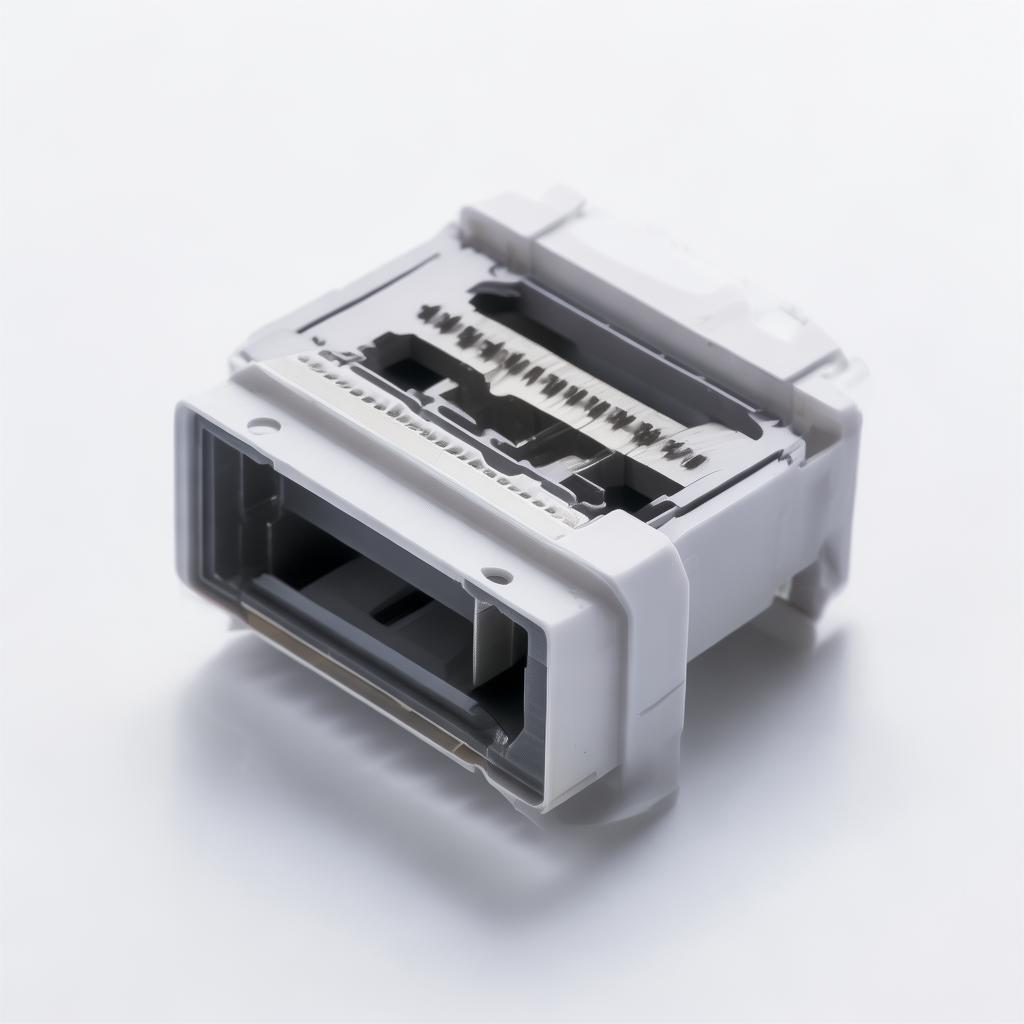
Small Liquid Silicone Products For Automotive Parts
Small Liquid Silicone Products For Automotive Parts
Precision-engineered liquid silicone components tailored for automotive applications with reliability and performance Over the past two decades, the automotive industry has witnessed increasing demands on component materials. Small liquid silicone products used in automotive
Product Details
Small Liquid Silicone Products for Automotive Parts
Precision-engineered liquid silicone components tailored for automotive applications with reliability and performance
Industry Challenges in Automotive Silicone Parts
Over the past two decades, the automotive industry has witnessed increasing demands on component materials. Small liquid silicone products used in automotive assemblies — such as seals, gaskets, vibration dampers, and connectors — must withstand harsh environments, extreme temperature fluctuations, chemical exposure, and dynamic mechanical stress.
The traditional challenges procurement teams face include:
Material durability under thermal cycling: Automotive parts routinely endure temperature ranges from -40°C to +150°C or more.
Consistency in tight production tolerances: Liquid silicone parts need precision molds to ensure uniform thickness and function without defects such as flash, warpage, or bubbles.
Supply chain reliability: Lead times fluctuate due to tooling complexity and logistical bottlenecks, impacting production schedules.
Certification compliance: Parts often require conformity to ISO 9001, IATF 16949, and sometimes SAE standards, particularly for OEM-level suppliers.
Procurement risks: Issues like poor overseas quality control, misunderstood material grades, and excessive tooling costs can delay project timelines.
A purchasing manager recently confided, "Choosing the right liquid silicone supplier is a balance between material quality, tooling technology, and reliable fulfillment. We've learned it’s better to invest upfront in known OEM partners with proven technical capacity."
These challenges underscore why understanding the material science and production process behind Small Liquid Silicone Products is critical for automotive procurement effectiveness.
Why Liquid Silicone Rubber (LSR) Excels
Liquid Silicone Rubber (LSR) features properties that make it increasingly indispensable for automotive part manufacturers:
Thermal Stability: LSR maintains flexibility and integrity across broad temperature ranges (-60°C to 230°C).
Chemical Resistance: Resistant to automotive fluids like oils, fuels, brake fluids, and salt spray environments, protecting seals longer.
Biocompatibility & Non-Toxicity: Important for passenger-contact parts including dashboard seals and ventilation components.
Precision Molding: Injection molding of LSR allows tight tolerances with complex geometries and enhanced surface finishes.
Longevity: Silicone’s durability extends service life up to 10+ years under normal automotive operating conditions.
Lightweight & Compressible: Supports fuel efficiency goals by reducing component weight without sacrificing performance.
These advantages align with market data projecting robust growth in LSR automotive applications: The global LSR market for automotive parts is expected to grow at a CAGR of 8 to 9% through 2035, according to reports from Grand View Research and Market.US.
Injection molding technology improvements, such as advanced liquid injection molding (LIM) and vacuum-assisted methods, reduce common risks like air bubbles or shrinkage—key for achieving automotive-grade quality.
Material comparison: While Solid Silicone Rubber (SSR) provides some advantages in cost and tooling simplicity, LSR remains preferred for its automation compatibility, shorter cycle times, and superior surface aesthetics.
Technical Specifications & Manufacturing Insights
Understanding the manufacturing specifications and workflows helps differentiate premium suppliers from those prone to setbacks.
Parameter
Typical Range / Value
Notes
Shore Hardness (A)
30-70
Commonly used range for flexibility without compromising strength
Operating Temperature
-60°C to +230°C
Resistant to automotive thermal cycling
Tensile Strength (MPa)
6-12
Depends on formulation and curing method
Curing Method
Platinum-catalyzed (addition cure)
Preferred for automotive to minimize shrinkage and ensure biocompatibility
Typical Mold Cycle Time
30 – 90 seconds
Highly dependent on geometry, tooling, and part thickness
Certification Standards
ISO 9001, IATF 16949, RoHS, REACH
Crucial for supply into automotive OEM supply chains
Our factory’s investment in over 100 advanced molding machines including liquid silicone injection molding and solid silicone hydraulic presses allows precise control over parameters and consistent quality.
We maintain a robust quality management system compliant with IATF 16949 automotive standards, ensuring reliable batch traceability and defect reduction initiatives supported by in-house testing instrumentation.
Note for procurement teams: Inspection methods include dimensional metrology using coordinate measuring machines (CMM) and dynamic mechanical analysis (DMA) tests to verify elasticity under simulated automotive loads.
Application Scenarios in Automotives
Small liquid silicone products serve varied functions across vehicle systems. Typical examples include:
Engine bay seals and gaskets: Components resist oil, coolant, and elevated temperatures, preserving engine integrity.
Vibration dampers: Silicone’s elasticity reduces noise and mechanical stress transmission.
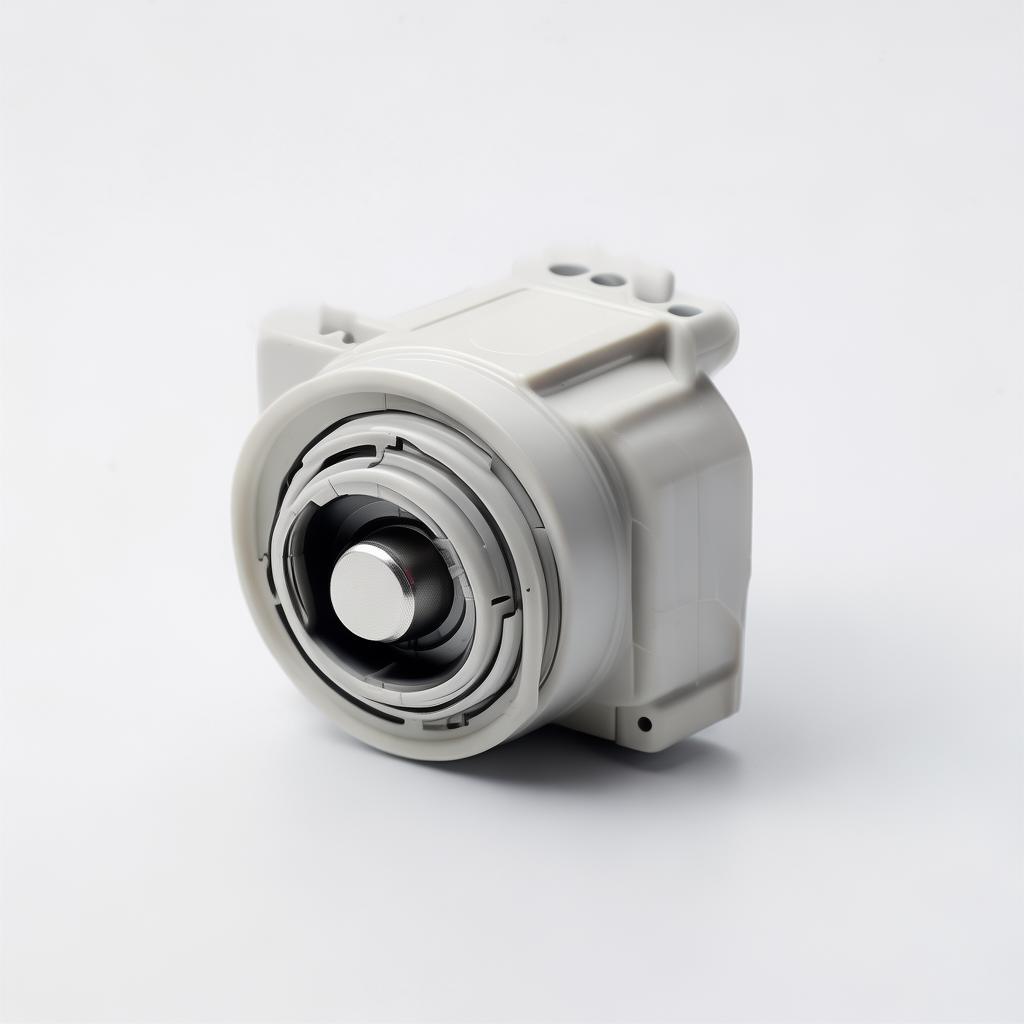
Sensor housing seals: Protect sensitive electronics from moisture and dust ingress in rugged conditions.
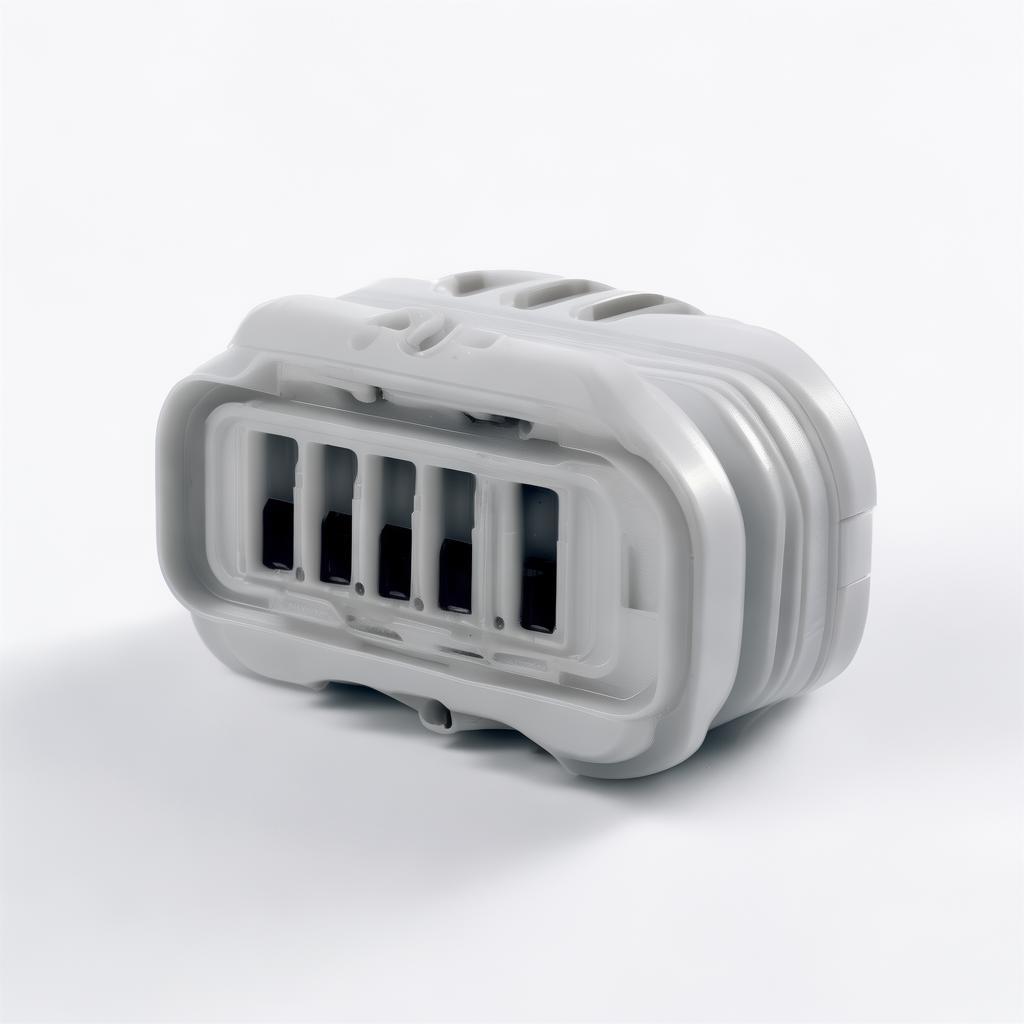
Electrical connector overmolding: Guarantees waterproofing and mechanical stability for automotive wiring harnesses.
Interior trim components: Soft-touch and passenger-safe materials for aesthetic quality and comfort.
Fuel system seals: Compatibility with hydrocarbons improves component lifespan and safety.
This diversity mandates that suppliers adapt formulations and customize tooling per distinct part requirements.
For example, gasket material cured by our platinum addition-cure process was recently adopted by a US-based EV manufacturer for battery and charging port seals, thanks to our thorough prototype testing and CAD-driven mold optimization.
Takeaway: Successful deployment depends on early engineering collaboration between buyer, supplier, and mold maker to synchronize requirements and minimize revisions.
Procurement Insights & Risk Reduction
From a procurement viewpoint, sourcing small liquid silicone automotive components requires vigilance across multiple dimensions:
Supplier Technical Capability: Confirm the supplier's mold-making equipment, material certifications (especially ISO and IATF 16949), and volume capability.
Material Verification: Ask for Material Safety Data Sheets (MSDS), rheological profiles, and sample certifications to verify that the LSR grades match application needs.
Lead Time & Capacity: Consider tooling lead times, typical cycle times, and supplier’s production scheduling flexibility.
Quality Inspection Regime: Request process quality control plans (QC), defect rate statistics, and evidence of failure mode analysis.
Logistical Networks: Evaluate export documentation experience, container loading efficiencies, and shipping transit times — especially when sourcing from Asia-Pacific manufacturing hubs.
OEM/ODM Collaboration: Check if the factory offers end-to-end support—from mold design and prototyping to serial production and post-sale technical assistance.
Procurement insiders often caution: "Underestimating tooling complexity and material differences can cause costly production disruptions." Yingtai emphasizes upfront engineering consultations and provide samples before contract signing to avoid surprises.
Key operational advice: Formalize testing cycles with supplier prototypes under real automotive conditions early. This reduces project risk and enhances supplier-buyer trust.
Client Testimonials
Mike Hernandez
Procurement Manager, Midwest Auto Suppliers, USA
“We partnered with Guangdong Yingtai for custom automotive seal gaskets last year. Their expertise in LSR tooling shortened our prototype cycles, and the quality consistently passed automotive endurance testing. Logistics were handled smoothly even in pandemic-related shipping delays.”
Get in Touch
If you have any camping barbeque equipment inquiry, please feel free to contact us.