


Contents
Reduce Product Development Time by 30% in 90 Days – the differences between insert molding vs overmolding Explained Risk‑Free
Unlock faster time‑to‑market for your silicone and plastic components. Designed for Corporate Purchasing Managers, Technical Directors, and Operations Managers who demand ROI‑driven decisions.
Get Free Quote in 24 hWhy Your Current Molding Strategy Holds You Back
When you choose the wrong molding technique, you expose your supply chain to:
- Excessive tooling costs – up to 45 % higher for mismatched processes.
- Long cycle times – an extra 2‑4 hours per batch when re‑working over‑molded parts.
- Quality variance – flash defects rise by 27 % if the material interface is not optimized.
- Shipping weight penalties – over‑engineered parts add 15‑20 % more freight cost.
- Regulatory delays – CE or FDA certification stalls when material compatibility is unclear.
According to a Grand View Research LSR market report, the global silicone market will reach USD 4.97 bn by 2030, yet 32 % of manufacturers still struggle with selecting the proper molding method.
Insert Molding vs Overmolding – Core Advantages
Below is a concise comparison that lets you decide in minutes.
| Parameter | Insert Molding | Overmolding |
|---|---|---|
| Primary Material | Pre‑formed metal or plastic insert placed in cavity | Base polymer (often LSR) over a pre‑formed substrate |
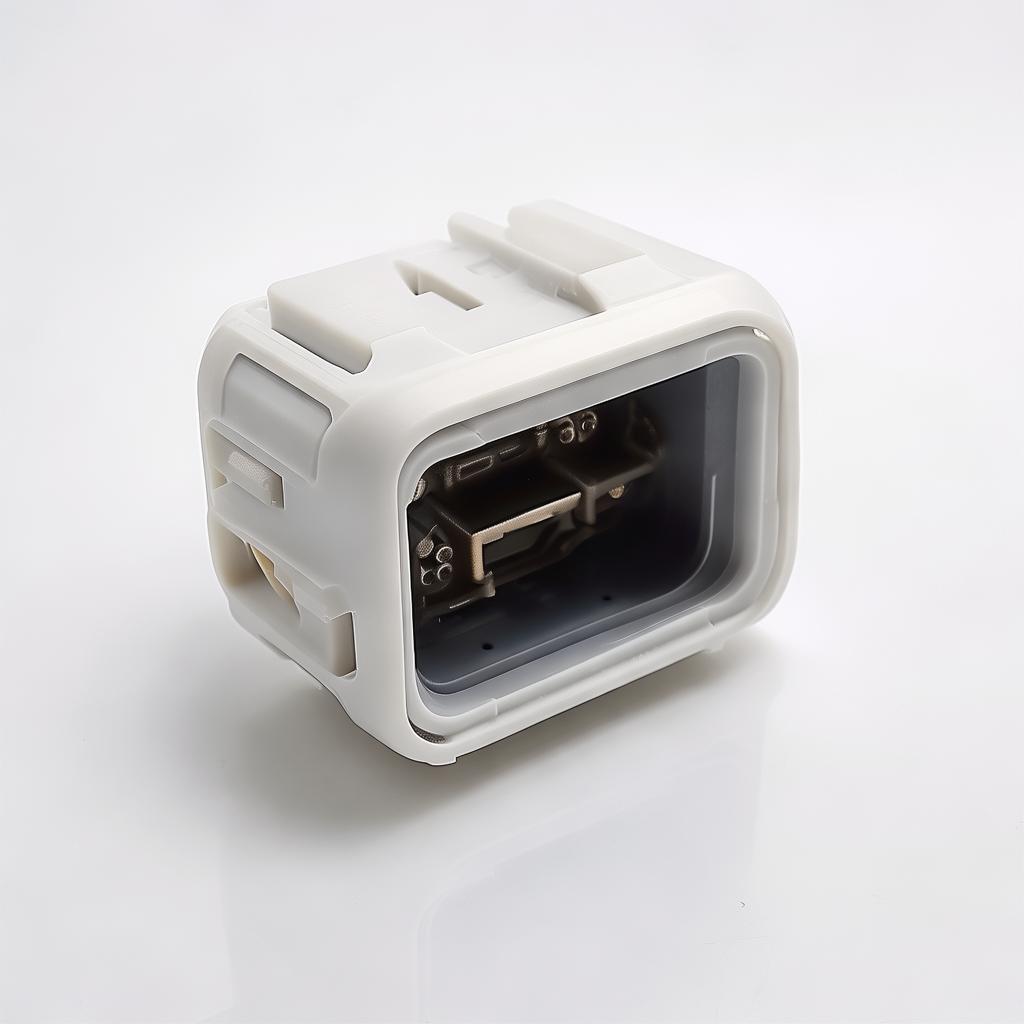
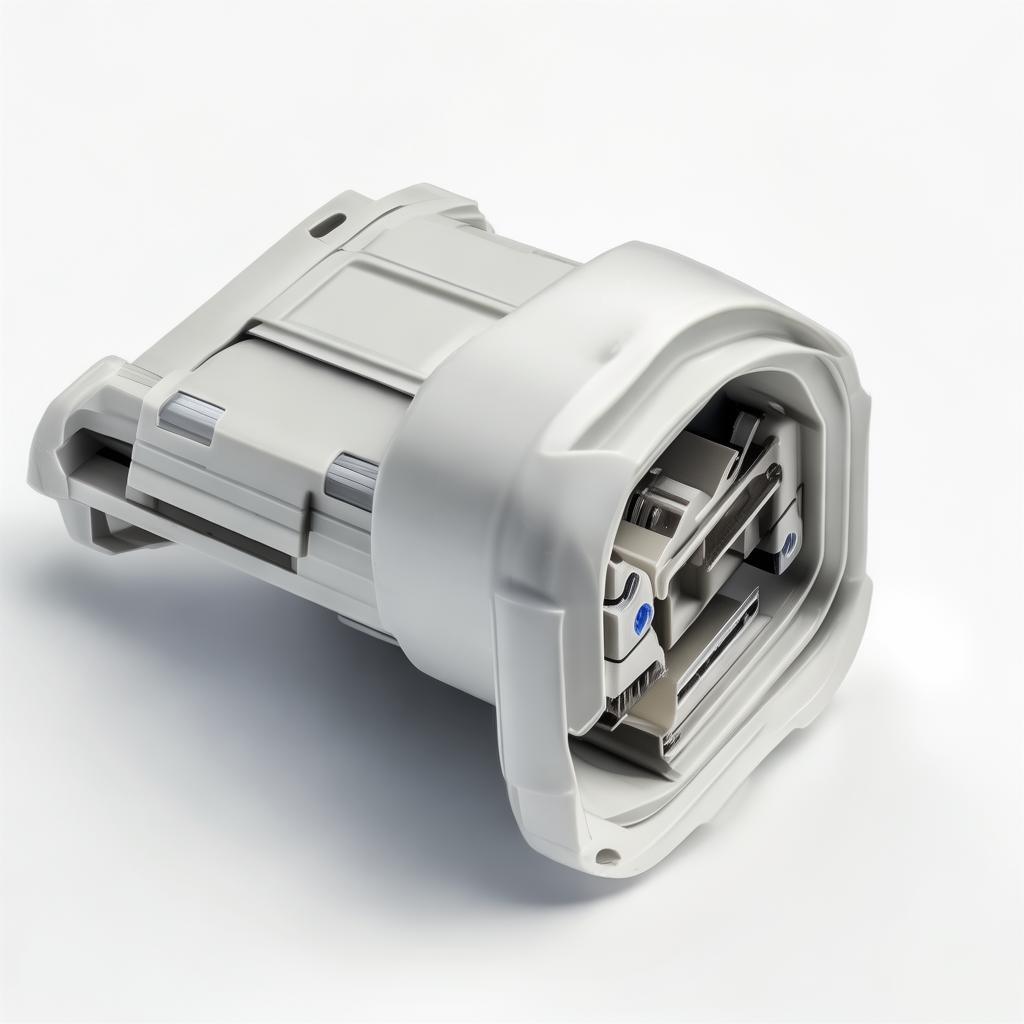
| Typical Applications | Electrical connectors, valve bodies, sensor housings | Waterproof seals, ergonomic grips, medical device casings |
| Tooling Cost | Medium – requires precise insert placement fixtures | Low‑to‑Medium – single cavity can be used for both layers |
| Cycle Time | Longer (insert loading adds 0.5‑1 s per shot) | Shorter (dual‑shot can be 15‑20 % faster) |
| Design Flexibility | High – complex metal inserts can be combined with plastics | Very High – soft‑touch overmold adds ergonomic features without redesign |
| Material Compatibility | Critical – requires surface treatment (e.g., plasma) for bonding | Broad – LSR adheres to most thermoplastics without extra treatment |
| Regulatory Suitability | Ideal for medical‑grade metal implants | Preferred for FDA‑approved consumer‑contact seals |
Technical Specifications – Yingtai’s Capabilities
| Capability | Insert Molding | Overmolding |
|---|---|---|
| Mold Size (max) | 400 mm × 400 mm × 300 mm | 500 mm × 500 mm × 350 mm |
| Injection Pressure | 120 MPa (plastic) / 90 MPa (metal insert) | 130 MPa (LSR) / 110 MPa (thermoplastic base) |
| Cycle Time (typical) | 8‑12 s | 6‑9 s (dual‑shot) |
| Temperature Range (final part) | ‑40 °C to +150 °C | ‑60 °C to +200 °C (LSR overmold) |
| Compliance | ISO 9001, CE, RoHS | ISO 9001, FDA, CE, RoHS, ISO 13485 |
Real‑World Application Scenarios
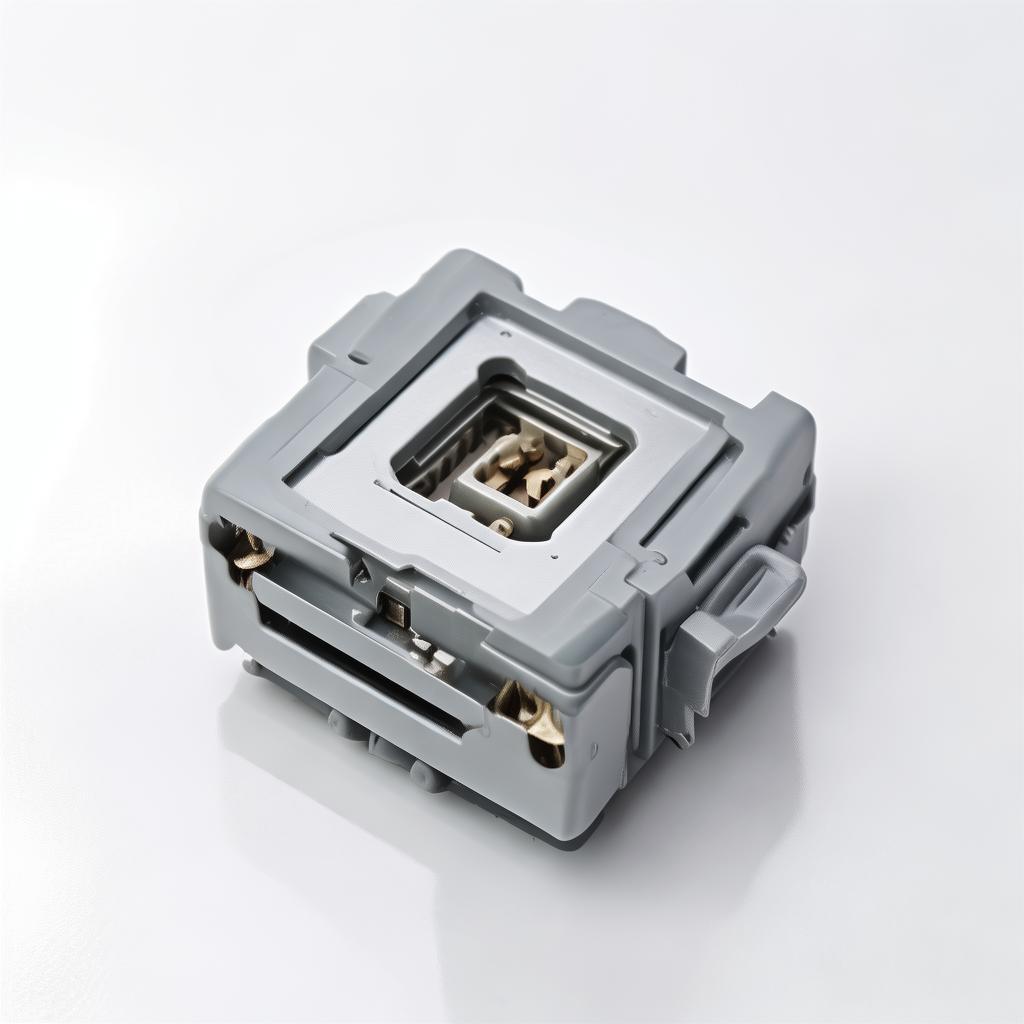
- Automotive interior switches – Insert molding of metal contacts within a soft‑touch silicone overmold reduces tactile fatigue and meets ISO 26262 safety standards.
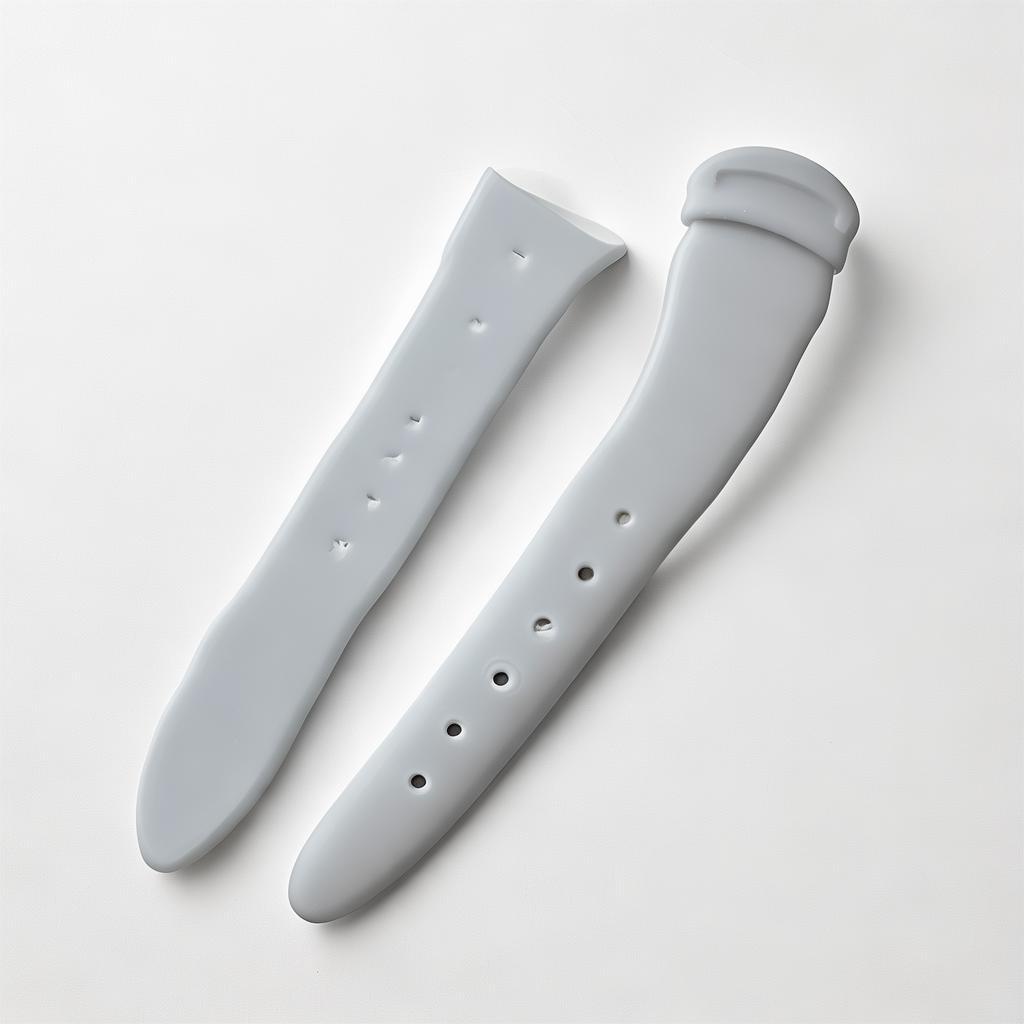
- Medical device housings – Overmolding LSR on a polycarbonate core provides biocompatibility and sterilization resistance, crucial for Class II devices.
- Consumer electronics – Insert molding of copper antenna inserts into a silicone grip improves RF performance while maintaining ergonomic feel.
- Industrial sealing – Overmolded LSR gaskets on steel inserts survive >10 MPa pressure cycles, ideal for pump housings.
injection-mould-prototyping injection-molding-manufacturers on-demand-manufacturing-services rapid-injection-molding-prototypes
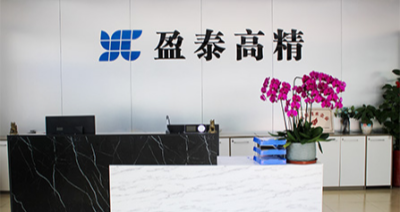
Our Dongguan factory (see image) houses 55 liquid‑silicone injection machines and 80 automatic plastic injection units, enabling rapid switch‑over between insert molding and overmolding on the same production line.
Frequently Asked Questions
What is the main cost driver for insert molding vs overmolding?
Insert molding typically incurs higher tooling cost because each insert must be precisely positioned and often requires surface treatment. Overmolding can use a single cavity for both layers, reducing initial die expense by up to 30 %.
Can I use the same material for both layers in overmolding?
Yes. Dual‑shot machines allow LSR over a thermoplastic base, or two compatible LSR grades. Material compatibility charts are provided by Yingtai’s R&D team to avoid delamination.
How does lead time differ between the two processes?
Insert molding adds a manual loading step (≈0.5‑1 s per shot). Overmolding, especially with dual‑shot equipment, can reduce cycle time by 15‑20 %. Overall project lead time can shrink from 8‑10 weeks to 4‑5 weeks when using overmolding for ergonomic parts.
Are there regulatory differences I should be aware of?
Medical devices often require metal inserts to be certified (e.g., ISO 10993). Overmolded LSR components must meet FDA‑21 CFR 820 for cleanroom production. Yingtai’s ISO 13485 line is fully audited for both scenarios.
What logistics options are available for bulk orders?
We offer FOB Dongguan, CIF EU ports, and DDP USA. For high‑value medical batches we provide temperature‑controlled containers to maintain material integrity.
Ready to Optimize Your Product Line?
Limited‑time offer: Free 1‑kg LSR sample + 100 % money‑back guarantee on the first 10 k units.
Request Quote & Free SampleOr call +86 177 2243 7688 (Miss Zhang) via WhatsApp for an instant response.
What Our Clients Say
-
 Mark T., Operations Manager, GE Healthcare – “The overmolded LSR housings survived 20 k sterilization cycles with zero warpage. Yingtai’s AI‑driven process control cut our scrap rate from 3 % to 0.4 %.”
-
 Sara L., Procurement Lead, IKEA – “Insert‑molded metal brackets for our smart lighting fixtures arrived 2 weeks ahead of schedule, saving us $45 k in inventory costs.”
-
 David K., Senior Engineer, Tesla – “Dual‑shot overmolding gave us a seamless soft‑touch interior switch that passed our 150 °C heat soak test.”
About the Author

Dr. Li Wei – Senior Manufacturing Consultant with 20 years of experience in silicone and thermoplastic injection molding across North America, Europe, and Asia. Former Head of R&D at a Fortune‑500 automotive supplier, published author on LSR processing, and regular contributor to Industrial Molding Journal.
Contact: liwei@yingtai168.com | Phone: +86 177 2243 7688 (WhatsApp)
Live Support Snapshots






Trusted by Global Brands
“Yingtai cut our lead time from 8 weeks to 3 weeks for overmolded sensor housings, saving us $120 k per year.” – John M., Procurement Lead, Dell
“Insert‑molded connector cores from Yingtai meet our ISO 26262 functional safety targets without extra post‑processing.” – Linda S., Senior Engineer, Shell
Our certifications (ISO 9001, CE, FDA, RoHS, ISO 13485) guarantee that every insert‑molded or overmolded component complies with the strictest international standards.