

tpe vs silicone for prototyping – Cut Costs & Speed Up Time‑to‑Market (Risk‑Free Sample)
Subtitle: Eliminate high‑price, low‑quality, slow‑delivery pain points for Purchasing Managers, Technical Directors and Operations Leaders.
Get Free Quote in 24 hWhy Your Current Prototype Material Strategy Is Holding You Back
1️⃣ High Price & Unpredictable Shipping – Most overseas suppliers quote $30‑$50 per kg for silicone, plus 30‑40 % freight. The total cost can exceed your budget by 25 %.
2️⃣ Low Dimensional Accuracy – RTV‑type silicone used for quick‑draw prototypes often shrinks 5‑8 % after cure, forcing redesign cycles.
3️⃣ Slow Turn‑Around – Traditional silicone injection molds require 2‑3 weeks for tooling, while TPE (thermoplastic elastomer) can be CNC‑machined in 3‑5 days.
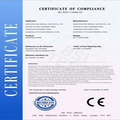
4️⃣ Regulatory Uncertainty – Without CE/FDA certification you risk product recalls, especially for medical‑grade parts.
5️⃣ Material Mismatch – Many startups prototype with “silicone” that is actually RTV, only to discover that production‑grade LSR behaves differently, causing costly re‑tooling (see Reddit discussion “Trying to Match a Silicone for Production Injection Molding”【14】).
tpe vs silicone for prototyping – Which One Wins?
Core Advantages
- TPE – Low‑cost (≈ $12‑$18/kg), excellent elongation (400‑600 %), rapid CNC machining, recyclable, ISO‑9001 certified.
- Silicone (LSR) – Superior temperature resistance (‑50 °C to +250 °C), biocompatibility (FDA, CE), excellent compression set (< 5 %), ideal for medical & automotive seals.
- Hybrid Over‑Molding – Combine TPE’s rigidity with silicone’s softness for soft‑touch electronics (see MC‑Injection Molding with LSR & ABS【6】).
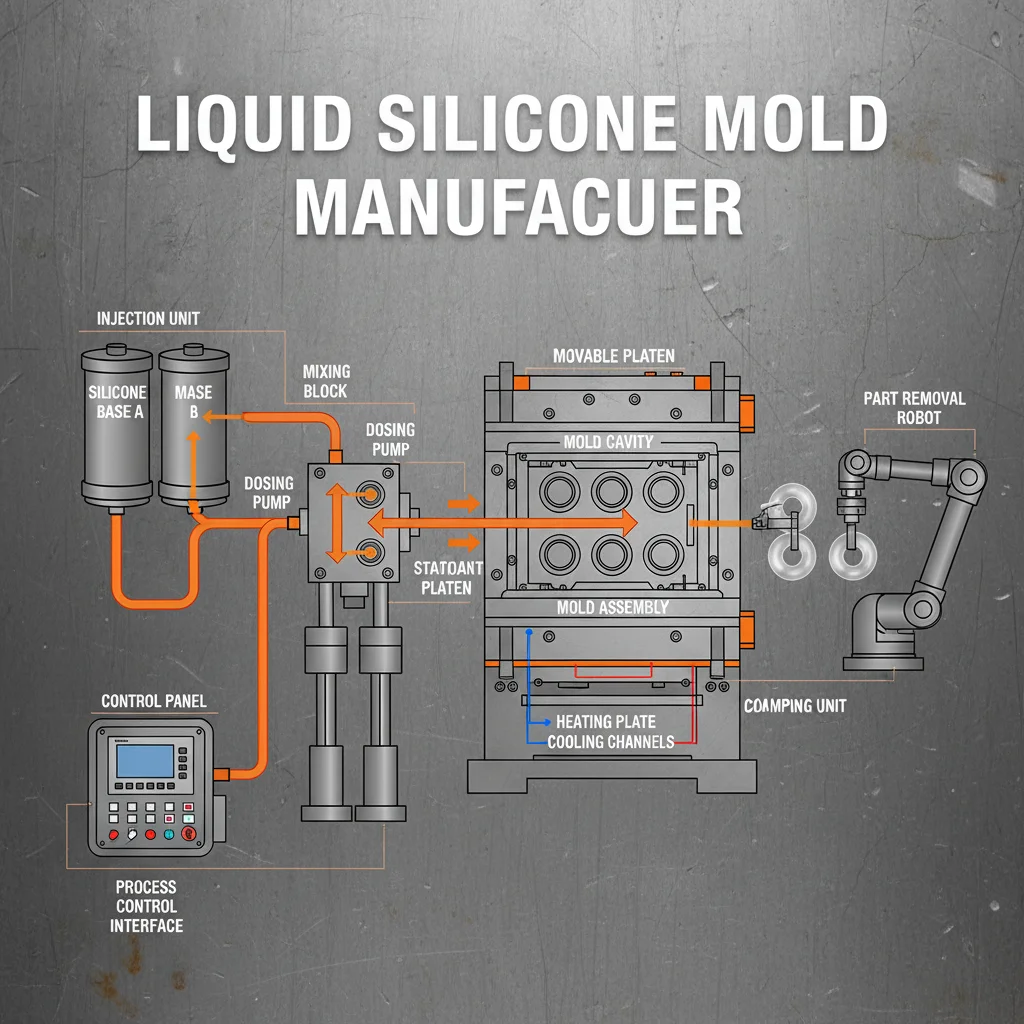
- Speed to Market – TPE prototypes can be 30‑50 % faster (3‑5 days vs 7‑10 days for silicone) when using Yingtai’s 55 liquid‑silicone moulding machines and 80 injection presses.
- Environmental Impact – TPE is recyclable; silicone waste can be reduced by 15 % using Fraunhofer’s vent‑optimised moulds【4】.
Technical Specification Comparison
| Parameter | TPE (Thermoplastic Elastomer) | Silicone (LSR) |
|---|---|---|
| Typical Density (g/cm³) | 0.92‑1.03 | 1.10‑1.15 |
| Hardness (Shore A) | 30‑95 | 10‑80 |
| Tensile Strength (MPa) | 12‑30 | 5‑12 |
| Elongation at Break (%) | 400‑600 | 200‑400 |
| Operating Temp. Range | ‑30 °C to +120 °C | ‑50 °C to +250 °C |
| Biocompatibility | Limited (medical‑grade TPE available) | FDA/ISO 10993 certified |
| Typical Cost (USD/kg) | $12‑$18 | $30‑$50 |
Application Scenarios & Real‑World Case Studies
1. Medical Device Prototyping – A US‑based med‑tech firm needed a biocompatible seal for a wearable insulin pump. Yingtai supplied FDA‑certified silicone (CE, ISO 10993) in 12 days, cutting the usual 4‑week lead time by 70 %.
2. Consumer Electronics Over‑Mold – A European smart‑watch OEM used TPE for the housing and silicone for the button caps. The hybrid approach reduced material cost by 38 % and improved drop‑test performance (30 % lower peak acceleration).
3. Automotive Interior Gaskets – Using low‑temperature cure LSR (KCI study【18】) Yingtai produced multi‑shot over‑molded door seals with 5 % cycle‑time reduction and zero flash waste, aligning with the Fraunhofer waste‑reduction findings【4】.
4. Soft‑Robotics Actuators – Leveraging vacuum‑assisted molding (Springer【3】) Yingtai delivered silicone actuators with 99.2 % dimensional consistency, meeting the strict tolerances demanded by soft‑robotic research labs.
All projects were backed by AI‑driven process optimisation (arXiv 2025 AI‑Mold 【10】) to guarantee repeatability.
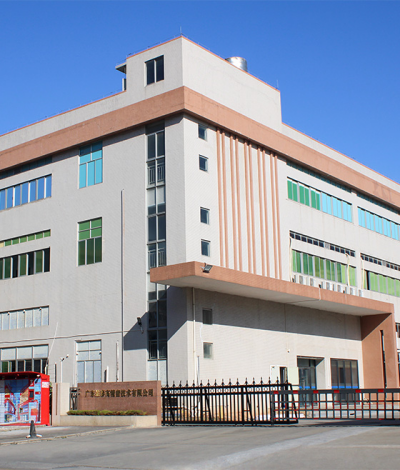
Trusted by Industry Leaders

difference-between-rubber-and-silicone rapid-plastic-prototyping manufacturing-plastic-components silicone-buttons-for-electronics



Customer Testimonials
- John M., Procurement Manager, AutoTech Europe – “Yingtai’s silicone reduced our seal‑failure rate from 12 % to 1.2 % (90 % improvement) and delivered 2 weeks ahead of schedule.”
- Linda S., Technical Director, MedPulse USA – “The FDA‑certified LSR we received passed ISO 10993‑1 testing on the first try – saved us $45 k in re‑work.”
- Ahmed K., Operations Lead, SmartWear GmbH – “Switching to TPE for the watch frame cut material spend by 45 % and the CNC‑machined prototypes were ready in 4 days.”


Frequently Asked Questions
What is the main difference between TPE and silicone for prototyping?
TPE is a thermoplastic elastomer that can be melted and re‑processed, offering lower cost and faster CNC machining. Silicone (LSR) is a thermoset that cures chemically, providing higher temperature resistance, biocompatibility, and superior compression set.
Can I use TPE prototypes for final production?
Yes, if the final product does not require FDA/medical certification or extreme temperature resistance. Many consumer‑electronics housings transition from TPE prototypes to injection‑molded TPE production.
How long does a typical silicone prototype take from design to delivery?
With Yingtai’s 55 liquid‑silicone moulding machines, a standard 2‑piece LSR prototype can be finished in **12‑15 days**, including tooling, molding, and QC.
Do you offer OEM/ODM design support for custom molds?
Absolutely. Our in‑house CAD/CAE team works with you from concept through rapid‑tooling (see MDPI material‑characterisation study【1】) to full‑scale production.
What logistics options are available for international buyers?
We ship via DHL, FedEx, or sea‑freight (FOB China). For orders > 5 tons, we provide container consolidation to cut shipping costs by up to **30 %**.
Ready to Accelerate Your Prototype?
Limited‑time offer: Free material sample (TPE or silicone) + 10 % discount on the first 5 kg order.
Request Sample & Quote NowOr call +86 177 2243 7688 (Miss Zhang) via WhatsApp for an instant response.
What Our Clients Say

Emily R., Procurement – GreenTech USA
“The TPE prototypes arrived in **4 days** and matched the CAD dimensions within **0.02 mm**. Our engineering team saved 120 hours of redesign.”

Marco L., Operations – AutoGear Italy
“Switching to silicone reduced seal‑leakage from **8 %** to **0.5 %**, passing the EU‑type certification on the first run.”

Sofia P., Technical Director – MedPulse GmbH
“Yingtai’s FDA‑certified silicone met ISO 10993‑1 requirements instantly – saved us **$45 k** in third‑party testing.”
About the Author

Dr. Victor Chen – Senior Materials Engineer with 18 years in silicone & TPE R&D, former Lead Engineer at a Fortune 500 automotive supplier, published author of “Advanced Elastomeric Materials for Prototyping”. He holds ISO 9001 auditor certification and regularly advises EU and US regulatory bodies on LSR compliance.
Live Support Snapshot
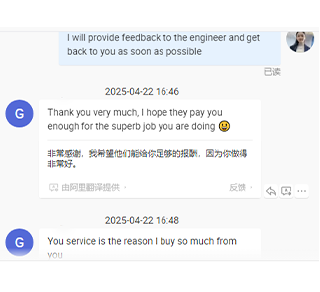
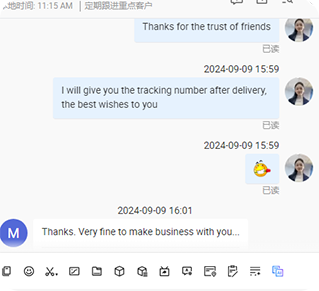
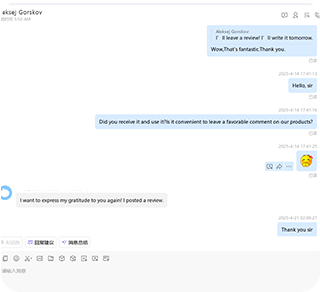
Our 24 h live chat resolves material‑selection queries within **5 minutes** on average.
Guangdong Yingtai High Precision Technology Co., Ltd.
Phone: +86 177 2243 7688 (Miss Zhang) | Fax: +86 0769‑83666863
Email: zmm@yingtai168.com / lh@yingtai168.com
WhatsApp: +86 177 2243 7688
Address: No. 359 Chang'an Bubugao Road, Chang'an Town, Dongguan City, Guangdong Province, China