Two Color Injection Molded Adhesive Parts
Achieve precision, durability, and seamless multi-material integration with expert-grade two color injection molding solutions engineered for demanding industrial applications. An evolving manufacturing landscape has put complex, multi-material component manufacturing under the spotlight. Two color

Product Details

Two Color Injection Molded Adhesive Parts

Achieve precision, durability, and seamless multi-material integration with expert-grade two color injection molding solutions engineered for demanding industrial applications.

Navigating Industry Challenges in Two Color Injection Molded Adhesive Parts

An evolving manufacturing landscape has put complex, multi-material component manufacturing under the spotlight. Two color injection molded adhesive parts represent a sophisticated niche, demanding a fusion of material compatibility, adhesion integrity, and precision molding technologies. Many producers face:

  • Bonding failures between dissimilar materials that cause premature wear or delamination.
  • Cycle time inefficiencies due to complex molding sequences impacting lead time.
  • Challenges maintaining tight tolerances amidst differential shrinkage and thermal stresses.
  • Base material selection difficulties balancing chemical resistance and adhesion strength.
  • High initial tooling costs with risk of costly reworks due to inadequate mold venting or gating.

Procurement managers often struggle to identify suppliers with proven capabilities in multi-shot injection molding, particularly sourcing parts that reliably combine thermoplastics with silicone adhesives. Selecting a partner experienced in optimized process integration and low-defect production is essential to contain production risk.

Technical Insights & Process Overview

Two color injection molding (also known as dual-shot or multi-shot molding) integrates two polymers — typically a rigid substrate and an adhesive silicone or elastomer layer — into a dedicated mold tool with synchronized injection units. Precision control over temperature profiles, injection speed, and curing cycles is paramount to ensure material compatibility and adhesion reliability.

Our manufacturing approach leverages:

  • Advanced mold tooling systems with segmented cavities designed for optimal venting and minimal flash defects.
  • Liquid Silicone Rubber (LSR) injection molding techniques paired with thermoplastics (like ABS, polypropylene) for robust adhesive bonds, compliant with ISO 10993 biocompatibility for certain medical applications.
  • In-mold bonding activated by surface treatments and plasma cleaning for superior mechanical interlocking.
  • Precision CAE simulations incorporating material rheology data to minimize cycle time and material waste, consistent with findings in recent MDPI research.
  • Rigorous in-line quality inspections employing coordinate measuring machines (CMM) and spectral adhesion testing.
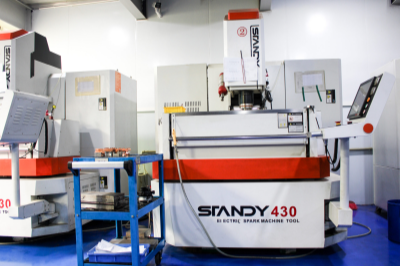
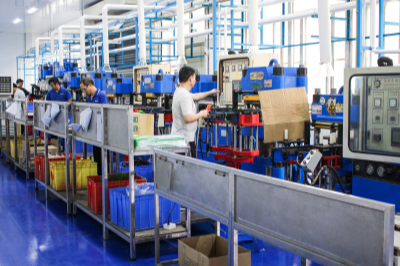
Two color injection molding machines

Material Selection Overview

Material Key Property Industry Standard Ideal Use Case
Liquid Silicone Rubber (LSR) High elasticity, chemical resistance, UV stable ISO 10993 (medical), RoHS compliant Sealing, gasketing, soft-touch adhesives
ABS (Acrylonitrile Butadiene Styrene) Rigid, impact resistant, good surface finish UL 94V-0 flame rating Structural component, housing base
Polypropylene (PP) Low density, chemical resistant, flexible FDA food contact approved Containers, consumer durable goods

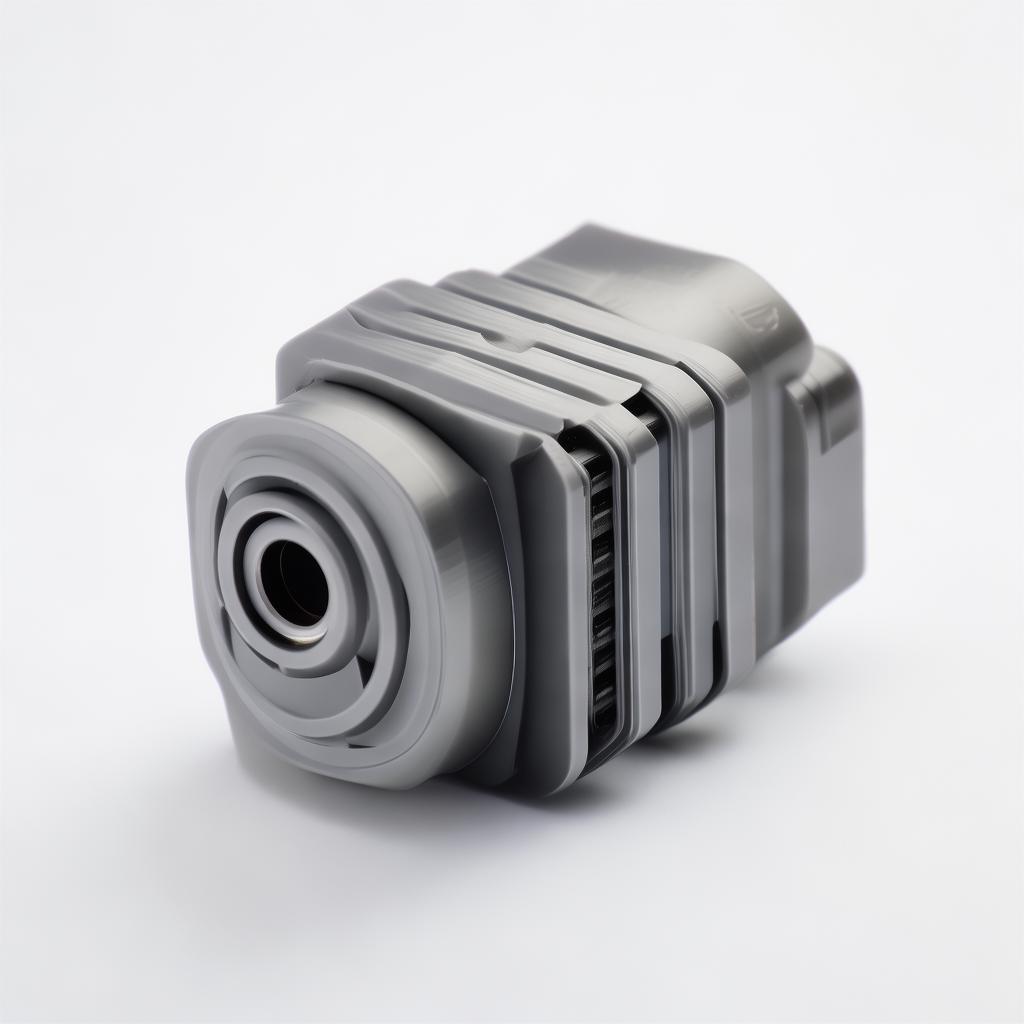
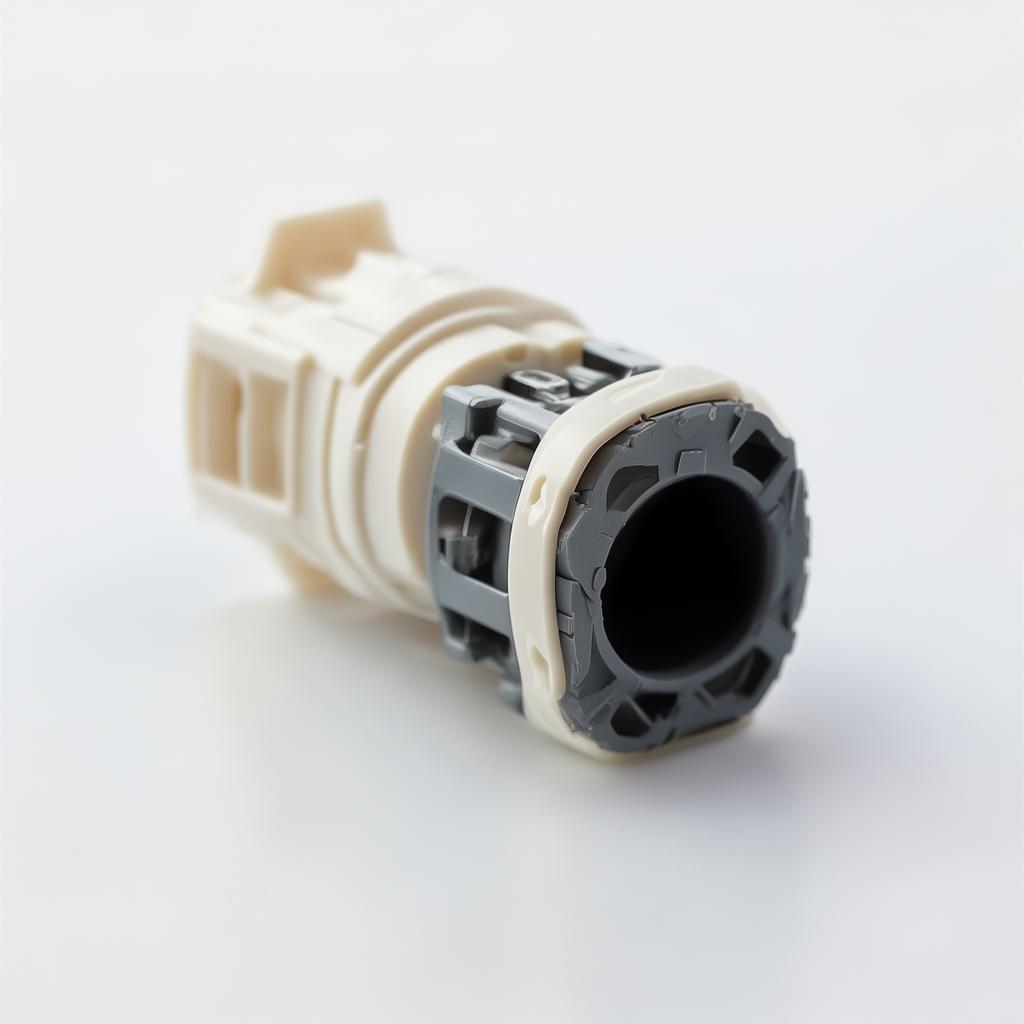
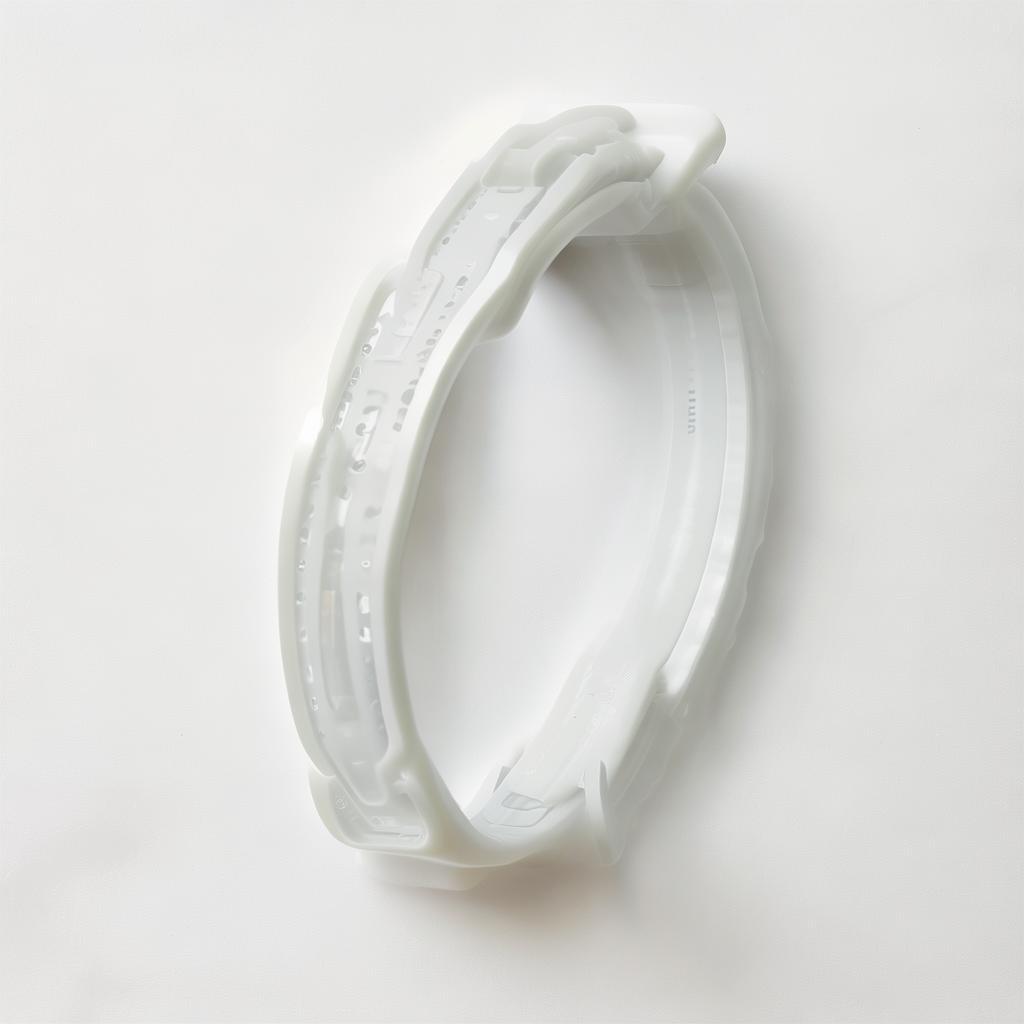
Two color injection molded encapsulated parts Two color injection molded encapsulated products Processing of two-color injection molded encapsulated parts

Forging a reliable bond between silicone and thermoplastics requires careful thermal profiling and surface energy compatibility—process adjustments that must be tested rigorously. Our teams employ expert CAE guidance aligned with studies like MDPI's investigation on multi-component molding for enhanced adhesion optimization.

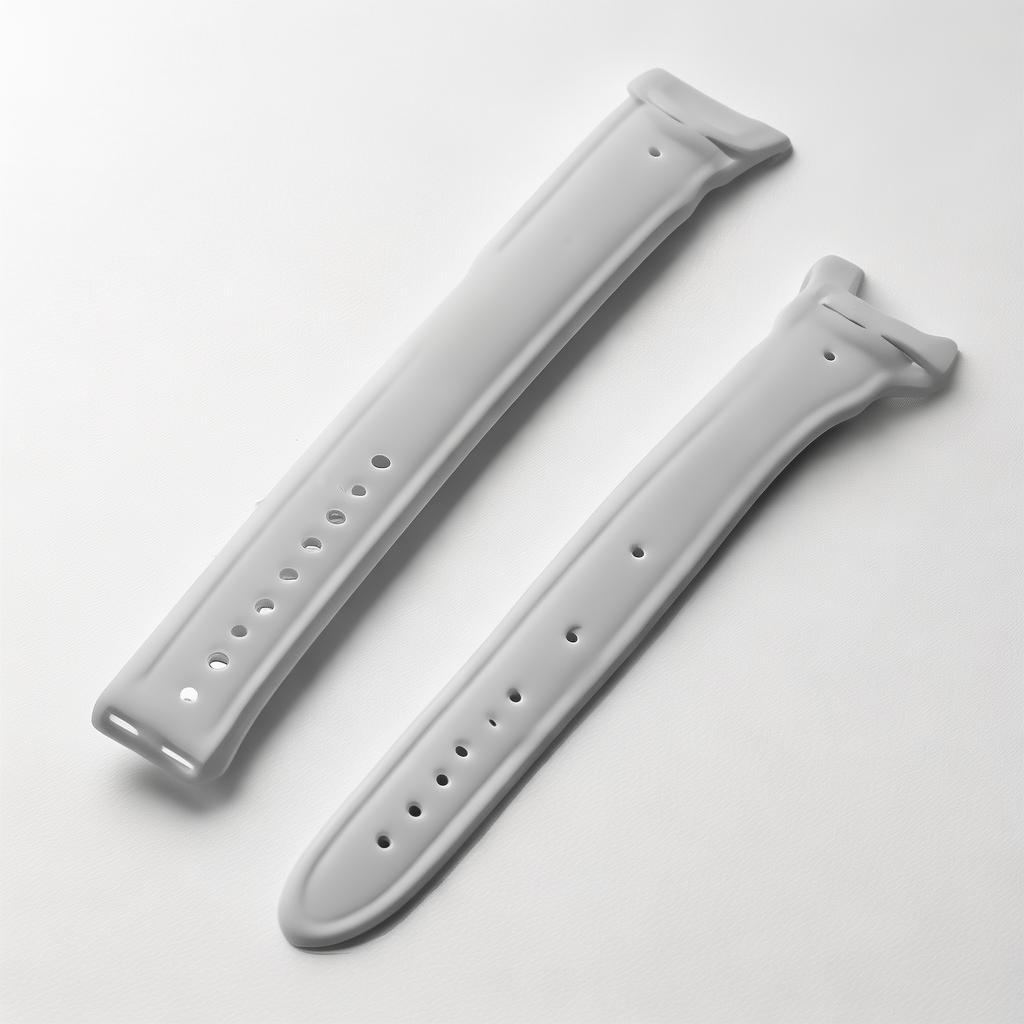
Manufacturer Of Two Color Plastic Parts

Key Advantages of Our Two Color Injection Molded Adhesive Parts

  • Reduced assembly steps: Integral molding of adhesive layers eliminates secondary bonding.
  • Superior durability: Strong interfacial bonding resists delamination under mechanical stress.
  • Enhanced design freedom: Complex geometries combining rigid and flexible materials achieve improved ergonomics.
  • Consistent repeatability: High-precision injection molding ensures each batch meets tight ISO/TS 16949 automotive standards.
  • Material efficiency: Optimized mold design reduces flash and sprue waste, lowering raw material consumption.
  • Compliance & certifications: Our products meet or exceed RoHS, REACH, FDA, and CE certifications based on application.
  • OEM/ODM flexible solutions: Our extensive mold design capabilities and customization options support unique client specs with fast prototyping.
“Integrating silicone adhesives through two color injection molding has drastically streamlined our component assembly lines. The consistency and bond integrity have noticeably reduced field failures.” – Michael S., Procurement Director, Automotive Tier-1 Supplier

Where Two Color Injection Molded Adhesive Parts Make a Difference

The most common sectors actively leveraging our two color injection molded adhesive components include:

  • Medical Devices: Biocompatible seals, soft-touch interfaces, and precise overmolds for diagnostic equipment, surgical tools.
  • Automotive Interiors: Soft-touch dashboard trims, adhesive gaskets, flexible sealing components meeting ISO 16232 cleanliness.
  • Consumer Electronics: Waterproof keypad overlays, multi-material buttons, and protective covering with anti-slip properties.
  • Smart Wearables: Durable, flexible adhesive seals accommodating sensors and flexible circuits.
  • Industrial Electronics: Protective casings combining rigid and elastomeric layers for shock absorption.
  • Household Appliances: Water-resistant seals and ergonomic grips for kitchen and laundry machines.
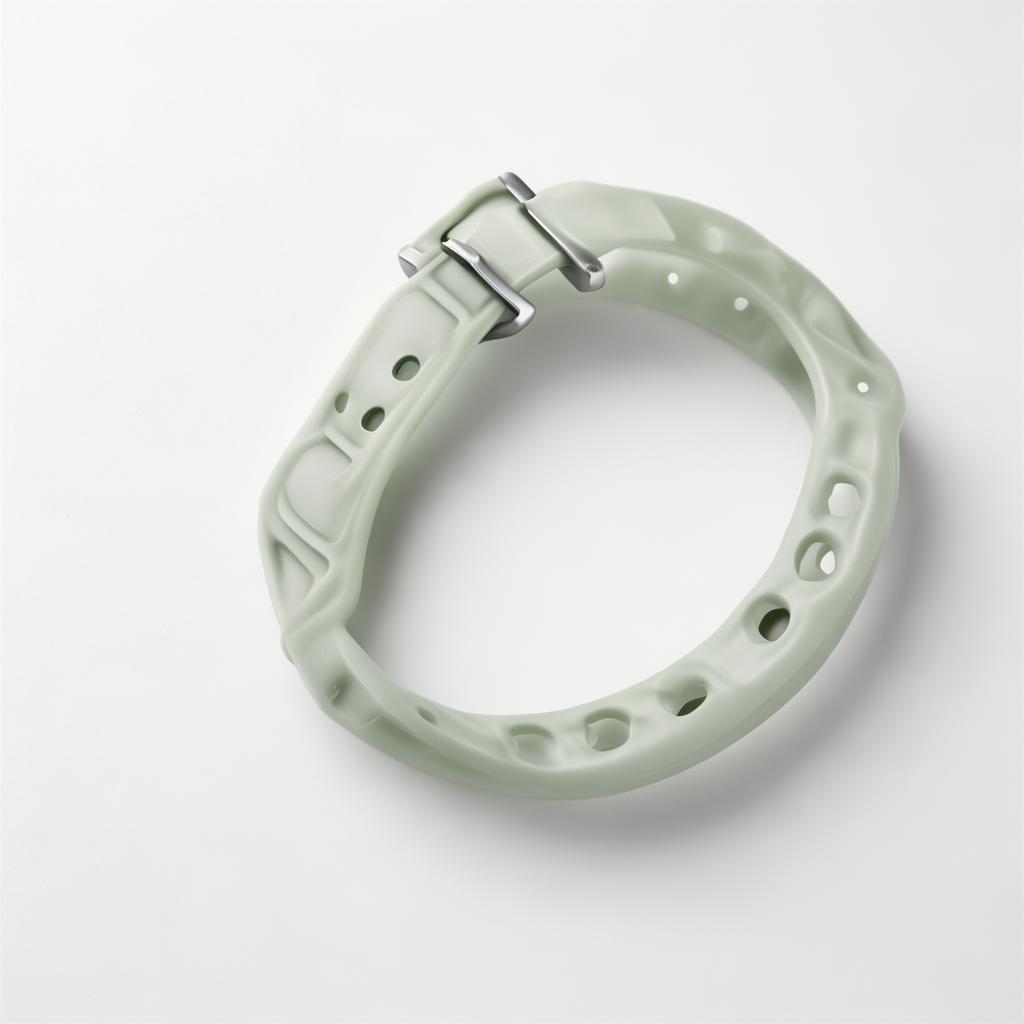
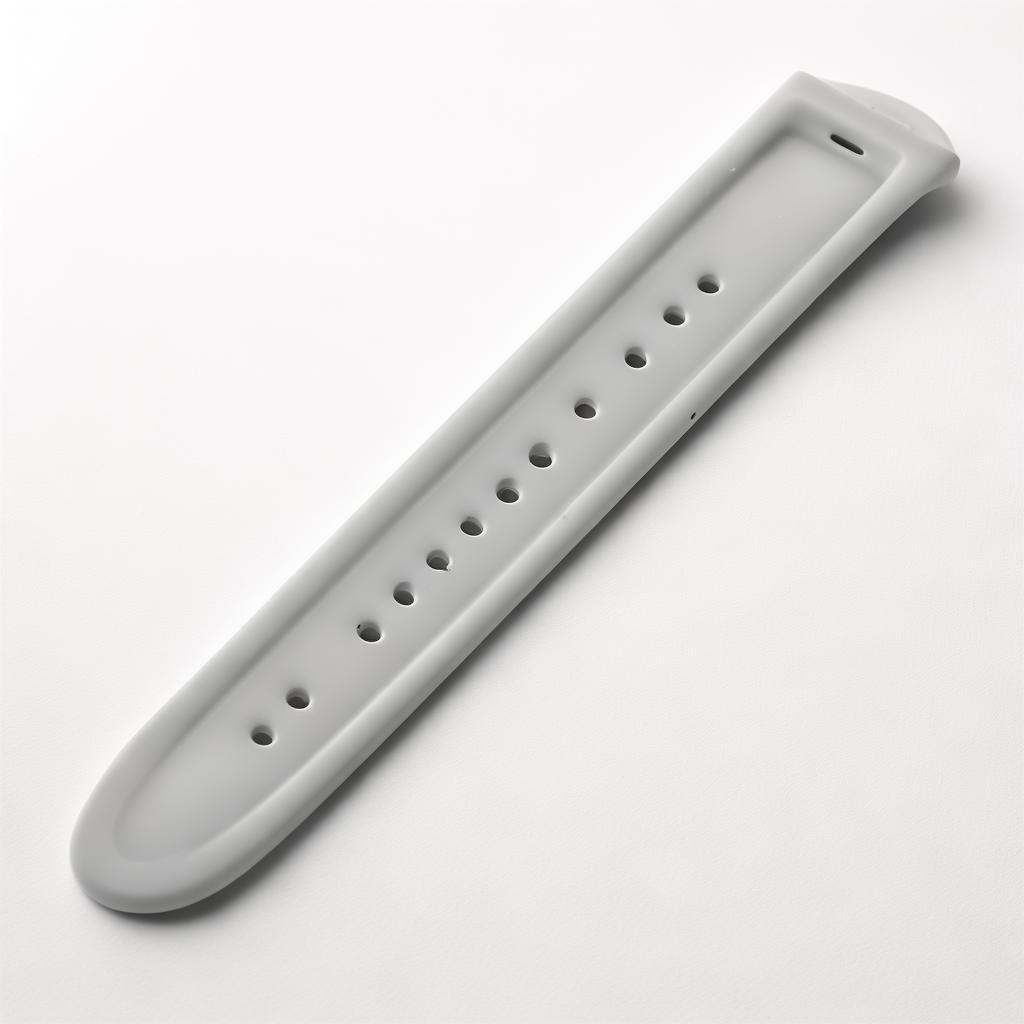
Application examples of injection molded parts

Selecting the right material and process engineering for these diverse environments requires an experienced partner knowledgeable about thermal cycling, chemical exposure, and mechanical loads typical in each sector.

Procurement Guidance: Securing Reliable Two Color Injection Molded Parts

Purchasing managers and procurement directors should consider the following to minimize risk and maximize value:

  • Verify mold design capabilities: Suppliers must demonstrate experience with venting, gating, and mold balancing specific to multi-shot parts.
  • Audit certifications: Check for ISO 9001, ISO 13485 (for medical), ISO/TS 16949 (automotive), RoHS and REACH compliance.
  • Review material traceability: Confirm that thermoplastics and silicone materials come with certificates of analysis and batch records.
  • Test prototype samples: Evaluate adhesion strength, dimensional stability, and resistance to operational stresses.
  • Confirm lead times: Complex tooling may require 6-10 weeks; plan accordingly and verify supplier's tooling maintenance strategy.
  • Clarify packing and logistics: Adequate protective packaging to avoid deformation and contamination in transit is crucial; inquire about container loading optimization.
  • OEM/ODM flexibility: Assess supplier’s willingness to co-develop optimized designs for enhanced performance or cost reduction.

Avoid cost-only decisions. Low priced suppliers often lack precision tooling or quality control, resulting in delayed delivery, higher scrap rates, and costly field failures.

Frequently Asked Questions

What materials are commonly used in two color injection molded adhesive parts?
We typically use Liquid Silicone Rubber (LSR) for the adhesive or soft-touch layer and thermoplastics like ABS or polypropylene for the structural base. This combination offers excellent mechanical and chemical properties.
How does two color injection molding improve product quality compared to secondary bonding?
The integrated molding process eliminates secondary adhesive application, reducing contamination risk and improving bond uniformity. It also shortens assembly time and enhances dimensional accuracy.
Can you customize adhesive tack levels or hardness in the molded parts?
Yes, by selecting different silicone grades and adjusting curing parameters, we tailor the hardness and tackiness to specific application needs including anti-slip surfaces or soft-touch grips.
What are typical lead times for two color injection molded adhesive parts?
From mold design to production, expect 8 to 12 weeks depending on tool complexity, with sampling phases included. Volume production lead times typically range from 3 to 6 weeks per order batch.
Are these parts compliant with medical or automotive standards?
We offer parts manufactured under ISO 13485 for medical-grade products and ISO/TS 16949 for automotive components, with appropriate material certifications such as USP Class VI or REACH compliance when needed.

Trusted by Industry Leaders – Real Customer Feedback

Client avatar Steven K., Operations Manager

“Switching to Yingtai’s two color injection molded adhesive parts reduced our assembly time significantly. The bond strength and quality consistency are impressive, even after prolonged mechanical stress.”

Get in Touch