By Jason Lin, Export Director In the rapidly evolving manufacturing landscape, two color injection molded encapsulated parts are carving a niche with their unique combination of aesthetics, functionality, and durability. As a seasoned procurement
Product Details
Two Color Injection Molded Encapsulated Parts: A Procurement and Technical Insight
By Jason Lin, Export Director
Understanding Two Color Injection Molded Encapsulated Parts
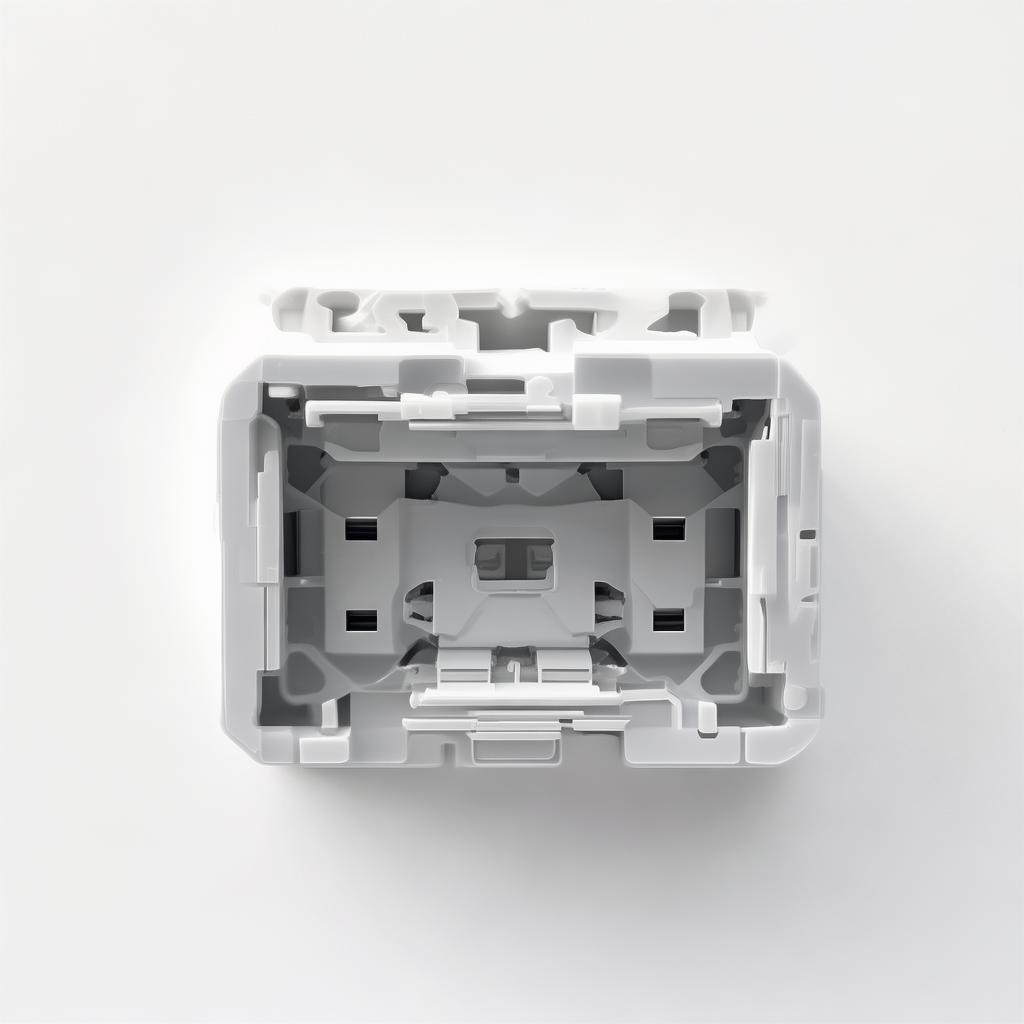
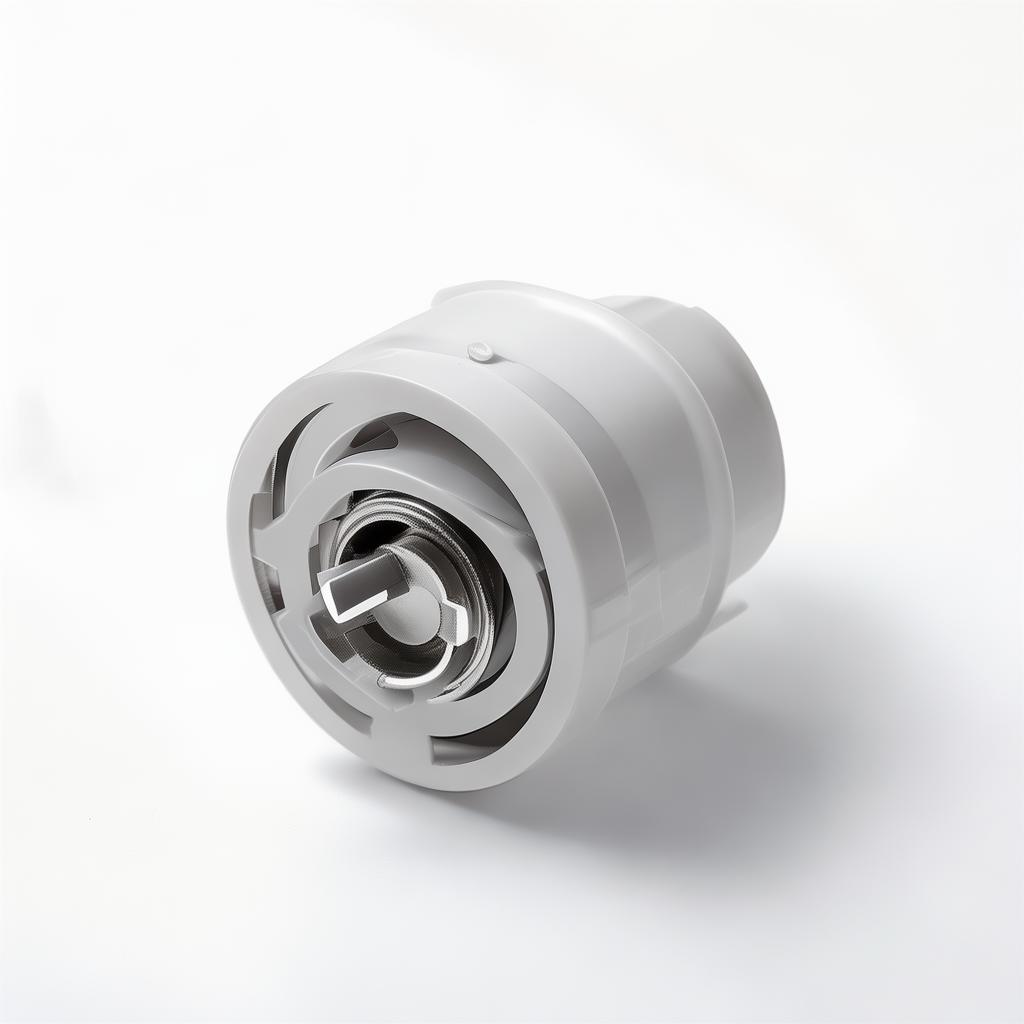
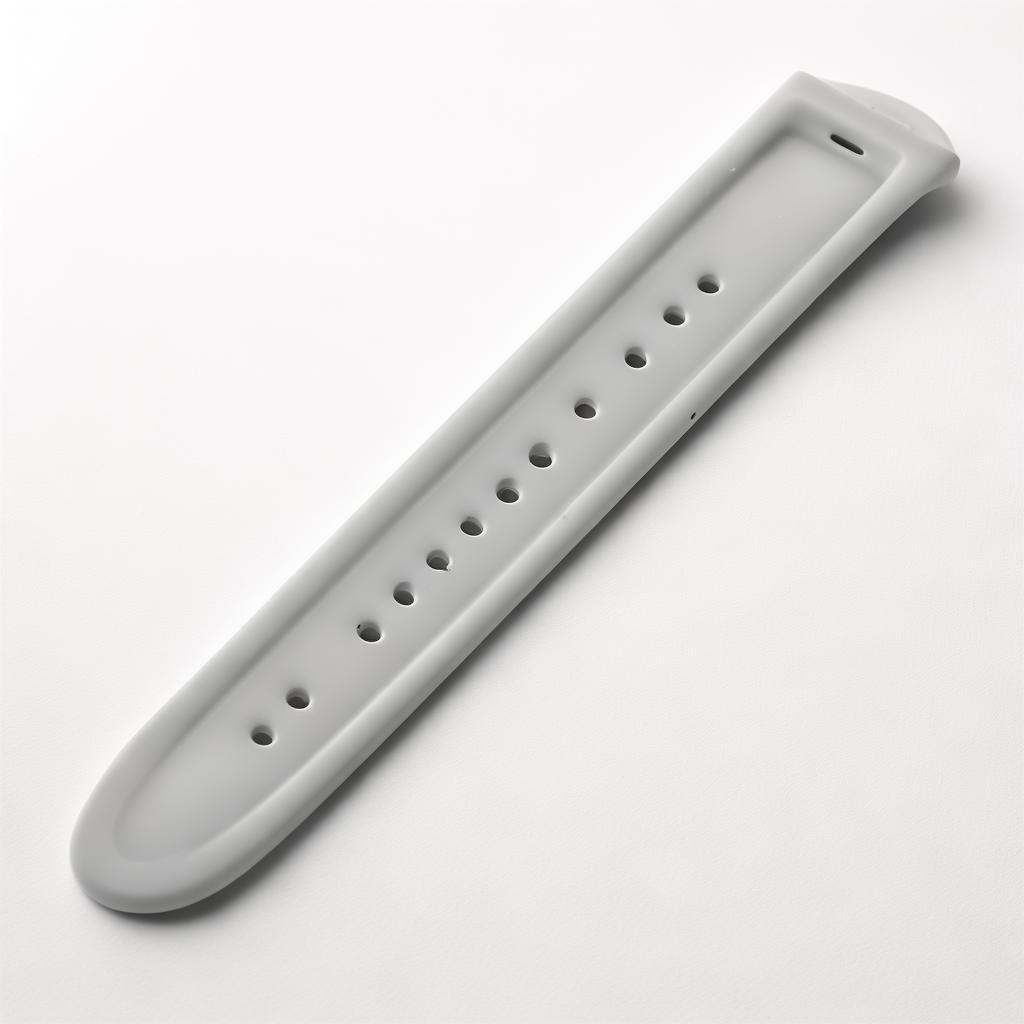
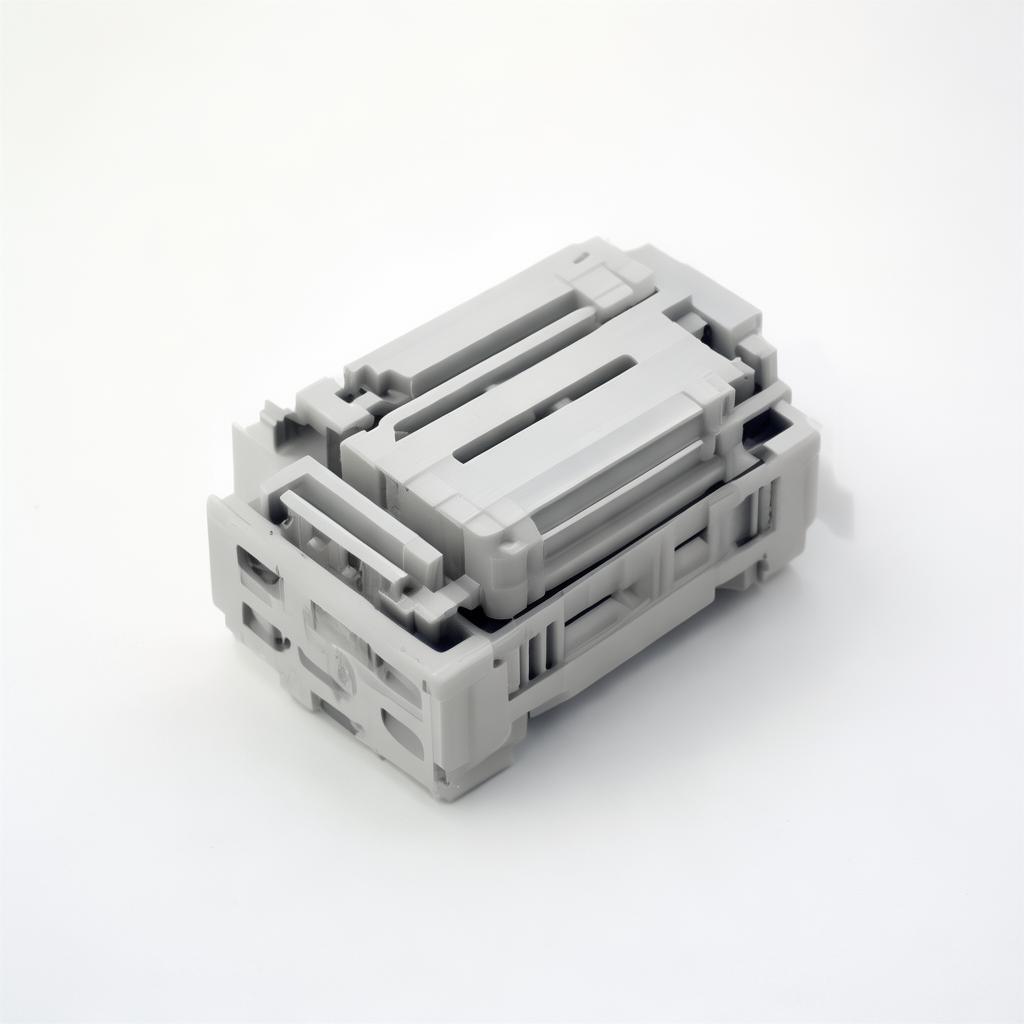
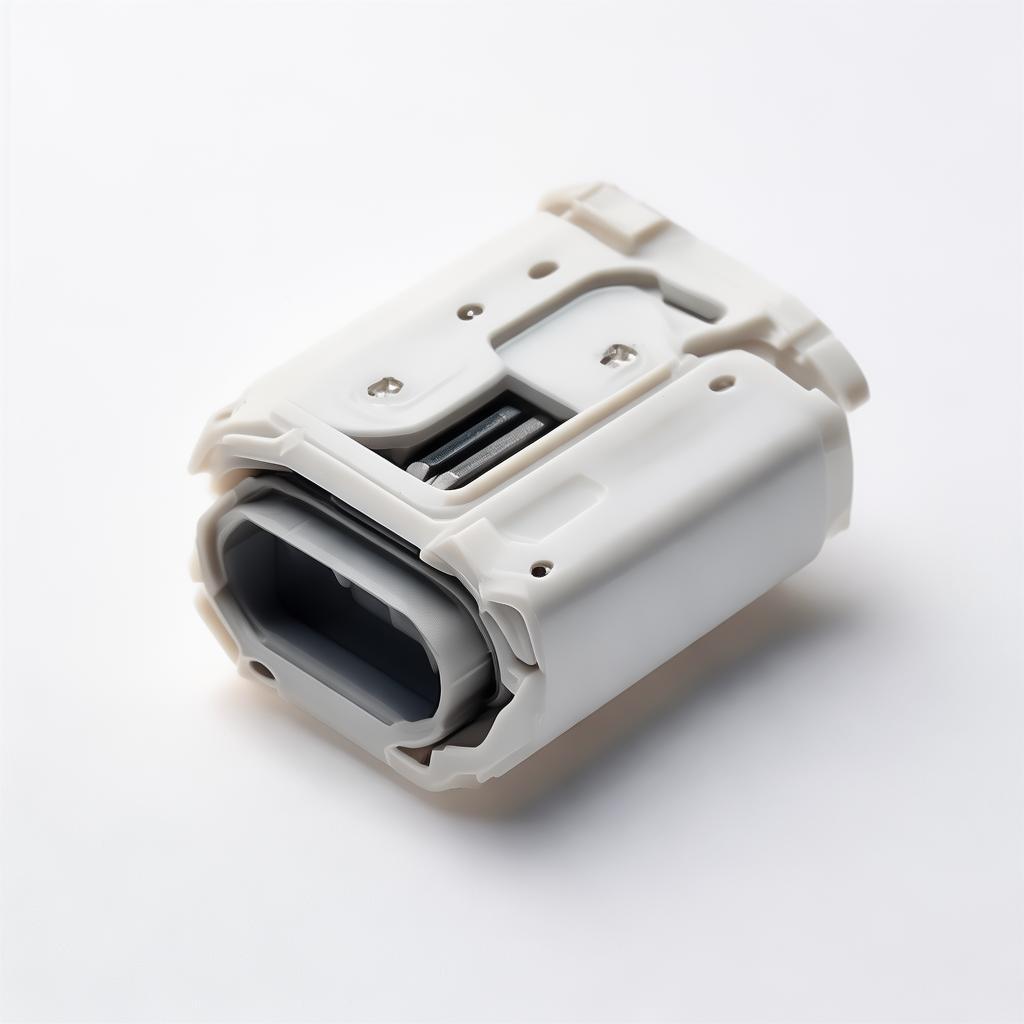
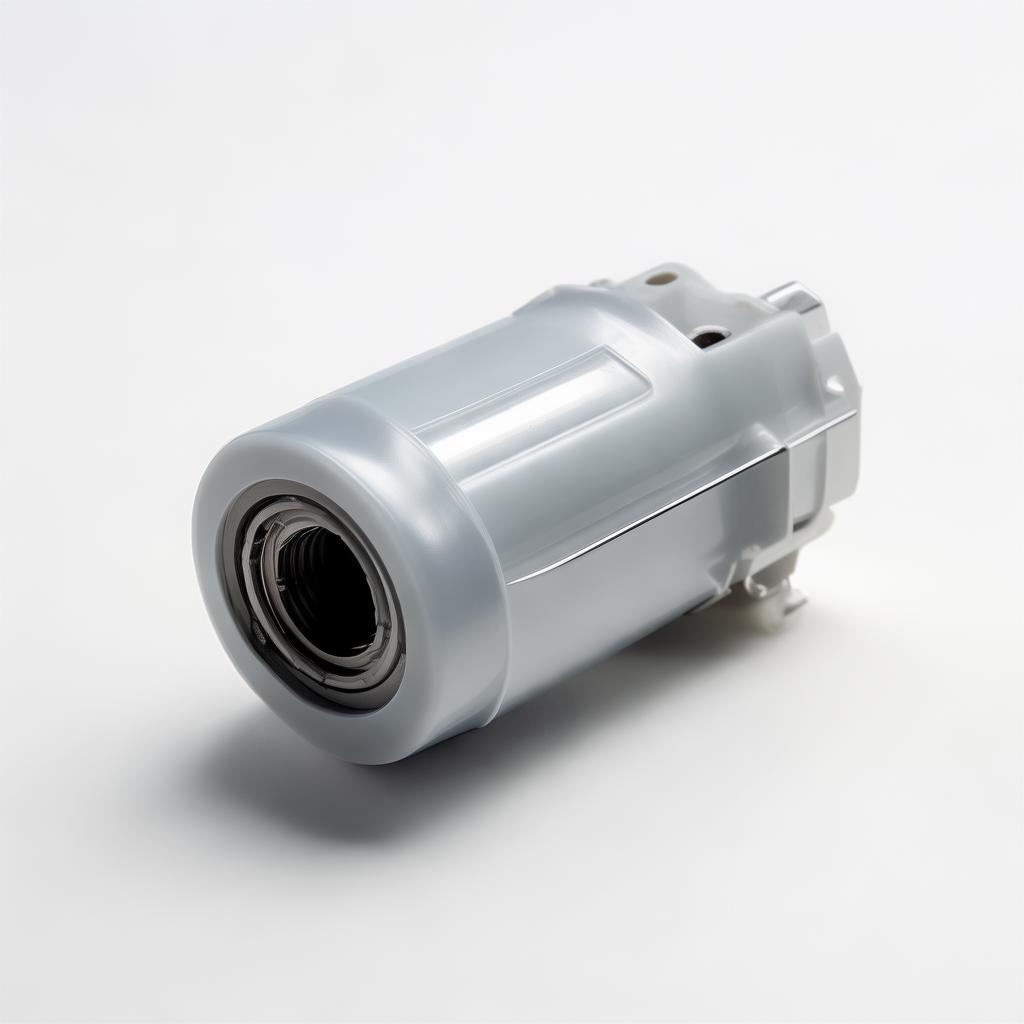
In the rapidly evolving manufacturing landscape, two color injection molded encapsulated parts are carving a niche with their unique combination of aesthetics, functionality, and durability. As a seasoned procurement advisor working closely with OEMs and ODMs across industries such as automotive, consumer electronics, and medical devices, I’ve observed a growing demand for these multi-material components. The process features the overmolding of two distinct thermoplastic or elastomer materials into a single, integrated part with encapsulation capabilities, serving complex sealing, insulation, or protective roles.
The genesis of this technology lies in the need to consolidate assembly steps, reduce part counts, and enhance product lifecycle performance — all critical for importers and technical engineering teams managing stringent supply chain and quality demands.
Technically, it involves sequential injection molding cycles with precise temperature and pressure controls to ensure robust bonding between substrates. This dual-injection approach yields encapsulated parts that feature discrete colors, textures, or hardness grades — a functional necessity for sealing elements and ergonomic grips in medical cases or automotive components.
The global market for liquid silicone rubber (LSR) and multi-material injection products continues to expand. Research forecasts, including the Grand View Research Liquid Silicone Rubber Market Report (2030), indicate CAGR values averaging between 6.5%-9.3% driven by sectors demanding biocompatibility, thermal resistance, and superior tactile characteristics.
Operationally speaking, effective management of mold tool design, cycle consistency, and supply reliability makes or breaks successful deployment of two color injection molded encapsulated parts in high-volume production.
For procurement managers, understanding these nuances is critical in qualifying suppliers, negotiating lead times, and validating compliance with ISO 9001, RoHS, and CE standards relevant to industrial and consumer applications.
Industry Challenges & Common Pitfalls
As the trend towards multi-shot injection molding advances, buyers face several operational hurdles. Among the notable pain points:
Material compatibility: Some suppliers underestimate the adhesion difficulties between polar and non-polar polymers or between thermoplastics and LSR, leading to delamination.
Mold design complexity: Molds must incorporate sophisticated cavity sealing, thermal control, and venting systems, requiring investment in expert tooling that can escalate initial costs.
Cycle time variability: Switching between color injections or materials without causing flash or short shots often requires tight process control, which some manufacturers struggle to maintain in mass production.
Quality inconsistency: Differences in color migration, surface finish, and encapsulation depth can affect final product acceptance, especially in regulated medical or automotive sectors.
Lead time unpredictability: Depending on tooling readiness and logistics, delivery timelines can fluctuate, putting JIT schedules at risk.
Certification gaps: Not all suppliers provide reliable compliance proof with UL, ISO or FDA requirements, critical for buyers in safety-conscious industries.
From a manufacturing standpoint, tooling iteration cycles without precise rheological data negatively impact simulation accuracy and cause costly redesigns — a familiar complaint among seasoned engineers. Industry discussions such as those on Reddit injection molding forums back this up with shared real-world anecdotes about LSR versus solid silicone molding tradeoffs.
Technical Overview: Two Color Injection Molding Process & Specifications
The dual-shot injection molding for encapsulated parts involves two primary phases within a single mold. Initially, the base substrate material – commonly a durable thermoplastic such as ABS or polycarbonate – is injected into the mold cavity. After partial cooling, the mold rotates or slides to the second cavity where the encapsulation material, often liquid silicone rubber or a contrasting hard plastic, is injected to form an integrated covering layer.
This encapsulation boosts protection against environmental hazards such as moisture and abrasion, while providing functional advantages like anti-slip grip or electrical insulation.
Technical Specification Overview
Parameter
Typical Range / Value
Notes
Base Material
ABS, PC, PBT, Nylon
Based on application performance & cost
Encapsulation Material
Liquid Silicone Rubber (LSR), TPE
Options for flexibility, sealing, or thermal resistance
Cycle Time
35-60 seconds
Heavily dependent on part geometry and material thermal properties
It is advisable for engineers and procurement managers to engage in detailed mold trials focusing on viscosity, curing kinetics, and thermal flow dynamics as outlined in papers such as the MDPI study on Material Characterization to minimize defects and optimize dimensional fidelity.
Material Comparison: Selecting Optimal Substrate and Encapsulation Materials
Choosing materials to blend for encapsulated parts is a nuanced trade-off. Several factors influence decision-making:
Mechanical requirements: Tensile strength, elongation at break, hardness are key for base and encapsulated layers.
Chemical resistance: Exposure to fuels, lubricants, or sterilization agents demands suitable elastomer grades.
Thermal stability: Operating temperature ranges determine compatibility with automotive or electronic environments.
Regulatory compliance: Food grade or medical grade certifications add complexity.
Liquid Silicone Rubber remains a dominant choice with exceptional biocompatibility, temperature tolerance (-50°C to +200°C), and UV resistance. TPE alternatives come with cost benefits but sometimes compromise on longevity and chemical exposure.
Table: Material Feature Highlights
Material
Key Property
Typical Application
LSR
Biocompatible, High temp resistance, Flexibility
Medical seals, electrical insulation, wearable devices
TPE
Cost-effective, Moderate chemical resistance
Consumer products, protective covers
ABS
Rigidity, good surface finish
Structural base parts, housings
Certification-wise, check for ISO 9001 quality management, RoHS for hazardous substances, and CE marks where relevant for market acceptance and risk mitigation.
Diverse Application Scenarios
Two color injection molded encapsulated parts excel where combined protection and usability coalesce. Here’s a practical overview:
Automotive: Weatherproof connectors, sealing gaskets, and ergonomic dashboard components benefiting from multi-material integration.
Consumer Electronics: Waterproof casings and soft touch grips for wearables, earbuds, and smart home devices.
Medical Devices: Housings and overmolds providing sterilizable and biocompatible flex sealing for diagnostic and monitoring tools.
Industrial Appliances: Durable encapsulated parts for power tools, HVAC controls, and control panel interfaces requiring mechanical robustness and chemical resistance.
This flexibility makes two color injection molded encapsulated parts prime candidates for markets demanding durability with user-centric design.
Procurement Guidance & Risk Reduction
As a procurement consultant, my advice often centers on upfront diligence to avoid costly oversights. Consider:
Supplier capability audit: Verify that potential partners have multi-shot injection molding experience, along with mold development proficiency and robust process control.
Sample validation: Request free prototypes and benchmark parts for dimensional accuracy, color consistency, and encapsulation adhesion.
Certifications check: Obtain copies of relevant factory certifications like ISO 9001, FDA (if applicable), and environmental compliance.
Lead time negotiation: Confirm mold fabrication timelines and batch production lead times, accounting for logistics and customs clearance to manage JIT needs.
Documentation and traceability: Ensure detailed production records and batch traceability for quality control and warranty claims.
OEM/ODM flexibility: Prefer suppliers offering design collaborations to optimize mold tooling and material choice for your specific application.
Logistics-wise, consolidated container loading strategies and methodical packaging reduce transit damage – an often-overlooked factor impacting final acceptance rates.
Frequently Asked Questions
Q1: What is the typical lifespan of encapsulated two color molded parts in automotive environments?
Depending on material selection and design, these parts can reliably last over 5-7 years under standard automotive interior and exterior conditions, factoring UV exposure and temperature swings.
Q2: Can you customize durometer hardness for each color/material?
Yes. It’s standard to tailor hardness grades and colors separately to meet ergonomic, sealing, or protective performance requirements.
Q3: How does mold maintenance affect part quality?
Regular mold cleaning, alignment checks, and seal inspections are critical to minimizing defects such as flash, incomplete encapsulation, or inconsistent material bonding.
Q4: What packaging methods are recommended for these parts during export?
Anti-static wrapping combined with foam inserts and sealed cartons ensures parts retain surface finish and shape integrity after long transit.
Q5: Are these parts suitable for food-grade or medical use?
When manufactured with FDA-approved materials and following validated cleanroom or GMP processes, they can comply with requisite health and safety standards.
Customer Reviews & Industry Feedback
Jane H., Procurement Manager, Electronic OEM (California)
“Switching to two color encapsulated parts from Yingtai greatly streamlined our assembly line. The tight molding tolerances and superior silicone adhesion were noticeable immediately. Shipping coordination was smooth, avoiding past delays.”
Get in Touch
If you have any camping barbeque equipment inquiry, please feel free to contact us.