Precision, durability, and seamless multi-material integration for advanced industrial applications Two color injection molding is a sophisticated manufacturing process where two distinct materials or colors are injected into a single mold to create an
Product Details
Two Color Injection Molded Encapsulated Products
Precision, durability, and seamless multi-material integration for advanced industrial applications
Introduction: Understanding Two Color Injection Molding
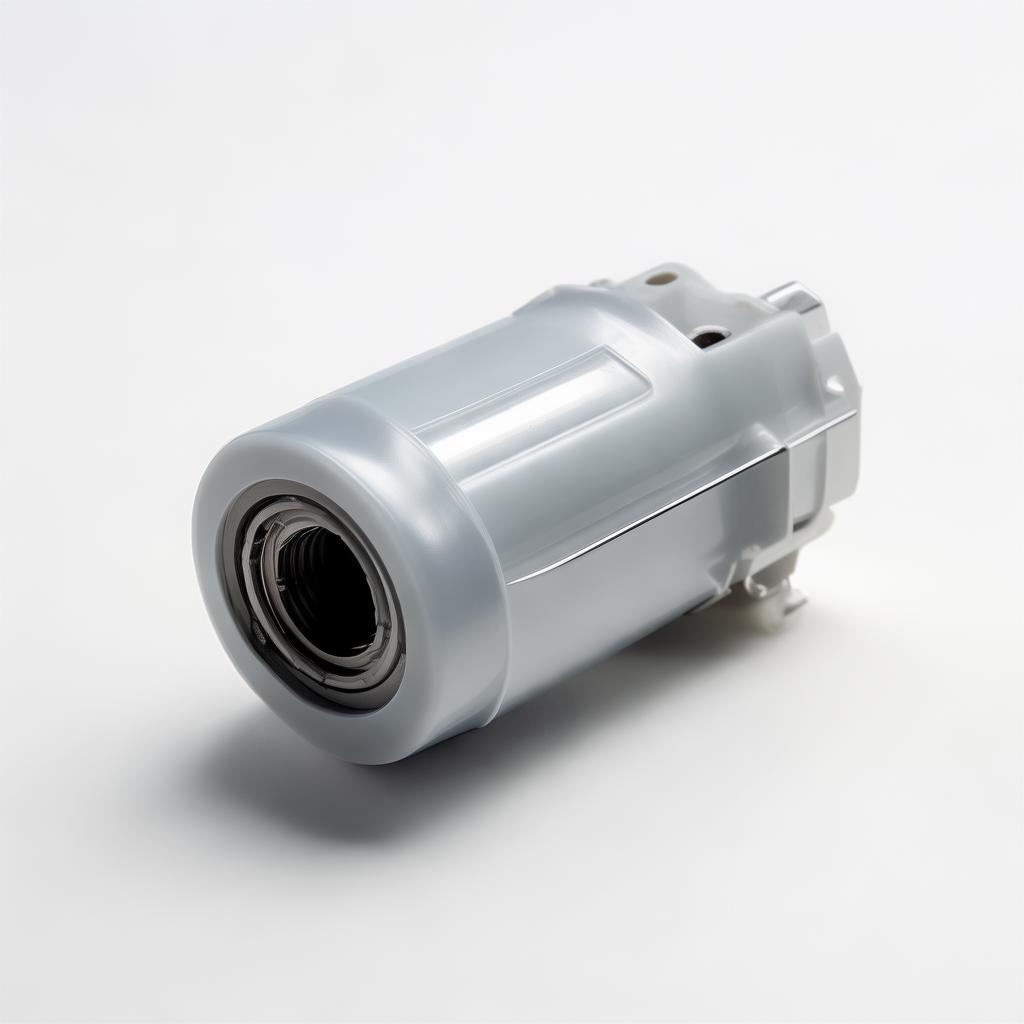
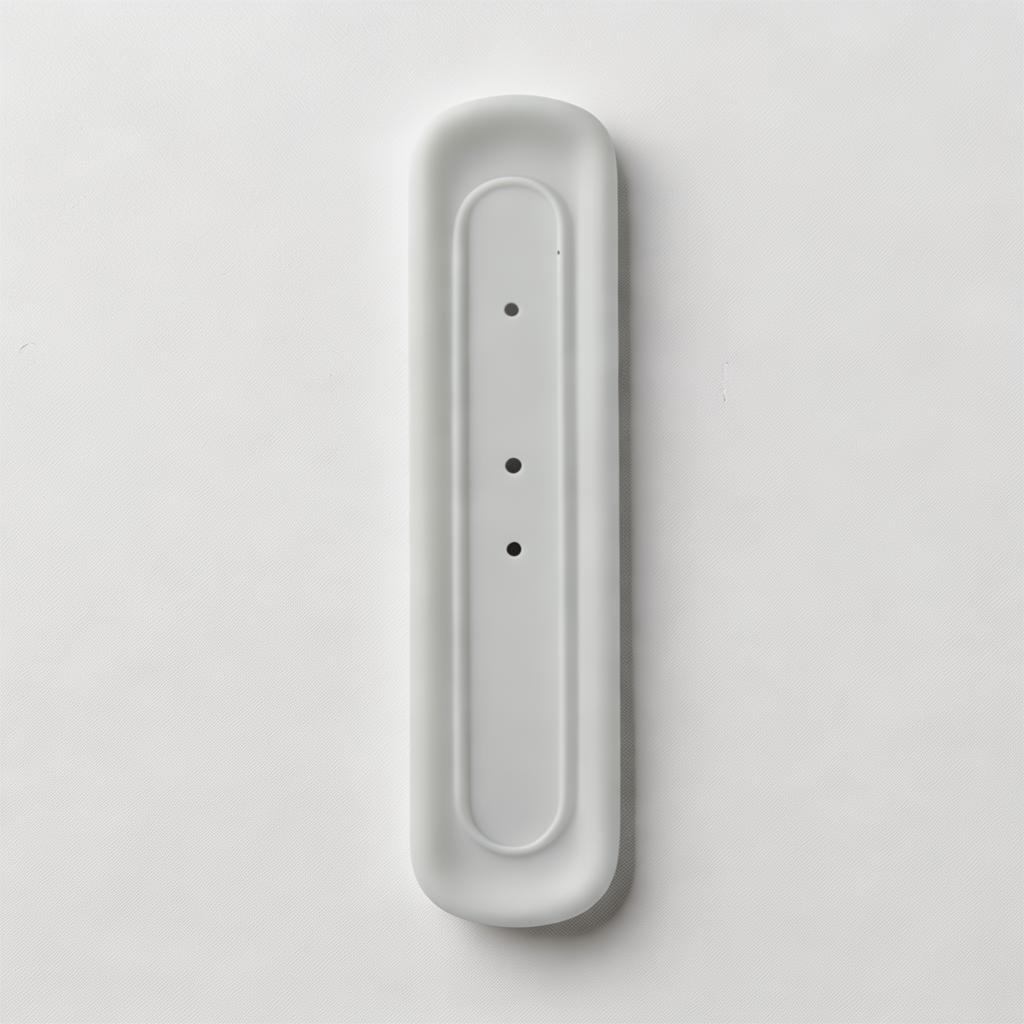
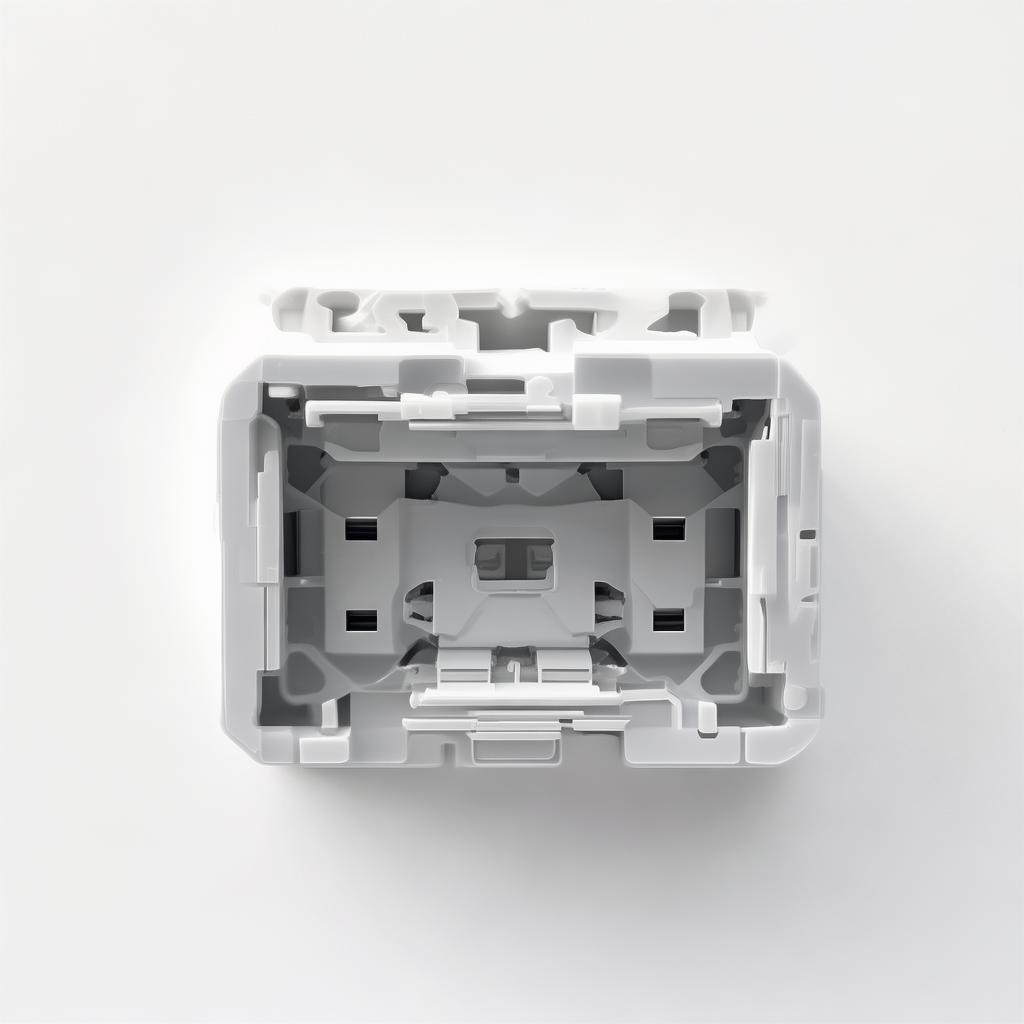
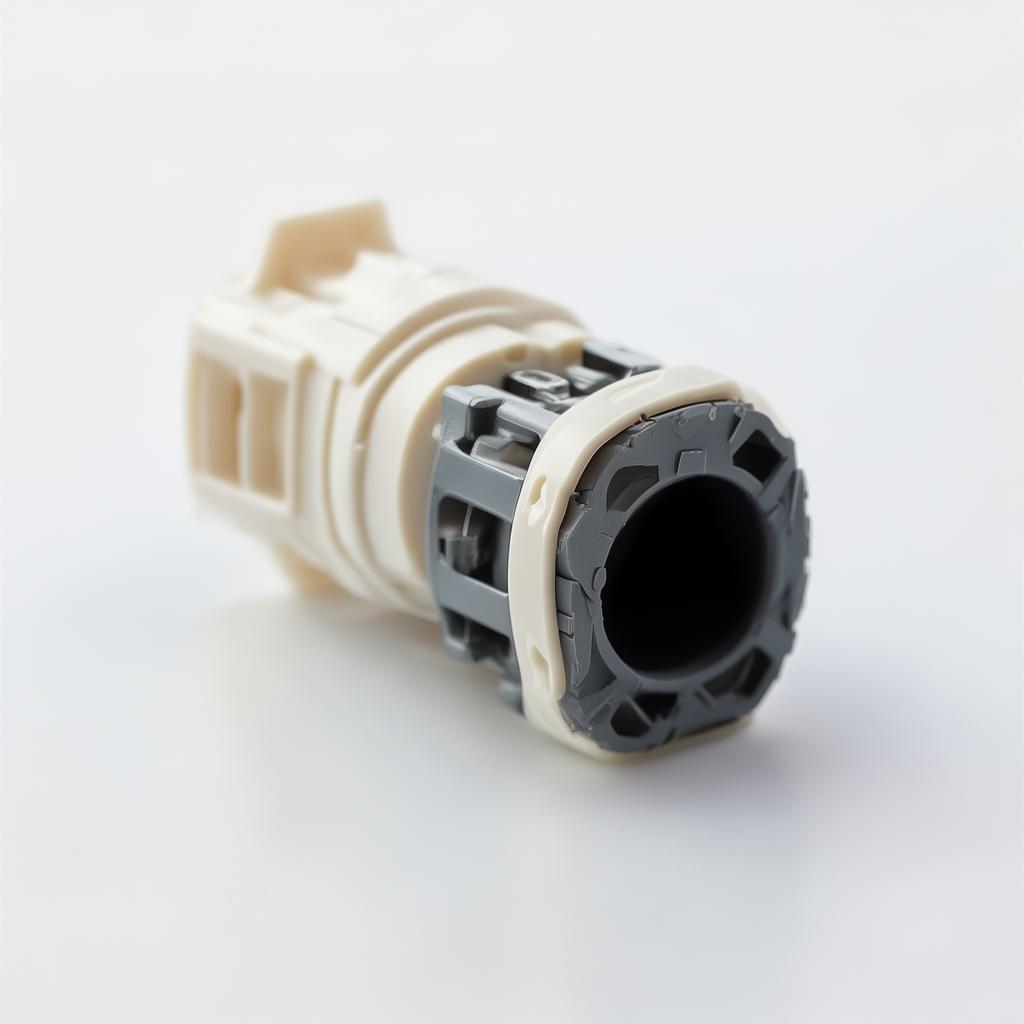
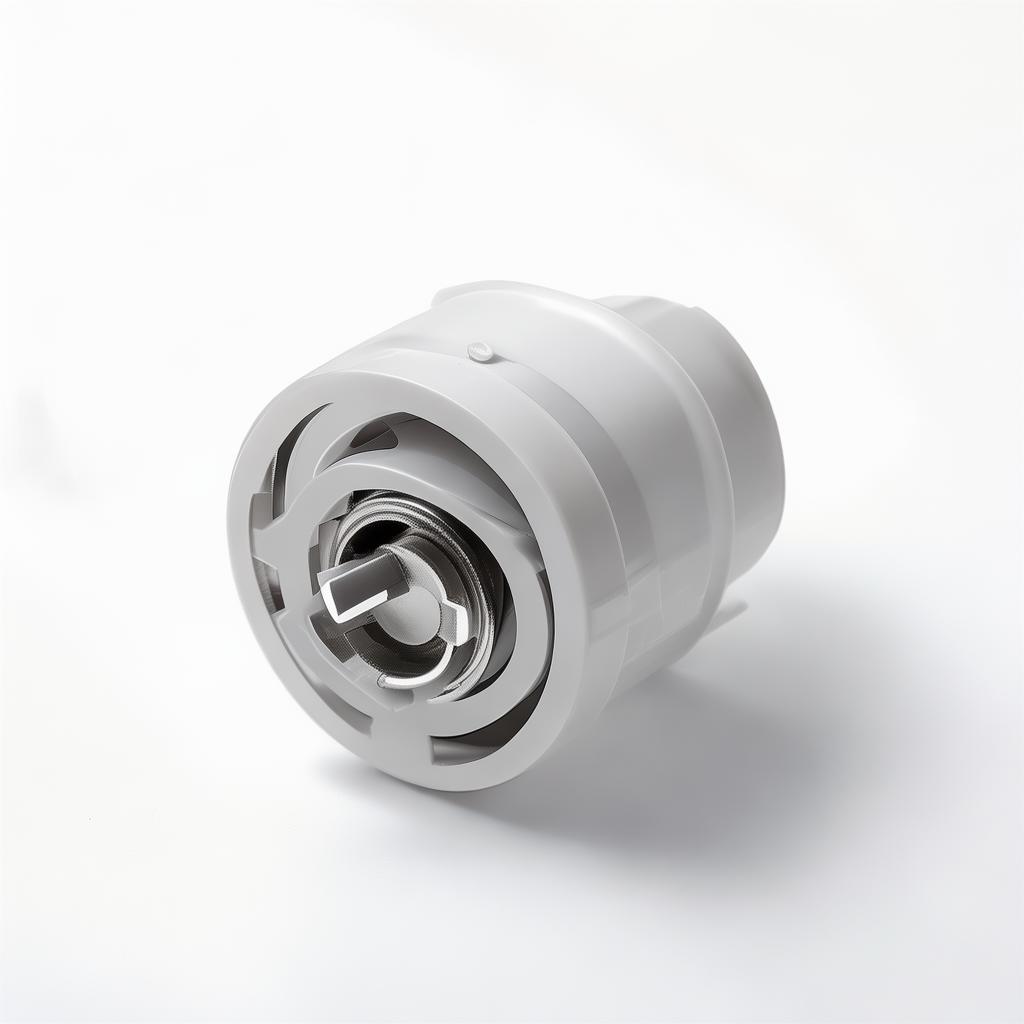
Two color injection molding is a sophisticated manufacturing process where two distinct materials or colors are injected into a single mold to create an encapsulated product with multiple functional or aesthetic layers. This process enables complex component designs that integrate soft-touch elastomers with rigid plastics or combine vibrant colors for enhanced product appeal — all consolidated into one seamless piece. The encapsulation achieved through this molding technique is highly valued in industries requiring durable, high-precision parts with integrated sealing, insulation, or ergonomic features.
Especially when paired with liquid silicone rubber (LSR) and advanced thermo-plastics, two color injection molding opens the door to manufacturing products that meet stringent performance and quality standards demanded by sectors like automotive, consumer electronics, medical devices, and smart wearables.
The versatility of this process addresses multiple industrial requirements: superior vibration dampening, waterproof encapsulation, improved grip surfaces, and visually distinct design elements. With more suppliers expanding OEM/ODM capabilities in this space, choosing the right manufacturing partner becomes critical to balance cost-efficiency, production lead-time, and product reliability. Long gone are the days when simple overmolding sufficed — today’s market demands complex dual-material integration with precise dimensional control and consistent color accuracy.
From our operational perspective at Guangdong Yingtai High Precision Technology Co., Ltd., mastering this process involves comprehensive tooling expertise, strict material compatibility testing, and a factory ecosystem equipped with precision molding machines, including over 80 automatic injection machines and 55 liquid silicone molding setups. Our industry experience reveals that early-stage collaboration between procurement and engineering teams significantly reduces costly post-production surprises. It’s not just about the “what” but the “how” — how materials cure, bond, and behave under injection pressures.
Market data supports this strategic focus. According to Grand View Research (2023), the LSR market is forecasted to nearly double by 2030, driven by precision molded products requiring innovative multi-shot injection molding technologies. This trend affirms the increasing demand from clients aiming to integrate functionality with aesthetics while managing risk through reliable supplier partnerships.
In simple terms, if your procurement roadmap includes “two color injection molded encapsulated products,” expect a technical and commercial journey that prioritizes:
Material synergy between thermoplastics and elastomers
Precision mold design with multi-stage injection gates
Process validation with rheological and thermal simulation
Strict quality control aligned with ISO and CE standards
Optimized supply chain logistics to reduce lead times and freight costs
This page will unpack these core elements in detail, sharing operational insights gained over two decades and providing practical recommendations for buyers navigating the industrial B2B market.
Industry Pain Points and Procurement Challenges
Understanding the common bottlenecks faced by purchasing managers helps prevent costly production setbacks. Two color injection molded encapsulated products inherently come with challenges rooted in design complexity and material compatibility. Here are some frequently encountered pain points:
Material mismatch and poor adhesion: Not every thermoplastic interfaces equally with silicone elastomers, leading to delamination and compromised sealing.
Cycle time unpredictability: Without advanced process simulation—incorporating rheological data as highlighted in MDPI’s recent study—manufacturers risk inconsistencies and overproduction delays.
Tooling expense and modification risk: Dual-injection molds are complex and costly. Rapid tooling revisions can inflate production costs.
Color accuracy and repeatability: Achieving tight tolerances in color matching across batches requires stringent material and process controls.
Logistics hurdles: These products often face customs classification complications combined with bulk shipping restrictions due to varied material densities.
From a procurement perspective, one critical mistake is selecting suppliers without proven expertise in multi-shot or overmold processes. While many players claim to offer two color injection molding, not all maintain the precision standards required for encapsulated applications in device housings or automotive sealing. You want to avoid partners prone to warranty claims or batch inconsistency.
Moreover, buyers should carefully consider the lead time implications. For example, tooling development alone can take 30 to 90 days depending on design complexity and mold material. Adding multi-component injection adds complexity to cycle setup and validation. Partnering with a supplier like Yingtai, equipped with an integrated industrial park and advanced automatic molding equipment, helps streamline these timelines substantially.
Technical Deep Dive: Materials and Process
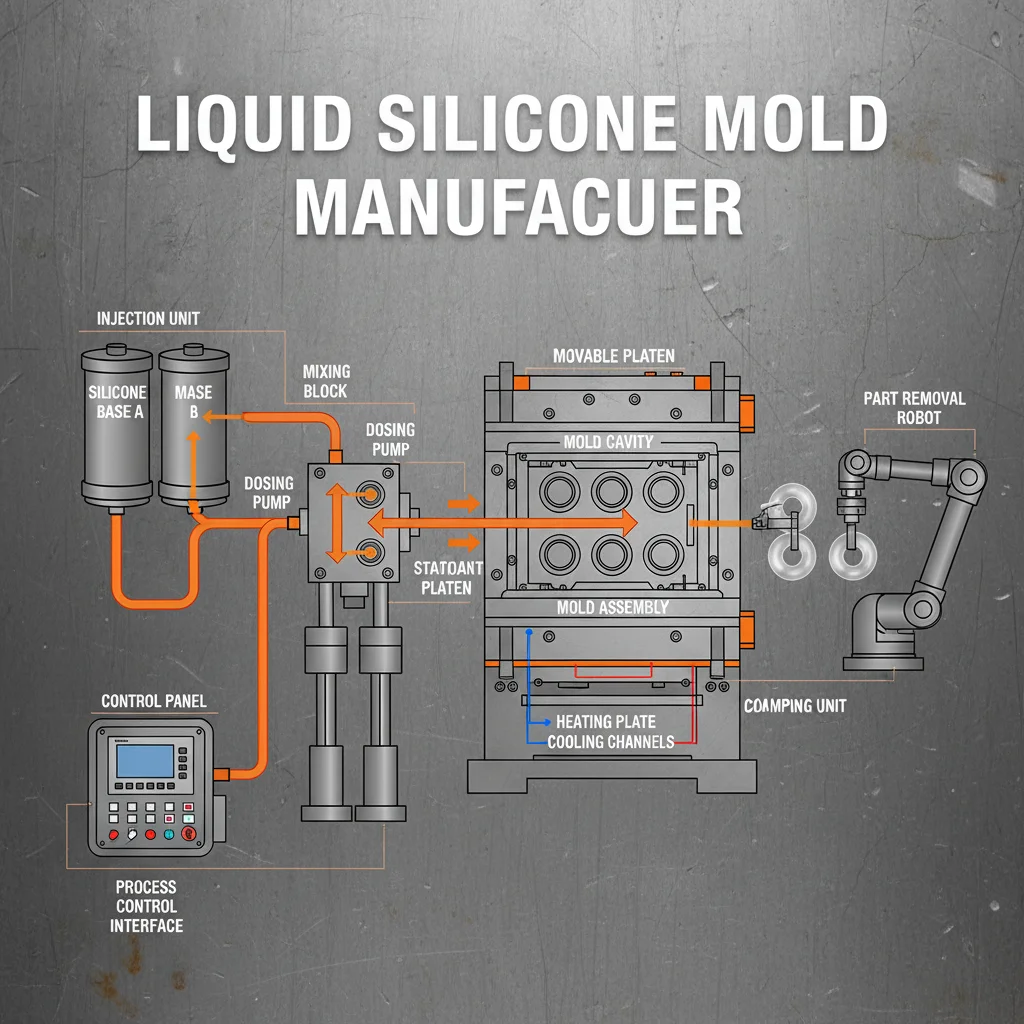
Two color injection molding combines the challenges of standard injection molding with the added complexity of multiple materials injected within one cycle, often referred to as multi-shot or overmolding processes. The inner workings of this are nothing short of a juggling act between
thermal management, cavity sealing, and precise injection timing.
The most commonly used materials for encapsulation in two color molding are:
Liquid Silicone Rubber (LSR): Valued for its flexibility, chemical resistance, and heat endurance. Thanks to its unique curing mechanism, LSR is ideal for soft touch components and waterproof seals.
Thermoplastics such as ABS, PC, PBT: Provide structural rigidity, dimensional stability, and can be transparently tinted or pigmented.
Injecting these materials successively requires molds with multiple injection units — a feature Yingtai’s 65+ molding machines support with programmable multi-shot control systems. Our team carefully programs dwell times, injection pressures, and mold temperatures to minimize flash marks and ensure tight binding at the interface.
Here’s a summary table of typical injection parameters and material properties for standard two color process runs:
Parameter
Liquid Silicone Rubber (LSR)
ABS Thermoplastic
Injection Temperature
160-180°C
230-270°C
Mold Temperature
40-60°C
60-90°C
Cycle Time
15-35 seconds
20-45 seconds
Tensile Strength
6-12 MPa
40-60 MPa
Shrinkage Rate
~1.2%
0.4-0.7%
Notably, bonding performance is sensitive to surface treatment and temperature profiles between shots. Recent academic research (MDPI Polymers – MC-Injection Molding) demonstrates how tailored process optimization significantly improves inter-material adhesion, critical for long-term durability in medical and electronic sealing applications.
Product Advantages & Material Comparison
Choosing two color injection molded encapsulated products yields several operational and end-use benefits:
Integrated functionality: Encapsulation allows combining rigid supports with soft grips, waterproof seals, or impact-dampening elastomers—eliminating assembly complexity.
Higher aesthetic value: Dual-color molding enhances branding and consumer appeal without requiring secondary painting or labeling.
Improved product lifespan: Using LSR components with chemical and UV resistance extends the useful life of electronic and automotive parts.
Reduced manufacturing steps: Single-cycle production cuts tooling and labor cost compared to multi-component post-assembly.
Consistent quality: Automated CNC milled molds and precise robotic injection eliminate frequent human error.
To help clarify procurement decisions, here is a material property comparison highlighting why LSR and thermoplastics dominate two color injection molding:
Operational note: Material selection should be guided by product environment and end-use demands. For sealed automotive connectors or wearable device components, LSR offers unmatched flexibility combined with environmental resistance. Meanwhile, thermoplastics provide structural framing strength and cost-effectiveness.
Key Application Scenarios
Across various industries, two color injection molded encapsulated parts have become indispensable — thanks to their multifunctional properties. Typical application fields include:
Automotive: Precision sealing gaskets, protective housings for sensors, soft-touch dashboard buttons combining rigid and flexible materials.
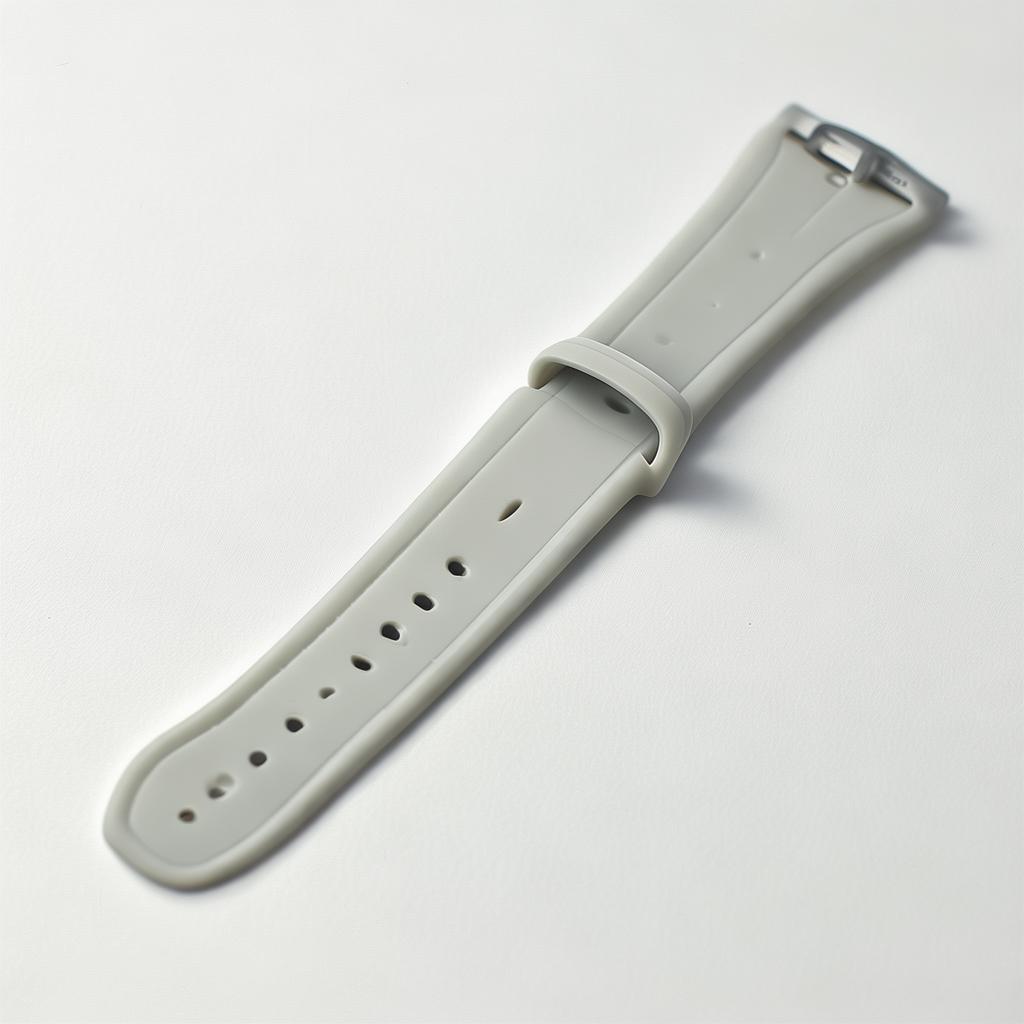
Consumer Electronics: Smart watch bands, mobile phone protective bumper cases with integrated grips and waterproof sealing elements.
Medical Devices: Wearable health monitors requiring biocompatible encapsulation, soft flexible grips, and cleanability.
Industrial Equipment: Protective end caps for hydraulic connectors, vibration-resistant covers, or cable management components.
Each use case underscores the value of integrated design: replacing secondary assembly processes with a seamless injection molded solution reduces assembly errors and improves mechanical reliability. Our factory's experience producing over 20 million encapsulated parts annually attests to scaling challenges and production best practices.
Installation & Logistics Considerations
From a field installation and supply chain view, here are key insights drawn from operations managing shipments to North America and Europe:
Handling caution: Encapsulated products with combined elastomer and plastic parts need careful packaging to avoid deformation or abrasion during transit. Custom foam inserts or compartmentalized trays often ensure best outcomes.
Temperature sensitivity: Extreme cold or heat can temporarily affect the flexibility of silicone components. Warehouse storage between 10°C and 30°C typically preserves optimal product integrity.
Container loading: Due to varying densities and sizes, packing optimization must maximize container volume without stressing soft parts. We advise consulting your supplier’s logistics planners well in advance.
Lead time realistic expectations: Premium quality molds and multi-shot molds require longer setup times. Buffer these into project timelines to prevent last-minute rush and cost overruns.
Practical advice: when selecting a supplier, evaluate their logistics support capabilities including export documentation, freight partnerships, and local regulatory compliance expertise. Yingtai’s export team specializes in streamlined customs brokerage and shipping plan optimization for industrial B2B clients.
Procurement Guidance & Supplier Evaluation
Selecting the right two color injection molding partner can spell the difference between a successful product launch and costly production delays. Here are pragmatic tips to help procurement professionals navigate supplier assessment:
Factory capabilities: Confirm the supplier operates dedicated multi-shot injection machines and has in-house mold development capabilities.
Certifications & standards: Look for ISO9001, CE marking, FDA compliance (where applicable), and material traceability systems.
Process transparency: Efficient suppliers share process parameters, run cycle data, and produce pilot prototypes before committing to full runs.
After-sales & warranty: Assess their defect rate handling, return policies, and technical support responsiveness.
Sample & tooling cost policies: Negotiate sample runs and tooling iterations. Suppliers should collaborate rather than push excess design changes.
Industry focus: Specialized experience in your sector increases chances of smooth project execution and regulatory compliance understanding.
At Yingtai, our ecosystem features an integrated factory park with advanced mold processing and testing instruments, along with a team exceeding 500 experts supporting turnkey custom solutions. This integrated approach reduces the risk of quality issues commonly observed when tooling and molding are outsourced to different vendors.
Buyer FAQs
Q1: What is the typical lead time for two color injection molded products?
Depending on mold complexity and tooling revision cycles, lead times range from 45 to 90 days. Early collaboration on design and material selection can reduce iterations and shorten timelines.
Q2: How do you ensure color consistency between batches?
We use masterbatch colorants and conduct batch-to-batch comparative spectrophotometry testing. Process temperature and shot weight standardization also minimize variance.
Q3: Are samples available prior to mass production?
Yes. We provide functional prototypes and pre-production samples using rapid tooling and in-house 3D printing to expedite approval.
Q4: Can you customize dual-material hardness or surface textures?
Absolutely. Multi-shot molding allows adjustable silicone hardness levels and surface finishes on the rigid parts via mold surface treatments.
Q5: What certifications do your products have?
Our products comply with ISO 9001, ISO 14001, CE marking, and FDA material standards where applicable. Third-party testing reports are available upon request.
Client Reviews
Michael Reynolds
"We partnered with Yingtai for a complex automotive sealing project involving two color injection molding. Their precision tooling and quality controls ensured zero warranty claims after six months deployment in harsh environments. The process insight they shared upstream saved us unexpected delays."
Get in Touch
If you have any camping barbeque equipment inquiry, please feel free to contact us.



 Michael Reynolds