Introduction & Industry Context
The steady expansion of high-performance silicone applications in sectors like automotive, consumer electronics, wearable technologies, and industrial appliances has escalated demand for sophisticated encapsulation solutions. Today, two color injection molded encapsulation products offer a compelling answer by combining distinct polymers or silicone materials within a single, integrated molding process — enabling multifunctional parts with superior aesthetics, sealing, and durability.
For procurement directors and technical engineers, understanding this technology extends beyond surface appeal. Two color injection molding is not simply a cosmetic choice; it delivers tangible performance benefits by integrating materials with complementary properties — for instance, a rigid thermoplastic core for structural integrity alongside a flexible silicone outer layer for environmental protection. This combination improves vibration damping, impact resistance, and sealing capabilities in ways single-material parts cannot.
Sourcing such complex components entails navigating manufacturing challenges, selecting appropriate materials that maintain chemical compatibility, and ensuring precision molding techniques that prevent defects like delamination or flash. Established manufacturers, like Guangdong Yingtai High Precision Technology Co., Ltd., leverage decades of injection molding expertise, offering capacity for high-volume runs without compromising the tight tolerances and surface finishes expected in end-use products.
Industry reports highlight a fast-growing market for multi-material molded silicone parts. For example, the global Liquid Silicone Rubber (LSR) market is projected to nearly double by 2030 (Grand View Research, 2023), with two color injection molding rapidly emerging as a favored production method. Manufacturers increasingly invest in advanced tooling and process controls, including multi-shot injection machines and precision mold temperature regulation, to reduce cycle times and defects.
While the two color process adds complexity, the operational benefits are meaningful. Parts can be delivered ready-to-assemble, minimizing post-molding operations such as adhesion or sealing. This translates to cost savings downstream and shortened supply chains — an attractive prospect for worldwide sourcing teams balancing lead times, quality assurance, and logistics efficiency.
However, buyers should beware of common procurement pitfalls. This includes inadequate material compatibility analysis leading to debonding in use, or manufacturers lacking experience in multi-material overmolding workflows resulting in higher scrap rates. A solid grasp of the underlying technology and supplier capabilities is indispensable for ensuring operational success.
Technical Overview of Two Color Injection Molding
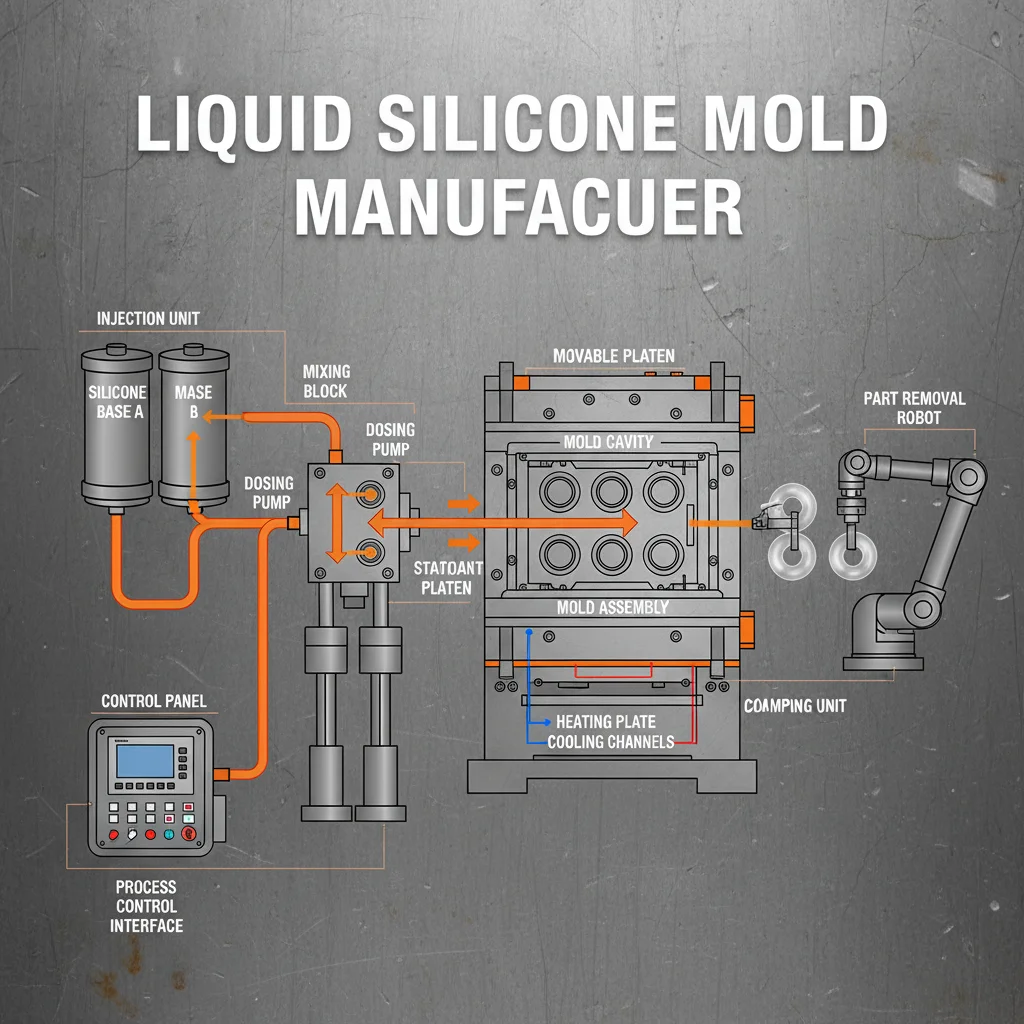
At its core, two color injection molding — often called two-shot molding or multi-component injection molding — is a specialized manufacturing process combining two different materials within a single mold cycle. The process typically involves:
- First Injection: The primary material (usually a rigid polymer or structural silicone) is injected into the mold cavity and partially or fully cured.
- Indexing: The mold or part is rotated or transferred to a second position.
- Second Injection: The secondary material (often a softer silicone or elastomer) is molded over or around the first shot, forming a cohesive, encapsulated structure.
Maintaining material compatibility between shots is essential for bond strength. Common combinations include thermoplastic elastomers (TPE) over polypropylene (PP), or liquid silicone rubber (LSR) combined with durable plastics for overmolded seals. Guangdong Yingtai's equipment features 55 LSR molding machines and over 80 plastic injection units, allowing integrated workflows from mold design through automated production.
Process parameters are critical: temperature control, injection pressure, shot timing, and curing cycles must be precisely regulated to prevent common defects such as air entrapment, delamination, or uneven flash. For example, recent research emphasizes that accurate material characterization and simulation data dramatically enhance production stability and reduce scrap rates (MDPI Study).
The tooling itself is highly engineered — molds are often made from hardened steel with complex channeling for rapid cooling and heated inserts for controlled curing. Two color molds can have multiple cavities or incorporate slide cores to create undercuts and intricate geometries. This level of precision supports components used in medical devices, automotive sensors, or high-tech consumer electronics where tight tolerances impact function.
Table 1: Typical Properties Compared Between Core and Overmold Materials
| Property |
Primary Material (e.g., Rigid Polypropylene) |
Secondary Material (e.g., Liquid Silicone Rubber) |
| Tensile Strength |
25–35 MPa |
6–12 MPa |
| Shore Hardness |
70D–90D |
20A–50A |
| Operating Temperature Range |
-20°C to 100°C |
-60°C to 200°C |
| Chemical Resistance |
Medium |
High (Oil, UV, Ozone resistant) |
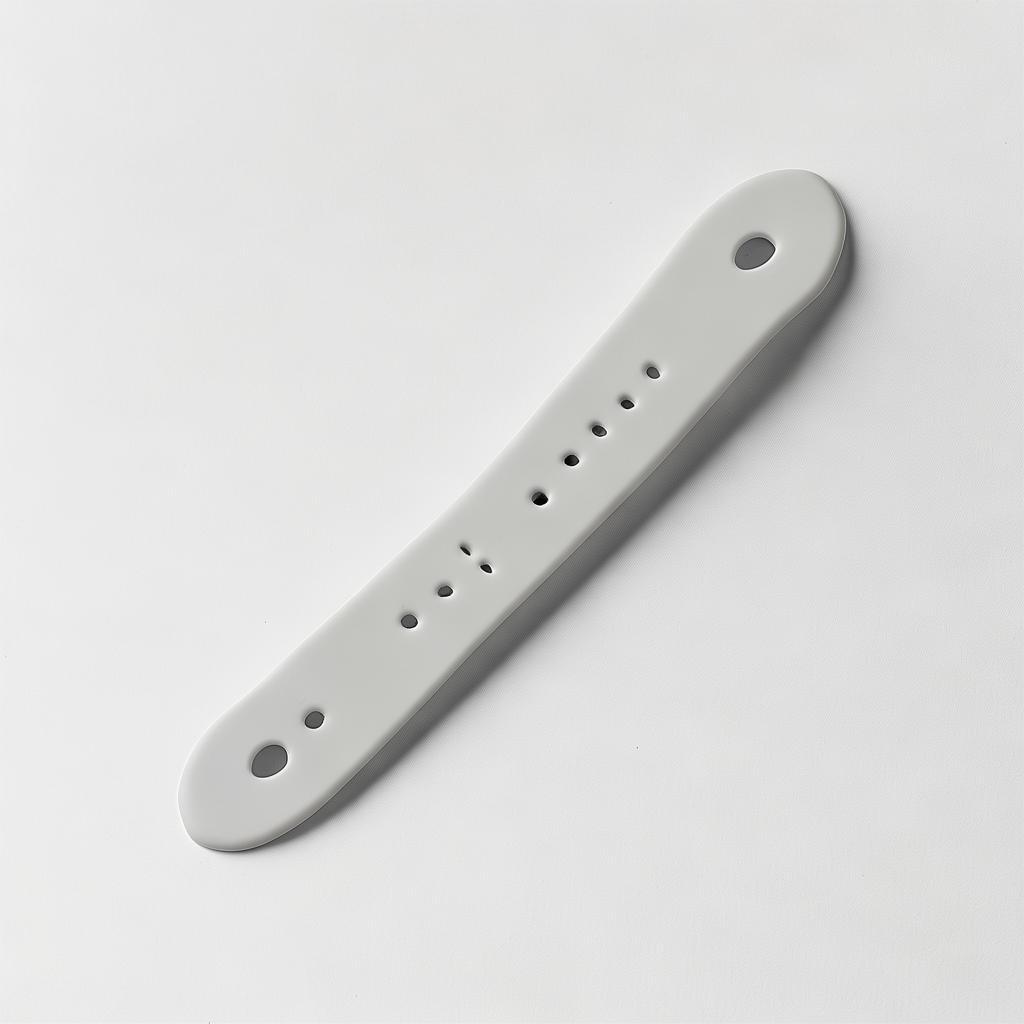
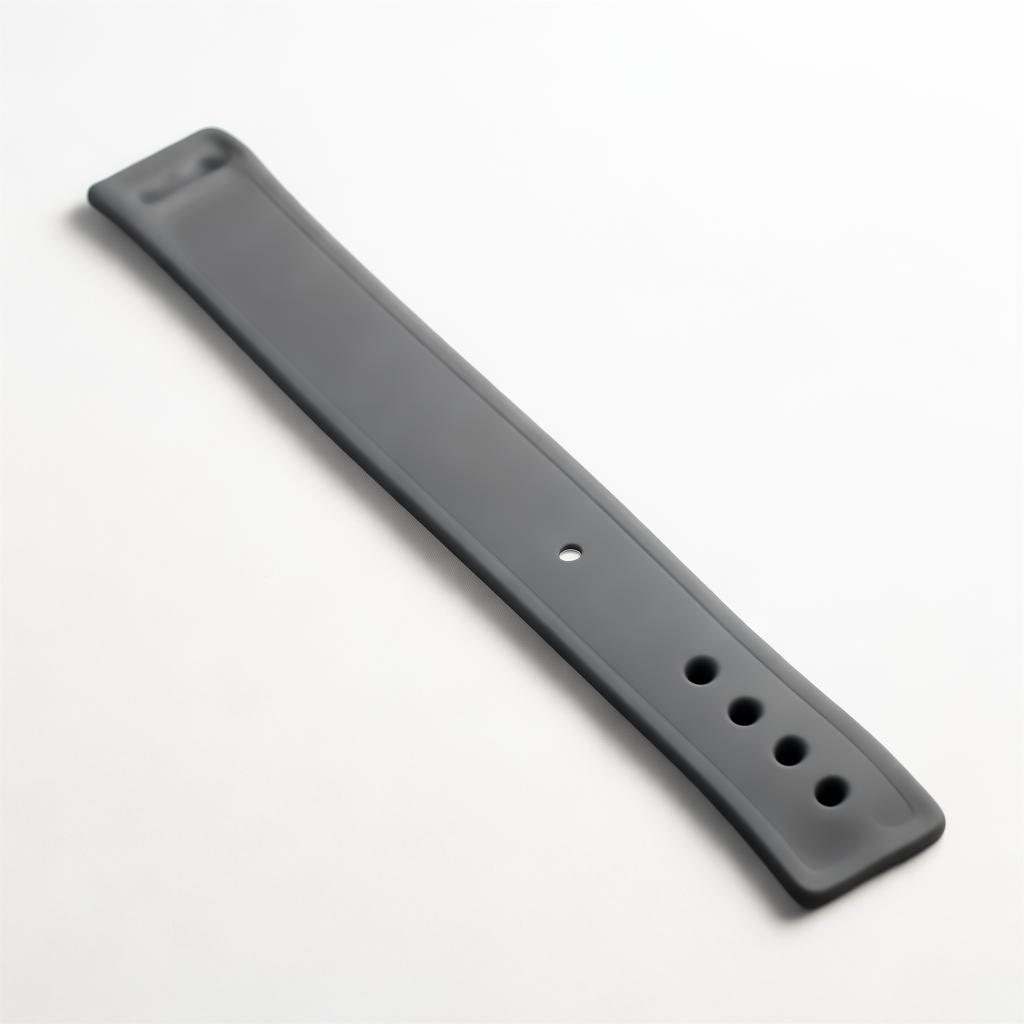
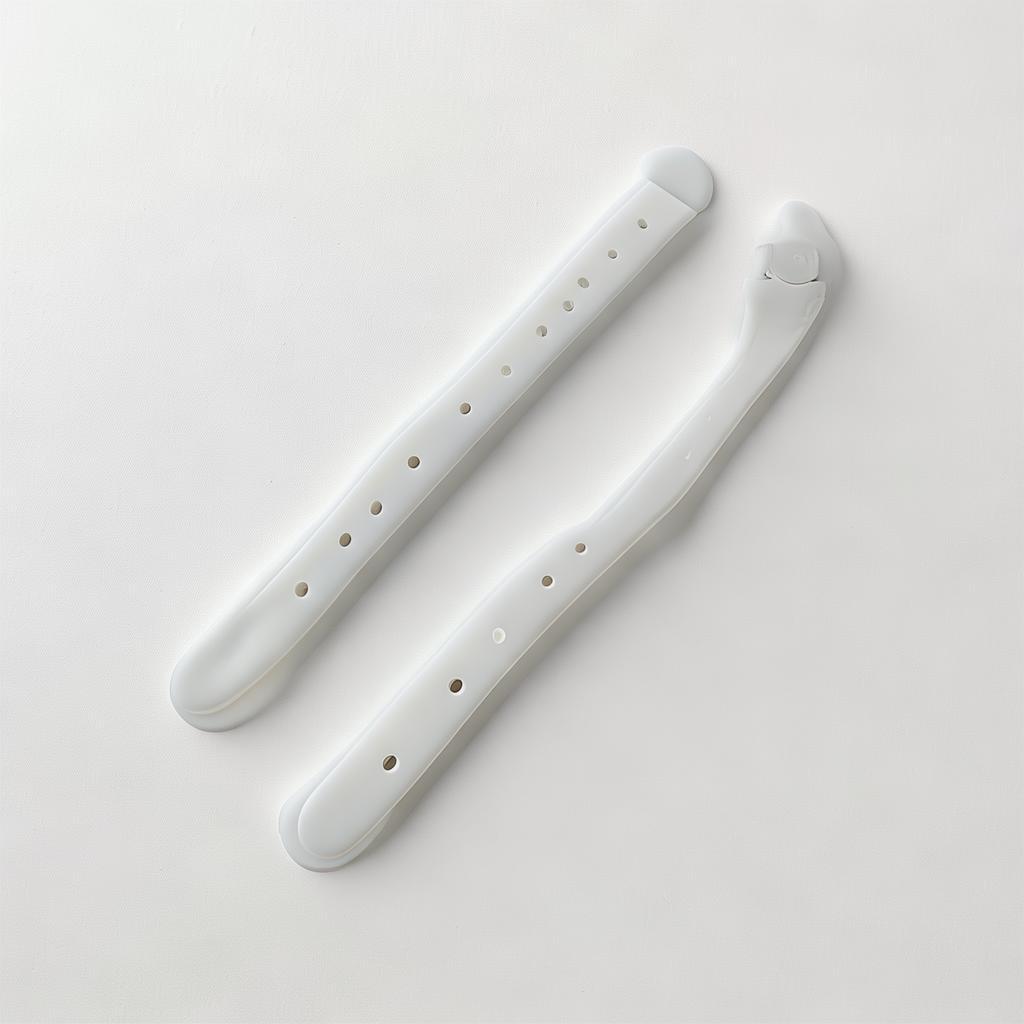
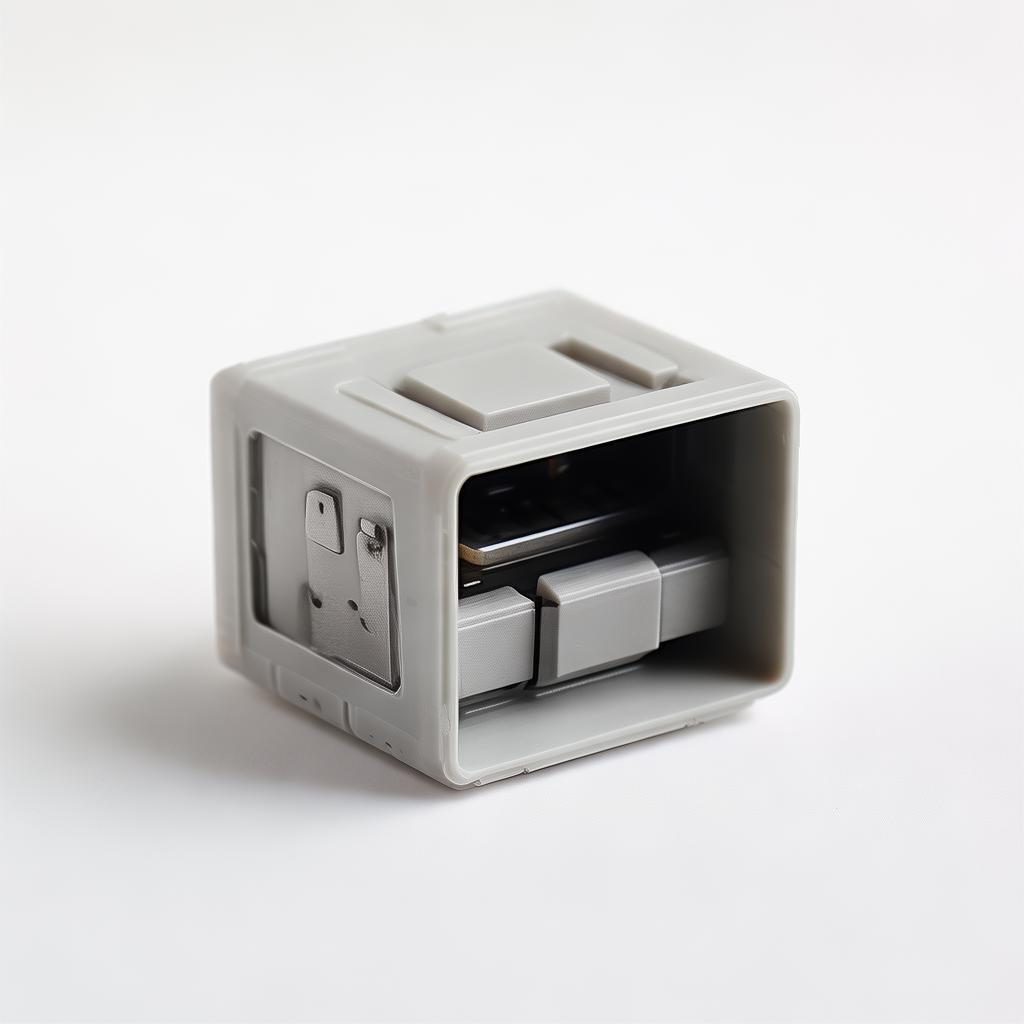
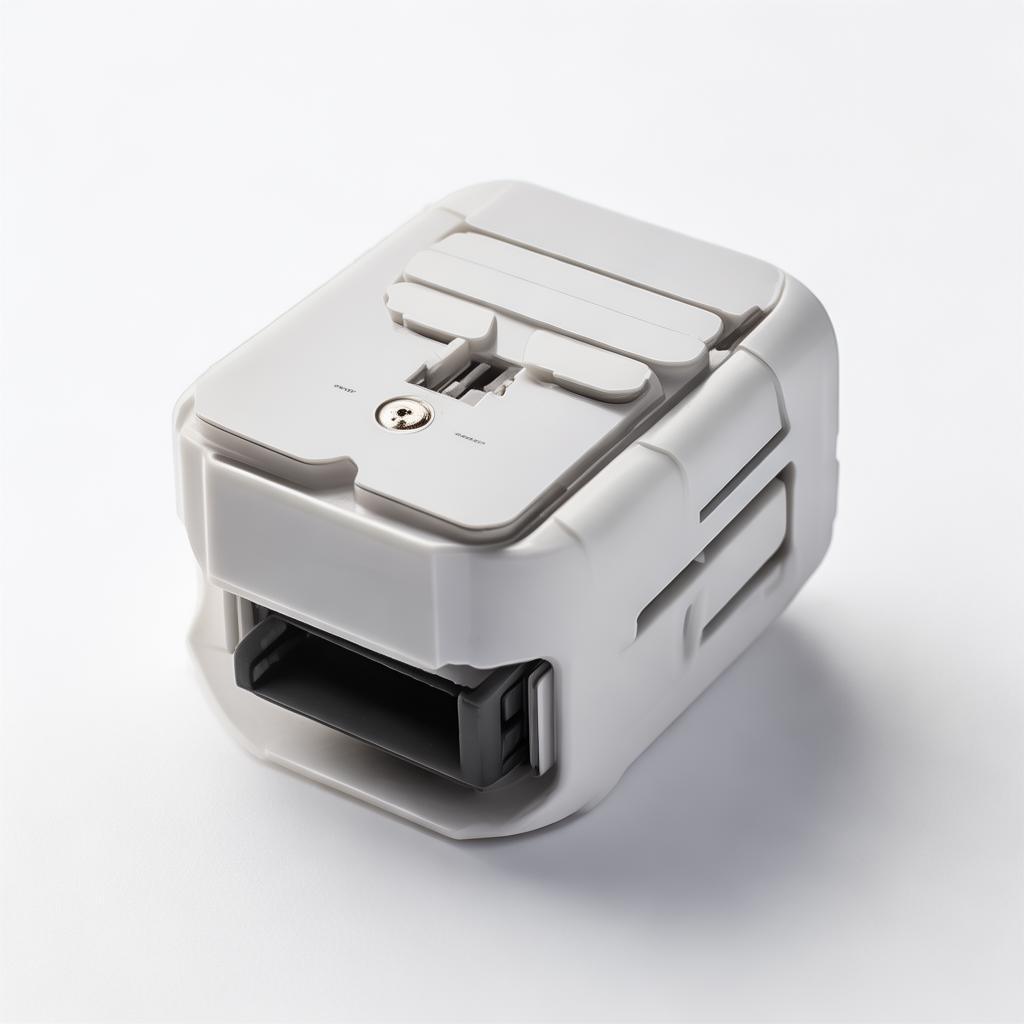
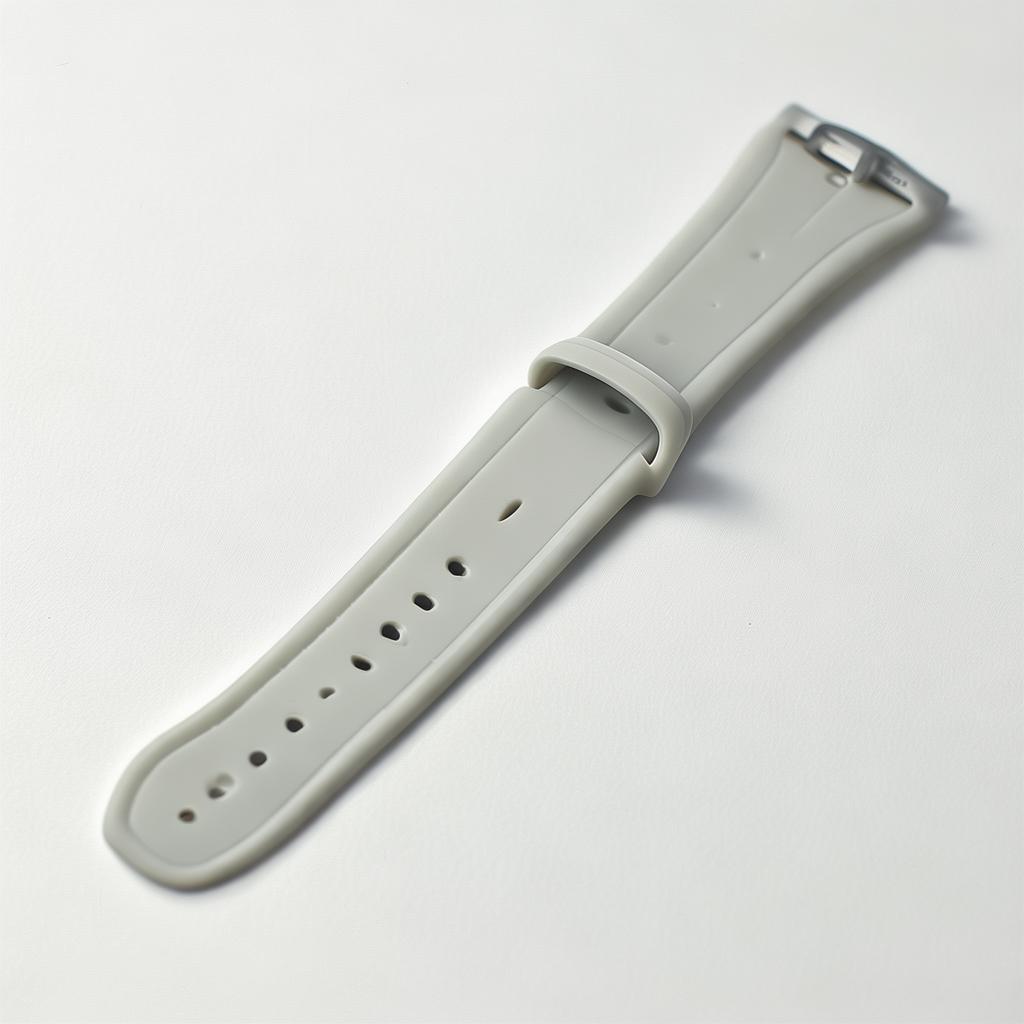
Two color injection molded encapsulated products Two color injection molded encapsulated parts Processing of two-color injection molded encapsulated parts
This pairing allows the encapsulated product to maintain structural support while providing an elastomeric seal or cushioning where necessary.
Key Advantages & Material Comparisons
In direct comparison to single-shot injection molding or post-assembly approaches, two color injection molded encapsulations offer distinct operational strengths:
- Enhanced Bonding Strength: Overmolded layers chemically bond during molding, reducing risk of peel or separation under mechanical or thermal stress. This is crucial for automotive and medical components operating in harsh environments.
- Reduced Assembly Steps: Parts come ready-to-use, eliminating secondary operations like bonding or sealing and compressing supply chain timelines.
- Greater Design Complexity: Multi-material parts enable integrating soft-touch grips, seals, or waterproof layers directly, enhancing ergonomics and protective function.
- Improved Aesthetics: Two or more colors/materials can be molded without painting or adhesives, improving durability of surface finishes and tactile feel.
- Material Synergy: Combining rigid plastics with LSR or TPE layers offers tailored performance balancing thermal resistance, elasticity, and durability.
Nonetheless, material selection remains a pivotal factor. For example:
- LSR vs. Solid Silicone: Liquid Silicone Rubber injection molding offers improved cycle times and seamless overmolding integration, whereas solid silicone compression molding suits low-volume or less complex designs.
- Thermoplastics Compatibility: Polypropylene (PP), ABS, and polycarbonate (PC) are frequently used as base materials, chosen for their mechanical strength, dimensional stability, and marketplace availability.
- Sealing Grades: Medical- and food-grade silicone variants can be selected with FDA, RoHS, or CE certifications to meet regulatory demands.
Real-world feedback from purchasing managers confirms that investing in suppliers with extensive multi-material molding experience and robust quality systems significantly de-risks product launch complexity.
Warning: Improper selection of incompatible materials or insufficient mold design adjustments often lead to delamination or premature wear in two color molded encapsulated products.
Typical Application Scenarios
Two color injection molded encapsulation products enjoy diverse applications in sectors where mechanical protection, environmental sealing, and multifunctionality converge. Some prominent uses include:
- Automotive Industry: Sealed connectors, vibration dampers, sensor housings, and flexible gaskets benefit from robust dual-material encapsulation tolerating broad temperature ranges and exposure to fuels or oils.
- Consumer Electronics: Smartphone buttons, wearable device seals, and shock-absorbing protective cases incorporate soft-touch LSR overlays for ergonomic performance paired with rigid frameworks for structure.
- Medical Devices: Tubing connectors, valve seals, and wearable monitors demand biocompatible, sterilizable materials combined in precision-molded encapsulations meeting stringent FDA or ISO 13485 standards.
- Industrial Equipment: Overmolded control knobs, silicone-sealed sensors, and electrical connectors leverage multi-material molding to enhance longevity under harsh chemical exposure and abrasion.
- Home Appliances: Flexible, sealed buttons or gasket-overmolded housings resist moisture ingress and preserve tactile responsiveness.
Guangdong Yingtai’s strong portfolio in electronic seals and industrial electronics speaks to their capacity to deliver large-scale OEM projects with complex assembly requirements and tight quality control.
Procurement & Supplier Selection Guidance
Navigating the complex purchasing landscape of two color injection molded encapsulated parts requires careful planning and verification processes. Here are practical pointers for successful sourcing:
- Verify OEM/ODM Experience: Confirm the supplier’s depth of expertise in multi-component molds, cycle optimization, and quality systems specific to two color molding.
- Sample and Prototyping: Request physical samples or prototypes produced using production tooling to assess bonding quality, surface finish, and material behavior under operating conditions.
- Material Certifications: Ask for certificates demonstrating material grades and compliance (e.g., CE, RoHS, FDA). This is particularly important for medical and food contact applications.
- Technical Collaboration: Engage early with the manufacturing engineer to discuss design for manufacturability (DFM) adjustments especially where overmolding interfaces are concerned.
- Lead Time and Logistics Planning: Confirm realistic lead times and ability to meet container loading schedules. Understand the factory’s capacity and any customs or export experience.
- Quality Control: Seek factories with comprehensive inspection protocols and advanced testing equipment for dimensional accuracy, tensile testing, and material integrity.
Guangdong Yingtai, with their integrated molding lines, modern industrial park, and dedicated export team, exemplifies how cross-functional collaboration improves final product consistency and delivery reliability.
Procurement Insight: Long-term partnerships often evolve when suppliers demonstrate transparent communication and responsiveness to corrective actions during trial production runs.
Installation & Logistics Considerations
Two color molded encapsulated parts typically arrive pre-assembled and ready for integration. Key installation notes include:
- Dimensional Precision: Parts designed with integrated tolerances reduce the risk of assembly misfits and improve sealing reliability.
- Packaging: Proper packaging prevents deformation of softer overmolded surfaces during transit, especially for delicate silicone sections.
- Environmental Sensitivity: Storage conditions should control temperature and humidity to preserve silicone elasticity and adhesion.
- Container Loading: Export volume planning should consider effective stacking patterns that balance part protection and container utilization. Many buyers report Yingtai’s optimized container loading plans reduce damage rates.
Installation teams appreciate units that arrive with minimized flash and no secondary trimming required. This cuts labor costs and accelerates time to market.
Maintenance: Encapsulated silicone parts generally require low upkeep. However, inspection for cracks or adhesive failure after repeated thermal cycling is prudent for safety-critical products.
Frequently Asked Questions
- Q: What are the lead times for two color injection molded encapsulated parts?
- A: Typical lead times range from 6 to 10 weeks, depending on mold complexity and order volume. Rapid prototyping and pilot runs may be shorter but tooling requires upfront planning.
- Q: Can two color injection molding accommodate custom color matching?
- A: Yes, advanced color matching is achievable by using pigmented raw materials and precise process controls. Suppliers like Yingtai provide color approval samples during development.
- Q: What certifications should I expect for medical applications?
- A: Look for ISO 13485 compliance, FDA-approved material grades, and traceability documentation. Some suppliers also provide CE certification for medical devices.
- Q: How does temperature resistance compare between two color molded parts and traditional single-material parts?
- A: Two color molded parts can often outperform single-material parts due to the silicone layers’ higher heat tolerance. For example, LSR layers can operate reliably up to 200°C, beyond many plastics.
- Q: Are there limits on geometry or size for two color injection molding?
- A: Mold size and complexity limit part dimensions, but sophisticated tooling can accommodate intricate geometries. It’s important to consult with tooling engineers early to optimize design.
Customer Reviews

— Alice M., Senior Procurement Manager, Midwest Electronics Inc.
“Our move to two color injection molded seals from Guangdong Yingtai cut our assembly time significantly. The quality consistency, especially the silicone bonding, exceeded expectations and helped us scale up production without downtime.”