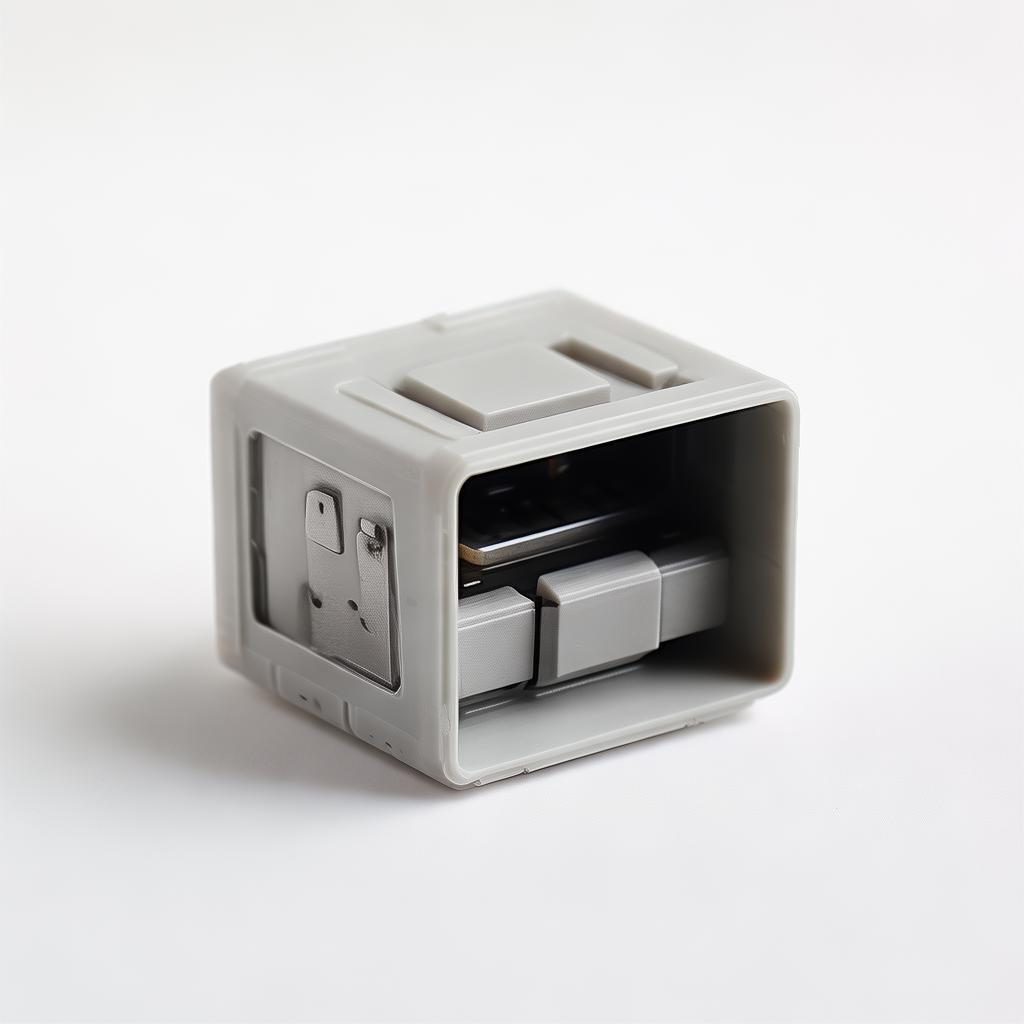
Two Color Injection Molded Rubber Parts Manufacturer
Two Color Injection Molded Rubber Parts Manufacturer
Precision Multi-Material Rubber Components — Expert OEM/ODM Solutions | Guangdong Yingtai High Precision Technology Co., Ltd. In today’s high-demand manufacturing landscape, two color injection molded rubber parts stand as a robust solution offering both
Product Details
Two Color Injection Molded Rubber Parts Manufacturer
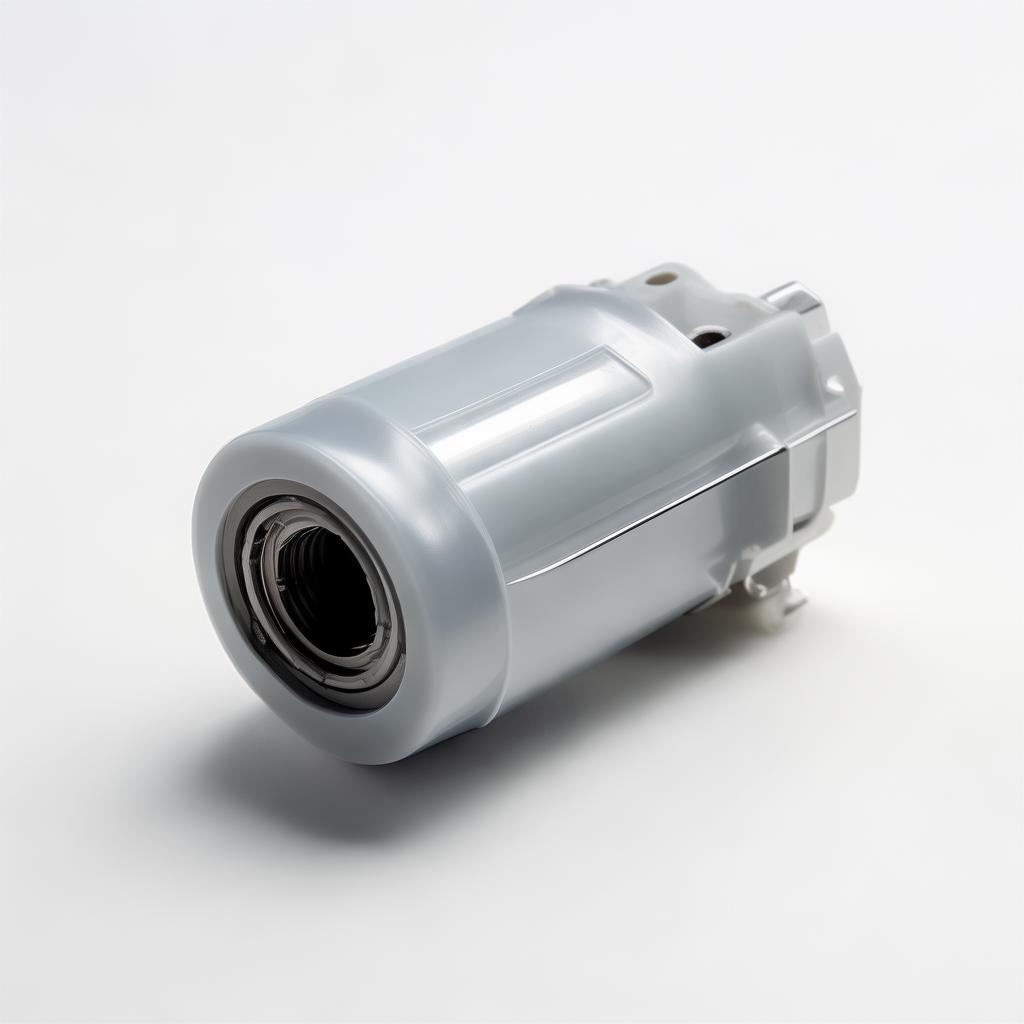
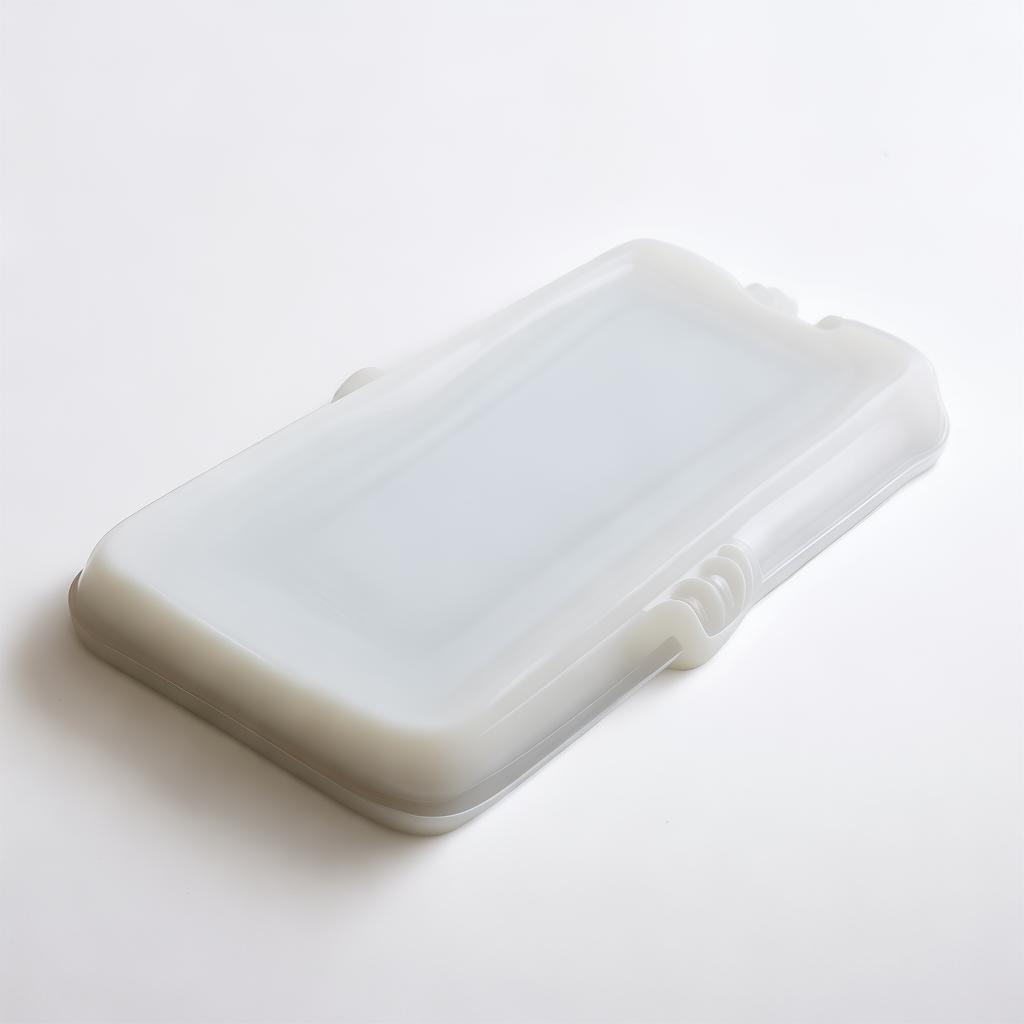
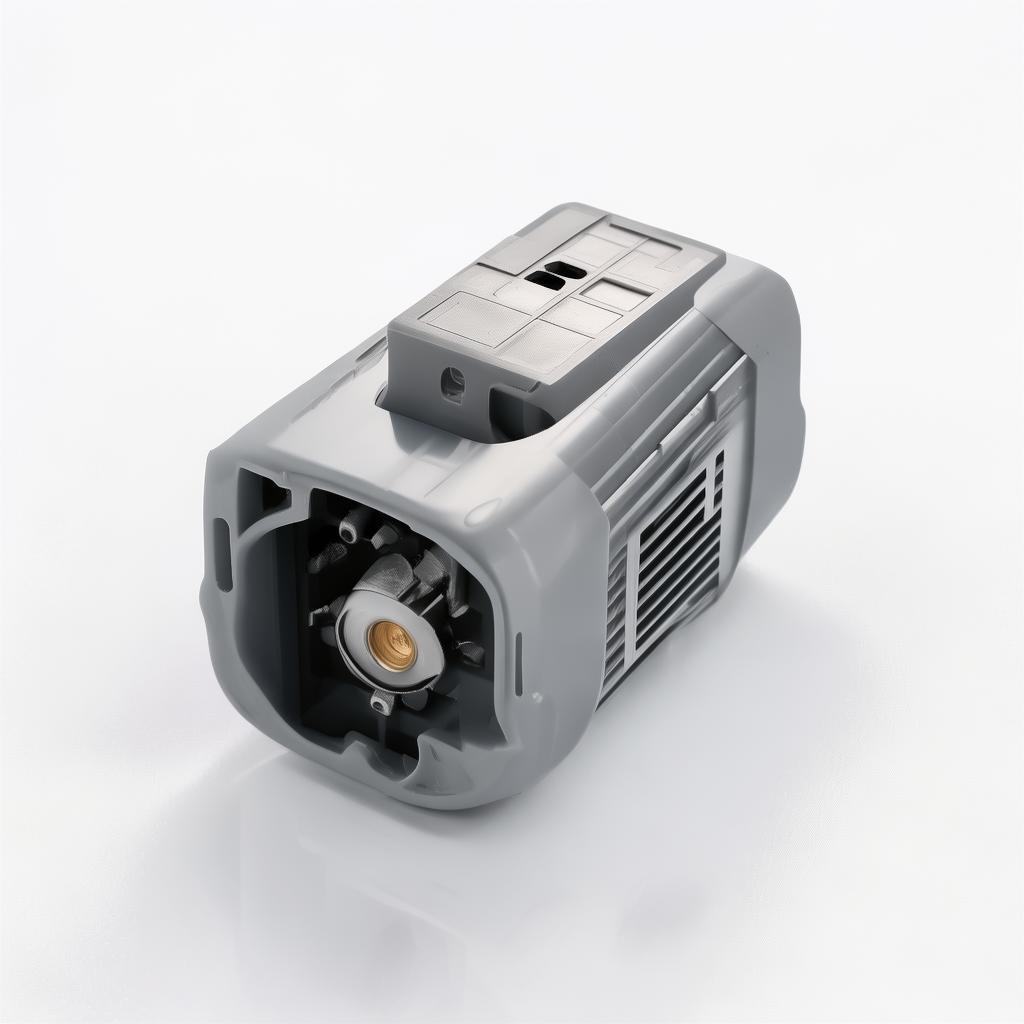
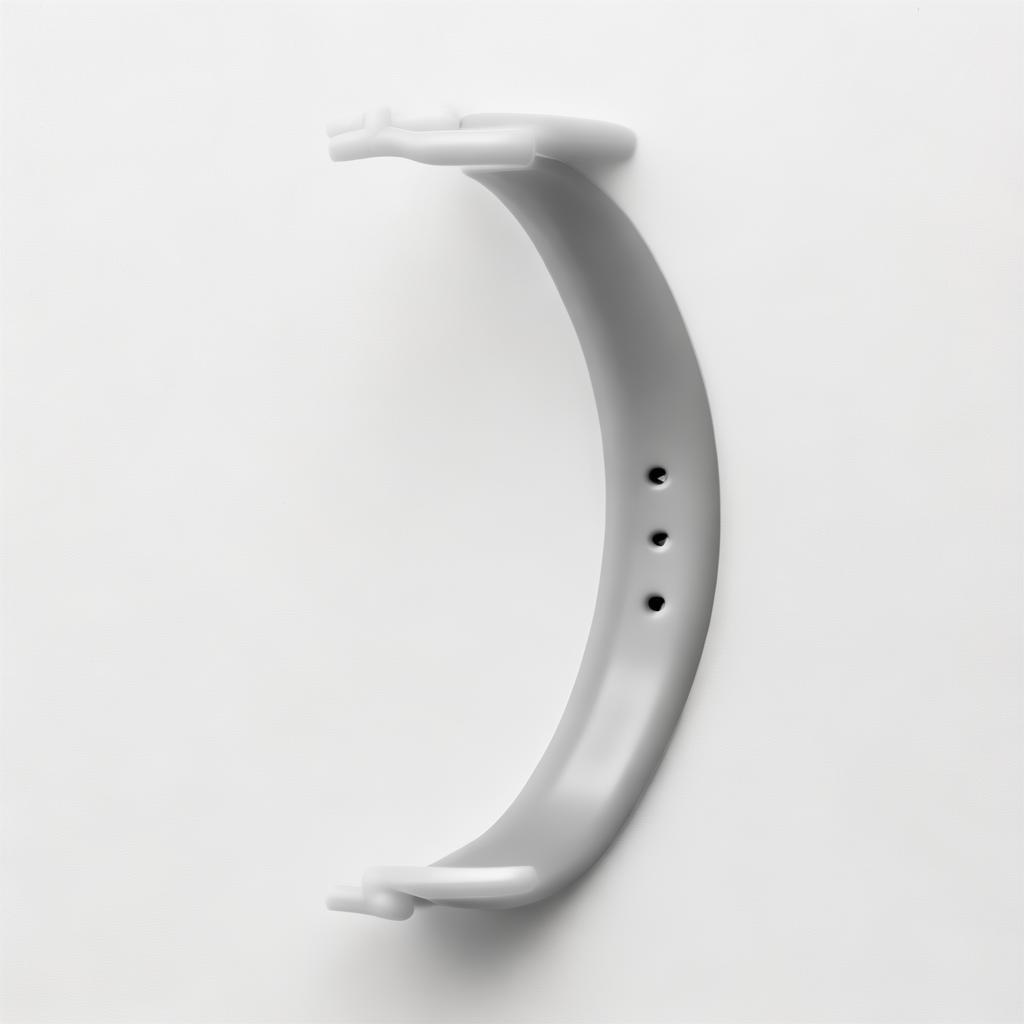
In today’s high-demand manufacturing landscape, two color injection molded rubber parts stand as a robust solution offering both functional performance and aesthetic versatility. This dual-material injection molding process integrates two distinct rubber compounds into a single, seamless component. It is particularly valuable when combining properties like elasticity with hardness, or matching color differentiation with functional zones.
Guangdong Yingtai High Precision Technology Co., Ltd., with over 20 years of manufacturing heritage in liquid silicone and plastic injection molding, is a front-runner in this specialized production. Our expansive industrial park (35,000 square meters) houses 55 liquid silicone molding machines and 80 automatic plastic injection units, enabling high precision and efficient multi-material molding runs tailored to your OEM and ODM requirements.
Leveraging advanced LSR injection molding technologies and customized mold tooling capabilities, we simultaneously address the nuances of material compatibility, interface bonding, and dimensional stability. Recent industry reports from Grand View Research and Research Nester predict the global liquid silicone rubber market will surge beyond USD 4.9 billion by 2030, driven by demand in medical, automotive, and electronics sectors.
This growth underscores the increasing application of two-shot injection molding methods which combine structural durability with soft-touch surfaces or color-coded functional areas, enhancing product functionality. Our integrated manufacturing chain—from mold design and development to precision molding and post-processing—ensures you receive parts with minimal defects, reduced waste, and rapid lead times for competitive edge.
Expertise in multi-material bonding for hybrid rubber combinations
Compliance with ISO standards and CE certifications for industrial and medical use
Material choices spanning liquid silicone rubber (LSR), solid silicone, and thermoplastic elastomers
Advanced quality control tools including automatic vision inspection and 100% dimensional testing
Adaptation to high-volume and small-batch production demands to support supply chain flexibility
Our collaborative approach with clients and tight integration between engineering and production teams leads to polished end products marked by performance consistency, mechanical precision, and aesthetic refinement. If your sourcing priorities include minimizing time-to-market without sacrificing quality, Yingtai’s two color injection molding expertise presents a compelling partnership.
Common Manufacturing Pain Points
Managing two color injection molded rubber parts production involves challenges often underestimated by procurement teams unfamiliar with this technology’s complexity. Overlooking these issues can result in costly delays, reworks, and performance compromises.
Material Incompatibility: Selecting rubber compounds with incompatible curing profiles or bonding characteristics can cause delamination or weak adhesion between the two molded colors.
Precision Mold Engineering: Dual-shot molds require exact alignment and tight tolerance control. Improper cavity sealing or venting often leads to flash defects and increased scrap rates.
Curing Cycle Optimization: Balancing curing parameters to suit both materials simultaneously is difficult. A mismatch prolongs cycle times and reduces throughput efficiency.
Interface Contamination: Residues or mold fouling between injection stages can prevent proper material fusion, undermining part durability.
Surface Finish Consistency: Achieving uniform gloss and texture across both materials demands advanced mold surface treatments and process monitoring.
Lead Time Risks: Complex tooling development for multi-material molds extends initial setup periods, impacting project timelines if not managed proactively.
A practical warning: Some manufacturers default to simplistic mold designs to save upfront costs, but end up with recurring production headaches. We advise thorough early-stage evaluations with suppliers to clarify mold design approaches, testing regimes, and contingency plans to minimize these procurement risks.
Two Color Injection Molding Advantages
Integrated Functionality
Combining two elastomeric materials in one part means functional zones such as soft gripping surfaces paired with rigid mounting points come manufactured in one step, reducing assembly labor and complexity.
Enhanced Aesthetic Appeal
Consistent color transfer and clean boundary lines distinguish premium products, meeting consumer and industrial design expectations without requiring secondary painting or coating operations.
Material Synergy
Carefully engineered compound pairs enhance properties like UV resistance, chemical stability, or tactile softness — impossible to replicate with mono-material parts.
At Yingtai, we emphasize precision process control with dedicated equipment such as advanced liquid silicone molding machines and solid silicone hydraulic presses, alongside in-house mold processing units. This integrated setup allows rapid iteration and superior control over interface bonding, cycle optimization, and color matching—critical in medical-grade silicone seals, automotive soft-touch handles, and electronics gasketing.
Note: Material selection for two color injection molding is critical and should be aligned with your product’s functional requirements and regulatory standards. Yingtai’s engineering team provides complementary consulting to optimize compound pairing for each application.
Key Application Environments
Our two color injection molded rubber parts find extensive use across industries where performance, durability, and aesthetic differentiation matter most.
Automotive: Dual-hardness seals, soft-touch dashboard components, color-coded gaskets resistant to oils and high temperatures.
Medical Devices: Biocompatible overmolded silicone buttons, seals, and ergonomic grips adhering to FDA and ISO 13485 standards.
Consumer Electronics: Durable keypad overlays, tactile buttons, anti-slip surfaces, and waterproof seals for wearables and communication gadgets.
Industrial Equipment: Vibration dampeners, overmolded protective covers, and chemically resistant seals for harsh environments.
Home Appliances: Soft-touch knobs, part identification via color coding, and reliable sealing solutions in humid conditions.
The capability to combine materials with divergent physical properties and colors in one molding step opens powerful design pathways—particularly relevant as end users demand more ergonomic and visually intuitive industrial products.
Procurement & Supplier Selection Tips
Securing a reliable two color injection molded rubber parts supplier requires discerning due diligence beyond price comparison. Here are key factors to vet before partnership:
Process Expertise: Verify supplier experience specifically in multi-shot injection molding and material bonding chemistry experts.
Technical Capacity: Confirm ownership of specialized molding machines (e.g., liquid silicone injection presses) and mold processing facilities.
Quality Systems: Look for comprehensive certifications such as ISO 9001, ISO 13485 (for medical), and product compliance to RoHS, REACH.
Tooling Ownership: Suppliers with in-house mold development control cycle times and defect rates better than subcontracting models.
Sample & Prototyping Services: Evaluate lead time and support quality samples prior to confirming bulk orders.
After-Sales Support: Assess warranty terms and open communication channels including dedicated engineers for troubleshooting.
Logistics Reliability: Ensure the supplier manages global shipping, container loading optimization, and customs clearance rigorously.
At Yingtai, we urge clients to request free sample runs earlier and shuttle mold trials before large batch commitments to minimize costly surprises during scale-up phases.
Buyer Frequently Asked Questions
Q1: What is the typical lead time for two color injection molded rubber parts?
Standard tooling development ranges from 6 to 10 weeks, with sample production within 15-20 days after fixture approval. Mass production lead times depend on order quantity but usually last 2-4 weeks.
Q2: Can you accommodate medical grade certifications?
Yes. We support manufacturing under ISO 13485 compliance with FDA-approved materials suitable for biocompatible applications.
Q3: Are two color parts more expensive than single-material products?
Initial mold tooling costs for multi-shot designs are higher, but labor and assembly savings often result in comparable or better total component cost over volume. Also, quality gains reduce rework expenses.
Q4: How do you ensure color accuracy and boundary definition?
Our mold makers use high-precision inserts with polished cavities and advanced gating systems, combined with process temperature stabilization to ensure sharp color interfaces.
Q5: Do you offer OEM and ODM customization?
Absolutely. From CAD support to material selection and design consultation, our team works closely with customers to bring tailored solutions from prototype to finished goods.
Customer Feedback & Case Insights
James R., Senior Procurement Manager, Tech Instruments Inc.
“Yingtai’s expertise in two color silicone molding really cut our assembly costs in half. Their ability to fine-tune material adhesion resulted in zero warranty issues over two years. The communication was prompt, especially with their export team coordinating shipping.”
Get in Touch
If you have any camping barbeque equipment inquiry, please feel free to contact us.