Two Color Injection Molding And Encapsulation Processing Factory
Two Color Injection Molding And Encapsulation Processing Factory
Quality Multi-Material Precision Molding for Industrial & Consumer Applications In today’s competitive manufacturing landscape, two color injection molding combined with advanced encapsulation processing offers versatile solutions to many industrial challenges. As an established factory
Product Details
Two Color Injection Molding & Encapsulation Processing Factory
Quality Multi-Material Precision Molding for Industrial & Consumer Applications
In today’s competitive manufacturing landscape, two color injection molding combined with advanced encapsulation processing offers versatile solutions to many industrial challenges. As an established factory based in Dongguan’s manufacturing heartland, Guangdong Yingtai High Precision Technology Co., Ltd. specializes in delivering multi-material plastic and silicone parts with precision, durability, and design complexity—qualities that stand out in sectors ranging from new energy vehicles to consumer electronics.
Two color injection molding, also known as multi-shot molding or overmolding, integrates multiple raw materials or colors into a single molded component in one continuous process. This eliminates secondary assembly steps and provides strong, aesthetically appealing, multi-functional parts. When coupled with encapsulation processing — the technique of fully or partially encasing electronic components, seals, or inserts within plastic or liquid silicone rubber (LSR) — manufacturers achieve robust protection against environmental stressors such as moisture, dust, or mechanical shock.
Yingtai’s factory spans over 35,000 square meters, equipped with 55 liquid silicone molding machines, 80 automatic plastic injection machines, 20 hydraulic presses for solid silicone, alongside precision tooling and advanced testing instruments. This scale and capability enable us to optimize cycle times and maintain tight dimensional tolerances critical for electronic seals, industrial appliances, and hybrid materials.
For purchasing and procurement professionals, this manufacturing method translates into cost efficiency — avoiding extra assembly labor and minimizing risk of product failure — combined with enhanced performance features such as UV resistance, thermal stability, and chemical inertness of LSR materials. The global market for liquid silicone rubber injection molding is projected to exceed USD 7.5 billion by 2035 (source: Research Nester), underlining the demand across automotive, healthcare, and consumer electronics sectors.
However, the complexity of tooling and material selection requires a trusted partner with deep industrial experience and technical acumen. Yingtai’s in-house mold development ensures quick turnaround from design to production, while rigorous quality assurance and compliance with ISO 9001, CE, and other pivotal certifications reassure buyers that their supply chains remain resilient and adaptable.
Our design and engineering teams are available to discuss your specific product needs — from soft-touch medical seals to durable automotive encapsulation parts — ensuring you receive optimized solutions tailored for yield, lifecycle, and cost targets.
Industry Pain Points & Buyer Challenges
Working with two color injection molding and encapsulation factories presents unique procurement risks and operational hurdles. Here are core issues we frequently encounter with clients:
Inconsistent Material Compatibility: Improper bonding or warping due to poor overmolding process parameters or incompatible plastic and silicone materials.
High Tooling Costs & Delays: Complex dual-shot molds require precision engineering; substandard suppliers often underestimate lead times, resulting in procurement bottlenecks.
Quality Control Variability: Without adequate testing and process control, manufacturers risk increased flash defects, incomplete encapsulation, and short lifespan failures.
Supply Chain Complexity: Sourcing domestic vs. offshore suppliers without detailed factory audits often leads to misaligned communication, protocol discrepancies, and logistics inefficiencies.
Regulatory & Certification Gaps: Buyers in medical, automotive, or electronics sectors demand strict adherence to certifications (e.g., RoHS, UL compliance) often lacking in unvetted factories.
Notably, material rheology plays an outsized role during molding — a factor highlighted in the MDPI analysis on LSR injection simulations. Poor material characterization can translate into cycle time discrepancies and compromised mold filling, elevating scrap rates. Choosing a supplier with advanced CAE simulation capability and rigorous quality protocols significantly reduces these risks.
Technical Overview: Process & Materials
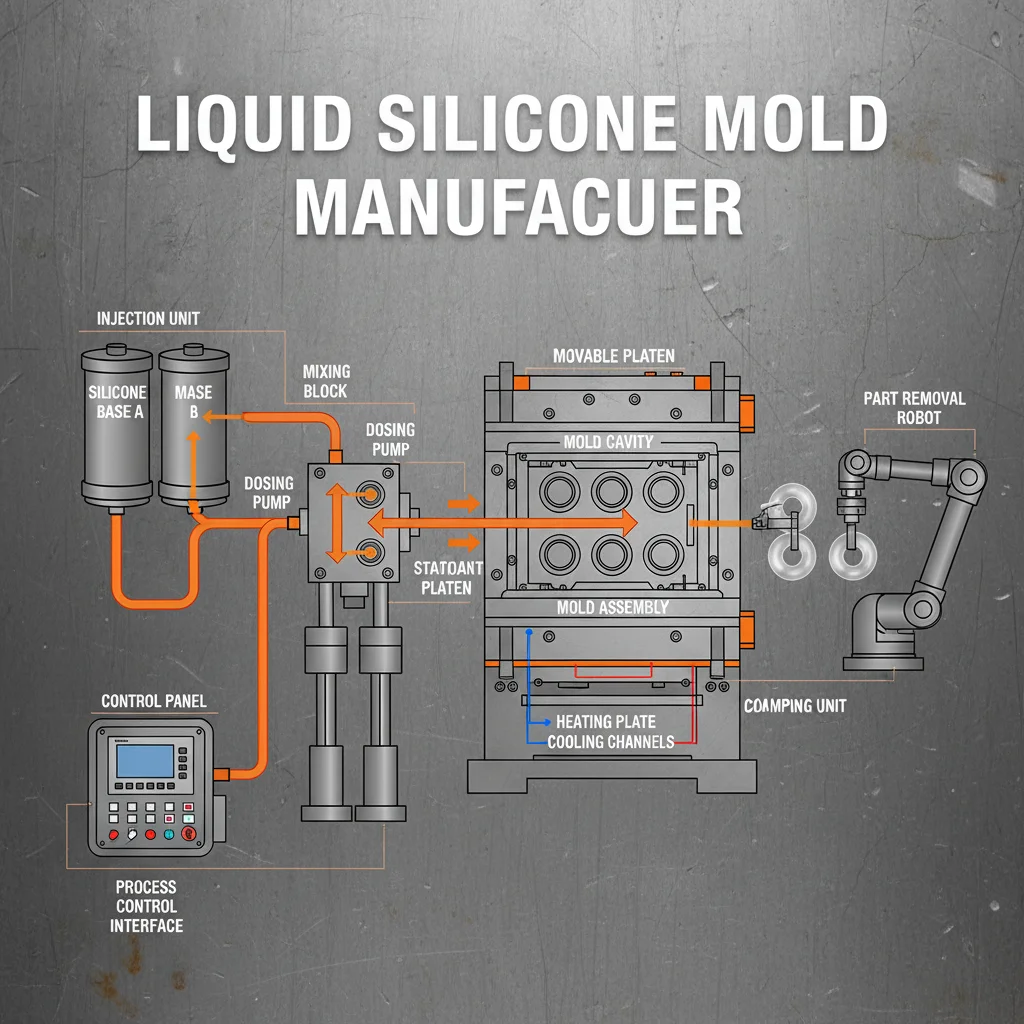
Two color injection molding typically involves two main stages: injection of the first thermoplastic or LSR component, then a second shot of a different material or color within the same mold, creating a bonded multi-material part. In encapsulation processing we specialize in fully or partially molding complex electronic parts with silicone for protection and functionality.
Materials Commonly Used:
Liquid Silicone Rubber (LSR): Biocompatible, temperature resistant (-60°C to 230°C), UV stable, suitable for medical and automotive sealing.
Thermoplastics: ABS, PC, PBT, and Thermoplastic Elastomers (TPE) are common substrates for rigid and elastic encapsulation bases.
Overmold Materials: Engineered grades designed for adhesion and mechanical strength between silicone and plastics.
Our factory’s equipment lineup — including 55 LSR molders and 80 automatic plastic machines — spans a wide shot volume range (from a few grams to over 300 grams per shot), enabling precision molding of components from micro medical parts to large-scale automotive seals. We use multi-cavity molds with hydraulic core pulls and hot runner systems for high-yield production.
Sophisticated process control systems monitor injection pressures, temperatures, and curing times. This real-time data integration reduces batch variation, a key benefit for clients invested in lean manufacturing and Six Sigma quality levels.
Encapsulation often requires integration of inserts such as electronic chips, sensors, or conductors before overmolding with LSR. Our cleanroom environment and precision automation minimize contamination risk, ensuring reliable electrical performance and environmental sealing.
Product Advantages & Differentiators
Choosing Yingtai for your dual shot injection molding and encapsulation projects offers tangible advantages in manufacturing excellence and product performance:
Complete Industry Chain: From tooling design to full intelligent manufacturing, reducing coordination delays and enabling rapid iteration.
Material Expertise: Mastery of LSR, ABS, PC, and multi-component adhesion technologies guarantees product durability and optimal functional integration.
Advanced Testing: Implements dimensional measurement, mechanical testing, and reliability checks per ISO 13485, CE and UL standards to ensure compliance and quality.
Flexible Production: Tailored batch sizes from prototypes to high volume with consistent, repeatable results and short lead times.
Risk Mitigation: Proven expertise in avoiding common pitfalls such as flash defects, incomplete curing, and post-molding warpage through robust process controls.
OEM/ODM Capabilities: Supporting customized projects from concept to product launch with collaborative design engineering and mold optimization advice.
Our logistics savvy team also manages export packing, container loading optimization, and shipping schedules to reduce freight costs while maintaining product integrity.
Common Application Scenarios
Two color injection molding and encapsulation processing have become essential in these markets:
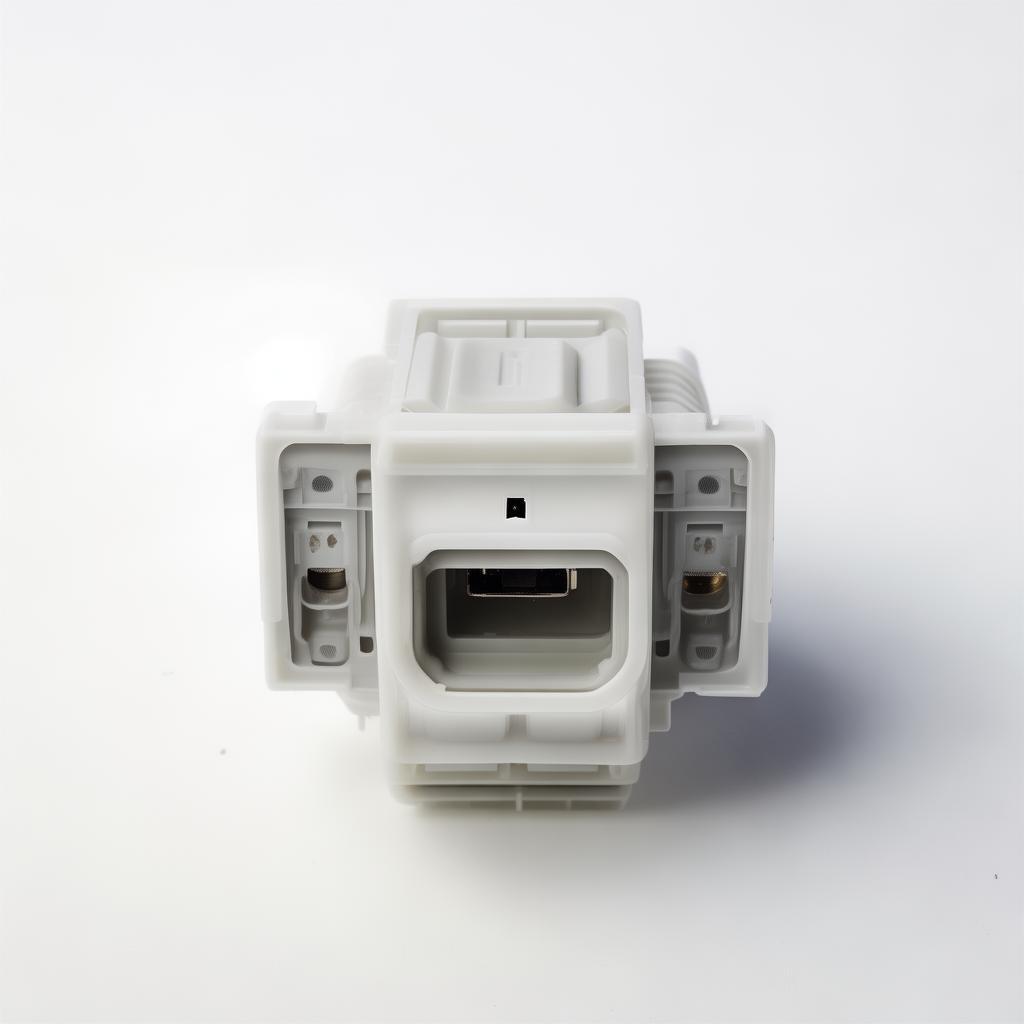
New Energy Vehicles: Overmolded seals, connectors, and protective housings that withstand harsh chemical and thermal environments.
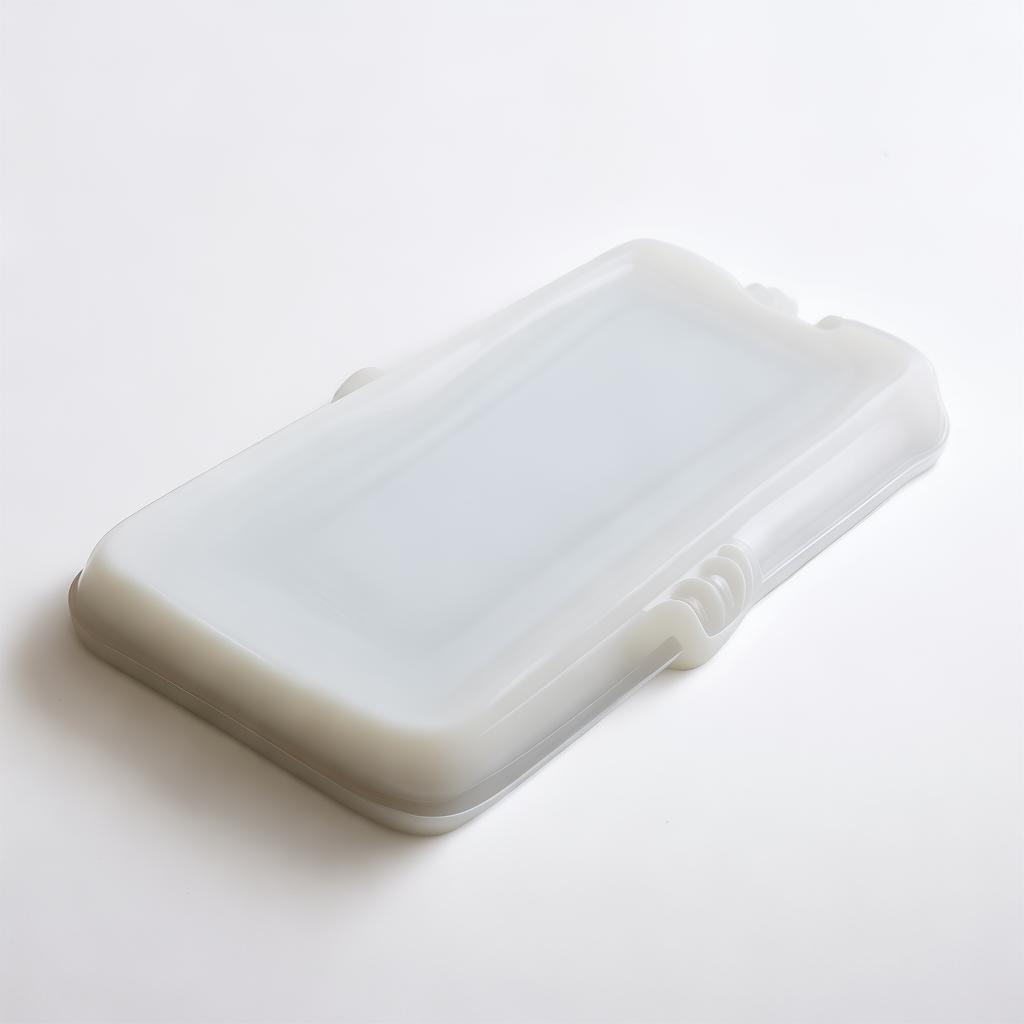
Consumer Electronics: Multi-material buttons, gaskets, and encapsulated sensor modules combining aesthetics with durability.
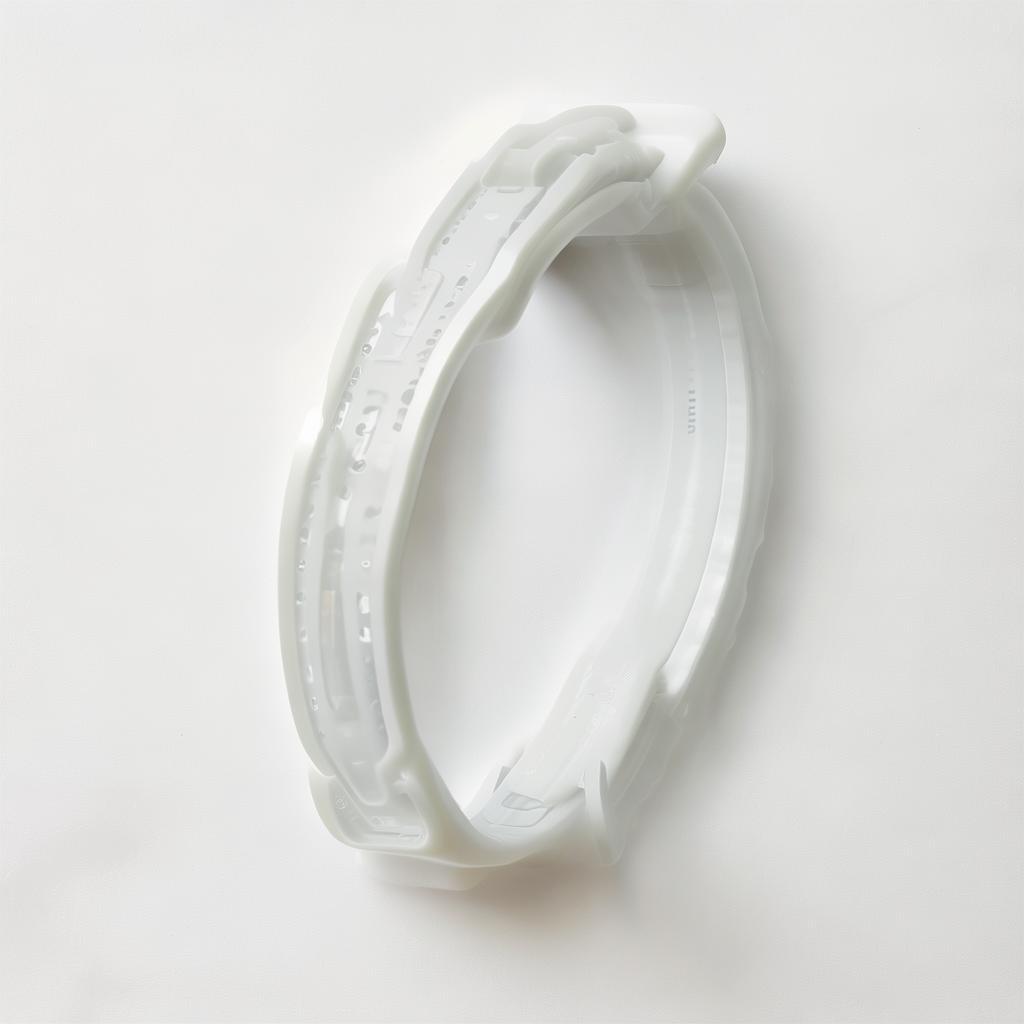
Medical Devices: Biocompatible LSR collars, tubing assemblies, and soft handles featuring tight tolerances for micro-injection overmolding.
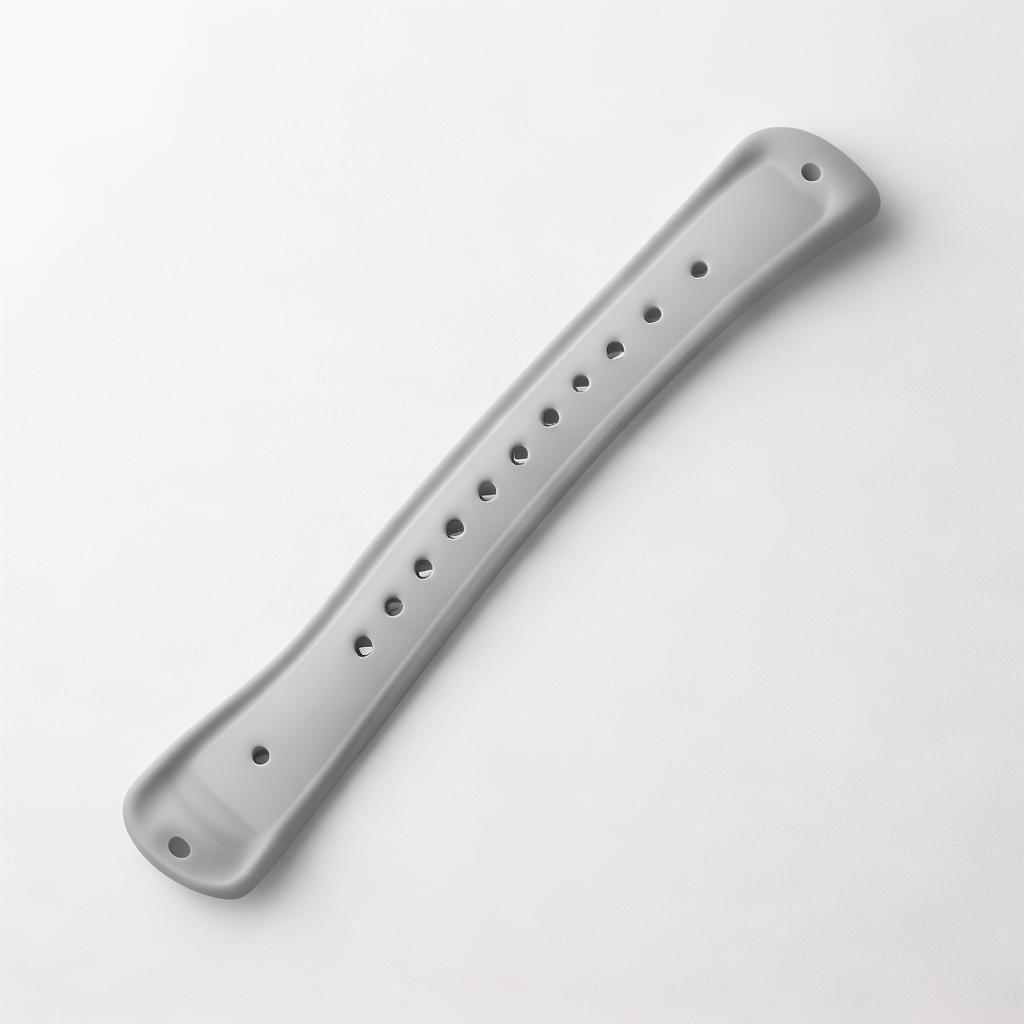
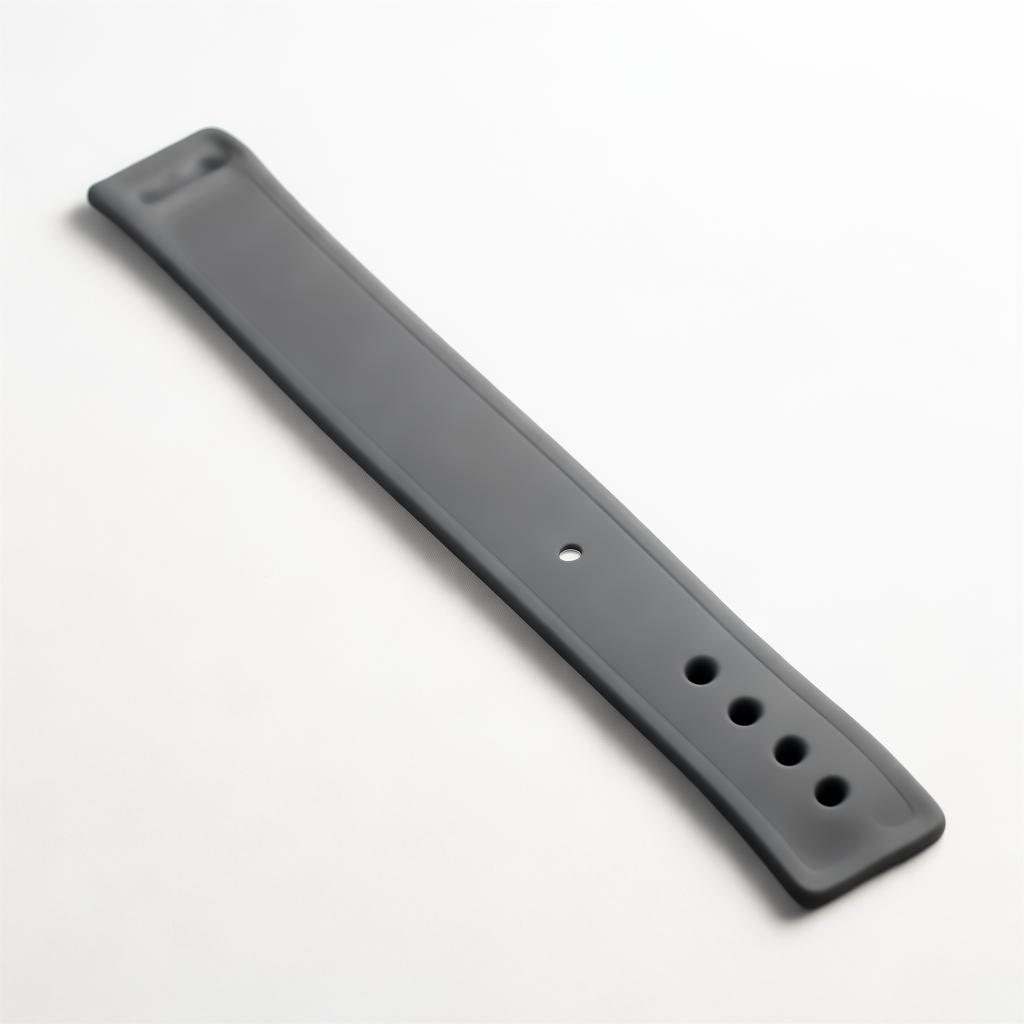
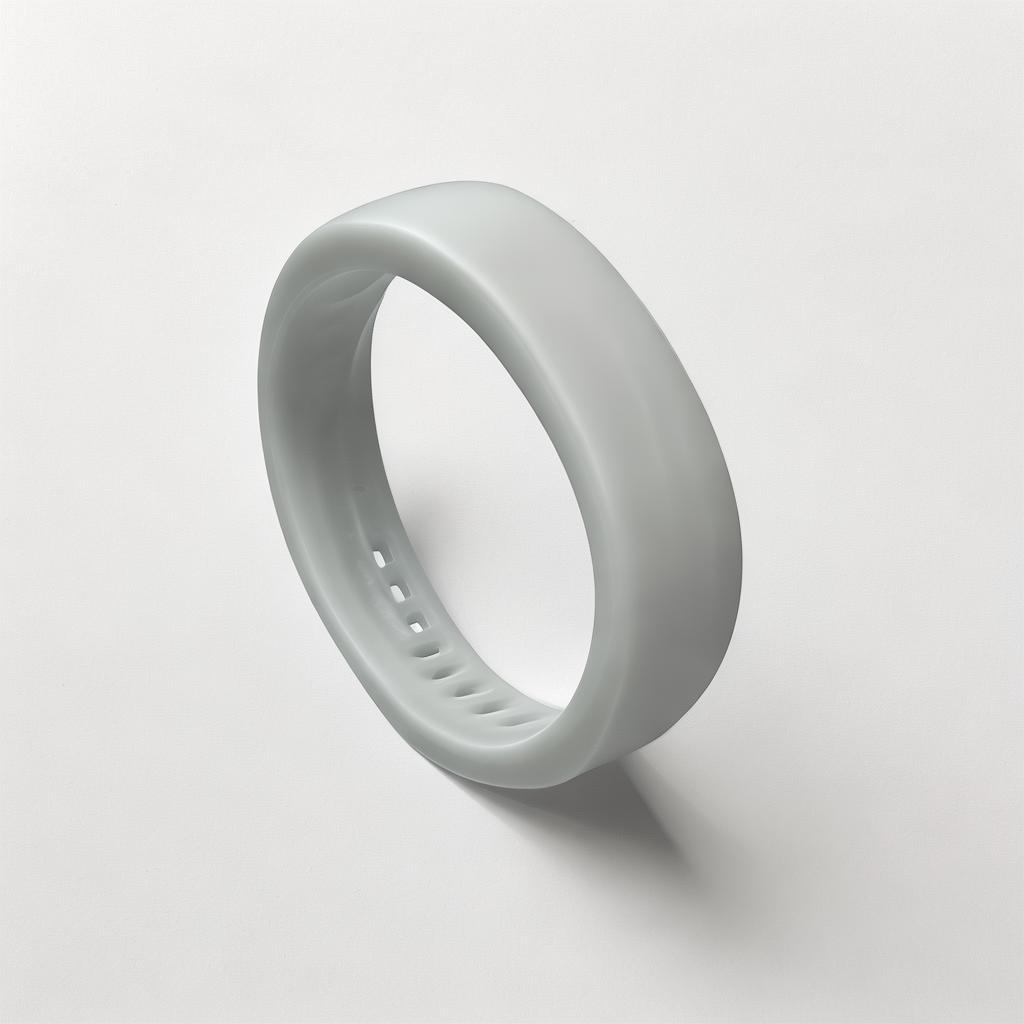
Wearable Technology: Flexible silicone bands combined with rigid plastic frames ensuring comfort and reliability.
Industrial Electronics: Waterproof seals, overmolded connectors, and shock absorption components customized for rugged applications.
Our factory supports custom projects with prototypes, iterative mold design, and scalable production capacity to respond to evolving product lifecycle demands.
Selecting a reliable two color injection molding and encapsulation supplier goes beyond price comparison. Here are key factors procurement professionals should verify:
In-House Tooling Capability: Look for suppliers capable of mold design and modification for faster iteration and greater process control.
Material & Process Expertise: Confirm they understand material rheology and compatibility, especially for silicone-to-plastic bonding.
Certifications & Compliance: Require ISO 9001 certification, industry-specific accreditations, and testing documentation.
Production Capacity & Flexibility: Assess if they can scale volume alongside maintaining quality in small trial or bulk orders.
Quality Assurance Programs: Audit their defect rate monitoring, SPC practices, and corrective action response times.
Logistics & Communication: Partner with suppliers who offer clear export documentation, transparent container loading plans, and bilingual customer service.
Yingtai’s 500+ strong team includes export managers, industrial engineers, and quality controllers all committed to reducing your risk through comprehensive supplier transparency and cooperation.
To discuss project specifics or request detailed factory documentation, please contact us directly below.
Certifications & Quality Standards
Our commitment to quality and regulatory compliance underpins every project:
ISO 9001: Robust Quality Management System ensuring consistent production and continuous improvement.
CE Certification: Meeting European safety and environmental standards for industrial goods.
RoHS Compliance: Restriction of hazardous substances in line with international electronics standards.
FDA Grade Certifications: Available for medical-grade silicone parts ensuring biocompatibility.
UL Approved Materials & Processes: Key to electrical and electronic device encapsulations.
Frequently Asked Questions
Q1: What is the minimum order quantity (MOQ) for two color injection molding?
MOQ depends on tooling type and complexity but typically starts around 1,000 pieces. For prototype or low volume, we support soft tooling and sample runs.
Q2: How does two color injection molding enhance product functionality?
It combines different materials or colors in a single molded part, enabling multi-functional designs such as ergonomic grips, seals with rigid supports, or integrated electronic encapsulations without secondary assembly.
Q3: Can you manufacture FDA-compliant medical silicone parts?
Yes, we have FDA-certified LSR materials and cleanroom facilities to meet stringent medical device standards.
Q4: How do you ensure consistent quality in dual-shot molding?
We utilize advanced process monitoring, mold temperature control, and precision CNC tooling alongside ISO quality management and in-house testing to detect and remedy defects early.
Q5: What is average lead time from design to mass production?
Most conventional tooling projects require 6 to 10 weeks, with production samples within 2 weeks post-tooling completion. Expedite options and prototype molds available on request.
Customer Reviews & Real-World Feedback
Mark Peterson, Procurement Manager, Automotive Parts
“Yingtai has been a strategic supplier for our multi-material seals. Their dual-shot capability reduced our assembly time by nearly 30%, and their tooling feedback helped us avoid design pitfalls. Quality consistency and on-time delivery have been solid throughout our contract.”
Get in Touch
If you have any camping barbeque equipment inquiry, please feel free to contact us.




 Mark Peterson, Procurement Manager, Automotive Parts