Insights by Zhang Ming, Export Director at Guangdong Yingtai High Precision Technology Co., Ltd. Contact: +86 17722437688 | zmm@yingtai168.com In the arena of industrial manufacturing, two color injection molding encapsulation stands as a sophisticated
Product Details
Two Color Injection Molding Encapsulation: Precision & Performance in Multi-Material Manufacturing
Insights by Zhang Ming, Export Director at Guangdong Yingtai High Precision Technology Co., Ltd. Contact: +86 17722437688 | zmm@yingtai168.com
A Deep Dive into Two Color Injection Molding Encapsulation
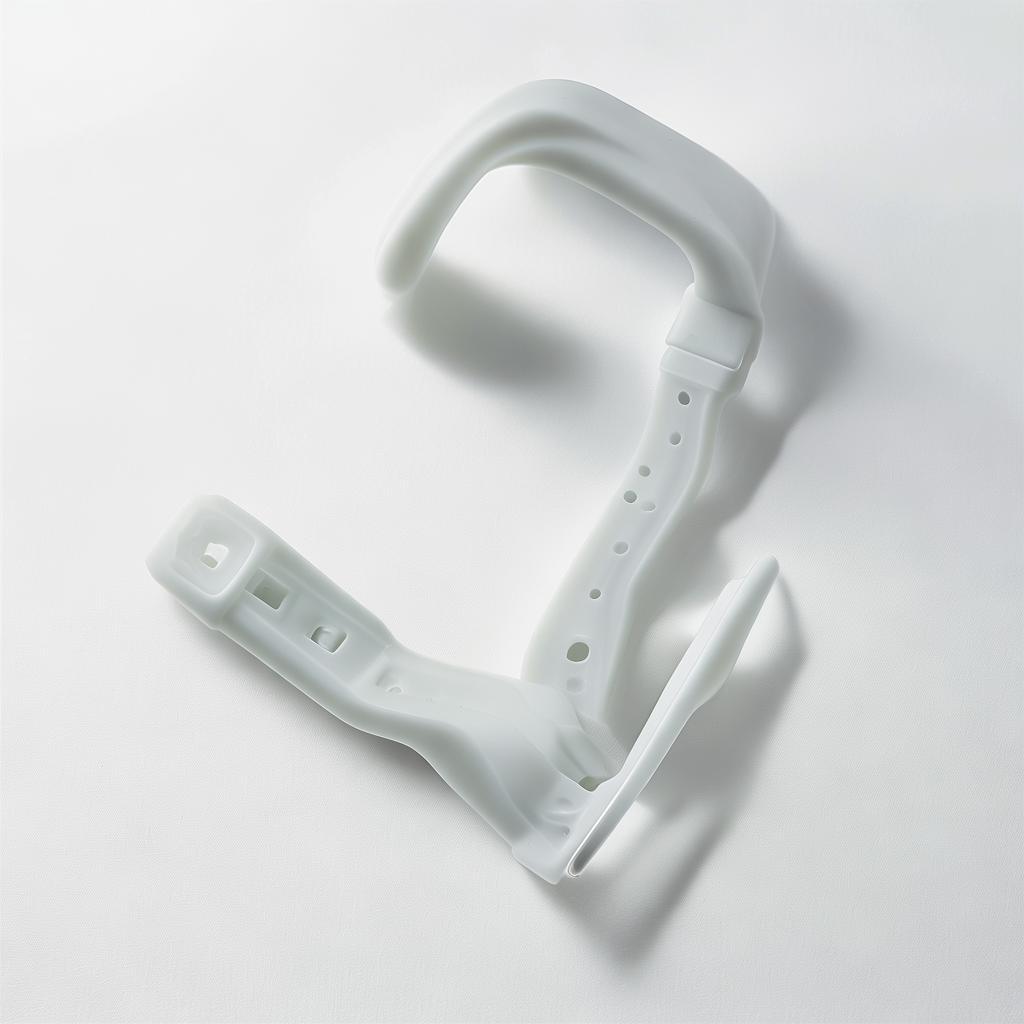
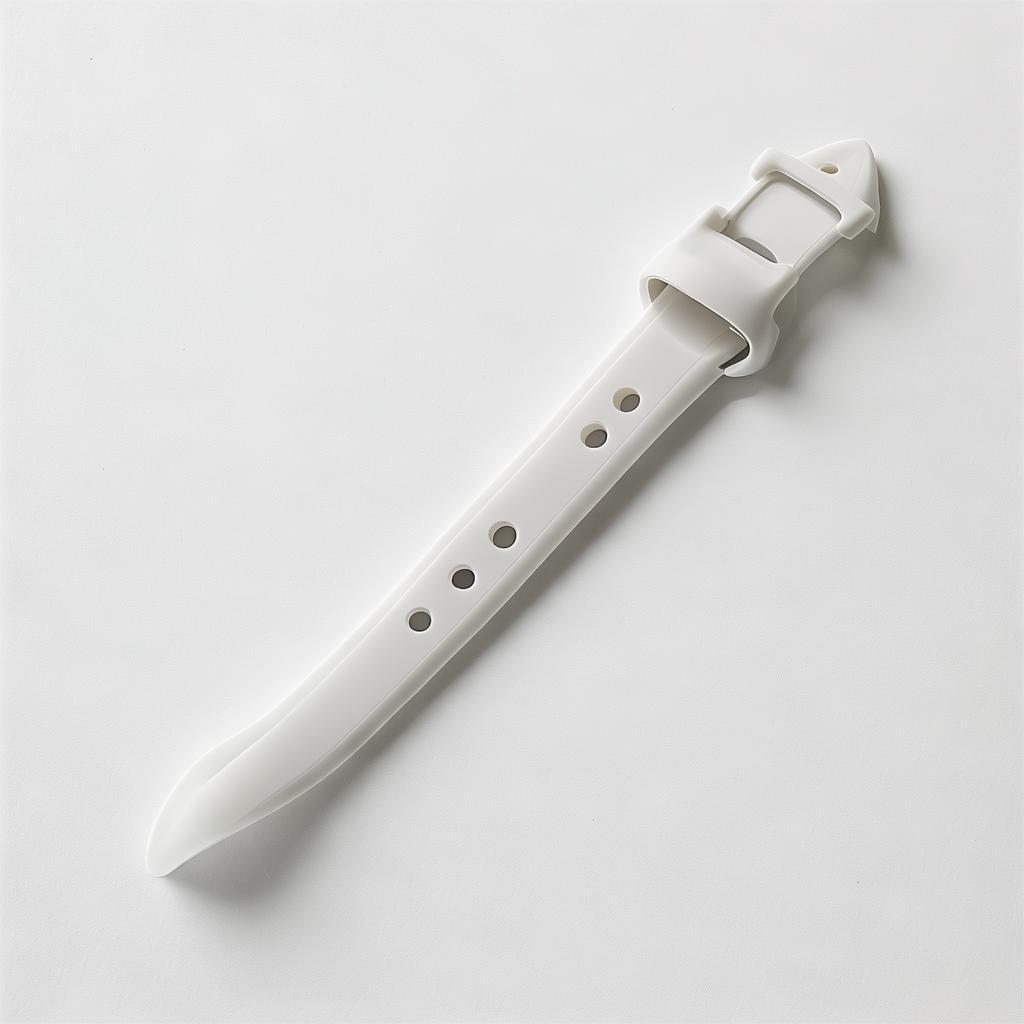
In the arena of industrial manufacturing, two color injection molding encapsulation stands as a sophisticated solution tailored for functional elegance and material versatility. Unlike single-material processes, this technique enables the co-molding of two distinct polymers or a polymer with liquid silicone rubber (LSR), offering enhanced design freedom for products requiring dual properties such as softness combined with structural rigidity, or explicit color patterns paired with protective encapsulation.
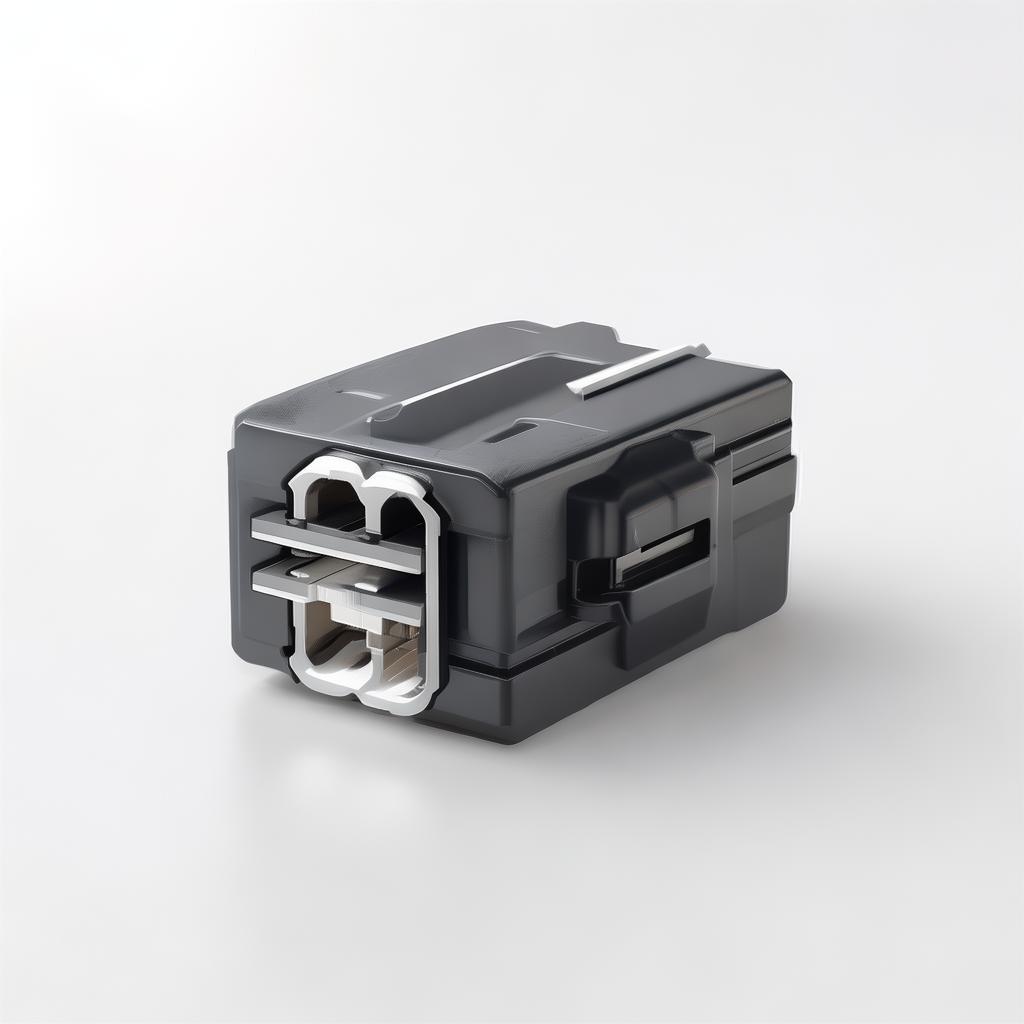
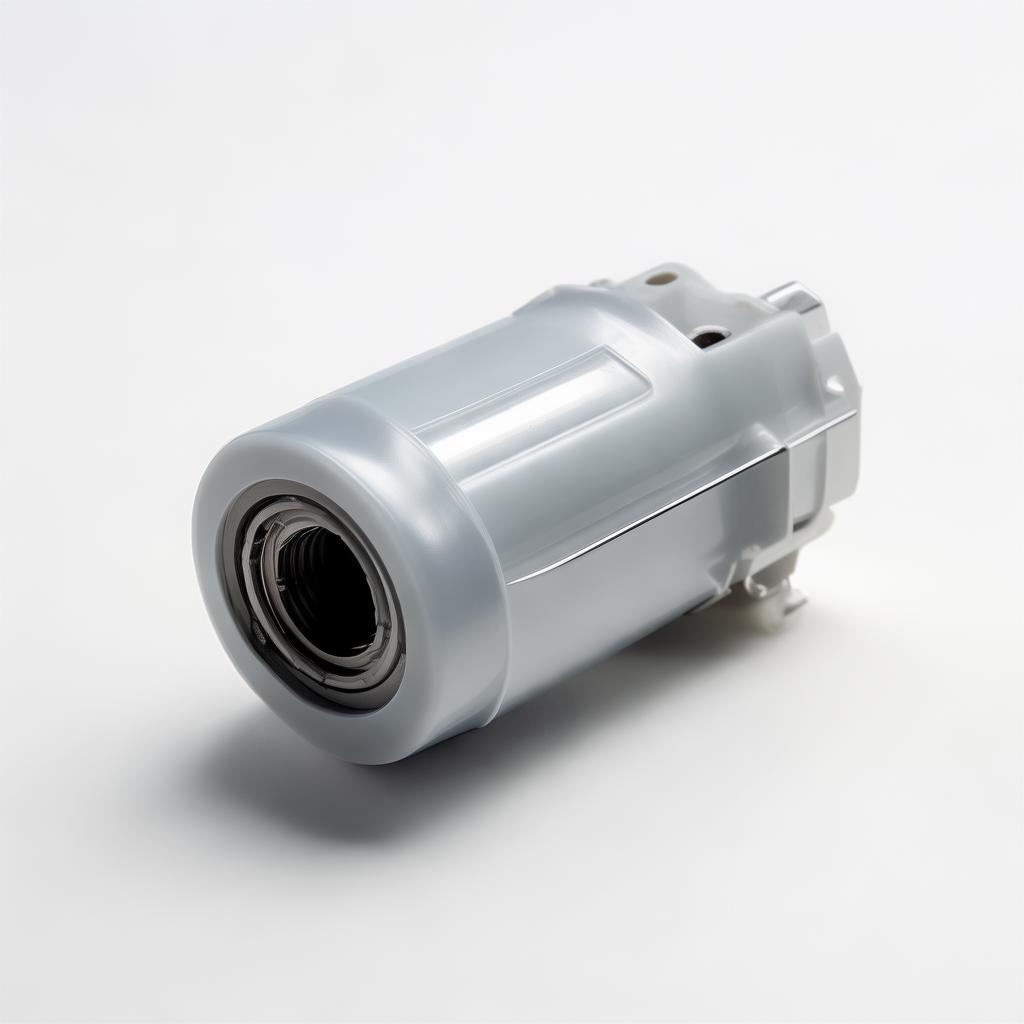
Sourced from Guangdong Yingtai High Precision Technology’s experience of over two decades, this process integrates liquid injection molding techniques with advanced multi-shot technology, allowing precision encapsulation of electronic components, seals, and complex overmolded parts. Two color molding typically involves sequential injection stages where one material forms a substrate or core, immediately followed by injection of the second material over or around the first, achieving integral bonds without secondary assembly.
Manufacturers and procurement specialists need to grasp its operational nuances. Subtle factors such as mold temperature control, material compatibility, and cycle time optimization impact product quality and throughput. Notably, LSR’s biocompatibility, high thermal resistance, and chemical inertness make it a preferred partner for plastics like ABS, PC, or nylon — meeting stringent industry standards like ISO 13485 for medical and CE certifications for consumer electronics.
The industry is witnessing a surge in adopting two color encapsulation methods due to rising demands in automotive parts, electronic wearables, and consumer appliances where durable, intricate multi-material components are essential. Thanks to the evolving precision of injection molding machines and tooling technologies, manufacturers can produce complex geometries with tight tolerances and excellent surface finishes.
With the global liquid silicone rubber (LSR) market projected to expand significantly — reaching roughly $7 billion by 2035 as reported by Grandview Research — harnessing advanced two color injection molding encapsulation not only improves product functionality but streamlines supply chains through reduced post-processing. However, attention must be paid to tooling costs and cycle efficiency, areas where our factory’s 55 sets of LSR molding machines and 80 injection units enable stable batch production and short lead times.
From the perspective of product engineers and procurement directors, selecting the right factory partner demands not just capability but transparency in technical parameters and certifications. Guangdong Yingtai offers end-to-end services from mold design & precision tooling to final encapsulated components — ensuring compliance with RoHS, FDA, and CE certifications critical for international markets.
This comprehensive overview aims to equip professionals with a realistic understanding of two color injection molding encapsulation, helping mitigate project risks and optimize product lifecycles in high-value industrial and commercial manufacturing workflows.
Industry Pain Points in Two Color Molding Operations
Despite its advantages, two color injection molding encapsulation introduces challenges that can catch newcomers off-guard:
Material Incompatibilities: Not all polymer pairs bond well. Inadequate adhesion between materials leads to delamination or weak seals, undermining product integrity.
Cycle Time Management: Two color processes increase mold cycle times, impacting production throughput and costs. Synchronizing material curing profiles remains complex.
Tooling Complexity and Costs: Multi-material molds require sophisticated design, precision inserts, and specialized surface treatments — leading to higher upfront tooling investments.
Color Bleeding & Aesthetic Defects: Achieving crisp, consistent color boundaries can be difficult due to material flow dynamics and injection pressures.
Quality Control Difficulties: Dual-material interface regions are prone to microscopic defects and require enhanced inspection protocols.
Logistics and Scaling Risks: OEM and ODM buyers often grapple with integrating multi-color products into existing supply chains, balancing lead times and container optimization.
Overlooking any of these areas often results in costly production delays or underperforming parts. It is crucial that buyers partner with factories boasting robust technical expertise and validated process controls, reducing variance and rework.
Understanding the Technical Process of Two Color Injection Molding Encapsulation
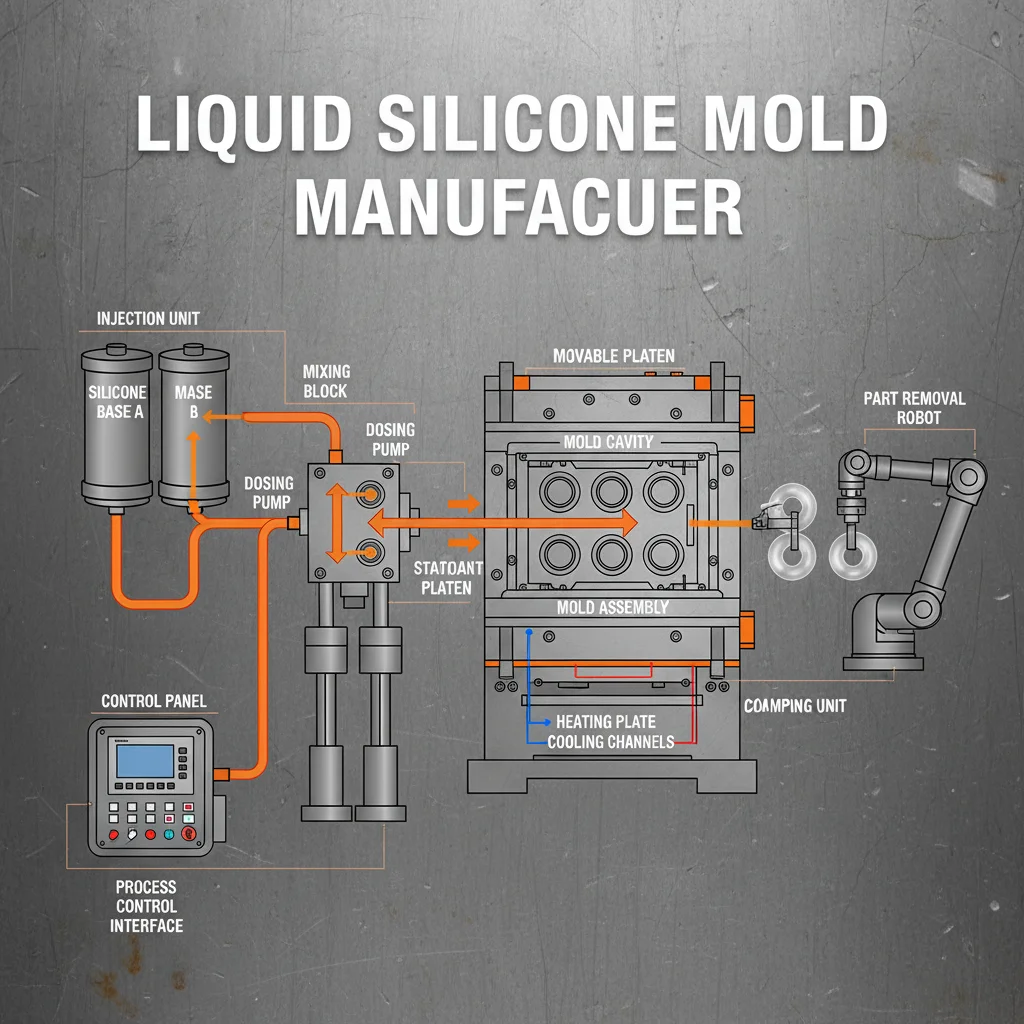
The heart of two color injection molding encapsulation lies in the sequential multi-shot injection system. Here’s a compact walkthrough of the workflow that Yingtai employs:
Primary Injection: The first color/material injects into the closed mold, forming the base substrate. Materials can vary — from engineering plastics like polycarbonate (PC) to semi-rigid thermoplastics.
Rotary Mold Indexing: After curing to semi-solid state, the mold rotates or transfers to the next station. This indexing ensures second-shot injection happens precisely on targeted areas only.
Secondary Injection: The second color or encapsulating material, often a softer LSR or TPU, is injected to cover or overlay the first shot. This encapsulation enhances texture, grip, sealing, or impact absorption.
Cooling and Ejection: Multistage controlled cooling preserves dimensional stability and bond strength before part ejection via automated systems.
Critical factors to maintain: injection pressure synchronization, cavity venting to prevent flash, and temperature regulation play vital roles in avoiding defects such as warpage or air entrapment. These insights stem from extensive operational data and research such as the MDPI study on material characterisation methods—highlighting simulation accuracy as key to optimizing cycle time.
Table: Typical Process Parameters for Two Color Injection Molding Encapsulation
These parameters vary depending on product complexity and mold design, emphasizing the need for expert engineering input during process tuning.
Advantages of Two Color Injection Molding Encapsulation in Manufacturing
From procurement and production viewpoints, the process offers:
Seamless Integration: eliminates secondary assembly and adhesive use, reducing labor costs and potential failure points.
Material Versatility: combines rigid and flexible polymers, enhancing product ergonomics, sealing, or shock-absorption.
Improved Aesthetics: facilitates multi-color designs with precise patterns and textures.
Enhanced Durability: encapsulation protects sensitive parts against moisture, dust, and mechanical wear.
Faster Time-to-Market: with Yingtai’s integrated mold design and production line, turnaround times shorten considerably.
Sustainability: optimized mold tools minimize material waste, as stressed in Fraunhofer research on waste reduction in LSR processes.
Practically, two color encapsulation suits complex parts often seen in medical devices, wearable tech, automotive gaskets, and household appliance control interfaces.
Material Selection & Comparison for Two Color Encapsulation
Choosing compatible materials is a nuanced task balancing mechanical properties, thermal behavior, and bonding affinities. Below is a high-level comparison of commonly paired materials:
Material Pair
Properties
Typical Applications
ABS + LSR
Rigid base, soft-touch encapsulation; excellent thermal stability; chemical resistance
Note: Material surfaces may require plasma or corona treatment to enhance adhesion — a process well-embedded within Yingtai’s production flow. Selecting food-grade or medical-grade LSR variants is crucial to meet sector-specific regulations, as our certifications like FDA and CE underline.
Core Application Scenarios of Two Color Injection Molding Encapsulation
Industries leveraging this technology span a wide spectrum:
Medical Devices: overmolded seals and soft-touch housings for diagnostic tools; biocompatible LSR encapsulation ensures patient safety and sterilization compatibility.
Consumer Electronics: protective encasements for wearables and control interfaces featuring ergonomic grips and splash resistance.
Automotive Components: multi-material gaskets, light diffusion elements, and cushioning parts able to withstand temperature extremes and mechanical stress.
Household Appliances: dual-texture buttons and seals improving user experience and resistance to household chemicals.
Industrial Equipment: vibration damping layers over rigid mounting brackets and precision seals in electronics enclosures.
Practical observation: many production runs benefit from modular molds with interchangeable cores, allowing manufacturers to adjust designs swiftly. This flexibility is a hallmark of Yingtai’s tooling portfolio.
Procurement Guidance & Supplier Evaluation Tips for Two Color Injection Molding
Navigating the supplier landscape can be confusing given technical demands and lead time pressures. Here are key considerations when sourcing encapsulated two color molded parts:
Technical Capability: Confirm the factory operates specialized dual-shot molding machines and controlled curing lines. Yingtai runs 80+ plastic injection and 55 LSR machines, supporting complex projects.
Certifications: Validate quality management (ISO 9001), material compliance (RoHS, FDA), and environmental standards ensuring product legality and safety in target markets.
Sample & Prototype Services: Insist on rapid prototyping and small batch pilot runs to refine design and confirm material compatibility before mass production.
Tooling Expertise: Examine the mold maker’s experience in multi-shot tooling, mold flow analysis, and CAE simulations — critical to avoid costly delays.
Lead Time & Capacity: Assess manufacturing capacity relative to your demand frequency. Yingtai manages moderate and large volume orders with lead times from 15 days prototype to 30–45 days production.
Communication & Support: Suppliers adept at technical dialogue, offering engineering consultations and post-delivery support, mitigate project risks.
As a procurement director remarked recently: ‘We gained confidence only after visiting Yingtai’s plant and witnessing their mold shop, injection lines, and test labs. They understand precision beyond the specs.’
Buyer Frequently Asked Questions (FAQs)
Q1: What is the typical lead time for a two color injection molding project?
From mold design and prototyping to full production, timelines usually range between 4 to 8 weeks depending on complexity. Yingtai averages 15 days for samples and about 30–45 days for bulk orders with established molds.
Q2: How do you ensure adhesion between the injected materials?
We employ surface activation techniques (plasma/corona treatment) and carefully select material grades optimized for overmolding compatibility. Proper temperature and pressure settings during injection are tightly controlled to promote chemical bonding.
Q3: Can I request custom colors and textures?
Yes, custom color matching using masterbatches and pigment concentrates is standard. Texturized mold inserts or secondary surface treatments provide tactile finishes. Our in-house mold shop supports rapid iterations.
Q4: Are there options for multi-material overmolding beyond two colors?
Multi-shot injection molding exceeding two materials is feasible, though tooling and process complexity increase. We advise discussion upfront to evaluate cost-benefit and technical feasibility.
Q5: How is quality inspected for two color encapsulated parts?
Inspection protocols include visual defect checks, adhesion tests, dimensional verification using CMM systems, and functional testing per client requirements.
Client Feedback on Yingtai's Two Color Injection Molding
Michael Thompson – Purchasing Manager, Meditech Electronics (USA)
“Partnering with Yingtai improved our supply chain reliability significantly. Their multi-shot molding precision matches our medical-grade requirements, and the encapsulated parts perform superbly under sterilization cycles.”
Get in Touch
If you have any camping barbeque equipment inquiry, please feel free to contact us.



 Contact: +86 17722437688 |
 FDA and
  CE underline.