Expert insights by Michael Chen , Export Director at Guangdong Yingtai High Precision Technology Co., Ltd. The market for two color plastic accessory molds has evolved significantly over the past decade. With OEM factories
Product Details
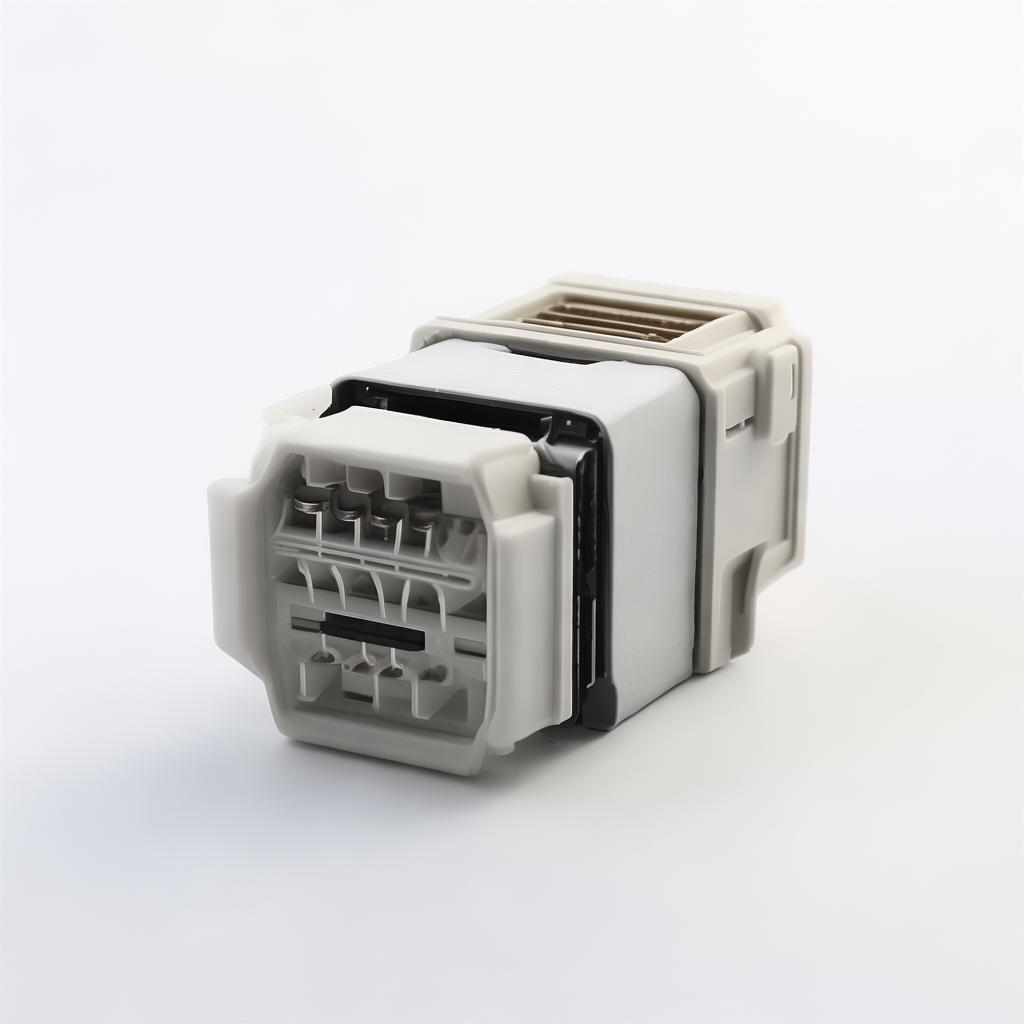
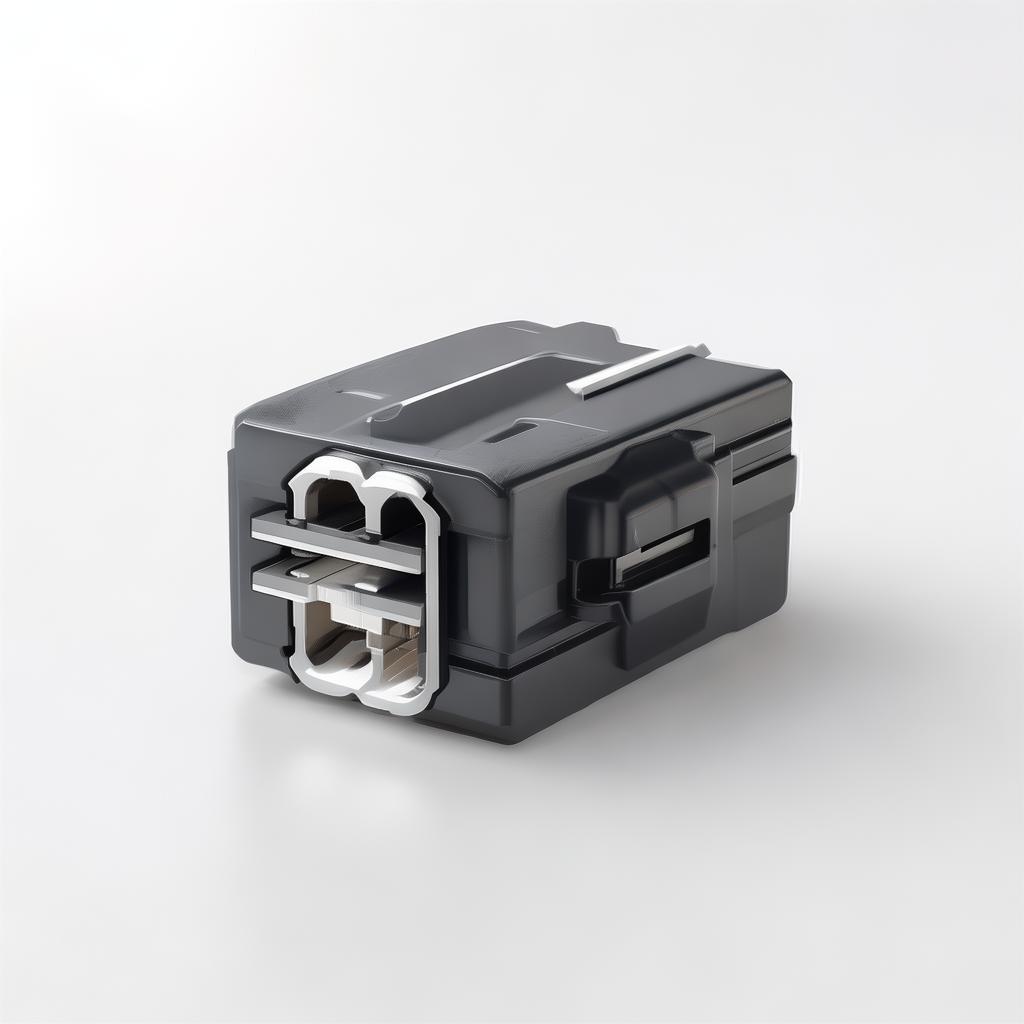
Two Color Plastic Accessory Mold: Precision & Efficiency for OEM Manufacturing
Expert insights by Michael Chen, Export Director at Guangdong Yingtai High Precision Technology Co., Ltd.
Introduction: Industry Realities & Market Demands
The market for two color plastic accessory molds has evolved significantly over the past decade. With OEM factories and international distributors demanding faster lead times and elevated precision, manufacturers face mounting pressure to balance quality with operational efficiency. Unlike single shot molds, two color injection molding integrates different polymers or colors into a single component through overmolding or multi-shot injection processes, streamlining assembly and producing eye-catching, functional parts in one cycle.
In practical terms, procurement directors and technical engineers grapple with common challenges such as inconsistent color bonding, extended cycle times, and the rising complexity of component geometry. Many stakeholders underestimate how critical mold design intricacies—like cavity balancing and venting paths—are to overall yield and long-term performance under ISO 9001 standards.
Investing in a well-engineered two color mold means fewer rejects, reduced secondary operations, and a smoother supply chain. However, not all suppliers understand the nuances of multi-material injection molding technologies—especially when combining materials with very different melting temperatures or shrinkage rates. These technical constraints often lead to alignment issues or increased warpage, which complicate logistics planning and inflate costs.
From our 20+ years rooted in Dongguan’s manufacturing hub, Yingtai’s approach to two color plastic accessories molds revolves around this operational reality: precision mold engineering coupled with comprehensive process validation is the baseline—not the exception. It explains why industries spanning from consumer electronics to automotive interior trims trust our molds to deliver consistent quality and efficient throughput.
Market reports consistently point to steady growth in liquid silicone rubber and plastic injection molding sectors, emphasizing the rising adoption of multi-component molds for applications requiring enhanced aesthetics and integrated functionality. According to Grand View Research (2023), demand is expected to accelerate globally, driven by healthcare, automotive, and smart device applications where two color injection molding plays a vital role.
A word to the wise: Impatience in supplier selection often leads to costly reworks and failed quality audits. Ask critical process questions upfront—how is your mold supplier handling material compatibility, cooling channel design, and ejection systems? What verification systems ensure repeatability in colored or multi-material molded parts? These details typically differentiate a standard supplier from an industry leader.
Technical Deep Dive: Understanding Two Color Plastic Molding
Two color plastic accessory molding generally employs technologies such as multi-shot injection molding or overmolding to produce components with complex multi-material or multicolor structures in a single automated process. This approach combines dissimilar materials—often thermoplastics with varying properties like polycarbonate (PC) and acrylonitrile butadiene styrene (ABS)—or multiple colors of the same polymer family. The challenges center around:
Material compatibility: Ensuring chemical and thermal adhesion between the primary and secondary materials to resist delamination or surface defects.
Mold temperature control: Precise thermal management via conformal cooling channels to coordinate curing and cycle times.
Injection pressure and sequencing: Synchronizing multiple injection stages to prevent weld lines or color bleeding.
Tooling material selection: High-grade S136 or H13 steel tooling for longevity against abrasive or corrosive resins, including effects of UV resistance additives.
From a production standpoint, the workflow requires meticulous planning. Molds are typically engineered with dual rotating platens or sliding cores to facilitate sequential injection without contaminating each material's flow path. The synergy of advanced CNC machining and precision EDM ensures cavity tolerances within microns, reducing flash defects and surface blemishes.
Integration of CAE simulation tools such as Moldflow or SIGMASOFT assists mold designers in predicting shrinkage patterns and optimizing gate locations—critical for maintaining dimensional accuracy and aesthetic quality. As highlighted in a recent MDPI paper, high-quality material datasets and rheological characterisation significantly improve simulation fidelity, reducing costly iterations in mold development.
It’s important to note that mold maintenance plays a crucial role in sustaining consistent output. Our technical team enforces scheduled inspections for wear and gate integrity, reducing downtime and maintaining ISO 13485 and ISO 17025 compliant process consistency for sensitive accessory components.
Product Advantages: What Sets Our Mold Apart
Integrated Multi-Color Capability: Supports seamless two color injection in one automated cycle, eliminating secondary painting and assembly costs.
Superior Material Bonding: Optimized gate design and thermal control enhance adhesion of dissimilar plastics, avoiding delamination under stress.
Durable High-Precision Tooling: Manufactured from premium mold steels with corrosion-resistant coatings for long lifecycle and consistent tolerances.
Cycle Time Efficiency: Cooling channels and intelligent ejection mechanisms reduce cycle times by 10–20%, maximizing throughput.
Environmental Compliance: Designed considering RoHS, REACH standards and facilitating low-waste production with flash reduction.
Custom OEM & ODM Solutions: Flexible mold designs support tailoring to specific accessory shapes and functionalities, with dedicated engineering collaboration.
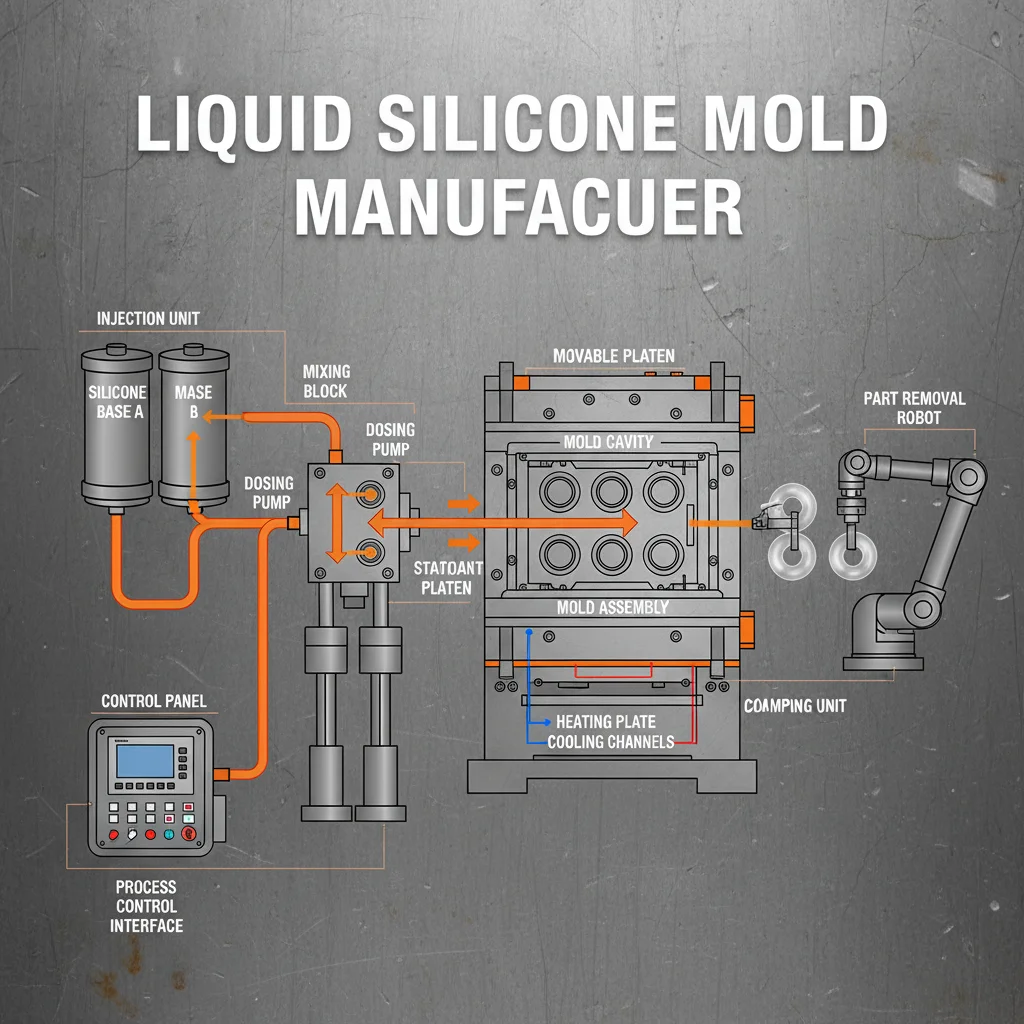
Pragmatically speaking, buyers should assess supplier factory capabilities beyond the basic tooling specs. Yingtai’s 35,000 sqm modern park, featuring 55 sets of liquid silicone molding machines and over 80 automatic plastic injection units, demonstrates our full-scale production strength. We accommodate diverse production volumes, shifting from prototyping to high-volume output without compromising precision.
Our approach reflects real-world needs: as overmolding increasingly demands integration of waterproof seals or soft-touch TPE layers on rigid plastics, the mold complexity increases. Only highly experienced manufacturers adept in fine-tuning injection pressures and cooling uniformity can guarantee defect-free outcomes consistently.
Key Application Scenarios
Two color plastic accessory molds find critical applications in sectors demanding both functional and decorative excellence. Common scenarios include:
Consumer Electronics: Button panels, smartphone casing trim, and headphone overmolds where color differentiation and tactile surfaces enhance UX.
Automotive Interiors: Decorative trims, control knobs, air vent louvers combining rigid and soft-touch materials for ergonomic appeal and durability.
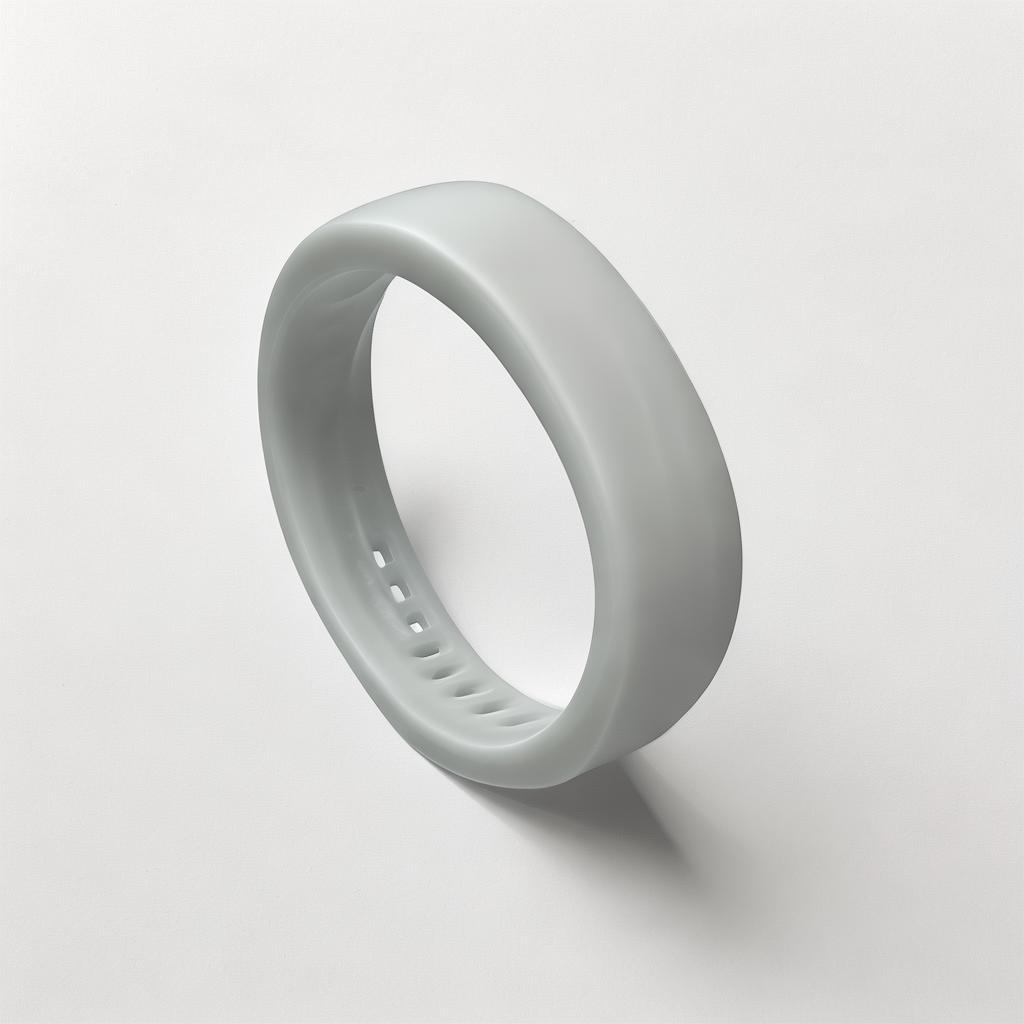
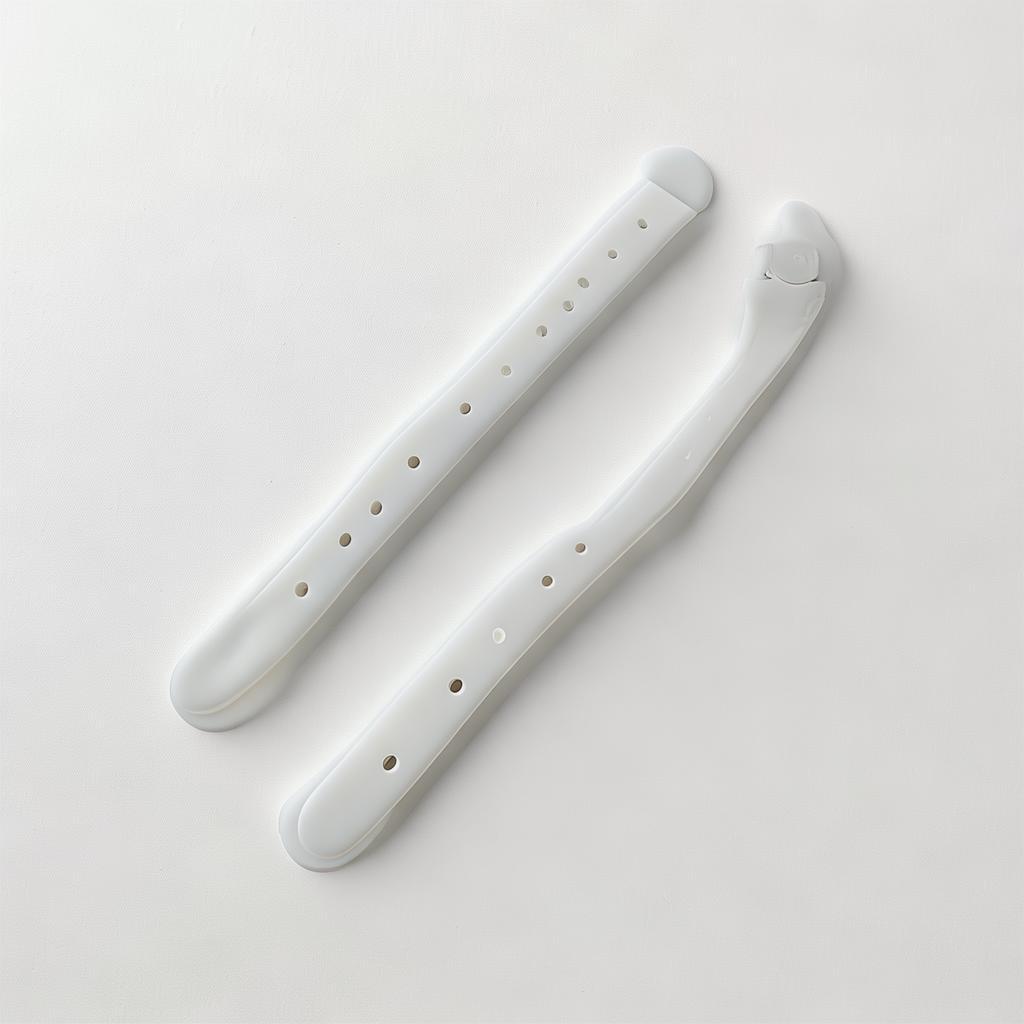
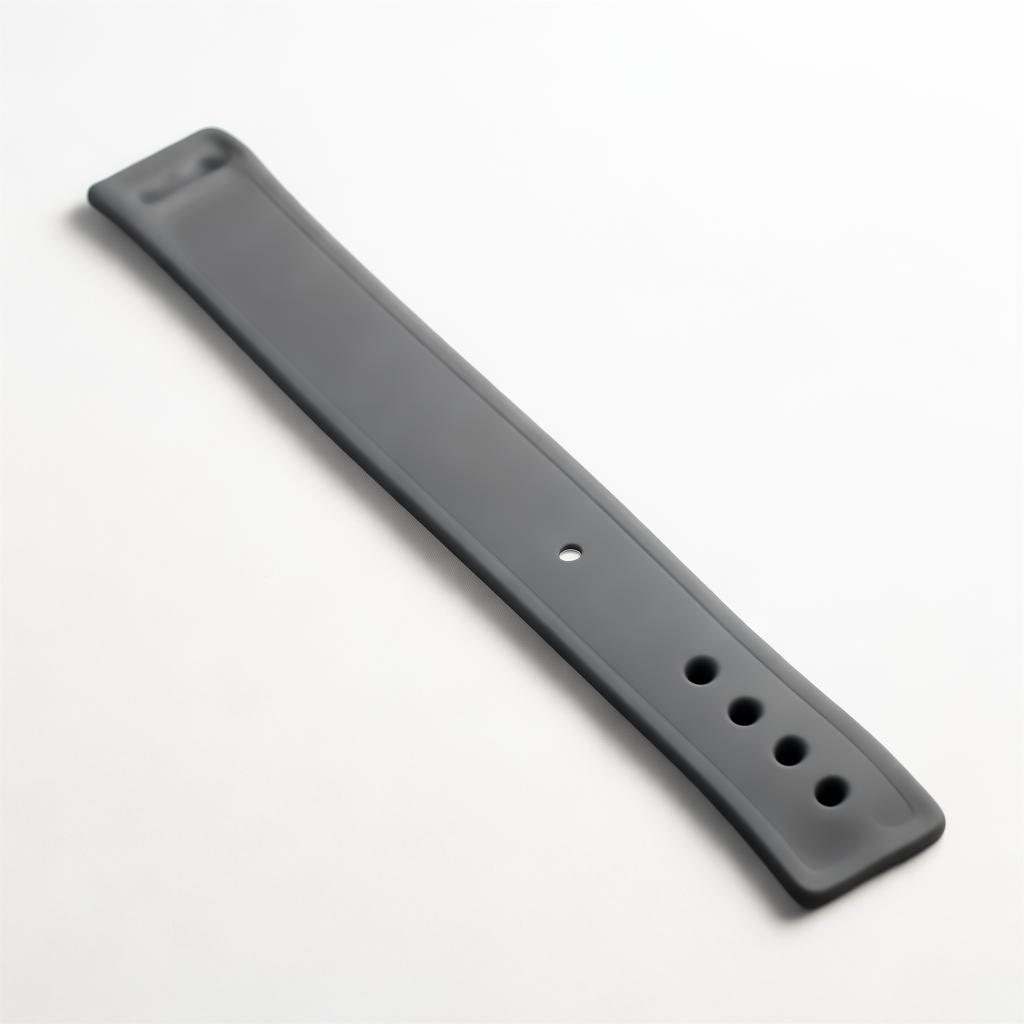
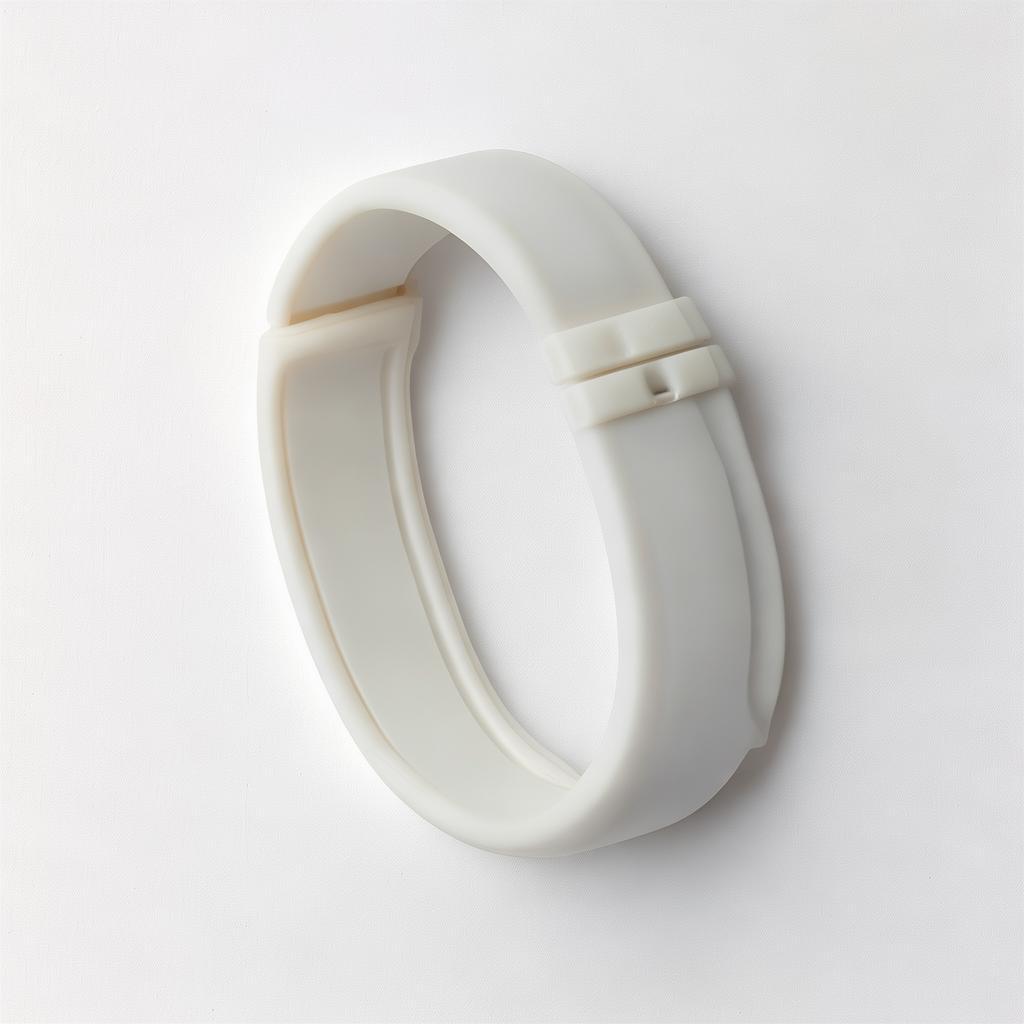
Wearable Devices: Hybrid plastic-silicone accessories requiring precise fit and soft contact surfaces with rigid mounting points.
Household Appliances: Switch covers, control interfaces, and accessories designed for aesthetic contrast and chemical resistance.
Industrial Equipment: Sealing components, hand grips, and instrument panel parts benefiting from UV resistance and long service life.
Each application scenario presents unique technical requirements. For example, automotive parts often demand tight adherence to FIFA-approved anti-slip standards for controls, alongside temperature stability. This translates into specific mold steel choices and injection profiles that address thermal expansion differences. Similarly, consumer electronics accessories need fine surface finishes with minimal flash and color bleeding, challenging mold cavity design and process control further.
Procurement Guidance & Supplier Evaluation
Choosing the right supplier for two color plastic accessory molds is as critical as the mold design itself. Here are essential procurement considerations:
Manufacturing Footprint & Equipment: Confirm supplier’s injection machine range and mold maintenance capability; Yingtai’s multiple injection platforms including 20 solid silicone hydraulic presses assure flexibility.
Technical Support & OEM/ODM Experience: Request case studies showing collaboration in complex multi-material products. This validates engineering problem-solving skills.
Quality Management System: Check for certifications like ISO 9001, IATF 16949 (automotive), and factory inspection reports to assess compliance rigor.
Material Expertise: Verify material knowledge in thermoplastic elastomers, PC, ABS blends, and liquid silicone rubber, particularly when softer overmolds are involved.
Lead Times & Logistics Support: Request clear timelines including tooling fabrication, trial shots, and final logistics coordination (container loading optimization, freight handling).
Risk Mitigation Strategies: Ask about supplier approaches to minimize mold wear, flash, and cycle variations under sustained production environments.
Always engage with multiple suppliers for comparison, balancing cost with technical merit. Beware of suppliers promising unrealistically low tooling costs or short lead times without clear process methodologies—particularly relevant when LSR overmolding or two-shot injection is involved.
At Yingtai, we recommend prospective buyers request free sample trials and try mold cycles onsite or via trusted third-party inspections before bulk order commitments. Our integrated QMS and advanced testing instruments guarantee product consistency aligning with buyer expectations.
Buyer FAQs
Q1: What is the typical lead time to develop a two color plastic accessory mold?
Our standard lead time ranges from 6 to 10 weeks, depending on mold complexity and cavity count. This includes design validation, CNC machining, EDM, assembly, and trial runs. Rush jobs are occasionally accommodated with prior scheduling.
Q2: Can you support custom colors and material pairings?
Yes. We specialize in multi-material injection molding, supporting PC+ABS, TPE overlays, and soft-touch coatings. We collaborate on color matching with suppliers and advise on material compatibility based on your project needs.
Q3: How do you ensure mold longevity in two shot injection molding?
We use heat-treated, corrosion-resistant steels and apply surface treatments to cavities and cores. Routine preventive maintenance and precise process controls prevent premature wear and maintain dimension stability over production runs.
Q4: What certifications does Yingtai hold relevant to plastic mold manufacturing?
We hold ISO 9001 certification and maintain compliance with RoHS and REACH regulations. Our production processes meet automotive-grade quality systems when requested.
Q5: How do you handle logistics for exports, especially container loading optimization?
Our team plans container loading based on mold dimensions and secondary packaging requirements. We optimize for freight cost savings while ensuring safe transport from Dongguan to destinations worldwide, supported by clear lead time scheduling.
Customer Reviews
David McAllister, Purchasing Manager, Chicago, IL:
“We partnered with Yingtai for two color plastic accessory molds for our wearable tech clients. The mold precision and surface finish exceeded expectations, resulting in faster assembly and no reported peeling issues. Their team helped us adjust injection parameters for our proprietary polymer blend—worth every minute invested.”
Get in Touch
If you have any camping barbeque equipment inquiry, please feel free to contact us.