Introduction to Two Color Plastic Molding
Two color plastic molding, often called two-shot injection molding or multi-component molding, is a sophisticated manufacturing process combining two distinct materials or colors into a single, cohesive plastic part. Instead of assembling parts post-production, this technique directly molds multiple polymers in a single automated sequence, significantly reducing manual labor, assembly errors, and improving cosmetic appeal and function.
Why choose two color plastic molds? The approach enables complex, durable, and aesthetically appealing parts required by industries such as automotive, consumer electronics, medical devices, and household appliances. Integration of different materials — like rigid and soft-touch plastics — enhances grip, sealing, and performance without additional secondary processing.
Guangdong Yingtai High Precision Technology Co., Ltd., based in Dongguan, China, with over 20 years of industry experience, operates a 35,000 sqm facility specializing in high-precision plastic molds, liquid silicone products, and overmolded waterproof seals. Yingtai’s advanced machines and specialized teams collaborate on custom OEM/ODM two-shot molding solutions that balance per-piece quality with scalable volume. Their expertise aligns with global market standards including ISO and CE certifications, ensuring reliable delivery to USA and international partners.
As the global market increasingly demands functional multi-material components, two color plastic molds stand as a pivotal solution to meet accelerating demands for design integration, lightweight parts, and shortened production cycles without compromising durability or finish.
The economic advantages of two-shot molding include fewer assembly operations, shorter production times, and superior product integrity — factors that appeal to procurement managers focused on ROI and operations teams aiming for lean manufacturing workflows. These benefits become critical in sectors that require tight tolerance, high surface fidelity, and consistent multi-material adhesion for products such as gaming controllers, smart home devices, automotive dashboard panels, and wearable tech.
Buyers should note that two color plastic molds require upfront investment in sophisticated tooling and process validation. However, the payback manifests in minimized rejects, lower labor costs, and enhanced part functionality that single-shot or post-molding assembly cannot reliably match.
Source references for market growth and technical trends include: Grand View Research, Research Nester, Market.us, and technical papers from MDPI and Springer highlighting precision mold technology and injection molding process optimization.
Technical Deep Dive: How Two Color Plastic Mold Works
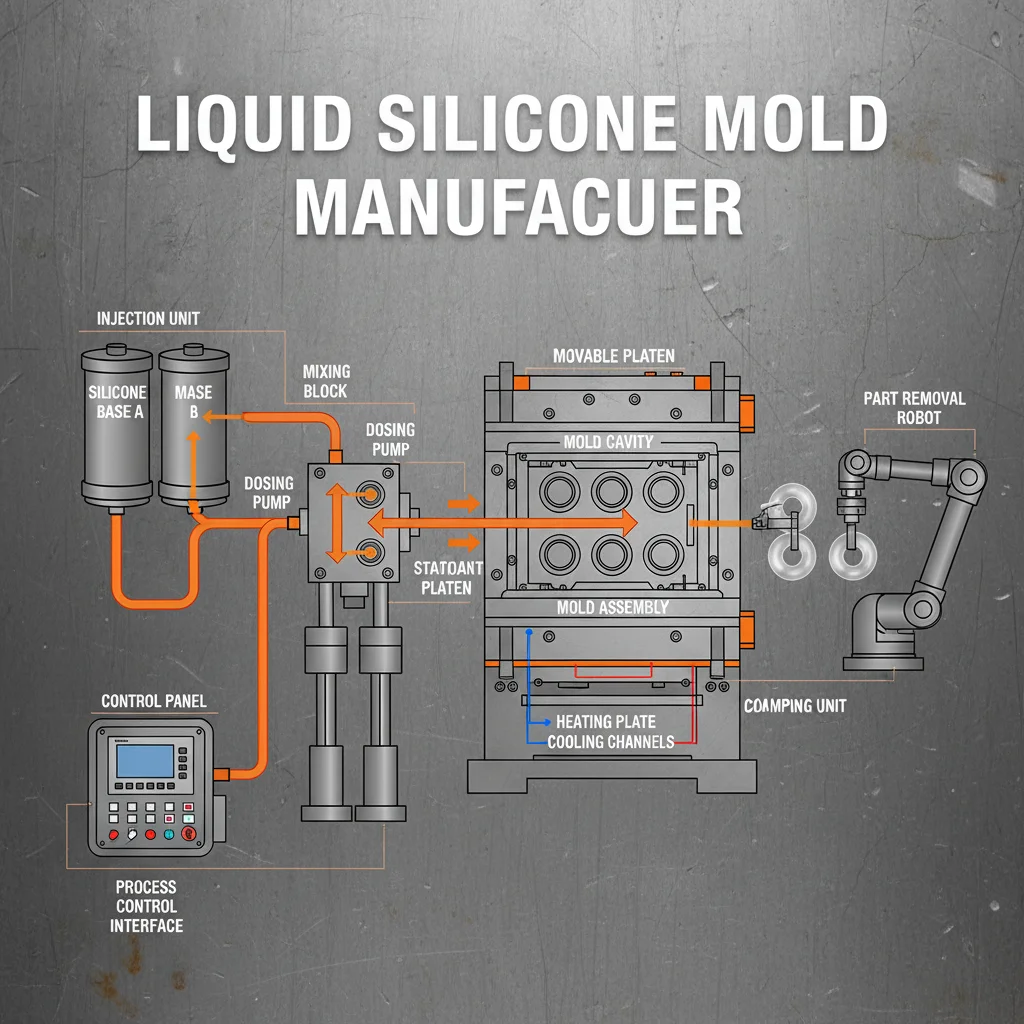
The two color plastic molding process involves two sequential injections within the same mold to create a unified part. The primary steps include:
- First Shot Injection: Injection of the initial polymer (often a rigid plastic like ABS or PC) fills the primary cavities.
- Swivel or Rotate Mold: The mold rotates or transfers to a second injection station where the second polymer is injected to form overmolded areas, typically softer or differently colored materials like TPE or PC/TPU blends.
- Cooling & Ejection: Both materials cure and cool under controlled pressure to ensure bond integrity and dimensional accuracy before the part is ejected.
Achieving strong adhesion at the polymer interface requires meticulous thermal profiling and optimized mold venting/gating. Precision machinery, such as Yingtai’s 80+ injection units and 55 liquid silicone molding systems, enable complex multi-material parts with tight aesthetic and performance standards.
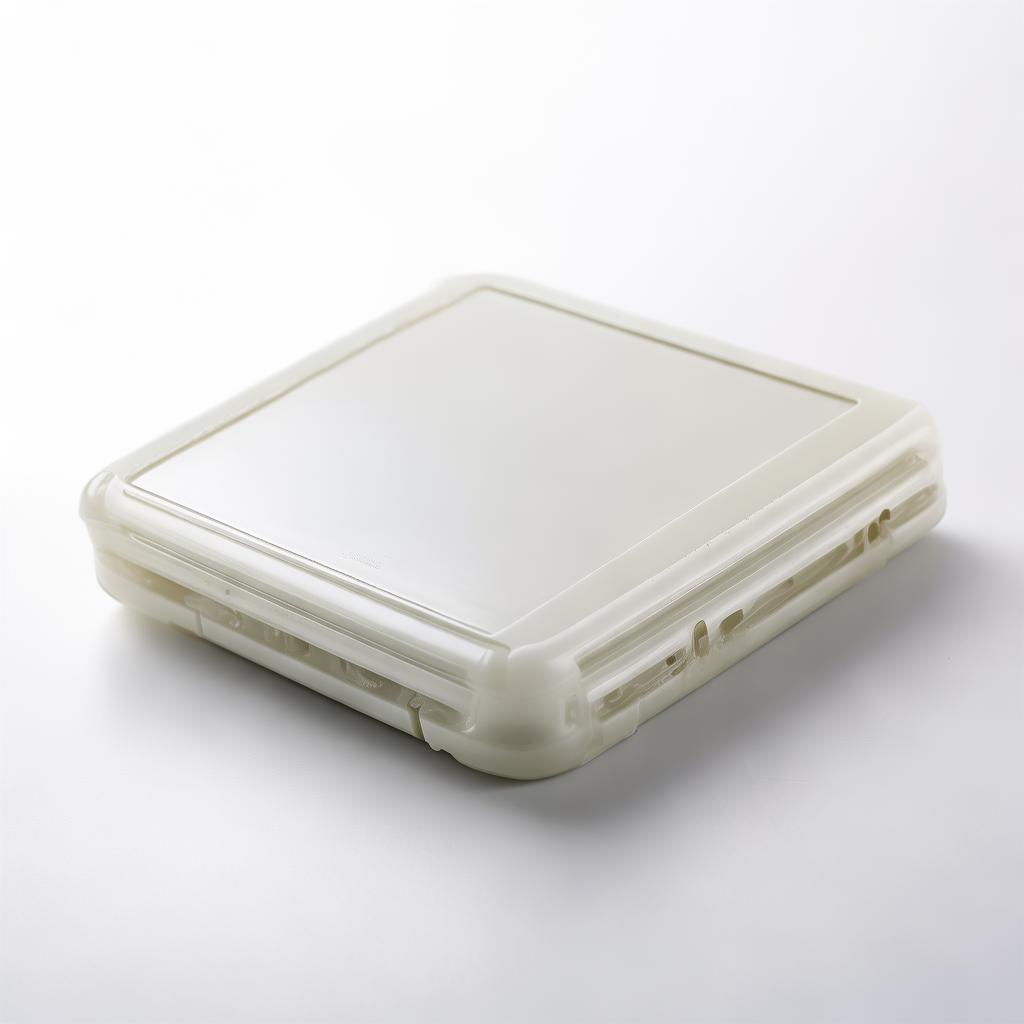
Material Choices: Common plastic combinations include ABS overmolded with TPE for ergonomics, polycarbonate combined with soft silicone for electronic casings, or rigid nylon reinforced with elastomer seals. Each pairing requires tailored injection temperatures, shot volumes, and cooling cycles.
Typical Two Color Plastic Mold Material Specifications
| Material Type |
Properties |
Common Applications |
| ABS (Acrylonitrile Butadiene Styrene) |
Rigid, impact resistant, easy to mold |
Housing, automotive panels |
| TPE (Thermoplastic Elastomer) |
Soft-touch, flexible, chemical resistant |
Grips, seals, buttons |
| PC (Polycarbonate) |
High strength, transparent, heat resistant |
Covers, lenses, electronics enclosures |
| LSR (Liquid Silicone Rubber) |
Biocompatible, soft, heat & UV resistant |
Medical seals, wearable device seals |
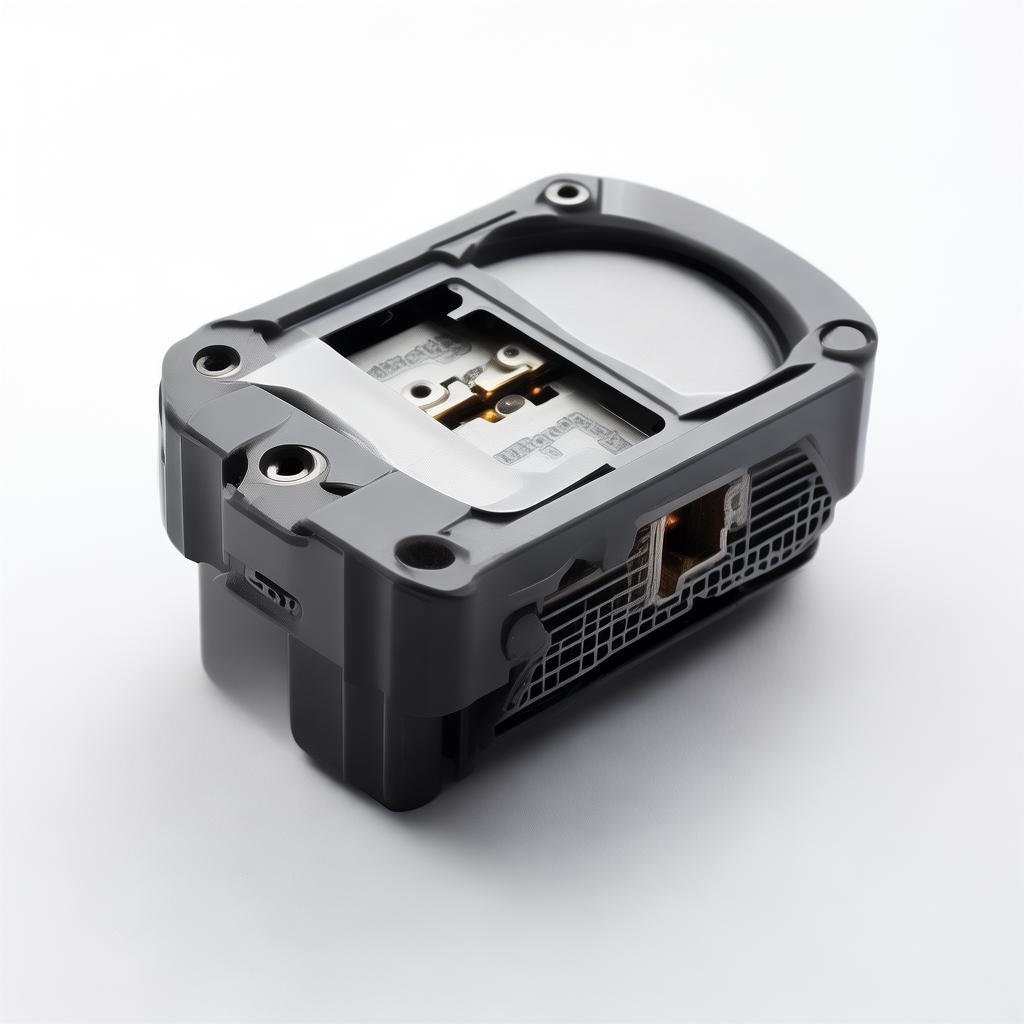
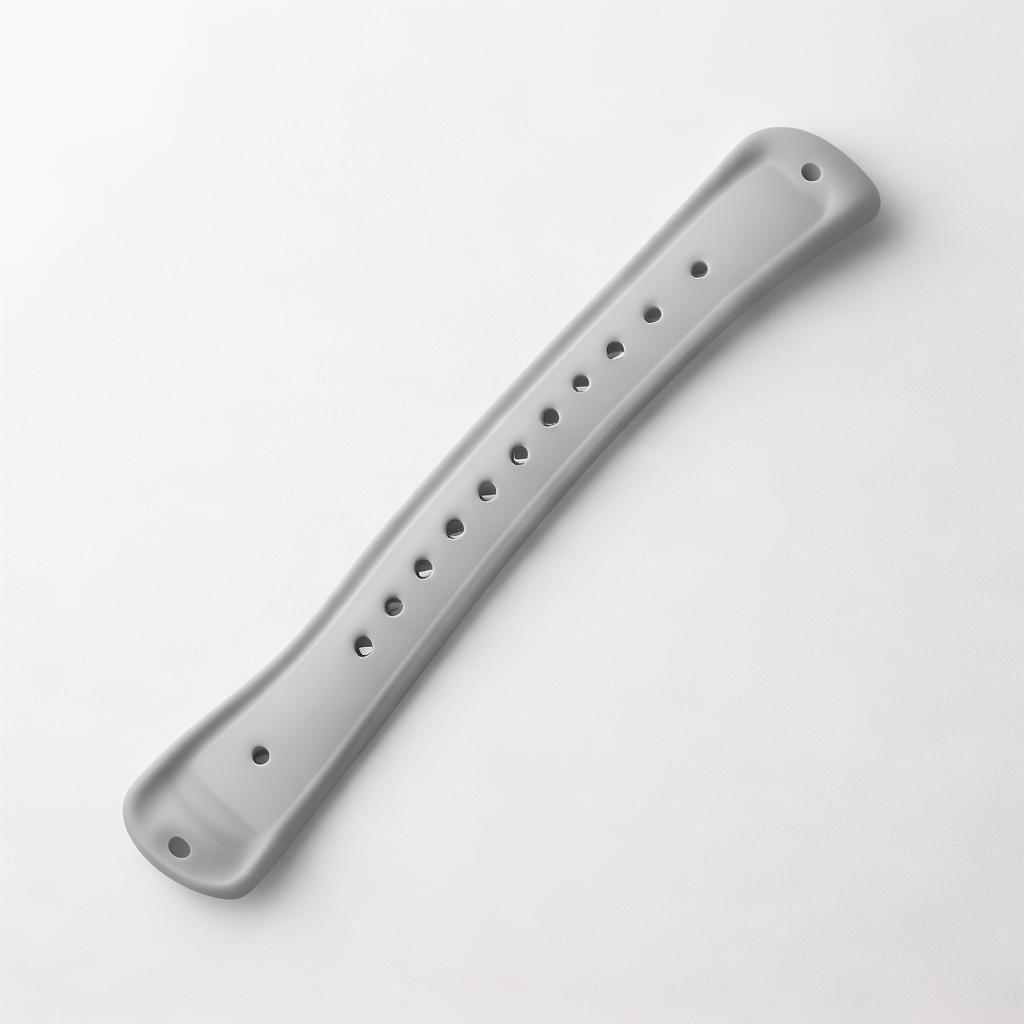
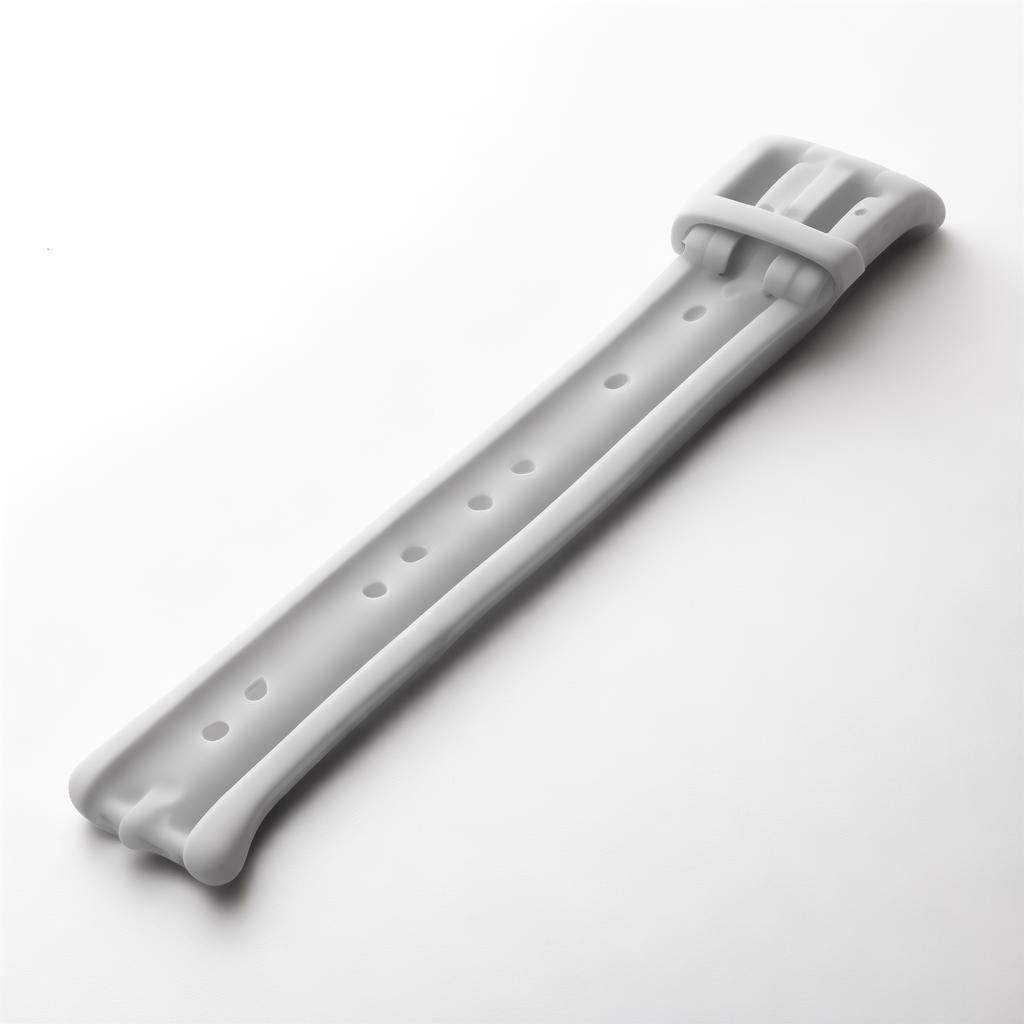
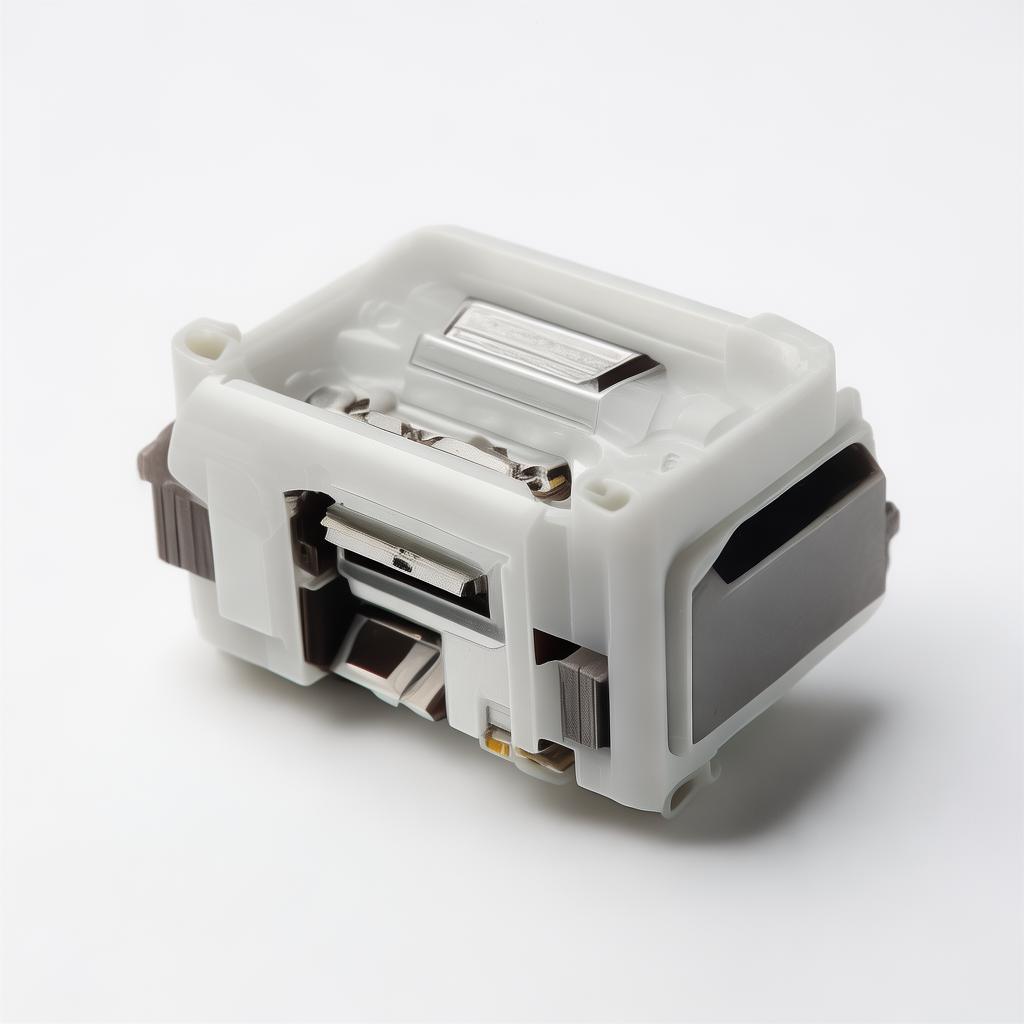
Two color plastic product mold Two color plastic parts mold Two color plastic accessory mold
Technical Note: Simulation tools leveraging accurate rheological datasets — as highlighted in recent MDPI and ScienceDirect studies — are essential for predicting mold filling, curing times, and avoiding defects. Digital twin approaches augmented with AI are becoming industry standards for quality assurance.