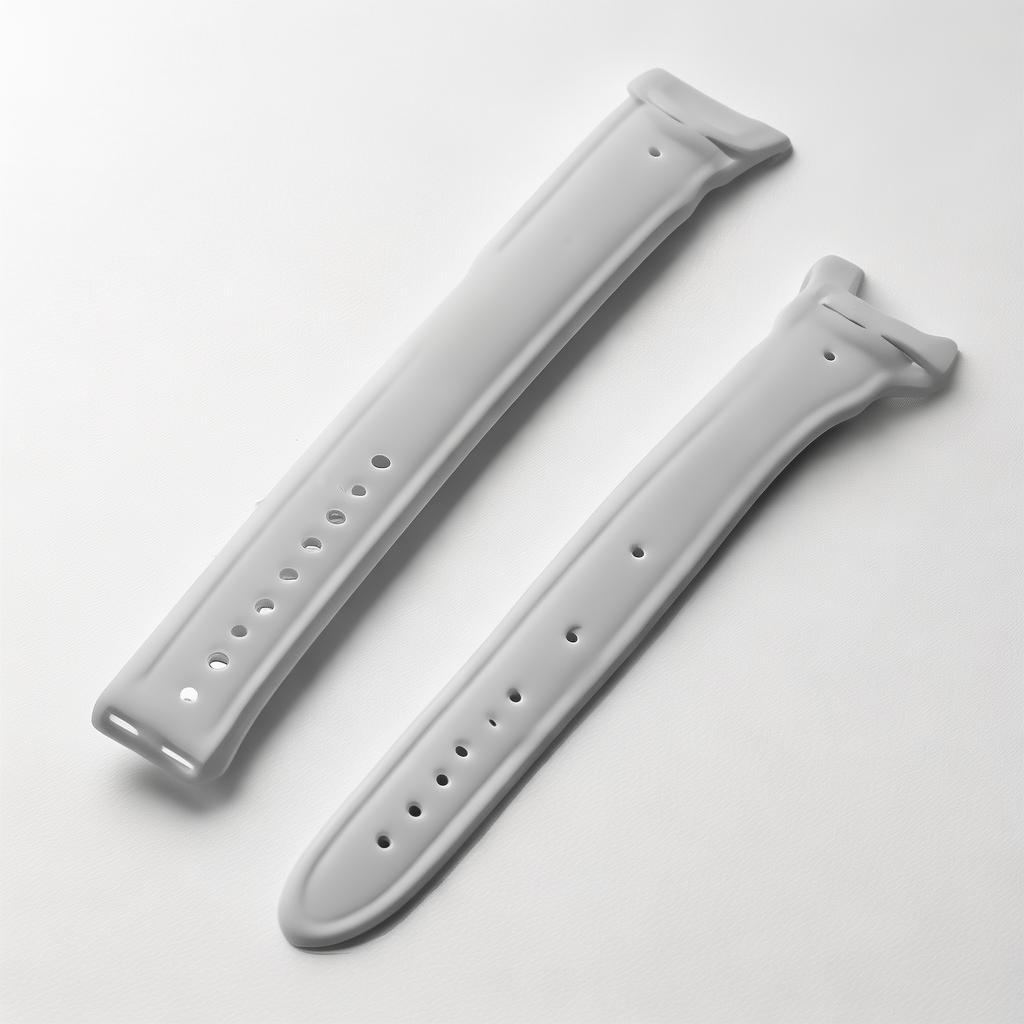
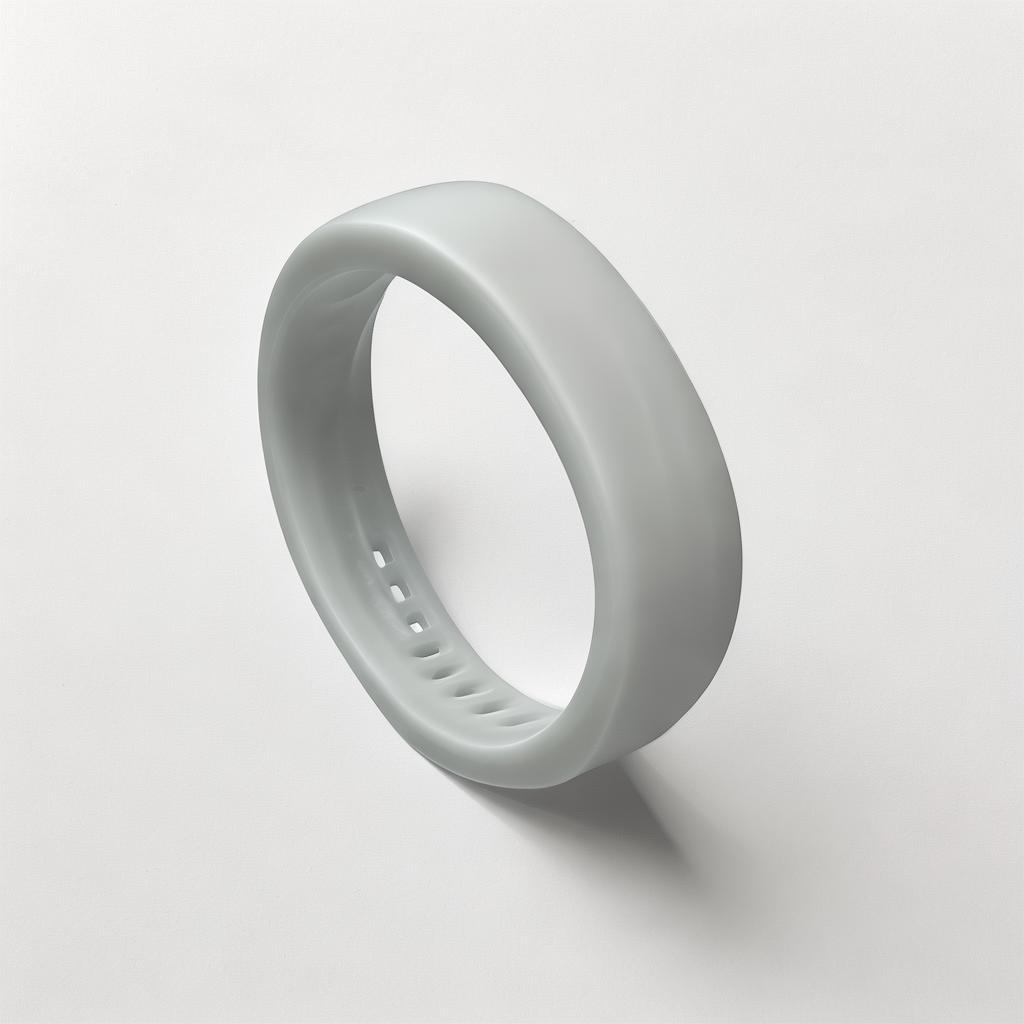
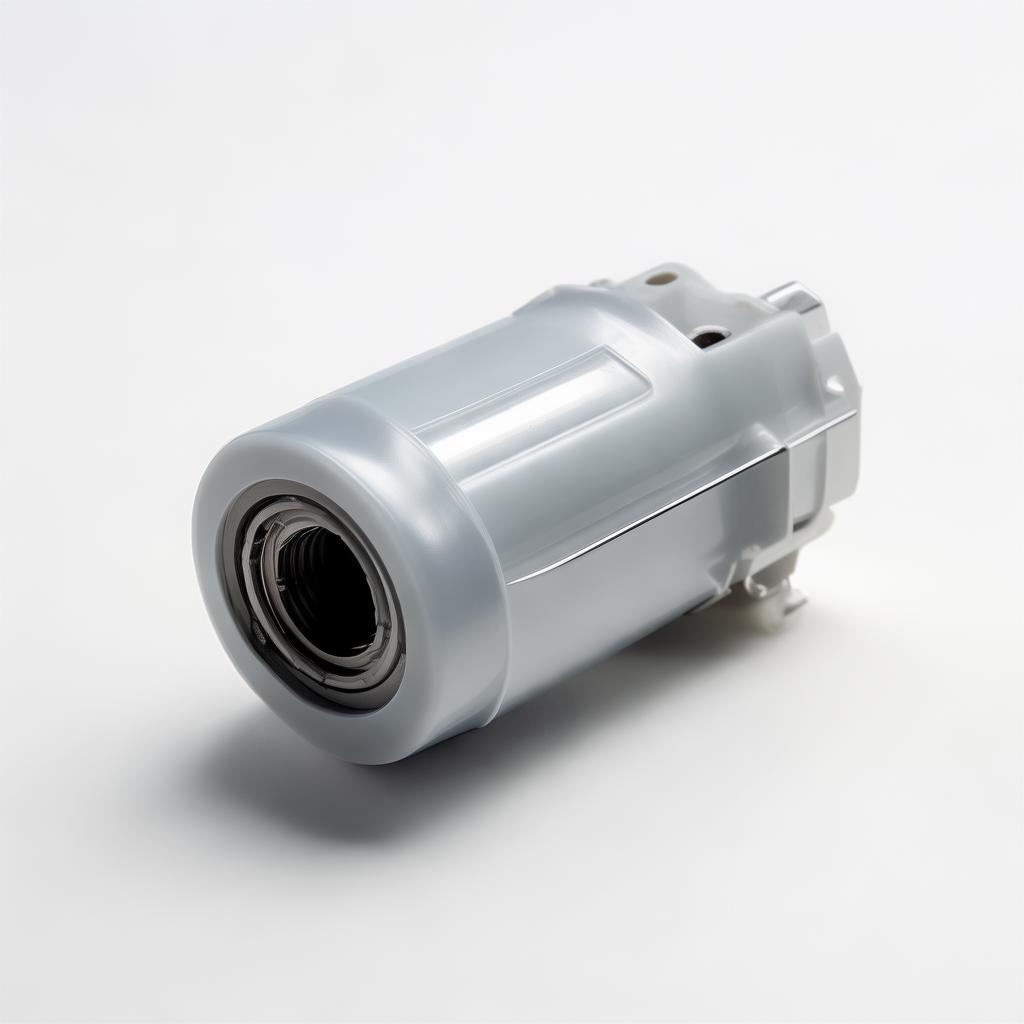
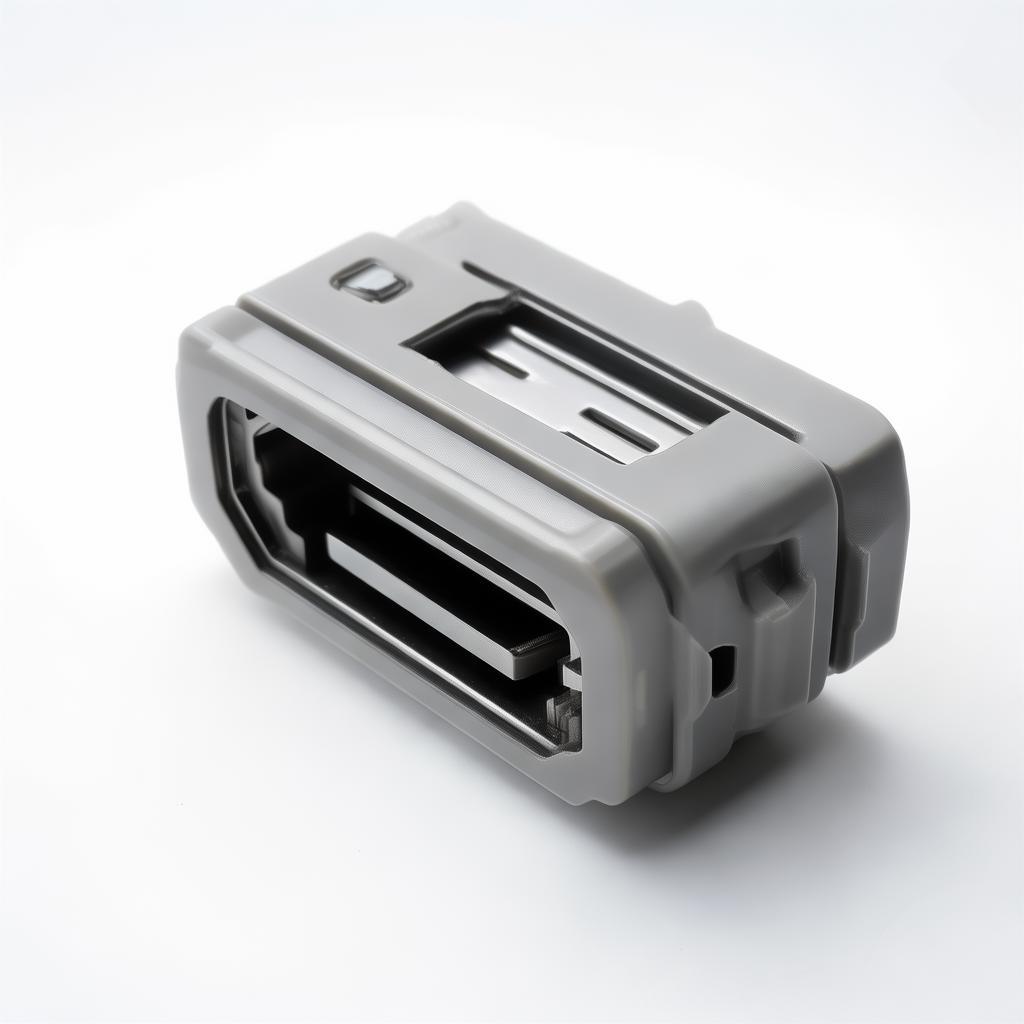
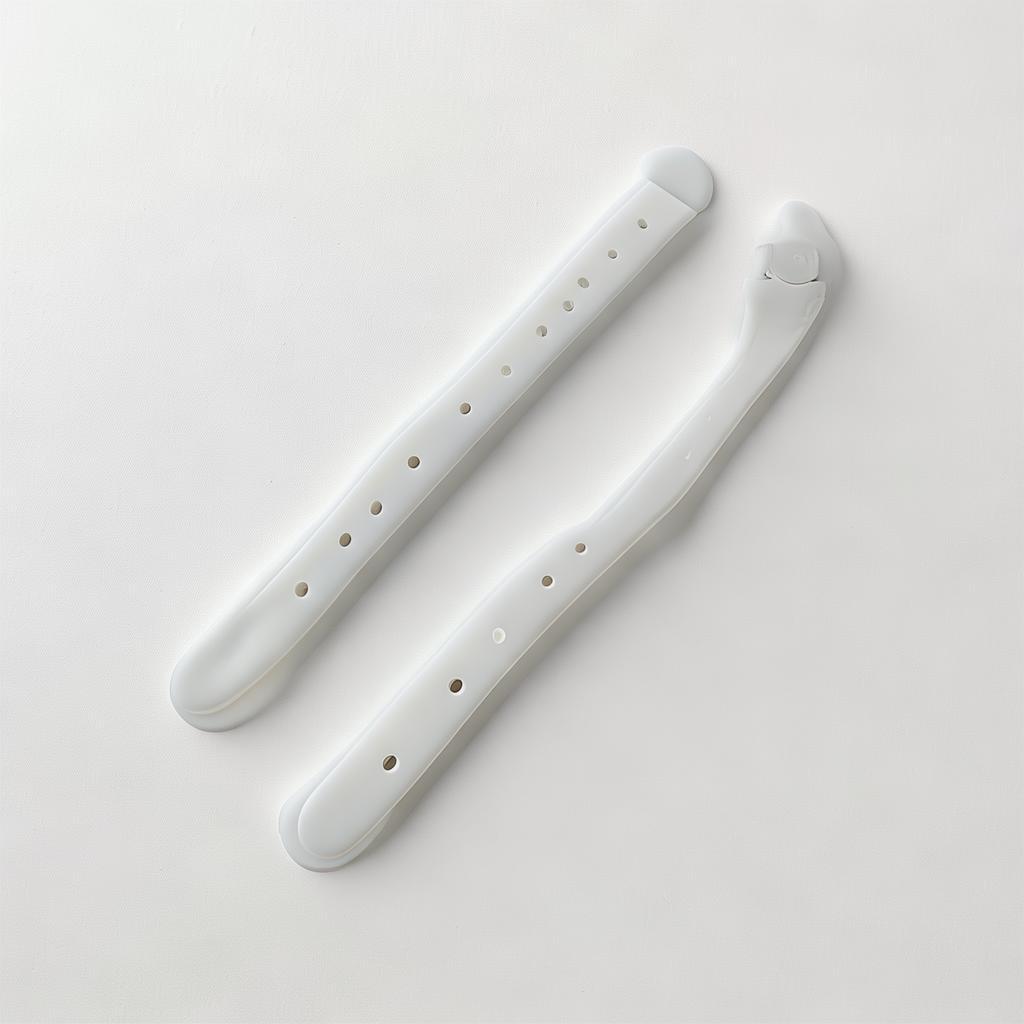
Advanced OEM & ODM Custom Molding | Reliable Two-Shot Injection Molding Specialist Two color plastic molding, often referred to as two-shot or dual-component injection molding, has become a cornerstone technology for producing complex plastic
Product Details
Expert Two Color Plastic Mold Manufacturer for Precision B2B Solutions
Understanding Two Color Plastic Molding: Precision and Performance in One Process
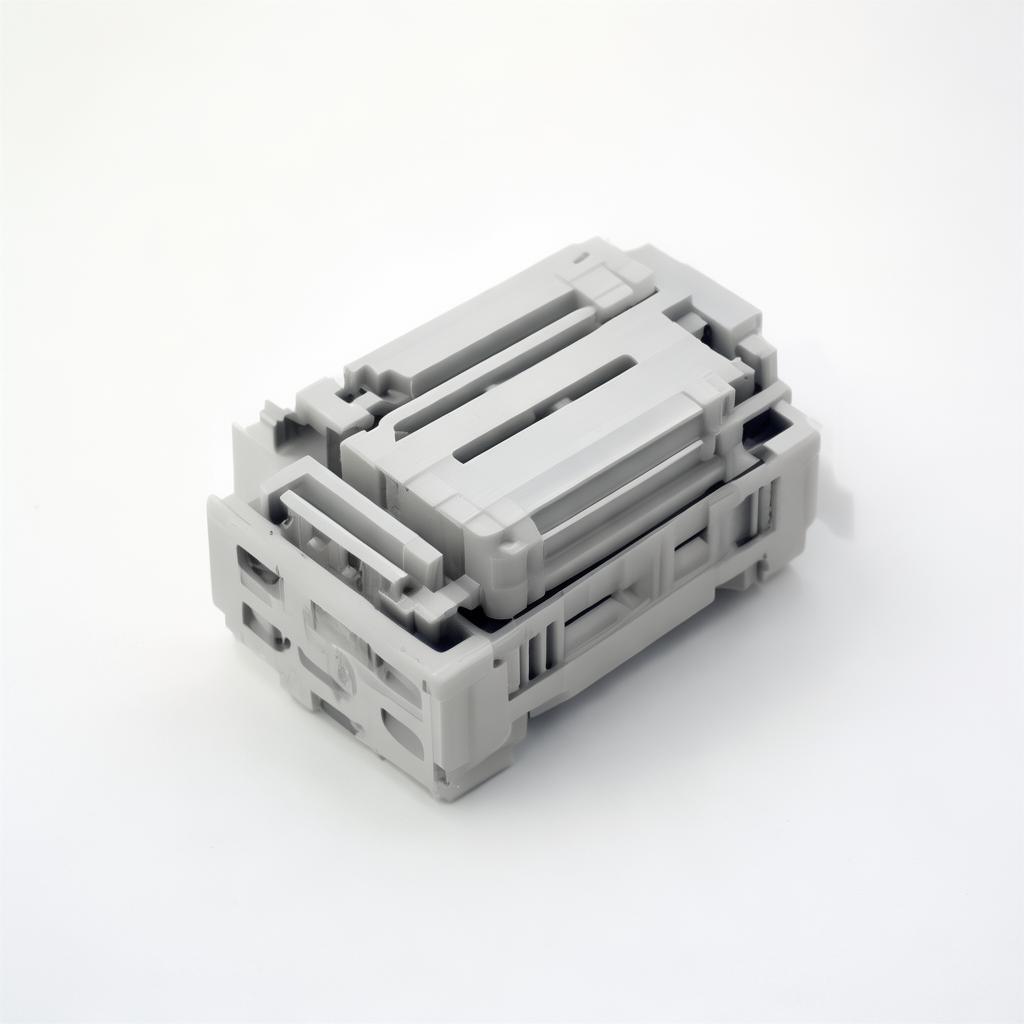
Two color plastic molding, often referred to as two-shot or dual-component injection molding, has become a cornerstone technology for producing complex plastic parts with multiple colors or materials in a single mold cycle. This sophisticated process enables integrators and manufacturers to combine different polymers, finishes, or functionalities—ranging from rigid plastics to flexible elastomers—within a single assembly, eliminating secondary operations and boosting production efficiency.
Manufacturers looking for consistent multi-color plastic parts know that the main challenge lies in achieving seamless adhesion, color registration, and dimensional precision while maintaining throughput and repeatability. This requires specialized mold design expertise, precise injection parameter control, and material compatibility selection. Two-shot molds can reduce assembly costs, improve aesthetics, and enhance product ergonomics.
For procurement professionals sourcing two color plastic mold manufacturers, understanding the nuances of the process is critical for evaluating suppliers capable of delivering high-volume, defect-free parts tailored for diverse industries: automotive interiors, consumer electronics, medical device components, and household goods.
At Guangdong Yingtai High Precision Technology Co., Ltd., we bring over 20 years of hands-on experience in multi-component molding, operating a robust facility equipped with 80+ automatic injection molding machines and a skilled engineering team. Our integrated mold development and production systems ensure shorter lead times and consistency across complex mold geometries.
The rising demand for color customization paired with functional overmolding has led to an estimated annual market growth rate exceeding 6.5% for liquid silicone and plastic molding sectors, driven by trends in personalized consumer electronics and automotive interiors (Grandview Research, 2023). Suppliers like Yingtai are uniquely positioned to provide end-to-end two-shot molding solutions leveraging the latest ISO-certified manufacturing practices.
If you are navigating supplier options for your next project, key considerations span from technical capability to logistics and risk mitigation. In this article, we’ll unpack common challenges, technology insights, factory capabilities, and actionable procurement tips—all anchored to help you select the right two color plastic mold manufacturer with confidence.
Common Industry Pain Points in Multi-Color Molding
Material Compatibility Issues: Achieving strong bonding between different polymers or silicone and plastics can be tricky, leading to delamination or surface defects if not carefully matched.
Mold Complexity & Maintenance: Two-shot molds require precise alignment and reliable shut-off mechanisms. Regular maintenance is crucial to prevent flash and ensure dimensional consistency.
Extended Lead Times: Designing and producing dual-shot molds takes longer than standard single-shot tooling, often causing project delays without clear communication on design iterations and sampling feedback.
Color Matching & Aesthetics: Maintaining exact color consistency between shots is challenging, especially for small batch or customized orders where pigment batches vary.
Injection Parameter Optimization: Balancing injection pressure, temperature, and curing time across different materials requires experienced process engineers to minimize warpage and cycle variation.
Vendor Reliability & Reporting: Incomplete quality data or lack of transparency in production status can create procurement risk and complicate project planning.
Technical Deep Dive: Two-Shot Injection Molding Process
Two-shot molding combines two injection cycles within a single mold, utilizing two separate cavities or a rotary platen system to first mold the primary commodity—usually a rigid plastic like ABS or polypropylene—and then overmold or second-inject a secondary polymer such as TPU or liquid silicone rubber (LSR). This approach eliminates manual assembly and enhances part integrity.
Key process components:
Multi-cavity Mold Design: Incorporates synchronized moving elements and shut-off valves to control material flow precisely between injection stages.
Material Injection Sequence: First shot creates the substrate; after controlled cooling, mold rotates or indexes for the second shot injection.
Interface Adhesion Technologies: Surface activation or priming may be applied to enhance bonding, especially with dissimilar polymers or silicones.
Process Parameter Control: Optimizing melt temperatures, injection speeds, and pressure profiles for each material to meet dimensional stability and visual standards.
Quality Assurance: Inline measurement for shot weight consistency, dimensional tolerance checks, and visual inspection under UV or white light.
Incorporating advanced CAE simulations during mold design reduces trial-and-error during the mold fabrication phase. Recent research from MDPI emphasizes that high-definition material characterization datasets (thermal, rheological) critically impact silicone injection molding simulation accuracy—directly influencing cycle time estimation and mold pressure parameters (MDPI Polymer, 2022). Manufacturers equipped with such modeling capabilities proactively minimize defects and material waste.
Our factory applies these advanced design and process management tools, ensuring production runs achieve high repeatability and tight tolerances—crucial for ISO9001 and CE-certified products expected by automotive OEMs and medical device integrators.
Material Selection & Comparison for Two Color Molding
Selecting compatible materials is fundamental for strong bonding, durability, and expected product performance. Here’s a closer look at typical pairings used in two-shot molding:
ABS + TPE/TPU: Popular for consumer electronics with soft-touch surfaces. TPE offers flexibility and impact absorption.
Polycarbonate + LSR (Liquid Silicone Rubber): Common in medical and automotive applications where biocompatibility and heat resistance are critical.
PP + PA (Polyamide): Durable and chemical resistant, often used in industrial fittings and under-the-hood automotive parts.
POM + Thermoplastic Elastomers: Provides low friction and improved sealing for mechanical assemblies.
Insight: LSR has gained traction due to its wide operating temperature (-60 to +230°C), UV resistance, and excellent sealing properties. Asia-Pacific leads LSR production, mainly due to the growth in medical and consumer segments, according to multiple market analyses (Grandview Research, Research Nester).
When choosing materials, consider:
Thermal expansion compatibility to minimize warpage.
Adhesion strength to ensure long-term bonding.
Color fastness and pigmentation stability.
Curing requirements for silicone components.
Challenges often arise if suppliers overlook the rheological properties or avoid participating in early design reviews. A collaborative approach with your molding partner prevents costly tooling changes later.
Our Factory Strength & Certifications
Guangdong Yingtai High Precision Technology Co., Ltd. operates a state-of-the-art 35,000m² facility located in Dongguan, China — the proven heart of precision plastics manufacturing. Our factory is staffed by over 500 professionals dedicated to innovation and quality control.
80 plastic injection molding machines ranging from 50 to 500 tons clamping force
20 solid silicone hydraulic presses for specialized component shaping
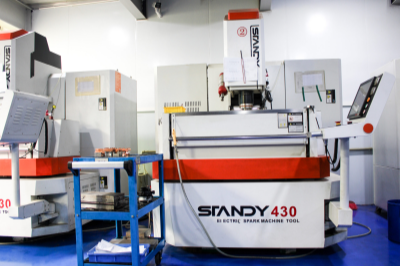
30+ precision molding equipment units supporting cavity machining, EDM, and tooling services
20 advanced testing instruments including CMM, hardness testers, and color spectrometers
Our manufacturing and quality management systems align with ISO9001, CE, and RoHS standards, ensuring parts meet stringent compliance requirements demanded by automotive and medical device customers internationally. We maintain an in-house design department skilled in rapid prototyping and CAE mold flow analysis.
Yingtai factory precision molding equipment and production floor view
By integrating mold development through finished product assembly, we deliver an end-to-end manufacturing cycle that minimizes communication slip-ups and reduces lead time. Our export director notes that “tight coordination between design, tooling, and process engineering teams is a must-have for successful two-shot molding in today’s competitive markets.”
Certifications & Compliance:
ISO 9001:2015 Quality Management System
CE Mark for European Compliance
RoHS 3 Directive Restriction of Hazardous Substances
Buyer FAQs & Procurement Guidance
Q1: What is the typical lead time for a two color plastic mold?
Standard mold development time can range from 6 to 12 weeks, depending on design complexity and sample approval iterations. Two-shot molds require more precise tooling and testing stages, so planning extra time for mold refinement is advisable.
Q2: How do I ensure color consistency between production batches?
Selecting a manufacturer with robust pigment mixing protocols and batch tracking is critical. Additionally, specifying Pantone or RAL standards upfront and approving samples from every batch mitigates color variation risks.
Q3: Is two-shot molding more expensive than multi-piece assembly?
The upfront tooling cost is higher due to mold complexity. However, operational savings from eliminating manual assembly, reducing scrap, and achieving faster cycle times often result in a lower Total Cost of Ownership (TCO) over large volumes.
Q4: Can your facility support OEM/ODM project customization?
Yes, Yingtai specializes in OEM & ODM services including product design optimization, custom mold fabrication, material selection consulting, and post-mold processing to meet client-specific quality and functional requirements.
Q5: What quality control systems do you have for two-shot molded parts?
Our QC team employs dimensional inspection with CMM, visual defect tracking via camera systems, and mechanical testing for adhesion and tensile strength. We also maintain detailed batch traceability for all molding runs.
Customer Reviews & Real-World Applications
Howard T., Procurement Manager - Automotive Parts USA
"We switched to Yingtai for our two-shot molded dashboard components last year. Their expertise in multi-material integration helped us meet tight automotive industry tolerances while cutting post-production assembly by 30%. The technical support during mold design was excellent and helped avoid costly revisions."
Get in Touch
If you have any camping barbeque equipment inquiry, please feel free to contact us.



 Yingtai factory precision molding equipment and production floor view
 ISO 9001:2015 Quality Management System
 CE Mark for European Compliance
 RoHS 3 Directive Restriction of Hazardous Substances