

Two Color Plastic Mold Processing Factory: Precision & Performance for Complex OEM Solutions
Guangdong Yingtai High Precision Technology Co., Ltd. | Dongguan, China
Understanding Industry Pain Points in Two Color Injection Molding
In the global OEM and manufacturing landscape, two color plastic mold processing presents unique challenges that purchasing managers, OEM designers, and production engineers often grapple with. Achieving precision during multi-component molding requires balancing complex material behaviors, tooling complexity, and manufacturing timelines, especially when working with varied plastic materials like ABS, PP, PC, and TPE.
One common hurdle lies in optimizing the cohesion between the two molded materials — ensuring not only a strong mechanical bond but also a seamless aesthetic finish. Variations in thermal expansion, shrinkage rates, and color migration add layers of complexity that can easily cause part rejection or post-processing delays.
Furthermore, tooling costs for two-shot injection molds run considerably higher than traditional single-material molds. OEMs must consider lead times that extend due to intricate mold design and validation cycles. If these factors are underestimated in procurement decisions, production bottlenecks and quality disputes become inevitable.
Operationally speaking, many first-time buyers overlook the crucial impact of mold venting and cooling channel design on cycle efficiency and part consistency. This gap often leads to defects such as flash formation, weld lines, or inconsistent color boundaries.
Logistics and packaging considerations should not be left to the last minute either. These multi-material components often require specialized handling due to different material hardness and surface finishes, impacting container loading and freight safety.
Technical Explanation: How Two Color Plastic Mold Processing Works
Two color injection molding (also known as two-shot or multi-component molding) involves injecting two different plastic polymers sequentially or simultaneously into a single mold. Typically, the first shot forms the substrate plastic part, while the second shot overlays or inserts a different material, often with a contrasting color or property.
Precision engineering is vital to synchronize injection pressures, melt temperatures, and mold temperature control. Advanced molds incorporate rotary or slide mechanisms to reposition the first shot component for the second injection, ensuring accurate cavity alignment.
Not all plastics are suitable for two-shot processing. The materials must be chemically compatible or have tailored adhesion promoters to maintain long-term durability of the bond. For instance, combining polycarbonate (PC) with thermoplastic elastomers (TPE) often requires precise surface treatment and process parameter adjustments.
Our facility employs 80 sets of automatic plastic injection molding machines optimized for this process, ranging up to 3000-ton clamping force for applications requiring large, multi-material parts. Each project undergoes rigorous mold flow simulation to forecast fill patterns, pressure variances, and potential defects before production startup.
Beyond injection, cooling rates and cycle times are critical. Uneven cooling leads to warping or internal stresses, especially with dissimilar materials. Our molds are engineered with intricate cooling channel layouts and in-mold temperature sensors to monitor conditions real-time during runs.
According to recent industry data from Grand View Research, the demand for multi-material molded components in electronics and automotive sectors continues to grow robustly, reflecting the rising need for production consistency and complexity we cater to daily.
Product Advantages and Material Insights
- Enhanced Functionality: Two color molding allows combining rigid and soft-touch surfaces in a single component, ideal for ergonomic designs or sealing elements.
- Precision Color Control: Our process supports bright, fade-resistant, and tightly bonded color transitions without secondary painting or assembly.
- Material Synergy: Ability to combine engineering plastics (PC, ABS) with flexible materials (TPU, TPE) for products with enhanced shock absorption and durability.
- Reduced Assembly Costs: Eliminates the need for manual overmolding or adhesive bonding, accelerating production timelines and boosting yield rates.
- Compliance & Certifications: We provide products with ISO 9001:2015, CE, and RoHS certification ensuring quality suitable for medical, automotive, and consumer electronics applications.
Material comparisons: While single-shot injection molding is limited to mono-material strength and aesthetics, our dual-shot approach leverages the unique physical characteristics of each polymer to enhance product performance. We frequently use thermoplastics compatible with high flow indices and stable melt temperatures to minimize color bleed and improve interface adhesion.
| Material Pair | Key Features | Typical Applications |
|---|---|---|
| PC + TPE | High impact resistance; soft touch grip surfaces | Consumer electronics casing, automotive interior handles |
| ABS + TPU | Good toughness; flexible sealing overlays | Sporting goods, protective gear components |
| PP + TPE | Chemical resistance; elastic profiles | Household appliances, wearable electronics |
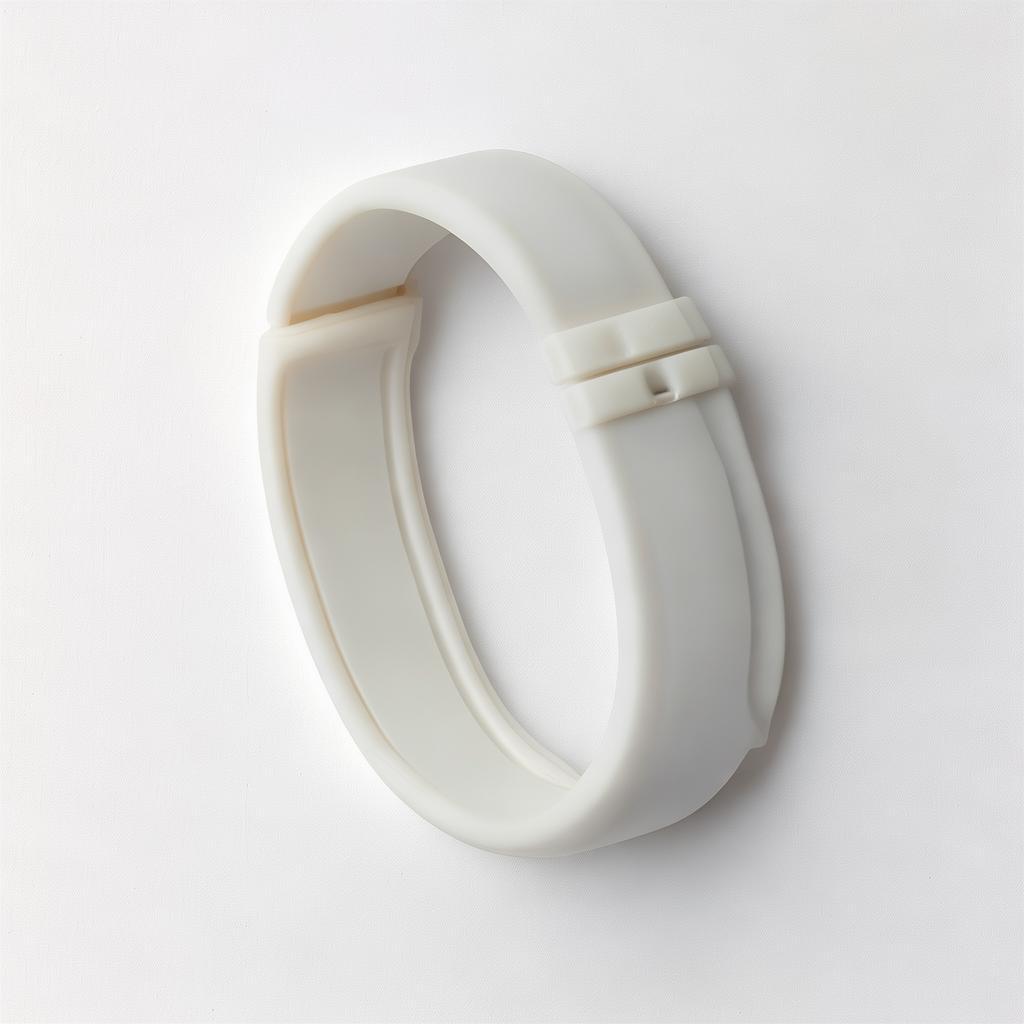
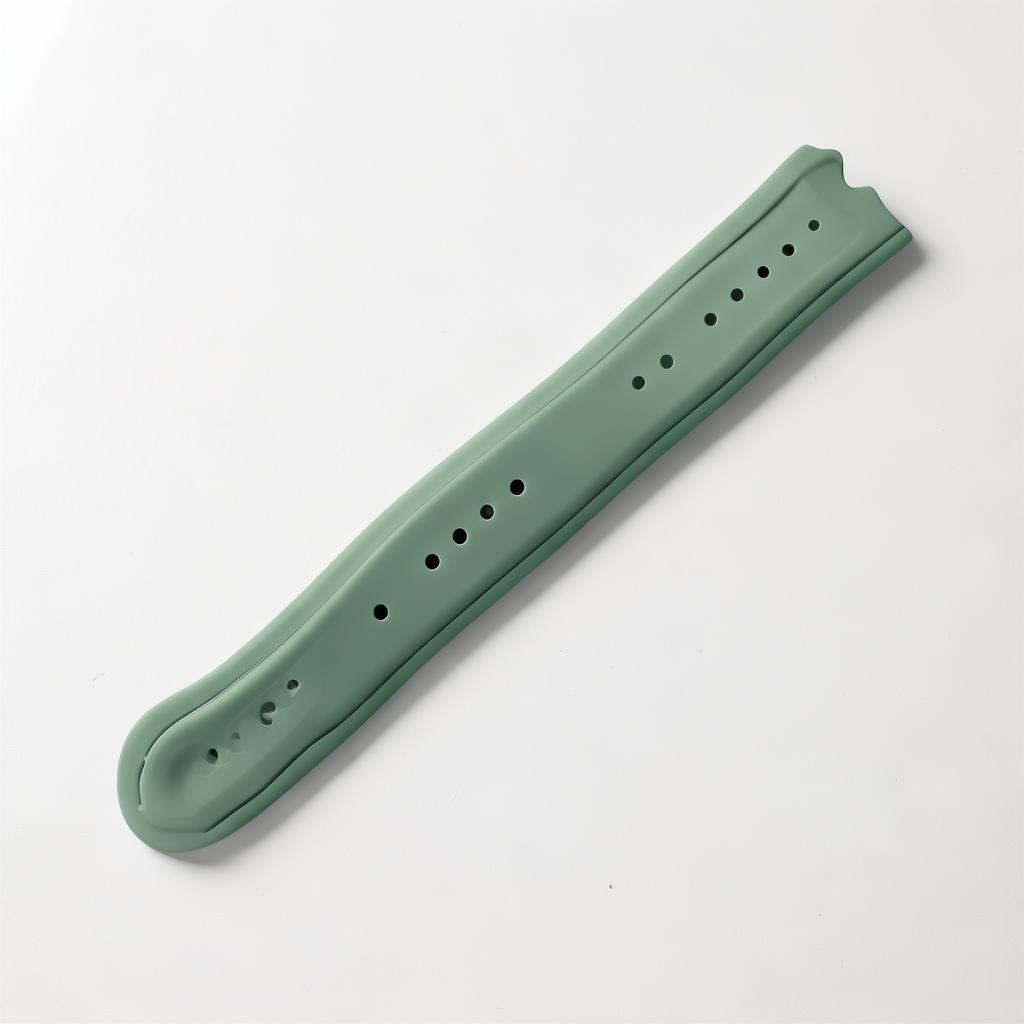
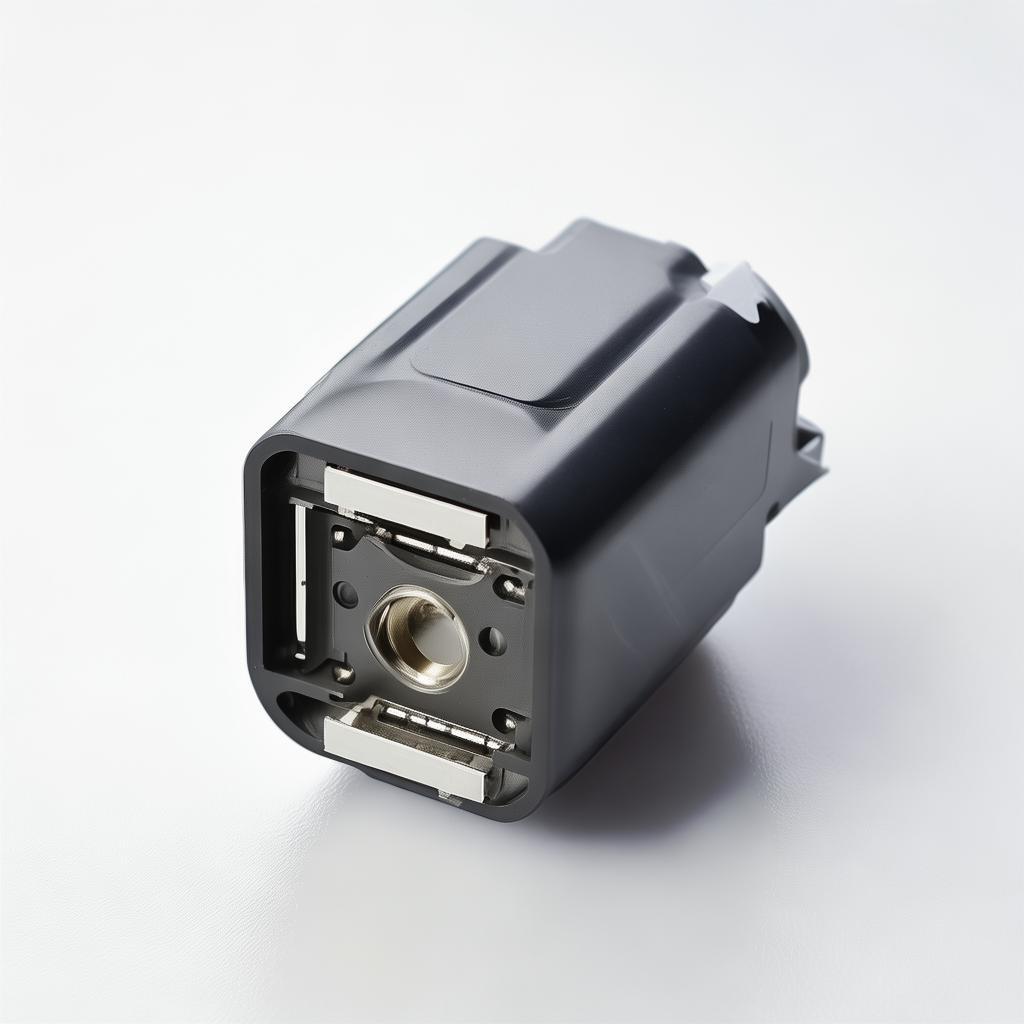
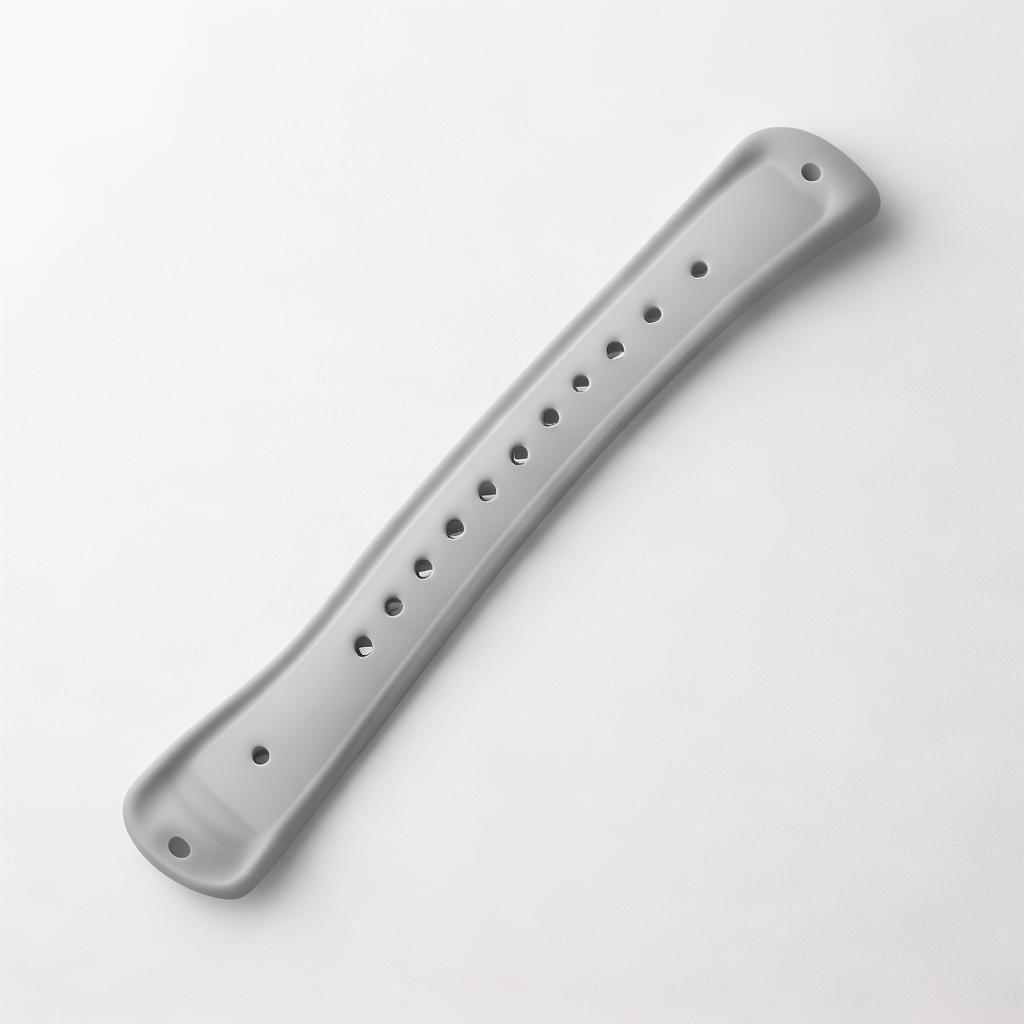
Two color plastic mold factory Processing two-color plastic parts mold factory Manufacturer of two-color plastic mold for processing
Application Scenarios: Versatility Across Industries
The versatility of two color plastic mold processing opens pathways in multiple sectors. From the rigidity and durability demanded by automotive parts to the tactile comfort required in smart wearable devices, this technology enables complex design solutions impossible with traditional molding.
- New Energy Vehicles: Multi-material electrical connector housings integrating firm locking tabs and soft sealing lips.
- Consumer Electronics: Smartphone protective casings featuring hard back shells with ruggedized soft grip zones.
- Medical Devices: Customized housings combining transparent, sterilizable components with elastomeric seals.
- Industrial Appliances: Electronic equipment panels requiring scratch resistance balanced with ergonomic rubberized buttons.
- Household Goods: Appliance handles and fixtures combining aesthetic appeal with functional non-slip surfaces.
Each project benefits from our ability to integrate OEM-driven specifications early in tooling design, ensuring the final product matches mechanical, regulatory, and market expectations without costly post-manufacturing rework.
Factory Capabilities & Certifications
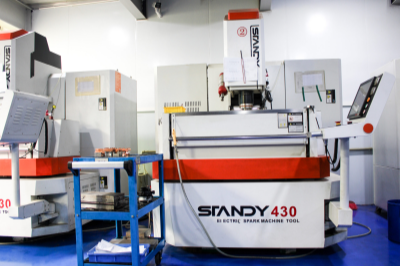
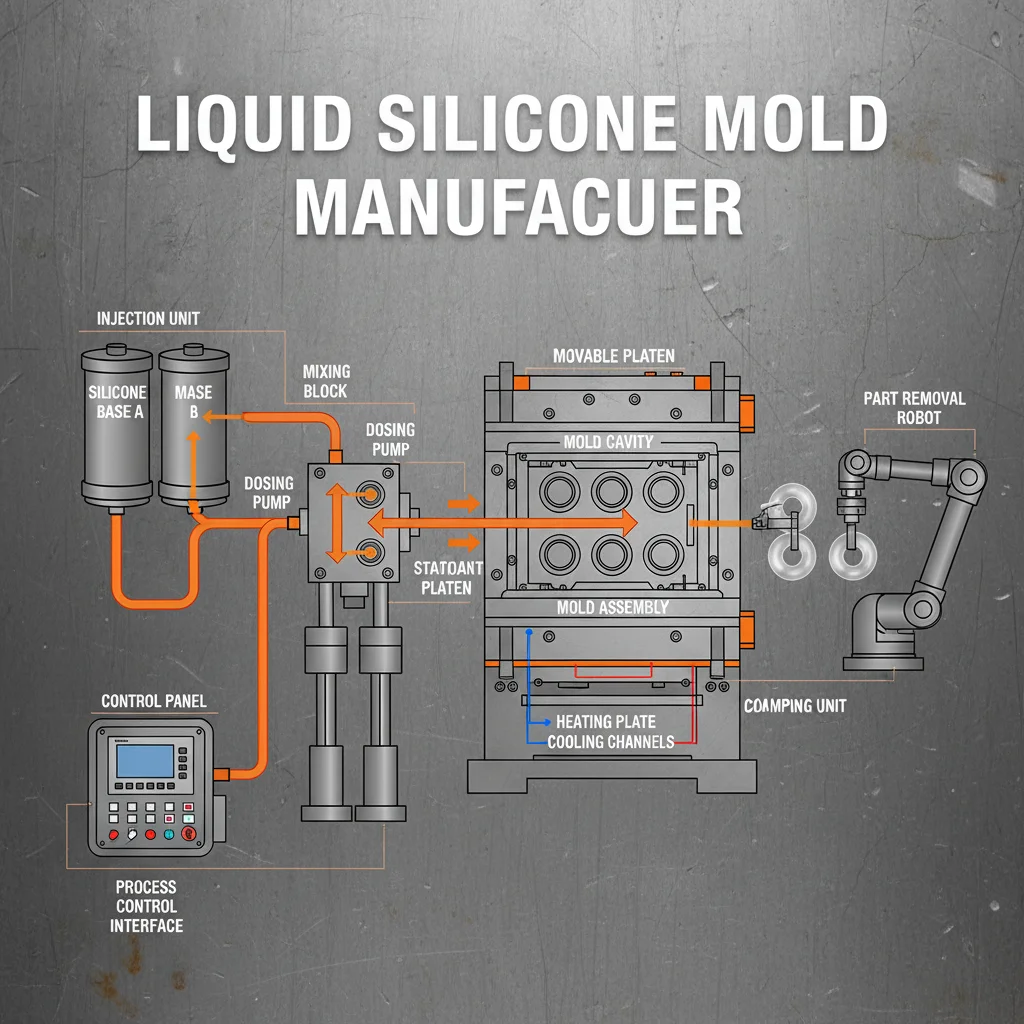
Located in Dongguan’s industrial hub, Guangdong Yingtai High Precision Technology Co., Ltd. boasts a 35,000 m² facility equipped with over 80 automatic plastic injection molding machines, 55 liquid silicone molding units, and advanced precision mold processing equipment.
Our vertically integrated production workflow, from mold development to finished products, streamlines communication and reduces lead times. A team of 500+ skilled professionals implements stringent quality control at each stage, guided by ISO 9001:2015 and CE standards.
We are adept at integrating OEM/ODM requirements, supporting customers globally with tailored product solutions, including prototype development, mold trial sampling, large-scale production, and just-in-time delivery to maximize supply chain efficiency.
Certifications & Standards:




Procurement Guidance & Buyer Tips for Two Color Molded Components
Entering negotiations for two color plastic parts demands meticulous preparation, especially given the higher tooling investment and precision requirements involved. Here are key factors buyers should assess:
- Material Compatibility Checks: Confirm that the factory’s technical team can validate bonding performance between the chosen plastic pairs through testing or documented experience.
- Sample Verification: Insist on pre-production samples to evaluate color fidelity, adhesion strength, and dimensional accuracy before full-scale runs.
- Mold Design Transparency: Request CAD drawings and mold flow analyses to ensure the supplier’s tooling aligns with your product complexity.
- Lead Time & Capacity: Understand the supplier’s machine capabilities and workload to avoid surprises especially for high-volume projects requiring shorter production cycles.
- Warranty and Defect Rate: Evaluate past performance indicators or certifications to gauge product consistency and after-sale support.
- Logistics Coordination: Discuss packaging solutions adapting to dual-material fragility and container optimization to lower transit damage risks.
A practical tip: facilities with integrated mold making and testing capabilities typically deliver faster iterations and tighter tolerances, hugely benefiting time-sensitive OEM projects.
Frequently Asked Questions
- What are the typical lead times for two color plastic mold production?
- Depending on mold complexity and order volume, tooling usually ranges from 6 to 12 weeks. Production cycles vary from 2 to 6 weeks post-mold approval. Early supplier engagement reduces risks of unexpected delays.
- Which materials do you recommend for high-wear two color parts?
- Combinations like PC + TPE or ABS + TPU offer excellent abrasion resistance and flexible grip. We also customize material blends to meet industry-specific certifications like UL94 for flame retardancy.
- How does Yingtai guarantee product quality and consistency?
- Each production batch undergoes dimensional, color, and mechanical testing per ISO and CE standards. Our approach includes real-time process monitoring and periodic mold maintenance to sustain consistency.
- Is OEM/ODM customization available for two color molds?
- Absolutely — our engineering team collaborates closely from design to delivery, adapting molds and processes to OEM specifications, including small-batch prototyping and scale-up support.
- What packaging and logistics solutions do you provide for these components?
- Packaging is tailored to material hardness and finish, often with foam inserts for delicate parts. We coordinate container loading plans optimizing space and freight protection, supporting various shipping terms including FOB, CIF, and DDP.
Customer Reviews

"Working with Yingtai on dual-shot molds improved our supply chain efficiency. Their technical insights helped avoid common adhesion issues. Lead times were on point, and the parts meet strict durability requirements."

"The precise color matching and dual-material surface textures exceeded our expectations. They also offered transparent access to mold testing data, which helped us refine the design early."

"Yingtai’s stable production quality and certification compliance were key factors in choosing them. Their two shot molding process handles complex geometries reliably, saving us post-assembly labor."
Get in Touch With Our Experts
Have specific two color plastic mold processing needs? Whether you're sourcing overseas or seeking customized OEM solutions, our export team is ready to assist. Reach out to Miss Zhang directly for technical consultations, pricing, and sample requests.
Phone/WhatsApp: +86 17722437688
Email: zmm@yingtai168.com | lh@yingtai168.com