Guangdong Yingtai High Precision Technology Co., Ltd. — Your Trusted Partner for Bi-Color Plastic Components In today’s fiercely competitive manufacturing landscape, precise two color plastic parts have become indispensable across an array of industrial
Product Details
Two Color Plastic Parts Factory | Specialty Molding & Precision Overmolding
Guangdong Yingtai High Precision Technology Co., Ltd. — Your Trusted Partner for Bi-Color Plastic Components
Introduction: Navigating the Complexity of Two Color Plastic Parts Production
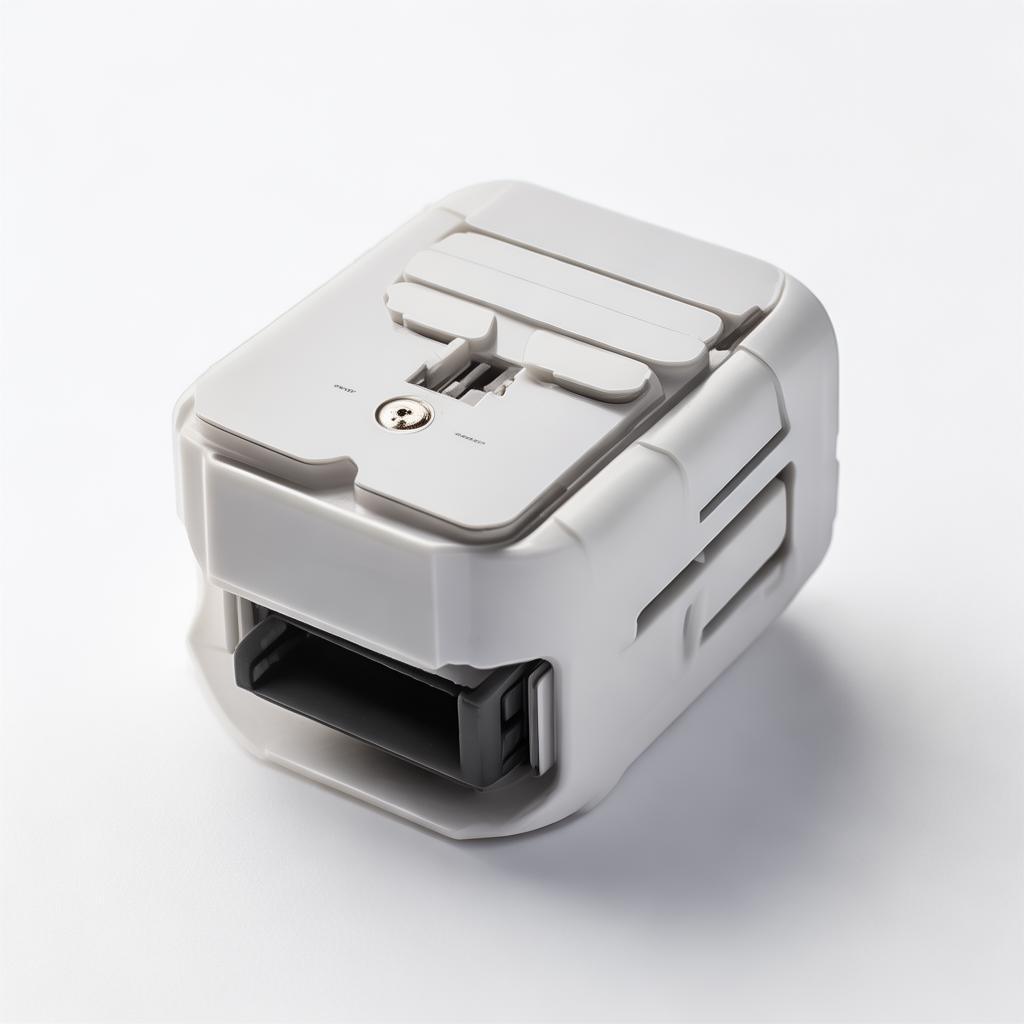
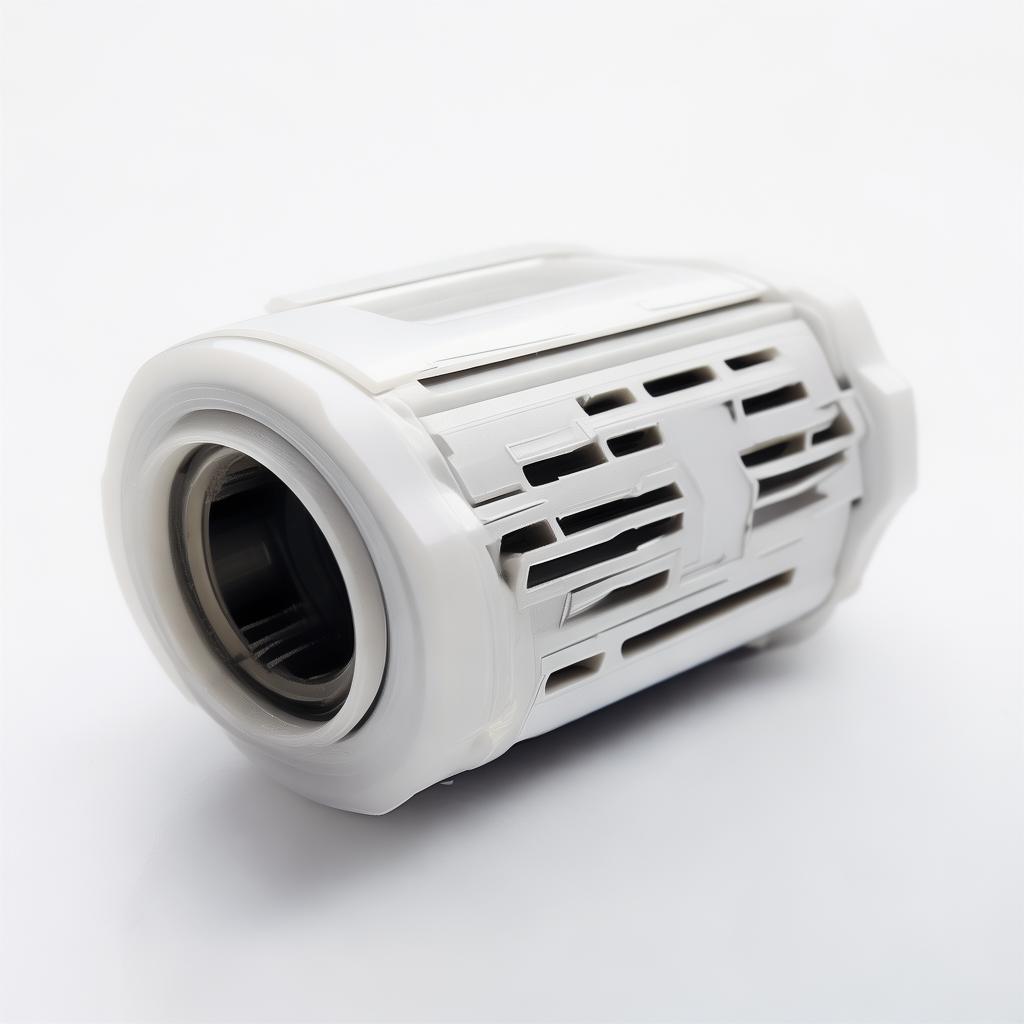
In today’s fiercely competitive manufacturing landscape, precise two color plastic parts have become indispensable across an array of industrial sectors — from consumer electronics to automotive assemblies, medical devices, and household appliances. Far beyond merely achieving aesthetic appeal, the production of bi-color plastic components demands advanced molding technology coupled with material science expertise to ensure performance, durability, and cost-effectiveness.
Guangdong Yingtai High Precision Technology Co., Ltd., strategically located in Dongguan’s Changan Town, is intricately woven into China's manufacturing pulse with over 20 years of experience, specializing in plastic injection molding and overmolding services including two-color processes. Our factory spans 35,000 square meters, housing cutting-edge machinery—among them 80 automatic plastic injection molding machines and precision mold processing equipment—empowering us to serve global customers with consistent quality and operational agility.
Bi-color molding, often called two-shot or multi-shot injection molding, involves sequentially injecting two distinct materials or colors within a single molding cycle. This process eliminates the need for secondary assembly or painting which can introduce inconsistencies, leverage multi-material functionality, and enhance part ergonomics. However, achieving flawless adhesion, precise color registration, and avoiding common defects like warpage or flash requires both skilled engineering and optimal production conditions.
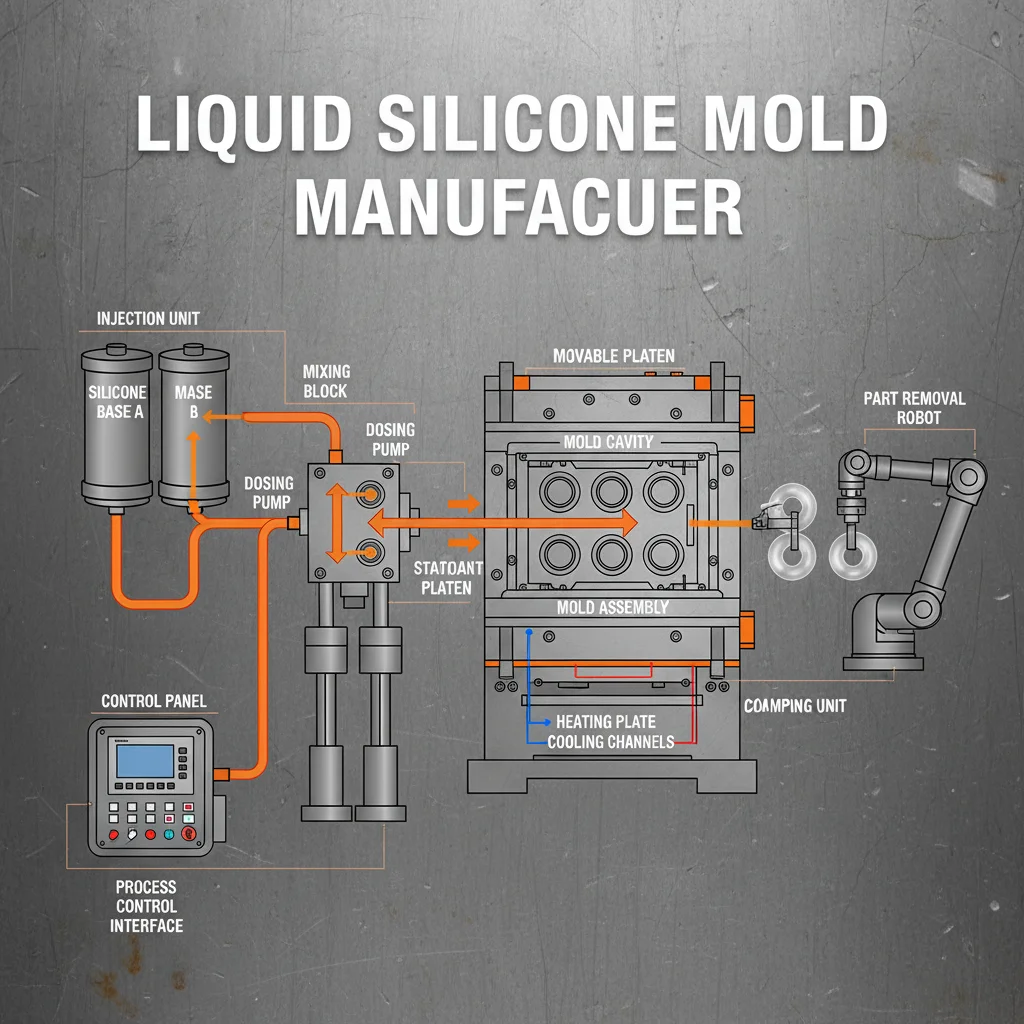
Given market trends, the demand for two color plastic parts is projected to grow considerably. According to Grandview Research, the injection molding sector, including niche applications such as multi-color plastic components, benefits from increases in automation, precision tooling, and material innovation. Moreover, the integration of liquid silicone rubber (LSR) overmolding techniques with plastics further pushes both the aesthetic and functional boundaries of two-color parts.
If you are a procurement manager or product engineer exploring reliable sources for two-color plastic parts, we understand your focus on precision, durability, and logistics efficiency. Common challenges encountered involve:
Guaranteeing stable material bonding between layers, especially across polymers with differing shrinkage rates.
Managing lead times impacted by mold complexity and production volume.
Reducing failure rates stemming from process variability and suboptimal mold design.
Ensuring compliance with standards (ISO 9001, CE, RoHS) for export markets, particularly North America.
Optimizing logistics: container loading, packaging to avoid damage, and transparent shipping plans.
Our goal is to bridge these concerns via transparent collaboration, technical advisory, and manufacturing discipline refined over decades. The following sections dive deeper into these aspects with a focus on operational realities and proven solutions, helping you navigate the market, avoid costly procurement pitfalls, and secure supplier partnerships with confidence.
Industry Pain Points & Procurement Risks in Two-Color Plastic Parts
As a procurement director or operations manager, encountering quality inconsistencies and logistical bottlenecks when ordering two color plastic parts is common. Many international buyers recount delayed shipments or quality lapses linked to factories lacking advanced dual-shot molding expertise or with insufficient quality control.
Common issues include:
Inadequate mold design leading to color misregistration or poor adhesion between plastic layers.
Material compatibility problems — e.g., incompatible polymers causing delamination post-molding.
Underestimating labor-intensive secondary processes such as manual painting or assembly, which two-color injection molding seeks to avoid.
Unrealistic lead time promises that neglect mold development and sampling phases.
Suboptimal factory certifications affecting regulatory compliance and import clearance.
From an operational standpoint, buyers often overlook installation nuances too. For example, molded parts with uneven flash or warping can cause increased assembly time or require rework onsite. Proper communication regarding packing methods and load planning is also critical to prevent damage during transit, especially for delicate overmolded or LSR-plastic hybrids.
To address these risks, it’s imperative to engage suppliers that:
Demonstrate mastery in multi-shot injection molding with robust CAD/CAM mold design workflows.
Have factory certifications such as ISO 9001 and detailed testing protocols for plastic materials and finished components.
Provide transparent and realistic production and shipping schedules tailored to buyer volume requirements.
Offer onsite engineering consultation to optimize part design for manufacturability and assembly efficiency.
Our factory applies rigorous protocol to mitigate these common pitfalls, leveraging advanced mold manufacturing capabilities and carefully monitored injection process parameters to deliver precision parts consistently.
Technical Insights: The Science Behind Two-Color Injection Molding
Two-color injection molding (also referred to as multi-shot molding) involves sequential injection of two different polymers or polymer colors into a single mold during the same production cycle. This method can produce complex, dual-material parts with strong bonding, seamless transitions, and fine aesthetic detail that can’t be achieved through painting or assembly.
Key technical considerations include:
Mold construction: Requires multi-cavity, rotational, or movable-component mold designs allowing sequential injection without part removal.
Material selection: Critical to choose thermoplastics and additives with compatible melt temperatures and shrinkage rates. Common pairs include ABS & TPE, PC & TPU, or polypropylene blends.
Process control: Precise timing, temperature regulation, and injection pressure impact layer adhesion and part integrity.
Quality assurance: Employing advanced testing methods such as differential scanning calorimetry (DSC) and rheology to optimize material flow and curing profiles.
Overmolding integration: For parts requiring silicone sealing or soft-touch features, liquid silicone rubber (LSR) injection can be combined with plastic molding under specialized conditions for enhanced functionality.
Technical specification snapshot of typical two color plastic parts molding:
Specification
Details
Material Types
ABS/TPE, PC/TPU, PP/TPR, LSR with ABS or PC
Mold Cavities
Up to 12, depending on complexity
Injection Pressure
800 - 1500 bar, adjustable by material viscosity
Cycle Time
15 - 45 seconds (depending on part size and complexity)
A noteworthy advancement is the application of CAE and simulation software (such as Moldflow) to predict potential issues like weld lines, air traps, and material shrinkage before mold machining. Research from MDPI highlights that accurate material characterization is pivotal in simulation accuracy, which directly reduces costly trial runs and shortens development cycles.
For buyers considering two-color parts with LSR overmolding, collaboration with a factory proficient in hybrid injection molding is essential to optimize bonding interfaces, material processing temperatures, and part design. Our team regularly consults on design for manufacturability (DFM) to assist clients in identifying material pairings and mold structures that yield superior performance and aesthetics.
Applications of Two Color Plastic Parts: Real-World Use Cases
The versatility of two-color plastic parts enables their deployment across diverse industries. Here are several key applications where precision two-shot molding drives value:
Consumer Electronics: Multi-tone plastic housings, buttons with soft-touch overlays, and decorative trims inside smartphones, wearables, and remote controls.
Automotive Components: Dashboard buttons, soft silicone-coated grips, signal indicators, and ergonomic control knobs with contrasting colors for enhanced user experience.
Medical Devices: Sterile grips, seals combining rigidity and softness, customized overmolded connectors, and housings demanding biocompatible materials.
Household Appliances: Switch covers, handles with textured rubber surfaces, decorative panels, and durable waterproof seals.
Industrial Products: Protective casings, anti-slip backs for tools, and components requiring flame retardant and chemical resistance properties.
New Energy and Communications: Precision molded connectors, seals, and sensor housings made with tight dimensional tolerances and multi-material combinations.
In all these areas, the dual-color molding technique reduces assembly steps, boosting production efficiency and consistency. But, this requires suppliers who can seamlessly integrate multi-material workflows, apply specialized testing for bonding strength, and accommodate specific regulatory standards such as FDA compliance for medical parts or UL94 flammability ratings for electronics.
Our Factory Capabilities & Certifications: Precision You Can Rely On
Guangdong Yingtai High Precision Technology Co., Ltd. operates a large-scale, vertically integrated manufacturing setup with strong emphasis on quality and fast turnaround:
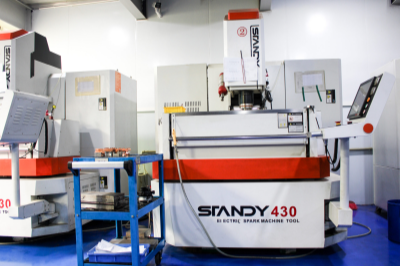
Advanced Equipment: Housing 80 smart plastic injection machines, 55 liquid silicone molding presses, and 30+ high precision mold-processing centers capable of high-cavitation, multi-shot tooling fabrication.
Industry Standards: Our processes comply with ISO 9001 and RoHS directives, ensuring our materials and components meet essential environmental and safety criteria for electronics, automotive, and medical end-uses.
Quality Control: Rigorous inspection cycles incorporating digital calipers, hardness testing, and optical analysis enable us to guarantee tolerances within ±0.05 mm and maintain consistent color separation without bleeding or cross-contamination.
Technical Expertise: Our engineering team includes mold designers, process experts, and quality assurance specialists. We work closely with customers on DFM optimization to enhance manufacturability and reduce potential downstream assembly challenges.
Export Experience: Well versed in international shipping and customs protocols, with particular focus on North American market compliance. Our logistics team manages container loading optimization, packaging design, and shipment scheduling tailored to client preferences.
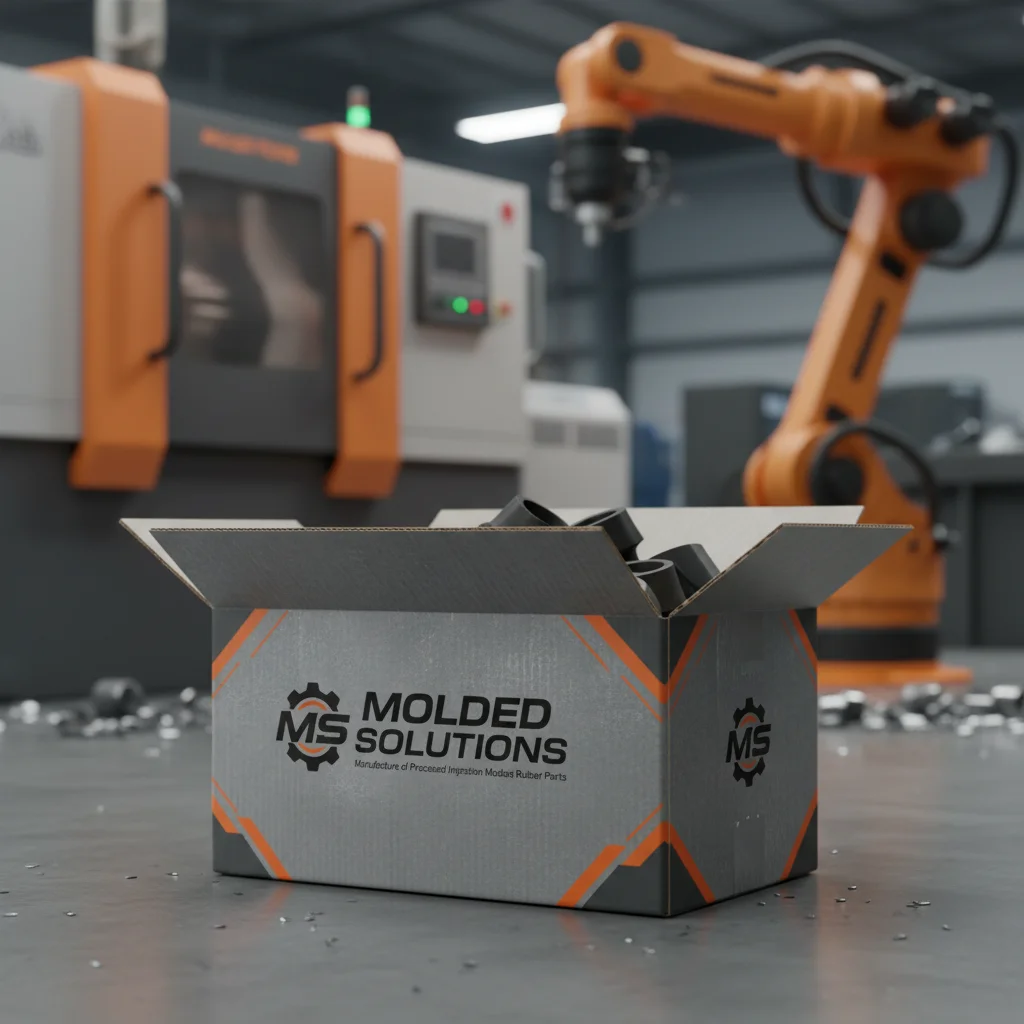
Injection molding line producing two color plastic parts with precision robotic automation.
Note: For OEM & ODM projects, our full-stack capability—from mold development, material selection, pilot runs to mass production—simplifies your supply chain and accelerates time-to-market.
Buyer Guide: How to Evaluate Two Color Plastic Parts Suppliers
Selecting the right manufacturing partner for your two-color plastic components can sometimes be tricky. Here’s a checklist to help procurement professionals and engineers make informed decisions:
Mold Development Expertise: Does the supplier have proven experience in multi-shot mold design? Can they provide samples or case studies? Complex molds require deep technical skills and quality CNC machining.
Material Compatibility Knowledge: Are they familiar with your required polymers and how these behave when combined? Suppliers should be able to suggest compatible material pairings minimizing shrinkage or adhesion risks.
Quality Management System: Check for certifications (ISO 9001, RoHS, etc.) alongside in-house inspection capacity and traceability practices.
Sample Policy & Prototyping: Can they deliver timely sample parts? Fast prototyping ensures design validation before committing to mass tooling.
Production Capacity & Lead Times: Understand their equipment load, mold storage policies, and ability to scale production to meet your volume demands.
Logistics & Shipping Experience: Can the supplier provide clear and detailed shipping plans? Packaging that protects parts during container loading is critical for overseas shipments.
Customer Service & Technical Support: A responsive point of contact who can coordinate engineering consultations is invaluable for minimizing communication delays and clarifying specifications.
In our experience, buyers engaging early in the tooling design phase and providing comprehensive part drawings, including desired color tones and mechanical requirements, experience fewer hiccups and enjoy smoother ramp-up to volume production.
Frequently Asked Questions
Q1: What is the usual lead time for two color plastic parts production?
Lead times typically range from 6 to 12 weeks, depending on mold complexity, material availability, and order quantity. Early engagement during design review can shorten sampling phases.
Q2: Can you handle customized colors and logos in molding?
Yes. We specialize in customizing polymer color matching and can incorporate corporate logos using in-mold labeling, embossing, or painting techniques alongside the two-shot process.
Q3: How do you ensure adhesion between two different polymers?
We carefully select compatible materials and optimize injection parameters like temperature and pressure. Surface treatment and priming of substrate layers are used when necessary to prevent delamination.
Q4: What certifications do you hold relevant to export markets?
Our facility holds ISO 9001 certification and complies with RoHS and CE standards. Materials can be tested per SGS or UL certification upon customer request.
Q5: Do you support OEM and ODM projects for two color plastic parts?
Absolutely. From developing molds based on your designs to proposing design improvements and managing full production cycles, our OEM/ODM service streamlines your product’s market entry.
Customer Reviews & Real Procurement Scenarios
Michael Turner
Procurement Manager, Boston Electronics
“Yingtai’s two color plastic molds yielded exceptional precision on a recent project for our wearable device housings. The multi-shot technique not only matched our exact color palette but delivered seamless bonding that held up through durability tests. Communication was transparent, and lead time estimates were accurate. This supplier sets a reliable bar for overseas manufacturing.”
Get in Touch
If you have any camping barbeque equipment inquiry, please feel free to contact us.



 Michael Turner
Procurement Manager, Boston Electronics
Michael Turner
Procurement Manager, Boston Electronics