Discover how two tone plastic parts combine material science and advanced injection molding to meet demanding applications across electronics, automotive, and industrial sectors. From procurement pitfalls to manufacturing nuances, learn what truly matters in
Product Details
Two Tone Plastic Parts: Precision Manufacturing for Durable and Aesthetic Industrial Solutions
Discover how two tone plastic parts combine material science and advanced injection molding to meet demanding applications across electronics, automotive, and industrial sectors. From procurement pitfalls to manufacturing nuances, learn what truly matters in sourcing high-precision, cost-effective multi-color plastic components.
Industry Pain Points in Two Tone Plastic Parts Manufacturing
The demand for two tone plastic parts has grown significantly, driven by industries seeking aesthetic differentiation without compromising dimensional accuracy or functionality. Yet, buyers and engineers routinely encounter critical challenges:
Color Consistency and Bonding Failures: Multi-component molding requires precise calibration to avoid delamination between color layers, especially when blending different thermoplastics or integrating elastomers.
Tooling Complexity and Hidden Costs: Designing molds for two shot or overmolded parts often inflates upfront costs and extends lead times—pitfalls for projects with tight timeframes.
Material Compatibility and Chemical Properties: Incompatible resins or additives can cause warping or compromise UV resistance and mechanical strength, reducing the lifecycle of parts.
Supplier Transparency and Quality Control: Overseas production can involve gaps in real-time monitoring, leading to unexpected defects or shipment delays.
Installation Complications: Two tone parts frequently serve as assembly interfaces—surface finishes and mechanical tolerances directly affect installation efficiency and downstream equipment reliability.
From a procurement standpoint, understanding these operational pain points before locking in a supplier or mold designer is crucial. Poorly executed two tone molding can degrade product reputation and inflate total cost of ownership.
Technical Overview & Production Methods
Two tone plastic parts are typically fabricated using multi-shot injection molding or overmolding processes, leveraging advanced molding machines equipped with multiple barrels and sequential injection units.
Key manufacturing approaches include:
Two-Shot Injection Molding: The part is molded with one color/material shot inside the mold; then without removing the part, the second color/material is injected in subsequent cavity(s). This method ensures dimensional precision and excellent bonding integrity.
Overmolding: One molded component serves as a substrate, with a second material (often softer or differently colored) molded on top, creating tactile zones or functional seals within a single assembly.
Insert Molding: Pre-fabricated components are placed inside the mold and overmolded with a secondary polymer for hybrid structure performance.
Each technique demands exact thermal control, injection speed calibration, and gate design refinement to minimize warpage, knit lines, and residual stress. Guangdong Yingtai High Precision Technology Co., Ltd. invests heavily in mold flow analysis and CAE simulation to optimize these parameters for each project.
Pro Tip: Early-stage collaboration with your supplier on tool design and process simulation significantly reduces production iterations and lowers scrap rates.
Materials & Multi-Component Considerations
Material selection lies at the heart of successful two tone parts production. The most common polymer materials employed are thermoplastics such as ABS, PC, PP, and their alloys. Silicone and thermoplastic elastomers (TPE) are often integrated for soft-touch features.
Balancing mechanical strength, UV resistance, chemical compatibility, and aesthetic qualities requires in-depth understanding of each resin's behavior during dual-shot molding.
Material
Key Properties
Common Applications
Considerations
ABS
Good impact resistance, surface finish, moderate heat deflection
Consumer electronics, automotive interiors
Requires drying to prevent surface defects; bonding challenges with silicones
Polycarbonate (PC)
High transparency, heat resistance, toughness
Optical parts, industrial housings
Susceptible to stress cracking; careful mold temp management needed
TPE
Flexible, soft feel, chemical resistance
Grip zones, seals, wearable bands
Requires excellent adhesion prep; two shot process design critical
Liquid Silicone Rubber (LSR)
Heat resistant, biocompatible, flexible
Seals, medical devices, soft-touch components
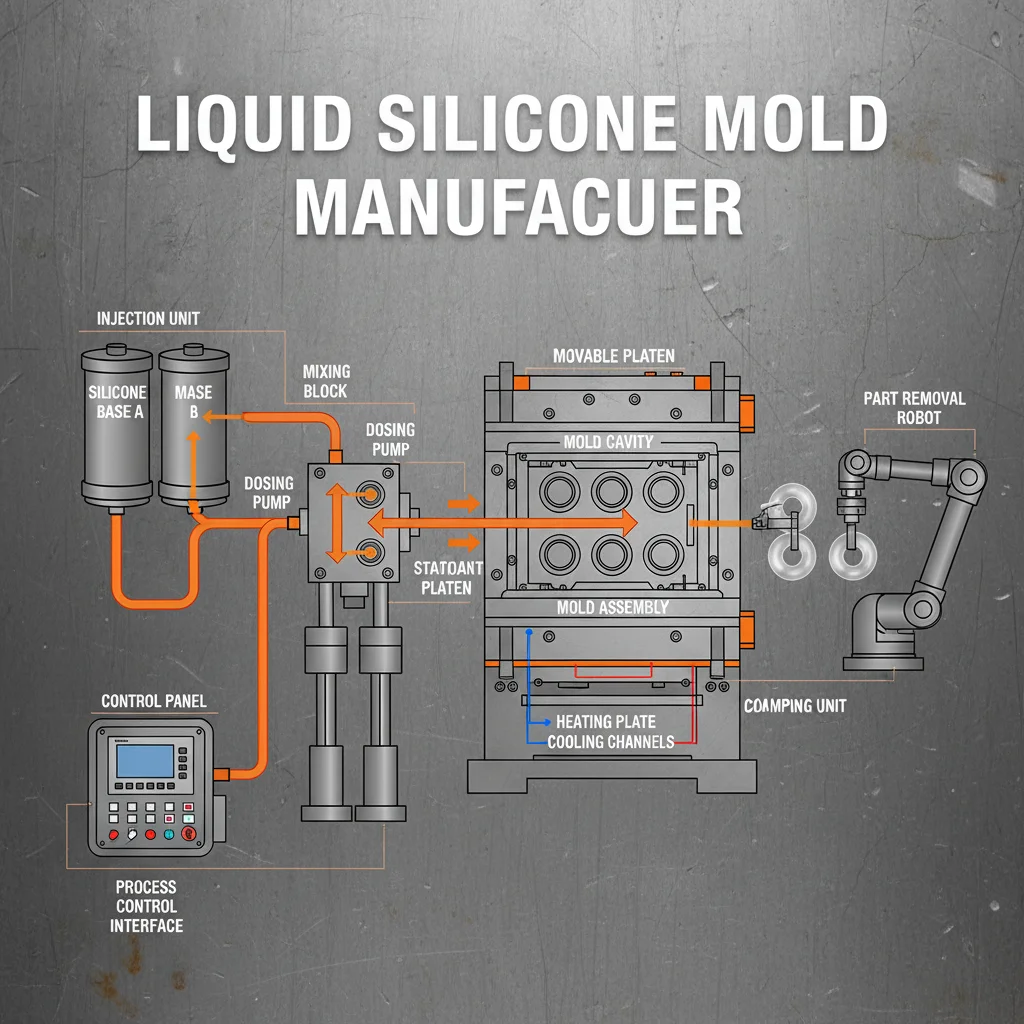
Requires specialized injection molding machines and tooling; higher tooling cost
Note: Mixing incompatible resins or ignoring curing profiles often results in weak interfaces or cosmetic flaws. Manufacturers like Guangdong Yingtai High Precision Technology Co., Ltd. invest in extensive mold flow simulation and adhesion testing to mitigate these risks.
Common Application Scenarios for Two Tone Plastic Parts
Two tone plastic components have carved out broad niches across multiple industries due to their ability to merge functionality and visual differentiation. Notable applications include:
Consumer Electronics: Smartphone buttons, housings, and protective covers with contrasting color accents to enhance grip and visual branding.
Automotive Interior Components: Dashboard panels, air vent bezels, and control knobs that combine tactile elastomers and rigid plastics for ergonomic advantage.
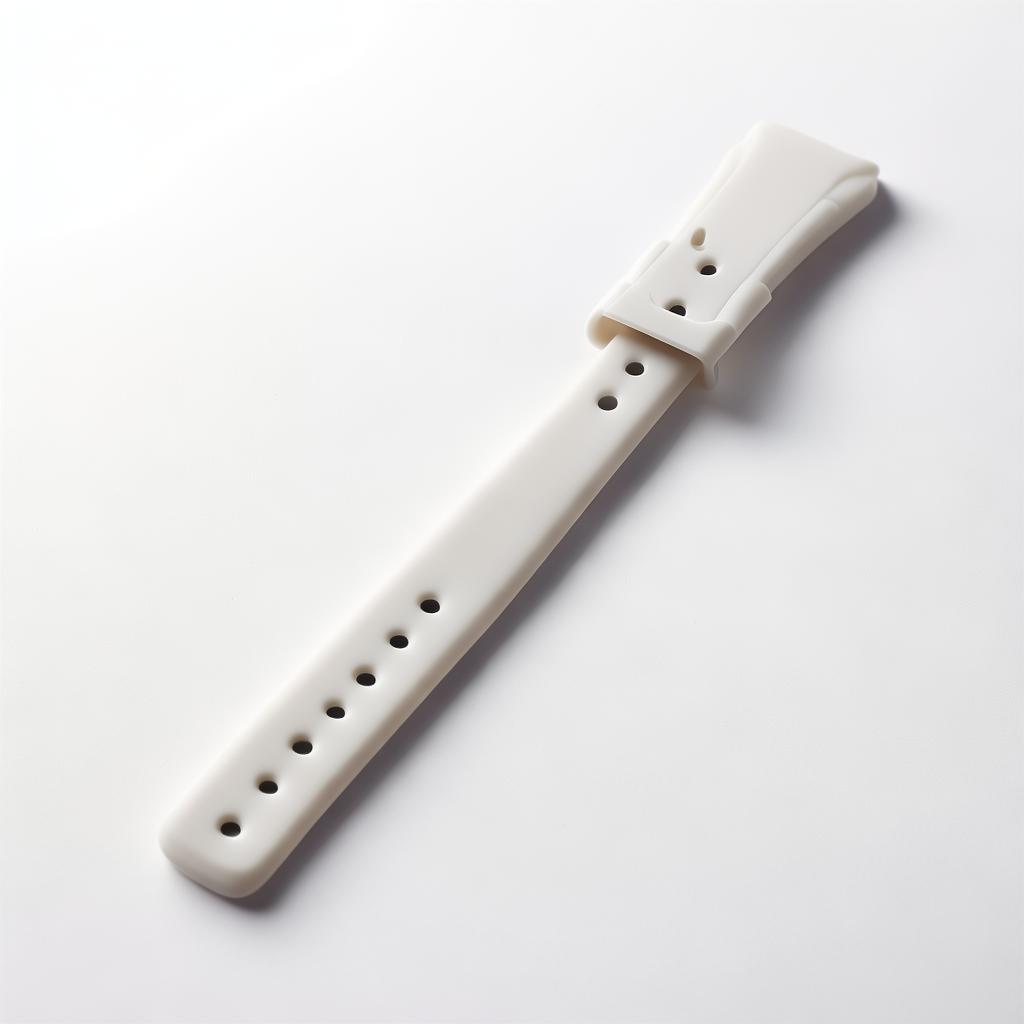
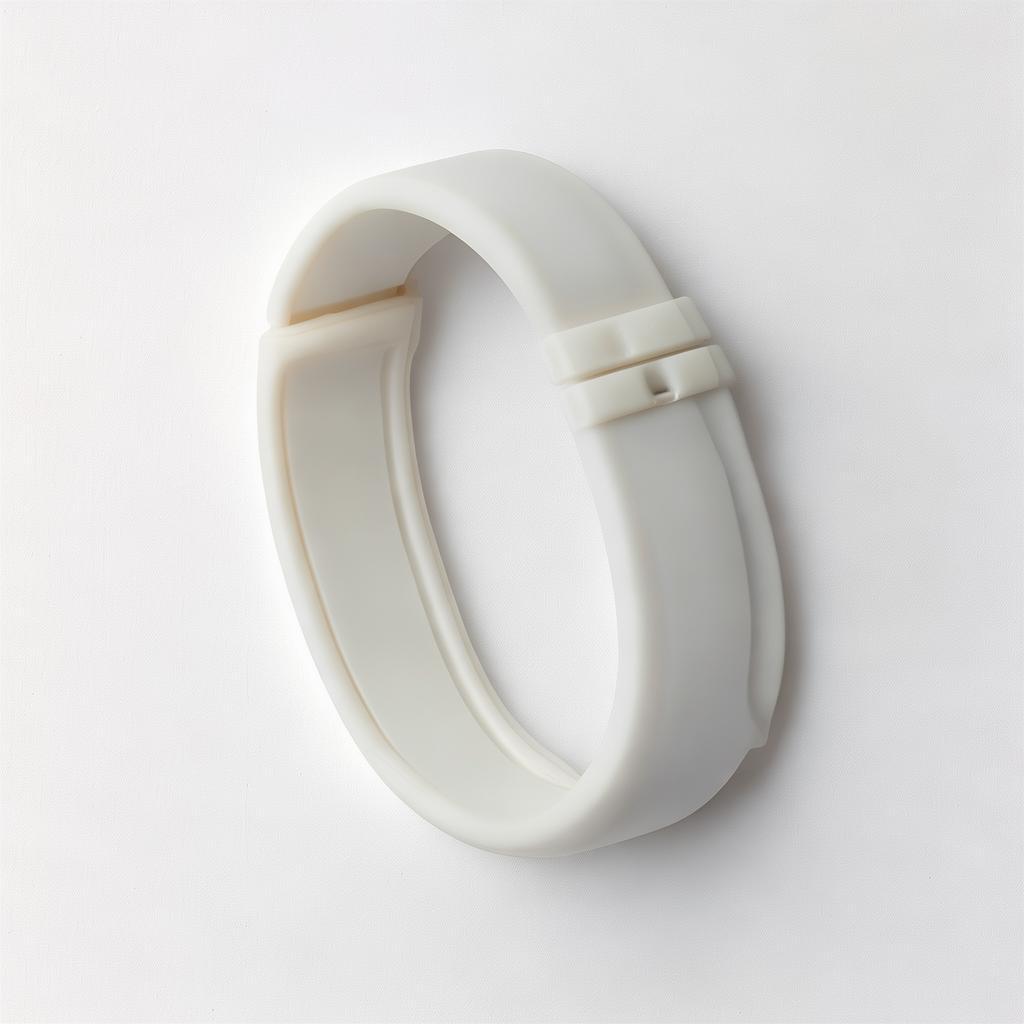
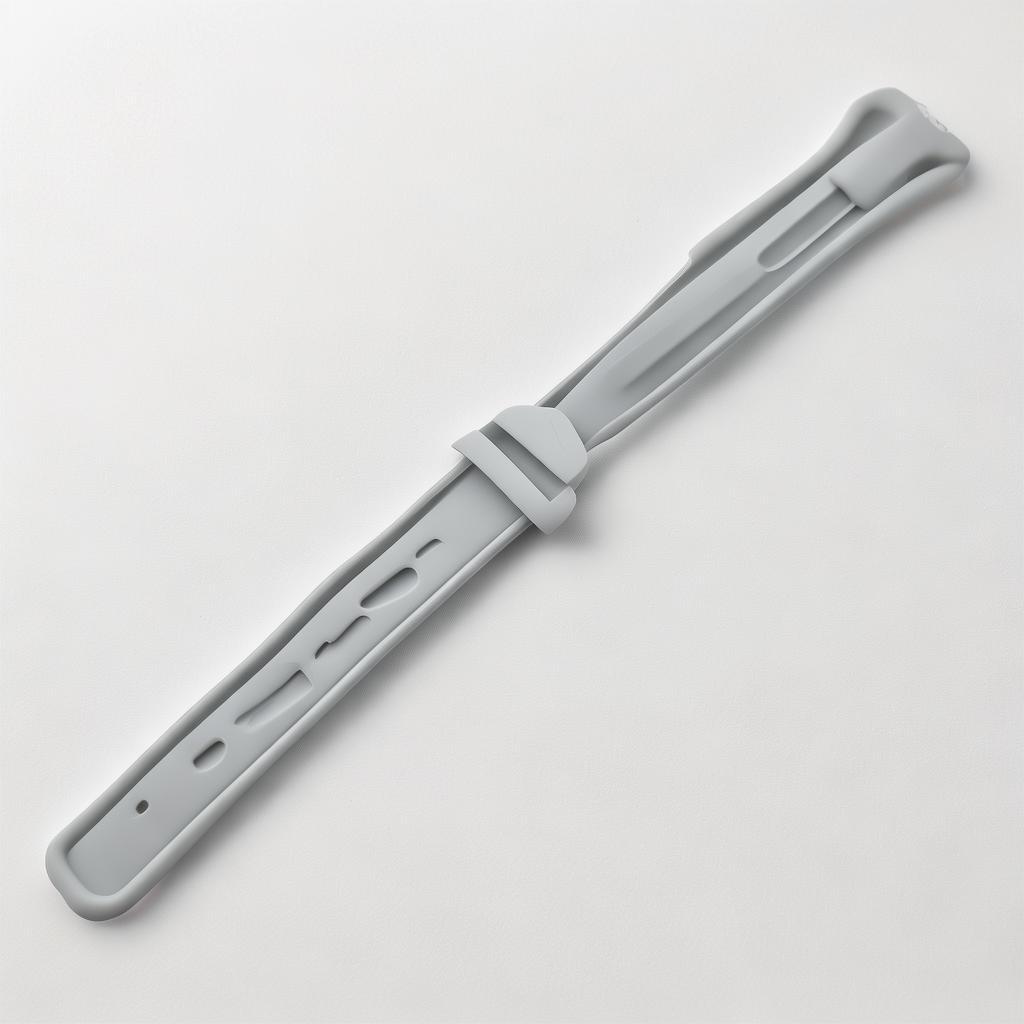
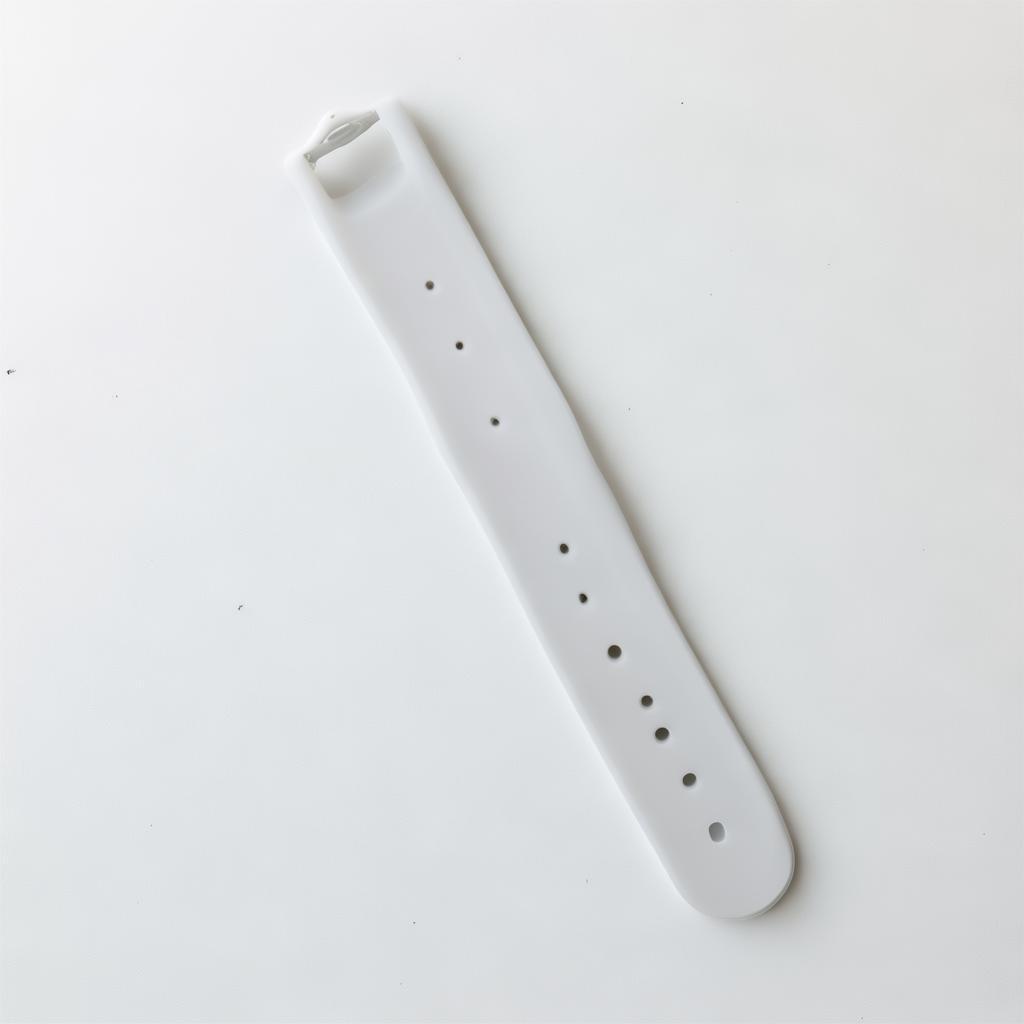
Wearable Devices: Sport bands and health monitor casings balancing comfort (silicone overlays) with sturdy plastic framework.
Medical Equipment: Seals, covers, and interfaces requiring biocompatible silicones integrated onto durable plastic substrates.
Industrial Appliances: Switch panels and components exposed to wear, UV light, and environmental stresses requiring robust materials and multi-color finishes.
Efficiency in production and rigorous quality control remain pivotal for these sectors. Especially in automotive and medical fields, compliance with ISO 9001, ISO 13485 (for medical devices), and RoHS/REACH standards guide material and process selection.
Procurement Guidance & Supplier Evaluation
Selecting the right supplier for two tone plastic parts demands beyond price comparison. Several factors can mitigate risk and improve ROI:
Factory Capabilities: Look for facilities with advanced multi-shot molding machines, in-house mold-making, and comprehensive testing labs (e.g., Guangdong Yingtai operates 80+ injection molding machines and 30+ precision processing units).
Certifications: Request documentation for ISO 9001 (quality management), RoHS compliance, and if applicable, FDA approval for medical-grade silicone components.
Sample & Testing Services: Verify availability of free samples, production trial runs, and third-party lab testing to assess adhesion, color fastness, and mechanical strength.
Communication & Transparency: Reliable lead times, responsive engineering support, and visible real-time process monitoring separate top-tier manufacturers from less reliable vendors.
Post-Sale Support: Understand maintenance recommendations, potential for mold upgrades, and warranty terms.
Logistics Expertise: Proven experience in container loading optimization, export customs clearance, and global shipping is vital for on-time delivery.
Warning: Avoid suppliers who cannot clearly disclose their tooling ownership or lack digital mold approval documents — such opacity can trigger delays and quality variances.
Technical Specifications: Two Tone Plastic Parts
Specification
Standard/Range
Notes
Material Types
ABS, PC, TPE, LSR, PP
Material compatibility cross-verified for overmolding
Dimensional Tolerance
±0.05 mm (typical)
Dependent on part size and mold design
Color Tolerance
ΔE ≤ 1.5 (industrial standard)
Measured via spectrophotometer
Surface Finish
Matte to gloss; Ra 0.4μm achievable
Custom texturing available
Production Lead Time
15–30 days (standard batch)
Expedited service options on request
Certifications
ISO 9001, RoHS, REACH
Request copies with inquiries
Customer Reviews & Testimonials
Mark Johnson Procurement Manager, TechParts Inc., USA
"Working with Yingtai on two tone plastic parts has been a game changer. Their in-depth process consultation helped us avoid costly tooling revisions. Production quality is consistently spot on, especially critical for our automotive interior projects."
Get in Touch
If you have any camping barbeque equipment inquiry, please feel free to contact us.