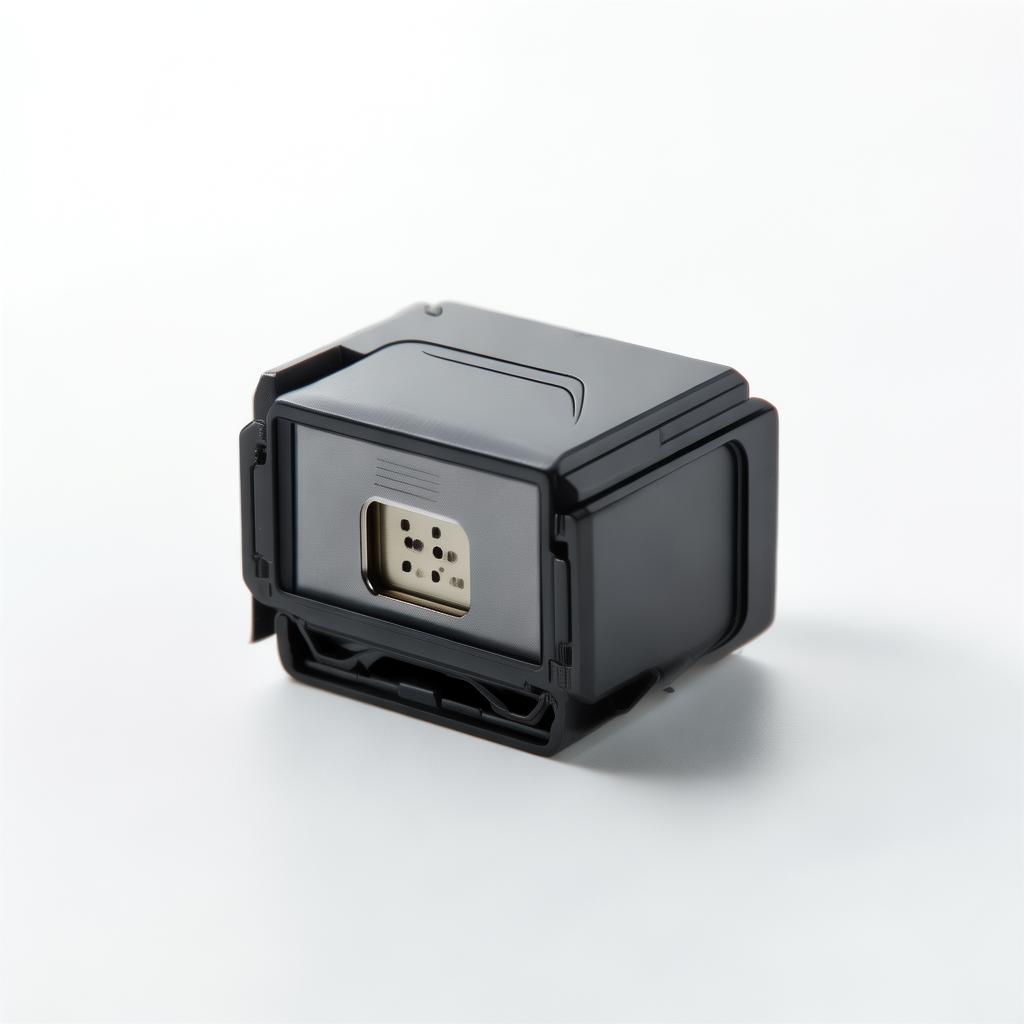
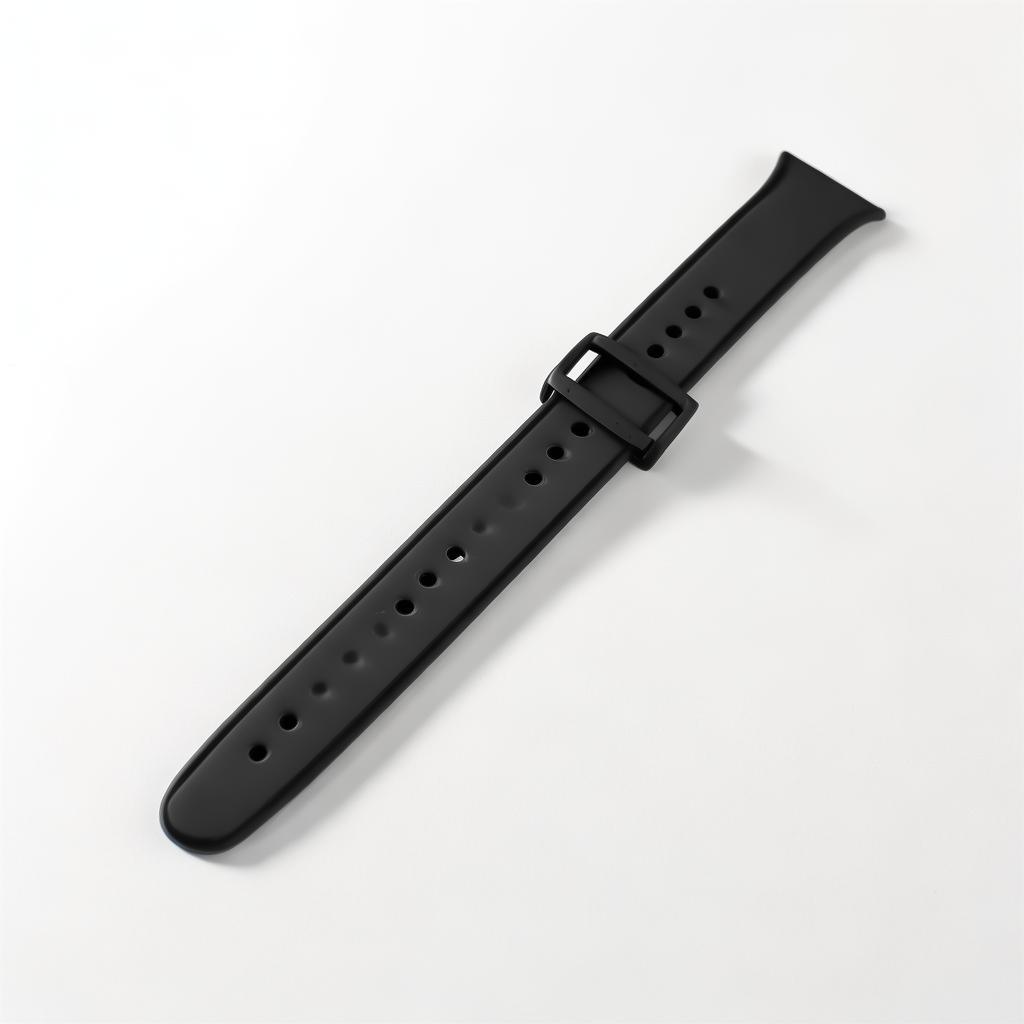
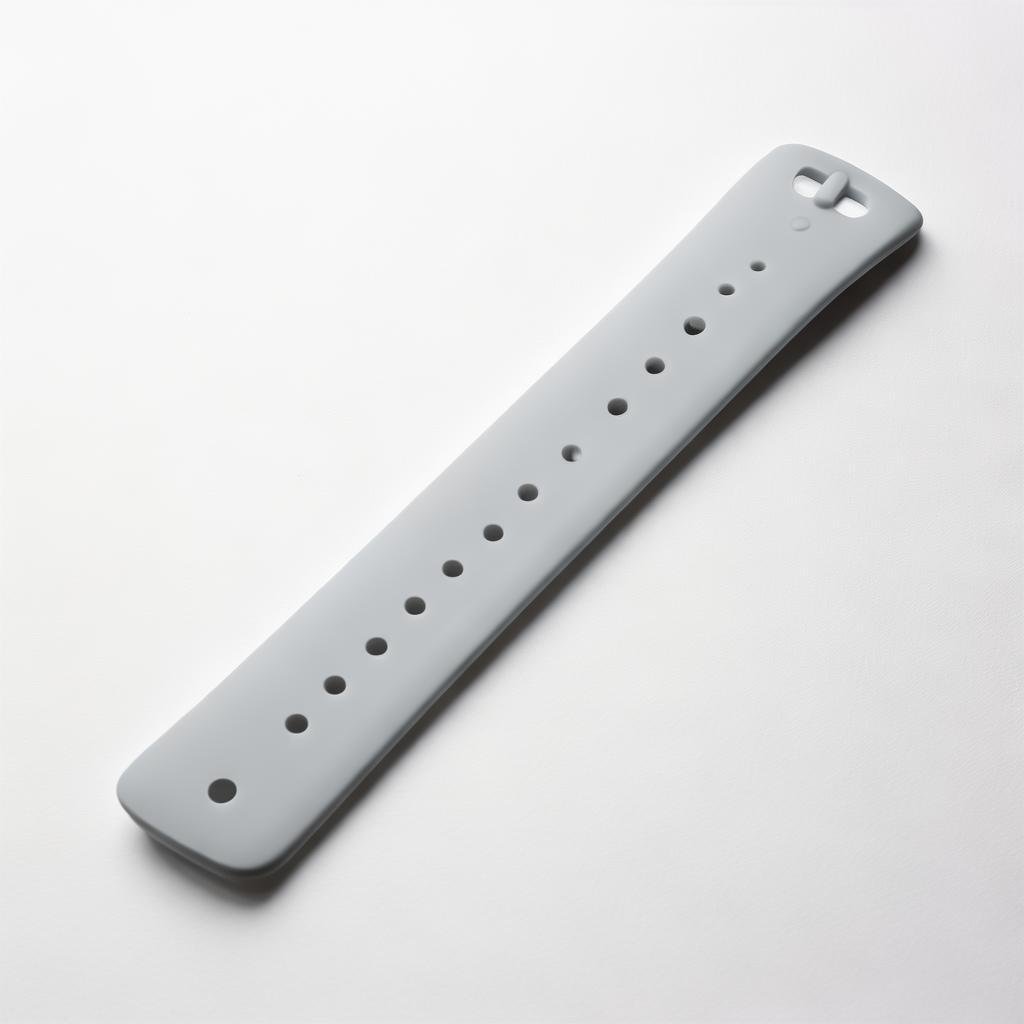
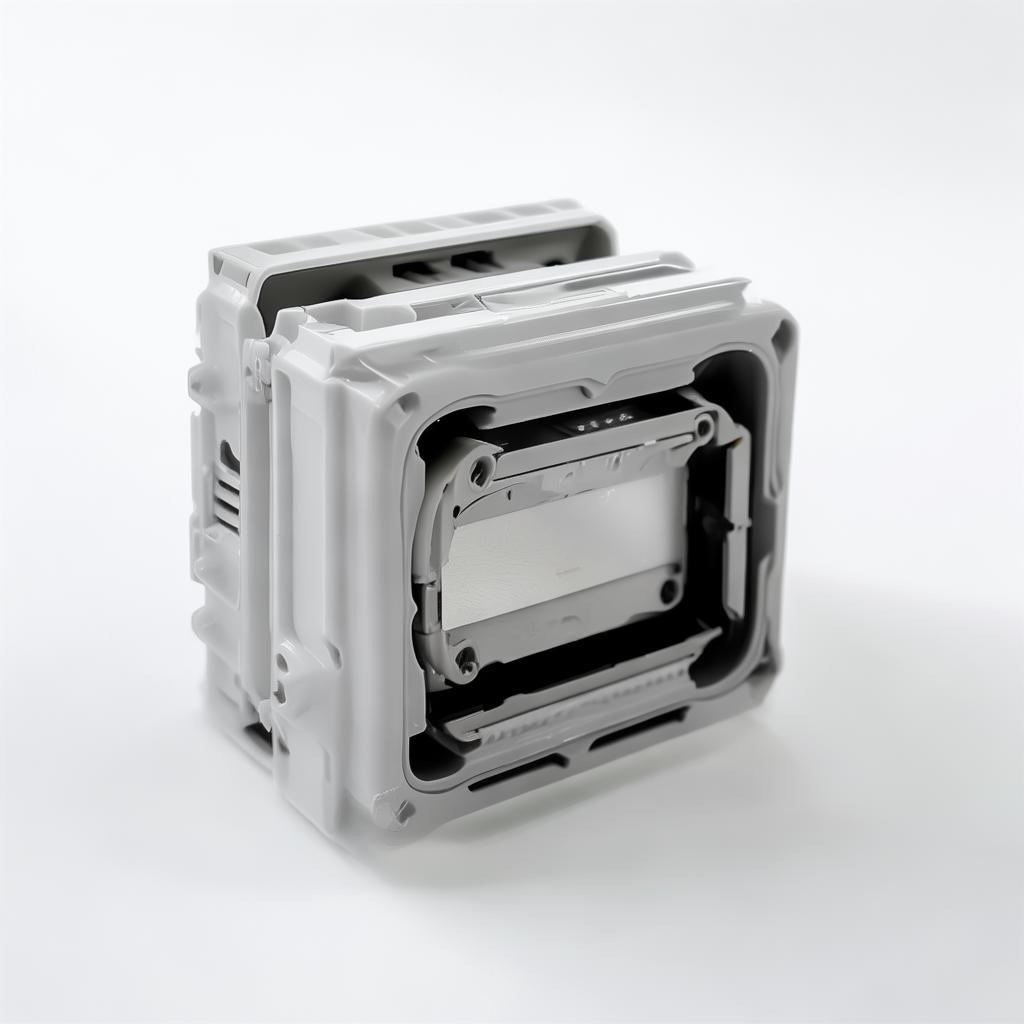
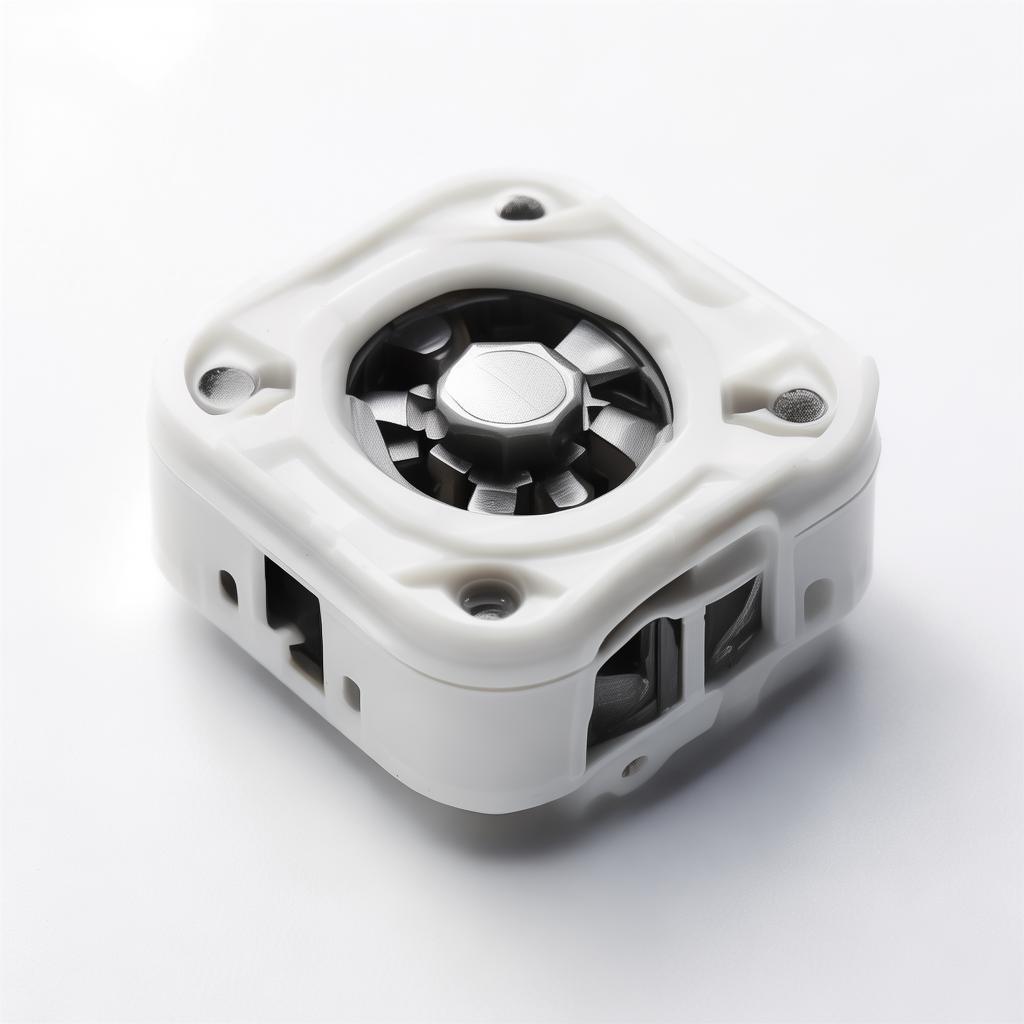
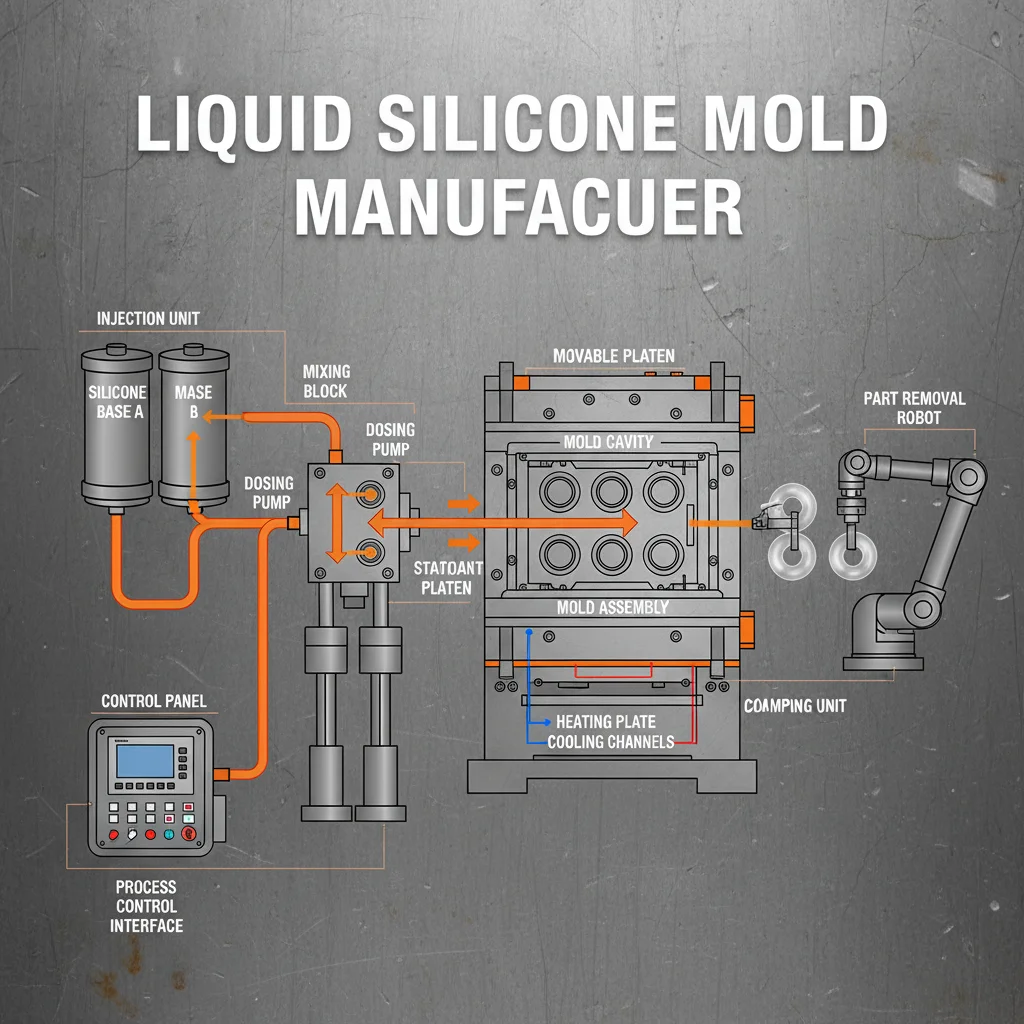
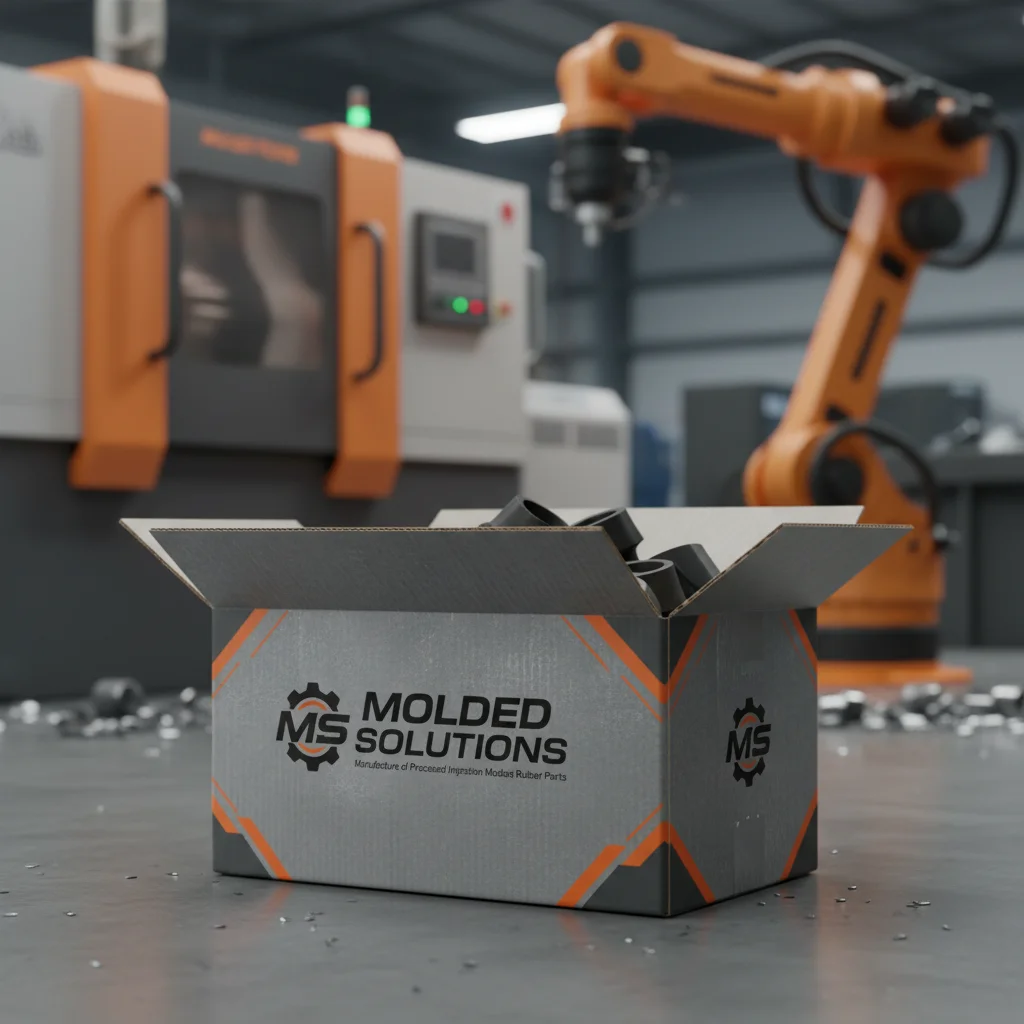
Guangdong Yingtai High Precision Technology Co., Ltd. — Dongguan, China | Export Director: Miss Zhang (+86 17722437688) In the realm of industrial manufacturing and cross-border trade, two tone plastic components play an increasingly vital
Product Details
Two Tone Plastic: Precision Overmolding Solutions for Industrial Applications
Guangdong Yingtai High Precision Technology Co., Ltd. — Dongguan, China | Export Director: Miss Zhang (+86 17722437688)
Introduction & Industry Context
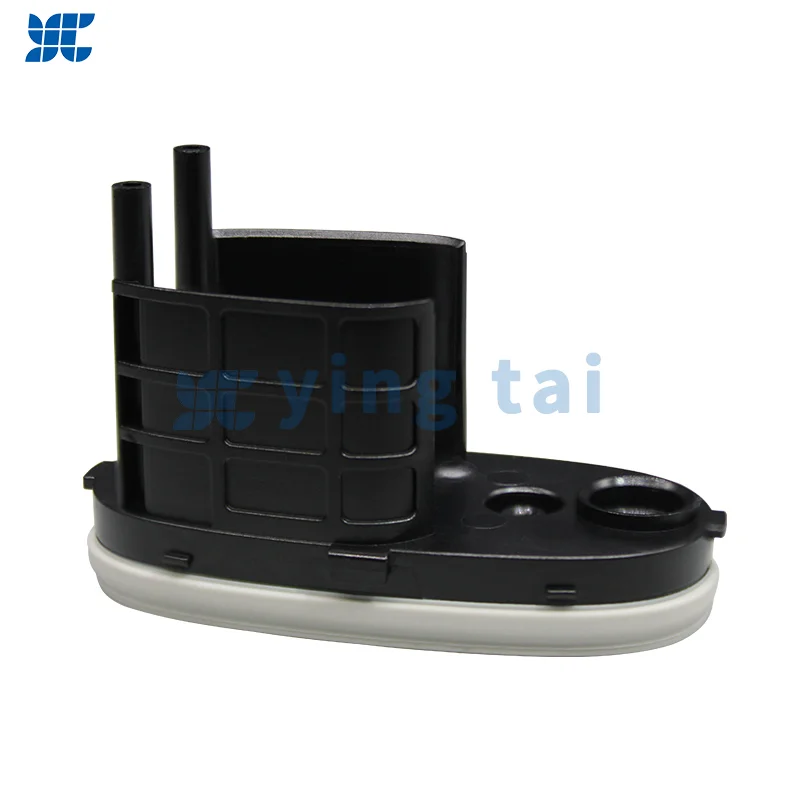
In the realm of industrial manufacturing and cross-border trade, two tone plastic components play an increasingly vital role. These multi-material plastic parts combine structural flexibility with aesthetic differentiation, often achieved through overmolding or insert molding techniques. The demand for such products spans automotive interiors, consumer electronics, household appliances, and various industrial applications where differentiated surface textures and colors enhance user experience and product functionality.
Guangdong Yingtai High Precision Technology Co., Ltd., located in Dongguan’s manufacturing hub, has witnessed firsthand how technological advances in injection molding and mold precision critically influence two tone plastic products. Over 20 years of experience underscore important realities: genuine manufacturing demands superior tooling, strict process controls, and a comprehensive understanding of materials — components that characterize our production workflow and quality assurance.
The two tone plastic process goes beyond simple color separation — it requires precise synchronization of thermoplastic materials with compatible molding parameters. This reduces common defects such as delamination, color bleed, and warping during cooling. The distinction also includes selecting plastic resins that achieve both aesthetic appeal and durability. Polypropylene (PP), Acrylonitrile Butadiene Styrene (ABS), and Thermoplastic Elastomer (TPE) blends are often chosen for their distinct material properties — toughness, UV resistance, and wear characteristics.
With the growing emphasis on sophisticated product design, the global plastic injection molding market continues steady growth, supporting highly customized solutions. Incorporation of two tone plastic molding techniques has brought practical challenges to procurement managers: How to ensure supplier competence, short lead times, quality compliance, and cost optimization in an increasingly competitive landscape? This article aims to supply those answers grounded in operational realities, informed by our own factory production insights and current industry knowledge.
Industrial oversight requires a clear grasp of each manufacturing phase:
Tooling development: Robust, multi-cavity molds with tight tolerance controls.
Material selection: Compatible plastics with designed-flow characteristics to avoid interface mismatch.
Process parameter optimization: Temperature, pressure, and cooling cycles tailored for dual-material injection.
Quality testing: Visual inspection, adhesion tests, and dimensional accuracy control aligned with ISO and CE standards.
Also, global market dynamics dictate attention to regional regulations and shipping logistics — container loading efficiency and export compliance become part of the procurement decision matrix. For example, choosing suppliers familiar with international container loading can save weeks during transit and reduce potential customs headaches.
The combination of technical depth and practical buyer awareness is what guides successful sourcing in two tone plastic manufacturing. From our vantage point running advanced production lines equipped with 80 automatic plastic injection molding machines and 55 LSR molding units, we see repeat patterns of success relying on clear material certifications, precise OEM requirements, and realistic delivery expectations.
Common Procurement Challenges
Procuring two tone plastic parts, especially for high-volume international projects, often presents unexpected hurdles:
Inconsistent color matching: Variances between production lots can disrupt assembly lines and customer satisfaction.
Delamination and weak bonding: Improper material pairing or process errors result in reduced mechanical integrity.
Long lead times due to tooling complexities: Multi-material mold making is cost intensive and time consuming — unrealistic expectations disrupt market timing.
Hidden costs from rejections and reworks: Some overseas suppliers lack stringent quality control systems compliant with ISO 9001 or CE certifications, leading to costly delays.
Shipment damage or poor packaging: Without container-optimized packing strategies, small parts risk deformation or contamination en route.
These challenges highlight why experienced suppliers with integrated mold development and production chains have the edge. We observe that successful buyers limit risks by demanding transparent QC procedures and small-batch pilot runs before mass production.
Technical Insights & Material Comparison
Understanding the technical backbone of two tone plastic production is essential to appreciate the products' capabilities and limitations. Here’s a snapshot:
Material
Properties
Common Uses
Considerations
ABS
High impact resistance, rigid, glossy finish
Electronics housings, automotive panels
Requires precise temperature control to prevent warping
Polypropylene (PP)
Good chemical resistance, flexible, low cost
Containers, appliance parts
Lower surface gloss; might need surface treatment for adhesion
Thermoplastic Elastomer (TPE)
Soft touch, elastic, good weather resistance
Grip surfaces, seals, overmold on hard plastics
Requires compatible molding conditions to ensure strong bond
When combining these materials for two tone plastic parts, technical engineers pay close attention to thermal expansion coefficients and wetting behavior during injection molding cycles. Our factory employs multi-component injection molding machines, ensuring independently controlled temperature zones and injection points, which reduces interface stress and voids.
Moreover, tight adherence to ISO 9001 quality management standards and CE certification reflects in our processes, minimizing defects common in lower-tier suppliers. For industries like automotive and consumer electronics where appearance and durability are mission-critical, these certifications are not optional but foundational.
A practical note: testing the adhesion interface between two plastics via peel tests and thermal cycling simulation is vital before committing to mass orders. We recommend prospective buyers to request sample panels and pilot phases to validate supplier claims.
Application Scenarios
Two tone plastic parts find versatile use across multiple industries. Here are key application environments we've supported:
Automotive interiors: Dash panels with contrasting textures for ergonomic touch points.
Consumer electronics: Phone cases combining rigid shells with soft-touch grips.
Household appliances: Control buttons with color-coded, slip-resistant overlays.
Some of our largest buyers include multinational electronics brands and automotive suppliers in North America, where two tone plastic parts must meet demanding durability and environmental standards. Often, parts require UV resistance and flame retardancy, which our engineering team verifies using accelerated weathering tests and UL94 certifications.
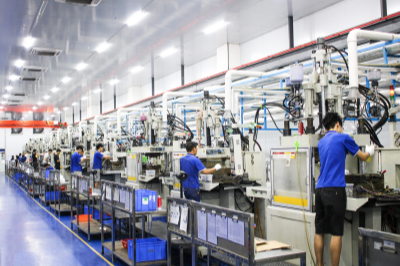
Our highly automated molding production line managing two tone plastic parts.
Procurement and OEM/ODM Considerations
Strategic sourcing of two tone plastic parts hinges on understanding the supplier’s technology, certifications, and supply chain resilience. Here’s distilled advice:
Request detailed process documentation: Verify mold design capabilities, injection press specifications, and production floor certifications.
Pilot samples and small-batch run trials: Test material compatibility, color fidelity, and mechanical performance before full production.
OEM/ODM flexibility: Evaluate if your supplier offers customization assistance — from mold revision to surface finishing.
Container loading & shipping plans: Efficient packing not only reduces freight cost but protects product integrity.
Consider lead times and tooling storage: Multi-cavity molds take 4–8 weeks to develop; plan accordingly to avoid project delays.
Transparency in QA: Demand inspection reports, including adhesion bond strength and color consistency batch results.
Our export department often advises customers to engage in collaborative OEM projects. This ensures that part design, tooling, and production cycles align exactly with market needs. We also assist with regulatory compliance documentation, helping ease customs clearance and legal adherence to market standards.
For companies still weighing in-house versus offshore manufacturing, consider void and rework rates — high tooling costs might be offset by lower per-piece costs in high-volume overseas supply, but supplier reliability is key.
Insight: Frequent communication and on-site audits remain essential to mitigate procurement risks in two tone plastic sourcing.
30+ precision mold processing and prototype equipment
Advanced materials and finished product testing instruments
These extensive resources enable us to control the entire manufacturing chain from mold design to finished part delivery — critical for consistent production of two tone plastic components.
Our staff of over 500 professionals includes mold engineers, process technicians, and quality controllers fluent in international standards and market requirements.
Certifications:
ISO 9001 Quality Management System
CE for European Market Compliance
RoHS Environmental Compliance
Main injection molding workshop at our Dongguan facility
Buyer FAQs
Q: What is the typical lead time for a two tone plastic mold and production?
A: Mold development generally takes 4-8 weeks depending on complexity. Production runs can be scheduled within 2-4 weeks after sample approval. We advise allowing lead time for pilot runs to optimize process parameters.
Q: Can you provide custom OEM/ODM two tone plastic solutions?
A: Yes. Our engineering team works closely with clients on mold design adaptation, material selection, and process refinements to meet specific functional and aesthetic requirements.
Q: What quality control measures do you implement?
A: We perform in-process inspections, adhesion strength tests, dimensional checks with CMM, and visual color consistency analysis per batch. Our ISO 9001 certification governs all procedures.
Q: How do you support international shipping and packaging?
A: Packaging is customized to mitigate damage risks with anti-static wraps and custom foam inserts. We collaborate with freight forwarders to optimize container loading and offer EXW, FOB, CIF shipping terms.
Q: What payment terms do you offer for bulk orders?
A: Standard terms include T/T 30% deposit and 70% balance before shipment. For long-term partnerships, alternative arrangements are negotiable.
Customer Reviews
Marcus L., Procurement Manager – Chicago, USA
Automotive Parts Supplier
"Our company has sourced two tone plastic parts from Yingtai for over 3 years. The consistency in color match and mechanical bonding has notably reduced our assembly line rejects. Their transparency and responsiveness on lead times helped us avoid costly schedule delays. Highly recommend for industrial-grade plastics."
Get in Touch
If you have any camping barbeque equipment inquiry, please feel free to contact us.



 ISO 9001 Quality Management System
 CE for European Market Compliance
 RoHS Environmental Compliance