Guangdong Yingtai High Precision Technology Co., Ltd. — Delivering OEM/ODM Expertise & Certified Quality from Dongguan, China Navigating the demands of global manufacturing landscapes today means choosing components that blend durability , precision ,
Product Details
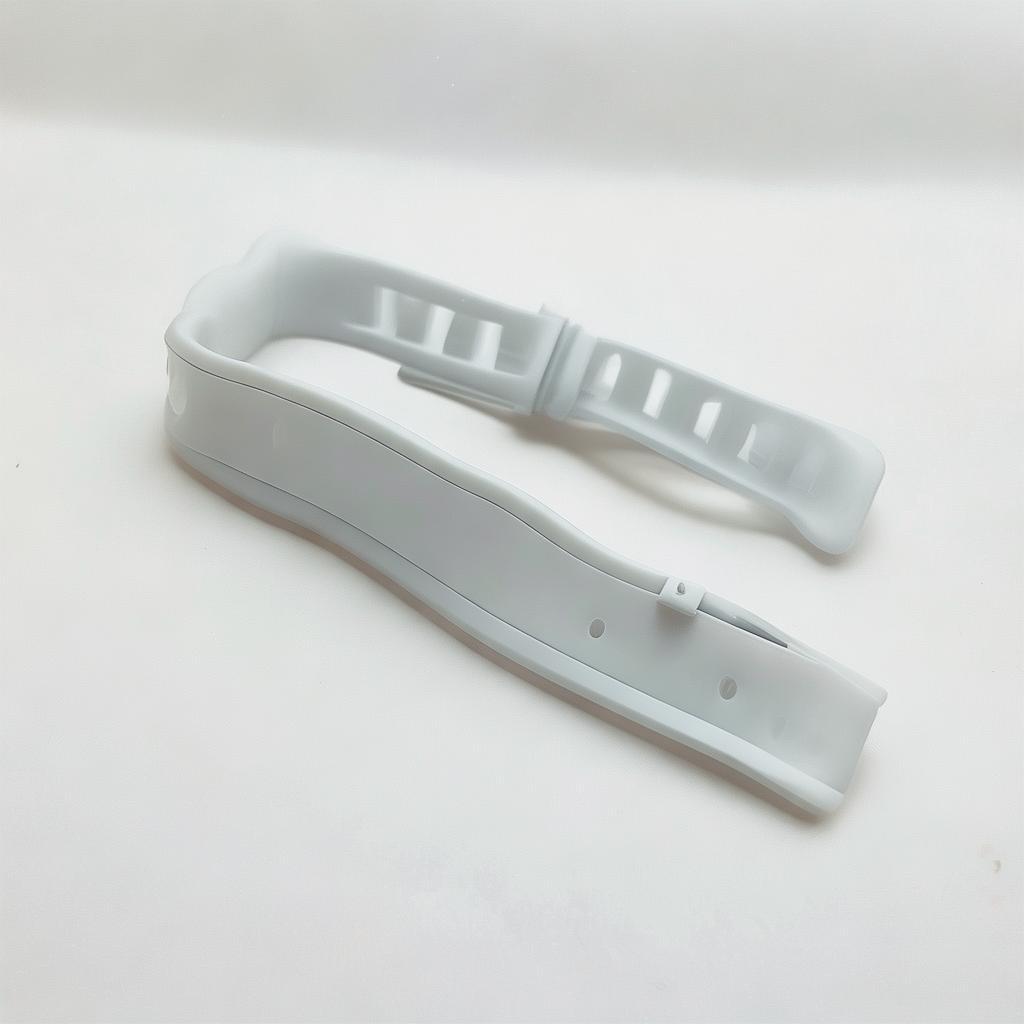
UV-resistant LSR Silicone Button: Industrial-Grade Solutions for Durable, Precision Applications
Guangdong Yingtai High Precision Technology Co., Ltd. — Delivering OEM/ODM Expertise & Certified Quality from Dongguan, China
Introduction & Market Context
Navigating the demands of global manufacturing landscapes today means choosing components that blend durability, precision, and resilience. UV-resistant Liquid Silicone Rubber (LSR) buttons have emerged as the material of choice across sectors requiring long-term exposure to sunlight, harsh outdoor conditions, and frequent mechanical actuation.
Why UV resistance? Among many silicone-based elastomers, LSR stands out due to its outstanding performance stability when exposed to ultraviolet light. In applications ranging from industrial control panels to consumer electronics and outdoor automotive switches, degradation from UV exposure shortens product life and damages safety-critical components. Yingtai’s UV-resistant LSR silicone button specifically addresses this vulnerability.
Market growth signals are compelling. According to Grand View Research’s LSR report, the global liquid silicone rubber market will approach nearly USD 5 billion by 2030, with demand surging particularly in sectors requiring high-precision injection-molded parts with UV and environmental resistance. Emerging trends emphasize the adoption of specialty LSR grades that combine mechanical robustness with biocompatibility and chemical inertness.
In the realm of buttons and tactile interfaces, this means manufacturers can count on consistent tactile feedback, chemical stability, and crucially long-term color retention even in direct sunlight. Without compromising the softness and ergonomic design, Yingtai’s buttons integrate UV stabilizers effectively into the advanced LSR formulation, a commitment reflected in our factory's precision injection molding capabilities and strict quality management.
Industry Pain Points & Procurement Challenges
Many procurement managers face recurring issues sourcing UV-resistant silicone components that truly meet industrial standards beyond surface durability. Common pain points include:
Premature yellowing or brittleness: Lower-grade silicones may show UV-induced cracking after months, risking product recalls or warranty exposure.
Inconsistent tactile performance: Variations in hardness or molding defects like flash can degrade operational feedback in control interfaces.
Long lead times and MOQ constraints: Many suppliers lack scalable production setups aligned to just-in-time (JIT) or lean inventory systems.
Poor traceability and certification gaps: Suppliers who do not provide comprehensive documentation and third-party testing cause headaches for quality assurance teams.
From frequent conversations with global buyers, a notable observation is the risk of underestimating the importance of material certification—not only on UV-aging but also on operational safety under thermal cycling. Non-compliance with standards such as RoHS, REACH, or specific aerospace/automotive OEM requirements can derail entire supply chains unexpectedly.
When compared to cheaper off-the-shelf buttons, investing in certified, factory-controlled UV-resistant LSR buttons is a clear move towards risk mitigation, product lifecycle extension, and ultimately improved ROI.
Technical Deep Dive: UV-resistant LSR Properties & Manufacturing
The foundation of a reliable UV-resistant silicone button lies in material composition and injection molding precision. Our buttons utilize a high-purity platinum-cured LSR formulation, concurrently enhanced with proprietary UV stabilizer packages that improve long-term mechanical and chromatic stability under sustained ultraviolet exposure.
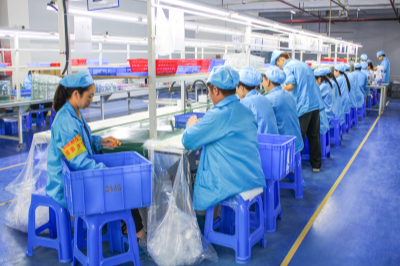
Injection molding further ensures uniform thickness and surface finish critical for buttons’ tactile response. We run 55+ liquid silicone mold injection machines with precise temperature & pressure controls, achieving cycle times tailored for optimal cure without flash or insufficient fill.
Operational insight: Proper venting in molds and use of vacuum assisted techniques reduce air entrapment, a common defect in silicone buttons you find in lesser operations. These measures improve dimensional stability and minimize post-molding stress cracks — vital for UV-exposed outdoor applications.
OEM and ODM on demand: Our engineers collaborate closely on custom durometer range, surface texture, and integration requirements (overmolding, sound feedback) to adapt buttons seamlessly into your product assembly.
Applications & Operational Insights
UV-resistant LSR silicone buttons serve an array of sectors where resilience in challenging environments is a must:
Outdoor telecommunications and networking equipment with frequent sun exposure
Automotive dashboard and exterior control panels subject to UV aging and thermal cycling
Consumer electronics requiring soft-touch tactile buttons that maintain aesthetics over years
Industrial control systems in agriculture or construction with dust and chemical exposure
Renewable energy installations where long-term UV stability impacts maintenance cycles
Installation and maintenance advice:
It's critical to ensure that button housings allow for thermal expansion without imposing side stresses on the silicone. Our engineering support can recommend compatible gasket profiles and overmolding techniques to integrate buttons while resisting contamination ingress.
Several OEM customers have noted that using UV-resistant LSR buttons reduces warranty repairs linked to environmental aging by up to a third, specifically in outdoor telecom hubs and electric vehicle charging stations. Consistent feel and color retention drive user satisfaction, an often overlooked but critical factor in brand differentiation.
Buyer’s Guide & Supplier Evaluation
Selecting a reliable UV-resistant LSR silicone button supplier goes beyond quoted price. Here's a checklist tailored for purchasing managers and technical buyers:
Certification transparency: Demand ISO 9001 certification, RoHS, REACH compliance, and if applicable, FDA or automotive homologations like IATF 16949.
Mold tooling and quality control: Verify factory molding machines count & capacity, and inquire about in-line defect detection and traceability systems.
Material provenance: Confirm use of platinum-cure LSR with UV-stabilizing additives, supported by third-party accelerated aging test reports.
Sample testing: Obtain functional samples exposed to sunlight simulation and mechanical cycling in your application setting before mass order.
Supply chain & lead time: Opt for factories with robust container loading plans and flexible MOQ to support scaling without inventory overstock.
Customization willingness: Ensure OEM/ODM capabilities include durometer tuning, custom colors, and overmolding compatibility.
At Yingtai, we operate an integrated supply chain. Our mould processing and intellectual manufacturing systems support full traceability from raw material batch to finish inspection data.
We recommend incorporating supplier audits and factory visits as part of your due diligence. One procurement director noted: “Seeing the precision injection lines and QC processes firsthand made all the difference — knowing the team’s capability and process maturity convinced us to entrust critical volume production.”
Frequently Asked Questions
Q1: How does UV resistance in LSR silicone buttons impact longevity?
UV resistance reduces polymer chain degradation caused by solar radiation. This prevents discoloration, cracking, and loss of elasticity, prolonging button lifespan significantly in outdoor or high-UV environments.
Q2: What is the typical production lead time for customized LSR buttons?
Lead times vary based on mold complexity and order volume but generally range from 3 to 6 weeks after mold approval. Rapid tooling options may be available for prototypes in 15 days.
Q3: Can your UV-resistant LSR buttons be overmolded onto rigid substrates?
Yes, we offer tailored OEM/ODM solutions integrating overmolding with thermoplastics such as ABS or PC, ensuring strong mechanical bonding and dimensional precision.
Q4: What testing standards do you follow for UV aging and mechanical performance?
We comply with ASTM G154-16 for accelerated UV aging, ISO 37 for tensile testing, ISO 868 for hardness, and conduct in-house cyclical tactile fatigue tests aligned with customer-specific application requirements.
Q5: How should UV-resistant silicone buttons be stored and handled?
Store in a cool, dry area away from direct sunlight and ozone sources. Avoid contact with sharp objects that could puncture or distort the silicone. Proper container loading during shipment safeguards product integrity.
Customer Testimonials
Mark Denton
Procurement Manager, Midwest Telecom
“Compared to prior suppliers, Yingtai’s UV-resistant LSR buttons delivered consistently excellent tactile feel and color stability in harsh outdoor telecom cabinets. Our warranty claims dropped noticeably. Their engineering team’s responsiveness really stood out.”
Get in Touch
If you have any camping barbeque equipment inquiry, please feel free to contact us.



 Mark Denton
Procurement Manager, Midwest Telecom
Mark Denton
Procurement Manager, Midwest Telecom