UV-Resistant Silicone Button: Precision Solutions for Durable Industrial Applications
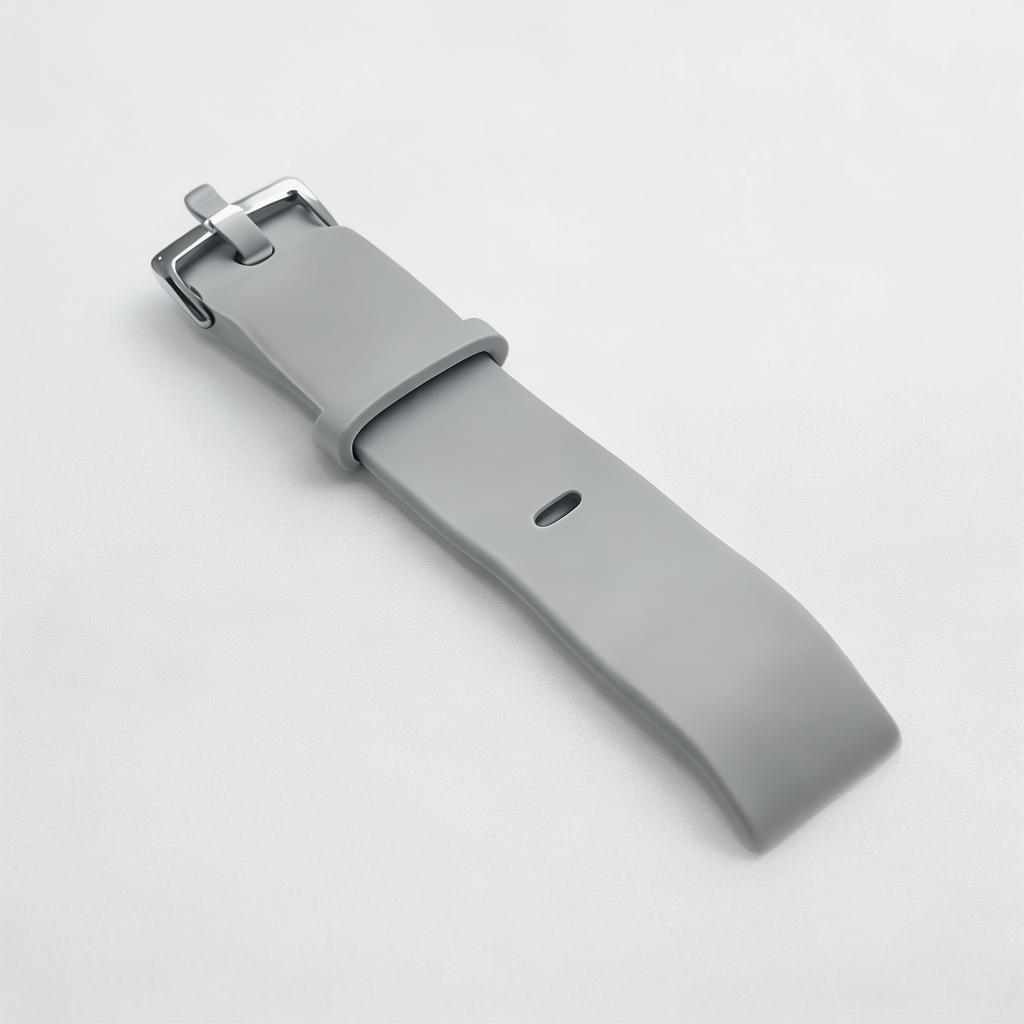
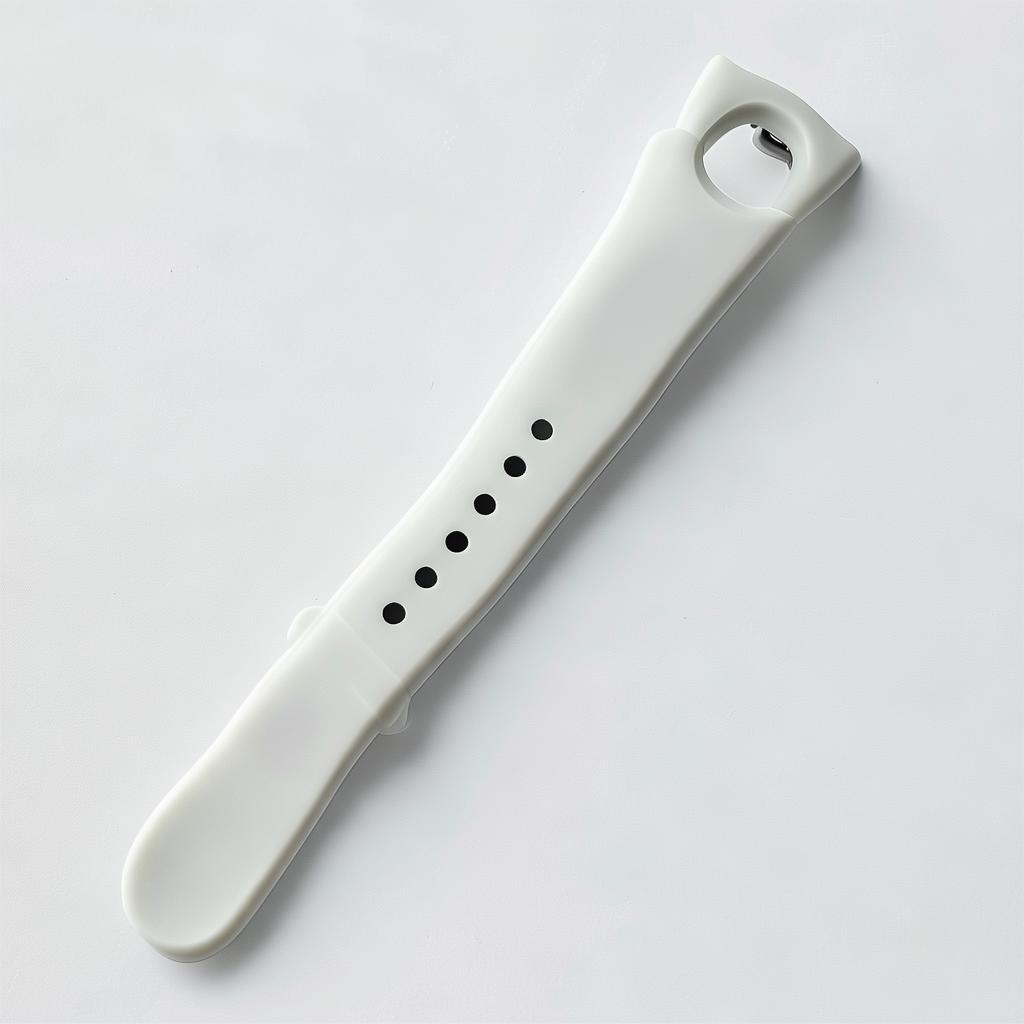
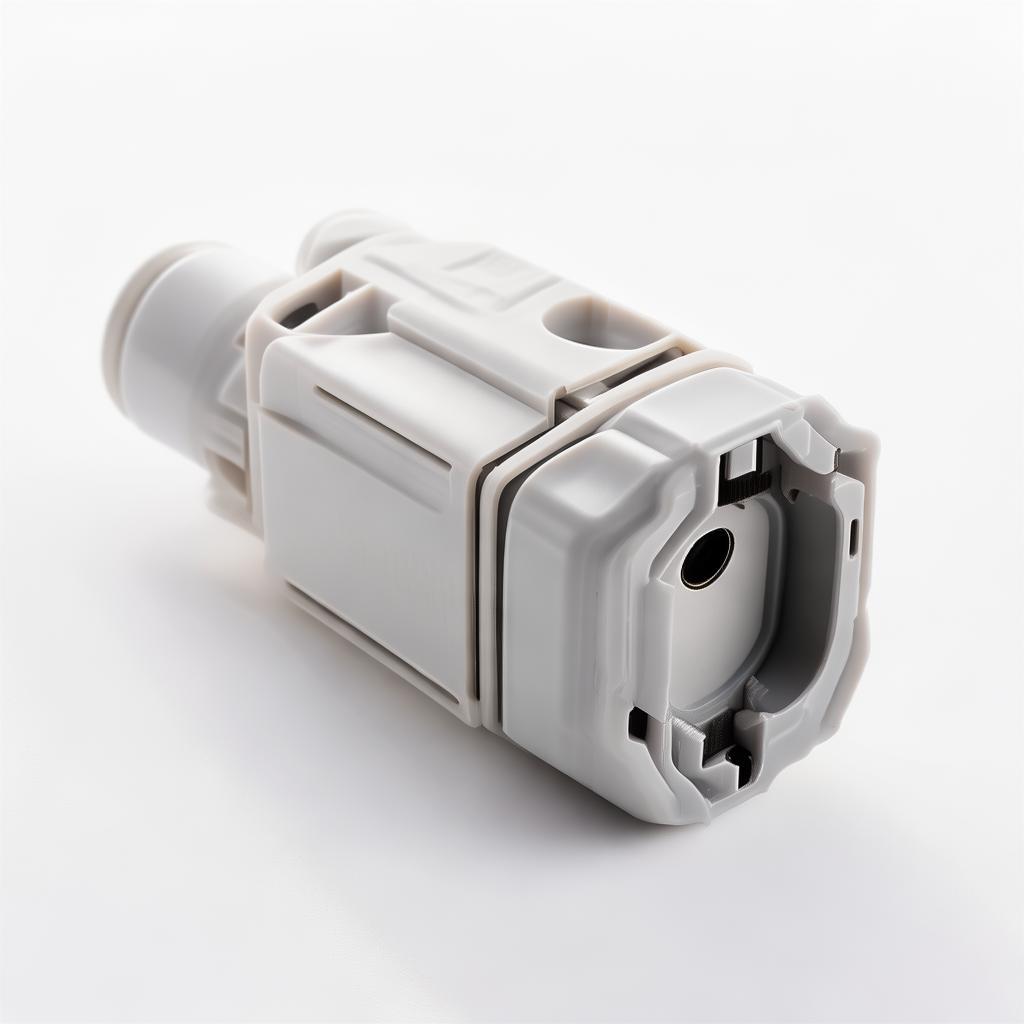
Engineered for longevity and resilience, our UV-resistant silicone buttons provide outstanding performance against intense sunlight and environmental challenges. Crafted with expertise in liquid silicone rubber injection molding, these buttons stand as the choice component for demanding industrial and consumer electronics applications.
Challenges Facing Silicone Button Users in UV-Intense Environments
In sectors spanning new energy vehicles, smart wearables, and outdoor communication devices, buttons routinely face relentless UV exposure. Typical problems include material degradation, color fading, and loss of tactile response due to polymer chain breakdown under ultraviolet radiation. Conventional silicone button materials often fall short, leading to costly replacements, reduced device lifespan, and frustrating operational failures.
Procurement directors and operations managers often wrestle with conflicting priorities: finding cost-effective components that maintain consistent performance under prolonged sunlight. Inefficient quality control or choosing non-specialized suppliers can introduce risks such as poor UV resistance, inconsistent mold quality, and unreliable batch-to-batch material properties, increasing rework and freight costs.
- Accelerated aging: UV light can cause surface cracking and hardening.
- Color instability: Discoloration compromises branding and UI consistency.
- Loss of elasticity: Reduced button rebound impacts user experience.
- Manufacturing inconsistencies: Without precision injection molding, parts may fail dimensional tolerances.
- Logistical delays: Complex supply chains prolong delivery, jeopardizing production timelines.
Our analysis, informed by 20+ years of experience and validated against industry research, addresses these pitfalls. Optimizing liquid silicone rubber (LSR) production with advanced injection molding and UV-stable formulations is critical to sustaining button durability.
For instance, recent studies in UV-resistant silicone materials reveal that specific additive packages, such as high-purity titanium dioxide and hindered amine light stabilizers (HALS), postpone photodegradation noticeably. Moreover, stringent control of silicone injection parameters ensures dimensional precision and surface integrity needed for premium end products.
Material Science & Technical Insights Behind UV-Resistant Silicone Buttons
At the core lies Liquid Silicone Rubber (LSR) — a two-component platinum-cured elastomer renowned for its biocompatibility, thermal stability, and chemical resistance. Our UV-resistant buttons utilize premium-grade LSR compounded with specialized UV stabilizers that meet or exceed ISO 10993 and RoHS certifications.
Our manufacturing facility employs state-of-the-art HUSKY liquid silicone injection molding machines with precision-controlled parameters, consistently delivering:
- Optimized cure profiles to prevent premature crosslinking
- Exact shot weights and low shear forces preserving mechanical properties
- Advanced molds using EDM and CNC precision tooling, reducing flash and ensuring tolerances within ±0.03mm
- Strict moisture and contaminants control to maintain long-term material integrity
Leveraging insights from Grand View Research's 2030 LSR Market Report, we observe a growing demand for sophisticated silicone components: exquisite button designs with enhanced UV and wear resistance tailored for electronic enclosures and automotive controls.
Advantages of Our UV-Resistant Silicone Buttons
Decades in OEM/ODM manufacturing have shaped our product line’s unique strengths. Here are some practical attributes setting our buttons apart in international trade and distribution:
- Long-Term UV Stability: Utilization of HALS and anti-oxidants extends lifespan beyond 5 years of continuous outdoor use without discoloration or stiffness increase.
- Superior Flexibility & Tactility: Silicone grades selected for high Shore A softness balanced with mechanical resilience ensure pleasant user feedback and fatigue resistance.
- Precision Molded Consistency: CNC-machined molds produce sharp geometries and secure fit, avoiding common deformation issues found with compression molded alternatives.
- Chemical Resistance: Resists common cleaning solvents and oils encountered in automotive or industrial settings.
- Regulatory Compliance: Fully compliant with REACH, RoHS, FDA, and can be custom-formulated to meet medical-grade requirements on request.
Our clients frequently highlight reduced replacement cycles and lowered warranty claims as direct benefits of switching to our UV-resistant silicone buttons over imported, unverified alternatives.
Technical Specifications
| Parameter | Specification | Standard / Test Method |
|---|---|---|
| Material | Liquid Silicone Rubber (LSR) Grade UV-Resistant | ASTM D4287, ISO 17025 |
| Hardness | 45 ± 5 Shore A | ISO 7619 |
| UV Resistance | 5000+ hours QUV testing without visible degradation | ASTM G154 |
| Tensile Strength | 8.5 MPa (Typical) | ASTM D412 |
| Elongation at Break | 380% | ASTM D412 |
| Color | Custom - Standard: Black, Grey, Red (Pigmented & UV Stable) | OEM Specified |
Application Scenarios Highlighting Performance Benefits
UV-resistant LSR silicone button translucent silicone for button Highly transparent silicone button
These silicone buttons are engineered to meet the rigorous demands of diverse industries where UV exposure and physical wear are non-negotiable:
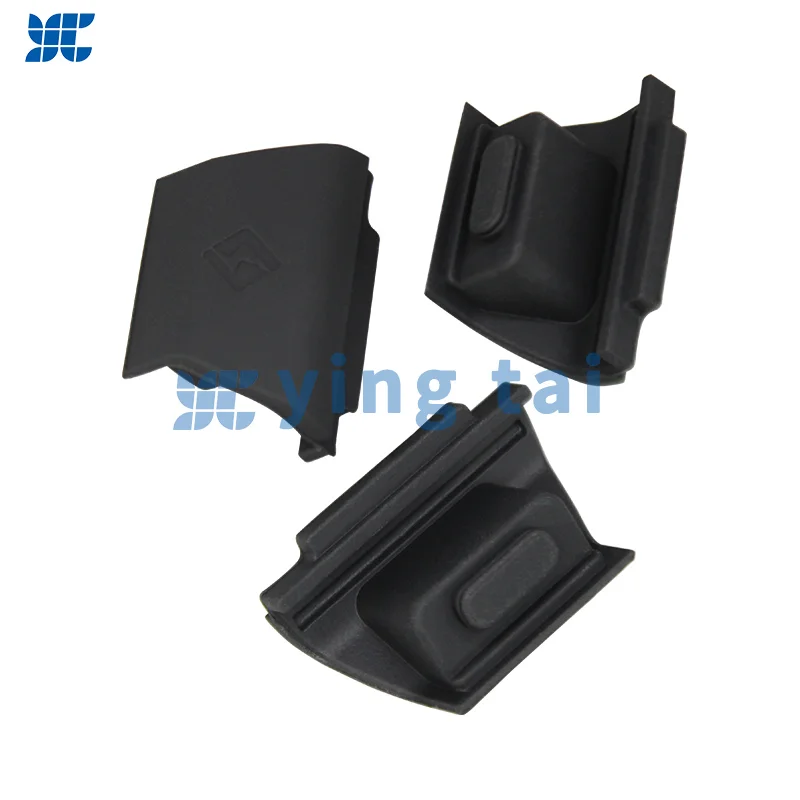
- Automotive Controls: Exterior dashboard buttons in new energy vehicles with continuous sun exposure requiring thermal and UV resistance while offering ergonomic resilience.
- Outdoor Electronics: Communication handsets and ruggedized devices used by utility companies and construction crews.
- Smart Wearables: Sun-facing interactive buttons and seals on fitness trackers and smartwatches featuring exposure to perspiration and prolonged light.
- Industrial Machinery: Operator control panels in agriculture and mining equipment that confront abrasive dust, solvents, and intense sun.
- Consumer Appliances: Outdoor kitchen appliances, weatherproof remote controls, and pool equipment with demanding UV and moisture resistance specs.
A noteworthy project involved customizing supply for a leading American new energy vehicle manufacturer, where our UV-resistant silicone buttons passed accelerated aging tests focused on infrared radiation and mechanical fatigue with zero failures after 12 months of simulated use.
Procurement Insights: Selecting the Right UV-Resistant Silicone Button Supplier
Purchasing Managers and Supply Chain Directors should be wary that not all silicone button suppliers offering “UV resistance” meet industry-grade durability standards. Critical procurement criteria include:
- Certifications: Verify ISO 9001, ISO 14001 for quality and environmental management, plus testing documentation for UV ageing compliance (e.g., ASTM G154 QUV reports).
- Manufacturing Capabilities: Facilities must have precision injection molding equipment, ideally with in-house mold maintenance and modification to reduce lead times.
- Material Traceability: Suppliers should provide batch-level traceability and raw material certificates, ensuring consistent silicone formulation and UV additive quality.
- Lead Time & Logistics: Confirm realistic lead times, factoring in mold setup (usually 10-15 days), and container optimization methods to reduce shipping costs and risks.
- Technical Support: Access to engineering consultation for customization, troubleshooting, and testing plans is invaluable.
- OEM/ODM Experience: Established suppliers with tailored production capabilities and customer-centric workflows reduce ramp-up risks.
At Guangdong Yingtai High Precision Technology Co., Ltd., our extensive 35,000 sqm industrial park houses 55 injection molding machines and over 20 precision mold processing stations. Our end-to-end production—from mold design and prototyping through volume production and QA—provides unmatched reliability for international B2B supply chains.
Installation & Maintenance Fundamentals
Successful deployment of silicone buttons goes beyond manufacturing quality. Operations Managers and Installation Teams should heed:
- Check surface preparations before button assembly for cleanliness; contaminants can impair adhesion in overmolded designs.
- Compatibility: Ensure compatible mounting materials or housings to avoid galvanic or chemical degradation.
- Regular cleaning with non-abrasive, solvent-free substances prolongs tactile surface quality and UV stability.
- Avoid prolonged high temperature exposure above 150°C during device assembly; excessive heat can compromise silicone elasticity.
- Plan periodic tactile testing post installation for buttons exposed outdoors or in heavy-use scenarios to identify wear early.
Our technical engineers recommend periodic surface inspections especially in outdoor sessions exceeding 2 years, as minor surface crazing can precede functional degradation—prompt replacements prevent larger system downtimes.
Frequently Asked Questions (FAQs)
- Q1: How does UV resistance affect the lifecycle of silicone buttons?
- UV resistance prevents surface cracking, discoloration, and hardening caused by sunlight. Without it, silicone brittleness accelerates, reducing button responsiveness and durability significantly, especially in outdoor applications.
- Q2: Are your silicone buttons customizable in size and color?
- Yes. We provide full OEM/ODM services, including custom mold making. Colors can be matched with UV-stable pigments complying with regulatory standards.
- Q3: What are the typical lead times for order fulfillment?
- Standard production runs typically require 20 to 30 days post mold approval, depending on order volume and complexity. We advise early coordination for tooling and sampling phases.
- Q4: How do you ensure product consistency across batches?
- Our process includes rigorous QC checks at raw material receipt, in-process molding, and final inspection stages, supported by digital data logging and traceability systems.
- Q5: Can these buttons be integrated with overmolding or multi-shot processes?
- Absolutely. Our facility supports multi-component injection molding integrating silicone with thermoplastic substrates, enhancing functional integration.
What Our Clients Say

Michael T., Procurement Director (Chicago, IL)
"Switching to Yingtai's UV-resistant silicone buttons markedly improved product longevity for one of our EV dashboard projects. The stability under harsh sun exposure exceeded initial expectations, reducing warranty replacements by over 20% in the first year."

Heather S., Ops Manager (Atlanta, GA)
"The team’s responsiveness and technical consulting helped our field engineers install the buttons with minimal adjustment. Their expert advice on material selection saved us from costly retooling later."

Rajiv N., Technical Engineer (San Jose, CA)
"I appreciate the precise molding tolerances and consistent Shore hardness. The button performance remained stable after extended UV and abrasion testing, exactly what our wearables project demanded."
Contact Guangdong Yingtai High Precision Technology Co., Ltd.
Rooted in Dongguan’s industrial hub, we combine decades of silicone expertise with top-tier facilities to deliver dependable UV-resistant silicone buttons tailored to your precise needs.
Phone: (Miss Zhang) +86 17722437688Fax: +86 0769-83666863
Email: zmm@yingtai168.com / lh@yingtai168.com
Whatsapp: +86 17722437688
Address: No. 359 Chang'an Bubugao Road, Chang'an Town, Dongguan City, Guangdong Province, China
https://www.ytplasticmold.com/contactus/