What Are the Liquid Silicone Waterproof Packaging Products for Hybrid Electric Vehicles?
Explore the critical role of liquid silicone waterproof packaging solutions within the hybrid electric vehicle (HEV) sector, from material technology to manufacturing and procurement insights.
Industry Challenges in HEV Waterproof Packaging
Hybrid electric vehicles combine complex electronic systems with demanding environmental exposure, necessitating robust packaging solutions to protect critical components. Waterproofing in HEVs is not just about moisture exclusion; it’s about thermal management, chemical resistance, and maintaining reliable performance under vibration and changing temperatures.
Traditional sealing materials like EPDM or thermoplastic elastomers often fall short in durability or flexibility. Moreover, HEV designs increasingly emphasize miniaturization and integration, which challenges conventional gasket and seal formats. Packaging products must therefore be engineered with precise control over molding tolerances and material properties.
From a procurement perspective, sourcing waterproof packaging that balances cost-effectiveness with performance reliability is an ongoing headache for purchasing managers. Lead times can fluctuate due to mold tooling complexities and rising demand for high-quality liquid silicone rubber (LSR) products. Mistakes in material selection or supplier vetting risk production delays and costly recalls.
This backdrop underscores why liquid silicone waterproof packaging is gaining traction as the go-to solution for hybrid electric vehicle manufacturers worldwide.
Liquid Silicone Materials & Technology
Liquid silicone rubber (LSR) is a two-part platinum-catalyzed silicone elastomer that cures rapidly at elevated temperatures. Its unique physico-chemical attributes make it ideal for complex shaped seals and overmolded parts in harsh automotive environments.
Compared to traditional silicone rubbers, LSR offers superior dimensional stability, high tear resistance, and a wider operating temperature range (typically -60°C to 230°C). These help maintain seal integrity in HEV battery packs, electronic control units (ECUs), and powertrain components.
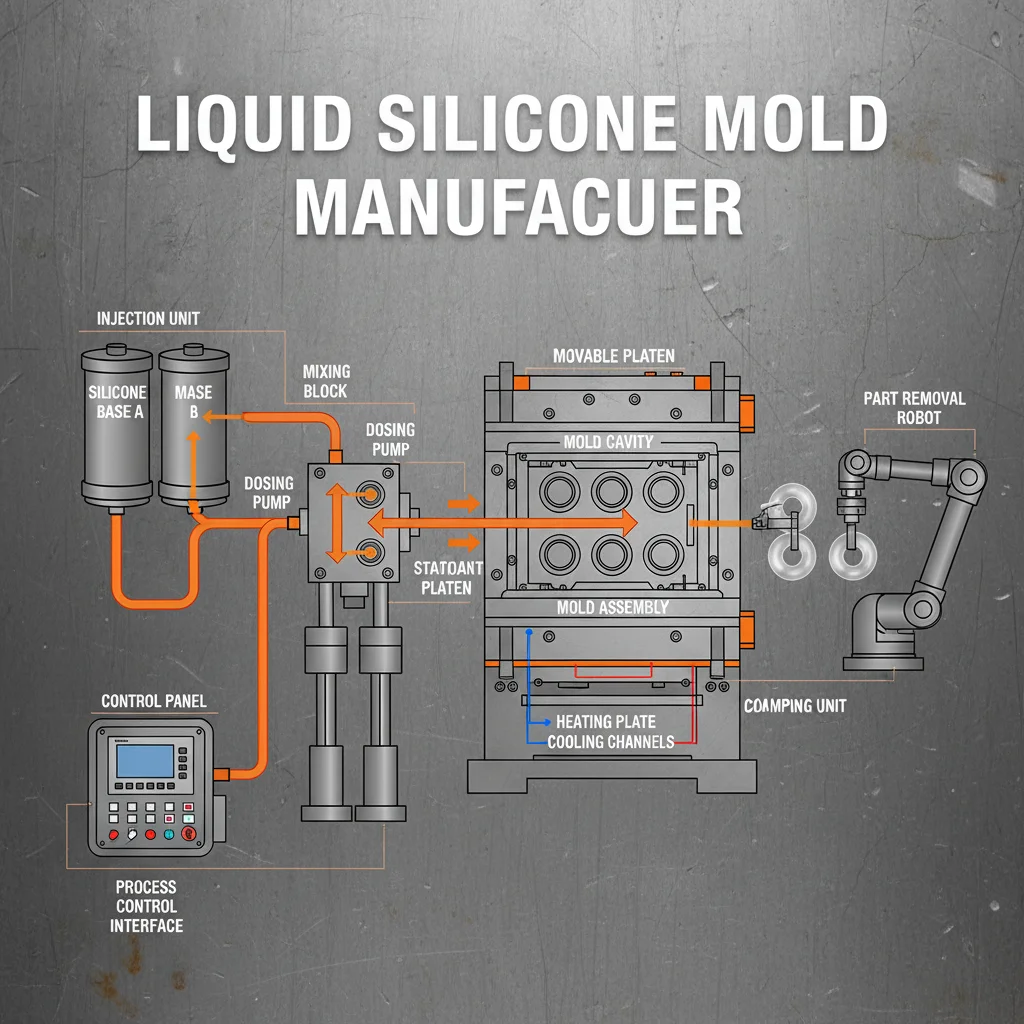
Injection molding technology is critical here. Modern liquid silicone injection molding machines operate under precise temperature and pressure controls, producing consistent, high-precision parts with tightly controlled tolerances. Advanced mold designs often incorporate multi-cavity setups and automatic venting channels, leading to improved cycle times and minimized flash defects.
Material certifications such as ISO 14001 environmental management, ISO 9001 quality assurance, and compliance with automotive AEC-Q200 reliability standards are benchmarks for sourcing liquid silicone materials for HEV applications. Additionally, LSR grades meeting UL94-V0 flame retardancy or RoHS directives cater to safety and environmental regulations.
| Material Feature | Typical Range / Grade | Benefit in HEV Packaging |
|---|---|---|
| Hardness (Shore A) | 20 to 70 | Flexible sealing without cracking |
| Thermal stability | -60°C to +230°C | Operates in extreme vehicle environments |
| Tear strength | 5 to 25 kN/m | Resists mechanical stresses & vibrations |
| Chemical resistance | Excellent vs oils, coolants, UV | Ensures longevity in under-hood applications |
Key Advantages of Liquid Silicone Packaging
- Superior waterproof sealing: Perfect radial and axial seal achieved through injection molding precision enhances protection of HEV battery modules and sensitive electronics.
- Thermal endurance: Maintains stable elasticity and sealing under rapid temperature cycling common in hybrid powertrain systems.
- Lightweight yet durable: Enables OEMs to meet fuel efficiency goals without compromising protection.
- Customization at scale: OEM/ODM capabilities allow complex geometries and integrated multi-material overmolding, reducing assembly cost and weight.
- Environmental compliance: Materials designed to meet stringent automotive regulations such as REACH and RoHS.
- Reduced maintenance: High chemical resistance means less degradation from road salts, coolants, and oils, extending product life cycle.
Insight: “In my experience over 15 years managing OEM parts, parts made from quality liquid silicone routinely outperform alternative materials in high-moisture automotive environments.” – Mark Jensen, Industrial Engineer
Technical Specifications & Standards
Compliance with recognized industry standards is non-negotiable for HEV liquid silicone packaging products. Some key certifications and specifications to look for include:
- ISO 9001: Quality management system certification ensuring consistent production quality.
- ISO 14001: Environmental management system standard—critical for sustainability-conscious OEMs.
- AEC-Q200 for Elastomers: Automotive qualification standard ensuring durability under vehicle operating conditions.
- UL 94 V-0: Flame retardancy testing applicable for fire safety compliance in automotive interiors.
- RoHS and REACH: EU and global regulations limiting use of hazardous substances.
Technical data sheets typically specify:
| Parameter | Typical Value | Test Method |
|---|---|---|
| Tensile Strength | 7-14 MPa | ASTM D412 |
| Elongation at Break | 400%-700% | ASTM D412 |
| Compression Set (22h @ 175 °C) | ≤25% | ASTM D395 |
| Hardness (Shore A) | 40-60 | ASTM D2240 |
Application Scenarios & Installation Notes
Liquid silicone waterproof packaging products are deployed widely in hybrid electric vehicles, including but not limited to:
- Battery pack seals: Protect battery cells from moisture ingress and corrosion.
- ECU & Sensor encapsulation: Shield sensitive electronic components from contaminants and thermal shocks.
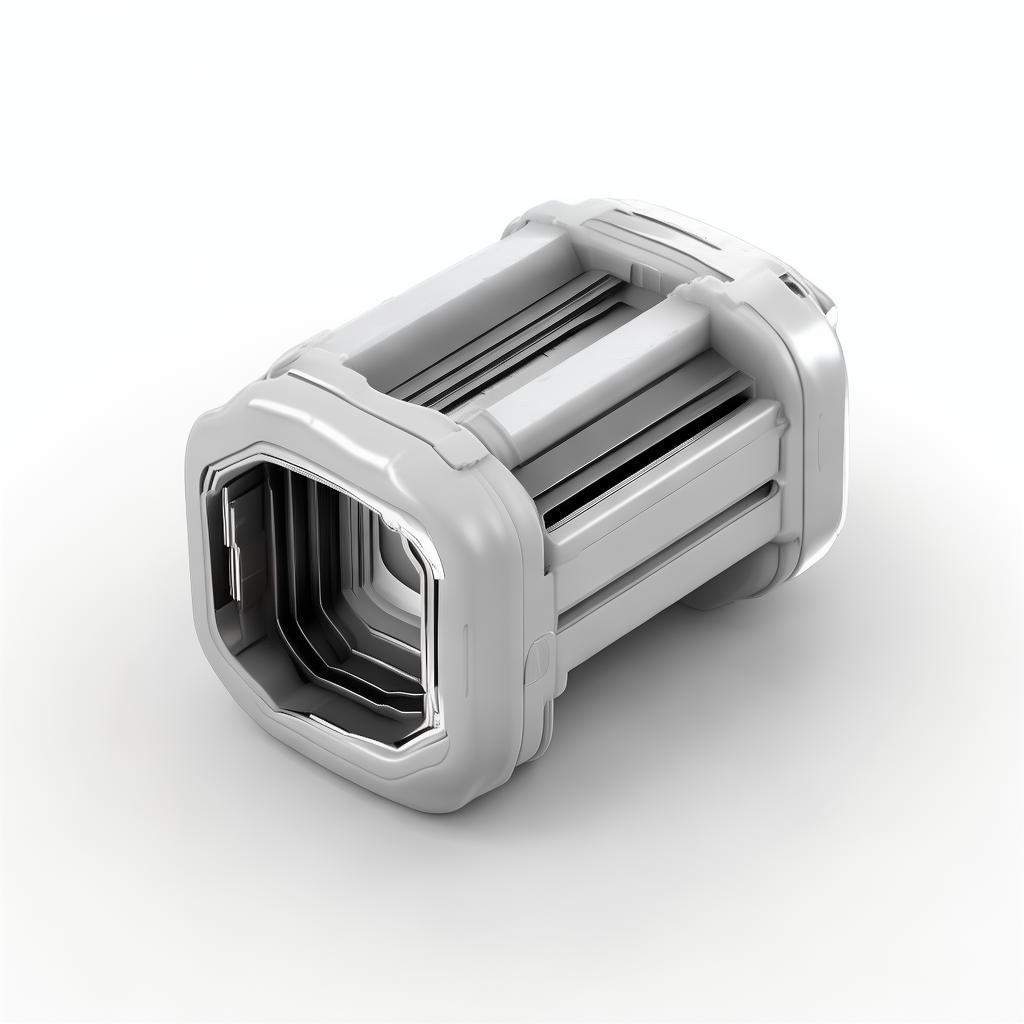
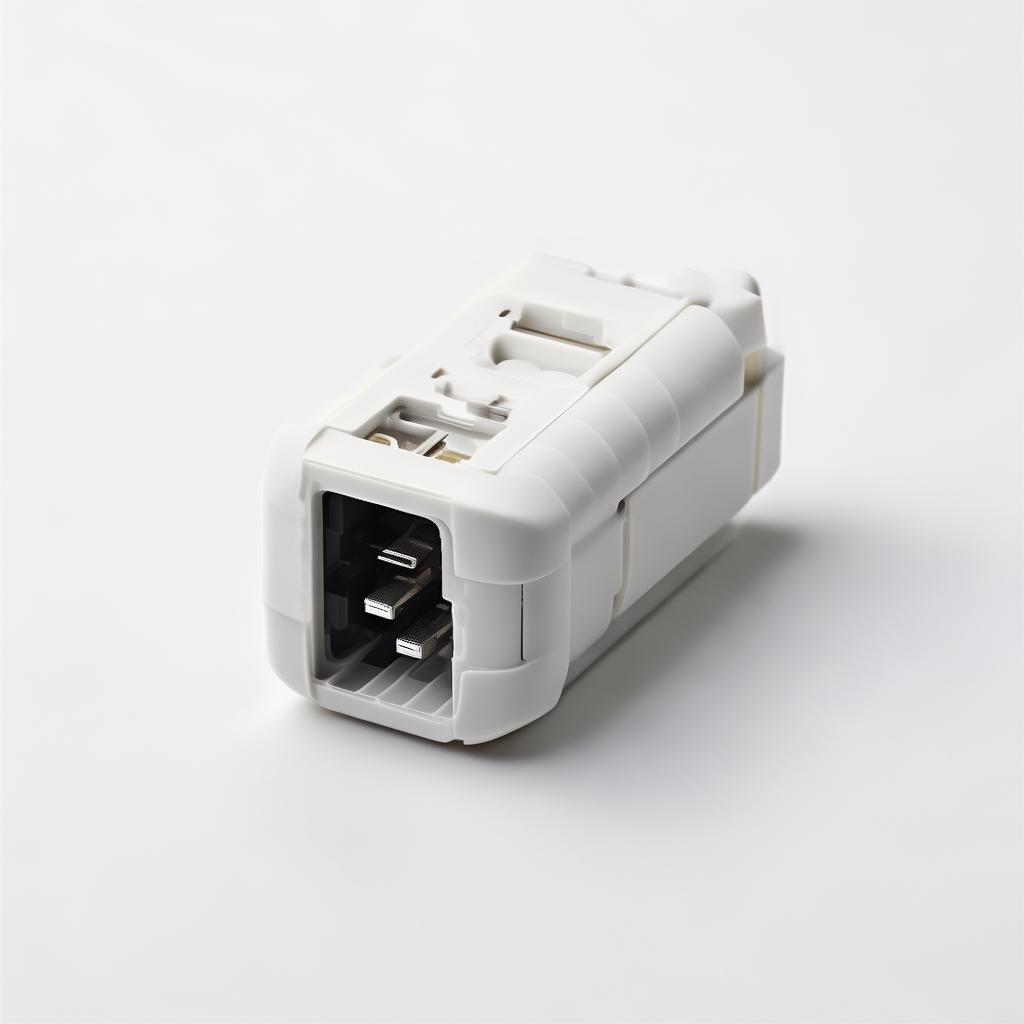
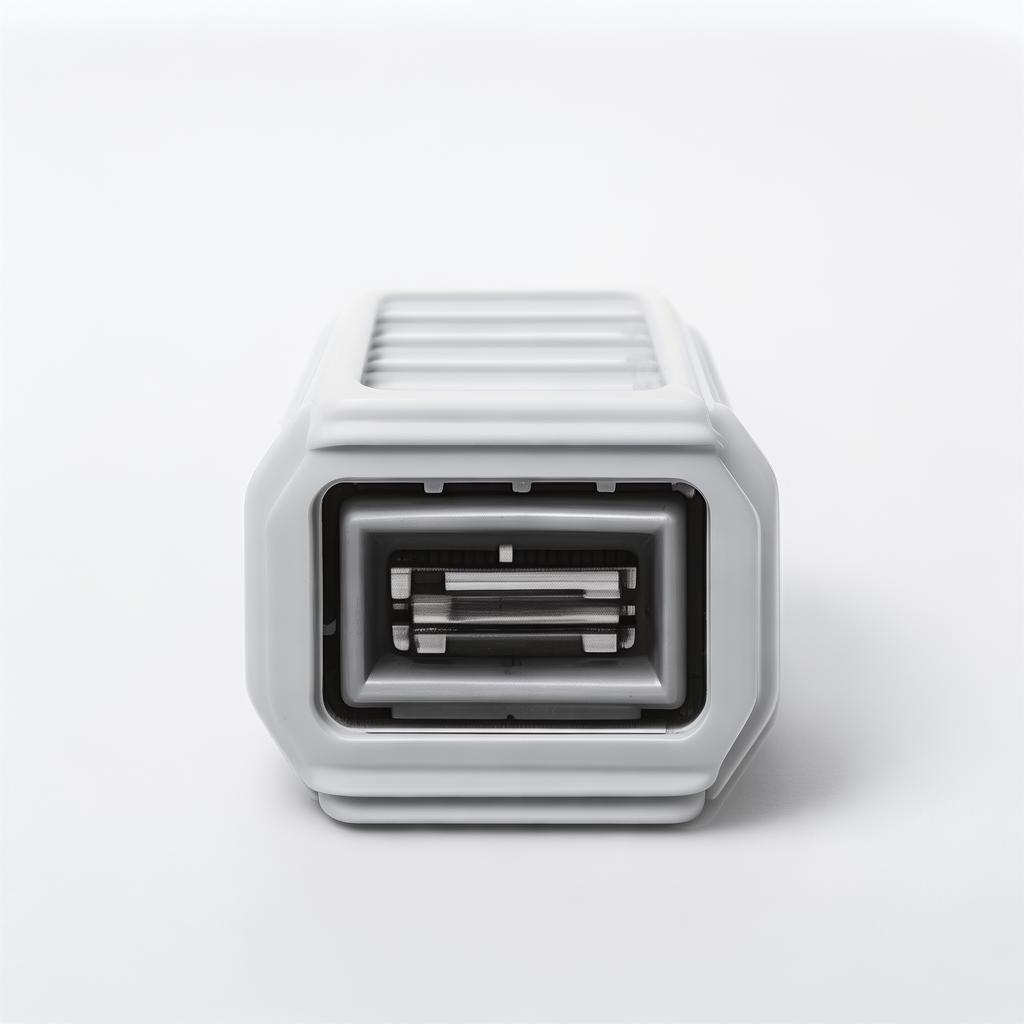
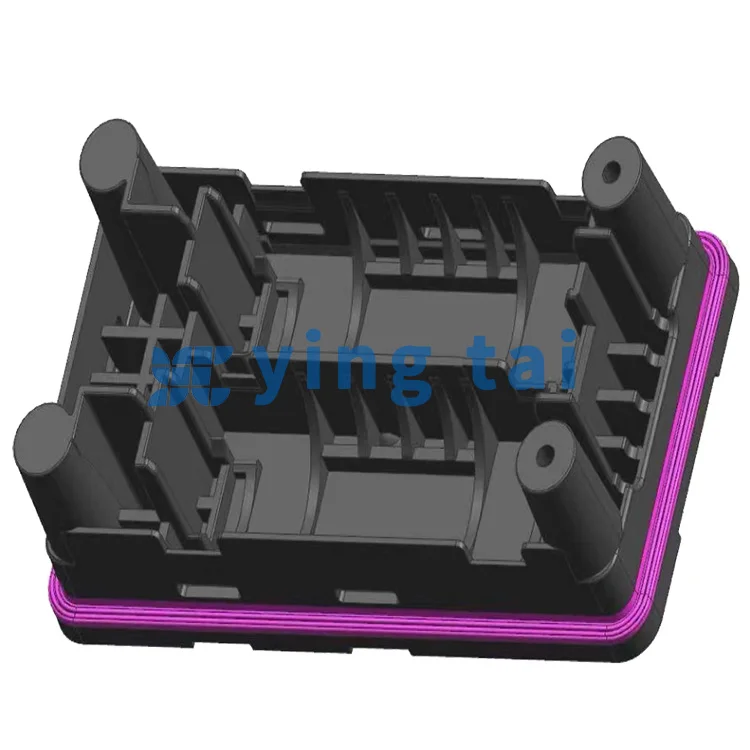
- Connector sealing: Enhance waterproof performance of wiring harness interfaces exposed to harsh environments.
- Thermal insulation covers: Combined with heat-resistant silicone grades for temperature regulation.
- Powertrain component gaskets: Provide vibration damping while maintaining seal integrity.
Installation Considerations typically require careful alignment and pre-cleaning of substrate surfaces. Applying liquid silicone products in OEM assembly lines demands precise curing control — overcuring can diminish elasticity, while undercuring risks poor adhesion.
Ordering OEM/ODM liquid silicone sealing products with integrated tooling support can reduce installation complications. Modular mold designs allow fast tool changes and better production scalability, critical for fluctuating HEV demands.
Procurement Considerations & Supplier Evaluation
For purchasing and procurement professionals, selecting the right liquid silicone waterproof packaging supplier impacts production stability and product longevity.
- Check certification & compliance: Insist on ISO 9001, AEC-Q200, and RoHS certifications to ensure quality and regulatory adherence.
- Verify manufacturing capabilities: Look for factories equipped with advanced liquid silicone injection molding machines (e.g., 55+ LSR molding presses) and robust tooling workshops.
- Assess technical support: Access to engineering consultations, mold design expertise, and prototyping services is a valuable asset.
- Evaluate lead times & logistics: Understanding production cycles, container loading efficiency, and shipment options reduces inventory risks.
- Request material data sheets & test samples: Validate mechanical properties and compatibility with your application environment before bulk ordering.
Often overlooked is the benefit of suppliers who offer OEM/ODM customization, streamlining development cycles by integrating product design and manufacturing.
Warning: Avoid suppliers lacking technical depth or transparent quality standards — subtle defects in silicone parts may go unnoticed until costly vehicle recalls.
Frequently Asked Questions
- Q1: How does liquid silicone waterproof packaging improve HEV reliability?
- LSR products provide superior resistance to moisture, extreme temperatures, and chemical exposure, significantly reducing seal failure and electronic component damage.
- Q2: What turnaround times can be expected for custom liquid silicone parts?
- Standard production lead times range from 4 to 8 weeks, depending on mold complexity. Advanced factories with streamlined tooling and injection molding setups can achieve shorter cycles.
- Q3: Are liquid silicone seals compatible with automotive flame retardancy standards?
- Yes. Many LSR grades meet UL94 V-0 flame retardancy, making them suitable for automotive interior and under-the-hood applications where fire safety is critical.
- Q4: Can liquid silicone packaging parts be overmolded with plastics?
- Absolutely. Multi-component injection molding allows combining LSR with rigid plastics like ABS, enabling integrated components with improved durability and aesthetic appearance.
- Q5: How should I evaluate suppliers for sustainable liquid silicone production?
- Focus on suppliers adhering to ISO 14001 and offering process waste minimization techniques, like efficient mold venting and material recycling, which contribute to greener manufacturing.
Customer Reviews
Jacob Martinez, Procurement Manager, Detroit Automotive Parts, USA:
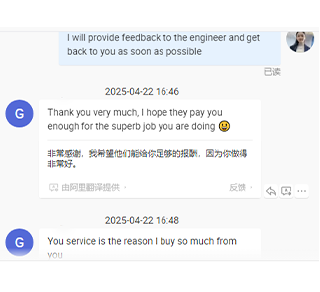
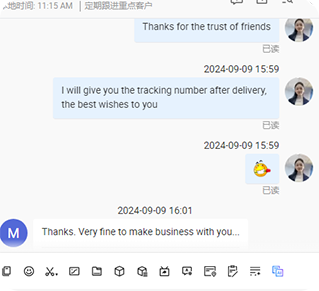
“After switching to liquid silicone waterproof seals from Yingtai, our assembly line downtime due to seal failures dropped substantially. Their ability to customize parts quickly helped us meet tight production deadlines.”
Sophia Lee, Technical Engineer, Vancouver EV Solutions, Canada:
“Top-notch material consistency and superior thermal resilience made these liquid silicone gaskets a no-brainer for our HEV battery enclosures. The supplier’s strong technical support streamlined installation training on site.”
Michael O’Connor, Supply Chain Director, Texas Hybrid Components, USA:
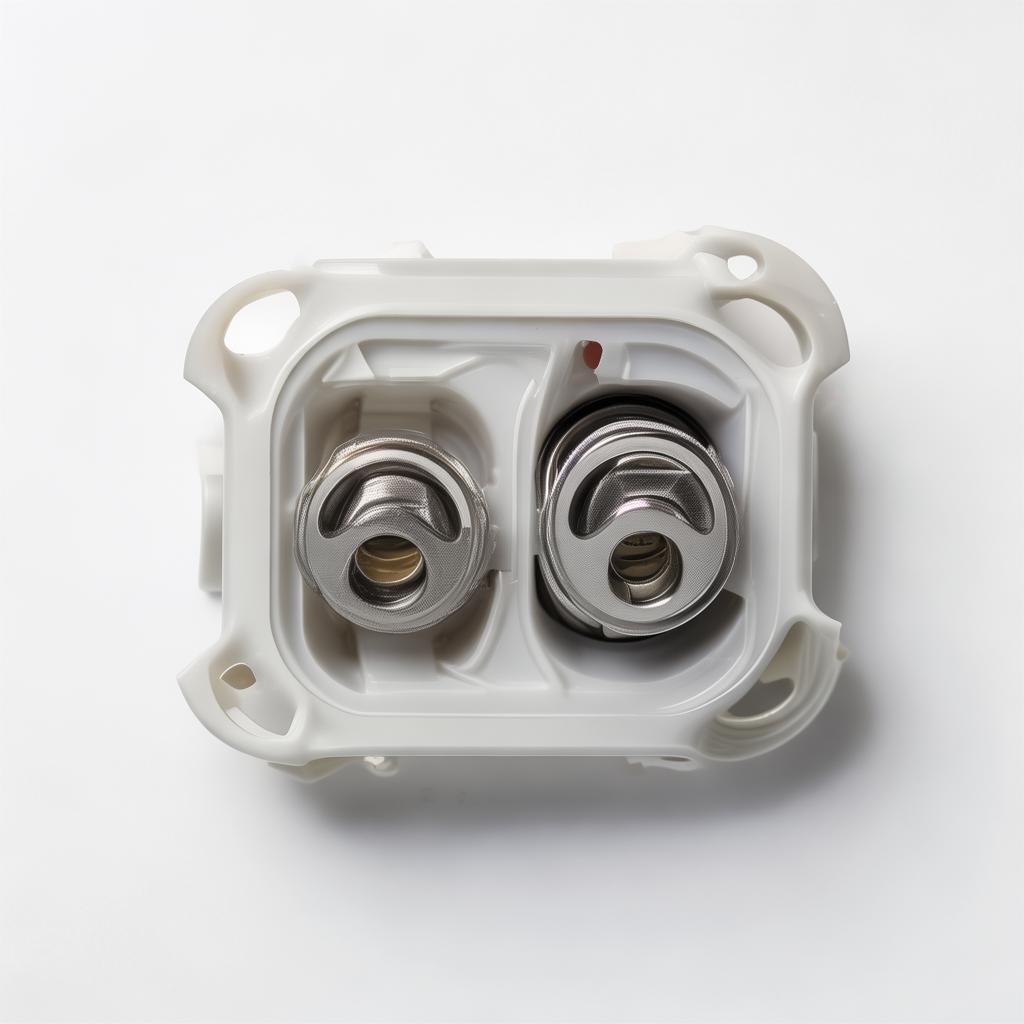
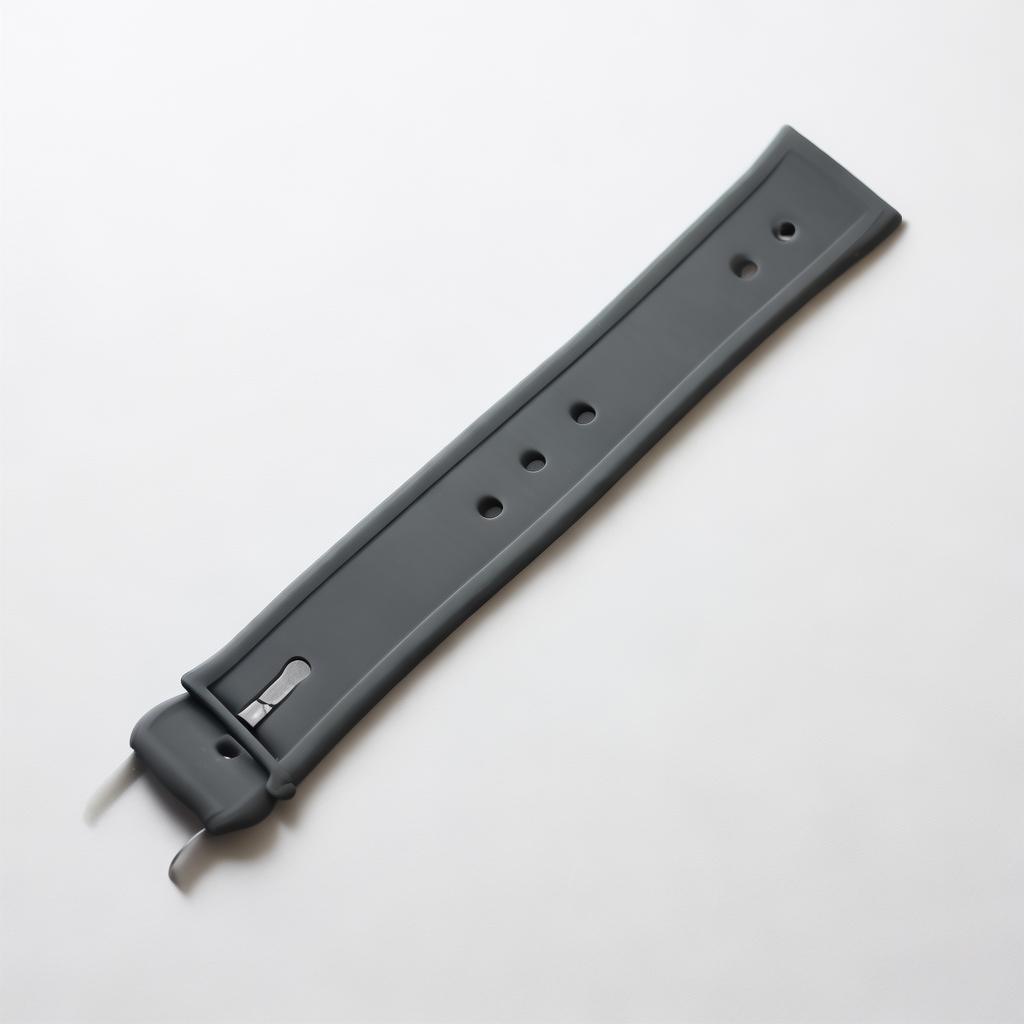
Automotive liquid waterproof silicone products Automotive liquid waterproof silicone accessories Liquid silicone waterproof plug for new energy vehicles
“We appreciate their transparency on lead times and quality certifications. The factory’s robust molding equipment and testing facilities translate directly into consistent product quality and faster response times.”
Get in Touch with Us
Interested in learning how liquid silicone waterproof packaging products can enhance your hybrid electric vehicle manufacturing? Reach out for detailed product catalogs, samples, or technical consultations.
- Phone: +86 17722437688 (Miss Zhang)
- Email: zmm@yingtai168.com, lh@yingtai168.com
- Whatsapp: +86 17722437688
- Address: No. 359 Chang'an Bubugao Road, Chang'an Town, Dongguan City, Guangdong Province, China
- Contact Page & More Details