Liquid Silicone Rubber Molding Solutions for Mauritius

Liquid Silicone Rubber Molding Solutions for Mauritius

Liquid Silicone Rubber Molding Solutions for Mauritius

Precision LSR and Injection Molding Services for Diverse Industries in Africa.

Current State of the Rubber and Plastics Industry in Mauritius

An Overview of Challenges and Opportunities.

Mauritius, as an island nation, relies heavily on imports for many of its raw materials, including those used in the rubber and plastics industry. This presents a challenge in terms of cost and lead times. However, the country's strategic location and growing manufacturing sector, particularly in textiles and medical devices, are driving demand for locally sourced, high-quality rubber and plastic components. The emphasis on sustainable practices also influences material choices and manufacturing processes.

The local industry is characterized by a mix of small-scale operations and a few larger players serving regional export markets. While traditional molding techniques are still prevalent, there’s a growing awareness and adoption of more advanced technologies like liquid silicone rubber molding, driven by the demand for specialized components in medical and pharmaceutical applications.

Government initiatives aimed at diversifying the economy and promoting local manufacturing provide some support to the industry. Access to skilled labor remains a key factor for growth, with investment in training programs needed to meet the evolving technical requirements of modern molding processes.
Evolution and Development of Molding Technologies in Mauritius

Tracing the Path from Traditional Methods to Advanced Techniques.

Market Development History

In the early stages, the rubber and plastics industry in Mauritius primarily focused on basic processing of imported materials. The 1980s saw the emergence of smaller workshops utilizing compression and transfer molding for simple rubber components, largely serving the agricultural and construction sectors. Demand was relatively low and focused on commodity products.

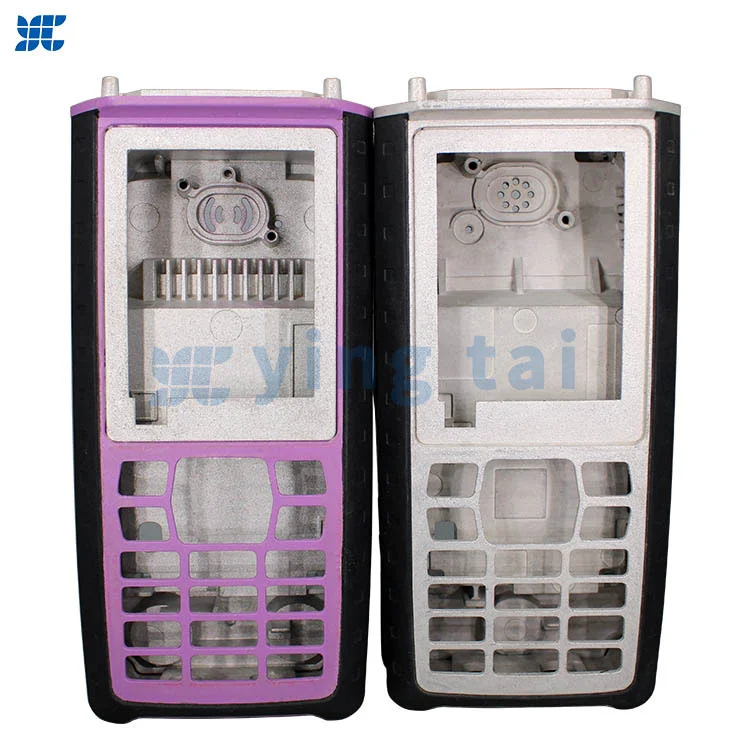
The 1990s and 2000s brought significant changes with the growth of the textile industry, leading to increased demand for plastic components like zippers, buttons, and fasteners. Injection molding tooling became more commonplace, though often relying on imported molds. The rise of the medical device sector in the late 2000s spurred a need for higher precision and specialized materials.

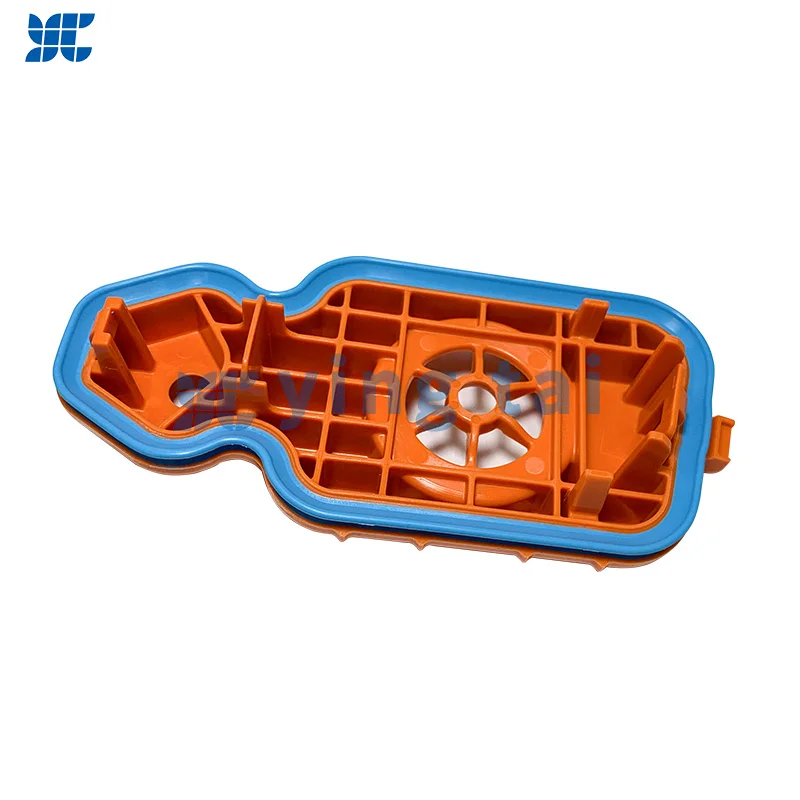
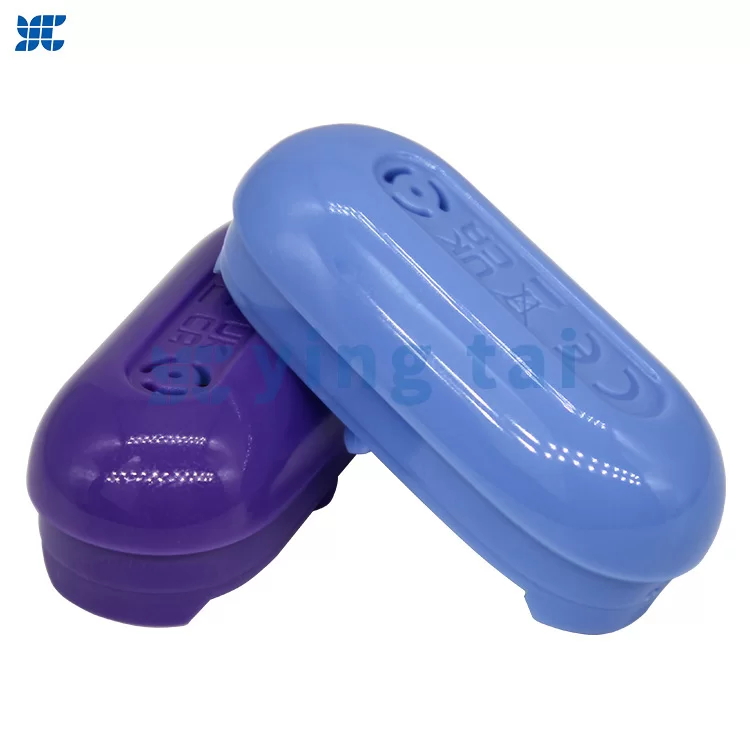
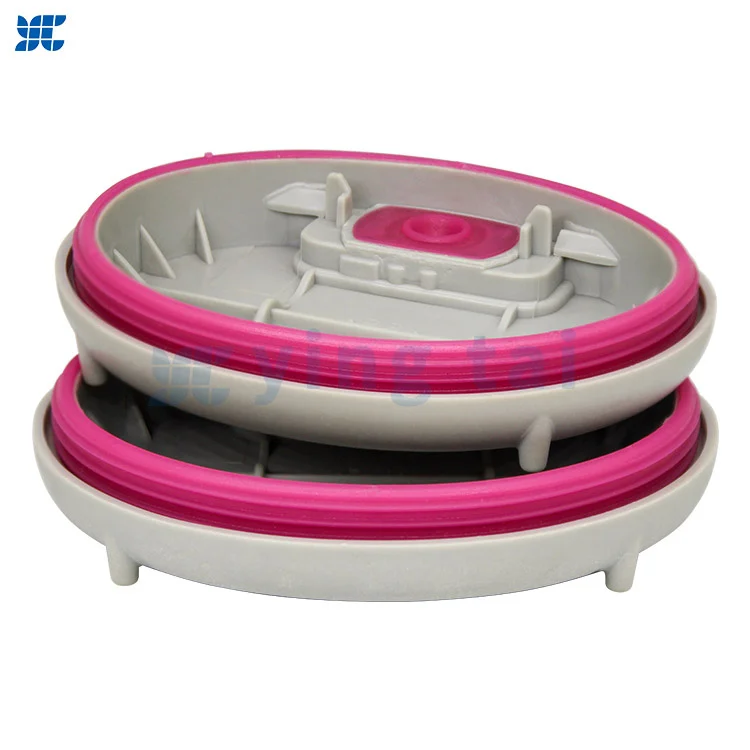
The last decade has witnessed a gradual adoption of advanced technologies like lsr moulding, driven by the stringent requirements of medical applications and the increasing availability of sophisticated machinery. Manufacturers are now more focused on value-added products and competing on quality rather than price.

Future Development Trends

Automation and Robotics

Increased automation and the integration of robotics in molding processes will be crucial for improving efficiency, reducing labor costs, and enhancing product quality. This trend is driven by the global shift towards Industry 4.0 and the need for greater competitiveness.

Sustainable Materials and Practices

Demand for eco-friendly materials and sustainable manufacturing practices will continue to grow. This includes the use of recycled plastics, biodegradable polymers, and energy-efficient molding technologies. Companies will need to prioritize environmental responsibility to meet consumer expectations and regulatory requirements.

Micro-Molding and Miniaturization

The trend towards miniaturization in various industries, particularly medical and electronics, will drive demand for micro-molding capabilities. This requires specialized equipment and expertise in handling very small and precise components.

Industry Trends and Future Outlook for Rubber and Plastics in Mauritius

Exploring Emerging Opportunities and Potential Challenges.

Growth in Medical Device Manufacturing
Mauritius is actively positioning itself as a regional hub for medical device manufacturing. This presents significant opportunities for liquid silicone rubber molding companies, as LSR is a critical material in many medical applications due to its biocompatibility and sterilization capabilities.
Expanding Pharmaceutical Industry
The growth of the pharmaceutical sector in Mauritius will drive demand for high-precision silicone rubber molding for seals, stoppers, and other critical components.
Increased Focus on Quality Standards
Mauritian manufacturers are increasingly adopting international quality standards (e.g., ISO 9001, IATF 16949) to meet the demands of global markets. This requires investment in advanced molding equipment and quality control processes.
Regional Export Opportunities
Mauritius's preferential trade agreements with other African countries and the EU create opportunities for exporting molded rubber and plastic products to regional markets.

Industry Outlook

The future looks promising for the rubber and plastics industry in Mauritius, driven by the growth of key sectors like medical devices, pharmaceuticals, and manufacturing. Investment in advanced technologies, sustainable practices, and skilled labor will be crucial for capitalizing on these opportunities.

Companies that can offer high-quality, customized solutions and meet stringent international standards will be well-positioned to succeed in the increasingly competitive global market.

Local Application Scenarios for Rubber and Plastics in Mauritius

Specific Examples Tailored to the Mauritian Market.

1. Medical Device Components

Mauritius's growing medical device manufacturing sector requires high-precision liquid silicone rubber components such as seals, gaskets, and tubing for surgical instruments and medical equipment.

2. Pharmaceutical Packaging

The pharmaceutical industry utilizes molded plastic containers and closures for packaging medications and healthcare products. Stringent quality control and compliance with regulatory standards are critical.

3. Agricultural Irrigation Systems

Plastic components, including pipes, connectors, and nozzles, are essential for efficient irrigation systems in Mauritius's agricultural sector, helping to conserve water and improve crop yields.

4. Automotive Parts

While automotive assembly is limited in Mauritius, there is demand for replacement parts and components for vehicle maintenance and repair, utilizing both rubber and plastic materials.

Brand Story

The Global Development History of Guangdong Yingtai High-Precision Technology Co., Ltd.

Our Commitment to Precision Molding

We are dedicated to delivering high-quality injection molding mold and lsr moulding solutions tailored to the unique needs of our clients.

Solving Complex Manufacturing Challenges

We specialize in tackling intricate design and manufacturing challenges, providing innovative solutions that optimize performance and reduce costs.

Investing in Cutting-Edge Technology

We continuously invest in state-of-the-art equipment and advanced molding techniques to ensure superior quality and efficiency.

Customer-Centric Approach

We prioritize customer satisfaction, providing personalized service and building long-term relationships based on trust and collaboration.

Sustainability and Responsibility

We are committed to sustainable manufacturing practices and minimizing our environmental impact.

Frequently Asked Questions – Mauritius

Addressing Common Inquiries About Our Services.

What is the typical lead time for a custom liquid silicone rubber mold?

Lead times for custom molds vary depending on complexity, size, and material. Generally, it takes 4-8 weeks from design confirmation to mold completion.

Do you offer design assistance for injection molding tooling projects?

Yes, we have a dedicated team of experienced engineers who can provide design assistance, including mold flow analysis, material selection, and manufacturability review.

What materials are commonly used for silicone rubber molding in medical applications?

Medical-grade silicones, such as LSR 2000, LSR 3000, and LSR 7000, are commonly used due to their biocompatibility, sterilization resistance, and flexibility.

What quality control measures do you have in place to ensure the accuracy of injection molding molds?

We employ a rigorous quality control process, including dimensional inspection using CMM, material testing, and visual inspection to ensure molds meet the highest standards of accuracy and precision.

Can you provide documentation for materials used in lsr moulding, such as certificates of compliance?

Yes, we can provide material certificates of compliance (COC) and other relevant documentation to ensure traceability and meet regulatory requirements.

What is the minimum order quantity (MOQ) for custom molded rubber parts?

The MOQ varies depending on the complexity of the part and the material used. We can accommodate both small-batch and large-volume production runs. Contact us to discuss your specific requirements.

Get in Touch with Our Experts

We are ready to discuss your liquid silicone rubber and plastic molding needs in Africa - Mauritius.

Contact Us Now