LSR Moulding Solutions for North Korea

LSR Moulding Solutions for North Korea

LSR Moulding Solutions for North Korea

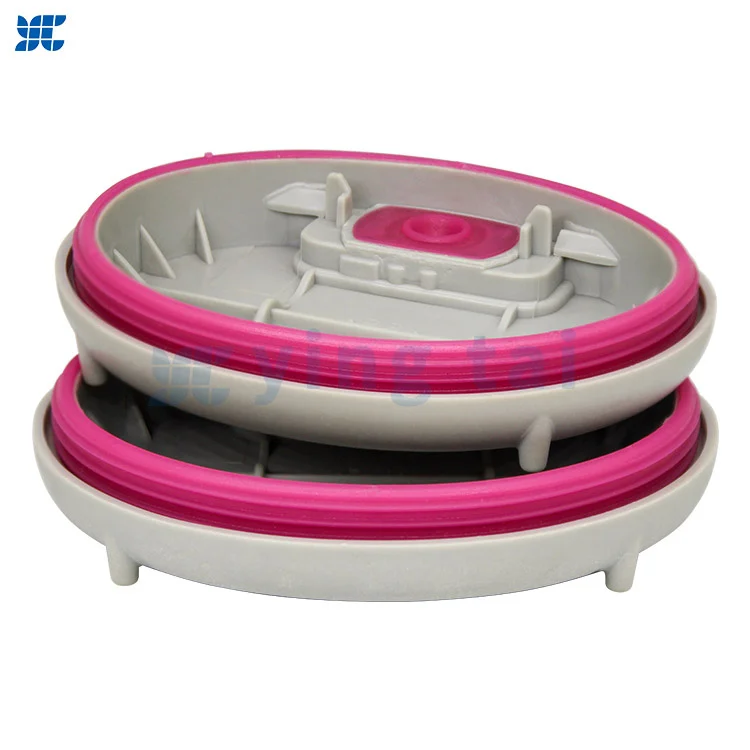
Providing high-precision liquid silicone rubber and plastic injection molding services tailored for the North Korean market.

Current Landscape of Rubber and Plastic Manufacturing in North Korea

Analyzing the challenges and opportunities for rubber and plastic manufacturing within North Korea’s unique economic environment.

North Korea's manufacturing sector, including rubber and plastics, faces significant constraints due to international sanctions and limited access to modern technology. However, there's a growing internal demand for essential goods like medical supplies and household items, creating a niche market. The availability of raw materials is a major hurdle, often relying on imports or domestically produced substitutes of varying quality. Liquid silicone rubber applications are emerging, primarily driven by medical and consumer product needs.

Geographically, industrial activity is concentrated around major cities like Pyongyang, with limited infrastructure in rural areas. The climate, characterized by cold winters and hot summers, can impact material performance and production processes. The economic system prioritizes self-reliance ("Juche"), leading to a focus on producing goods domestically, even with potentially lower efficiency compared to international standards. Injection molding mold technology has seen slow adoption.

Despite the difficulties, a determined entrepreneurial spirit exists within the country. Small-scale manufacturing facilities are developing, focusing on meeting basic consumer needs. These operations often lack access to advanced equipment and rely on adaptable strategies to overcome supply chain limitations. The demand for durable and reliable products is high, providing an opportunity for companies offering quality silicone rubber molding services.
Historical Development and Trajectory of Rubber & Plastic Manufacturing in North Korea

Tracing the evolution of manufacturing techniques from traditional methods to contemporary advancements.

Market Development History

Prior to the 1990s, North Korea's rubber and plastic industry was largely based on Soviet-era technology, focused on producing basic industrial components and consumer goods. This era relied heavily on centralized planning and large-scale state-owned enterprises. LSR moulding was virtually non-existent due to the complexity of the material and limited access to specialized equipment.

The 1990s brought a period of severe economic hardship ("The Arduous March"), leading to a decline in manufacturing output. However, it also spurred the growth of informal, small-scale production units aimed at addressing immediate consumer needs. The early 2000s witnessed a gradual increase in foreign investment, primarily from China, bringing in some improvements to infrastructure and technology, though often focused on resource extraction rather than manufacturing.

In the last decade, there's been a slow but steady shift towards more specialized manufacturing, driven by the demand for medical devices, packaging, and household products. The introduction of basic injection molding tooling technologies has allowed for increased domestic production. However, sanctions continue to restrict access to advanced machinery and materials.

Future Development Trends

Automation and Precision Engineering

The integration of automated systems and precision engineering techniques will be crucial for improving efficiency and product quality. Although hampered by sanctions, the adoption of robotics and computer-aided design (CAD) will become increasingly important.

Sustainable Materials and Recycling

Growing awareness of environmental concerns will drive demand for sustainable materials and recycling technologies. Bioplastics and biodegradable polymers may gain traction, despite logistical challenges.

Specialized Silicone Applications

The medical and pharmaceutical sectors will continue to fuel demand for specialized liquid silicone rubber components, requiring advanced molding techniques and quality control processes.

Industry Trends and Future Outlook for Rubber and Plastics in North Korea

Forecasting the direction of the industry over the next 3-5 years.

Increased Demand for Medical Components
The healthcare sector will experience significant growth, driving demand for high-quality, sterilized silicone rubber products for medical devices, tubing, and seals.
Growing Packaging Industry
Expansion of the consumer goods market will increase the need for plastic packaging materials, creating opportunities for injection molding companies.
Localized Production Initiatives
Government policies promoting self-reliance will further encourage localized production of rubber and plastic goods.
Challenges with Material Sourcing
Continued limitations in accessing raw materials will remain a key obstacle, necessitating innovative sourcing strategies and potential reliance on recycled materials.

Industry Outlook

The North Korean rubber and plastic industry is poised for modest growth, driven primarily by domestic demand and government initiatives. While significant challenges remain due to sanctions and infrastructure limitations, opportunities exist for companies that can adapt to the unique operating environment and provide high-quality, locally-produced products.

Success will depend on fostering local partnerships, investing in efficient manufacturing processes, and navigating the complex regulatory landscape. The long-term outlook remains uncertain, but a focus on essential goods and specialized applications will be crucial for sustained growth.

Localized Application Scenarios for Rubber and Plastic Products in North Korea

Illustrating practical applications of these materials within the North Korean context.

1. Medical Tubing and Seals

Demand for high-quality medical tubing and seals made from liquid silicone rubber is increasing due to the need for improved healthcare infrastructure and the production of essential medical devices.

2. Agricultural Irrigation Systems

Plastic pipes and fittings for irrigation systems are crucial for enhancing agricultural productivity, particularly in regions with limited water resources.

3. Packaging for Food and Consumer Goods

Injection molded plastic packaging is essential for preserving food products and protecting consumer goods, reducing waste and extending shelf life.

4. Components for Industrial Machinery

Rubber seals, gaskets, and other components are needed for maintaining and repairing industrial machinery across various sectors, including mining and manufacturing.

Brand Story

The global development journey of Guangdong Yingtai High-Precision Technology Co., Ltd.

Our Commitment to Precision

We strive to deliver unparalleled precision in every injection molding mold and silicone component, ensuring optimal performance and reliability.

Overcoming Manufacturing Challenges

We specialize in navigating complex manufacturing hurdles, providing innovative solutions for challenging applications.

Focus on Quality Assurance

Rigorous quality control processes are integrated throughout our production cycle, ensuring consistently high standards.

Partnerships for Success

We forge strong collaborative partnerships with our clients, understanding their unique needs and delivering tailored solutions.

Innovation and Adaptability

We embrace innovation and continuously adapt our processes to meet the evolving demands of the market.

Frequently Asked Questions - North Korea

Addressing common inquiries related to our services and products within the North Korean market.

What are the import regulations for silicone rubber materials into North Korea?

Import regulations are complex and subject to change. We recommend engaging a specialized import/export agency familiar with North Korean trade policies to ensure compliance. Restrictions and required documentation vary based on the specific grade and application of the silicone rubber.

Can you provide injection molding tooling for specialized medical components?

Yes, we have extensive experience designing and manufacturing precision molds for complex medical components, utilizing high-quality materials and adhering to strict quality control standards. We can accommodate a range of specifications and production volumes.

What is the typical lead time for delivering a custom lsr moulding project to North Korea?

Lead times vary depending on the complexity of the project and transportation logistics. Typically, it takes 8-12 weeks for mold fabrication and sample approval, followed by 4-6 weeks for delivery to North Korea, factoring in customs clearance and transportation considerations.

Do you offer design assistance for plastic parts intended for the North Korean market?

Yes, our experienced engineering team provides comprehensive design assistance, including material selection, part optimization, and mold flow analysis. We can work with your existing designs or create new designs from concept.

What quality control measures do you implement for silicone rubber molding projects?

We employ a rigorous quality control system throughout the entire production process, including incoming material inspection, in-process monitoring, and final product testing. We use advanced measurement equipment and adhere to international quality standards.

What payment methods are accepted for orders destined for North Korea?

Due to international banking regulations, we primarily accept payments via wire transfer through designated international banks. Specific payment terms will be discussed on a case-by-case basis.

Get in Touch with Our Experts

Let us help you navigate the complexities of rubber and plastic manufacturing in North Korea. Contact us today to discuss your project requirements.

Contact Us Now