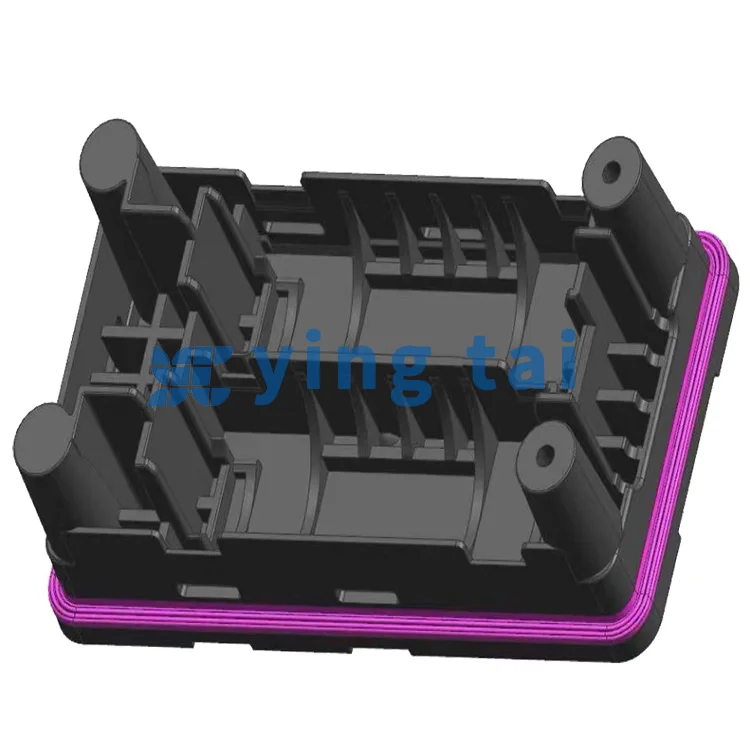
LSR Moulding Solutions for Norway’s Demanding Industries

LSR Moulding Solutions for Norway’s Demanding Industries

LSR Moulding Solutions for Norway’s Demanding Industries

Expert Liquid Silicone Rubber and Injection Molding Services Tailored for European Markets.

The Current Landscape of Rubber and Plastic Manufacturing in Norway

Understanding the Norwegian Market Dynamics for Silicone and Plastic Products.

Norway’s manufacturing sector, while relatively small, is highly specialized and technologically advanced. The demand for high-quality liquid silicone rubber products is driven by key industries like oil and gas, healthcare, and maritime. Strict environmental regulations and a focus on sustainability are also shaping the industry’s direction.

Geographically, Norway's challenging terrain and dispersed population require robust and reliable components, increasing the need for durable materials like silicone and engineered plastics. The high cost of labor encourages investment in automation and precision manufacturing techniques, making injection molding mold quality paramount.

The Norwegian economy’s strength and commitment to innovation support a consistent demand for sophisticated rubber and plastic solutions. Local manufacturers often collaborate with international partners to access specialized expertise, particularly in areas like silicone rubber molding and complex tooling.
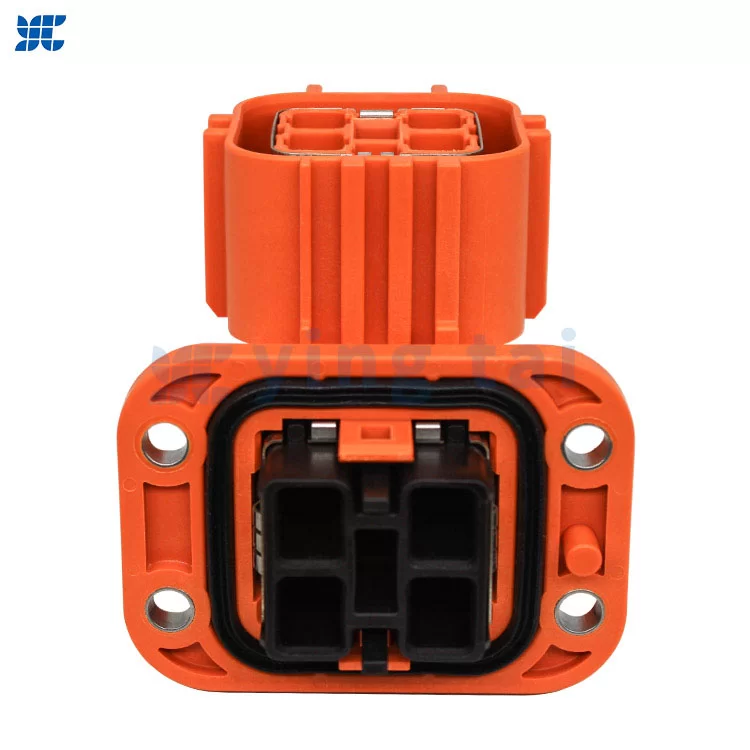
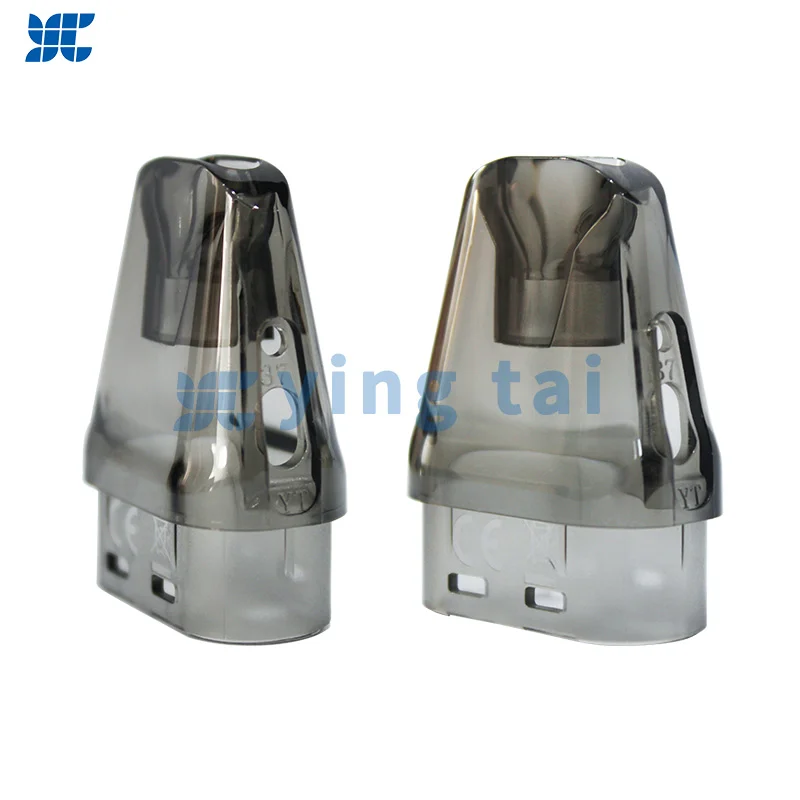
Evolution of Rubber and Plastic Manufacturing: From Traditional Methods to Cutting-Edge Technology

Tracing the Development of Molding Techniques and Materials.

Market Development History

Historically, rubber and plastic manufacturing relied on manual processes and basic molding techniques. The mid-20th century saw the introduction of early injection molding machines, initially used for mass-producing simple plastic parts. This marked a significant shift towards automation and increased production efficiency.

The 1980s and 90s brought advancements in materials science, leading to the development of high-performance polymers and silicone rubbers. Computer Numerical Control (CNC) machining revolutionized tooling fabrication, allowing for greater precision and complexity in injection molding tooling.

The 21st century has witnessed the rise of Liquid Silicone Rubber (LSR) molding, enabling the production of intricate and highly functional components for demanding applications. Additive manufacturing (3D printing) is also emerging as a complementary technology for prototyping and small-batch production.

Future Development Trends

Micro-Molding and Miniaturization

Demand for increasingly smaller and more complex parts, particularly in the medical and microelectronics sectors, will drive advancements in micro-molding technologies. Expect to see greater use of precision machinery and innovative mold designs.

Sustainable Materials and Circular Economy

Growing environmental concerns will push the industry towards using bio-based polymers, recycled plastics, and biodegradable materials. Focus will be on designing for recyclability and implementing closed-loop manufacturing systems.

Automation and Industry 4.0 Integration

Full automation of molding processes, coupled with real-time data monitoring and analytics (Industry 4.0), will become increasingly prevalent. This will lead to improved quality control, reduced waste, and increased efficiency.

Industry Trends and Future Outlook for Rubber and Plastic Manufacturing in Norway

Forecasting the Future of Molding Technologies in the Norwegian Market.

Advanced Material Selection
Norwegian industries will increasingly demand specialized silicone and plastic materials with enhanced properties, such as high temperature resistance, chemical compatibility, and biocompatibility.
Increased Automation
To mitigate high labor costs and improve efficiency, Norwegian manufacturers will invest heavily in automated molding systems and robotic process automation (RPA).
Digital Twin Technology
The adoption of digital twin technology, creating virtual replicas of molding processes, will enable predictive maintenance, process optimization, and faster prototyping.
Focus on Sustainability
Norwegian companies will prioritize environmentally friendly manufacturing practices, driving demand for sustainable materials and energy-efficient molding processes.

Industry Outlook

The Norwegian rubber and plastic manufacturing industry is poised for continued growth, fueled by innovation and a commitment to sustainability. Collaboration between local manufacturers and international experts will be crucial to navigating the challenges and capitalizing on emerging opportunities.

Investing in advanced technologies, skilled labor, and sustainable practices will be key to maintaining competitiveness in the global market. The demand for high-quality, customized silicone and plastic solutions will remain strong across key Norwegian industries.

Local Application Scenarios in Norway

Real-World Examples of Silicone and Plastic Solutions in the Norwegian Market.

1. Marine Equipment Seals

Norway's extensive maritime industry requires durable and reliable seals for boats, ships, and offshore platforms. Liquid silicone rubber is ideal for these applications due to its resistance to saltwater, UV radiation, and extreme temperatures.

2. Medical Device Components

Norway's healthcare sector demands high-precision silicone components for medical devices, such as respiratory masks, surgical instruments, and drug delivery systems. LSR moulding provides the necessary accuracy and biocompatibility.

3. Oil and Gas Exploration Tools

The oil and gas industry utilizes specialized rubber and plastic components in drilling tools, pipeline seals, and safety equipment. These components must withstand harsh conditions, including high pressure, extreme temperatures, and corrosive chemicals.

4. Automotive Parts for Electric Vehicles

With Norway leading the way in electric vehicle adoption, there is increasing demand for silicone and plastic components used in battery systems, charging infrastructure, and vehicle interiors. These components require excellent insulation properties and durability.

Brand Story

Guangdong Yingtai High-Precision Technology Co., Ltd.'s Global Development Journey

Commitment to Precision

Founded on a foundation of engineering excellence, we strive for unmatched precision in every mold we create.

Global Reach, Local Expertise

We combine global manufacturing capabilities with a dedicated focus on understanding the unique needs of the Norwegian market.

Innovation at the Core

We continuously invest in research and development to stay at the forefront of molding technology and material science.

Sustainable Manufacturing

We are committed to minimizing our environmental impact through responsible material selection and energy-efficient processes.

Client-Centric Approach

We prioritize building long-term partnerships with our clients, providing customized solutions and exceptional customer support.

Frequently Asked Questions - Norway

Addressing Common Concerns Regarding Silicone and Plastic Molding.

What materials are best suited for outdoor applications in Norway's climate?

For outdoor applications in Norway, materials like silicone rubber, EPDM, and UV-stabilized polypropylene are recommended due to their resistance to cold temperatures, moisture, and UV radiation.

What is the typical lead time for a custom injection molding project?

The lead time for a custom injection molding mold project typically ranges from 4 to 12 weeks, depending on the complexity of the design and the tooling requirements.

Do you offer design assistance for new molding projects?

Yes, we provide comprehensive design assistance services, including mold flow analysis, design for manufacturability (DFM) reviews, and prototype development.

What quality control measures are in place to ensure product consistency?

We employ a rigorous quality control system, including dimensional inspections, material testing, and visual inspections, to ensure that all products meet the highest standards of quality and consistency.

Can you handle low-volume production runs for specialized applications?

Yes, we are equipped to handle both high-volume and low-volume production runs, providing flexible manufacturing solutions to meet our clients' diverse needs.

What certifications does your company hold regarding quality and environmental standards?

We are ISO 9001 certified, demonstrating our commitment to quality management, and we adhere to strict environmental regulations throughout our manufacturing processes.

Get in Touch with Our Experts

Let us help you find the perfect rubber or plastic solution for your project in Europe - Norway.

Contact Us Now