LSR Moulding Solutions for Thailand’s Industries

LSR Moulding Solutions for Thailand’s Industries

LSR Moulding Solutions for Thailand's Industries

Precision Engineering and Manufacturing of Liquid Silicone Rubber and Plastic Products in Asia.

The Current Landscape of Rubber and Plastics Manufacturing in Thailand

Thailand's manufacturing sector and the status of liquid silicone rubber moulding.

Thailand presents a dynamic market for rubber and plastic products, driven by its robust automotive, medical device, and consumer goods industries. The country's strategic location, coupled with a skilled workforce and competitive labor costs, makes it an attractive hub for manufacturing. Demand for specialized materials like liquid silicone rubber is on the rise due to its unique properties and expanding applications.

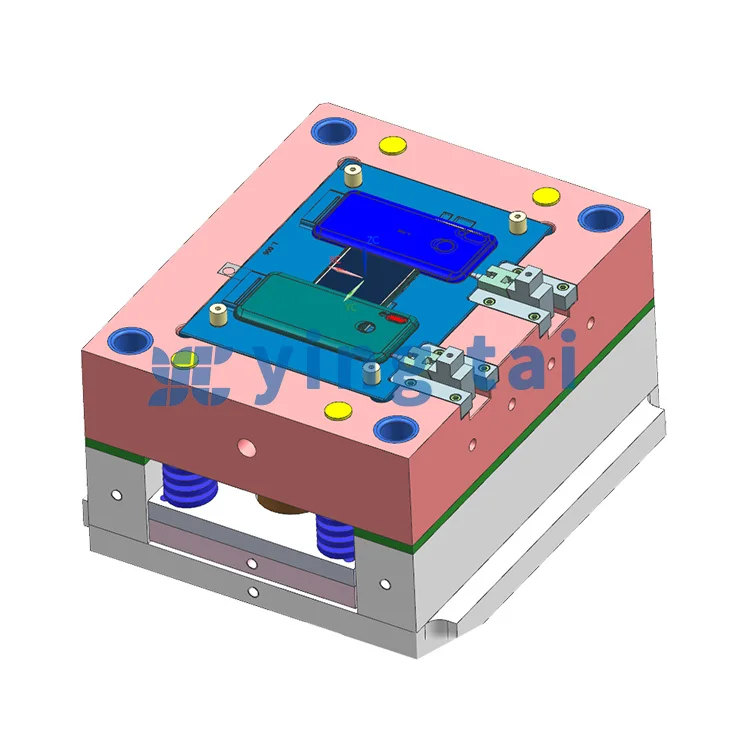
However, the industry faces challenges such as increasing competition from other Southeast Asian countries, the need for technological upgrades to meet evolving customer demands, and the rising cost of raw materials. Local manufacturers are increasingly focused on value-added products and innovative solutions to maintain their competitive edge. Injection molding tooling is a key area for investment.

The geographical advantages of Thailand, with its access to key regional markets, combined with government initiatives to promote investment in advanced manufacturing technologies, position the industry for continued growth. LSR moulding is a critical component in this expansion.
Evolution of Rubber & Plastic Manufacturing in Thailand

Tracing the Development Trajectory.

Market Development History

In the 1980s and 90s, Thailand’s rubber and plastics industry primarily focused on commodity production. Initial growth was fuelled by the expansion of the automotive sector, requiring basic rubber components. Techniques were largely traditional, relying on simple injection molding mold designs and manual processes.

The early 2000s saw a shift towards higher-quality products and the adoption of more advanced technologies. Increased foreign investment brought in sophisticated machinery and expertise. This period witnessed the emergence of specialized silicone rubber molding capabilities.

From 2010 onwards, the industry began to embrace automation, precision engineering, and advanced materials like liquid silicone rubber (LSR). The rise of medical device manufacturing spurred demand for high-precision, biocompatible materials, accelerating the adoption of LSR moulding techniques.

Future Development Trends

Automation and Robotics

Increased automation in injection molding and mold-making processes will be a key trend, reducing labor costs and improving efficiency.

Material Science Advancements

The development of new and improved silicone rubber compounds with enhanced properties will drive innovation in product design and performance.

Sustainable Manufacturing Practices

Growing emphasis on eco-friendly materials and production processes to meet increasing environmental regulations and consumer demand.

Industry Trends and Future Outlook for Thailand

Exploring emerging technologies and growth opportunities.

Advanced Materials
The demand for high-performance materials like liquid silicone rubber (LSR) will continue to grow, particularly in specialized applications.
Smart Manufacturing
Integration of IoT and data analytics to optimize production processes and improve quality control in injection molding tooling.
Customization & Flexibility
Demand for customized products will drive the need for flexible manufacturing solutions and rapid prototyping capabilities.
Sustainability Focus
Increased adoption of sustainable materials and manufacturing practices driven by regulatory pressure and consumer demand.

Industry Outlook

The Thai rubber and plastics industry is projected to experience moderate growth over the next 3-5 years, driven by the continued expansion of key end-use industries. Investments in automation and advanced materials will be crucial for maintaining competitiveness.

Companies that prioritize sustainability, customization, and technological innovation will be best positioned to capitalize on emerging opportunities in the market. Silicone rubber molding is predicted to increase significantly.

Local Application Scenarios in Thailand

Real-world applications of LSR and plastic molding in the Thai market.

1. Medical Device Components

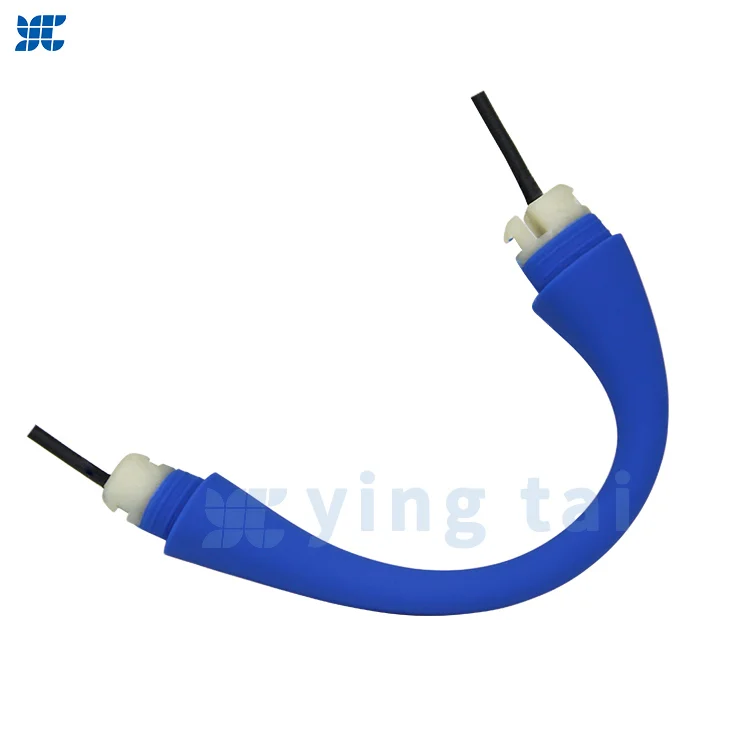
Thailand's growing medical device industry relies heavily on high-precision silicone rubber components for seals, gaskets, and tubing. LSR moulding provides the biocompatibility and durability required for these critical applications.

2. Automotive Parts

The automotive sector utilizes a wide range of molded plastic and rubber parts, including seals, gaskets, hoses, and interior components. Demand for lightweight and durable materials is driving innovation in this area.

3. Consumer Goods

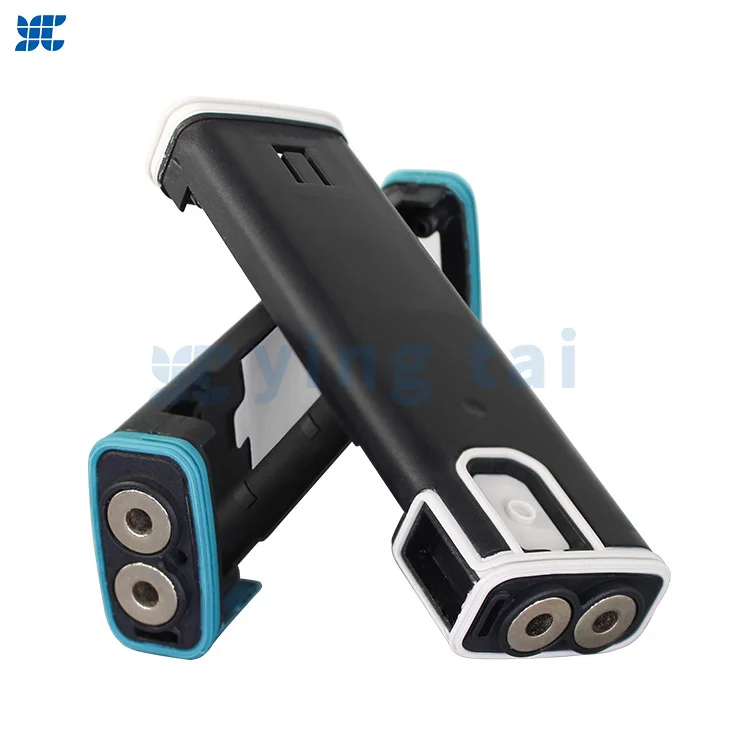
Silicone rubber is increasingly used in consumer goods such as kitchenware, baby products, and personal care items due to its non-toxic and heat-resistant properties.

4. Electrical and Electronic Connectors

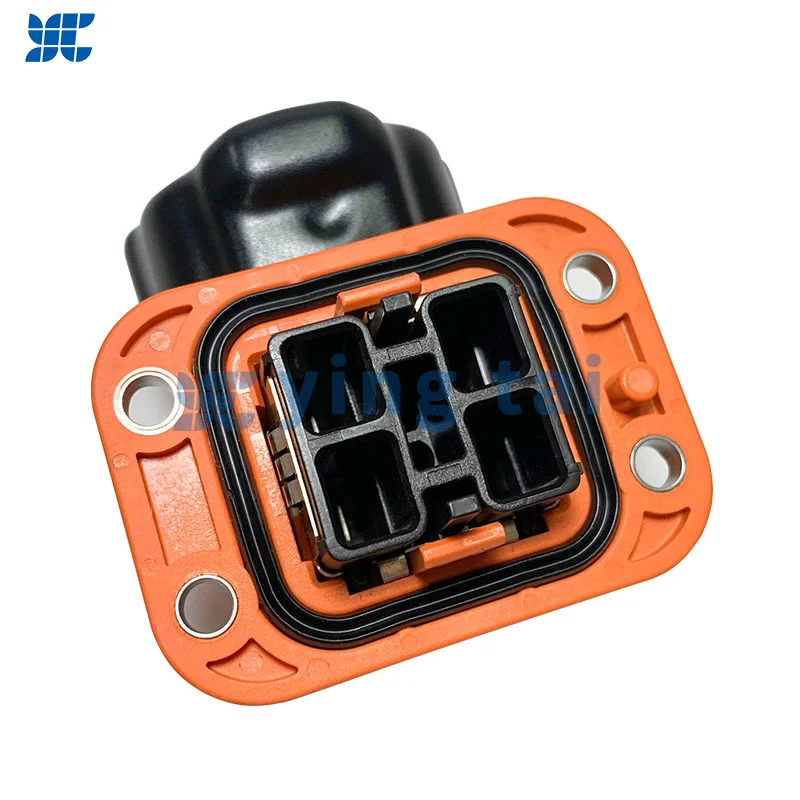
The electronics industry requires high-performance connectors and seals that can withstand harsh environments. LSR moulding is ideal for producing these components due to its excellent electrical insulation properties.

Brand Story

The Global Development Journey of Guangdong Yingtai High-Precision Technology Co., Ltd.

Our Commitment to Precision

At Yingtai, we are dedicated to delivering the highest quality liquid silicone rubber and plastic molding solutions. We understand the critical importance of precision and reliability in today’s demanding markets.

Innovation at Our Core

We continuously invest in research and development to stay at the forefront of molding technology, ensuring we can meet the evolving needs of our customers.

Customer-Centric Approach

We build strong relationships with our customers, providing personalized service and tailored solutions to meet their specific requirements.

Quality Assurance

We adhere to strict quality control standards throughout the entire manufacturing process, ensuring consistent and reliable products.

Sustainable Practices

We are committed to environmentally responsible manufacturing practices, minimizing waste and promoting sustainability.

Frequently Asked Questions - Thailand

Addressing common inquiries from our clients in Thailand.

What is the typical lead time for a custom LSR molding project in Thailand?

Lead times vary depending on the complexity of the project, but generally range from 4-8 weeks from design confirmation to production.

Do you offer design assistance for injection molding tooling projects?

Yes, our experienced engineering team can provide design assistance to optimize your parts for manufacturability and performance.

What materials are compatible with LSR moulding?

We work with a wide range of liquid silicone rubber compounds, including medical-grade, food-grade, and industrial-grade materials.

What quality control measures do you have in place?

We utilize advanced inspection equipment and follow rigorous quality control procedures throughout the entire manufacturing process, including dimensional checks, visual inspections, and material testing.

Can you handle both small-volume and large-scale production runs?

Yes, we are equipped to handle both small-volume prototyping and large-scale production runs to meet your specific needs.

What is the cost associated with silicone rubber molding?

The cost depends on several factors, including the complexity of the part, the material used, and the production volume. We provide detailed quotes based on your specific requirements.

Get in Touch with Us

We are your trusted partner for liquid silicone rubber and plastic molding solutions in Thailand and across Asia.

Contact Us Now