LSR Moulding Solutions for Yemen’s Growing Industries

LSR Moulding Solutions for Yemen’s Growing Industries

LSR Moulding Solutions for Yemen's Growing Industries

Providing high-precision liquid silicone rubber and plastic injection molding services tailored to the unique needs of the Yemeni market.

The Current State of Rubber and Plastics Manufacturing in Yemen

Challenges and Opportunities in a Developing Market.

Yemen's manufacturing sector, including rubber and plastics, faces significant challenges due to ongoing geopolitical instability and economic hardship. The reliance on imported raw materials, limited access to advanced technologies, and infrastructure deficiencies are major hurdles. However, the demand for essential rubber and plastic products – particularly in healthcare and consumer goods – remains consistent, creating opportunities for resilient manufacturers.

The arid climate of Yemen presents unique challenges for materials requiring UV resistance and durability. Silicone rubber molding solutions are particularly well-suited for these conditions, as silicone offers excellent resistance to heat, weathering, and chemical exposure. Local manufacturers are increasingly recognizing the benefits of silicone over traditional materials.

Despite the difficulties, local entrepreneurs are striving to establish and expand manufacturing capabilities. The potential for growth is linked to improvements in the security situation, infrastructure development, and government support for local industries. A key element will be adopting efficient and cost-effective manufacturing processes, such as precision injection molding mold techniques.
Evolution of Rubber and Plastic Manufacturing in Yemen

From Traditional Methods to Modern Technologies

Market Development History

Prior to the 1990s, Yemen’s rubber and plastic industry was largely reliant on basic processing of imported materials. Manufacturing was primarily limited to small-scale production of simple consumer goods. This era was characterized by manual processes and limited quality control.

The early 2000s saw a gradual introduction of semi-automated machinery and a growing awareness of the benefits of injection molding tooling. This period marked the beginning of improved production efficiency and product consistency. However, access to advanced technologies remained restricted.

The last decade has witnessed the emergence of specialized manufacturers focusing on niche applications, such as medical devices and industrial components. These companies have begun to invest in modern equipment and skilled labor, driving innovation and quality improvements. Liquid silicone rubber has become increasingly popular due to its biocompatibility and versatility.

Future Development Trends

Increased Automation and Robotics

The integration of automation and robotics will be critical to enhance production efficiency, reduce labor costs, and improve product quality. This trend is driven by the need to compete globally and meet increasingly stringent quality standards.

Sustainable Manufacturing Practices

Growing environmental concerns will lead to a greater emphasis on sustainable manufacturing practices, including the use of recycled materials and energy-efficient technologies. Demand for eco-friendly materials will increase.

Advanced Materials and Applications

The development of new materials with enhanced properties, such as improved heat resistance and chemical compatibility, will drive innovation and expand the range of applications for rubber and plastic products. Silicone rubber molding will continue to gain prominence.

Industry Trends and Future Outlook for Yemen

Navigating Challenges and Seizing Opportunities

Rising Demand for Medical-Grade Silicone
Yemen’s healthcare sector is experiencing growth, driving demand for high-quality medical devices and components made from biocompatible materials like liquid silicone rubber.
Growth in Consumer Goods Manufacturing
Increased consumer spending is fueling demand for a wider range of plastic products, including packaging, household items, and consumer electronics components.
Need for Durable Industrial Components
Developing infrastructure and industrial projects require robust and long-lasting components made from high-performance plastics and silicone rubber.
Focus on Cost-Effective Manufacturing
Yemeni manufacturers are seeking solutions that balance quality and affordability. Efficient injection molding mold design and material selection are key.

Industry Outlook

The long-term outlook for the rubber and plastics industry in Yemen is cautiously optimistic. Significant improvements in political stability and economic conditions are essential for sustained growth. However, the underlying demand for these materials remains strong, particularly in essential sectors like healthcare and infrastructure.

Investing in skilled labor, adopting advanced manufacturing technologies, and fostering a supportive regulatory environment will be crucial to unlocking the full potential of this industry in Yemen. Collaboration between local manufacturers and international partners can accelerate innovation and drive economic development.

Localized Applications in Yemen

Real-World Examples of Rubber and Plastic Solutions

1. Medical-Grade Silicone Seals for Water Purification Systems

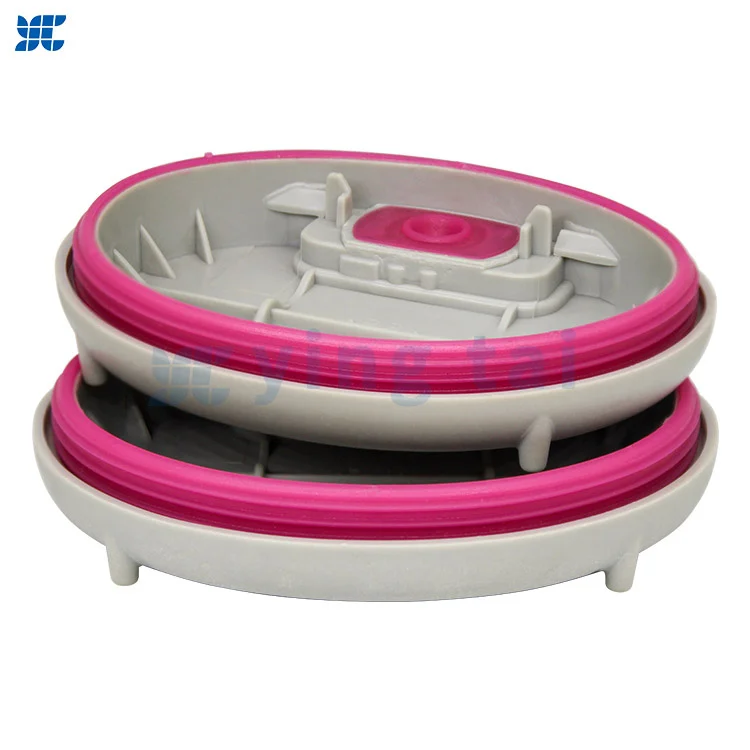
Addressing the critical need for clean drinking water, locally manufactured water purification systems utilize liquid silicone rubber seals for reliable and hygienic performance. These seals withstand harsh environmental conditions and ensure long-term durability.

2. Durable Plastic Containers for Agricultural Produce

Supporting Yemen’s agricultural sector, robust plastic containers are used for storing and transporting fruits, vegetables, and other produce, minimizing post-harvest losses and improving market access.

3. Protective Silicone Components for Solar Power Installations

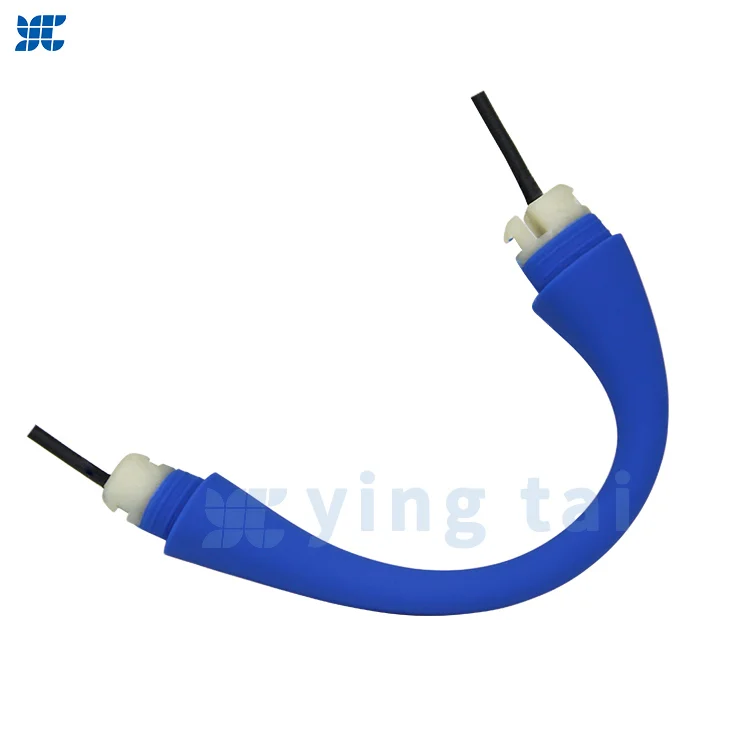
With increasing adoption of solar energy, silicone rubber components are used to protect sensitive electrical connections from dust, moisture, and extreme temperatures, extending the lifespan of solar power systems.

4. Injection Molded Plastic Parts for Irrigation Systems

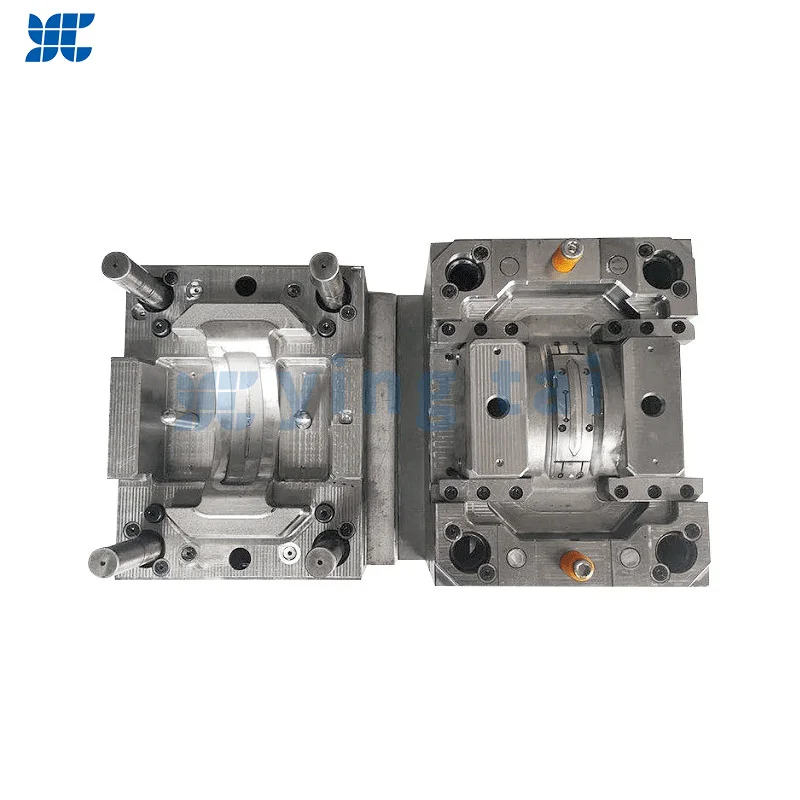
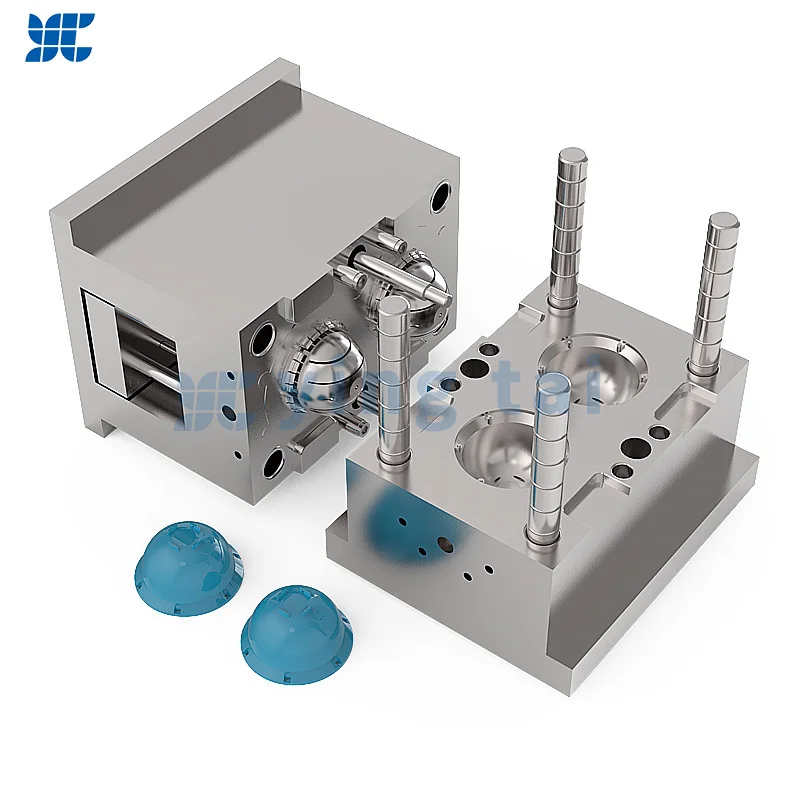
Efficient irrigation is vital in Yemen's arid climate. Injection molding mold techniques are used to produce durable and cost-effective plastic components for irrigation systems, improving water management practices.

Brand Story

Guangdong Yingtai High-Precision Technology Co., Ltd. Global Development Journey

Commitment to Quality and Innovation

Since our inception, we’ve been dedicated to providing high-quality molding solutions. We focus on precision and reliability.

Addressing Unique Challenges

We specialize in solving complex molding challenges, particularly in demanding environments like Yemen.

Local Partnership & Support

We prioritize building strong relationships with businesses in Yemen, offering dedicated support and expertise.

Sustainable Manufacturing Practices

We are committed to environmentally responsible manufacturing processes, minimizing waste and reducing our carbon footprint.

Reliable Supply Chain

We maintain a robust and reliable supply chain, ensuring timely delivery of products to our clients in Yemen.

Frequently Asked Questions - Yemen

Answers to Common Inquiries

What types of silicone rubber are best suited for Yemen’s hot and dry climate?

For Yemen’s climate, we recommend using heat-resistant and UV-stabilized silicone rubber compounds. These materials maintain their properties and integrity even under prolonged exposure to high temperatures and sunlight.

What is the typical lead time for injection molding mold manufacturing and delivery to Yemen?

Lead times vary depending on the complexity of the mold. Generally, mold manufacturing takes 4-8 weeks, and shipping to Yemen adds another 2-4 weeks.

Do you offer design assistance for plastic and silicone components?

Yes, our experienced engineering team provides comprehensive design assistance, including CAD modeling, mold flow analysis, and material selection.

What quality control measures do you have in place to ensure product reliability?

We adhere to strict quality control standards throughout the entire manufacturing process, including incoming material inspection, in-process quality checks, and final product testing.

Can you manufacture small-volume production runs for specialized applications?

Yes, we are equipped to handle both large-scale production and small-volume runs, catering to diverse customer needs. Our flexible manufacturing processes allow us to adapt to different order quantities.

What materials are compatible with lsr moulding for medical devices used in Yemen?

We offer a range of medical-grade silicone rubbers that meet international standards for biocompatibility and sterilization. Common materials include USP Class VI silicone and ISO 10993 compliant formulations.

Get in Touch with Us Today!

We are your trusted partner for high-quality rubber and plastic molding solutions in Yemen. Let's discuss your project requirements!

Contact Us Now