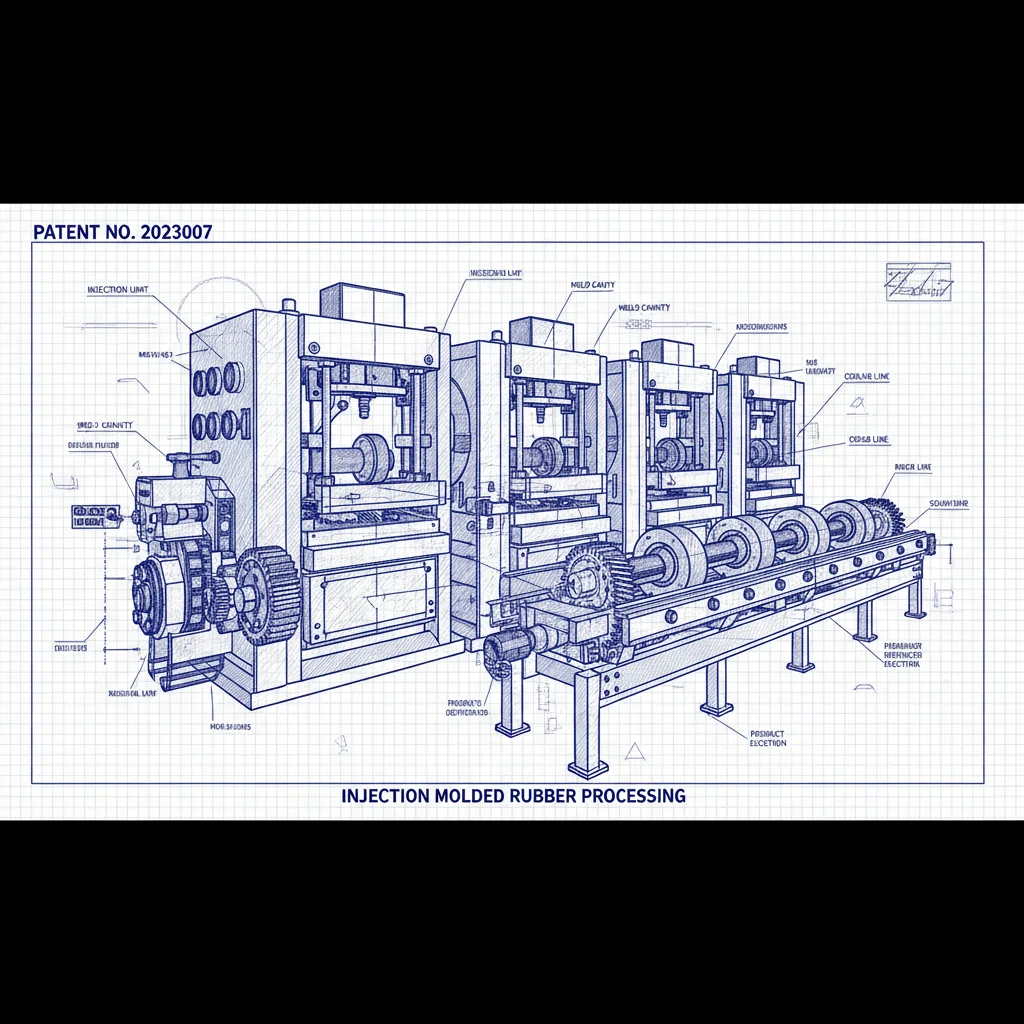
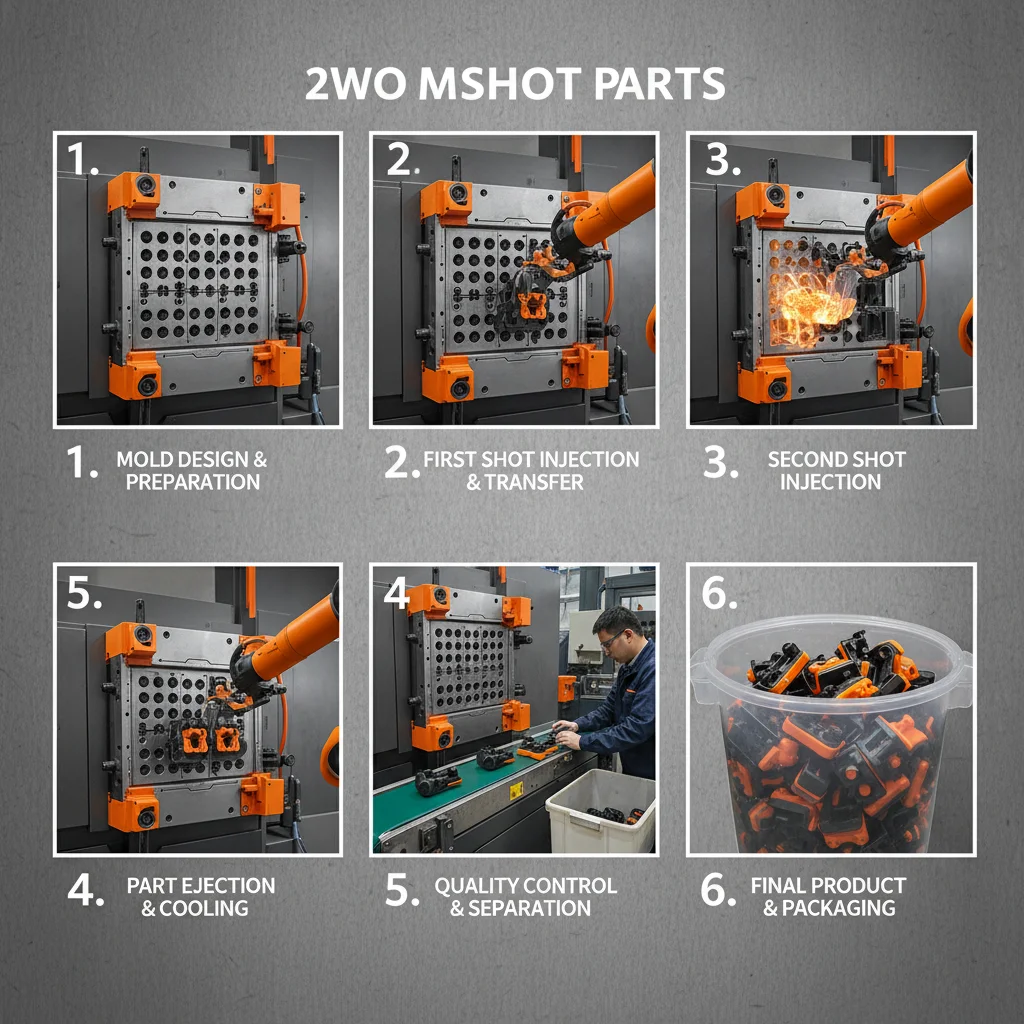
The processing of two-color plastic parts has become increasingly vital in modern manufacturing, offering innovative solutions for a wide range of industries. From automotive components and consumer electronics to medical devices and household goods, the demand for visually appealing, functional, and cost-effective plastic products continues to grow. Understanding the intricacies of this process is crucial for engineers, designers, and manufacturers seeking to optimize production efficiency and product quality.
Globally, the plastics industry is a significant economic driver, with a market value exceeding hundreds of billions of dollars annually. The ability to produce two-color plastic parts efficiently contributes to this growth by enabling the creation of more complex and aesthetically pleasing products. This capability allows for features like soft-touch grips, integrated seals, and distinct branding elements without the need for secondary assembly operations.
Ultimately, mastery of the processing of two-color plastic parts allows businesses to stay competitive, meet evolving consumer demands, and reduce overall production costs. It’s a field undergoing constant innovation, with new materials and techniques emerging to enhance performance and broaden applications.
The Significance of Processing of two-color plastic parts
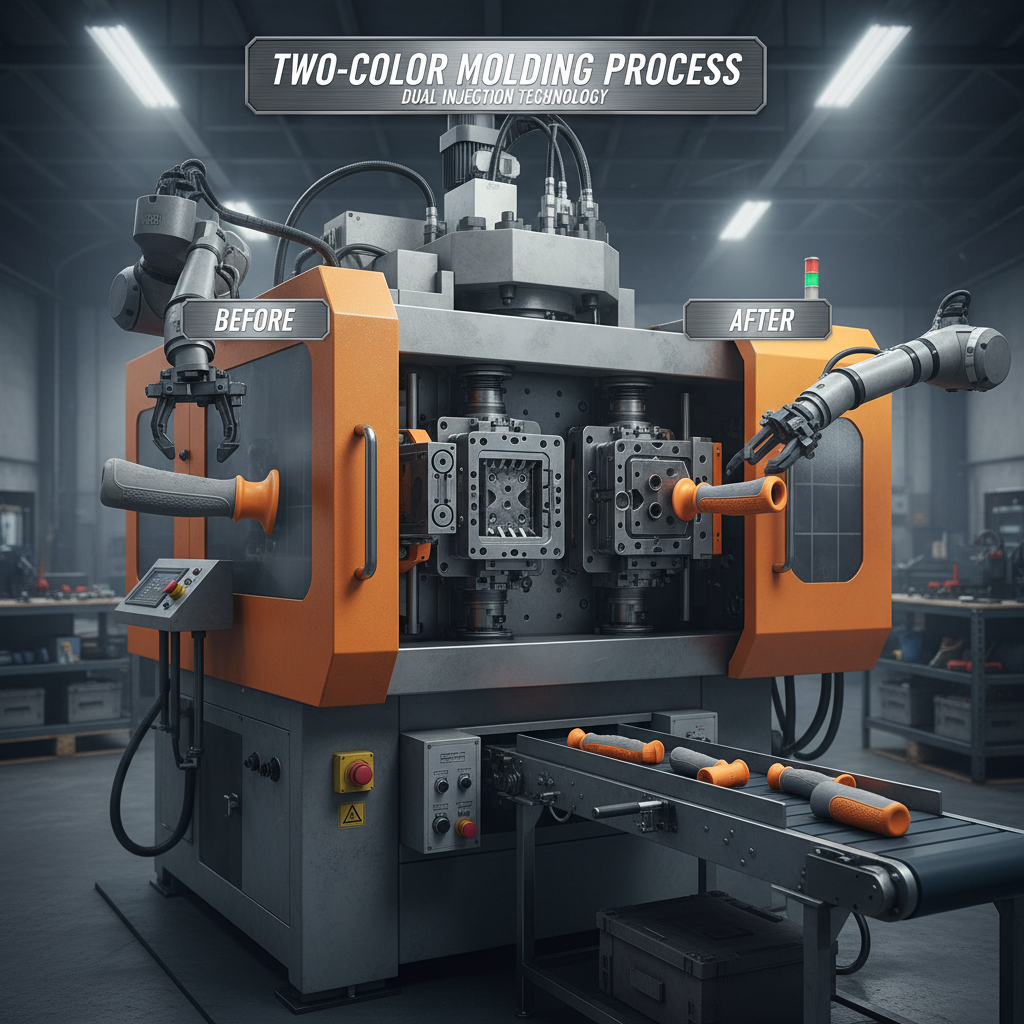
The ability to create plastic parts with multiple colors or materials in a single molding process—the processing of two-color plastic parts—represents a substantial advancement in manufacturing. This isn’t merely an aesthetic enhancement; it’s a functional optimization. Integrating different material properties within a single component reduces assembly steps, improves part strength, and opens doors to innovative product designs.
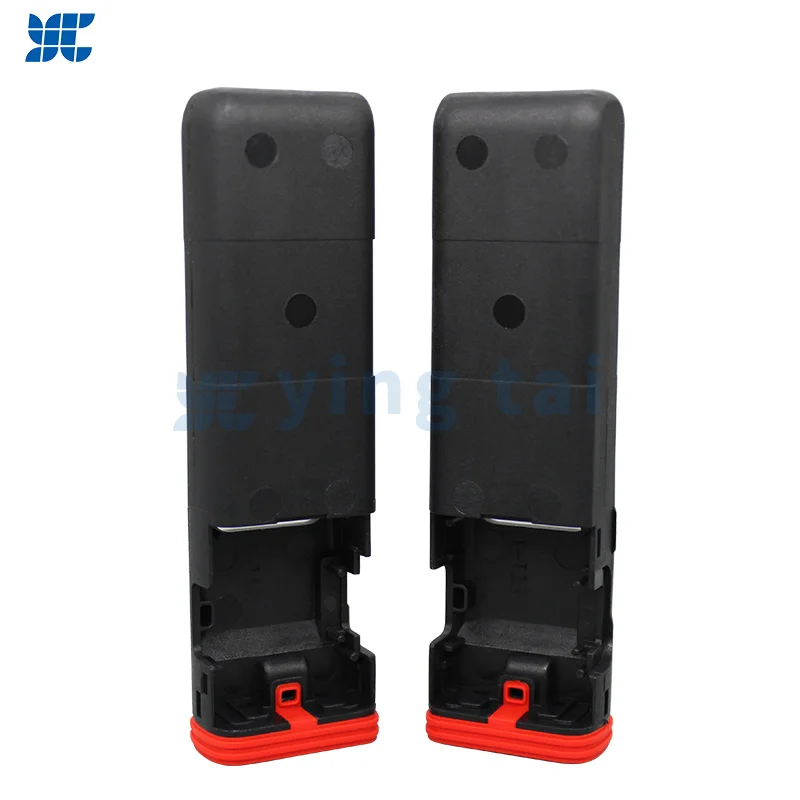
This technique is particularly valuable when distinct functional requirements exist within a single part. For instance, a tool handle might need a rigid core for durability coupled with a soft-grip overmold for comfort. The processing of two-color plastic parts seamlessly achieves this, eliminating the need for separate components and adhesives.
Global Context and Industry Relevance
The global plastics industry is a behemoth, projected to reach over $600 billion by 2028 (Source: Grand View Research). Within this, the demand for advanced molding techniques like two-color injection molding is escalating rapidly, driven by industries such as automotive, medical, consumer products, and electronics. Emerging economies, particularly in Asia-Pacific, are witnessing substantial growth in demand due to increased manufacturing activity and consumer spending.
ISO standards (particularly ISO 9001 for quality management and ISO 13485 for medical devices) are increasingly important in ensuring consistency and reliability in the processing of two-color plastic parts. Manufacturers must adhere to these standards to meet the stringent requirements of global markets. The United Nations Sustainable Development Goals (SDGs) also play a role, encouraging sustainable material choices and responsible manufacturing practices.
A major challenge is reducing plastic waste. Innovative approaches in the processing of two-color plastic parts, such as using recycled materials and optimizing mold designs for minimal waste, are becoming increasingly critical to address this global concern.
Defining Processing of two-color plastic parts
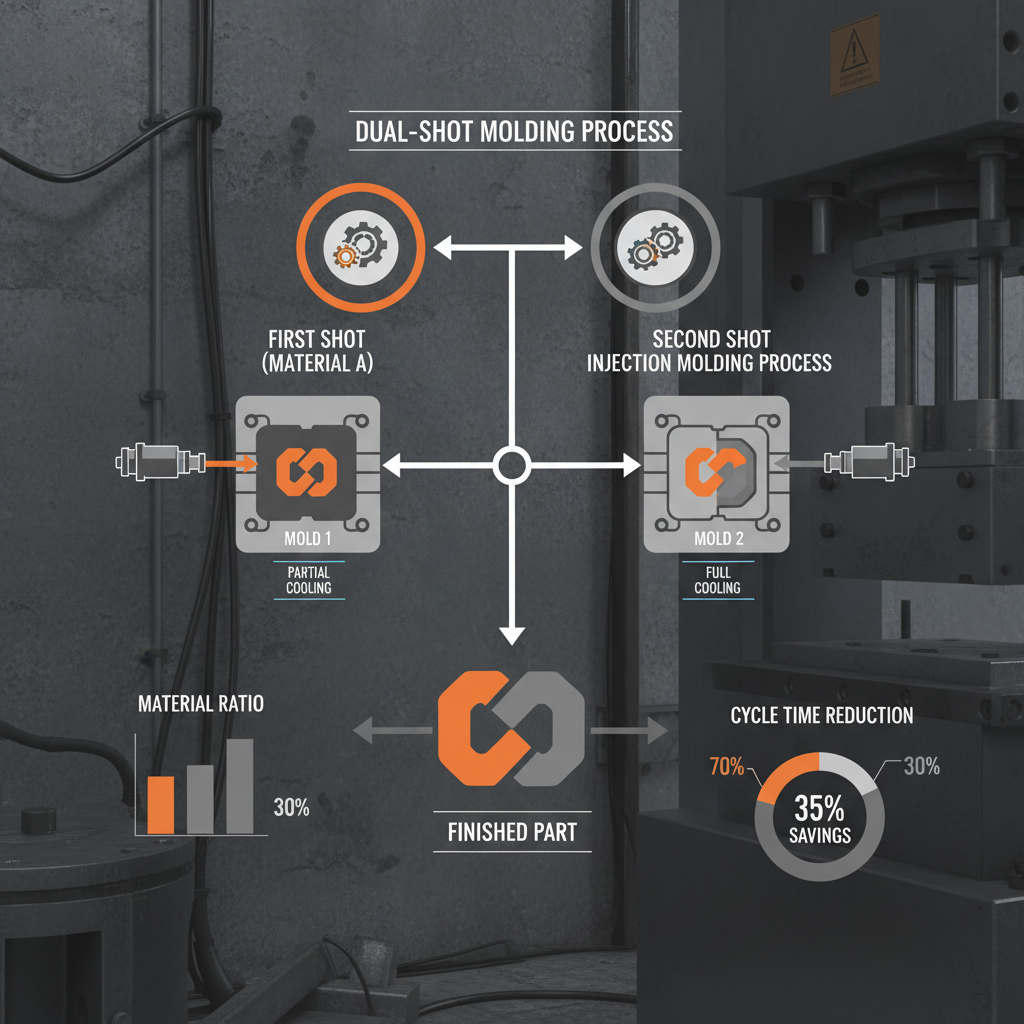
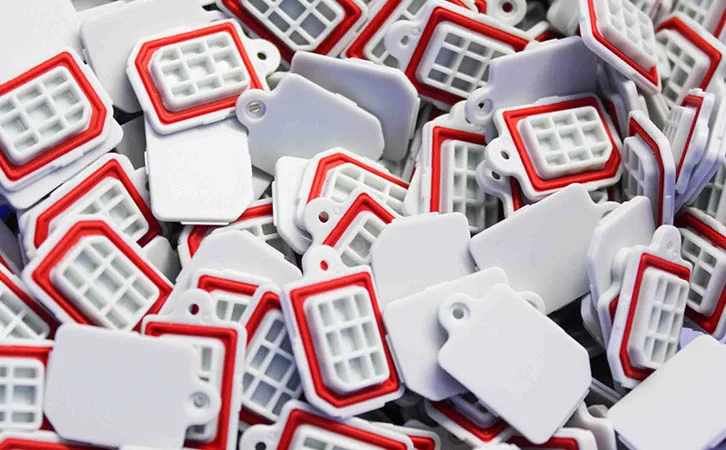
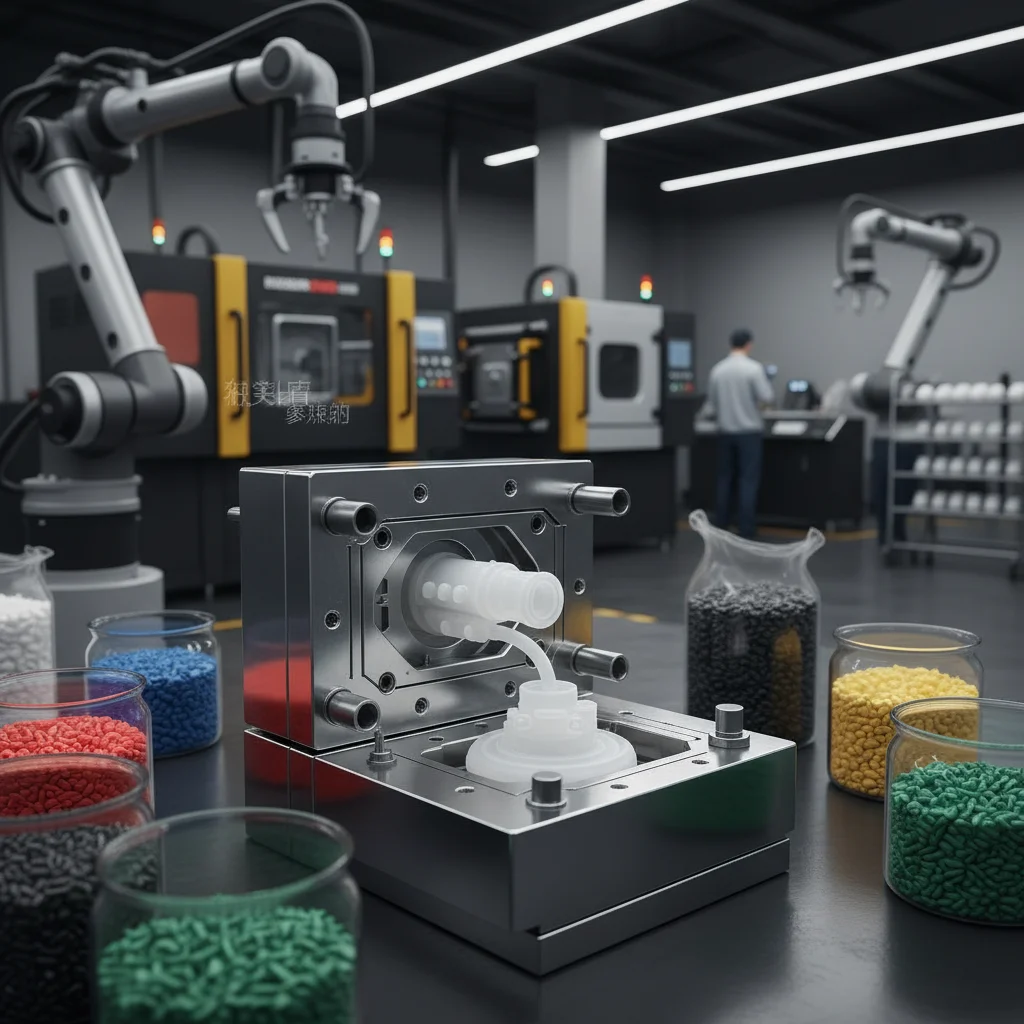
The processing of two-color plastic parts, often referred to as two-color injection molding or overmolding, is a specialized manufacturing process that combines two different thermoplastic materials into a single, cohesive part. Unlike simply coloring a single plastic material, this technique involves injecting two separate materials sequentially into a specialized mold.
This process isn't just about aesthetics. It's about functionality. Combining materials allows for the creation of parts with distinct properties—a hard, rigid base with a soft, flexible overmold, for example. This eliminates the need for assembly, reduces production costs, and improves product durability. It is often used to produce products with improved ergonomics, seals, or a visually appealing finish.
The technique is closely linked to modern industrial needs, from creating medical devices requiring sterile surfaces to designing automotive interiors with integrated features. It's a critical component in addressing the demand for lightweight, durable, and aesthetically pleasing products across a vast spectrum of applications.
Key Factors in Two-Color Molding
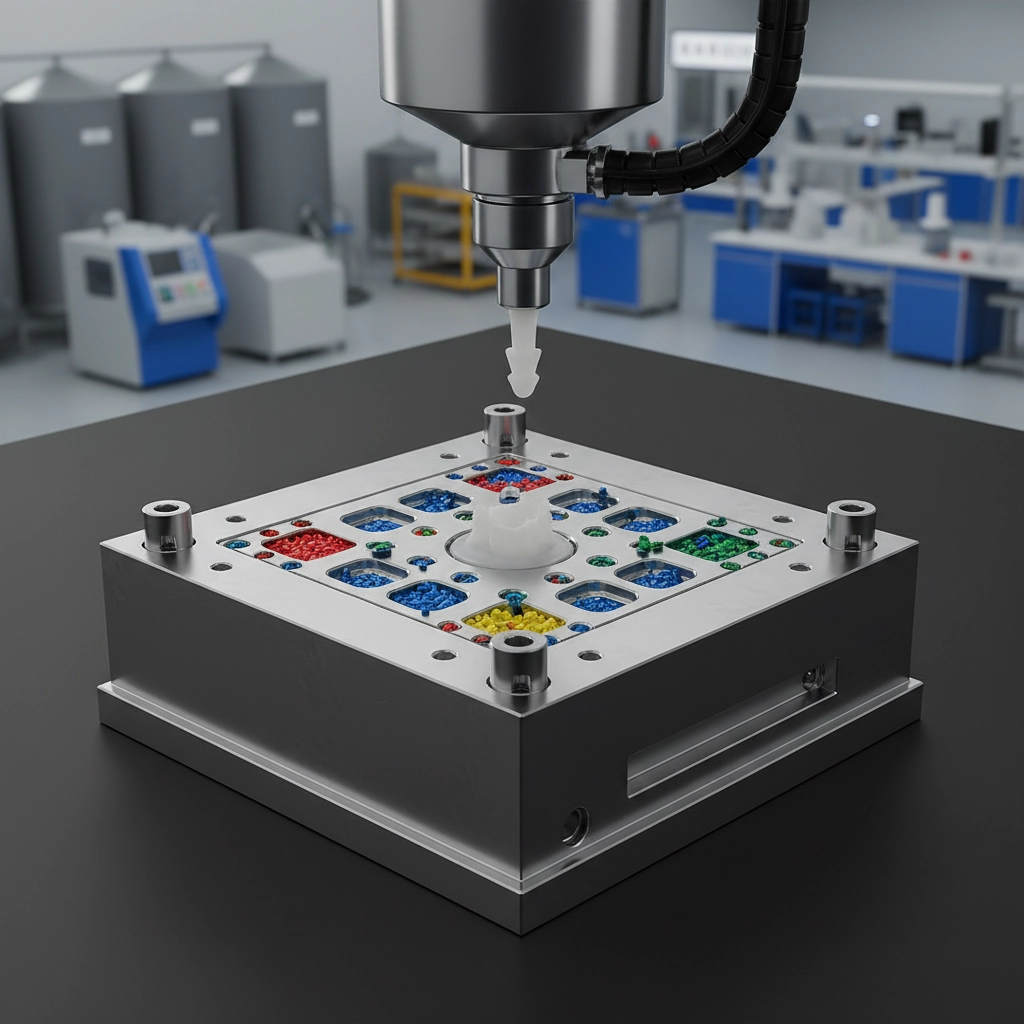
Several key aspects are crucial for successful processing of two-color plastic parts. First, Material Compatibility is paramount. The two materials must adhere well to each other to prevent delamination and ensure long-term structural integrity. Second, Mold Design is complex, requiring precise gating systems and cooling channels to manage the sequential injection of different materials.
Third, Processing Parameters—temperature, pressure, and injection speed—must be carefully controlled for each material to optimize flow, prevent defects, and ensure proper bonding. Fourth, Gate Location significantly impacts material flow and weld line formation, affecting both the appearance and structural integrity of the finished part.
Processing of two-color plastic parts: Factor Importance
Applications Across Industries
The applications for processing of two-color plastic parts are remarkably diverse. In the automotive industry, it’s used for creating interior trim, soft-touch dashboards, and exterior components with integrated seals. The medical device sector relies on it for creating ergonomic handles for surgical instruments, housings for diagnostic equipment, and components requiring sterilization.
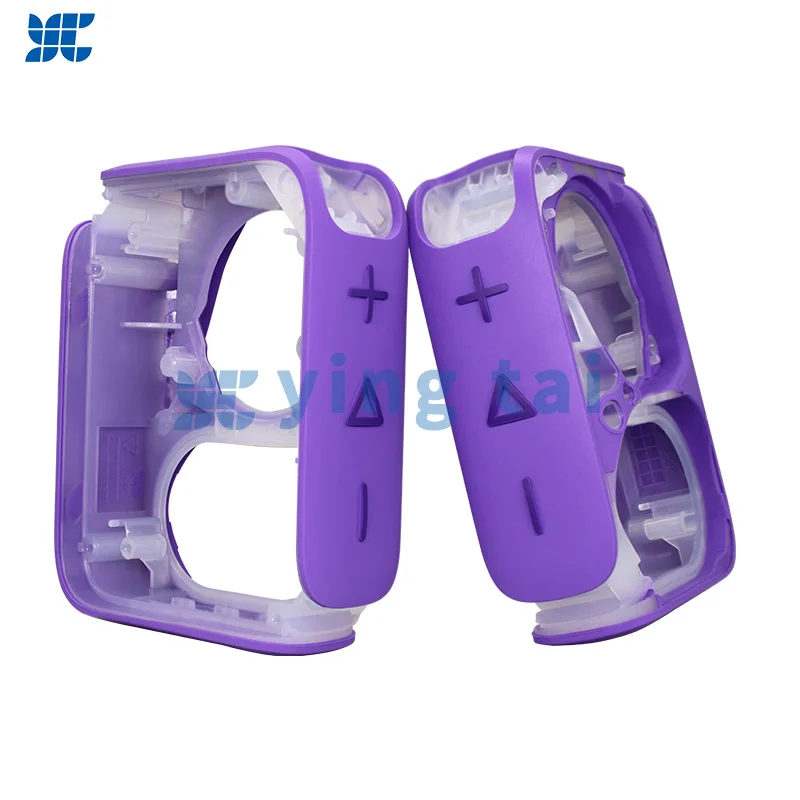
The consumer electronics industry utilizes the technique for creating aesthetically pleasing and functional housings for smartphones, power tools, and remote controls. Similarly, the packaging industry leverages it to produce tamper-evident closures, brightly colored containers, and products with enhanced grip. In post-disaster relief operations, two-color molded components are increasingly being used in the construction of durable and easily assembled shelters.
Advantages and Long-Term Value
The advantages of the processing of two-color plastic parts are substantial. Cost reduction is significant, as it eliminates secondary assembly operations and reduces material waste. Improved product quality arises from the inherent bonding between materials, creating stronger and more durable parts. Enhanced design flexibility allows for more complex and aesthetically appealing products.
From a long-term perspective, the processing of two-color plastic parts promotes sustainability through material optimization and reduced waste. It fosters innovation by enabling the creation of new product functionalities. It builds trust with consumers by delivering high-quality, reliable products. The enhanced ergonomics and safety features contribute to user well-being and brand reputation.
Future Trends and Challenges
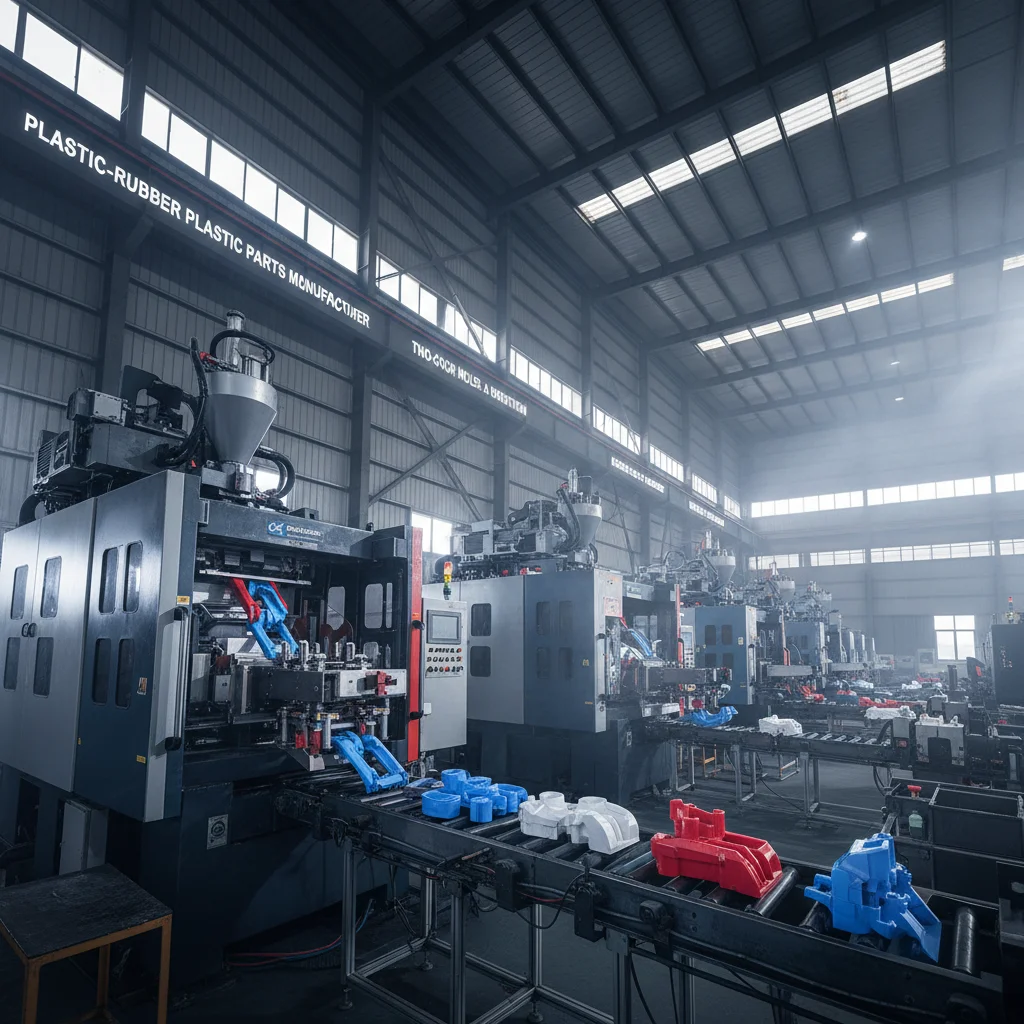
Several trends are shaping the future of the processing of two-color plastic parts. Automation and robotics are becoming increasingly prevalent, enhancing precision and reducing labor costs. The use of bio-based and recycled materials is gaining traction, driven by sustainability concerns. Digital twin technology is being employed to optimize mold designs and process parameters virtually, reducing trial-and-error and accelerating time to market.
However, challenges remain. Material selection continues to be complex, requiring careful consideration of compatibility, cost, and performance. Mold design and manufacturing are demanding, requiring specialized expertise. Maintaining consistent quality across large production runs necessitates robust process control and quality assurance measures. The increasing demand for complex geometries necessitates continual advancements in mold-making technology.
Summary of Key Trends and Challenges in Processing of two-color plastic parts
| Trend/Challenge Category |
Description |
Impact on Processing |
Mitigation Strategies |
| Automation |
Increased use of robotic systems for material handling and mold operation. |
Improved precision, reduced labor costs, and increased production efficiency. |
Invest in advanced robotics and automation systems; train personnel on their operation and maintenance. |
| Sustainable Materials |
Growing adoption of bio-based and recycled plastics. |
Reduced environmental impact, enhanced brand reputation, and potential cost savings. |
Research and implement sustainable materials; ensure compatibility with existing processing parameters. |
| Mold Complexity |
Demand for intricate part designs with complex geometries. |
Increased mold design and manufacturing challenges, potential for defects. |
Utilize advanced mold design software and precision machining techniques; implement rigorous quality control measures. |
| Material Compatibility |
Ensuring adhesion between different thermoplastic materials. |
Potential for delamination and reduced part strength. |
Conduct thorough material testing and compatibility studies; optimize processing parameters for bonding. |
| Process Control |
Maintaining consistent quality across large production runs. |
Variations in part dimensions, material properties, and surface finish. |
Implement statistical process control (SPC) and automated monitoring systems; establish clear quality standards. |
| Digital Twin Technology |
Virtual representation of the molding process for optimization. |
Reduced trial-and-error, faster time to market, and improved process efficiency. |
Invest in digital twin software and integrate it with existing manufacturing systems. |
FAQS
Two-color injection molding eliminates the need for separate component manufacturing and assembly, drastically reducing labor costs and assembly time. This streamlined process also results in a stronger, more durable part with a superior finish due to the inherent material bonding. The design flexibility allows for complex geometries and functionalities impossible to achieve with traditional methods, all while reducing material waste.
Common materials include polypropylene (PP), acrylonitrile butadiene styrene (ABS), thermoplastic polyurethane (TPU), and polycarbonate (PC). Compatibility is crucial; materials must have similar melt temperatures and shrinkage rates to ensure proper adhesion. Chemical compatibility is also essential, and avoiding dissimilar materials prone to delamination is paramount. Thorough material testing and consultation with a molding expert are highly recommended.
Mold design is critical. It requires precise gating systems to sequentially inject the two materials without mixing, efficient cooling channels to manage heat distribution, and a carefully engineered parting line to facilitate easy part ejection. The mold must also accommodate the differing shrinkage rates of the materials to prevent warping or dimensional inaccuracies. Complex mold designs may necessitate specialized machining and engineering expertise.
Two-color molding excels in applications requiring soft-touch surfaces (like tool grips), integrated seals (for watertight enclosures), aesthetic differentiation (colorful accents), and multi-functional components. Common industries include automotive (interior trim), medical devices (ergonomic handles), consumer products (power tool housings), and electronics (smartphone cases).
Optimize part design for manufacturability, reducing complexity and material usage. Carefully select materials considering both performance and cost. Utilize efficient mold designs that minimize cycle times. Consider higher production volumes to spread the initial mold tooling cost. Partner with a reputable molding company with experience in two-color molding to leverage their expertise and optimize the process.
Essential quality control measures include dimensional inspection, material testing, visual inspection for defects (like sink marks, flash, or weld lines), and adhesion testing to ensure strong bonding between the materials. Implementing statistical process control (SPC) and automated monitoring systems can help maintain consistent quality throughout the production run. Regular mold maintenance is also crucial for preventing defects.
Conclusion
The processing of two-color plastic parts is a dynamic and vital manufacturing technique offering significant advantages across numerous industries. From streamlining production and reducing costs to enhancing product functionality and aesthetics, its benefits are clear. Mastering this process is no longer a luxury but a necessity for companies seeking to remain competitive in today’s demanding market.
Looking ahead, continued innovation in materials, automation, and digital technologies will further expand the capabilities and applications of two-color molding. We encourage you to explore the possibilities and consider how this technique can elevate your products and optimize your manufacturing processes. Visit our website at www.ytlsrmold.com to learn more about our expertise and how we can help you bring your two-color plastic part ideas to life.