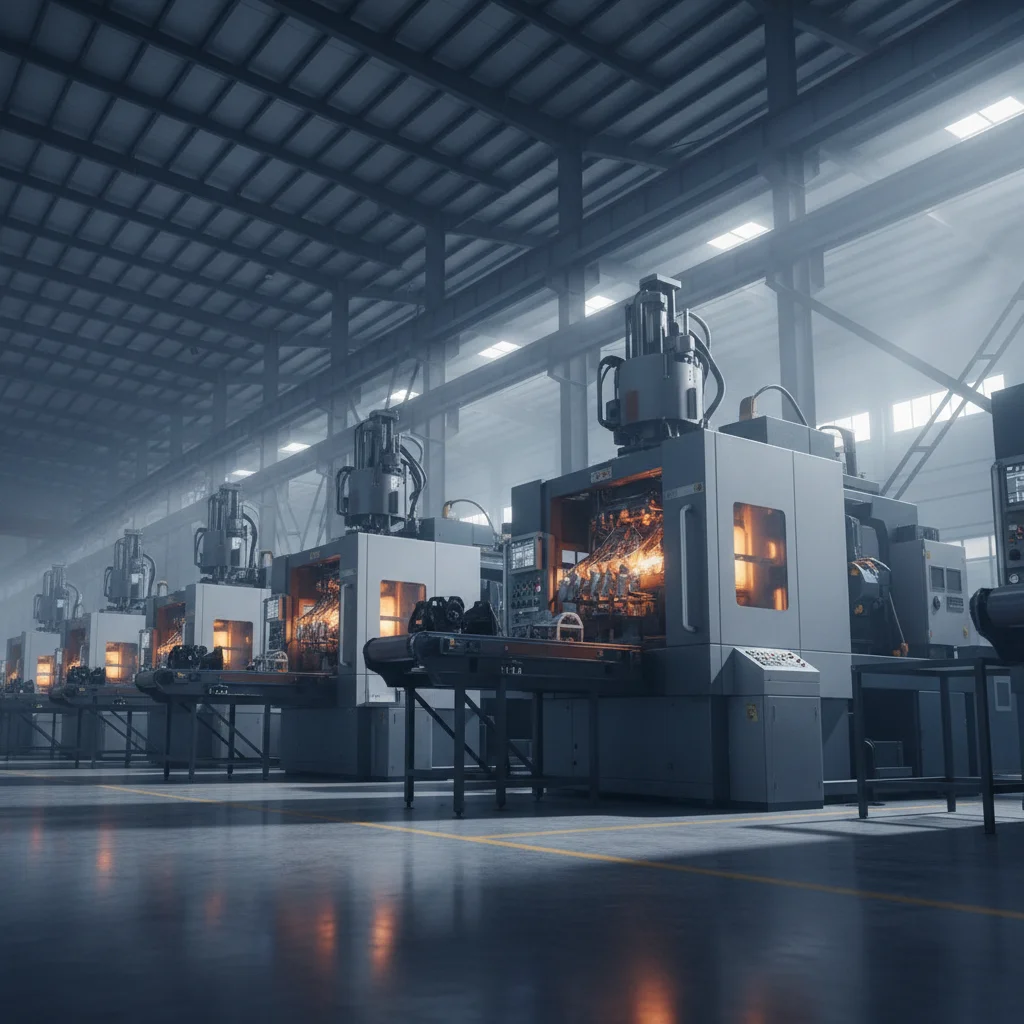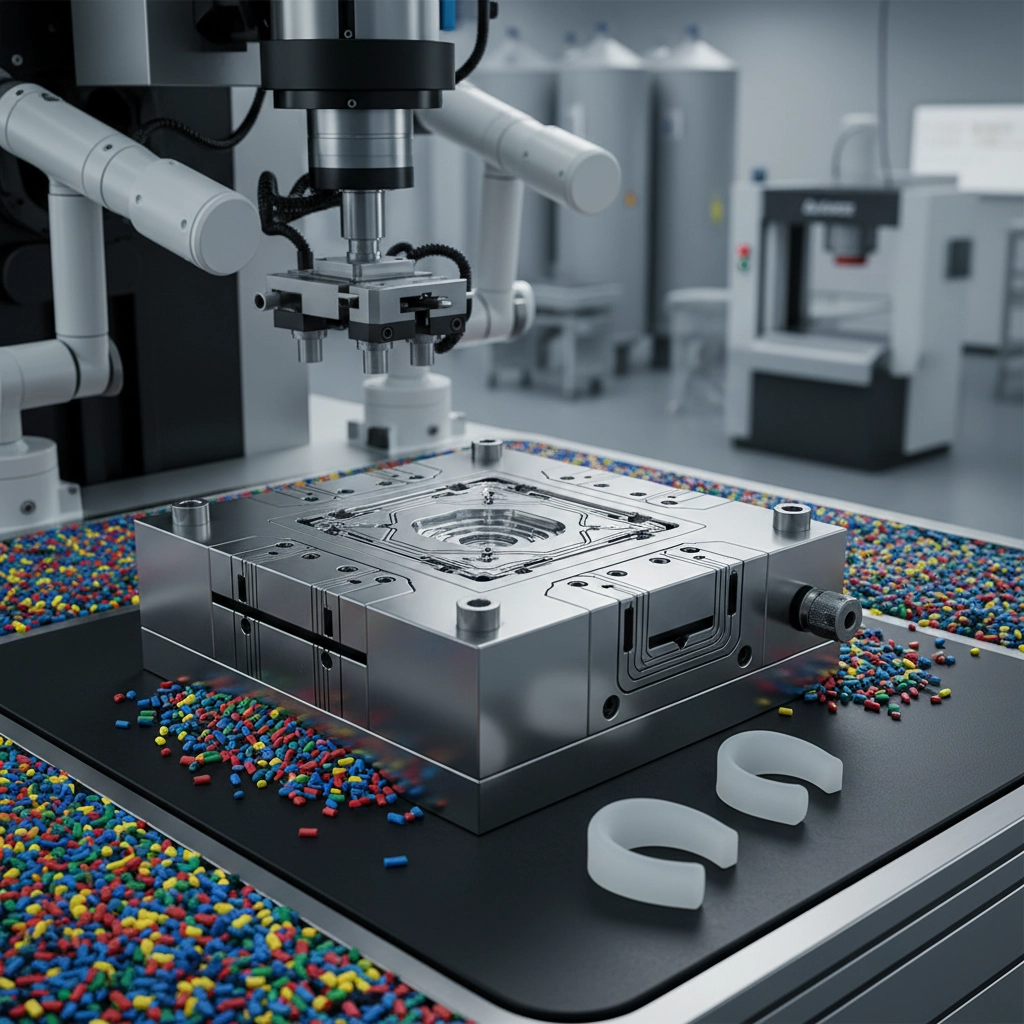
The realm of processed injection molded rubber parts is a cornerstone of modern manufacturing, impacting countless industries from automotive and aerospace to healthcare and consumer goods. These parts, crafted with precision and engineered for durability, represent a critical component in the functionality and reliability of a vast array of products. Understanding the nuances of their manufacturing – from material selection and mold design to the injection process itself – is paramount for engineers, designers, and procurement professionals seeking optimal performance and cost-effectiveness. Manufacturer of processed injection molded rubber parts plays a crucial role in supply chains worldwide.
Globally, the demand for high-quality rubber components continues to rise, fueled by economic growth in emerging markets and the increasing complexity of modern products. The automotive industry, a major consumer of these parts, is driving innovation in material science and manufacturing techniques to meet stringent safety and performance standards. Simultaneously, the healthcare sector relies heavily on injection molded rubber parts for medical devices, seals, and tubing, demanding exceptional purity and biocompatibility. This growing demand underscores the importance of reliable Manufacturer of processed injection molded rubber parts.
The ability to consistently produce complex geometries, intricate designs, and tight tolerances with injection molded rubber is a significant advantage for manufacturers. Compared to traditional rubber forming processes, injection molding offers increased efficiency, reduced material waste, and greater design flexibility. Ultimately, this translates to lower costs, faster turnaround times, and improved product quality, making it an essential process in today’s competitive landscape.
The importance of a skilled Manufacturer of processed injection molded rubber parts cannot be overstated. These manufacturers provide a critical link in the supply chain, ensuring that components meet the precise specifications required for a wide range of applications. Their expertise extends beyond simply operating injection molding machines; it encompasses material science, mold design, process control, and quality assurance.
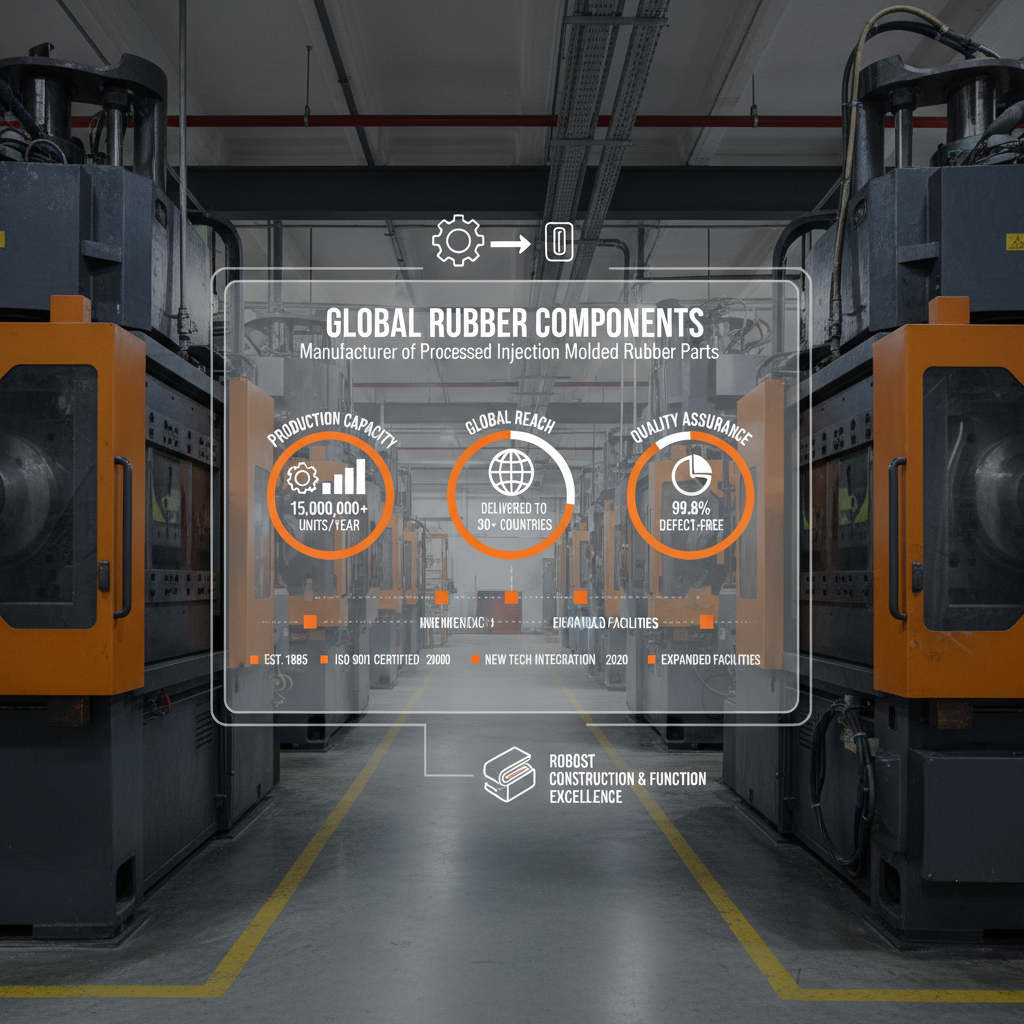
A reliable manufacturer contributes directly to the success of their clients by delivering consistent, high-quality parts on time and within budget. They also provide valuable support in the design and development phases, helping to optimize part geometry and material selection for manufacturability and performance. This collaborative approach fosters innovation and drives efficiency across the entire value chain.
The global rubber products manufacturing industry is a multi-billion-dollar market, with significant growth projected in the coming years. According to recent reports, the automotive sector remains the largest consumer of rubber components, accounting for over 40% of the total demand. The Asia-Pacific region dominates the industry, driven by rapid industrialization and increasing automotive production in countries like China, India, and Thailand. This creates opportunities for Manufacturer of processed injection molded rubber parts to expand their operations and serve a growing global market.
However, the industry also faces challenges, including fluctuating raw material prices, increasing environmental regulations, and the need for continuous innovation to meet evolving customer demands. Companies that can adapt to these challenges and invest in advanced technologies will be best positioned for long-term success. Furthermore, geopolitical factors and supply chain disruptions can impact production and delivery times, emphasizing the importance of diversification and risk mitigation strategies.
The UN's Sustainable Development Goals (SDGs) are increasingly influencing manufacturing practices. Specifically, goals related to responsible consumption and production (SDG 12) and industry, innovation, and infrastructure (SDG 9) are prompting manufacturers to adopt more sustainable materials and processes, further impacting the demand for specialized rubber compounds and efficient manufacturing techniques provided by a skilled Manufacturer of processed injection molded rubber parts.
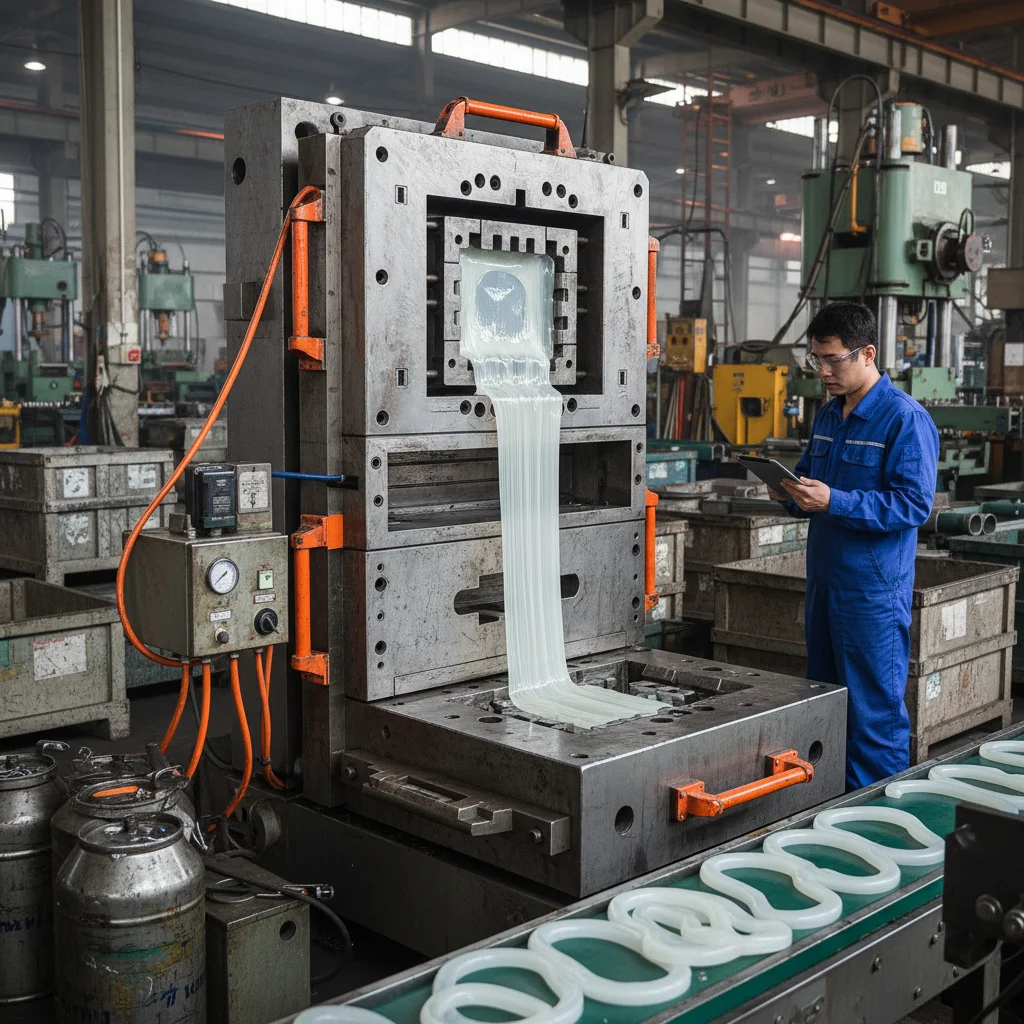
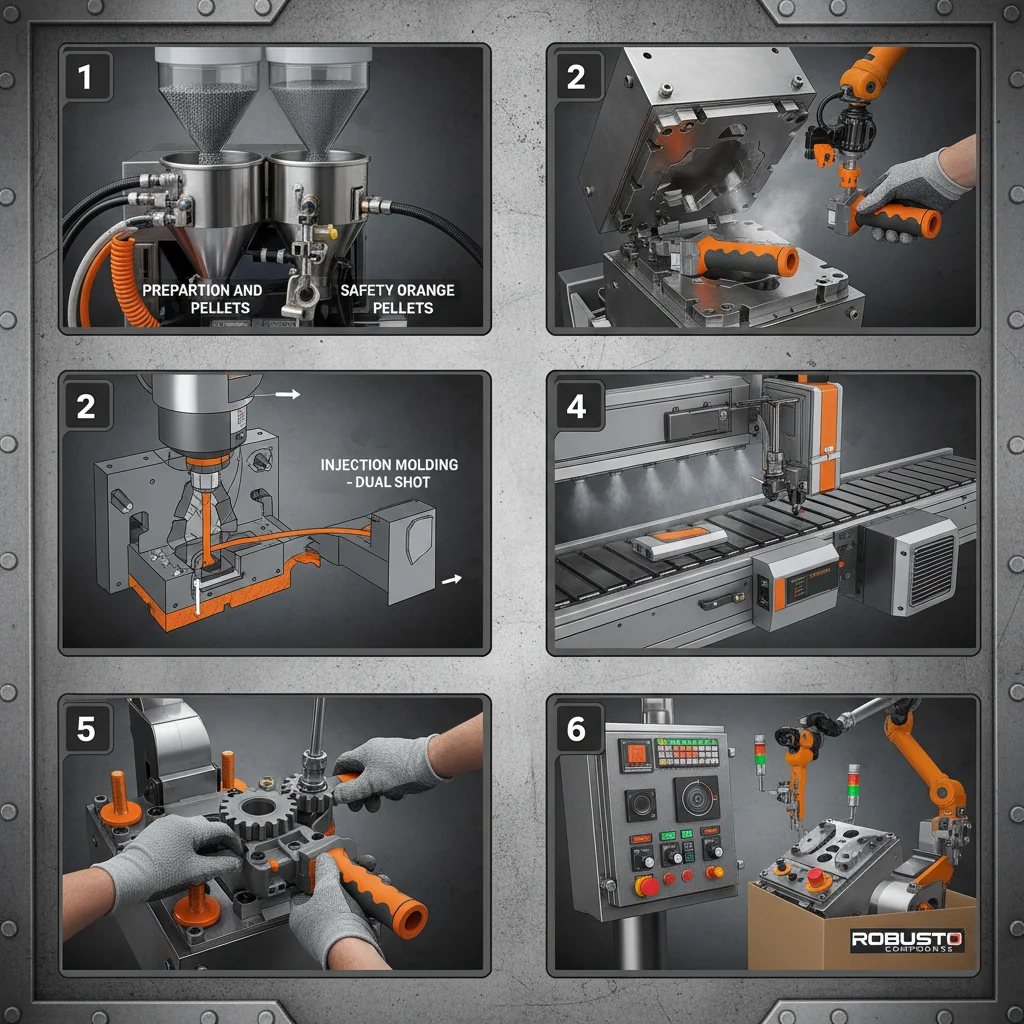
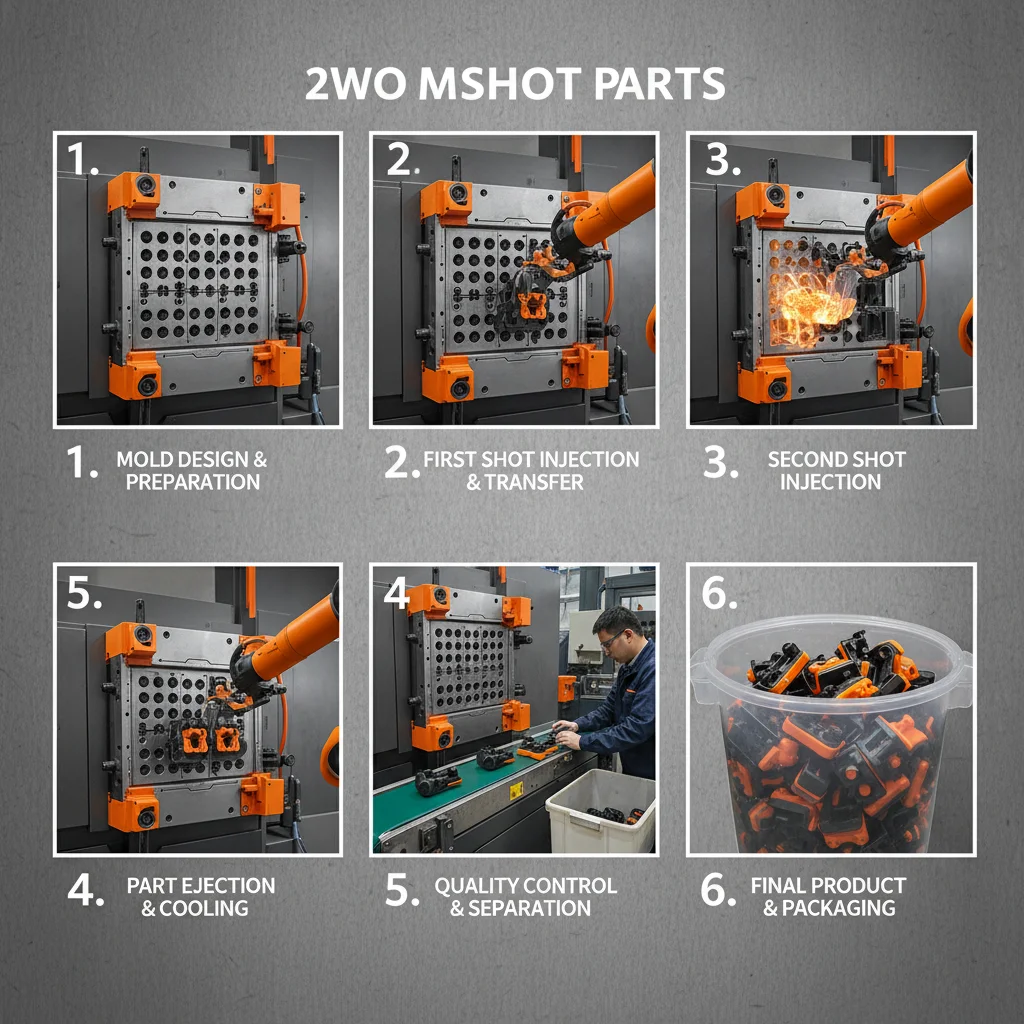
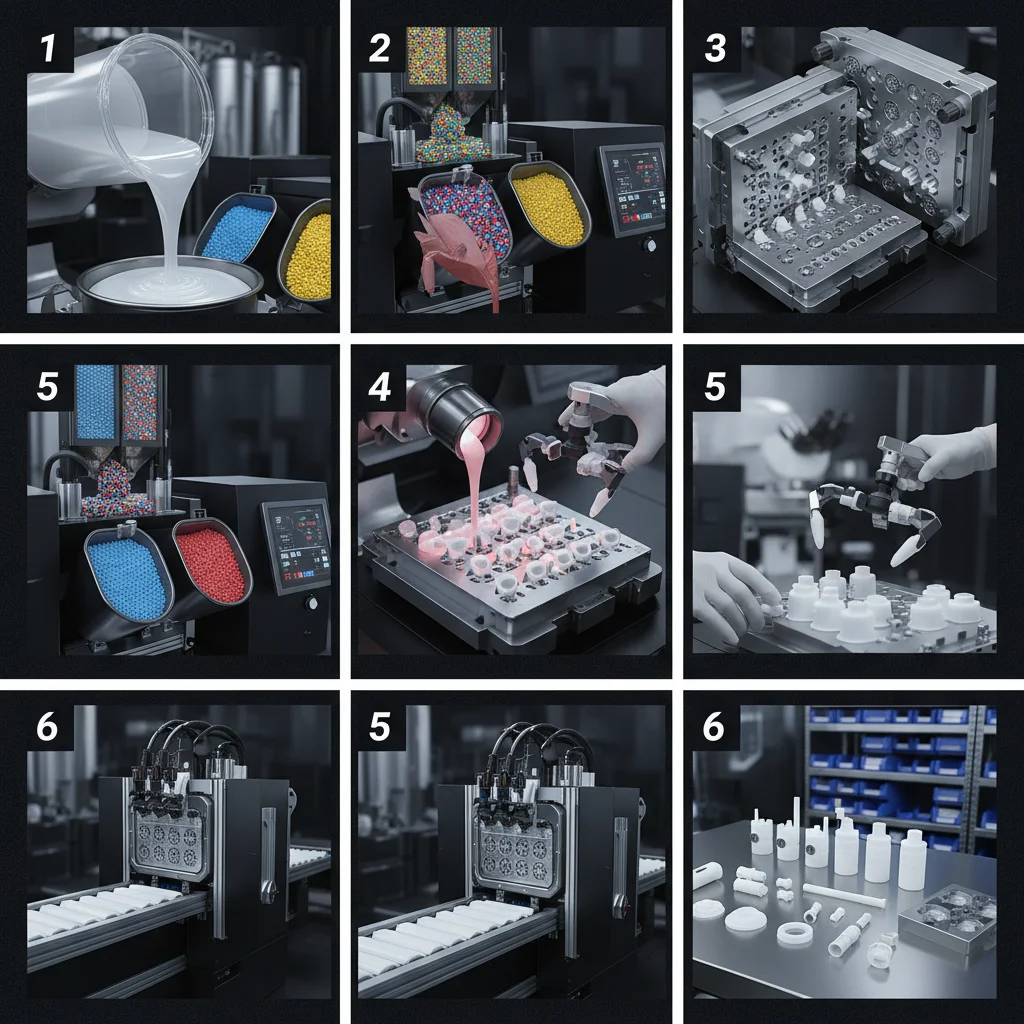
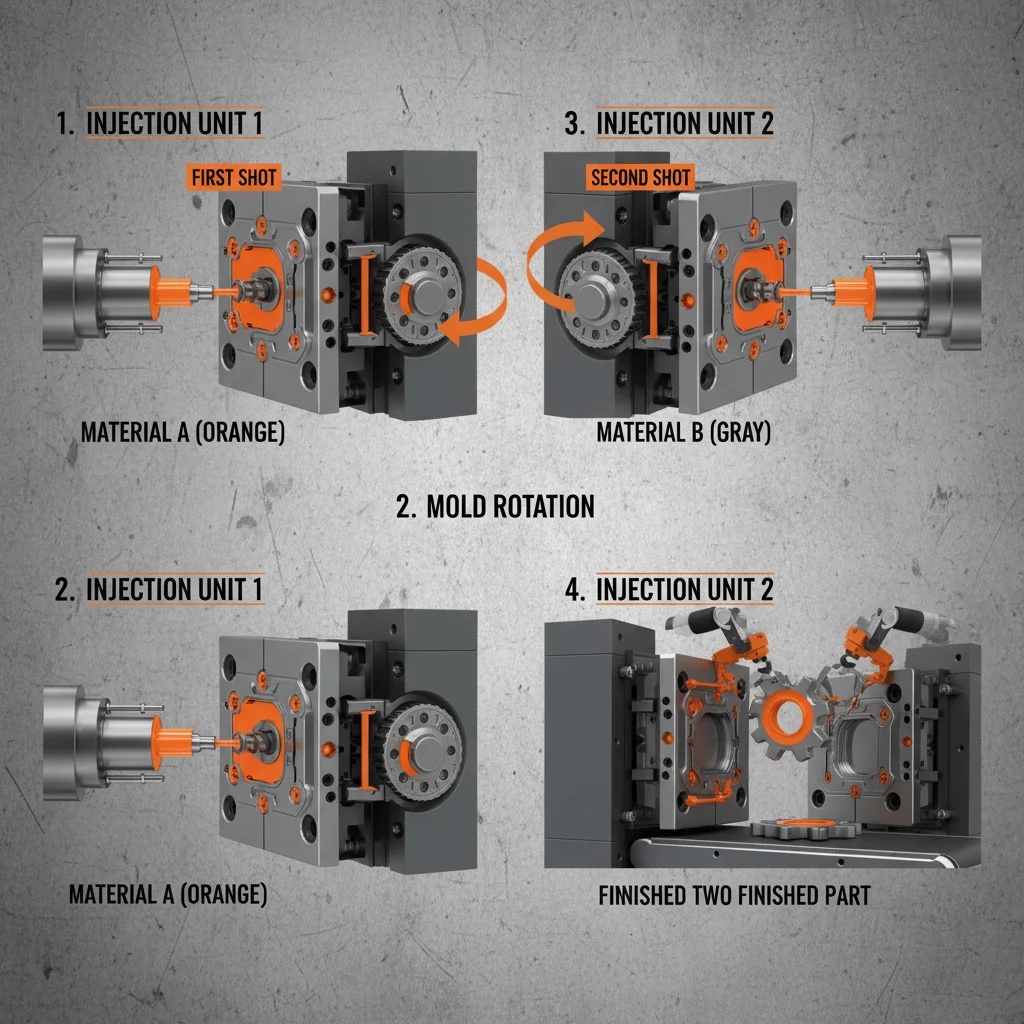
Injection molded rubber parts are created by injecting molten rubber material into a closed mold cavity. This process involves heating the rubber to a pliable state, applying high pressure to force it into the mold, and then allowing it to cool and solidify. The resulting part precisely replicates the shape of the mold, offering complex geometries and tight tolerances. This process differs significantly from compression molding or transfer molding, offering unique advantages in terms of precision and efficiency.
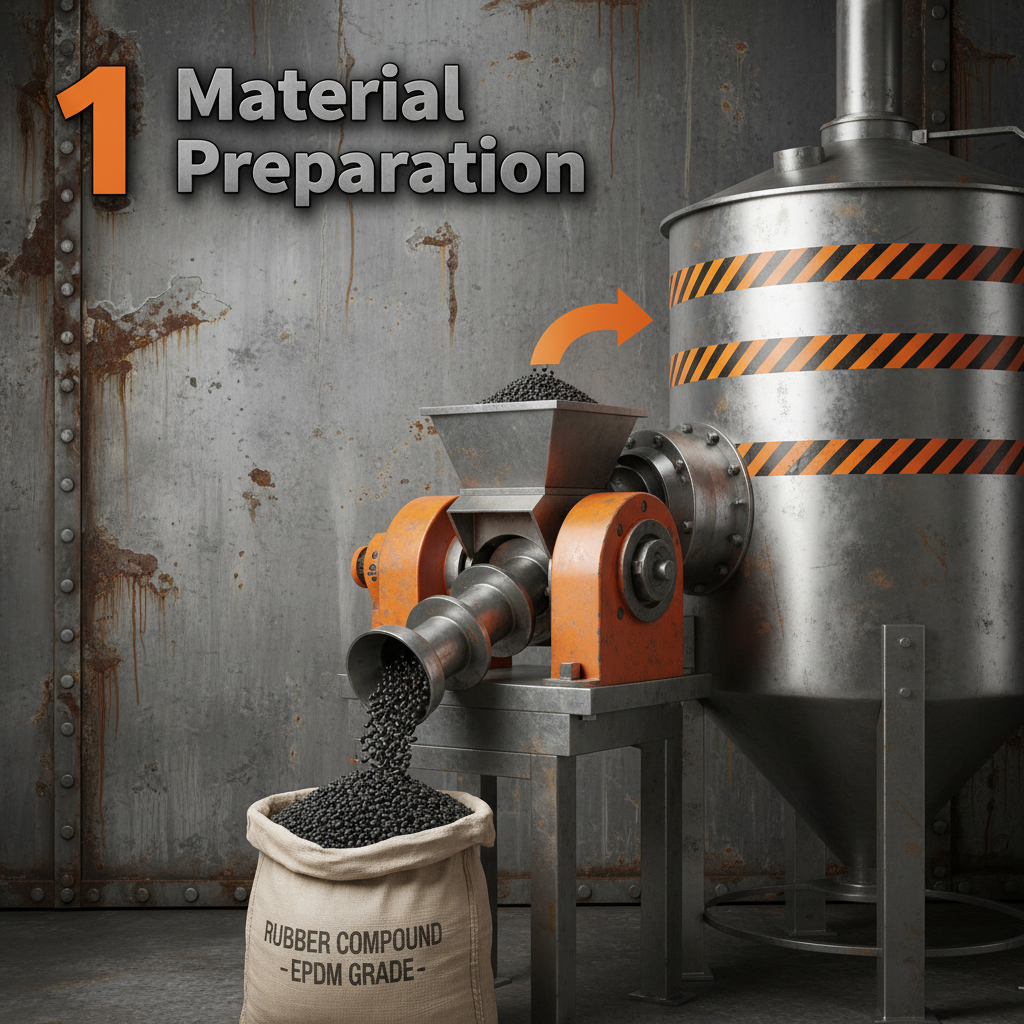
The types of rubber used in injection molding are diverse, ranging from silicone and EPDM to nitrile and neoprene, each offering unique properties such as temperature resistance, chemical compatibility, and elasticity. The selection of the appropriate rubber material is critical to ensuring the part performs effectively in its intended application. A reputable Manufacturer of processed injection molded rubber parts will assist clients in material selection.
Injection molding is particularly well-suited for high-volume production runs, where the initial investment in mold design and tooling can be amortized over a large number of parts. However, it can also be cost-effective for smaller runs, especially when complex geometries or tight tolerances are required.
Durability is a key characteristic of injection molded rubber parts. The process creates a dense, uniform material structure that is resistant to wear, tear, and environmental degradation. This makes them ideal for applications requiring long-term reliability and performance. A Manufacturer of processed injection molded rubber parts ensures that the rubber compound is of the highest quality.
Cost efficiency is another significant benefit. While the initial tooling costs can be higher than some other manufacturing processes, injection molding offers lower per-part costs for high-volume production runs due to its speed and minimal material waste.
The automotive industry utilizes injection molded rubber parts extensively for seals, gaskets, hoses, and vibration dampeners, ensuring vehicle performance and safety. In the healthcare sector, these parts are found in medical tubing, stoppers for vials, and seals for surgical instruments, requiring stringent quality control and biocompatibility standards.
Aerospace applications benefit from the high-performance characteristics of injection molded rubber, using it for seals, O-rings, and specialized components that withstand extreme temperatures and pressures. In the consumer goods market, these parts are ubiquitous in products ranging from kitchen appliances to sporting equipment. A dependable Manufacturer of processed injection molded rubber parts serves all of these sectors.
The advantages extend beyond cost and durability. Injection molded rubber parts contribute to increased product reliability and reduced maintenance requirements. Their precise dimensions and consistent quality minimize the risk of failure and ensure optimal performance over the long term.
Moreover, the process allows for the incorporation of various additives and fillers to enhance specific properties, such as flame retardancy, UV resistance, or electrical conductivity. This customization capability adds significant value and allows manufacturers to tailor parts to meet unique application requirements.
Sustainability is also increasingly important. Choosing a responsible Manufacturer of processed injection molded rubber parts committed to waste reduction and material recycling contributes to a more environmentally friendly product lifecycle.
The future of injection molded rubber parts is being shaped by several key trends. The development of new rubber materials with enhanced properties, such as self-healing capabilities or increased temperature resistance, is expanding the range of potential applications. Automation and robotics are also playing a growing role, increasing efficiency and reducing labor costs in the manufacturing process.
Digitalization, including the use of Industry 4.0 technologies like predictive maintenance and real-time process monitoring, is optimizing production and improving quality control. Furthermore, the increasing focus on sustainability is driving the adoption of bio-based rubber materials and closed-loop recycling systems.
Micro-injection molding, a specialized technique for producing extremely small and precise parts, is gaining traction in the medical device and microelectronics industries, opening up new opportunities for Manufacturer of processed injection molded rubber parts with advanced capabilities.
| Material Expertise | Production Capacity | Quality Control Systems | Lead Times & Logistics |
|---|---|---|---|
| Range of rubber compounds supported (Silicone, EPDM, Nitrile) | Number of injection molding machines available | ISO 9001 certification and inspection protocols | Average turnaround time for standard orders |
| Ability to develop custom rubber formulations | Maximum part size and weight capacity | Statistical Process Control (SPC) implementation | Shipping options and international delivery capabilities |
| Compliance with industry regulations (e.g., FDA, RoHS) | Production volume flexibility (small to large runs) | Use of advanced measurement equipment (CMM) | Inventory management and just-in-time delivery options |
| Experience with specific rubber applications (automotive, medical) | Cycle time optimization capabilities | Material traceability and documentation | Responsiveness to urgent requests and expedited orders |
| Technical support and design assistance | Mold design and fabrication services | First Article Inspection (FAI) reports | Communication channels and customer support availability |
| Commitment to sustainable practices | Overall manufacturing efficiency | Process validation and qualification | Supply chain reliability and risk management |
Common materials include silicone, EPDM, nitrile, neoprene, and fluoroelastomers. The best material depends on the application's specific requirements, such as temperature resistance, chemical compatibility, and flexibility. A skilled Manufacturer of processed injection molded rubber parts can advise on the optimal material selection. The choice heavily influences the part’s long-term performance and reliability. Material properties must align with operational conditions to ensure durability and prevent premature failure.
Lead times vary depending on the complexity of the part, mold design, and production volume. Typically, expect a lead time of 4-8 weeks for tooling fabrication, followed by 2-4 weeks for initial production. A reliable Manufacturer of processed injection molded rubber parts will provide a detailed timeline upfront. Complex designs or tight tolerances may necessitate longer lead times, emphasizing the importance of early engagement and clear communication.
The cost of a custom injection mold depends on several factors, including the part's size, complexity, material, and required tolerances. Molds can range from a few thousand dollars for simple designs to tens of thousands of dollars for complex ones. A reputable Manufacturer of processed injection molded rubber parts will provide a detailed quote based on your specific requirements. Understanding the mold’s cost is critical for accurate project budgeting and return-on-investment analysis.
A robust quality control system is essential. Measures include incoming material inspection, in-process monitoring, and final product testing. Statistical Process Control (SPC) is often employed to ensure consistency. A trusted Manufacturer of processed injection molded rubber parts will adhere to ISO 9001 standards and provide detailed inspection reports. This stringent quality control minimizes defects and guarantees the parts meet your specifications.
Yes, many manufacturers offer design assistance to optimize parts for manufacturability. This includes evaluating draft angles, wall thickness, and gate locations to ensure efficient molding and minimize defects. A skilled Manufacturer of processed injection molded rubber parts leverages their expertise to provide design recommendations that improve production efficiency and reduce costs. Early design collaboration can save time and resources.
Choosing a local Manufacturer of processed injection molded rubber parts offers advantages like faster communication, reduced shipping costs, and easier quality control. It also supports local economies and reduces the risk of supply chain disruptions. While overseas suppliers may offer lower prices, the potential for communication barriers, longer lead times, and quality issues can outweigh the cost savings. Local manufacturers enable better responsiveness and collaboration.
In conclusion, the field of processed injection molded rubber parts is a dynamic and essential component of modern manufacturing. From its widespread applications across diverse industries to its continuous advancements in materials and processes, it provides critical solutions for countless products. Choosing the right Manufacturer of processed injection molded rubber parts is paramount to ensuring quality, cost-effectiveness, and long-term reliability.
Looking ahead, continued innovation in material science, automation, and sustainability will further enhance the value and capabilities of injection molded rubber parts. Investing in these technologies and prioritizing collaboration between designers, engineers, and manufacturers will be key to unlocking even greater potential and addressing the evolving needs of a rapidly changing world. Visit our website: www.ytlsrmold.com
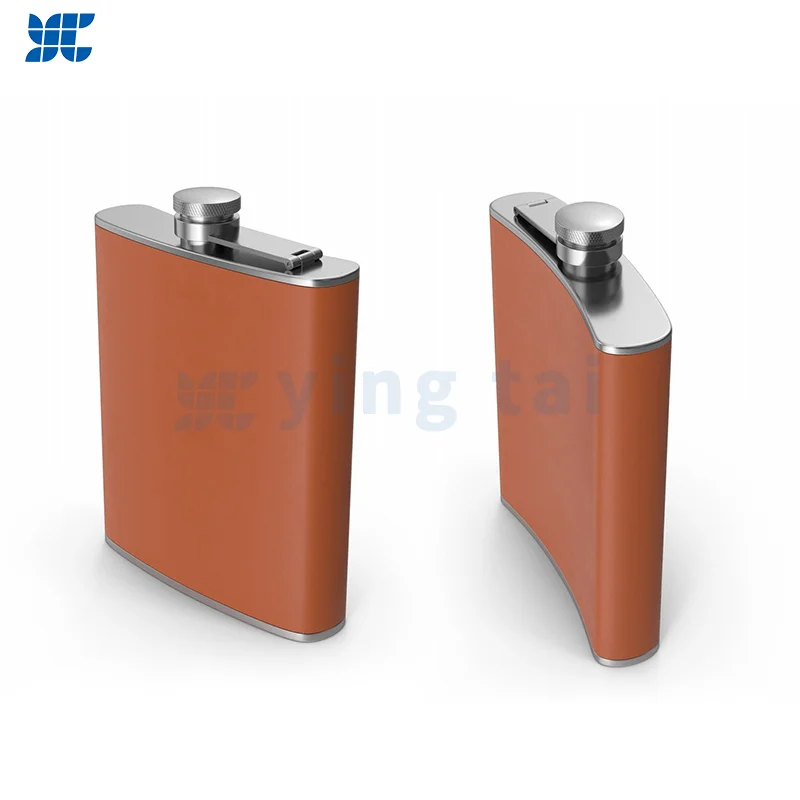
The surface of the small metal wine pot is covered with leather for sturdy protection, with a gentle touch that can be carried around.
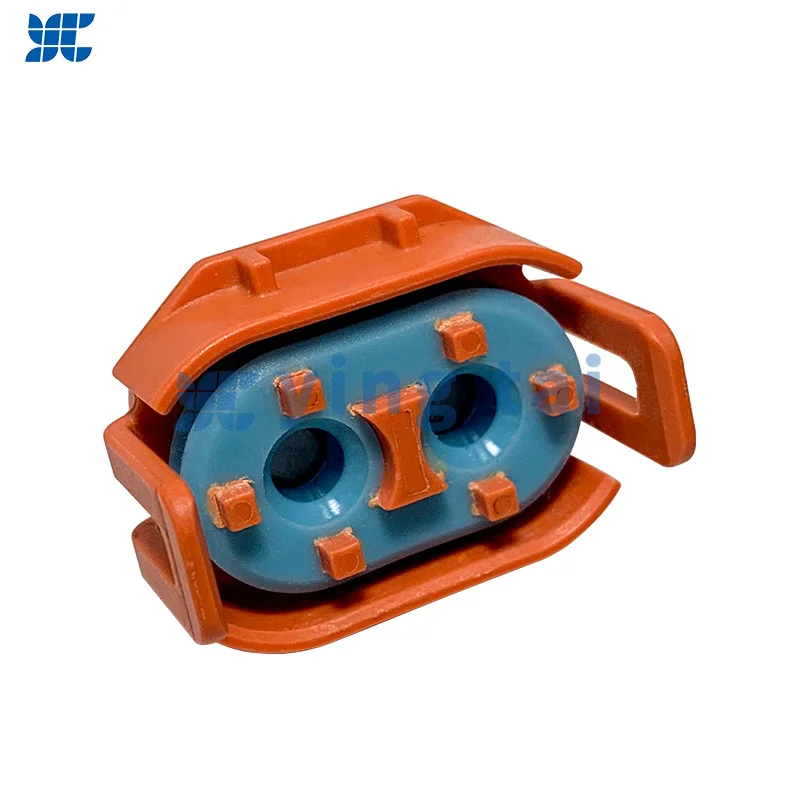
Precise connectors ensure unobstructed circuits, safer driving, and smoother journeys.
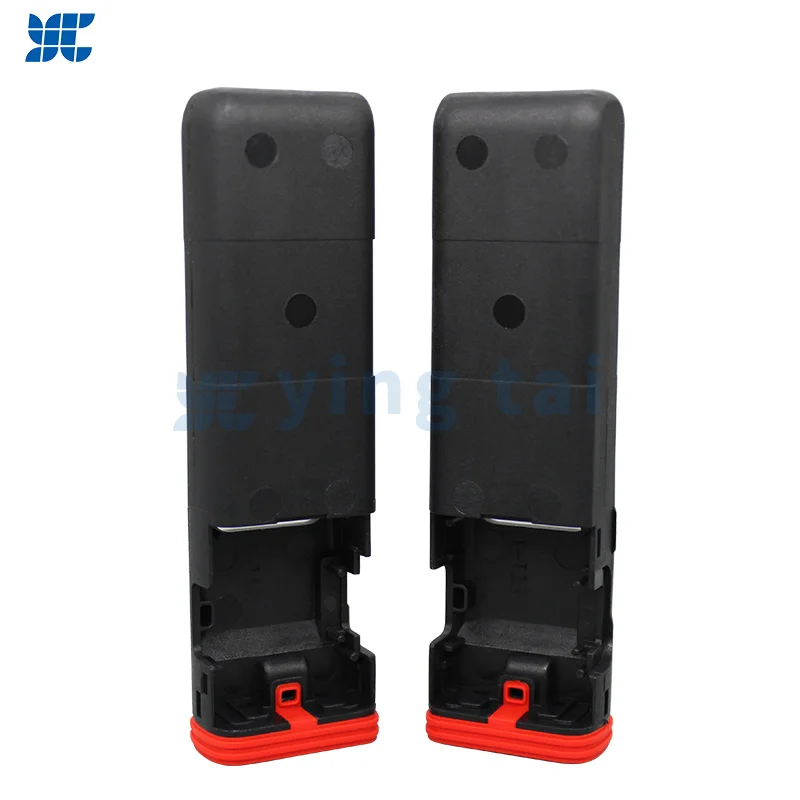
The liquid silicone sealing rings/plastic accessories produced by Yingtai Factory are widely used in various industries such as electronics and electrical appliances, industry, communication equipment, lighting fixtures, and auto parts.