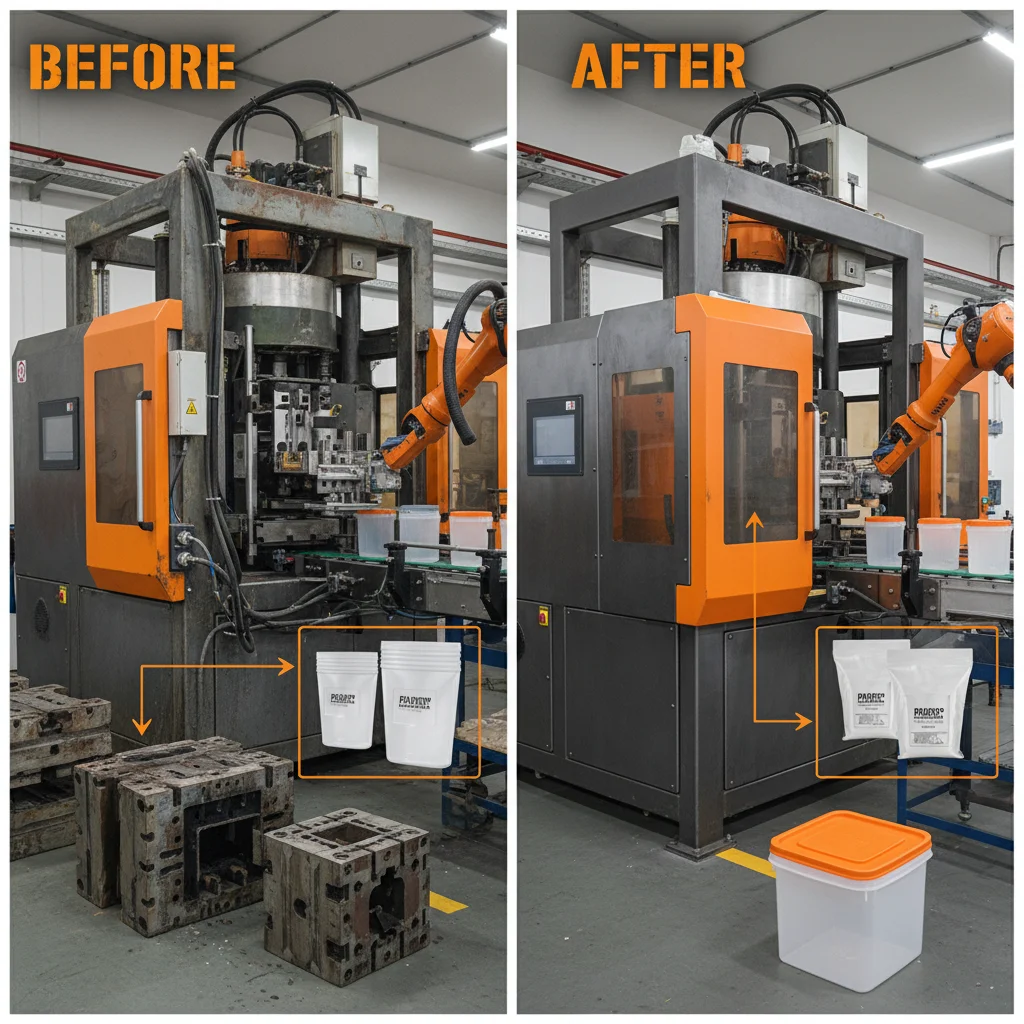
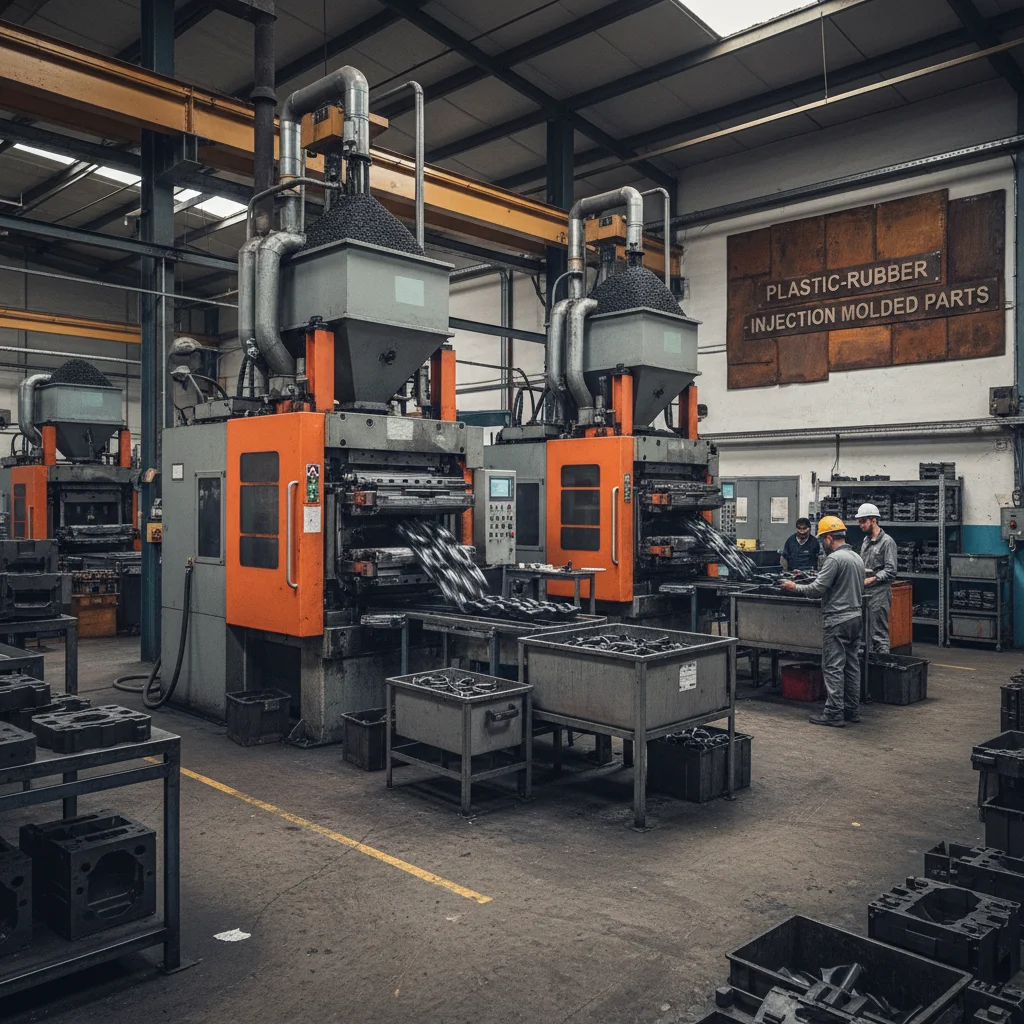
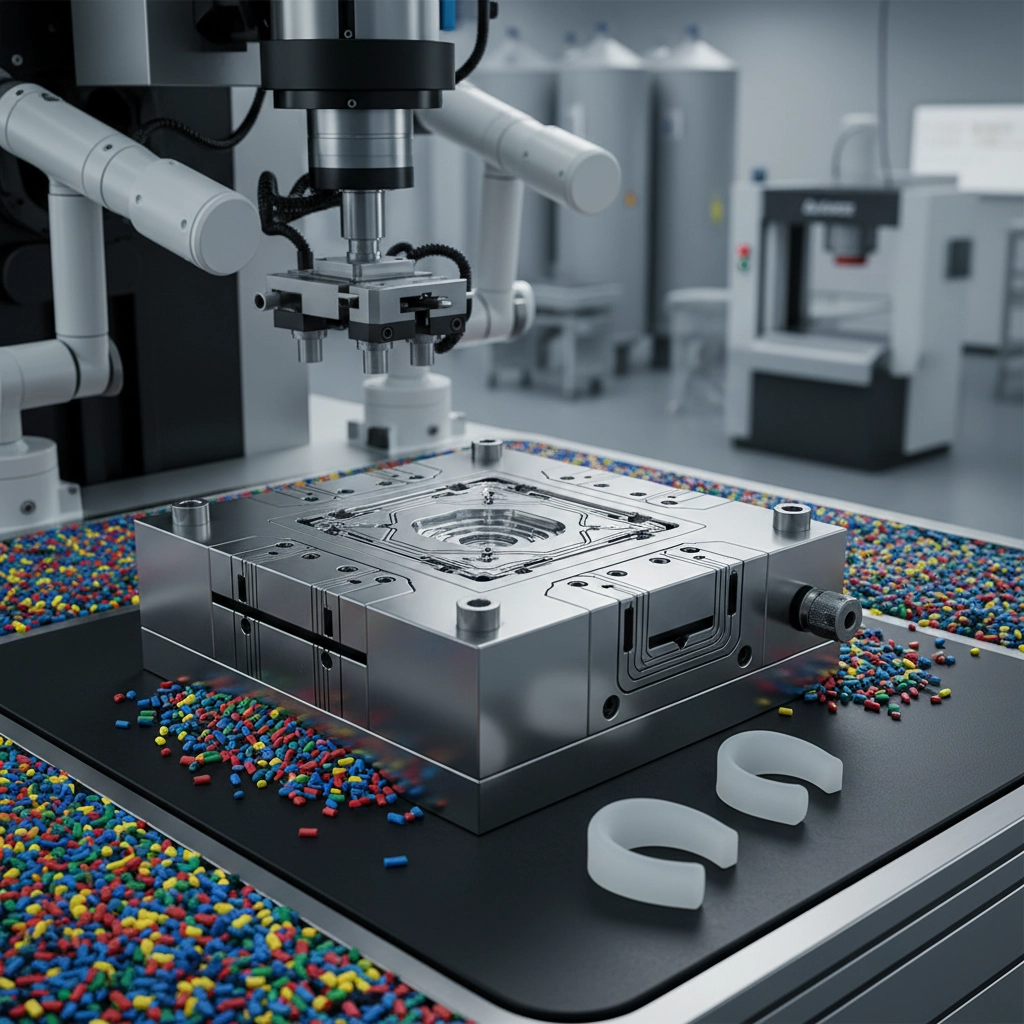
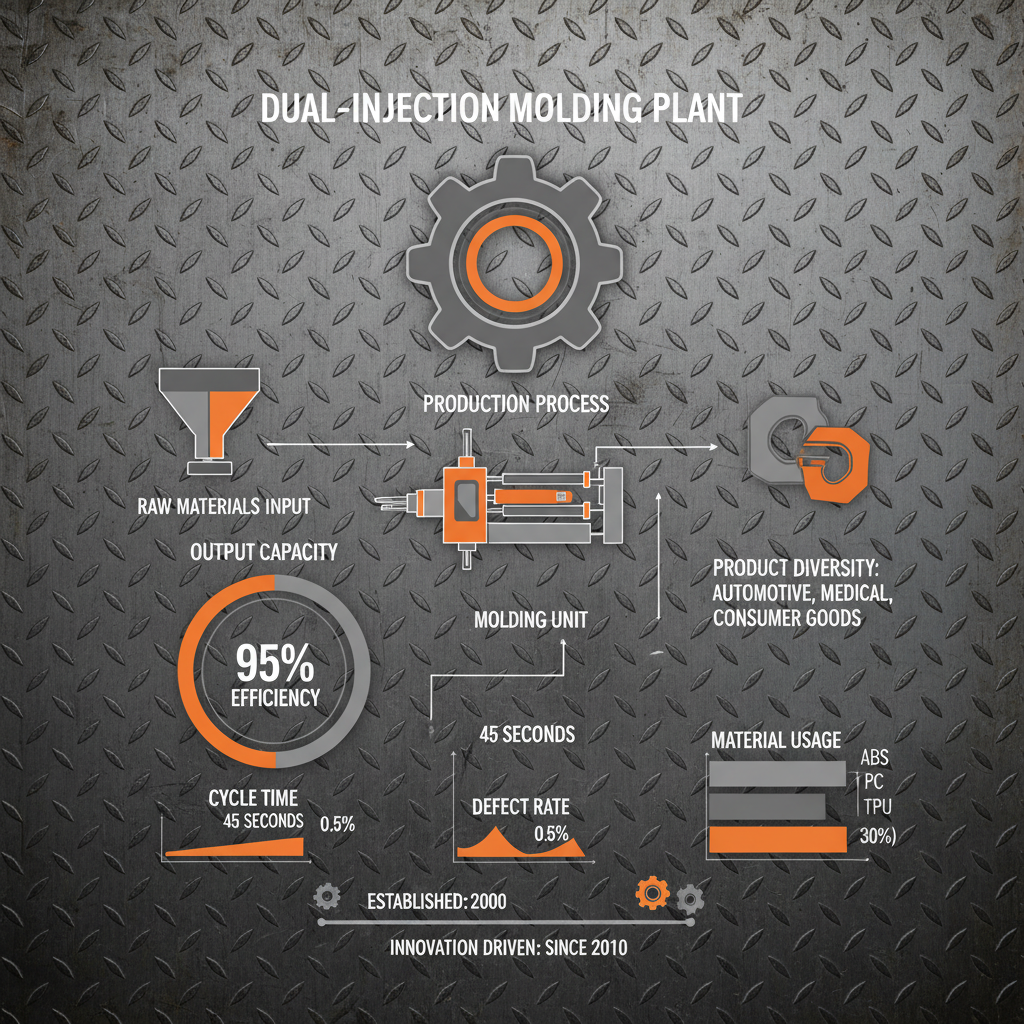
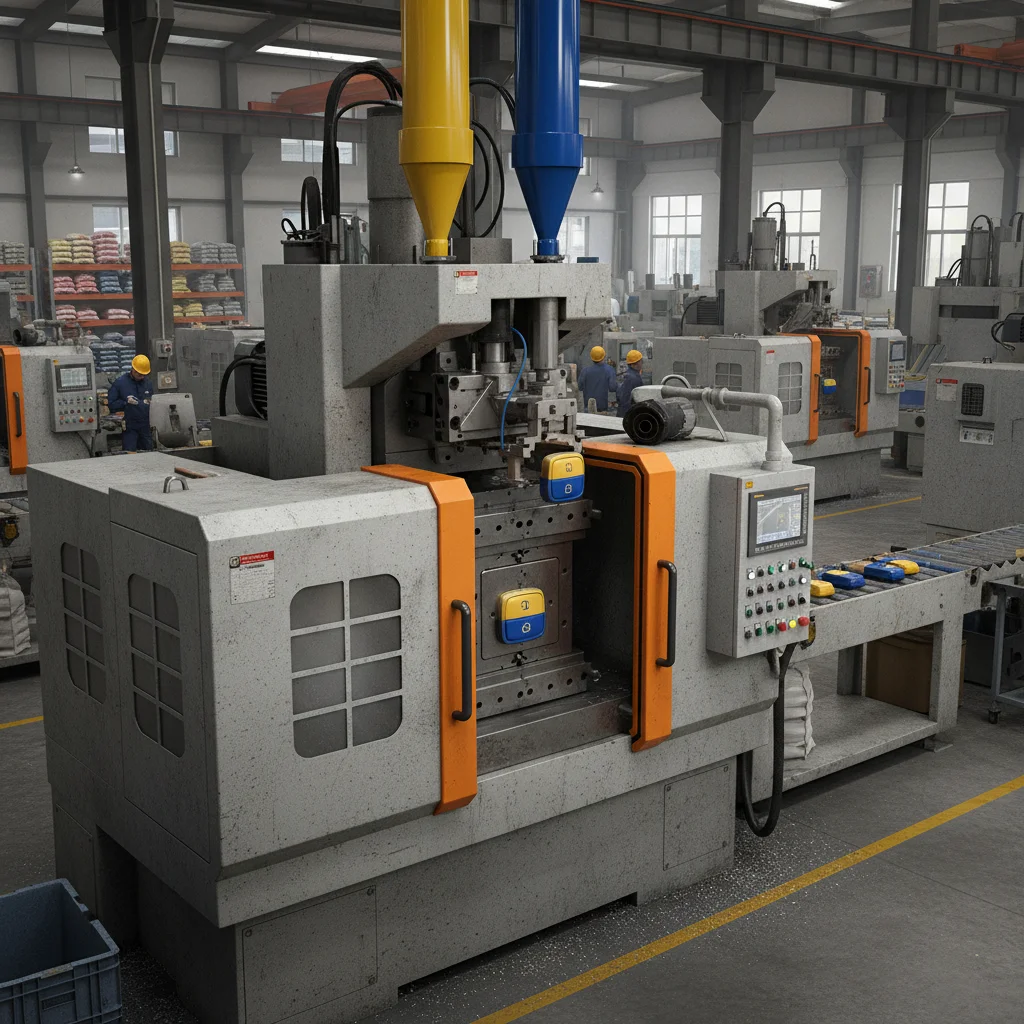
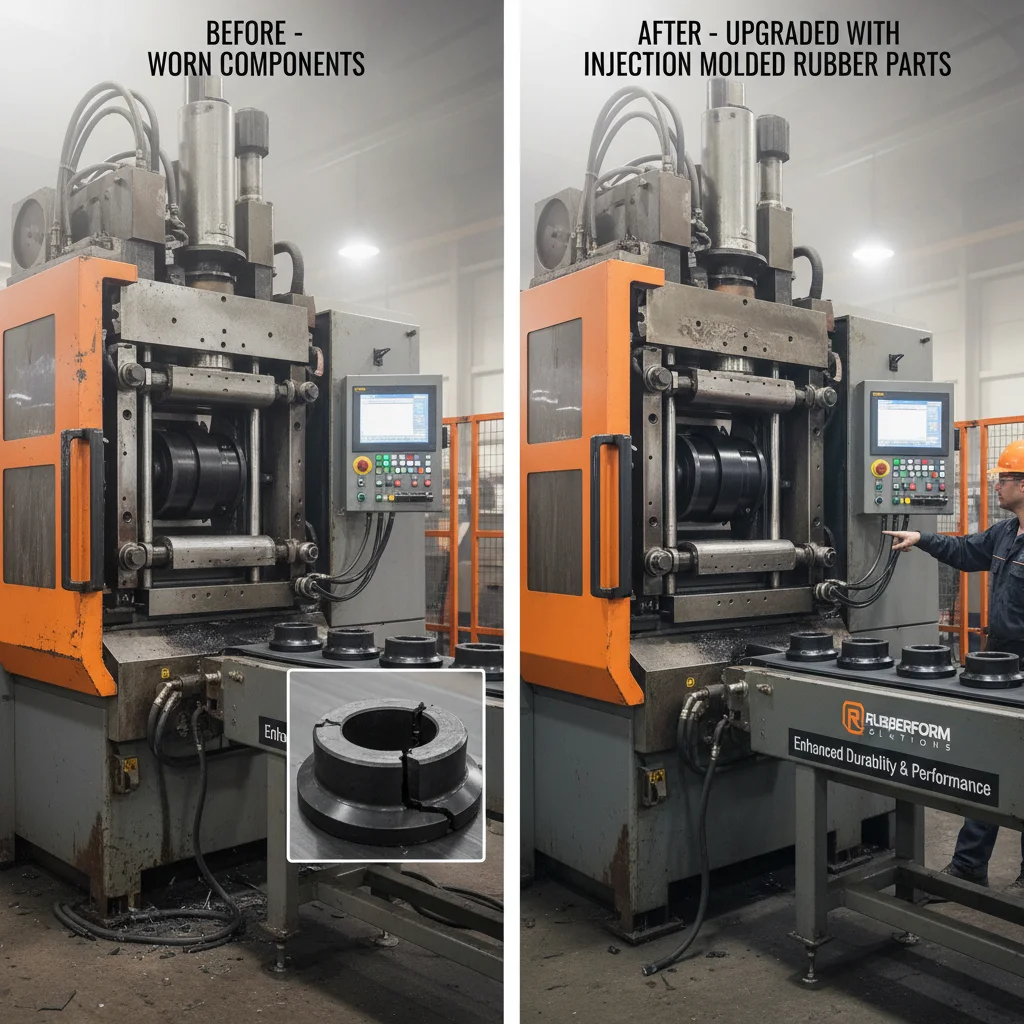
The demand for precision-engineered plastic components is surging globally, and at the forefront of meeting this need is the specialized field of two color plastic parts factory. These facilities don't simply mold plastic; they create intricate, multi-colored parts critical to a vast range of industries. Understanding the capabilities and benefits of a skilled two color plastic parts factory is essential for businesses seeking innovative and cost-effective manufacturing solutions.
The global plastic manufacturing industry is a multi-billion dollar market, with significant growth projected in the coming years. According to reports by the World Bank and ISO standards, there’s an increasing demand for high-quality, customized plastic parts. A proficient two color plastic parts factory responds to this demand by providing components with enhanced aesthetic appeal, functional integration, and reduced assembly costs.
The key to success in today's competitive landscape often lies in the details – and in the seamless integration of different materials and colors within a single part. A dedicated two color plastic parts factory allows for complex designs and functionalities, reducing the need for post-processing and ultimately, accelerating time to market for products.
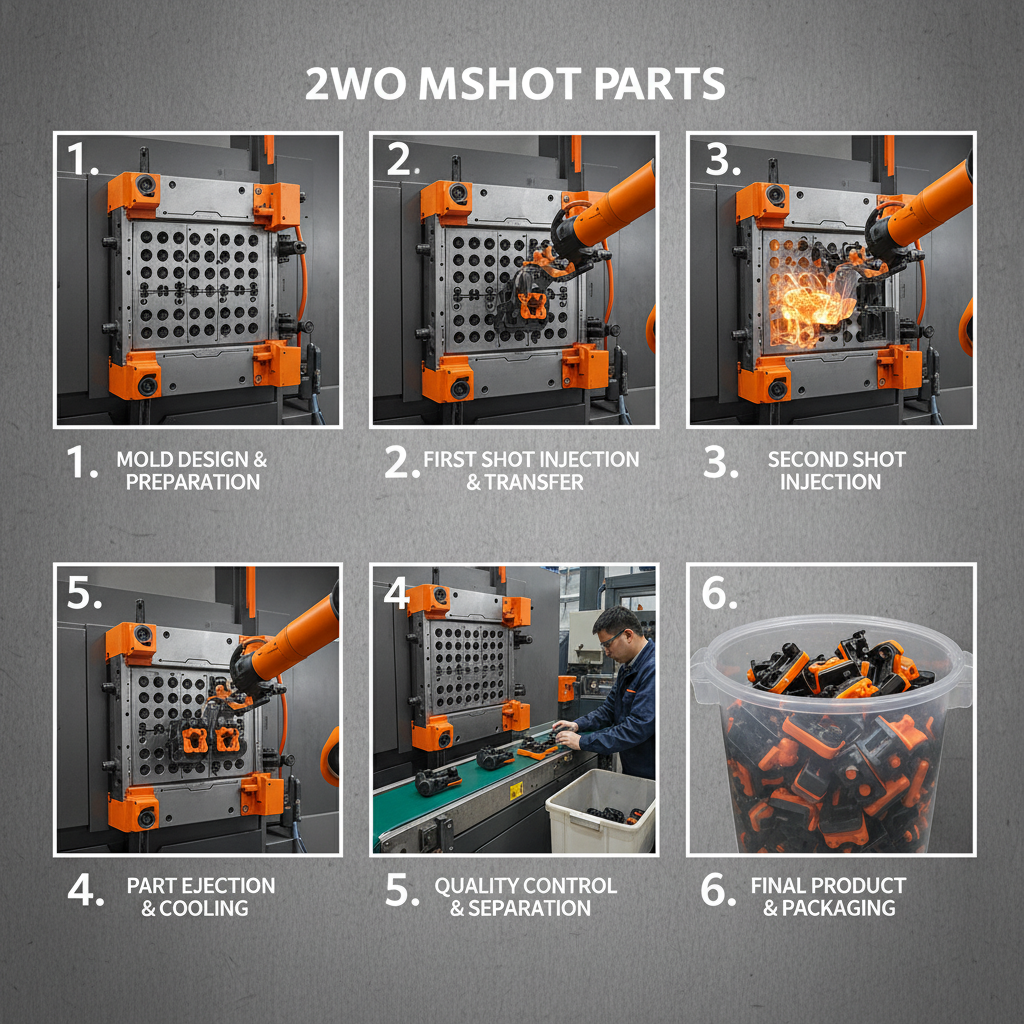
In today’s manufacturing landscape, differentiation is key. Two color plastic parts factory play a crucial role in achieving this, by providing components that enhance product aesthetics, functionality, and brand recognition. The ability to integrate multiple colors into a single part streamlines production and opens up possibilities for innovative designs.
The increasing complexity of modern products drives the demand for specialized manufacturing capabilities. A dedicated two color plastic parts factory offers expertise in material selection, mold design, and process control, ensuring high-quality, consistent results that meet the stringent requirements of diverse industries.
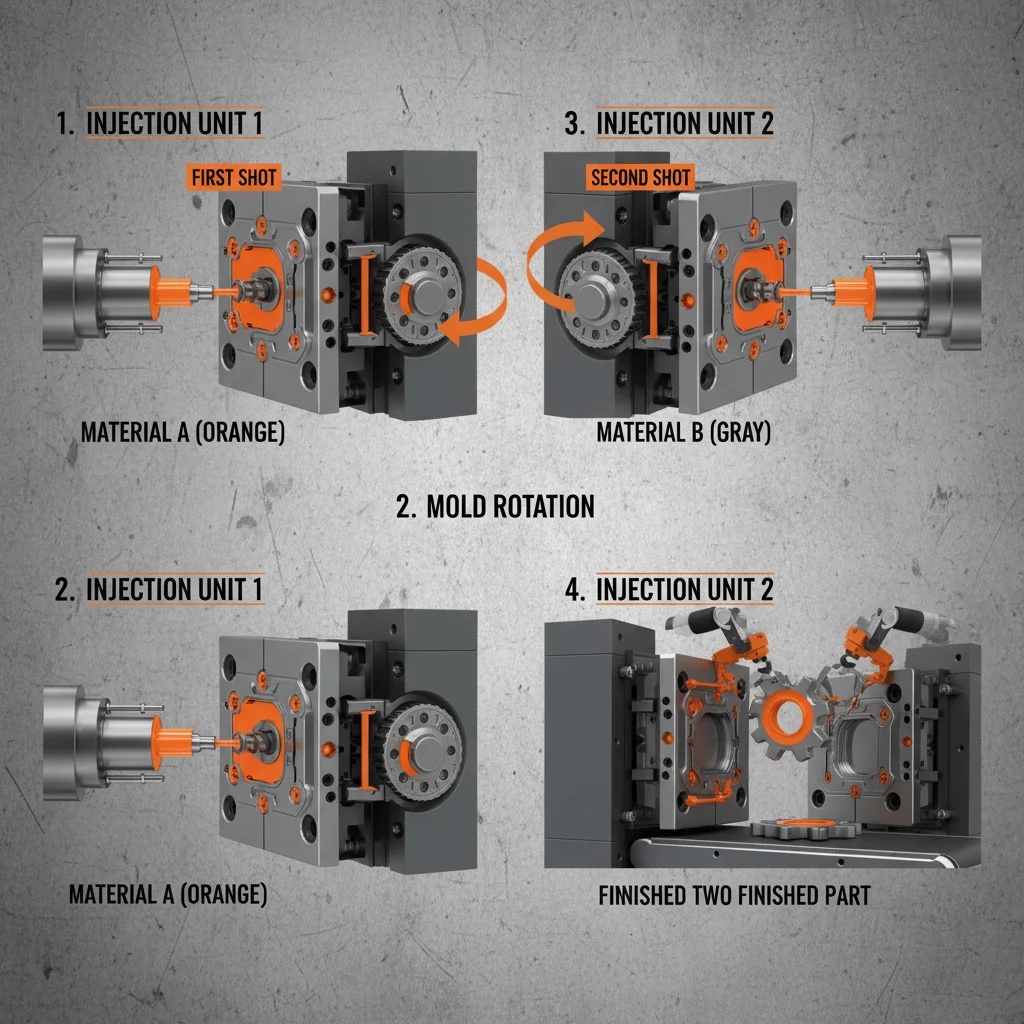
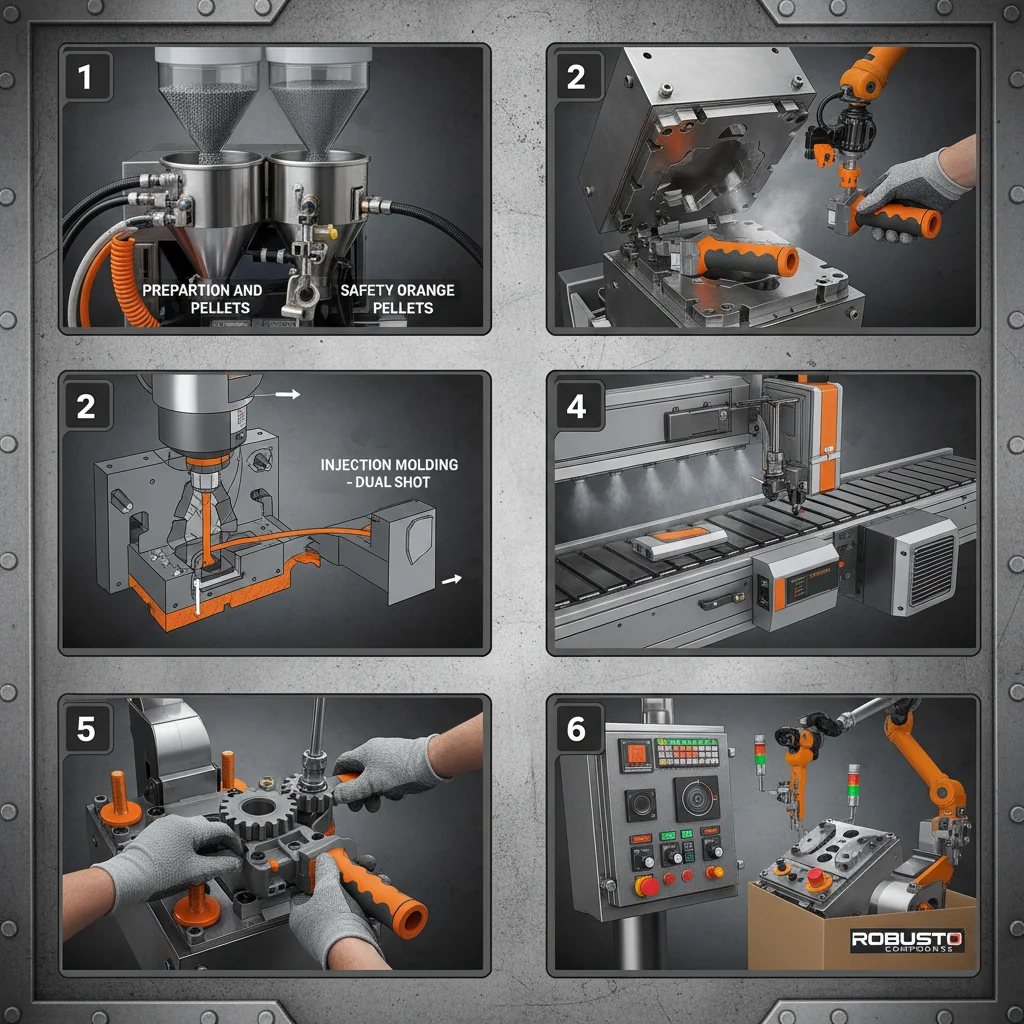
A two color plastic parts factory is a manufacturing facility specializing in injection molding processes that combine two different plastic materials or colors within a single finished product. This is achieved through advanced injection molding techniques, often utilizing rotary tables or specialized molds with multiple injection gates.
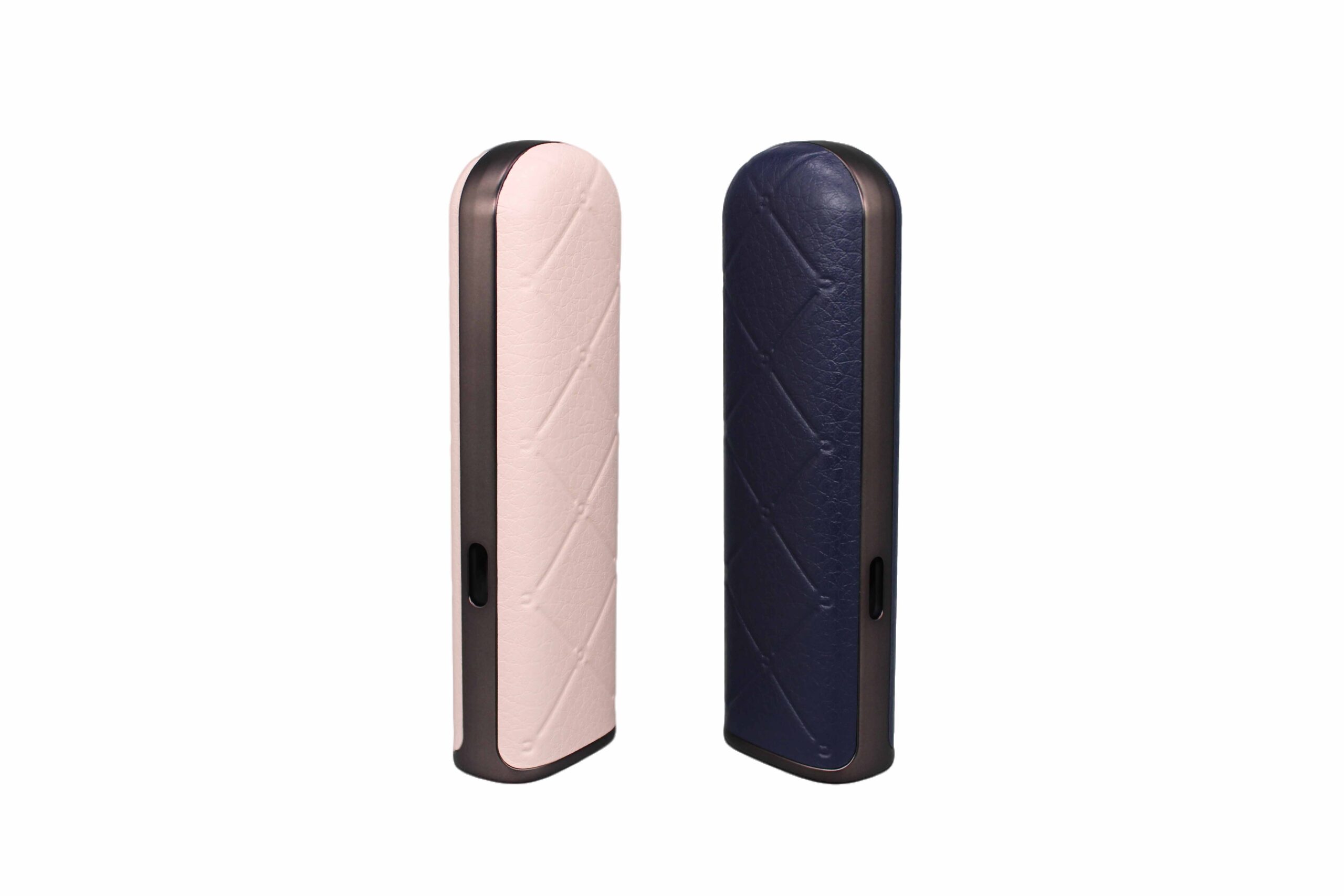
Unlike traditional plastic molding that typically produces parts in a single color, a two color process allows for the creation of visually appealing and functionally integrated parts. This capability is crucial in industries where aesthetics, ergonomics, or material properties require combining different plastics.
This specialization isn’t simply about aesthetics; it’s about functionality too. Two color molding allows for the creation of soft-touch grips on hard plastic tools, or the integration of different durometers within a single component, enhancing performance and user experience. A reputable two color plastic parts factory like Two color plastic parts factory excels in these sophisticated techniques.
A successful two color plastic parts factory must possess a range of specialized capabilities, beginning with expert mold design. This requires a deep understanding of plastic flow, shrinkage rates, and the intricacies of multi-component molding. Precise mold design is paramount to ensure seamless color transitions and structural integrity.
Beyond mold design, materials expertise is critical. Two color molding necessitates careful consideration of material compatibility. Choosing materials that bond effectively and have similar thermal expansion coefficients is essential to prevent warping or delamination. The factory should offer a diverse range of plastic materials including ABS, PC, PP, and TPE.
Finally, stringent quality control processes are indispensable. This includes rigorous inspection of incoming materials, in-process monitoring during molding, and final product testing to ensure adherence to specifications. A modern two color plastic parts factory employs advanced measurement technologies and statistical process control (SPC) methods.
Achieving optimal results in two color plastic molding hinges on several key factors. First, a meticulous design for manufacturability (DFM) analysis is crucial. This process identifies potential molding challenges early on and suggests design modifications to improve processability and part quality.
Second, precise control of molding parameters – temperature, pressure, injection speed, and cooling time – is paramount. These parameters must be carefully optimized for each material and part geometry to achieve consistent color blending and dimensional accuracy.
The applications of two color plastic parts are remarkably diverse, spanning numerous industries. In the automotive sector, they’re used for interior trim, knobs, and switchgear, enhancing both aesthetics and ergonomics. The medical device industry benefits from two color molding for grips on surgical instruments and housings for diagnostic equipment, providing both comfort and clarity.
Consumer electronics are another major market, with two color parts used in mobile phone cases, remote controls, and appliance housings. In post-disaster relief operations, durable and easily identifiable two color components are often found in portable water filters and emergency communication devices. The ability to quickly manufacture and deploy these parts is critical in crisis situations.
The primary advantage of two color plastic parts lies in their ability to combine functionality and aesthetics in a single, cost-effective component. This eliminates the need for separate assembly processes, reducing labor costs and improving production efficiency. Furthermore, it allows for unique designs that would be difficult or impossible to achieve with single-color molding.
From a sustainability perspective, two color molding can reduce material waste by optimizing material usage and minimizing the need for secondary operations. The enhanced durability and lifespan of two color parts also contribute to a reduced environmental footprint. Choosing a reliable two color plastic parts factory offers peace of mind and assures customers of quality and innovation.
Beyond the practical benefits, two color plastic parts offer significant brand-building potential. A well-designed, visually appealing part can enhance product perceived value and strengthen brand recognition, fostering customer loyalty and trust.
The future of two color plastic parts factory is poised for significant advancements, driven by several emerging trends. Automation and robotics are increasingly being integrated into the molding process, enhancing precision, repeatability, and efficiency. Digital twins and predictive maintenance are also gaining traction, enabling proactive monitoring and optimization of molding operations.
Furthermore, research into new plastic materials and bio-based polymers is expanding the possibilities for sustainable two color molding. The development of advanced mold designs, such as micro-injection molding for miniature components, is opening up new applications in the medical and electronics industries.
Integration with Industry 4.0 principles, including data analytics and cloud-based monitoring, is enabling two color plastic parts factories to achieve unprecedented levels of process control and responsiveness, allowing them to adapt quickly to changing market demands and customer needs.
Common plastics include ABS, Polypropylene (PP), Polyethylene (PE), Thermoplastic Elastomers (TPE), Polycarbonate (PC), and Acrylic (PMMA). Material selection depends on factors like desired flexibility, hardness, chemical resistance, and aesthetic requirements. Compatibility between the chosen materials is crucial for successful bonding in the two-color process.
MOQ varies significantly depending on the complexity of the part, the size of the production run, and the specific factory. Generally, MOQs range from several hundred to several thousand units. It’s best to contact the factory directly to discuss your specific needs and obtain a customized quote.
Mold creation typically takes between 4-8 weeks, depending on the complexity of the design and the factory’s workload. The process involves CAD design, mold fabrication, and rigorous testing to ensure it meets the required specifications. A detailed project timeline is usually provided upfront.
Design for Manufacturability (DFM) is essential. Consider draft angles, wall thicknesses, and undercuts. Avoid sharp corners and ensure proper material compatibility. Consult with the two color plastic parts factory early in the design process to identify potential challenges and optimize the part for efficient molding.
Reputable factories employ rigorous quality control throughout the process, including incoming material inspection, in-process monitoring (using SPC), and final product inspection. Dimensional measurements, visual checks, and functional testing are all common QC procedures. ISO 9001 certification is a strong indicator of quality commitment.
While primarily focused on plastic-to-plastic overmolding, some factories may have capabilities for overmolding with other materials like rubber or metal inserts. This is less common and requires specialized tooling and expertise. Confirm the factory’s capabilities before proceeding with designs involving non-plastic overmolding.
In conclusion, a skilled two color plastic parts factory provides a crucial link in the modern manufacturing ecosystem. By offering the ability to create aesthetically pleasing, functionally integrated, and cost-effective components, they empower businesses across diverse industries to innovate and gain a competitive edge. The advantages range from enhanced product design and reduced assembly costs to improved sustainability and brand value.
Looking ahead, the integration of automation, advanced materials, and Industry 4.0 principles will further enhance the capabilities of these facilities. For businesses seeking to optimize their product designs, streamline manufacturing processes, and meet the evolving demands of the market, partnering with a reputable two color plastic parts factory like Two color plastic parts factory is an investment in long-term success.
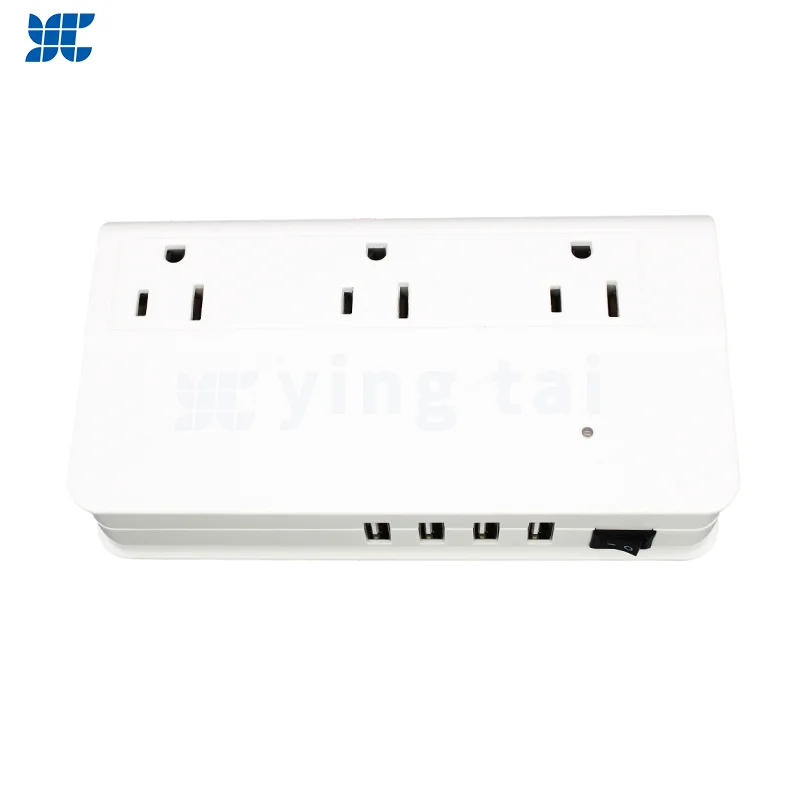
The plug-in socket has powerful expansion and synchronous fast charging; Multi port USB paired with new national standard sockets doubles work and life efficiency.
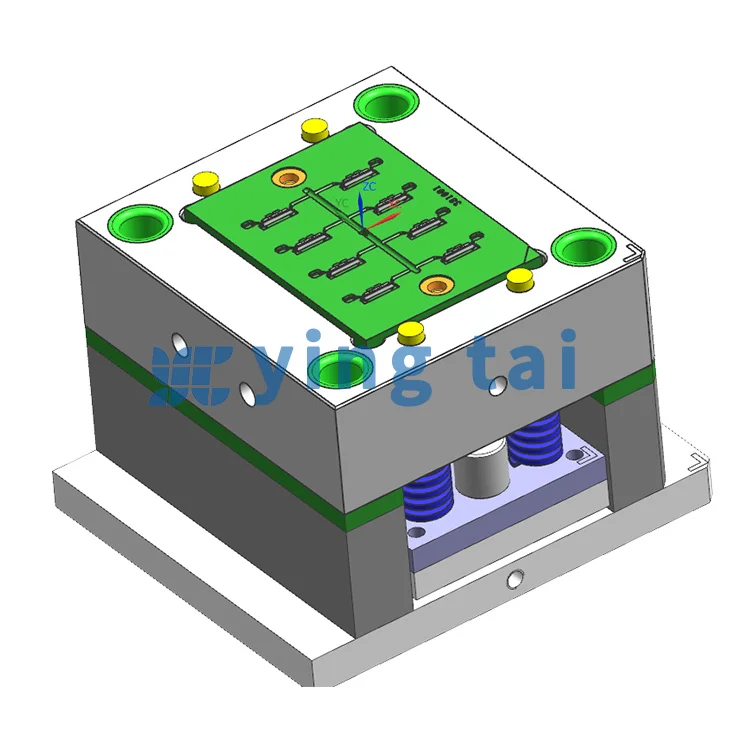
From liquid silicone tubing to baby pacifiers, from smart wearable sealing rings to automotive components, all liquid silicone accessories can be manufactured at our Yingtai factory.
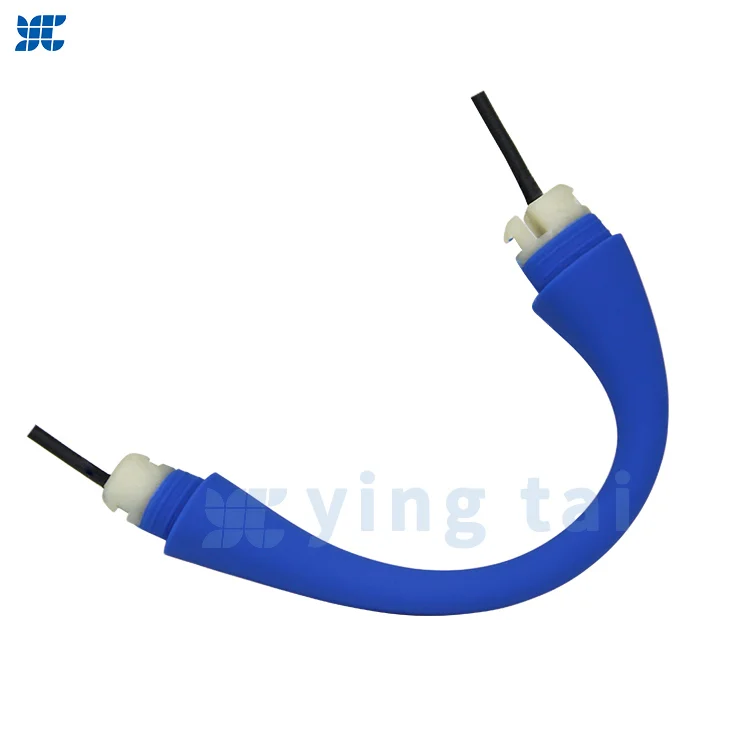
Bluetooth earphone accessories are made up of liquid silicone shell, plastic bracket, wires, etc.