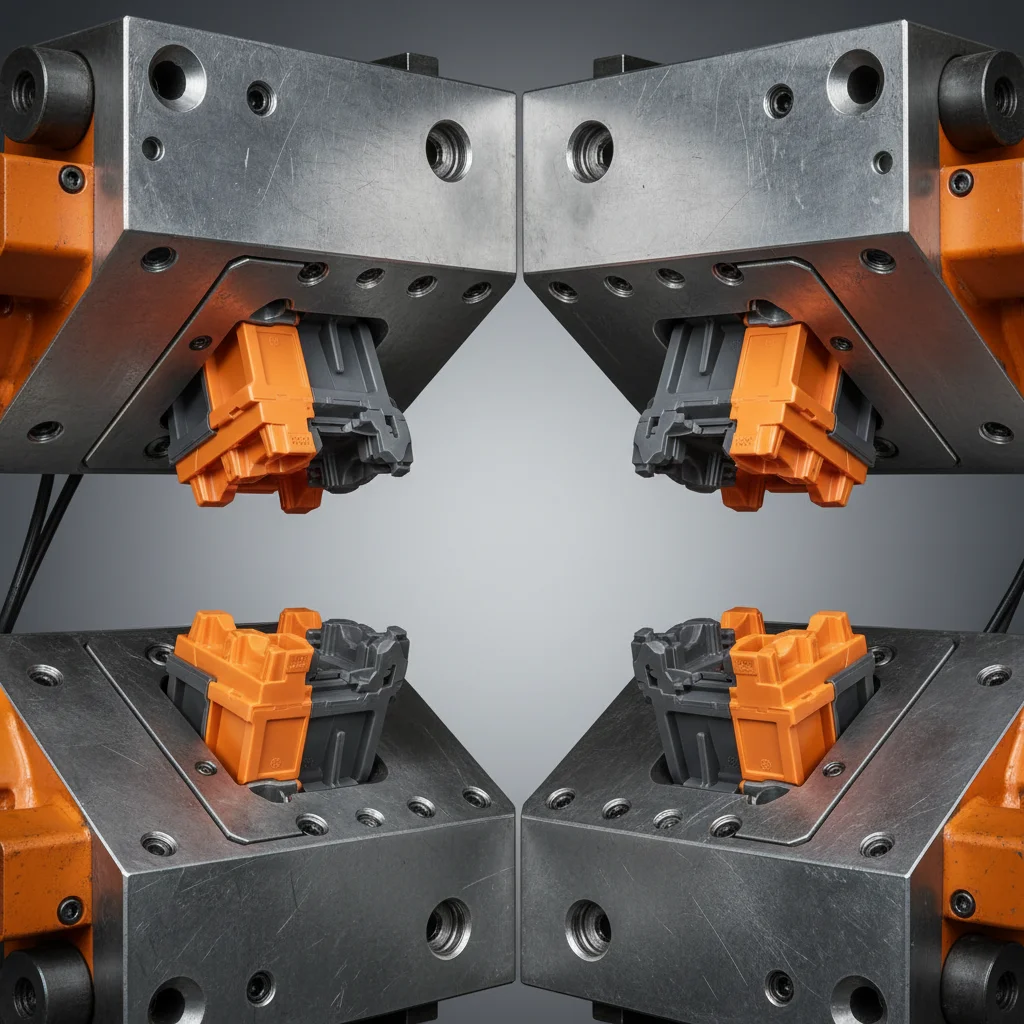
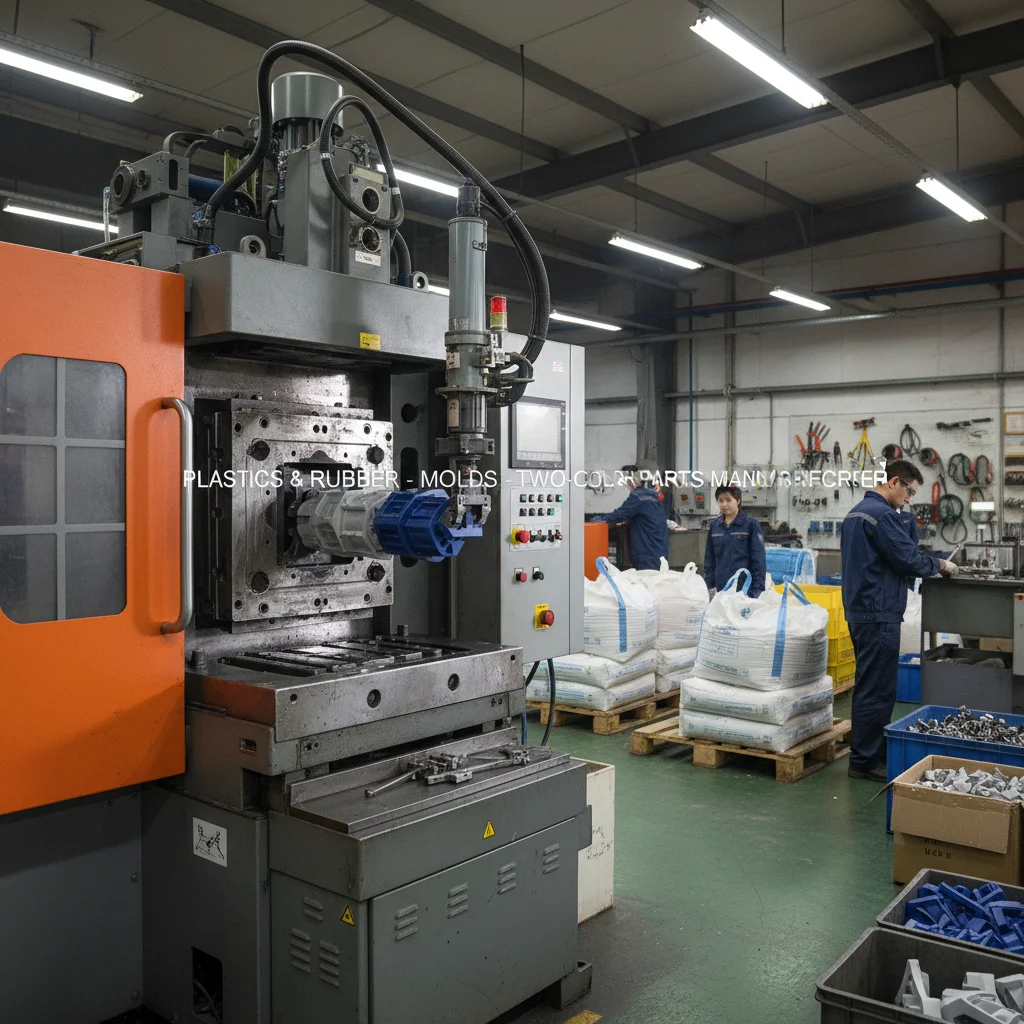
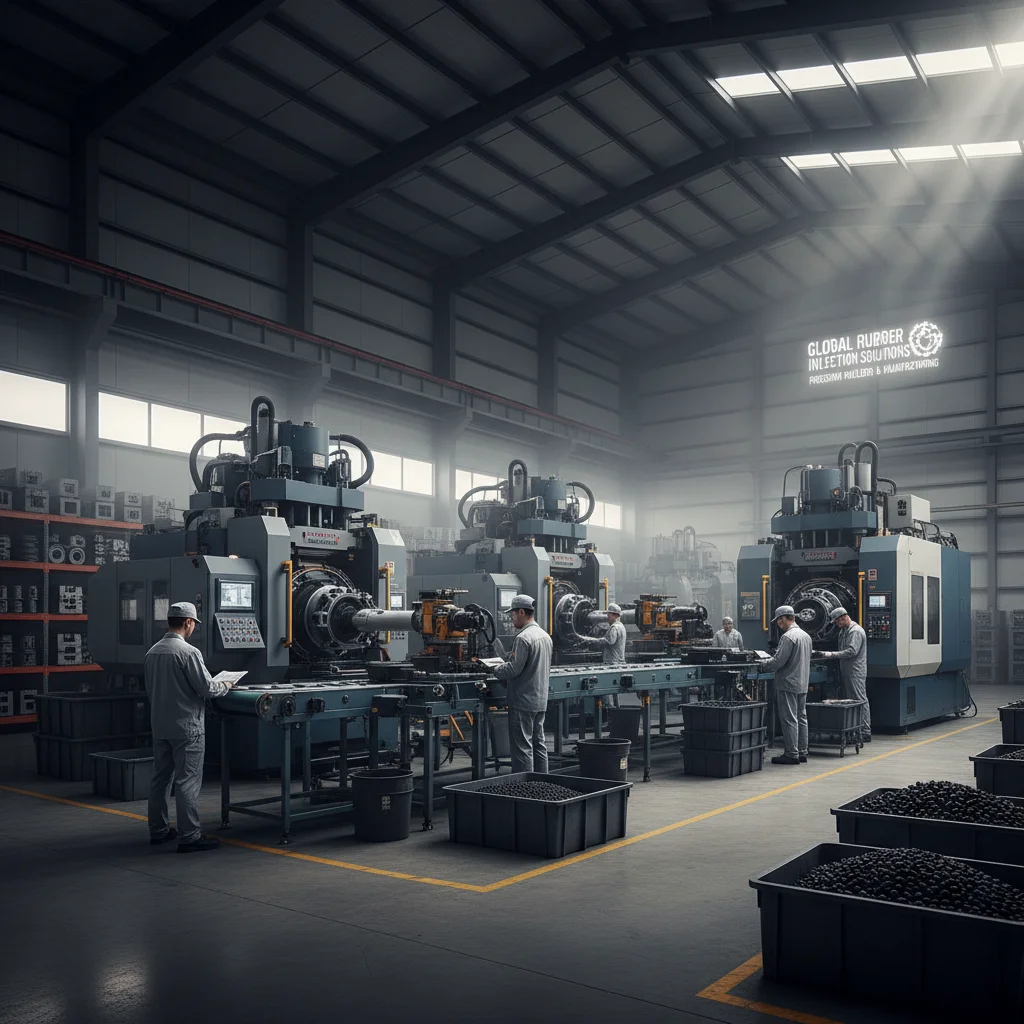
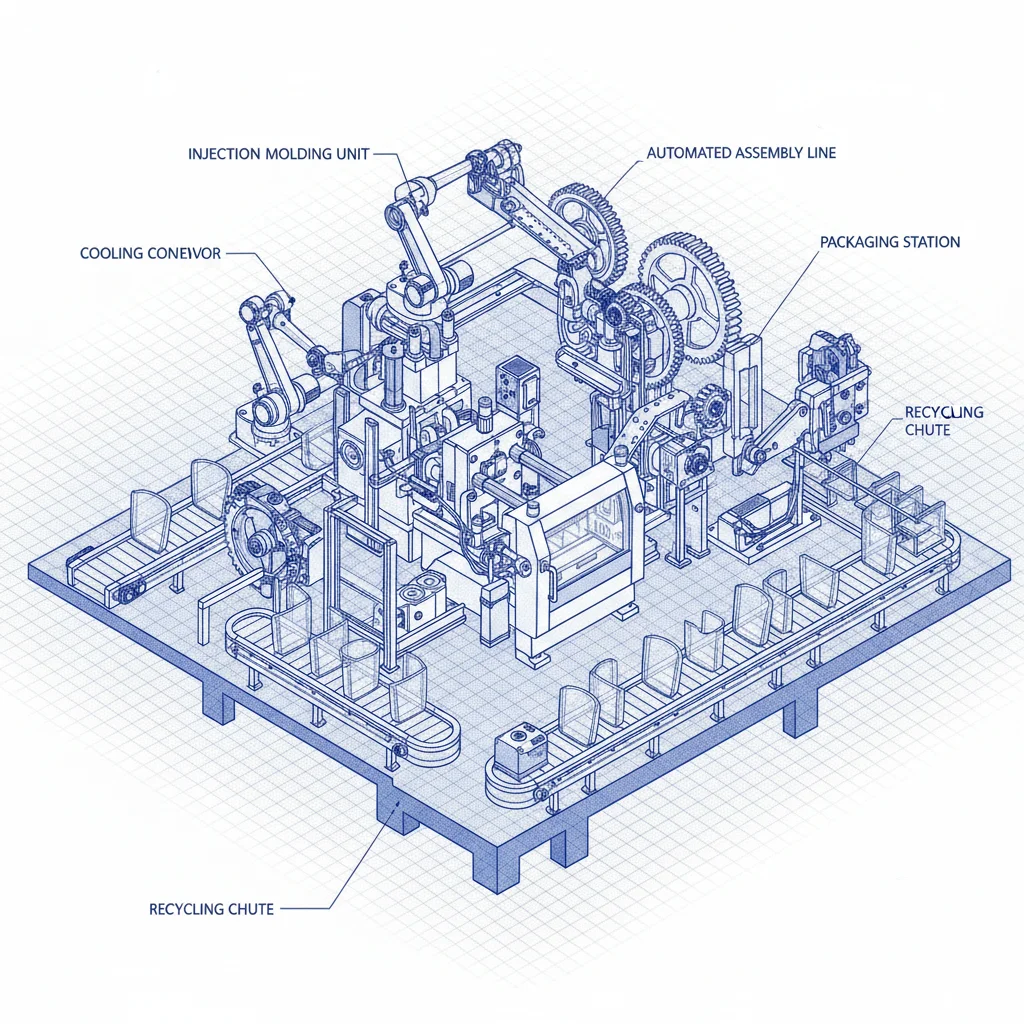
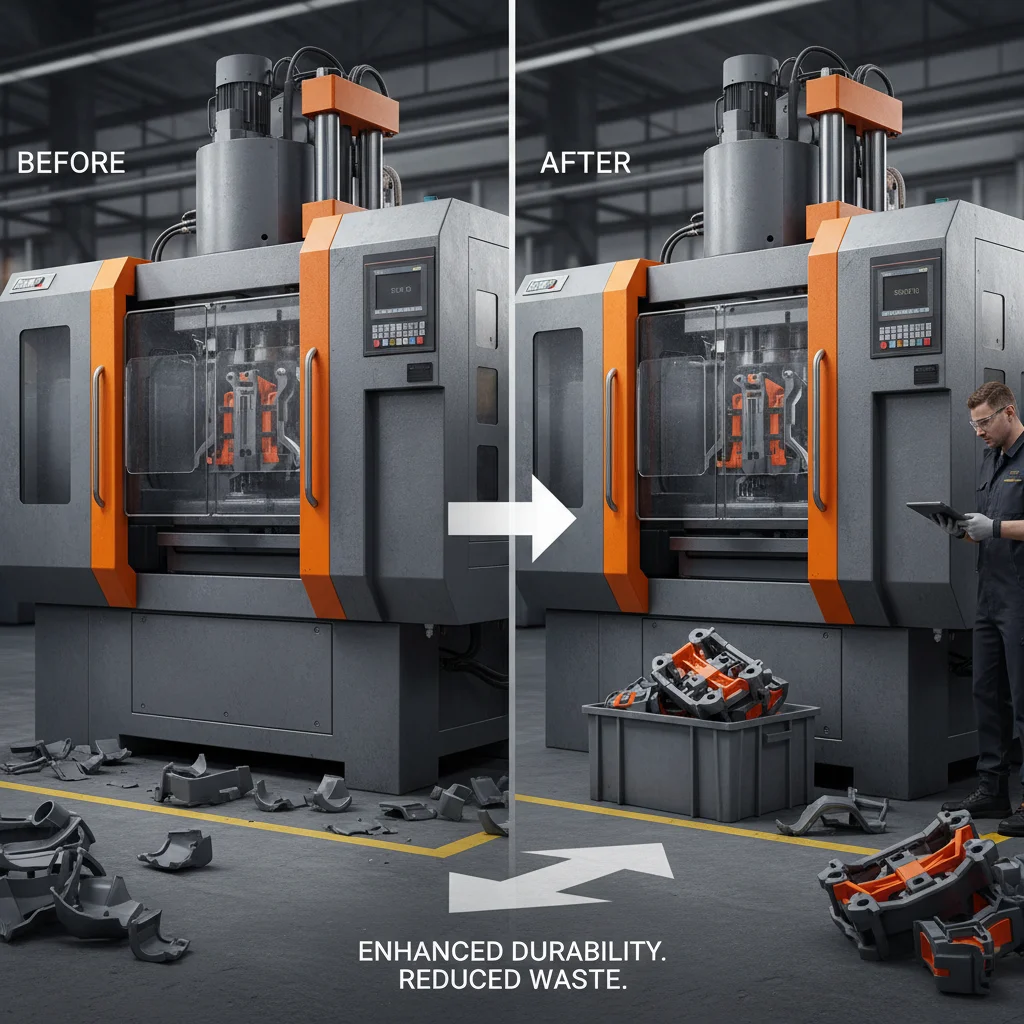
The manufacturing landscape is undergoing a seismic shift toward miniaturization and extreme material purity, placing the Precision liquid silicone mold at the center of industrial innovation. By combining the flexibility of liquid silicone rubber (LSR) with the rigid accuracy of high-grade tool steel, these molds allow for the creation of complex geometries that were previously impossible with traditional compression molding.
Globally, the demand for medical-grade silicone and high-performance consumer electronics has spiked, driving the need for molding solutions that offer zero-defect tolerances. A high-quality precision liquid silicone mold ensures consistent wall thickness and seamless finishes, which are critical for products that must withstand rigorous sterilization or provide airtight seals in harsh environments.
Understanding the nuances of this technology—from thermal management to vacuum venting—is essential for any company aiming to reduce cycle times and minimize scrap rates. By leveraging advanced CNC machining and EDM processes, manufacturers can now achieve micron-level precision, ensuring that every single part produced is an identical replica of the digital prototype.
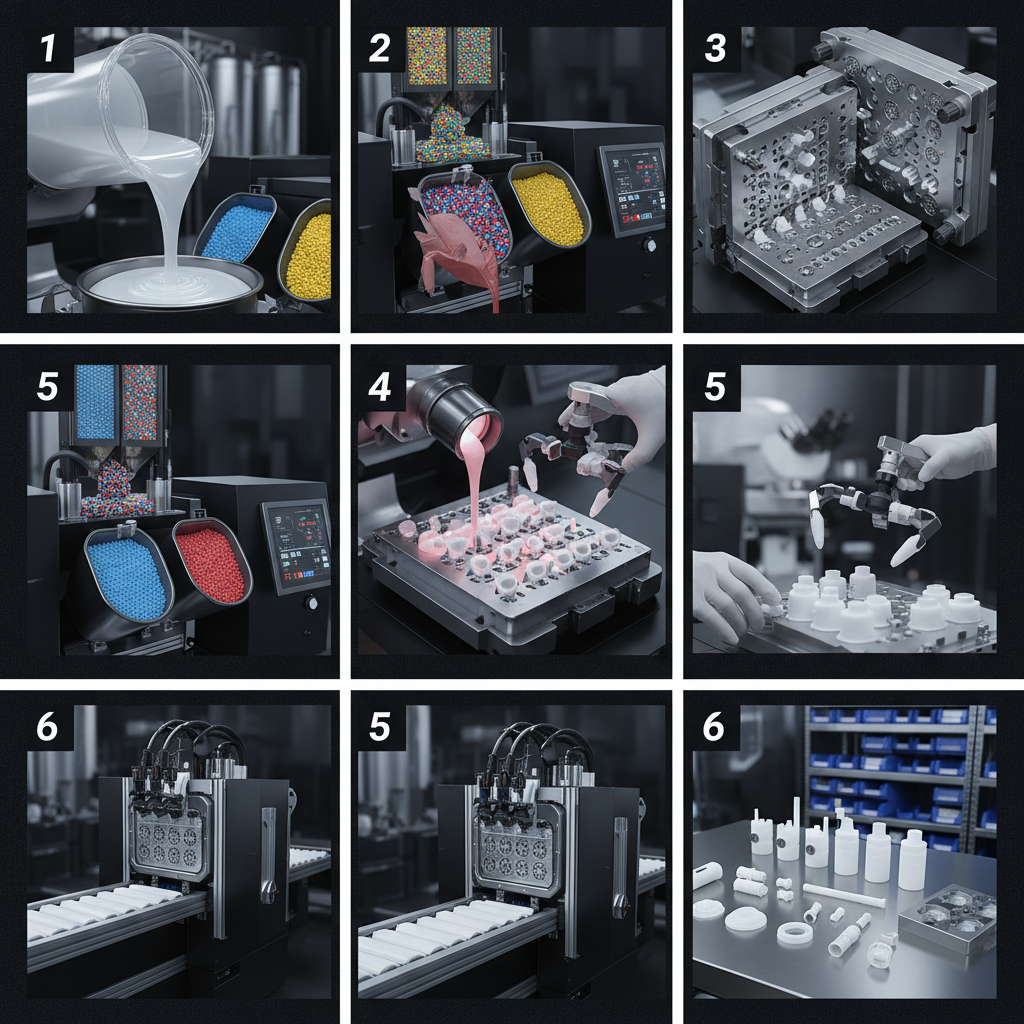
In the current global economy, the shift toward "Smart Manufacturing" has placed an immense premium on the Precision liquid silicone mold. According to ISO standards for medical device manufacturing, the margin for error in silicone components is virtually non-existent. As the healthcare sector expands in Asia and North America, the reliance on automated injection molding systems has grown, necessitating molds that can handle high-pressure injection while maintaining extreme dimensional stability.
The primary challenge facing the industry is the balance between production speed and material integrity. Traditional molding often leads to "flash" or air pockets, which can compromise the safety of a medical valve or the waterproofing of a wearable device. This is where precision engineering steps in, utilizing vacuum-assisted systems and optimized runner designs to eliminate defects at the source.
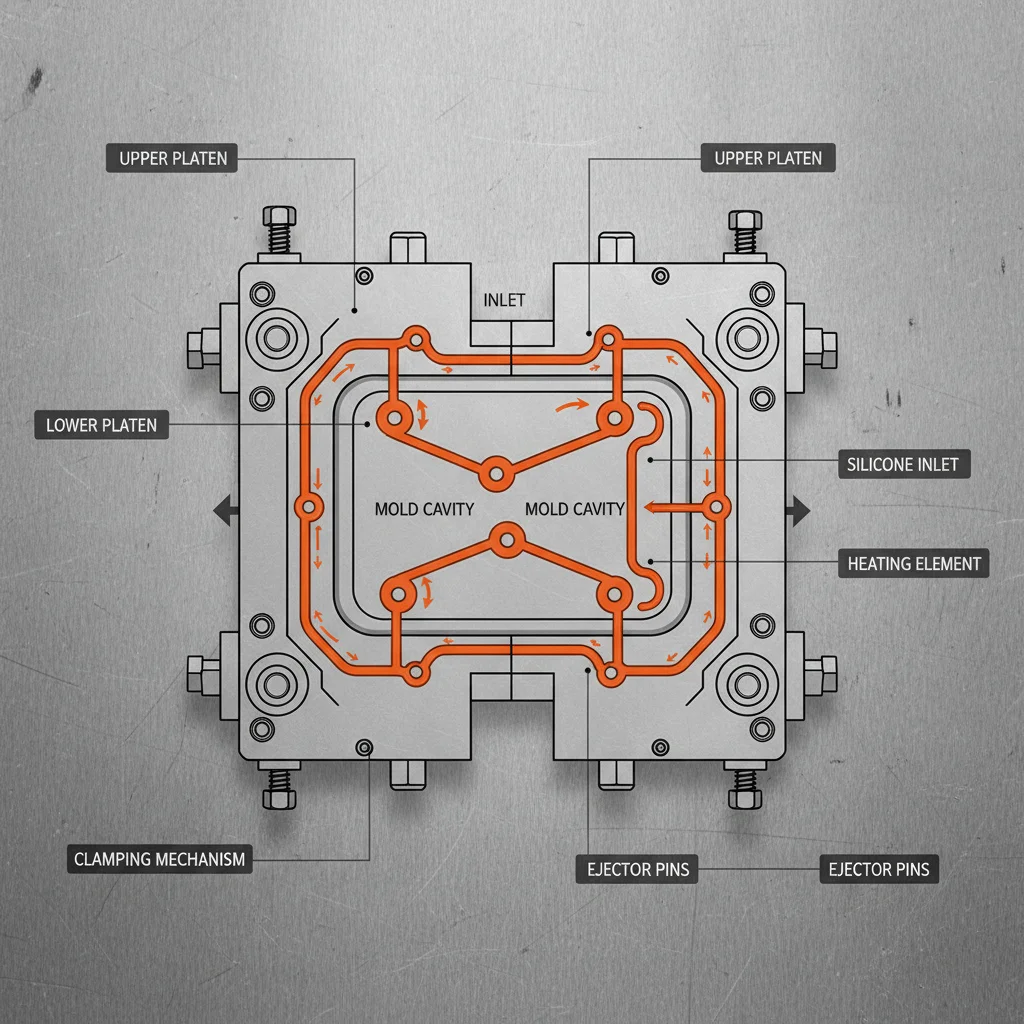
At its core, a Precision liquid silicone mold is a highly engineered tool designed to inject Low Viscosity Liquid Silicone Rubber (LSR) into a heated cavity. Unlike thermoplastic molding, LSR requires a catalyst to trigger vulcanization (curing) through heat. Therefore, the mold is not just a shape-former but a thermal reactor that must distribute heat evenly to ensure the silicone cures uniformly without internal stresses.
This process is intrinsically linked to modern humanitarian and medical needs. For instance, the production of neonatal ventilators or prosthetic seals requires materials that are biocompatible and shapes that are exact to the micron. The precision of the mold ensures that these life-saving components fit perfectly into their assemblies, preventing leaks that could be catastrophic in a clinical setting.
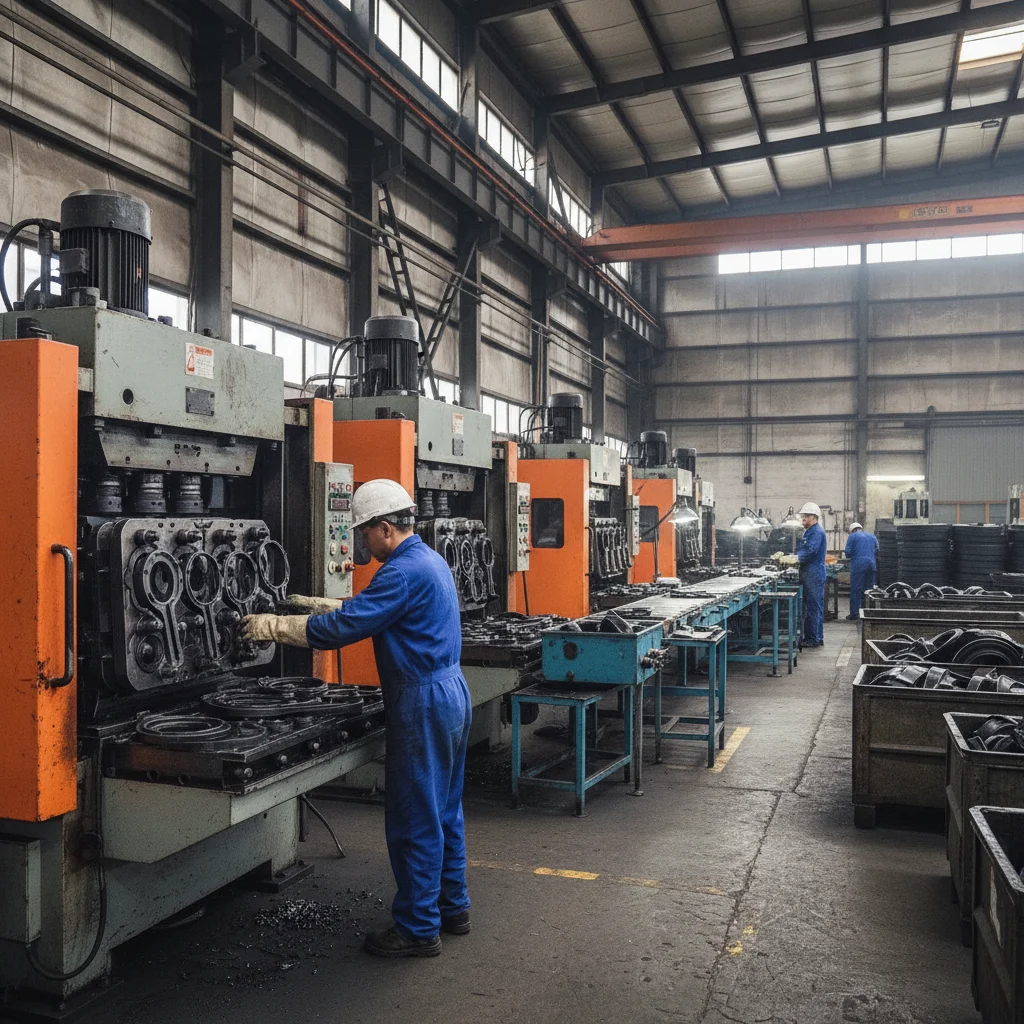
Furthermore, the transition from manual to automated molding has redefined "precision." It now encompasses the ability of the mold to withstand millions of cycles without wearing down, maintaining the same tolerance on the 1,000,000th part as it did on the first. This reliability is what allows global brands to scale their production without sacrificing quality.
The durability of a Precision liquid silicone mold begins with material selection. High-grade stainless steel (such as 420 or H13) is typically used to resist corrosion from the silicone chemistry and to maintain hardness under high thermal loads. This ensures that the sharp edges and intricate details of the mold do not erode over time.
Thermal scalability is another critical factor. Because the curing process is exothermic, the mold must feature complex cooling and heating channels. By integrating conformal cooling—where channels follow the geometry of the part—manufacturers can drastically reduce cycle times and prevent the "warping" often associated with uneven cooling in a Precision liquid silicone mold.
Finally, the sealing mechanism is paramount. Liquid silicone has a very low viscosity, meaning it can leak through gaps as small as a few microns. A precision mold utilizes specialized O-rings and tight-tolerance mating surfaces to ensure that the material stays within the cavity, thereby eliminating flash and reducing the need for manual post-processing trimming.
When evaluating the efficiency of different molding strategies, the Precision liquid silicone mold consistently outperforms traditional compression methods in terms of repeatability and waste reduction. The ability to automate the injection process means that labor costs are lowered while the output quality remains consistently high.
The following data illustrates the performance metrics of various molding approaches, highlighting why precision-engineered LSR tooling is the gold standard for high-volume, high-accuracy requirements.
The versatility of a Precision liquid silicone mold allows it to be deployed in diverse environments. In the medical field, it is used to create intricate gaskets for dialysis machines and seals for surgical instruments, where biocompatibility and absolute precision are non-negotiable. The ability to produce parts with complex undercuts and thin walls makes it indispensable for modern healthcare.
Beyond medicine, the automotive and aerospace industries utilize these molds for high-temperature seals and vibration dampeners. In remote industrial zones or extreme climate regions, components produced via precision LSR molding maintain their elasticity and sealing properties from -60°C to 200°C, ensuring that critical machinery remains operational despite environmental stress.
Investing in a high-end Precision liquid silicone mold provides tangible economic benefits through the reduction of "cost-per-part." While the initial tooling cost is higher than simpler molds, the decrease in cycle time and the near-zero scrap rate lead to a much lower total cost of ownership over the product's lifecycle.
From a sustainability perspective, precision molding is significantly more eco-friendly. By optimizing the runner system and minimizing flashing, less raw silicone is wasted. Furthermore, the longevity of the mold reduces the need for frequent tool replacements, lowering the carbon footprint associated with steel production and machining.
Ultimately, the value lies in trust and reliability. When a company can guarantee that every part meets a strict tolerance, it builds a reputation for quality that allows it to command a premium in the market. This logical progression from precision tooling to brand equity is the primary driver for adoption in the luxury and medical sectors.
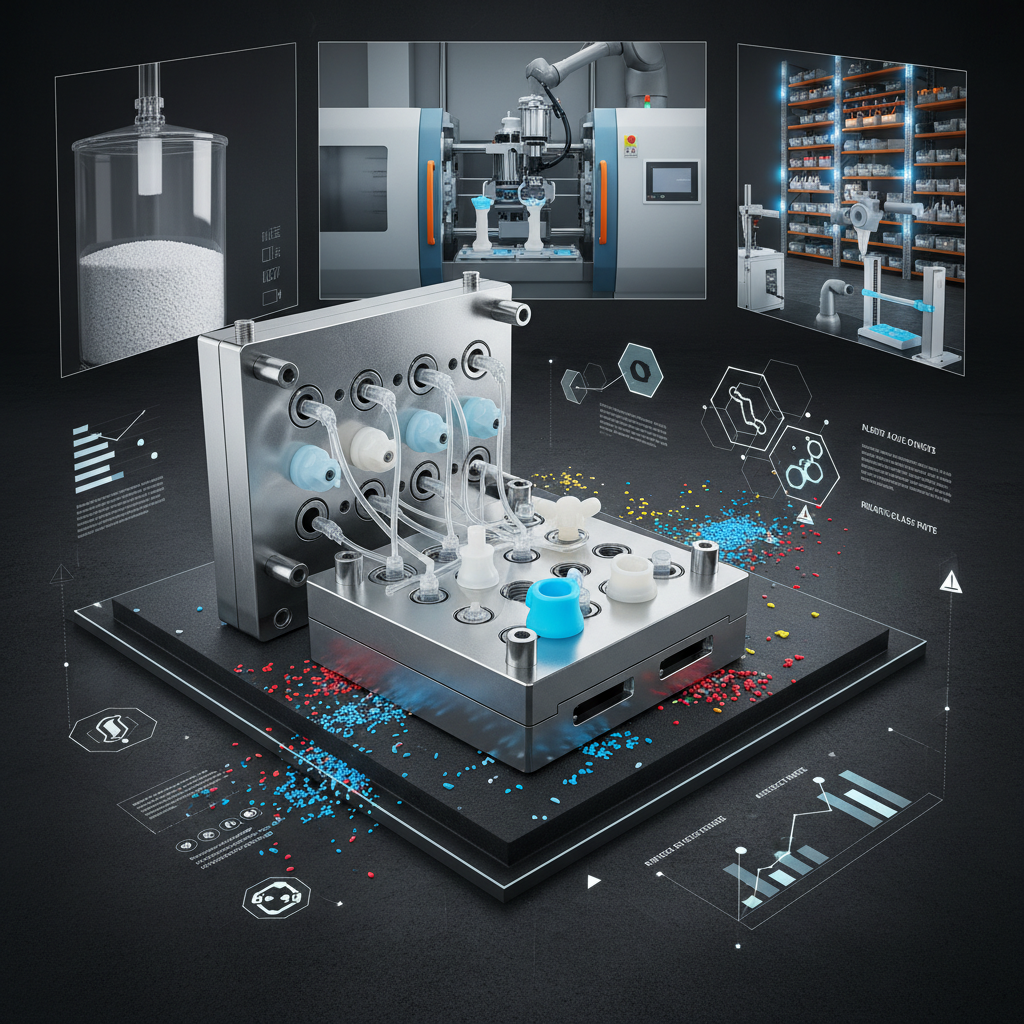
The future of the Precision liquid silicone mold is being shaped by the integration of Industry 4.0. We are seeing the rise of "Smart Molds" equipped with embedded sensors that monitor temperature, pressure, and flow in real-time. This allows for autonomous adjustments during the production cycle, effectively eliminating defects before they happen.
Digital Twin technology is also playing a massive role. Engineers can now simulate the entire injection and curing process in a virtual environment, optimizing the gate positions and venting of the Precision liquid silicone mold before a single piece of steel is cut. This reduces development time and ensures a higher first-shot success rate.
Additionally, the move toward green energy is prompting the development of more efficient heating elements within the molds, reducing electricity consumption without compromising the vulcanization speed. These innovations ensure that LSR molding remains the most viable path for sustainable, high-precision manufacturing.
| Tooling Material | Tolerance Level | Expected Cycle Life | Primary Application |
|---|---|---|---|
| Stainless Steel 420 | ±0.01mm | 1 Million+ Cycles | Medical Implants |
| H13 Tool Steel | ±0.02mm | 500k - 1M Cycles | Automotive Seals |
| P20 Pre-hardened | ±0.05mm | 100k - 300k Cycles | Consumer Electronics |
| Aluminum Alloy | ±0.1mm | 10k - 50k Cycles | Rapid Prototyping |
| Beryllium Copper | ±0.02mm | Variable | Heat-Intensive Inserts |
| Titanium Grade 5 | ±0.005mm | 2 Million+ Cycles | High-End Aero-Space |
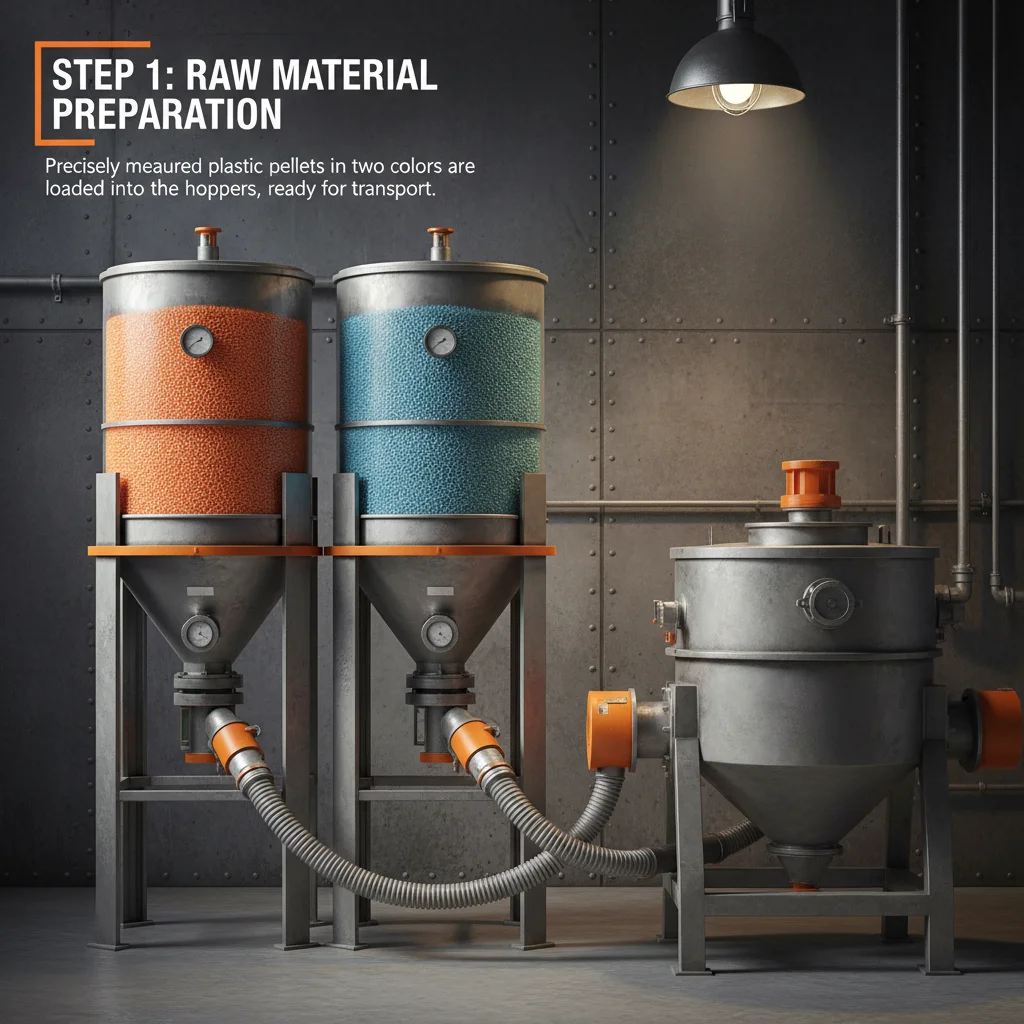
The primary advantage is the ability to use Liquid Silicone Rubber (LSR), which has a much lower viscosity than high-consistency rubber. This allows the material to flow into much tighter gaps and more complex geometries with higher accuracy. Additionally, the automated injection process eliminates human error and reduces cycle times from minutes to seconds, while ensuring that every part is dimensionally identical.
Depending on the material used for the mold, lifespan can vary significantly. Molds made from high-grade stainless steel or H13 tool steel are designed for high-volume production and can often exceed 1 million cycles. Regular maintenance, such as cleaning residue and lubricating moving parts, is essential to maintain the micron-level tolerances over the tool's lifetime.
Yes, they are the industry standard for medical-grade silicone products. Because the molds can be polished to an extremely high mirror finish and manufactured from non-reactive steels, they prevent contamination and ensure the biocompatibility of the finished part. They are ideal for producing catheters, valves, and seals that must meet strict FDA or ISO medical standards.
Flash is the excess material that leaks out of the mold cavity at the parting line, creating a thin "fin" on the part. In a precision liquid silicone mold, flash is prevented through extremely tight tolerances on the mating surfaces of the mold plates and the use of vacuum systems that ensure the material is pulled into the cavity without leaving air gaps or forcing material through the seams.
For very small prototypes, aluminum molds are a more cost-effective choice. However, for any project moving toward mid-to-high volume production, the higher initial cost of a precision steel mold is justified by the reduction in scrap rates, the elimination of manual trimming, and the consistency of the parts, which prevents costly product recalls or failures in the field.
Temperature is critical because LSR cures via a thermal reaction. If the mold has "cold spots," the silicone may not cure fully, leading to soft spots or structural failure. Conversely, "hot spots" can cause scorching. A precision mold uses optimized heating and cooling channels to ensure a uniform temperature across the entire cavity, resulting in a consistent cure and stable dimensions.
The adoption of the Precision liquid silicone mold represents a critical evolution in manufacturing, bridging the gap between complex design and scalable production. By focusing on material purity, thermal optimization, and micron-level tolerances, industries from healthcare to aerospace can now produce components that are safer, more durable, and more efficient. The synergy of advanced metallurgy and automated injection processes ensures that precision is no longer a luxury, but a standard.
Looking forward, the integration of smart sensors and AI-driven simulation will further refine the molding process, driving down costs and enhancing sustainability. For companies seeking to remain competitive in a high-tech market, investing in precision tooling is not merely an operational choice, but a strategic necessity. To explore how these solutions can elevate your product quality, visit our website: www.ytlsrmold.com.
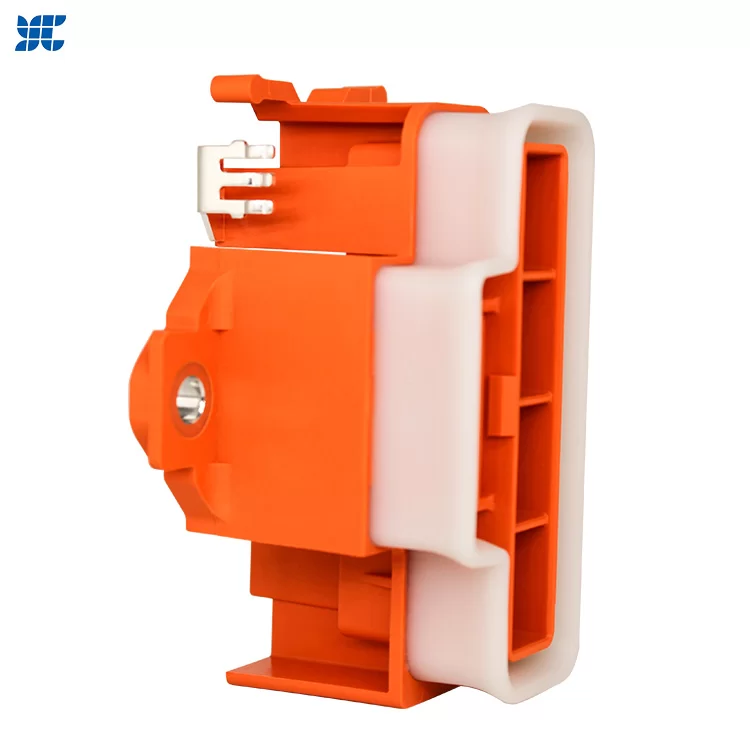
Yingtai Factory provides integrated services from product development, mold design and production, raw material procurement, etc.
Welcome to customize with drawings and samples.
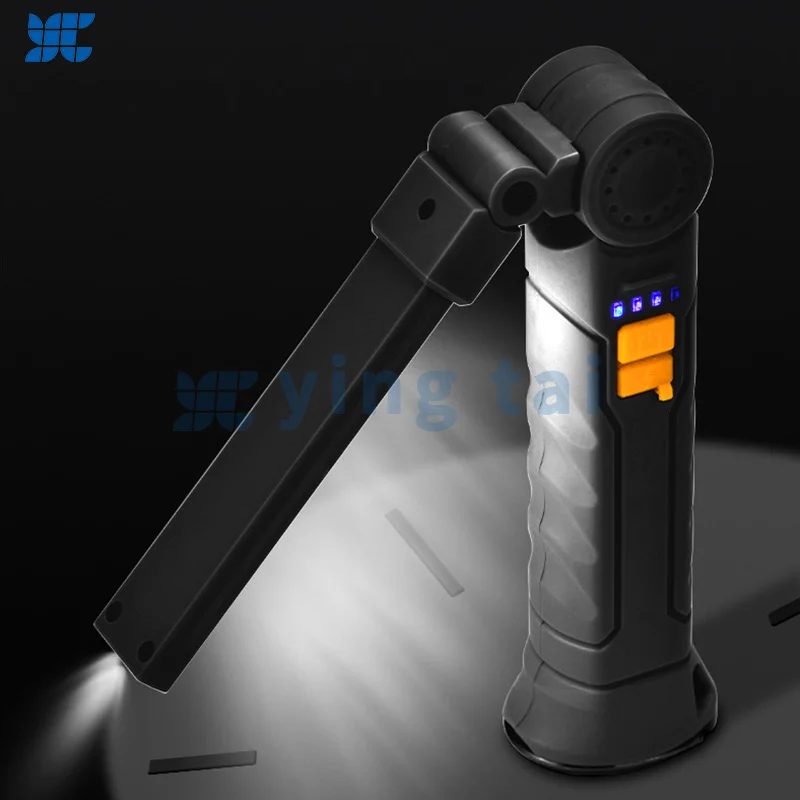
Small flashlight: with strong magnetic attraction, three levels of dimming, USB charging, it is an emergency expert in your pocket.
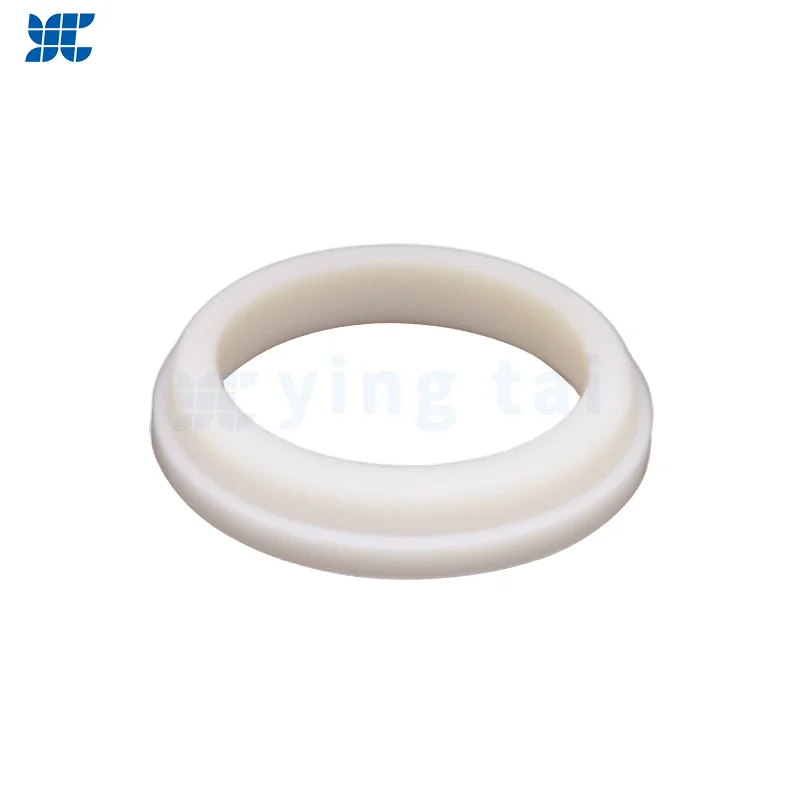
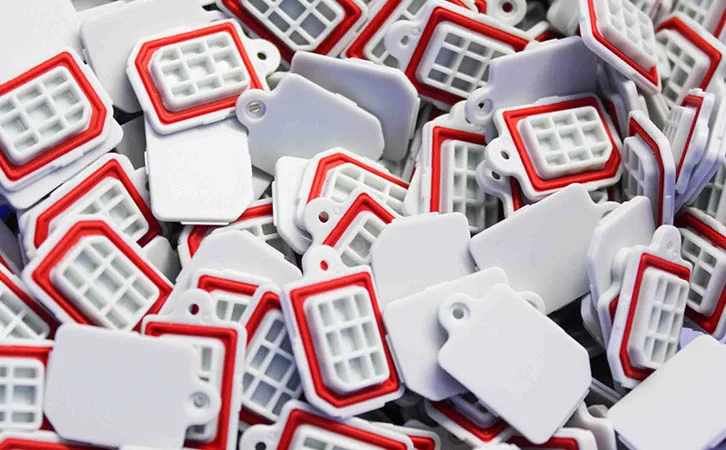
Yingtai factory can process and produce liquid silicone sealing rings, non-standard waterproof silicone rings, silicone gaskets and other accessories according to the drawings.