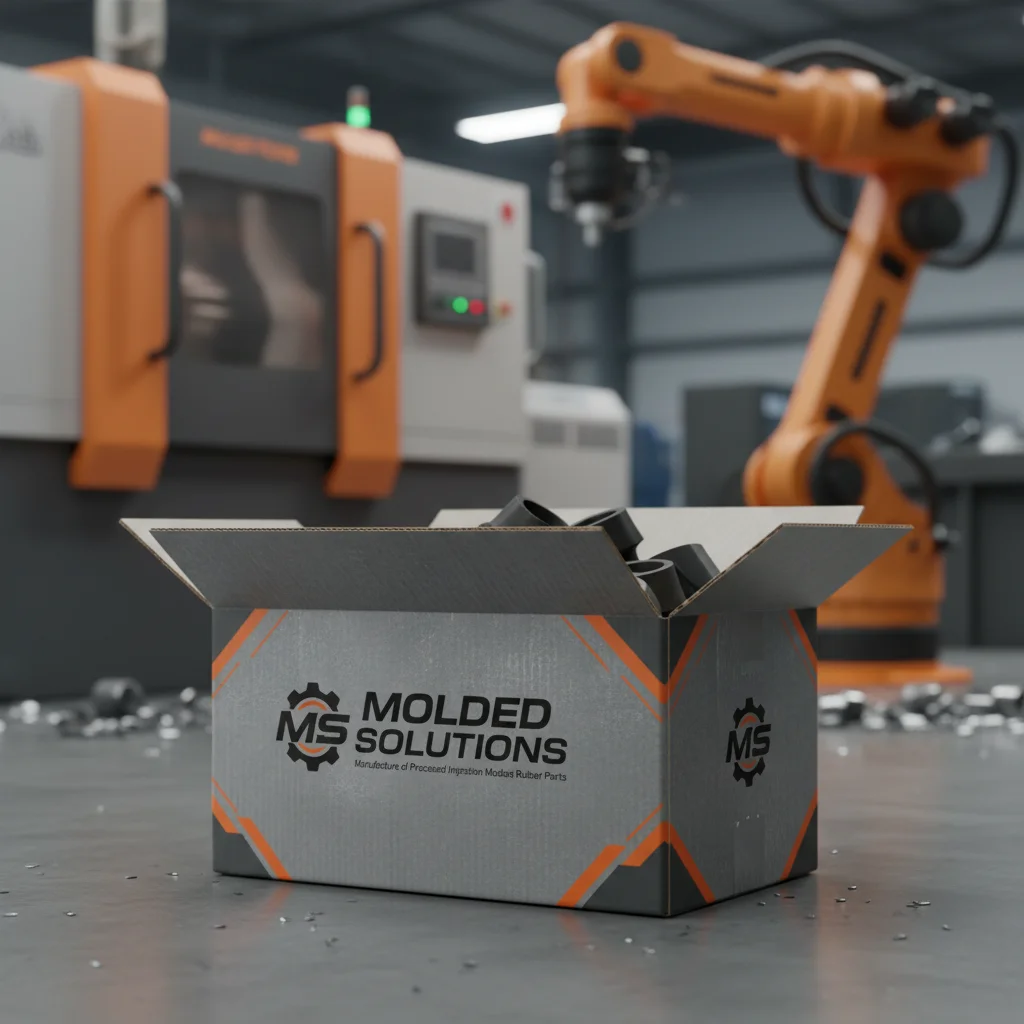
In the aerospace manufacturing supply chain, the foundation of reliable, lightweight, and high-performance components lies in the quality of aircraft molds. At Guangdong Yingtai, we’ve spent over 20 years refining our craft in both
Product Details
Precision Aircraft Mold Solutions by Guangdong Yingtai High Precision Technology
In the aerospace manufacturing supply chain, the foundation of reliable, lightweight, and high-performance components lies in the quality of aircraft molds. At Guangdong Yingtai, we’ve spent over 20 years refining our craft in both liquid silicone and precision injection molding to deliver aircraft molds built for the highest standards—meeting rigorous certification requirements and operational demands.
Industry Pain Points in Aircraft Mold Procurement
• Complex Design Requirements: Aircraft components demand intricate molds often incorporating tight tolerances and multi-material interfaces, pushing conventional molding capacities.
• Material Performance Under Stress: Aerospace molds must support composite layups and withstand high thermal and mechanical stresses without deformation.
• Supply Chain Volatility: Delays and inconsistent quality from offshore mold manufacturers can jeopardize production schedules, adding risk to just-in-time assembly lines.
• Certification & Compliance: Aerospace standards such as AS9100 and FAA regulations require traceability and process rigor conflicting with some mass-production mold suppliers.
• Maintenance and Lifecycle Challenges: High mold wear rates in composite curing environments require robust materials and timely support services to avoid costly downtime.
These operational realities demand suppliers who combine aerospace-level craftsmanship with modern manufacturing workflows. Without this calibration, organizations face long lead times, quality inconsistencies, and higher total cost of ownership in mold tooling. Partnering with precision manufacturers specializing in aerospace-grade molds can eliminate these hidden risks.
Aircraft mold production is a confluence of advanced materials science and precision engineering. Key technical elements include:
Material Selection: High-grade mold steels (such as H13, P20) combined with innovative surface coatings to resist abrasion and thermal cycling enable mold longevity during composite curing and liquid silicone silicone-overmolding.
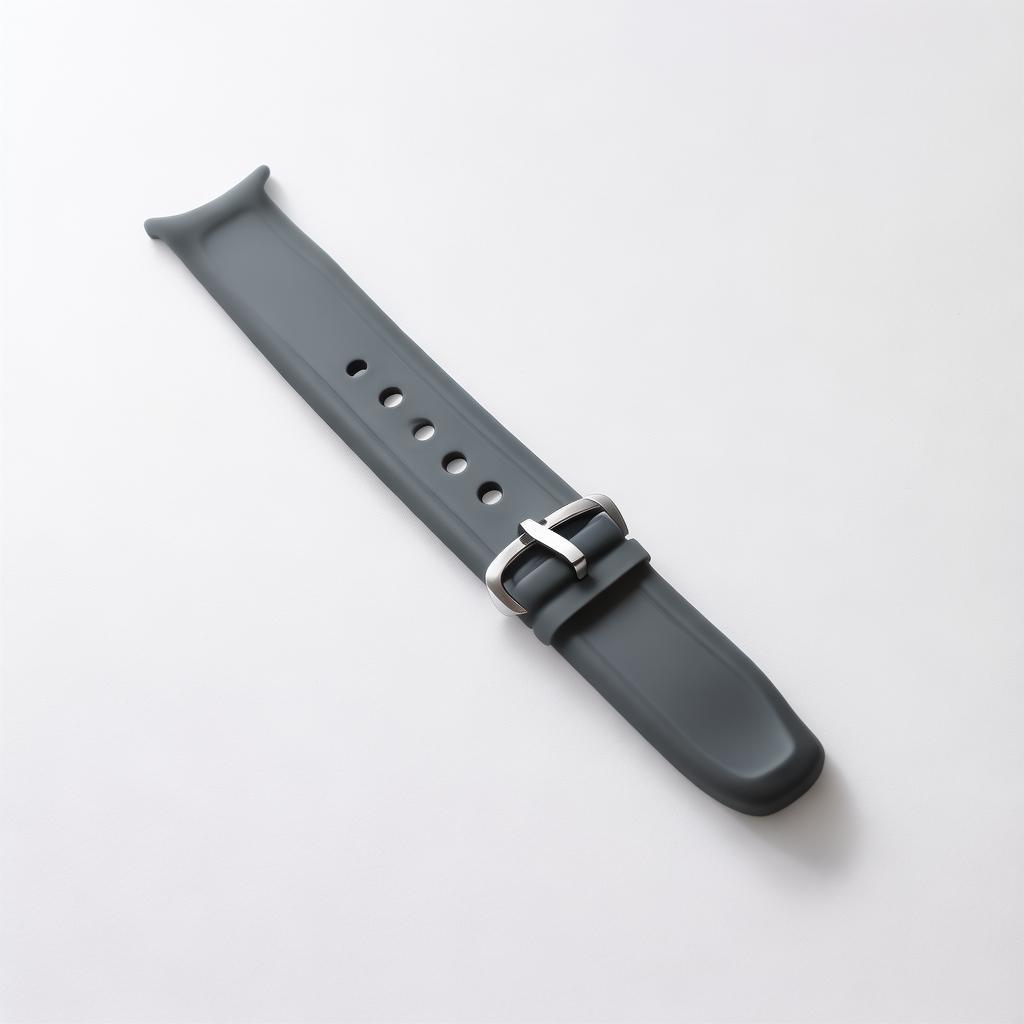
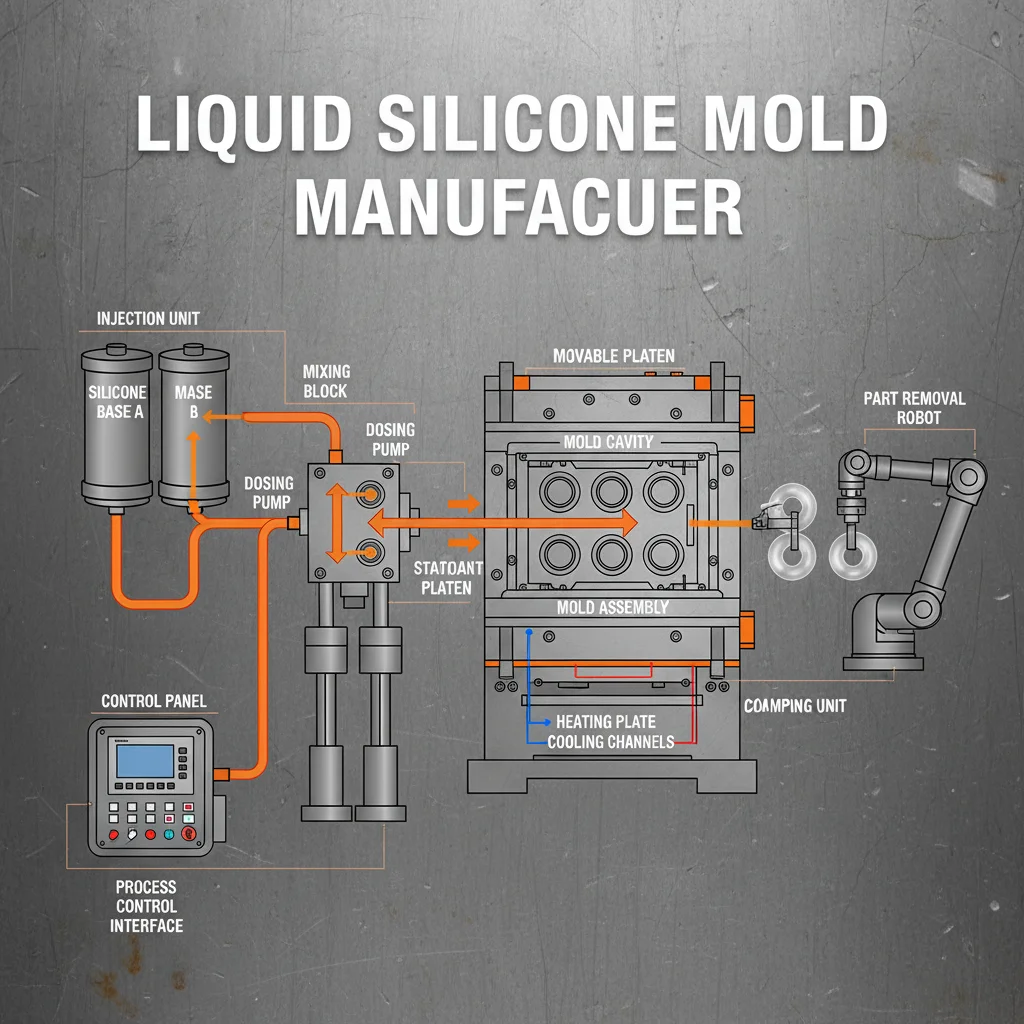
Liquid Silicone Rubber (LSR) Injection Molding: Our expertise spans LSR molds that deliver superior heat resistance and flexibility — critical for sealing components and vibration damping in aerospace assemblies.
Precision CNC & EDM Tooling: Implementation of 5-axis CNC machining with EDM fine-tuning achieves surface finish Ra 0.8 microns or better, reducing post-processing and ensuring dimensional accuracy.
CAE Simulation & Mold Flow Analysis: We utilize advanced mold flow and curing simulations ([MDPI Study][1]) to optimize runner balance and minimize defects such as flash or internal stresses.
Multi-Component and Hybrid Molding: Capabilities include LSR/thermoplastic co-injection molding supporting aerospace seals and soft-touch components integrating structural thermoplastics ([MDPI Polymers][6]).
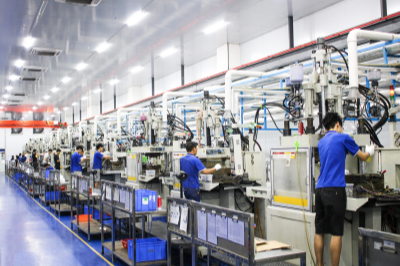
State-of-the-art CNC machining combined with precision EDM at Yingtai’s Dongguan industrial park.
Integrating these technologies ensures molds meet AS9100 aerospace quality standards, supporting durable, lightweight aircraft parts with repeatable performance characteristics in demanding environments.
Specification
Details
Industry Standard
Mold Material
H13 Steel with DLC Coating or P20 Stainless Steel
ASTM A681 / ISO 4957
Surface Finish
Ra < 0.8 microns (polished or textured)
ASME B46.1-2002
Injection Molding Machine Capacity
50-2800 Tons Clamping Force
ISO 20430
Liquid Silicone Grade
Medical & Industrial Grade with Heat Resistance 200°C+
FDA / RoHS / REACH
Process Control
Closed-loop monitoring, cavity pressure sensors, real-time rheological control
Aircraft molds produced at Guangdong Yingtai enable manufacturing of a wide range of components integral to modern aerospace assemblies:
Composite Airframe Panels: High-precision molds for carbon fiber reinforced polymer layups used in fuselages and wing structures.
Liquid Silicone Overmolded Seals and Gaskets: Custom LSR injection molds create vibration-damping seals for landing gear, engine cowls, and access panels.
Electrical and Avionics Enclosures: Durable silicone-molded parts for shielding and environmental protection of sensitive equipment.
Interior Cabin Components: Soft-touch overmolded parts featuring ergonomic detail and compliance with fire retardance standards.
Soft Robotics & Actuators: Precision silicone molds tailored for components used in aerospace robotic arms and maintenance tools ([Springer Soft Robotics][3]).
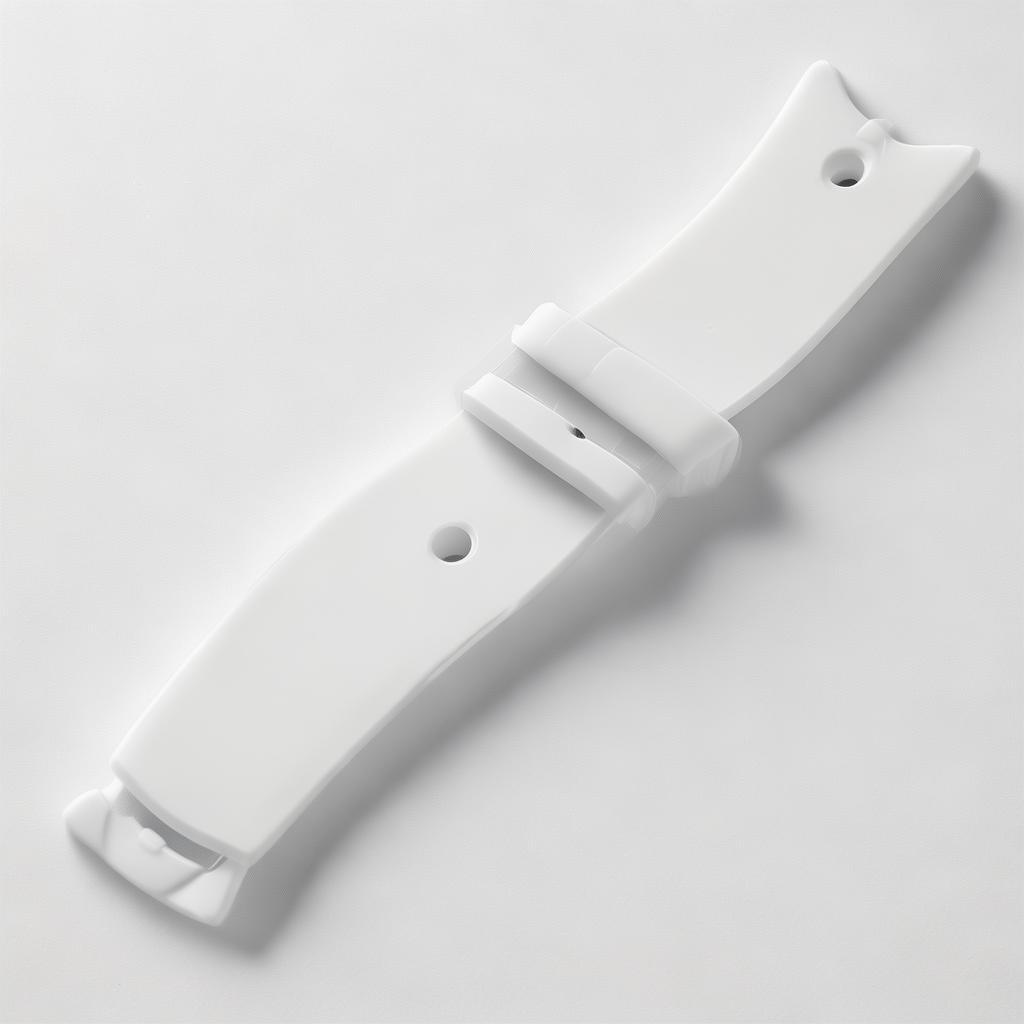
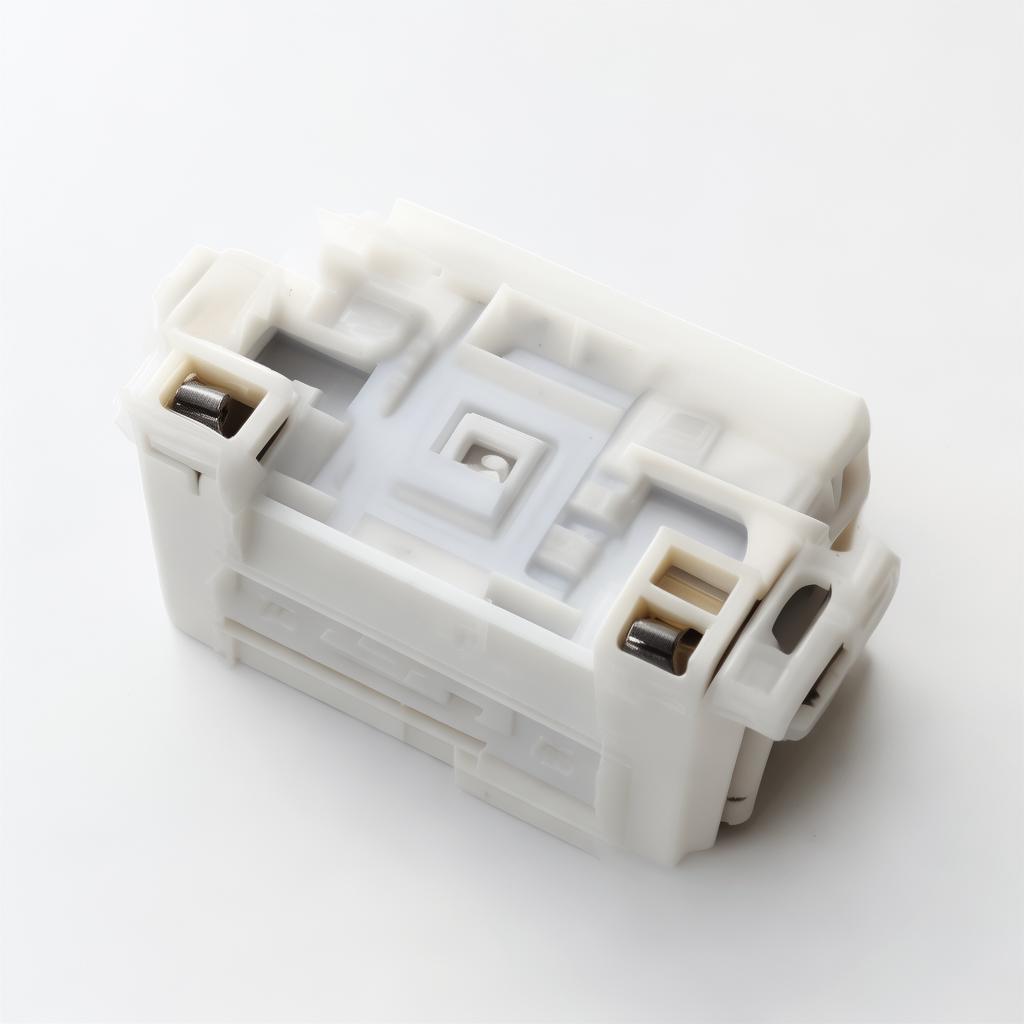
Composite aerospace component after precision molding and curing at Yingtai facilities.
Selecting the correct mold type for each application reduces scrap rates and downstream reworks. For instance, choosing diamond-finished molds for fiber layups improves demolding ease and part surface integrity. Our R&D team frequently collaborates with aerospace engineers to adapt tooling and process parameters based on evolving material technologies, such as new LSR compounds or hybrid composite formulations.
Procurement Guidance & Supplier Evaluation
Buying aircraft molds requires more than price comparison; it demands evaluation of supplier capabilities, technology readiness, and compliance adherence. Here are critical factors to consider:
Certifications & Quality Management: Ensure suppliers maintain aerospace-grade standards (AS9100, ISO 9001), plus specialty approvals for medical-grade silicone molding if needed.
In-House Manufacturing Capacity: Outsourcing mold components increases lead times. Yingtai’s 35,000 m2 industrial park hosts over 30 precision mold processing units and testing instruments for integrated control.
Technical Support & Engineering Collaboration: Providers should offer mold flow simulation, CAE analysis, and continuous process optimization services.
Lead Times & Flexibility: Typical mold build schedules vary between 4 to 12 weeks depending on complexity. Agile suppliers can adapt to design changes minimizing project delays.
OEM/ODM Experience: Confirm experience with custom tooling and production ramp-ups for aerospace customers to avoid tooling misalignment or premature wear.
Raw Material Traceability: Track mold steel origins, silicone compound batch data, and post-processing treatments to ensure reproducibility and compliance.
Procuring from a factory with a vertically integrated production chain like Yingtai can reduce communication gaps, streamline logistics, and enhance product reliability. Our team advises buyers early on to request comprehensive documentation and trial samples for validation.
Logistics, Installation, and Maintenance Insights
Managing aircraft molds entails careful planning beyond manufacturing. Consider the following points:
Shipping: Mold sets can be large and sensitive; packing for overseas container loading must include humidity control and shock protection to maintain tooling integrity.
Installation: Precise alignment on injection molding machines or autoclaves requires trained technicians. Detailed instruction manuals and onsite technical support are recommended to shorten commissioning.
Maintenance: Routine inspection for wear, corrosion, and cleaning protocols extend mold life. Some aircraft molds may demand reconditioning after 10,000+ cycles depending on resin system and cure conditions.
Spare Parts Support: Recommend ordering duplicate critical components such as inserts or ejector pins upfront to avoid future production downtime.
Service Agreements: Long-term contracts including preventive maintenance visits can protect your investment across the lifecycle.
From logistics to end-use, Yingtai prides itself on comprehensive after-sales services tailored to the aerospace industry’s stringent schedules and quality expectations.
Frequently Asked Questions
Q1: What is the typical lead time for custom aircraft molds?
Lead times generally range from 6 to 12 weeks depending on mold complexity, mold size, material availability, and approval cycles. Early engagement helps expedite prototype and tooling revisions.
Q2: Which certifications does Guangdong Yingtai hold related to aircraft mold production?
Yingtai operates under strict AS9100 and ISO 9001 systems with FDA-compliant silicone molding capacities. Our quality management covers full traceability and production documentation.
Q3: Can you provide OEM/ODM services and support multi-material molds?
Absolutely. Our factory has 20+ years of experience in OEM/ODM development, including co-injection mold tooling for LSR and thermoplastics, catering to complex aerospace component requirements.
Q4: What materials do you recommend for molds exposed to high thermal cycles?
H13 tool steel combined with DLC or ceramic coatings is the preferred combination for thermal fatigue resistance in aerospace applications requiring frequent curing cycles above 200°C.
Q5: How do you ensure dimensional stability and mold accuracy under production stress?
Through advanced CNC machining, precision EDM, and real-time process monitoring—including cavity pressure sensors—our molds maintain tight tolerances and minimize warping risks during injection cycles.
Customer Reviews & Industry Feedback
"Yingtai’s aircraft molds delivered exceptional fit and finish that met our aerospace supplier standards. Their engineering team helped optimize mold flow and reduced our scrap rate by almost 30%. Communication throughout the project was transparent and professional." — John M., Procurement Manager, Boeing Subcontractor, Washington, USA
Get in Touch
If you have any camping barbeque equipment inquiry, please feel free to contact us.